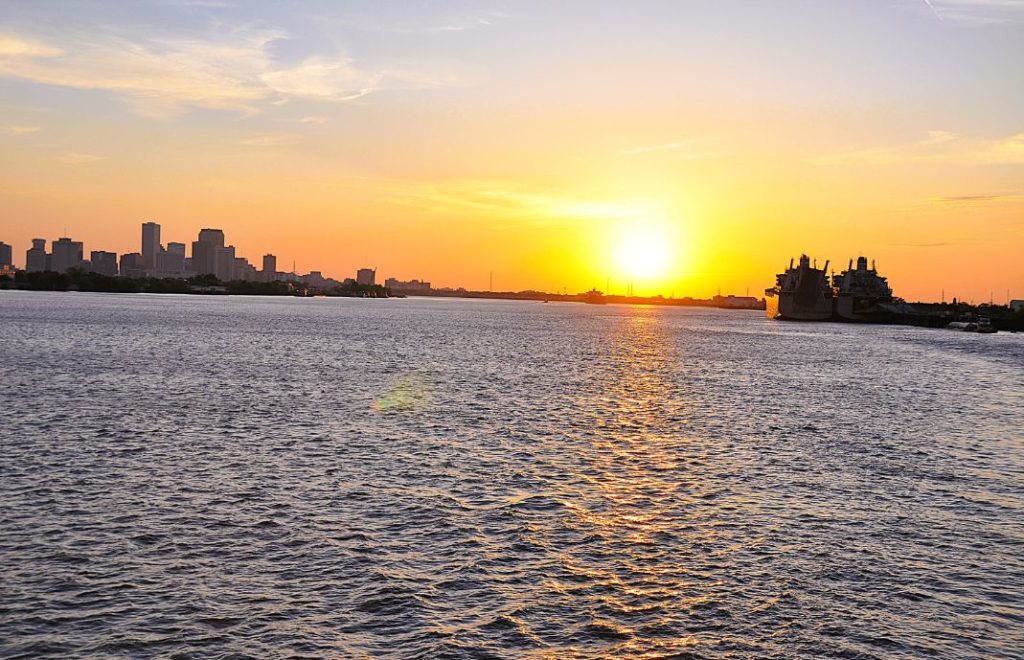
The great paddle steamers lie shoulder to shoulder, their towering funnels belching thick, black smoke into the sky. From the Mississippi comes the piercing wail of yet another paddle steamer whistle, echoing through the bends of the river. Hidden for now behind one of its countless curves, the vessel will soon appear, gliding toward the bustling, chaotic docks.
The wharf is alive with noise and movement. Shouts and cries cut through the air as people push their way past towering stacks of cotton bales, waiting to be heaved aboard for their journey downstream.
Along the riverbank, the splash of the paddle wheels and the rhythmic chuff of steam engines carry across the water. A little further down, a boy dangles his legs in the shallows. His straw hat pushed back, his shirt untucked. He chews idly on a piece of grass while his eyes remain fixed on the bobbing float at the end of his line.
It is Huckleberry Finn, carefree and content, lost in the simple joys of a summer’s day on the mighty Mississippi.
The invention that transformed the river
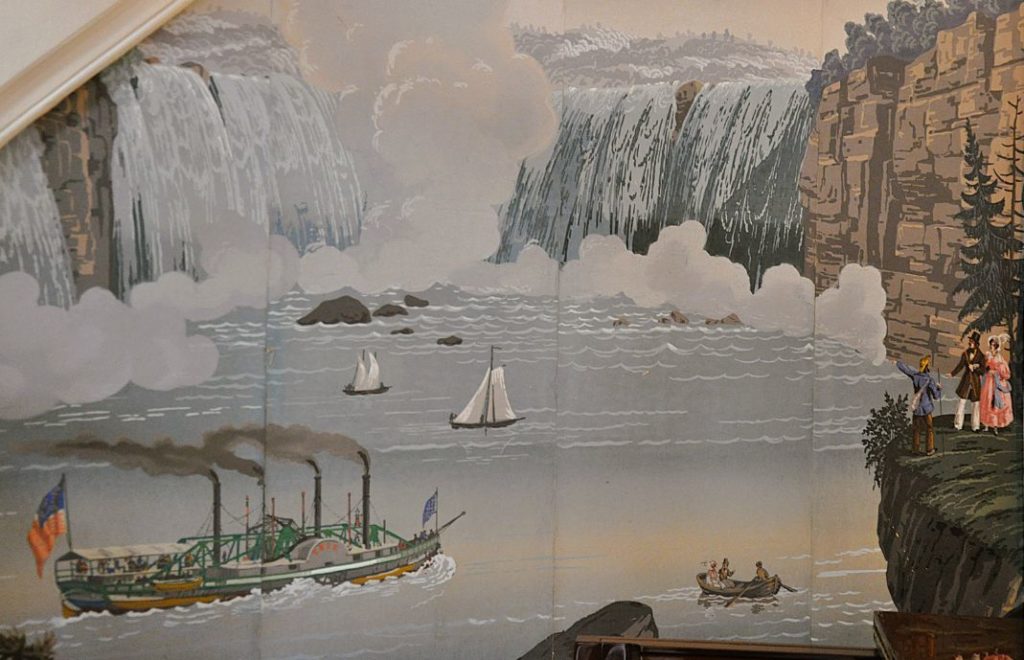
In the first half of the 19th century, the paddle steamer reshaped the Mississippi, North America’s greatest river, turning it from untamed wilderness into a bustling commercial highway. With the power of steam, both passengers and goods could now travel upstream as well as down. Before the paddle steamer, traffic flowed only one way: flatboats and small sailing craft drifted south with the current, powerless against the mighty river’s relentless force.
Paddle steamers, loaded with timber, furs, and above all, cotton, plied their way southward, while finished goods from around the world made the return journey north. The towns along the Mississippi blossomed, fueled by the lifeblood of river trade.
The paddle steamer’s golden age began in the northeastern United States in 1807. The adventure started when Robert Fulton and Robert Livingston launched a successful paddle steamer on New York’s Hudson River. Soon, Nicholas Roosevelt joined the endeavor. Together, the trio envisioned a vessel that could sail from Pittsburgh to New Orleans.
Their boat was built at their own shipyard and christened New Orleans. On October 20, 1811, she slipped from the Pittsburgh wharf. Low water levels on the Ohio River forced her to wait six long weeks. Yet the near three-month voyage was anything but uneventful. The travelers endured attacks from Native tribes, a fire onboard, and even a violent earthquake. For a brief time, the waters themselves flowed in the wrong direction.
Just before New Year’s, the New Orleans reached Natchez, and on January 10, 1812, she triumphantly arrived in New Orleans. The journey revealed many flaws – her engine lacked sufficient power, she could not reliably fight the current, and her draft was too deep for the Mississippi’s fickle waters.
Still, this first voyage marked the dawn of a new era. The age of the river kings had begun.
Glory days and perils on the river
It did not take long before paddle steamers were refined to suit the demanding conditions of the Mississippi: powerful engines combined with hulls as flat as possible.
By 1814, twenty-one paddle steamers plied the river. Five years later, that number had risen to 191. By 1833, the boom was unstoppable – more than 1,200 paddle steamers churned along the Mississippi and its great tributaries: the Ohio, Arkansas, Missouri, and Illinois.
After the American Civil War, the fleet swelled even further. By the 1870s, over 2,000 paddle steamers adorned the vast river system, their paddlewheels a symbol of progress and prosperity.
But life on the river was never without risk. Rapids along the Mississippi made the upstream journey treacherous. A determined paddle steamer might fight its way through, but often the cargo had to be unloaded and laboriously hauled past the obstacles in small barges.
The average paddle steamer survived no more than five years. Fire, collisions with other vessels, bridges, or drifting ice were constant dangers. Worst of all was the nightmare of an explosion – when a boiler burst, an entire ship could be obliterated in seconds.
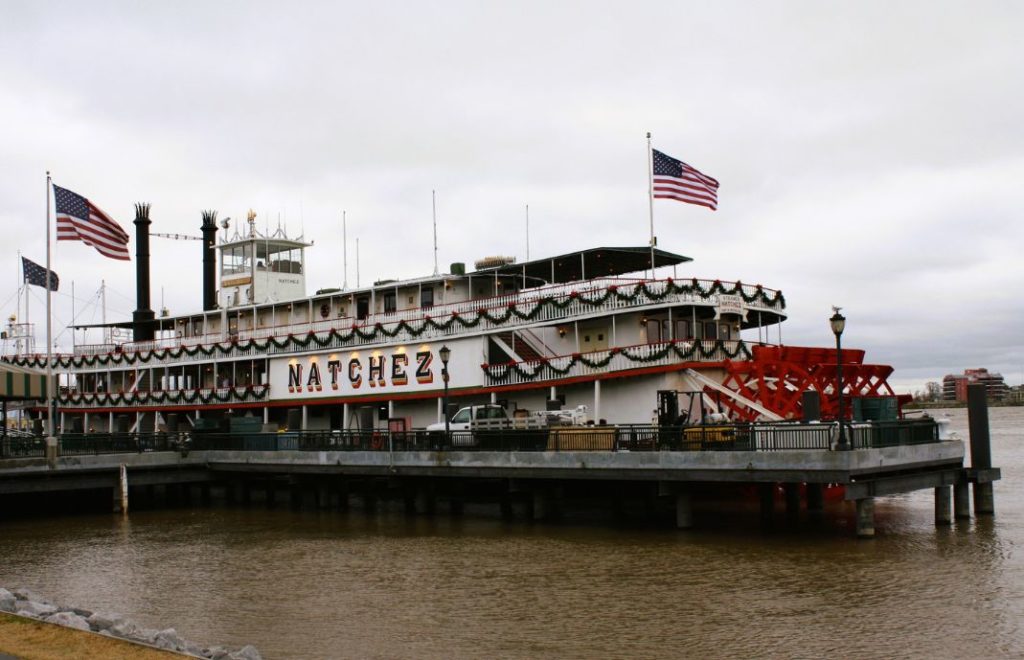
Yet the age of the paddle steamerhas not entirely vanished. Even today, one can still hear the splash of paddlewheels in the shallows of the Mississippi, and the shrill cry of the whistle echoes once more across the water.
These days, the paddle steamers are lovingly built replicas, carrying travelers from around the globe who come to capture a glimpse of a bygone era. An echo of adventure, history, and romance on America’s great river.