
Stretching more than 1,600 kilometers from north to south, Vietnam is a land of striking contrasts – where distance brings diversity in climate. In the north, crisp winter mornings give way to vibrant, emerald rice fields in spring, while the south entices with tropical warmth and sun-drenched beaches almost year-round. Between the two lies central Vietnam, home to enchanting cities like Hoi An and Hue, where the seasons rise and fall in rhythm with the monsoon.
Vietnam is truly a destination for every season – yet the timing of your journey will shape the experiences you find. Will it be the mist-veiled mountains of Sapa, a golden sunset along Phu Quoc’s sandy shores, or the spellbinding lantern festival in Hoi An?
In this guide, I’ll take you through Vietnam’s diverse climates and regions, helping you discover the perfect moment for your adventure.
This guide should be used as a general reference.
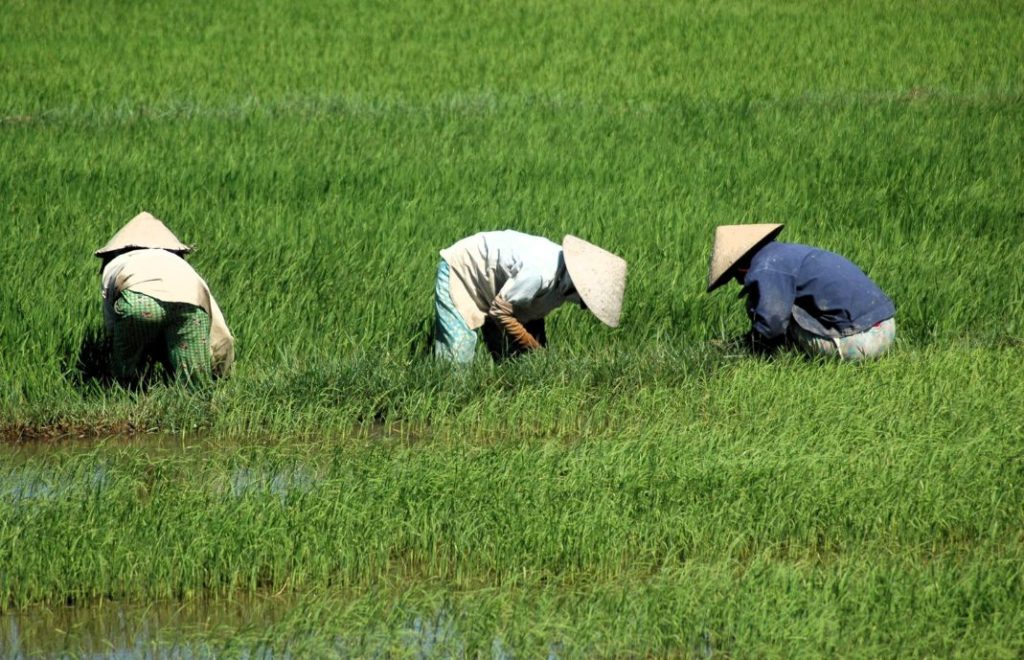
Climate in Vietnam
Vietnam is a country you can visit year-round.
Stretching some 1,600 kilometers from north to south, the nation spans two distinct climate zones – meaning the weather can vary dramatically depending on whether you find yourself in the North, Central, or Southern regions.
As a result, there’s no single “perfect” time to visit Vietnam; much depends on what kind of experiences you’re seeking.
The climate is largely shaped by two monsoons:
- The Southwest monsoon – lasting from April to September, bringing hot, humid, and rainy weather.
- The Northeast monsoon – from October to April, generally cooler and less wet.
While these monsoons set the tone, local conditions also play a significant role, so weather can shift notably from one region to another.
With two climate zones and the rhythm of the monsoons, expect great variety – whether you’re chasing misty highlands, sunlit coastlines, or vibrant cityscapes, your journey through Vietnam will always be defined by the season and place you choose.
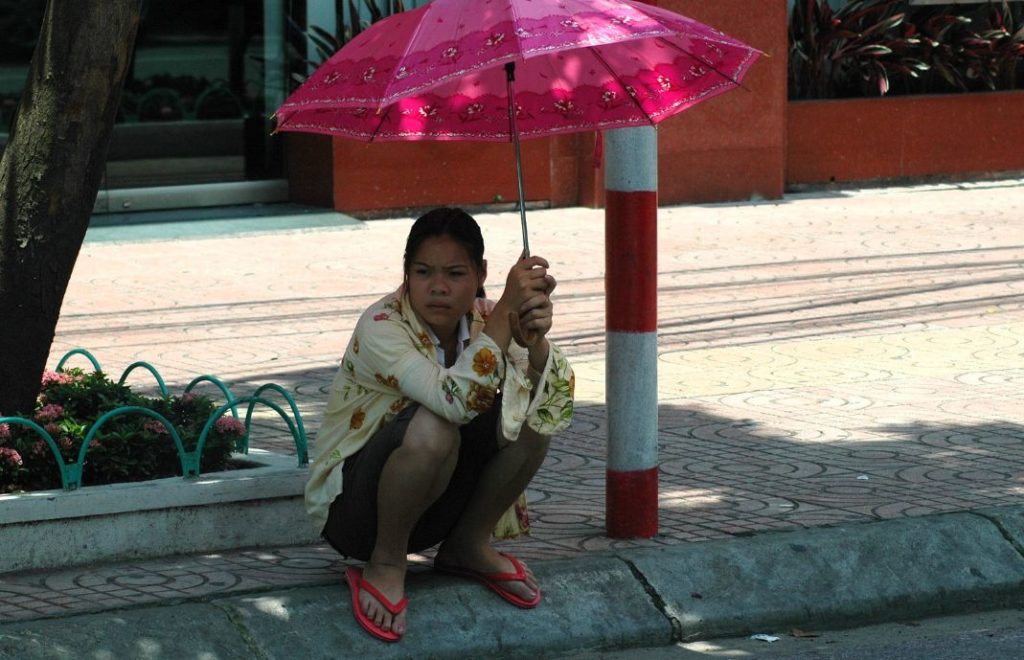
Northern Vietnam
Northern Vietnam can broadly be divided into two regions:
- The coastal plains and cities, including Hanoi and the legendary Ha Long Bay.
- The mountainous highlands, with Sapa as their crown jewel.
Though both lie within a subtropical climate zone, the weather differs greatly between the misty mountains and the low-lying coast.
The dry season (November – March)
Along the coast:
- This period brings the coolest temperatures of the year.
- December to February are both the coldest and driest months, before the warmth gradually returns in March.
In Sapa and the highlands:
- From December to February, nights can be biting cold, with frost and even the occasional snowfall dusting the peaks.
- Mist often lingers in the valleys.
- By March through May, the skies clear, the sun shines brightly, and the climate remains pleasantly dry.
The rainy season (April – October)
Along the coast:
- Temperatures climb steeply, with June through August being the hottest months.
- Intense heat brings tropical downpours, high humidity, and dramatic storms.
- July and August mark the peak of the rains.
In Sapa and the highlands:
- Rain falls throughout the season, heaviest in July and August.
- Days remain mild and comfortable, but nights can still turn refreshingly cool.
Best time to visit Northern Vietnam
If your journey takes you to the coastal regions of northern Vietnam, spring, autumn (October), and December are the most rewarding times to go.
Hanoi is at its most inviting from September through November, when the skies are clear, rainfall is light, and the heat softens into pleasantly mild temperatures.
Ha Long Bay is also at its best in spring and autumn, when calm skies and gentle warmth set the perfect stage for cruising among its dramatic limestone karsts.
For Sapa and the northern highlands, March and April are the ideal months, offering dry, sunny days and crisp mountain air. October and November are equally enchanting – the weather is clearer, and the rice terraces shimmer in their most vibrant, golden-green glory.
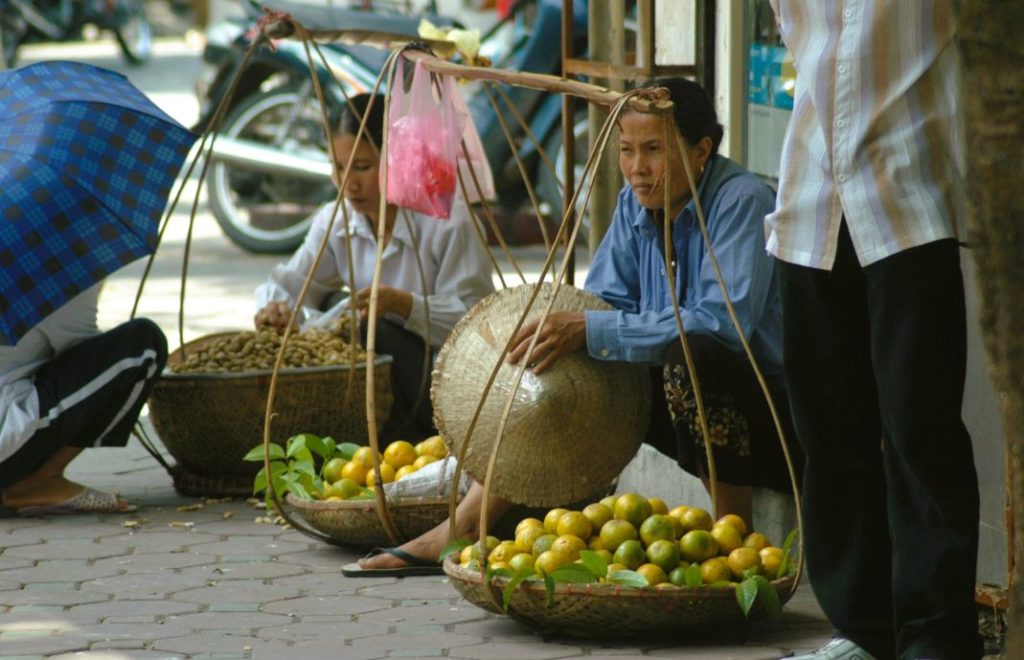
Central Vietnam
The weather in central Vietnam – home to historic Hue and the lantern-lit streets of Hoi An – is notably more unpredictable than in other regions.
The dry season (January – August)
- From January through August, the climate is generally hot and dry.
- Between May and August, daytime temperatures can soar to an intense 40°C (104°F).
- Rainfall remains minimal, making these months both sun-drenched and sweltering.
The rainy season (September – December)
- From September to December, heat lingers but humidity rises sharply.
- Rainfall is frequent throughout this period, peaking in October and November.
- This is also typhoon season in the western Pacific, and central Vietnam lies directly in the path of these powerful storms, which can occasionally bring disruptive weather.
Best time to visit Central Vietnam
The most pleasant time to explore central Vietnam is between February and April, when the weather is mild and rainfall is scarce. If you don’t mind the heat, May through August can also be a rewarding season to visit – though you should be prepared for higher temperatures and the chance of more frequent showers.
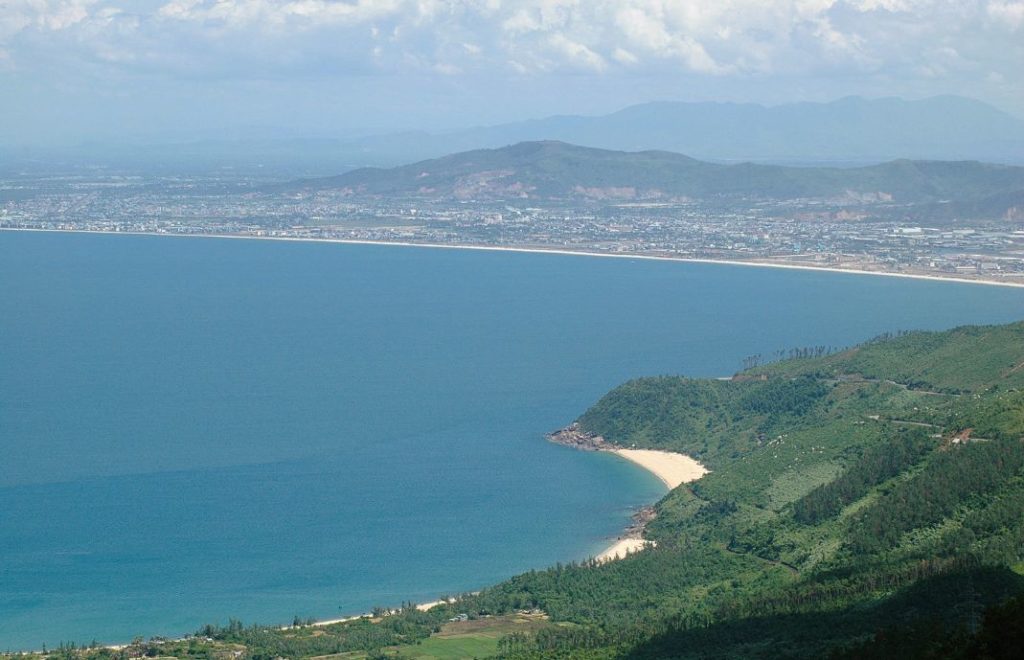
Southern Vietnam
Southern Vietnam – home to Ho Chi Minh City, the lush Mekong Delta, and the idyllic island of Phu Quoc – lies firmly within the tropical climate zone. Here, temperatures remain fairly consistent throughout the year, but the seasons are defined by shifting patterns of rain and humidity.
The dry season (December – April)
- Sunny skies, intense heat, and lower humidity characterize these months.
- From late February, both temperatures and humidity begin to rise.
- April and May marking the hottest period of the year.
The rainy season (May – November)
- Expect sweltering heat throughout the season, with temperatures often soaring to 40–45°C (104–113°F).
- Heavy rains accompany the southwest monsoon, most often arriving in dramatic afternoon downpours.
- While these showers bring relief from the heat, they can also lead to flooding, particularly in the Mekong Delta and on Phu Quoc Island.
Best time to visit Southern Vietnam
The ideal time to travel through southern Vietnam is from December to April, when rainfall is minimal and humidity is lower, making the tropical heat more comfortable to explore.
This guide is intended as a general reference.

More inspiration to Vietnam:
Vietnam from North to South
Vietnam’s five H’s
