
Kruger National Park is one of the best places in Africa to experience a self-drive safari. With well-maintained roads, breathtaking landscapes, and an abundance of wildlife, it offers freedom, adventure, and unforgettable moments behind the wheel.
But before you set off on your quest to encounter South Africa’s wild creatures, here are some essential rules and tips to ensure your journey is safe, respectful, and rewarding.
Start with a guided safari
If it’s your first time on safari – or you’re unfamiliar with Kruger National Park – begin your adventure with a guided morning drive. Not only will you get a feel for the landscape and road network, but you’ll also gain valuable insights from a professional guide. It’s the perfect opportunity to ask questions, learn animal behavior, and sharpen your spotting skills before heading out on your own.
Prepare for the best experience
- The more you prepare, the richer your safari will be.
- Read up on the park’s rules and the behavior of the animals you hope to see.
- Know where different species like to rest or roam: lions often lounge in the shade of trees, while leopards prefer to rest in the trees themselves, draped across sturdy branches.
Choose the right car
There’s no need for a 4×4 vehicle in Kruger. Even the gravel roads are well maintained, so a standard car will do just fine. What matters more is comfort, visibility, and making sure your vehicle is in good working order – especially your air conditioning and windows.
Drive slowly – really slowly
- Speed is your greatest enemy on safari.
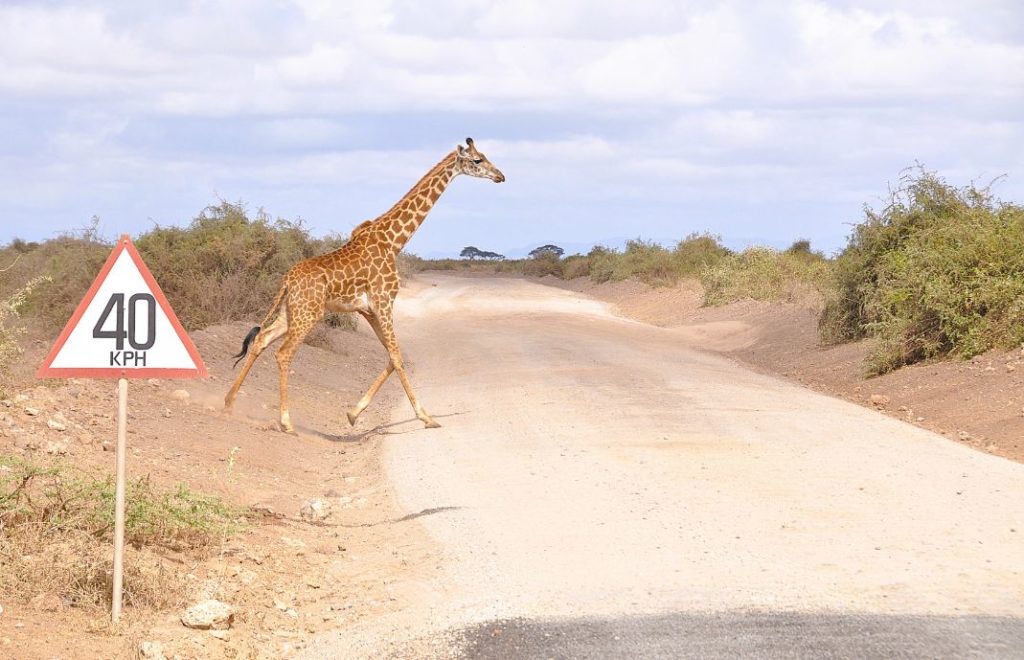
- Take it slow – really slow. Even at 5 km/h, it’s easy to miss wildlife blending into the bush. A lion resting in the grass or a leopard camouflaged in a tree can be almost invisible unless you’re crawling past with eyes wide open.
Remember, this isn’t a race – it’s a journey of discovery.
Every bend could reveal a new wonder. Let patience be your compass, and you’ll unlock the true magic of Kruger, one wild moment at a time.
Take it all in
Yes, the Big Five are thrilling to spot – but a safari is about so much more than lions and elephants. Pause to appreciate the quiet beauty of a zebra herd grazing in the golden light, the intricate architecture of a termite mound, or the vibrant colors of a lilac-breasted roller flitting through the sky.
Every moment in the bush holds wonder – if you slow down enough to see it.
Explore the back roads
Skip the busier main routes and opt for the smaller gravel tracks instead. These quieter roads often offer the best encounters, allowing you to be alone with the animals, undisturbed by other vehicles.
Fewer cars also mean a greater chance that the wildlife is still nearby and hasn’t been scared off. Off the beaten path is where the wild truly comes alive – and where you’ll feel most connected to the rhythm of nature.
Book in advance
Planning to stay more than a day in the park? Be sure to book your accommodation ahead of time. Proof of your reservation must be presented at the gate upon arrival.
And remember: when the African sun begins to dip below the horizon, all visitors must be safely inside a rest camp or outside the park’s boundaries. After dark, Kruger belongs solely to its wild inhabitants.
A self-drive safari in Kruger is more than a road trip – it’s a journey through a living wilderness. With a little planning, patience, and curiosity, you’ll find that the real magic lies not just in what you see, but in how deeply you let yourself feel it.
More inspiration to Kruger National Park
Safari in Kruger National Park
10 animals to search for in Kruger National Park
A guide to Kruger National Park
