
Kruger National Park is without a doubt one of the world’s premier wildlife destinations – home to some of the planet’s most iconic species. Stretching across a vast expanse in northeastern South Africa, this legendary reserve is a true mecca for safari enthusiasts. Here, the wilderness is alive, and the animals are never far away.
Covering more than two million hectares and spanning two South African provinces, Kruger also shares borders with Mozambique and Zimbabwe. For centuries, it has served as a vital migration corridor for countless species, sustaining a rich and diverse ecosystem.
Despite annual wildlife counts and extensive monitoring, it is nearly impossible to determine exactly how many animals inhabit Kruger at any given moment. Life in the wild is shaped by a delicate balance – predators, natural disasters, disease, and poaching all take their toll, while environmental conditions and the health of each species influence breeding patterns from year to year.
Today, the park shelters an extraordinary array of life: 148 mammal species, 505 species of birds, 53 fish species, 118 species of reptiles, and 35 species of amphibians.
While sightings can never be guaranteed – and the most elusive creatures may remain hidden even after days of searching – there are certain iconic animals that define the Kruger experience. Encountering them in their natural habitat is an unforgettable privilege.
Here are 10 animals you should look out for in Kruger National Park:
1. Lion
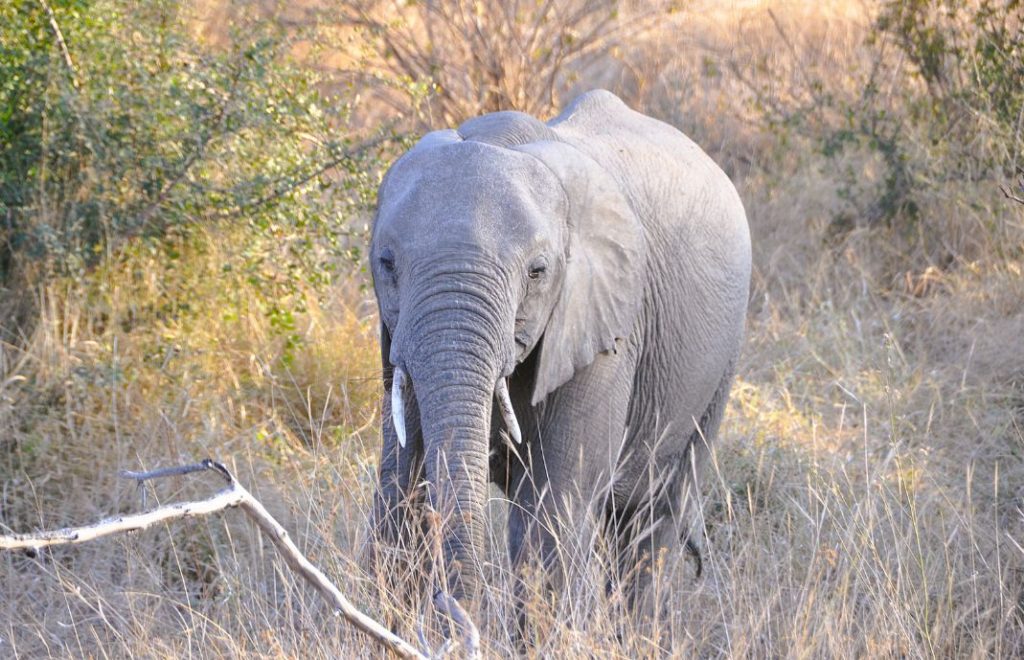
Kruger National Park is home to an estimated 1,600 lions, Africa’s largest cat and one of the park’s greatest attractions.
Male lions can stand up to 1.2 meters tall and weigh over 200 kilograms. They are instantly recognizable by their magnificent manes, which range in color from deep russet and tawny brown to charcoal black. Some males sport manes so dark they appear almost entirely black – a feature believed to make them especially appealing to females.
Lionesses, by contrast, are smaller, weighing around 130 kilograms. They lack manes and are most often seen in the company of other females or caring for cubs.
Lions are the most social of all the world’s cats, living in large family groups known as prides. In Kruger, a typical pride can include anywhere from three to thirty individuals. Males are sometimes seen alone or in small coalitions of two or three, patrolling their territories to fend off rivals or seeking prides to take over – one of the main reasons males guard their ranges so tirelessly.
Ever opportunistic, lions will hunt and feed whenever the chance arises, even shortly after a large meal. Their prey consists mainly of big game such as zebra, wildebeest, buffalo, and occasionally giraffe. Smaller antelope, like impala or steenbok, usually only feature on the menu when the circumstances are just right.
2. Leopard
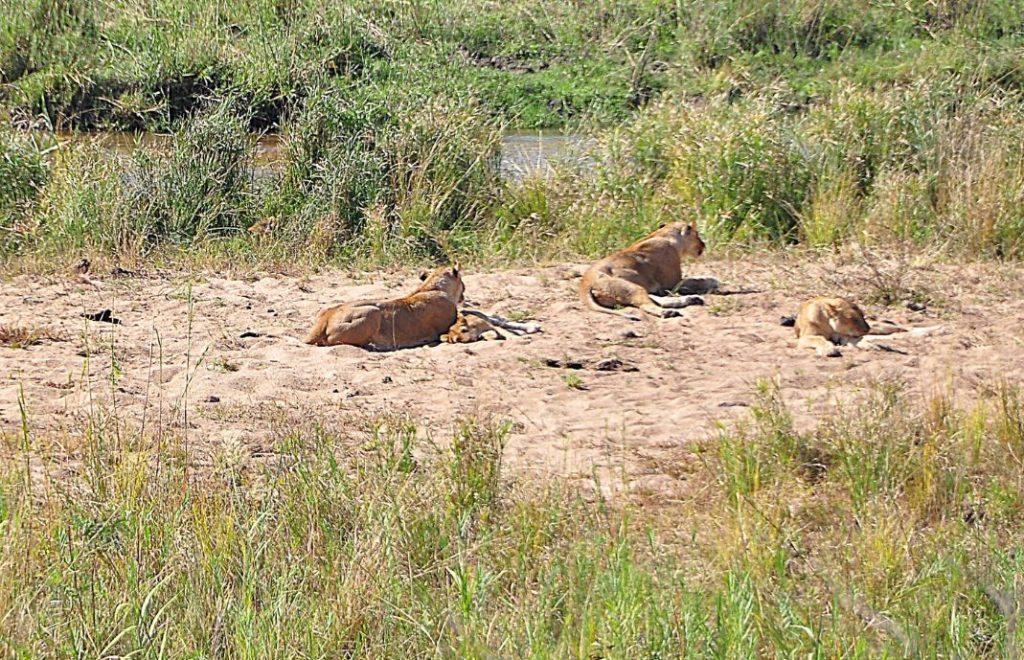
The leopard is the most elusive of all the big cats, making it one of the most coveted sightings in Kruger. These solitary hunters are never seen in groups – unless you are fortunate enough to witness a mother with her cubs, or a pair during mating season.
Adorned with a mesmerizing pattern of black rosettes set against a golden-yellow coat, the leopard is built for raw power. Its muscular frame allows it to hoist prey heavier than itself several meters up into a tree, safely out of reach from other predators or scavengers eager to steal the kill.
This versatile hunter feeds on everything from wildebeest, birds, and baboons to fish, though impala make up the bulk of its diet.
In Kruger, the lush vegetation of the park’s southern reaches offers ideal habitat for leopards, while the rugged, forested northern regions around Letaba and Shingwedzi are also prime territory for these secretive and magnificent cats.
3. Elephant
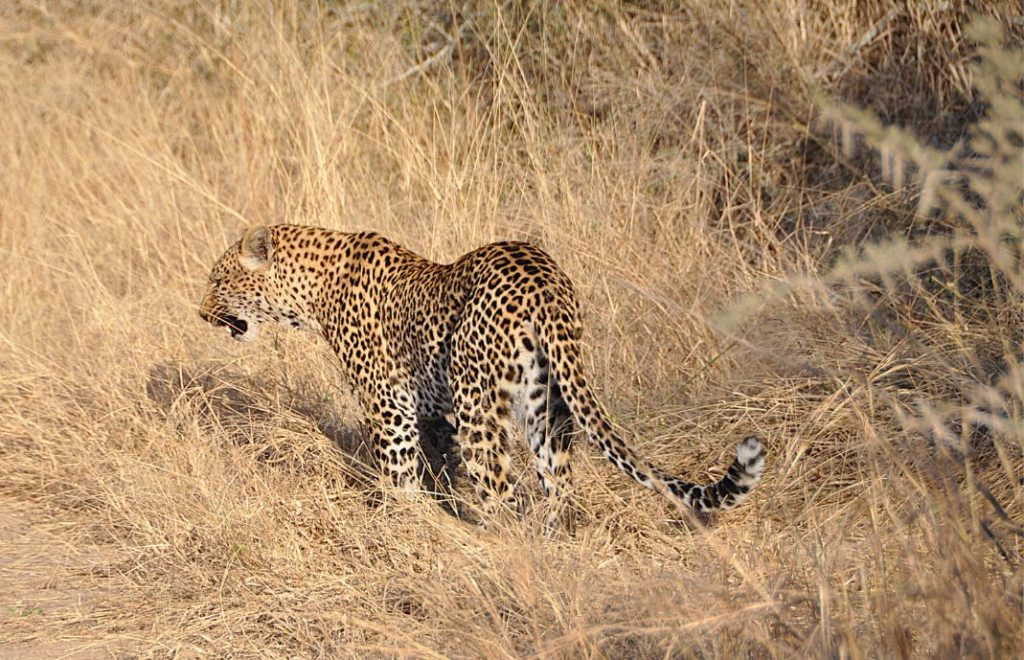
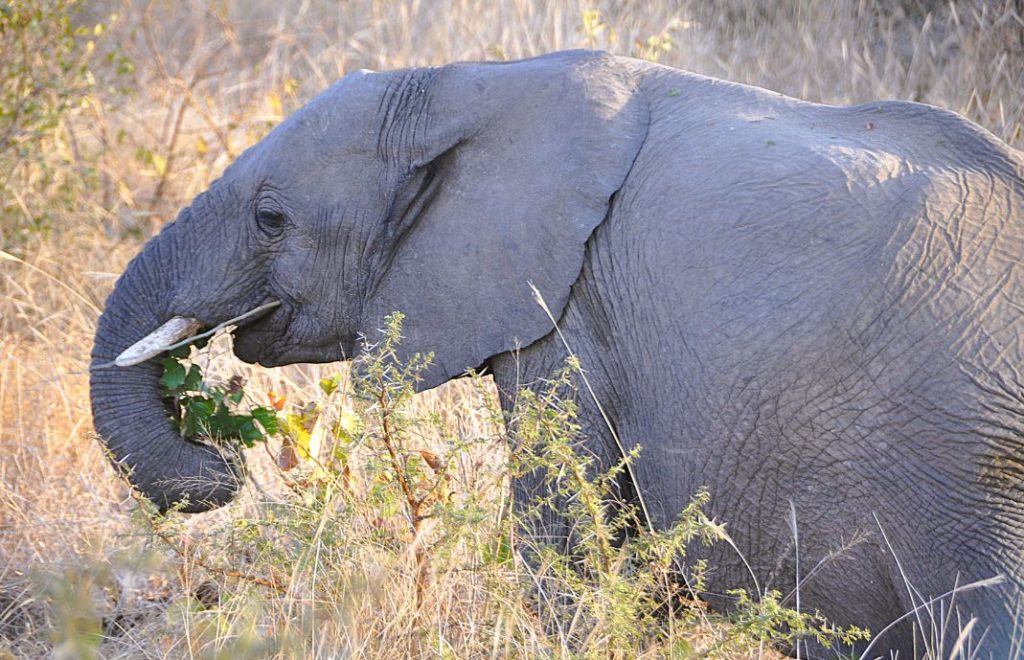
The African elephant is the largest land mammal on Earth and a keystone species in the continent’s ecosystems. Towering bulls can reach up to 3.3 meters at the shoulder and weigh as much as six tonnes.
Elephants live in large family units known as herds, always led by an experienced older female – the matriarch. Mature males roam independently but will seek out herds when females are in estrus.
Herds are often found near water sources, and Kruger’s abundant dams and rivers offer superb opportunities for elephant encounters. In addition to drinking vast quantities of water, elephants revel in mud baths and even enjoy swimming. The mud not only shields them from the fierce African sun but also helps protect their skin from parasites.
Lone bulls should always be approached with the utmost respect and caution. They can be unpredictable and quick-tempered – and no matter the size of your vehicle, it is no match for an angry elephant.
4. Rhinoceros
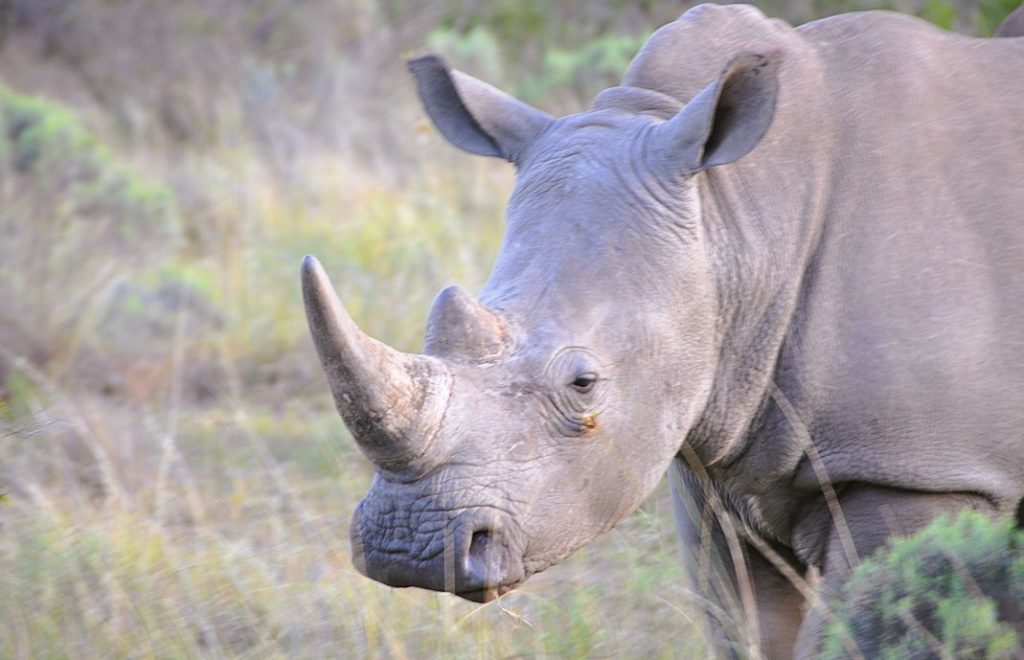
Kruger National Park is home to two species of African rhinoceros – the white rhino and the black rhino. Both are critically endangered, yet they remain relatively easy to spot on a safari here; in fact, you’d need a streak of bad luck not to encounter one within just a few hours in the park.
Despite their names, there is no color difference between the two. The most telling distinction lies in the shape of their lips. The black rhino sports a hooked, prehensile lip, perfectly adapted for plucking leaves and twigs from trees and shrubs – a feeding style known as browsing. The white rhino, on the other hand, has a broad, flat lip designed for grazing on grass and roots.
Like most herbivores, rhinos spend the majority of their lives eating. White rhinos are most often seen on open grasslands, while black rhinos tend to favor dense thickets where they browse on woody vegetation.
White rhinos are also significantly larger than their black counterparts – a trait that, as in much of the animal kingdom, means fewer predators to worry about. On rare and remarkable occasions, white rhinos have even been observed grazing calmly alongside lions, seemingly unfazed by their presence.
5. Buffalo
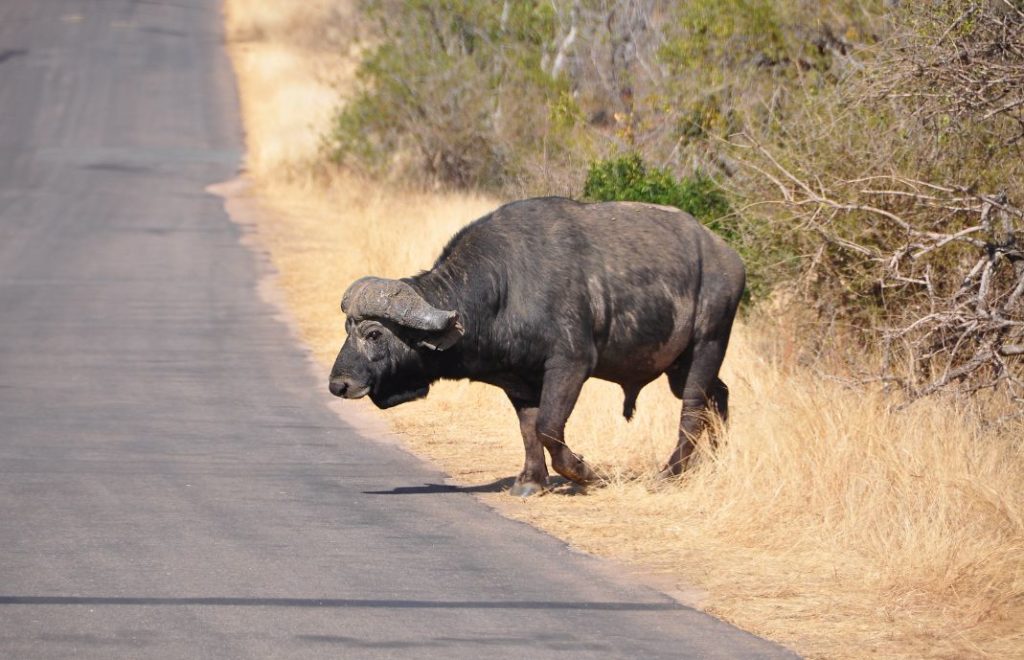
The Cape buffalo is considered perhaps the most dangerous animal in Kruger National Park. Not because it outmatches other predators in strength, but because of its sheer unpredictability and notoriously bad temper.
Both males and females sport horns, but males are distinguished by a thick, helmet-like shield of fused horn across the forehead, known as a boss. This formidable structure serves as extra protection and reinforcement during the brutal clashes that erupt between males competing for dominance.
Lions and buffalo are eternal rivals, and Kruger has witnessed countless dramatic encounters between them. When a pride of lions targets a buffalo herd, they try to single out a weaker individual. But buffaloes never surrender without a fight – the herd will charge to the rescue, scattering the lions, and in some cases, even killing an unlucky attacker.
Buffalo are among the easiest animals to spot in the park, thanks to their widespread presence and the massive herds that can number in the hundreds. They thrive in savannah landscapes dotted with woodland and are rarely found far from a reliable water source.
6. Cheetah
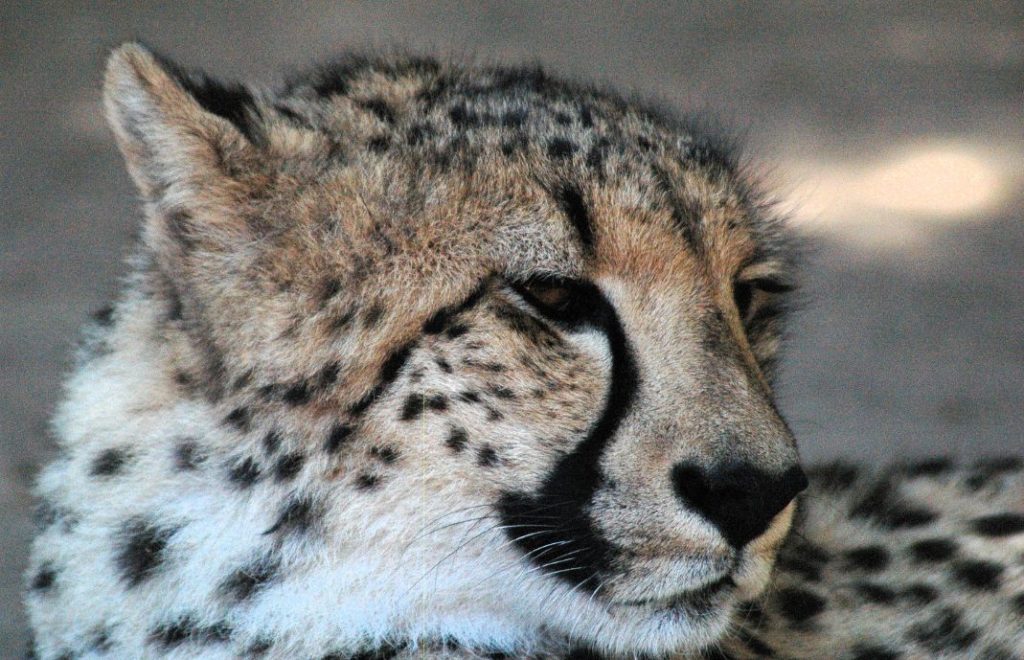
The smallest of Africa’s big cats, the sleek, long-limbed cheetah is the fastest land mammal on Earth, capable of reaching speeds of nearly 120 km/h in full sprint. Its golden coat, covered in small, solid black spots, sets it apart from the rosette patterns of the leopard.
Cheetahs are usually solitary, though they may also be seen in small family groups – either a mother with her cubs or a coalition of brothers. They prefer open savannahs and grasslands, the same habitats where their favored prey roam. Ideal targets are smaller antelope such as duiker and springbok, though a coalition can sometimes take down larger animals like wildebeest.
In Kruger, cheetahs are a rare and prized sight, as they often avoid areas where larger predators like lions and leopards dominate. Your best chance of spotting one is in the park’s southern region, particularly along the stretch between Crocodile Bridge and Skukuza – an area renowned for encounters with this graceful and lightning-fast hunter.
7. Spotted hyena
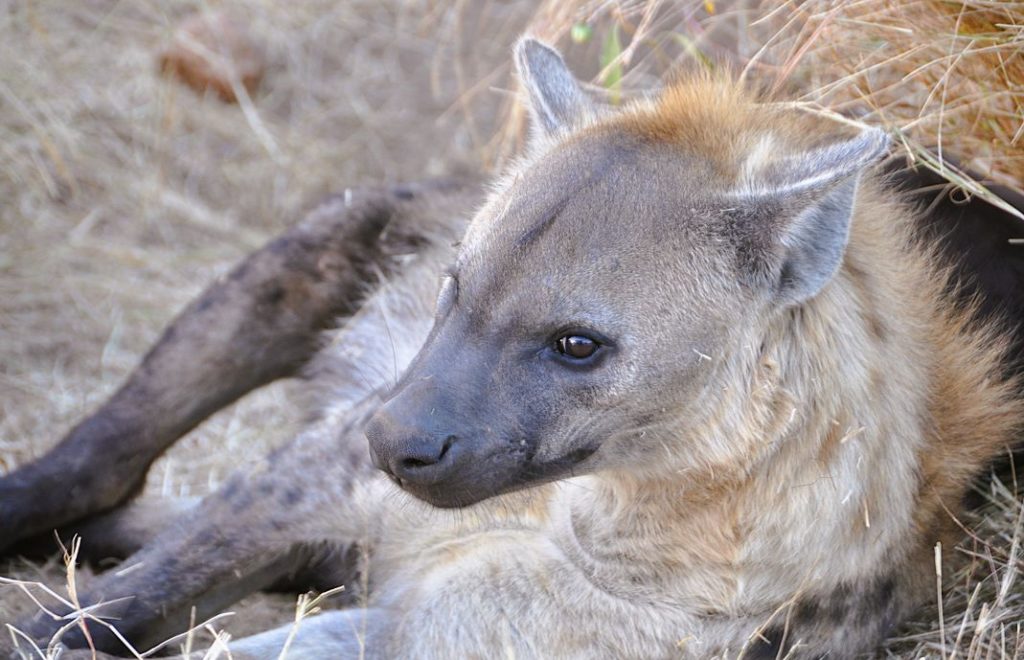
The infamous spotted hyena is a familiar and often sought-after sight in Kruger National Park. Best known as Africa’s foremost scavenger, it is less widely recognized that the hyena is also a skilled and highly effective hunter. Its sloping back, cunning expression, and eerie, cackling “laughter” have earned it a somewhat sinister reputation.
Spotted hyenas have coarse brown fur patterned with dark spots – markings that give them their name while also providing camouflage in the tall grasses of the savannah. Stocky and powerfully built, they possess one of the strongest bite forces in the animal kingdom, capable of crushing and digesting bone. This ability allows them to extract nutrition from carcasses long abandoned by other predators. The chalky white fragments often seen in hyena droppings are traces of calcium from digested bone.
While hyenas will always scavenge when given the chance – and strong family units, called clans, can even drive a pride of lions from a kill – they are also formidable hunters in their own right. They frequently target species such as springbok, wildebeest, and zebra.
Hyena clans are led by females, which are both larger and more aggressive than males. The social structure revolves around the dominant female and the clan’s communal den, which shelters the young and subadults. If you’re lucky enough to come across a den, you may catch a glimpse of the clan’s youngest members at play.
The savannahs surrounding Skukuza are among the best places in the park to encounter spotted hyena clans.
8. African wild dog
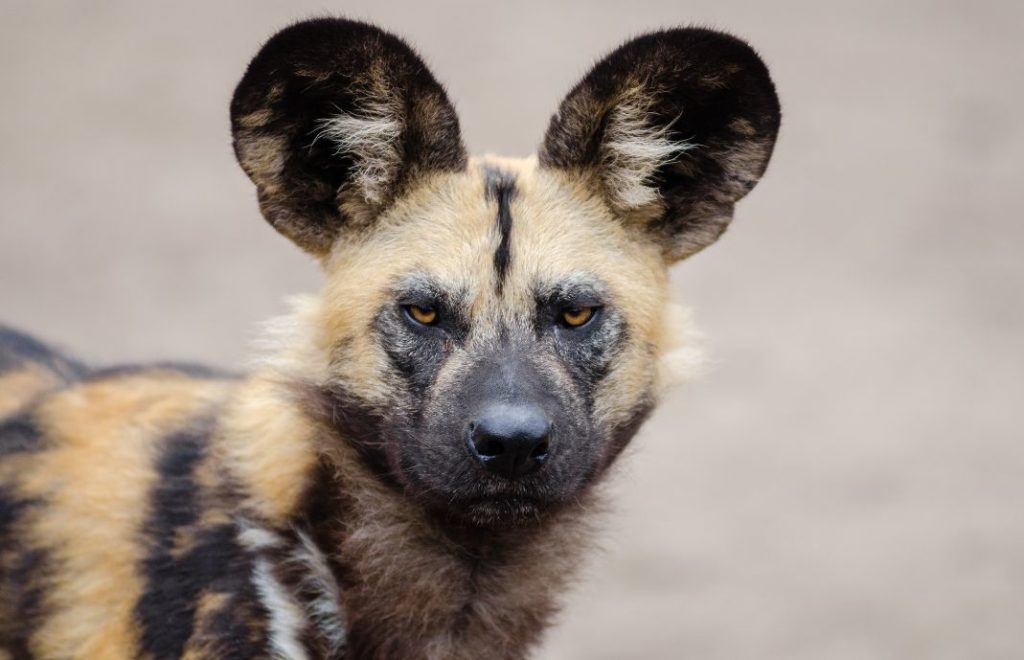
The African wild dog is a rare and highly prized sighting in Kruger National Park. These energetic, captivating animals are Africa’s largest wild canid— – and quite possibly the continent’s most successful hunters.
Their coats are patterned like living artwork, with a striking mix of brown, white, black, and golden hues – hence their poetic nickname, the painted wolf. Similar in size to a Labrador, males and females are almost identical in appearance. Their lean, athletic build makes them light, fast, and exceptionally enduring, capable of maintaining high speeds over long distances.
Wild dogs cover vast distances each day, relentlessly pursuing their prey until it is exhausted. They live in large family packs and hunt with extraordinary precision and teamwork, taking down animals with a level of coordination few other predators can match.
They favor habitats that blend moderately dense bush with open grassland. In Kruger, sightings are often reported near the Phalaborwa Gate and Skukuza, with Tshokwane and Afsaal also ranking among the most promising areas for encounters with these remarkable predators.
9. Hippopotamus
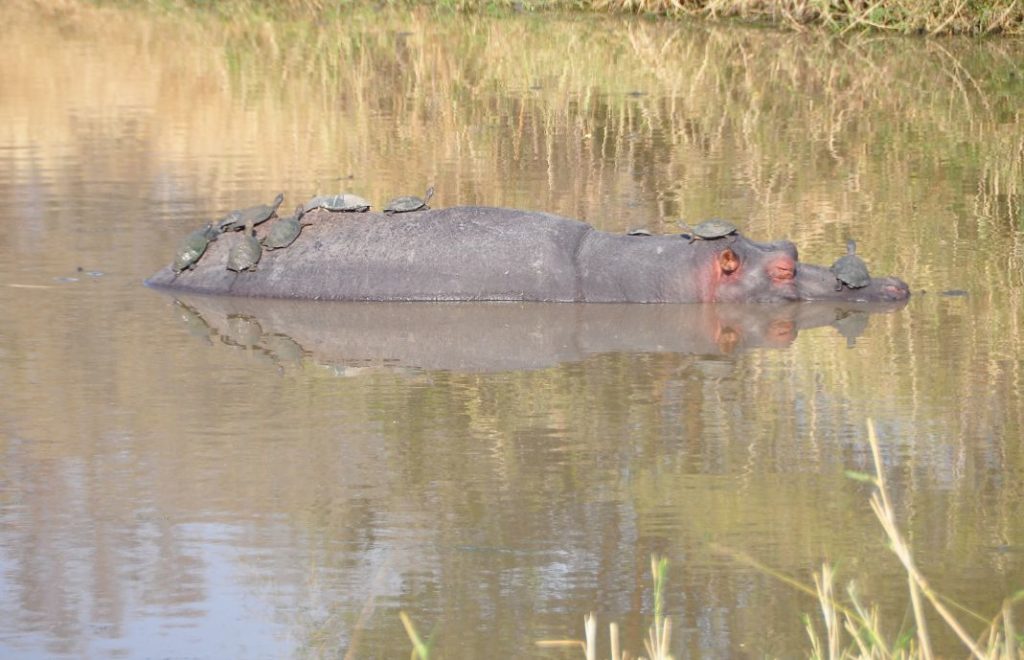
A familiar presence in Africa’s rivers and lakes, the seemingly placid and often comical hippopotamus is a firm favorite among safari-goers. But don’t be fooled by its calm demeanor. Hippos are considered the most dangerous mammal on the continent, responsible for more human deaths in Africa than any other animal.
These massive, powerfully built creatures are often underestimated in size, largely because they spend most of the day submerged, with only their eyes, ears, and nostrils breaking the surface. In reality, they can weigh up to 2,500 kilograms and possess immense jaws capable of opening nearly 180 degrees.
Hippos are among the most widespread animals in Kruger National Park, inhabiting nearly every body of water within its boundaries. By day, they can often be seen resting in close-knit family pods along the riverbanks; by night, they venture onto land to graze under the cover of darkness.
10. Giraffe
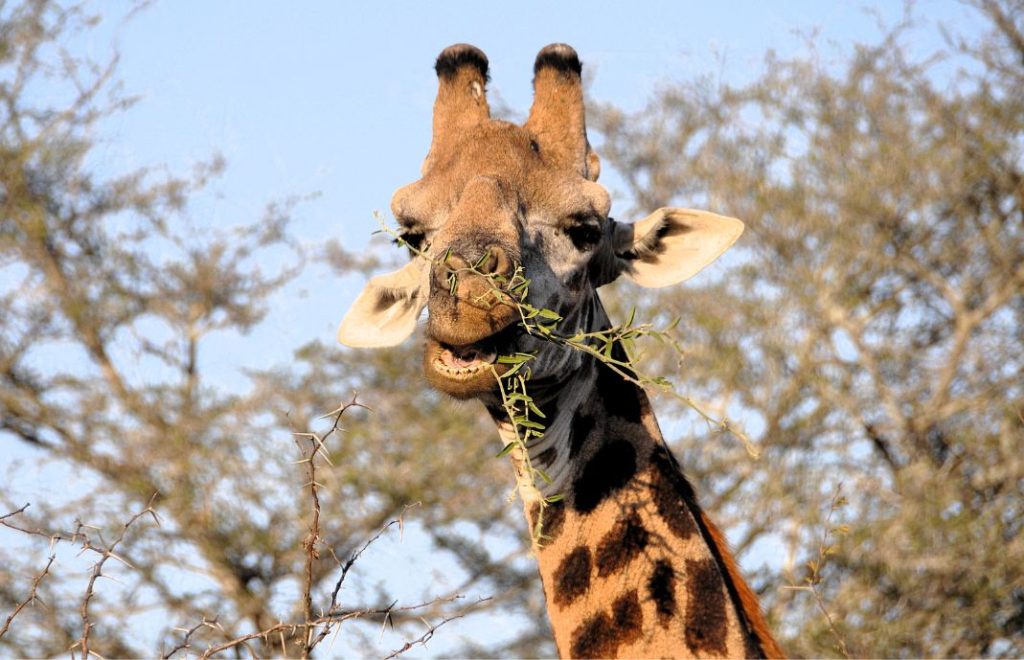
The bush’s wandering skyscraper – the giraffe – is the tallest animal on Earth and one of the most common sights in Kruger National Park. Reaching heights of up to six meters, with a neck alone stretching more than two meters, giraffes are truly a marvel of the African landscape.
Their extraordinary reach allows them to browse treetops far beyond the grasp of other herbivores. Equipped with a long, prehensile tongue, they skillfully pull down seed pods and leaves, stripping them from branches with their front teeth.
Giraffes are relatively social, gathering occasionally in loose herds without strong or permanent bonds. Youngsters often stay close to a few adult females, while males wander between groups in search of receptive mates.
In Kruger, giraffes are most often seen browsing on acacia trees in wooded areas, always within reach of water. Like other large mammals such as elephants and rhinos, they require substantial amounts of water every day to thrive in the African heat.
More inspiration to Kruger National Park:
Safari in Kruger National Park
Rules and Tips for a Self-Drive Safari in Kruger National Park
A guide to Kruger National Park
