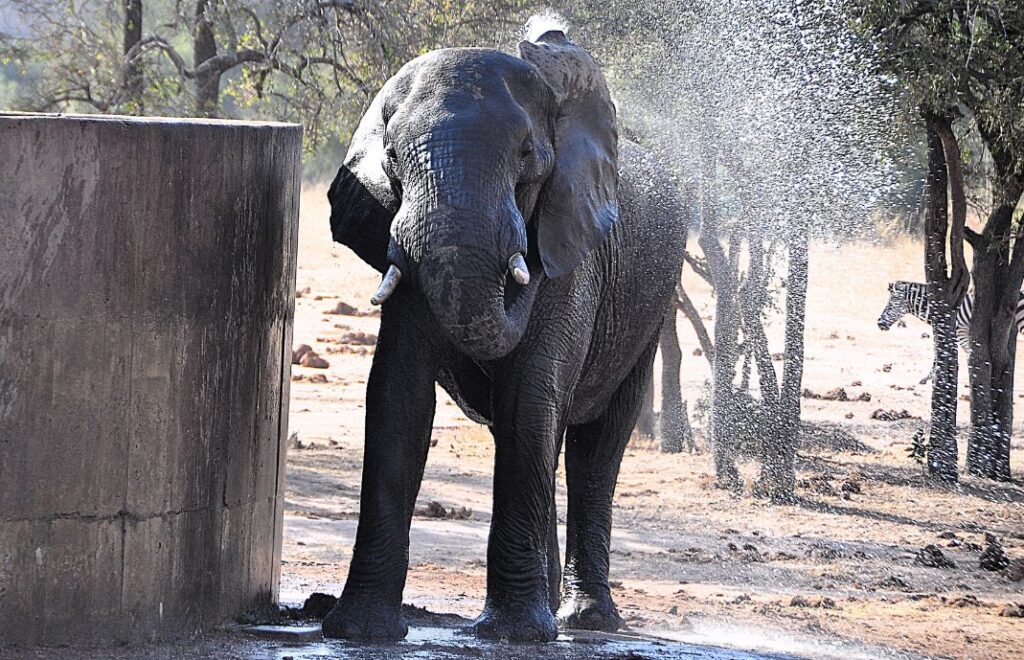
There are places in the world that do more than impress. They stir something wild and ancient inside you. Kruger National Park is one of them.
Stretching across the sunbaked landscapes of northeastern South Africa, Kruger is not just a safari destination. It is a world of golden grasslands, twisting rivers, dusty roads, and unforgettable encounters with some of Africa’s most iconic wildlife.
Here, mornings begin with the distant call of birds and the possibility of spotting lions before breakfast. Afternoons drift by under wide blue skies, while elephants move silently through the bush and giraffes appear like gentle giants between the trees.
Kruger has a way of making every moment feel alive. A rustle in the grass, a shadow near the road, a sudden silence in the air. Everything becomes part of the adventure. Whether it is your first safari or a long-awaited return to the African wilderness, this legendary national park offers that rare kind of travel experience that feels both thrilling and deeply grounding.
Once Kruger gets under your skin, it is the kind of place you will dream about long after the dust has settled.
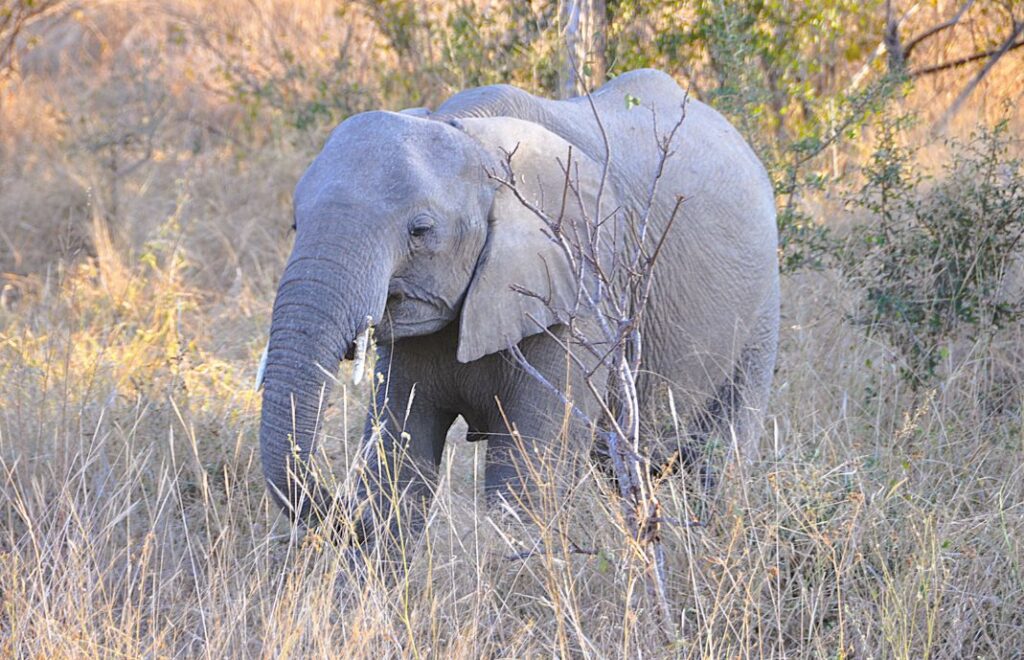
The history of Kruger National Park
This incredible national park may feel timeless, but its story is deeply rooted in South Africa’s complex past. Long before Kruger became one of the world’s most famous safari destinations, these vast landscapes were home to local communities, ancient trade routes, and generations of people who lived alongside the wildlife that still roams here today.
The first steps toward protecting the area began in the late 19th century, when wildlife numbers were declining due to hunting and expanding settlement. In 1898, the Sabi Game Reserve was established by Paul Kruger, then president of the South African Republic. His aim was to preserve the region’s animals and wilderness. It was a bold idea at the time – setting aside land not for farming or development, but for nature.
Over the following decades, the reserve grew in importance. One of the most influential figures in Kruger’s early conservation story was James Stevenson-Hamilton, the park’s first warden. His work helped shape the future of the reserve, protecting wildlife and turning the area into a place where nature could recover. In 1926, the Sabi Game Reserve was officially combined with surrounding protected areas to create Kruger National Park.
Today, Kruger is not only a symbol of wildlife conservation but also a living reminder of how precious wild spaces are. Its history is layered – marked by conservation success, cultural heritage, colonial influence, and the ongoing relationship between people and land.
Driving through Kruger now, past baobab trees, riverbeds, and open savannah, it is impossible not to feel that this park carries stories as powerful as the animals themselves.
Where is Kruger National Park?
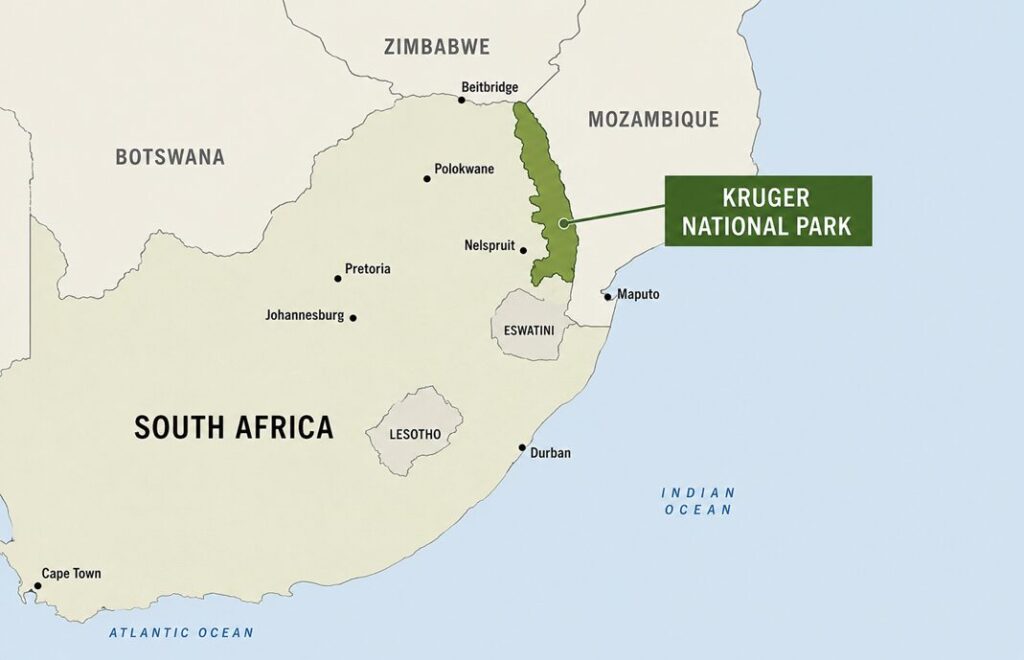
Kruger National Park lies in the far northeast of South Africa, where the country begins to feel wilder, warmer, and wonderfully remote. The park stretches across the provinces of Mpumalanga and Limpopo, running along the border with Mozambique.
This is one of Africa’s great wilderness areas – a vast sweep of bushveld, rivers, open plains, and rocky outcrops that cover nearly 20,000 square kilometers. From north to south, Kruger is long and dramatic, taking several hours to drive through, which is part of its magic. Every gate, road, and rest camp feel like the beginning of a new adventure.
Most travelers reach Kruger from Johannesburg, either by road or by flying to one of the regional airports near the park. The drive from Johannesburg to the southern gates usually takes around five to six hours. Gates such as Crocodile Bridge, Malelane, Numbi, Phabeni, and Paul Kruger Gate are popular entry points, especially for those staying in or around the southern section of the park.
When is the best time to visit Kruger?
Kruger National Park is a year-round destination, but the experience changes beautifully with the seasons. The best time to visit depends on what kind of safari you are dreaming of – easy wildlife sightings, lush green landscapes, dramatic skies, or fewer crowds.
The dry winter months from May to September are considered the best time to visit Kruger. During this period, the bush becomes thinner, the grass is lower, and animals gather around rivers and waterholes. This makes wildlife easier to spot, especially big cats, elephants, buffaloes, and rhinos. The days are usually sunny and pleasant, while mornings and evenings can feel surprisingly chilly, especially on early game drives.
The summer months from October to April bring a completely different side to the park. This is the rainy season, when Kruger turns green, rich, and full of life. The landscapes become lush, many animals give birth, and migratory birds arrive in spectacular numbers. It is a wonderful time for photography, birdwatching, and experiencing the park at its most vibrant.
Summer can be hot, humid, and sometimes stormy, but those afternoon thunderstorms often add to the drama. Dark clouds roll across the sky, the scent of rain rises from the earth, and the bush feels alive in every direction.
For first-time visitors focused mainly on wildlife viewing, May to September is usually the best choice. For travelers who love green scenery, birdlife, baby animals, and a more atmospheric safari, November to March can be incredibly rewarding.
No matter when you go, Kruger has a way of delivering unforgettable moments. A lion resting in the shade, elephants crossing the road, a leopard disappearing into the trees – the park never truly has an off-season.
Wildlife in Kruger National Park
The animals are, of course, the heartbeat of Kruger National Park. This is one of the greatest places in Africa to see wildlife in their natural world – moving freely through a vast and ancient landscape.
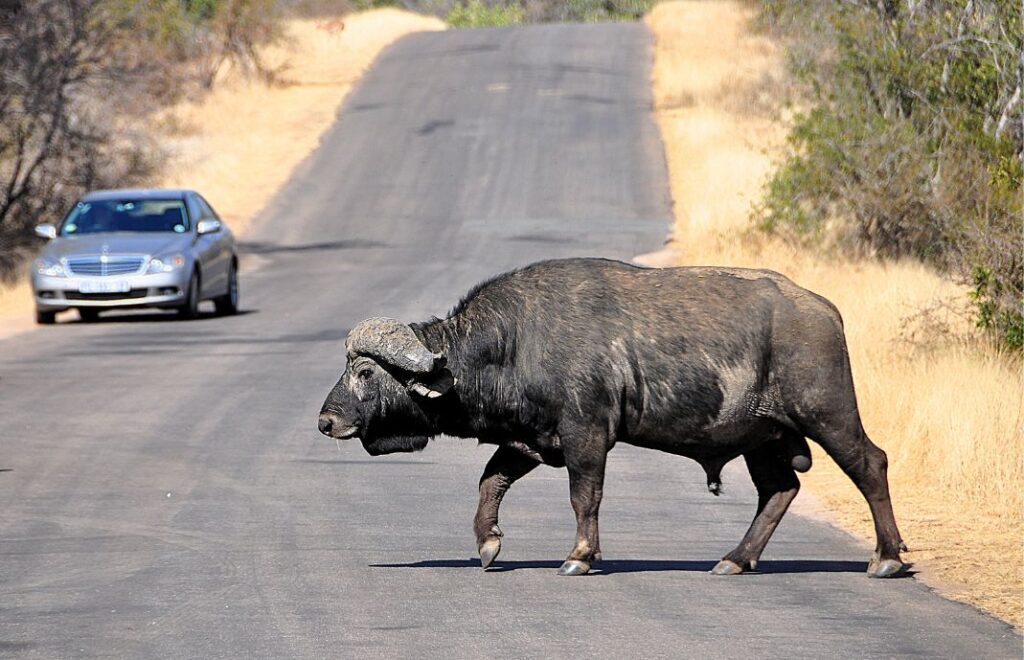
Kruger is famous for the Big Five: lion, leopard, elephant, rhino, and buffalo. For many travelers, spotting these legendary animals is one of the biggest thrills of visiting the park. A lion pride resting in golden grass, a leopard draped across a tree branch, elephants gathering at a waterhole, buffalo staring from the roadside. Moments that make Kruger feel unforgettable.
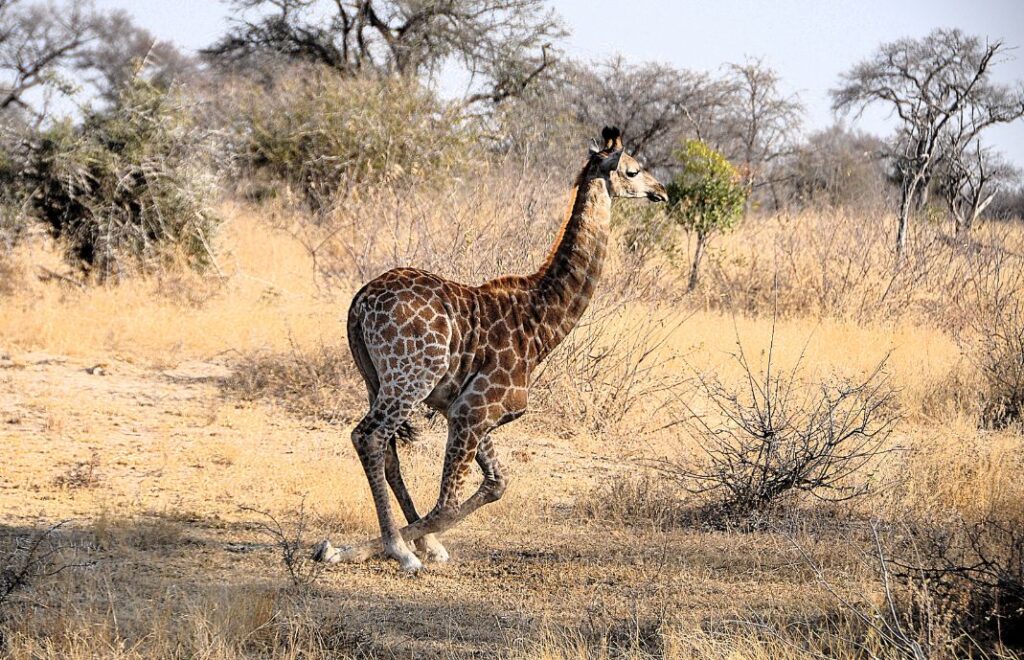
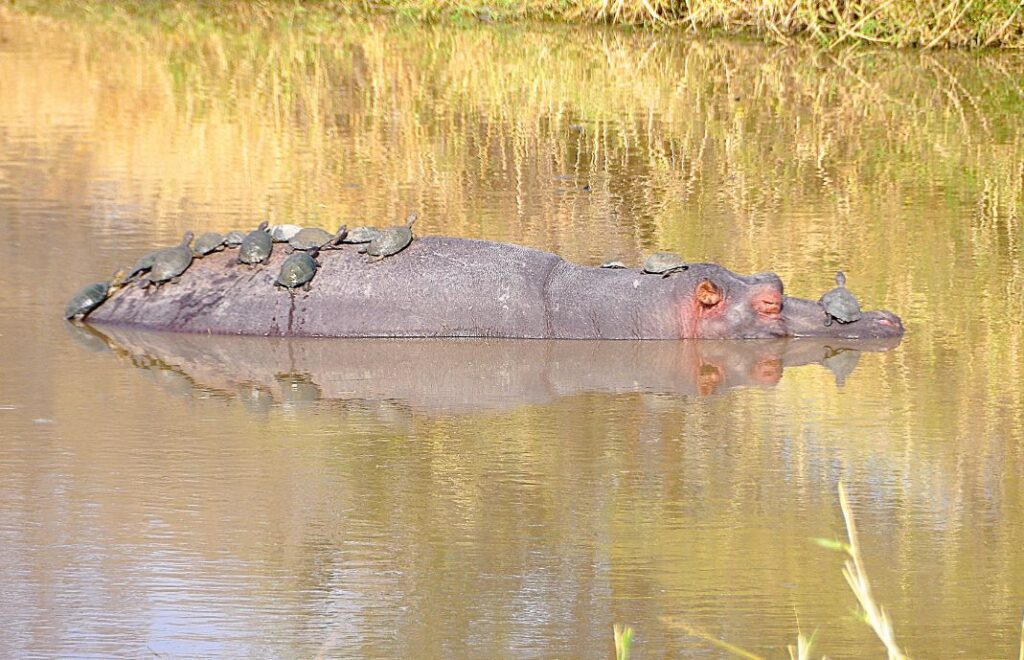
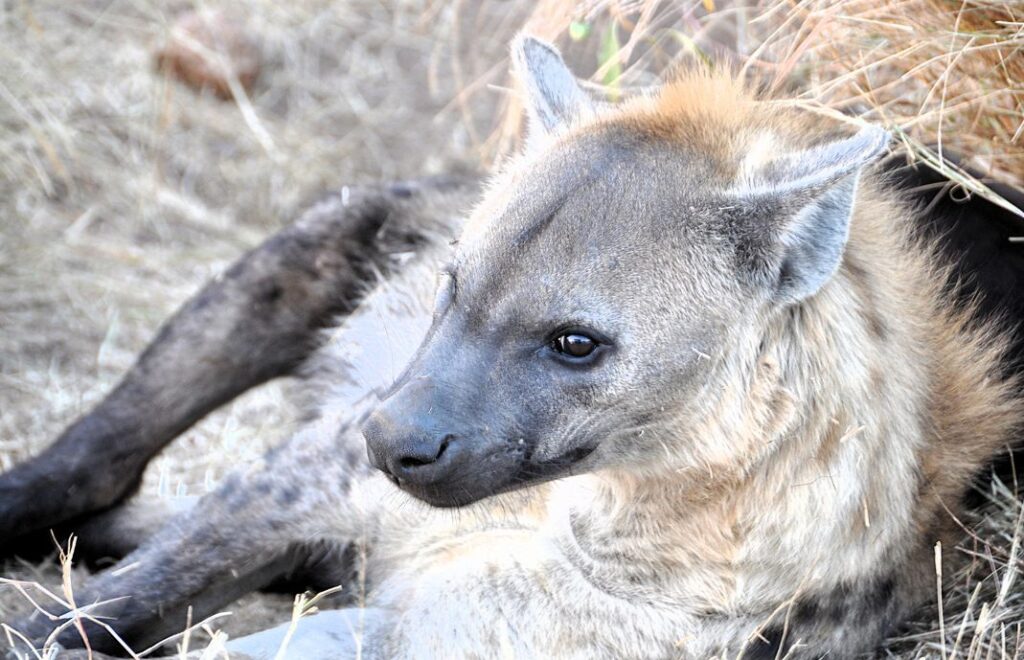
But the magic of Kruger goes far beyond the Big Five. The park is home to giraffes, zebras, hippos, crocodiles, hyenas, wild dogs, cheetahs, warthogs, antelopes, and countless smaller creatures that bring the bush to life. Sometimes the most memorable sightings are not the most famous ones, but the unexpected ones: a chameleon crossing the road, a dung beetle rolling its prize through the dust, or a fish eagle calling from above the river.
Birdlife is another highlight, especially during the summer months when migratory species arrive and the park becomes greener and louder with life. Even travelers who do not normally consider themselves birdwatchers may find themselves reaching for binoculars after spotting a lilac-breasted roller, a martial eagle, or a saddle-billed stork standing gracefully in the shallows.
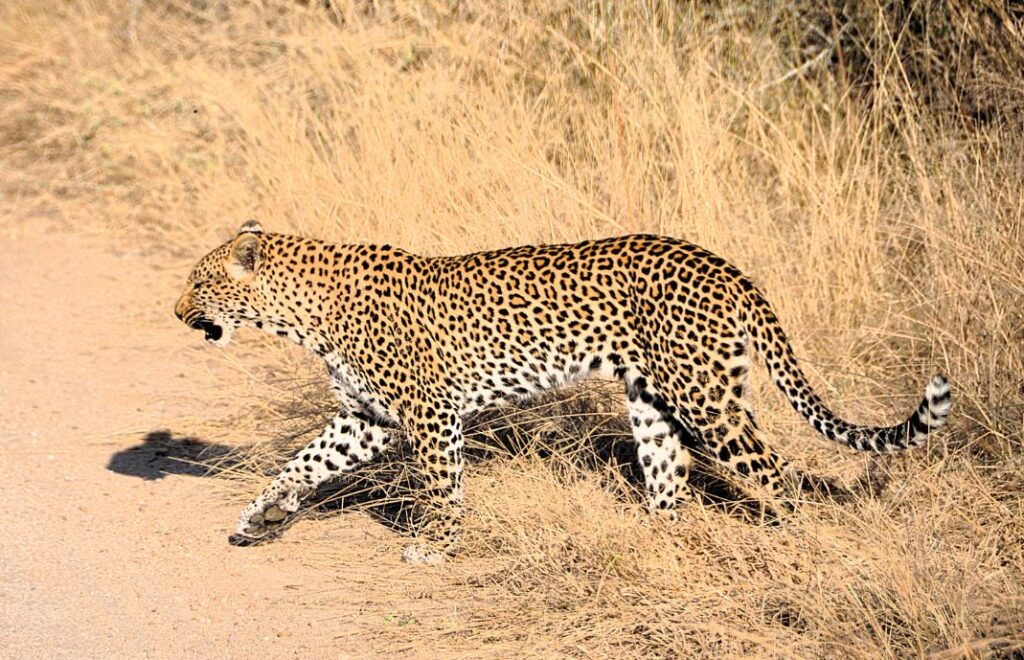
What makes wildlife viewing in Kruger so exciting is the sense that anything can happen. One moment the road is quiet, with only the hum of cicadas and the heat shimmering above the tar. Then suddenly, cars slow down ahead, impalas freeze in alarm, and a leopard slips silently into view.
Kruger teaches patience, but it also rewards curiosity.
Activities and experiences in Kruger National Park
A visit to Kruger is not just about seeing wildlife. It is about experiencing the bush in a way that feels raw, exciting, and completely unforgettable. From slow self-drive safaris to guided game drives under the stars, Kruger offers several ways to explore its wild landscapes.
Self-drive safari
One of the most popular experiences is a self-drive safari. This is part of what makes Kruger so special: travelers can enter the park in their own vehicle and follow the roads at their own pace. There is a wonderful sense of freedom in choosing a route, stopping at waterholes, waiting beside a riverbed, and letting the day unfold naturally.
More inspiration: Rules and tips for a self-drive safari in Kruger National Park
Guided game drives
For those who want expert knowledge and a deeper understanding of the bush, guided game drives are a fantastic option. These are led by experienced guides who know how to read tracks, understand animal behavior, and spot details that many visitors would miss.
Early morning drives are especially atmospheric, with the park waking up in soft golden light, while sunset and night drives reveal a different side of Kruger. This is when nocturnal animals become active, predators begin to move, and the bush feels even more mysterious.
Bush walk
A bush walk offers one of the most intimate ways to experience Kruger. Instead of watching the wilderness from a vehicle, you step into it on foot with trained guides. The focus is not only on big animals, but also on tracks, plants, insects, birds, bones, scents, and sounds. Every footprint in the sand tells a story and every broken branch might mean something. It is a slower, quieter, and more thrilling way to understand just how alive the landscape really is.
Hiking trails
Kruger is also home to wilderness trails, which are multi-day guided walking experiences for travelers who want to go deeper into the wild. These trails are more rustic and adventurous, taking small groups into remote areas of the park where the rhythm of nature sets the pace. Evenings are spent close to the bush, with the sounds of the African night all around.
Whether you explore by car, with a guide, on foot, or from a peaceful lookout, Kruger has a way of turning every experience into a story. The real adventure is not only in what you see, but in the anticipation – the feeling that around the next corner, something wild might be waiting.
Tips for your visit to Kruger National Park
A safari in Kruger National Park is one of those travel experiences that feels both thrilling and beautifully simple. Still, a little preparation can make the experience smoother, safer, and much more enjoyable.
1. Plan ahead
This is especially important if you are visiting during school holidays, weekends, or the popular dry season from May to September. Accommodation inside the park can book up early, and some gates and rest camps are more convenient than others depending on your route.
It is worth thinking about how many days you have, which area of the park you want to explore, and whether you prefer self-driving, guided drives, or a mix of both.
2. Packing
Packing well also makes a big difference. Kruger can be hot during the day, chilly in the early mornings, and dusty on the roads. Bring comfortable layers, a hat, sunglasses, sunscreen, and practical shoes. Binoculars are always a good idea, even if you are not usually a birdwatcher. A camera with extra batteries and memory cards is a must so you can document those once-in-a-lifetime sightings.
3. Food and water
Bring enough snacks, food, and water for the day, especially if you are heading out on a long drive. There are rest camps, shops, and picnic areas in the park, but distances can be long and wildlife sightings often tempt travelers to stay out longer than planned. Having something simple in the car – fruit, sandwiches, nuts, crackers, or plenty of drinking water – makes the day much easier.
4. Observe wildlife responsibly
One of the most important things is to observe wildlife responsibly. Keep a safe distance, never feed animals, and avoid blocking the road for other visitors. The animals in Kruger are wild, and that is exactly what makes the experience so powerful. Give them space, stay quiet, and let their natural behavior unfold without pressure.
5. Respect the park rules
It is also important to respect the park rules. Stay inside your vehicle unless you are in designated areas, follow speed limits, leave no litter behind, and make sure you are back at camp or out of the gate before closing time.
These rules are not there to limit the adventure – they protect visitors, wildlife, and the fragile wilderness that makes Kruger so special.
6. Be patient
Patience is essential in Kruger. Some drives are packed with sightings, while others are slow and silent. That is part of the rhythm of the bush. A quiet morning can suddenly become unforgettable when a leopard crosses the road, elephants appear from the trees, or a lion’s roar carries through the still air.
7. Enjoy each moment
Most of all, remember to enjoy the moment. It is easy to become focused on finding the Big Five or getting the perfect photo, but Kruger is about more than that. Watch the sunrise over the savannah. Listen to the birds. Notice the dust glowing in the afternoon light. Let the wilderness set the pace.
The best memories from Kruger are often the ones that cannot be planned. Just enjoy and embrace the fact that you are here, completely present in one of Africa’s great wild places.