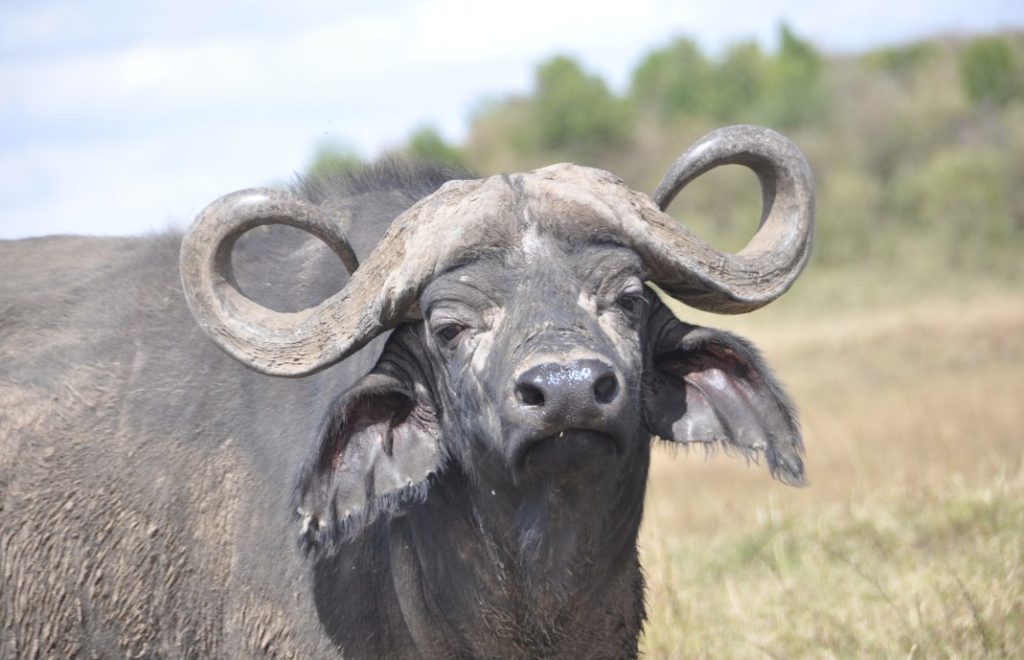
When you’re on safari in Africa, there’s one goal that captures every traveler’s imagination: spotting the Big Five.
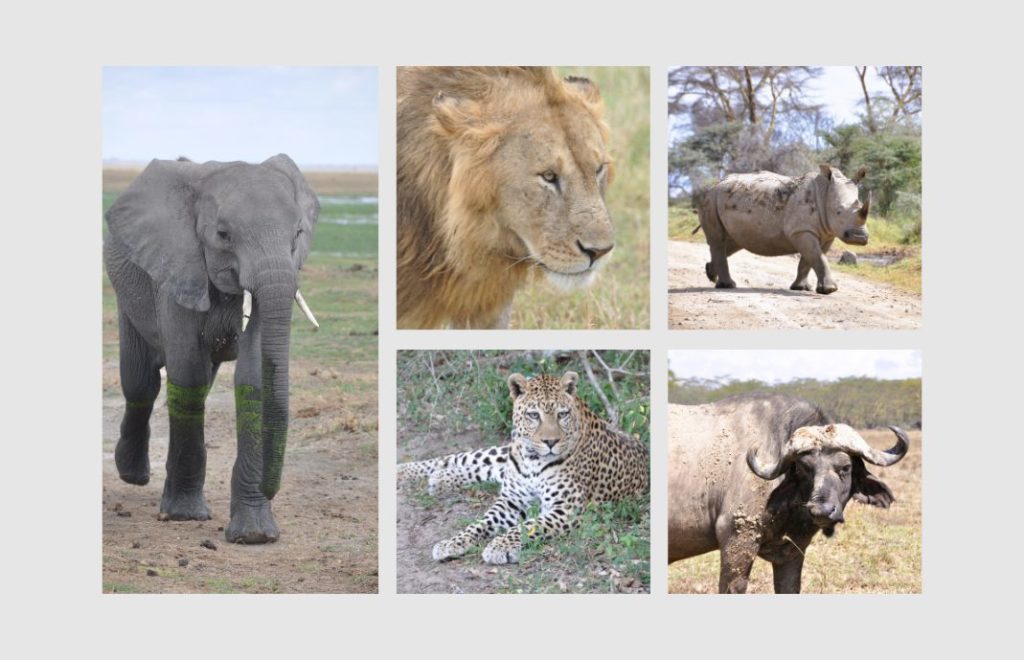
Elephant, lion, buffalo, rhino, and leopard – these savanna superstars command attention and respect. Witnessing them in the wild, up close and on their own terms, is nothing short of breathtaking.
The term “Big Five” was originally coined by big-game hunters, referring not to the size of the animals, but to the difficulty and danger of hunting them on foot. That’s why the stealthy leopard made the list, while the hefty hippo did not.
Today, thankfully, the only thing we shoot is with a camera – and the thrill of the chase lives on in every rustle of the bush and every fresh track in the dirt.
Here are 12 astonishing facts about Africa’s Big Five that will make you see them in an entirely new light:
1. The whispering giants
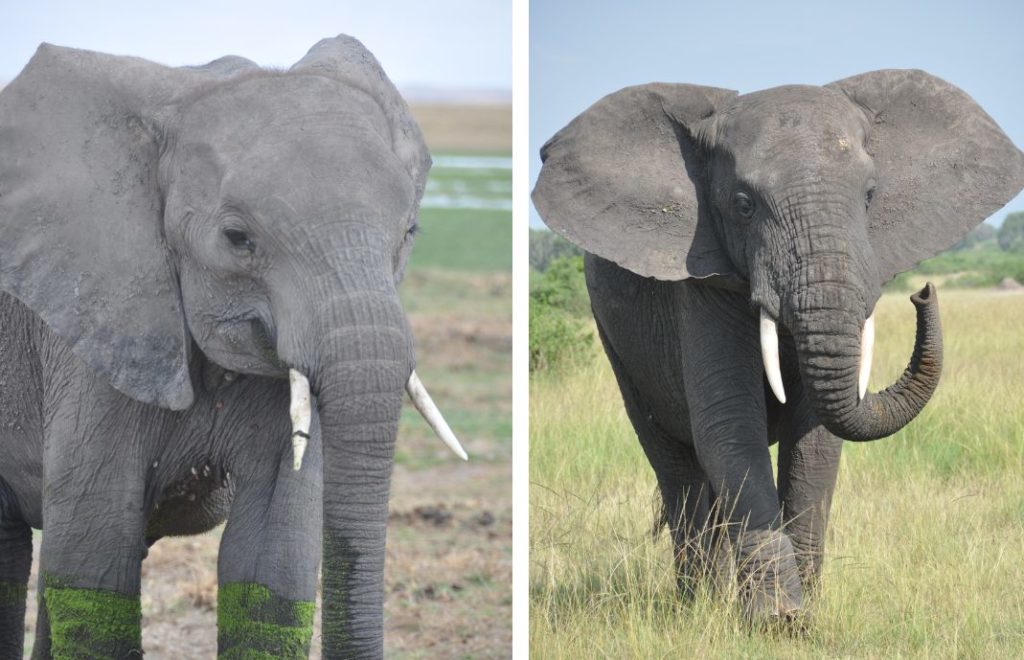
Elephants communicate through a complex symphony of body language and sound – many of which are infrasonic, too low for the human ear to detect. These deep, rumbling vocalizations can travel across vast distances, up to 10 kilometers, allowing herds to stay in touch even when separated by great expanses of wilderness. It’s like nature’s version of long-distance messaging, refined over millennia.
2. The empaths of the wild
Elephants are not only the largest land mammals on Earth – they are also among the most emotionally intelligent. They grieve deeply for lost loved ones, lingering by the bodies of the deceased and touching them gently with their trunks in a solemn act of mourning.
But their emotional range goes even further: elephants show empathy, comforting distressed herd members, and joyfully celebrating reunions with old companions.
Astonishingly, they are also one of the few species on Earth that can recognize themselves in a mirror, a rare sign of self-awareness shared by great apes and dolphins.
3. The tree-climbing hunter
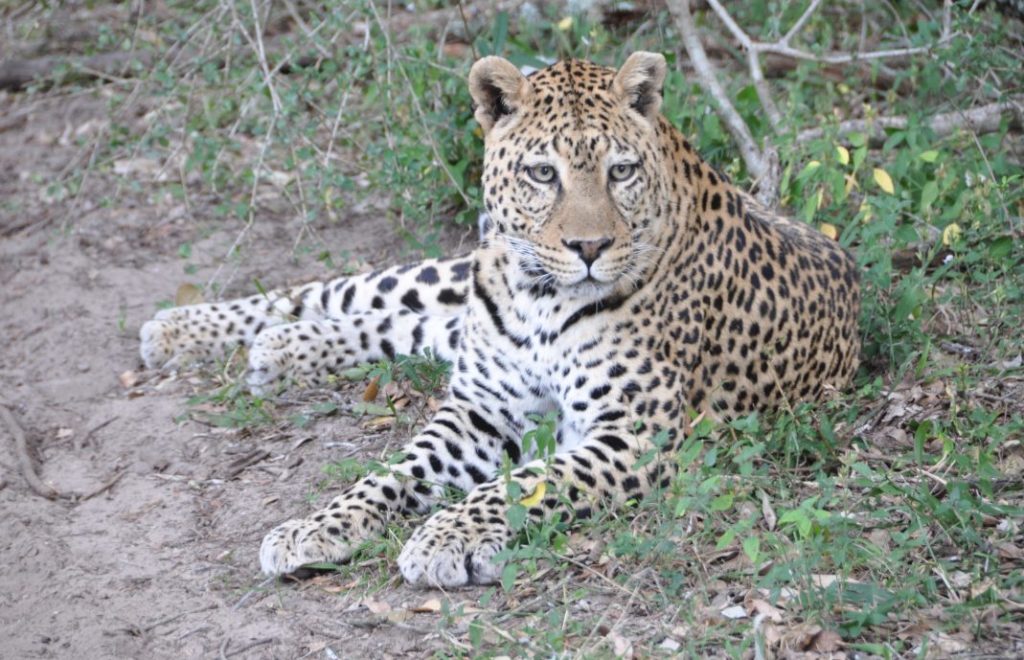
Leopards are masters of the treetop realm. With a grace and strength that defies belief, they hoist their prey – sometimes twice their own weight – into the branches of towering trees. This isn’t just a show of might; it’s a brilliant survival tactic, keeping their kill safely out of reach from scavenging lions and hyenas.
And while many big cats shy away from water, the leopard is also a confident swimmer, gliding through rivers with ease.
4. The phantom of the night
Shrouded in mystery, the leopard is a solitary and nocturnal creature, preferring to prowl under the cover of darkness. During the day, it remains hidden, tucked away in thickets, caves, or high in the canopy. Elusive by nature and stealthy by design, the leopard is often the most difficult of the Big Five to spot, making every sighting a rare and exhilarating reward.
5. Hunted for beauty
Tragically, the leopard’s striking rosette-patterned coat has made it a prime target for poachers. Its fur is coveted in the illegal fashion trade, while other body parts are trafficked for use in traditional Asian medicine. Despite its elusive nature, this magnificent feline remains deeply vulnerable to human greed, reminding us just how precious and precarious its existence truly is.
6. The nearsighted giant with super senses
Rhinos may look imposing, but their vision is surprisingly poor – so much so that they sometimes charge at trees or rocks, mistaking them for threats. Yet nature compensates: with an exceptional sense of smell and hearing, these prehistoric-looking creatures can detect the presence of other animals or danger long before they see it. Their swiveling ears pick up the faintest sounds, helping them navigate their world with surprising awareness.
7. The most endangered of the Big Five
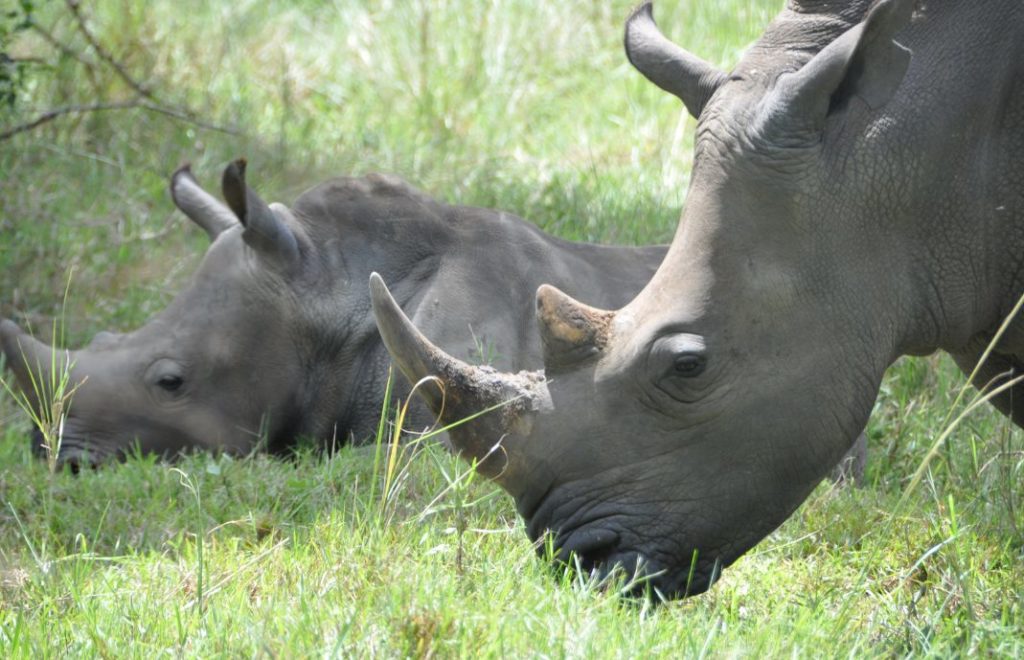
Among Africa’s iconic giants, the rhinoceros is the most endangered. Listed as critically endangered on the IUCN Red List, rhinos are teetering on the brink of extinction – not due to natural predators, but human greed. Ruthlessly hunted for their horns, which are falsely believed to hold medicinal powers in parts of Asia, rhinos have become tragic symbols in the fight against poaching.
8. A case of mistaken identity
Despite the names, white and black rhinos are both gray.
The term “white rhino” comes from a misinterpretation of the Afrikaans word wyd, meaning “wide” – a reference to the animal’s broad, square-shaped mouth, perfect for grazing. Early English settlers mistook “wyd” for “white,” and the name stuck.
As for the “black” rhino, it likely earned its name from the dark, muddy clay it rolls in – not the color of its hide.
9. The sandpaper tongue of the King
The lion’s tongue is a powerful tool of survival – coated with backward-facing spines called papillae, it feels as coarse as sandpaper. This incredible adaptation allows lions to scrape meat clean off bones with ruthless efficiency. In fact, a single lick from a lion would leave human skin raw and bleeding. It’s not just for grooming – t’s a weapon in its own right.
10. The mane of Majesty
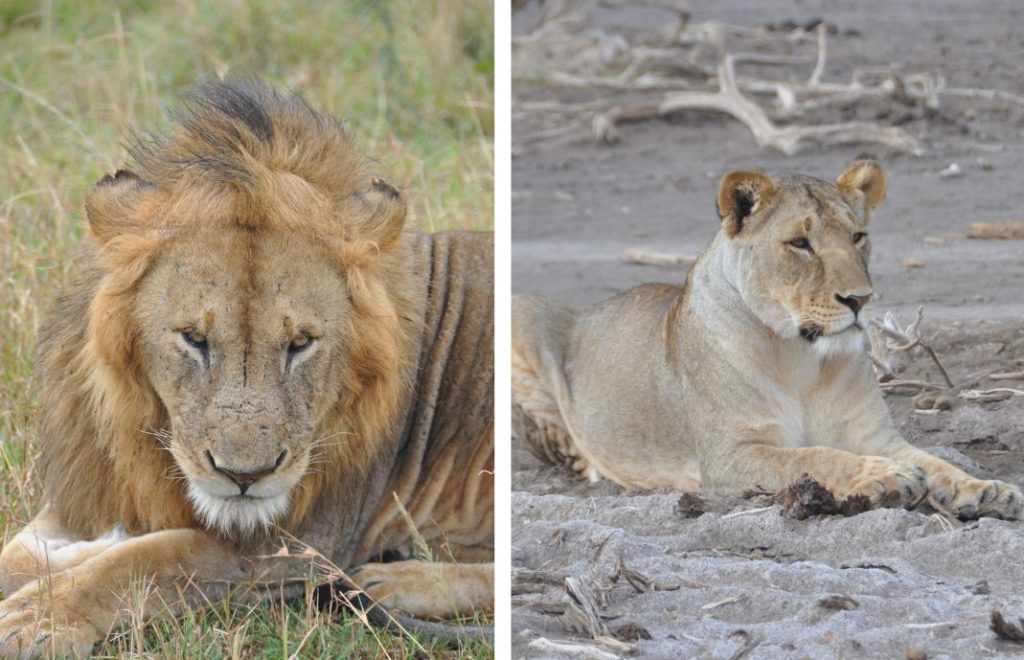
One of the lion’s most iconic features is the majestic mane of the male. But it’s more than just decoration—it’s a status symbol. The darker and fuller the mane, the older and more dominant the lion, signaling strength, experience, and genetic fitness to both rivals and potential mates. Females, on the other hand, sport a sleek, golden coat with no mane, built for agility and power on the hunt.
11. The Buffalo Mafia
A herd of African buffalo is often nicknamed “the mafia” of the savanna – not just for their raw power, but for their unyielding memory and taste for revenge. These formidable beasts are known to never forget a threat. There are chilling accounts of buffalo returning years later to settle old scores, ambushing former predators – or even humans – who once dared to challenge them. In the wild, grudges can last a lifetime.
12. The most dangerous of the Big Five
Despite its quiet demeanor, the African buffalo is widely considered the most dangerous member of the Big Five. Why? Because it often strikes without warning, launching ambush attacks with no visible provocation. With its massive horns, unshakable resilience, and explosive power, this unpredictable titan commands deep respect – and healthy distance – on any safari.