There are national parks with more diverse landscapes. Others may boast greater numbers of wildlife. But none can rival the jaw-dropping backdrop of Amboseli National Park – the majestic Mount Kilimanjaro, Africa’s tallest peak.
Soaring to 5,895 meters, Kilimanjaro watches over the park like a silent sentinel, visible from nearly every corner – provided it’s not cloaked in mist.
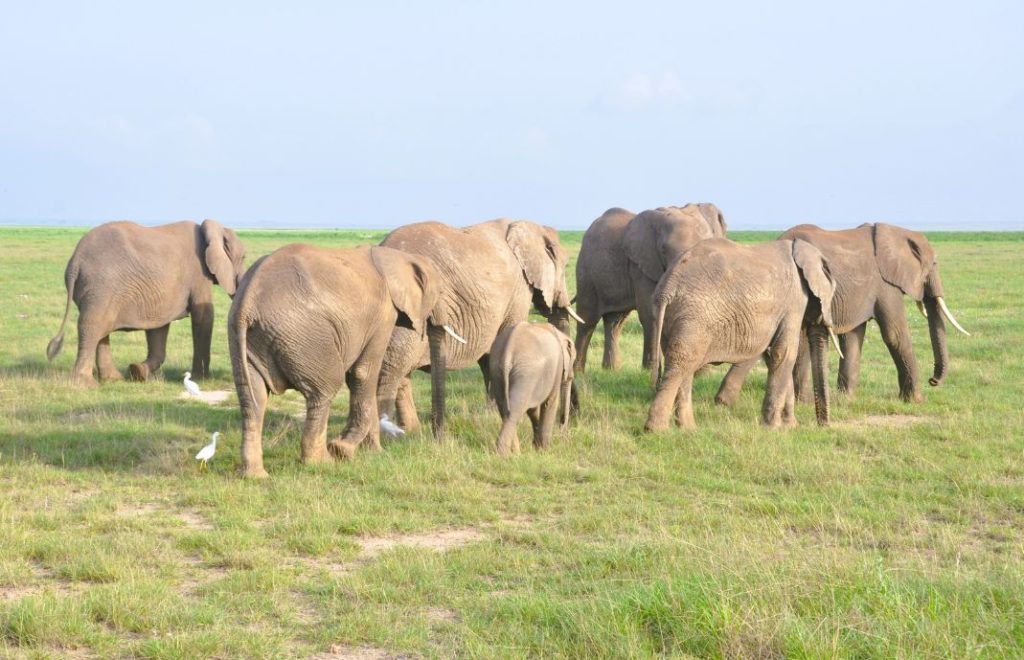
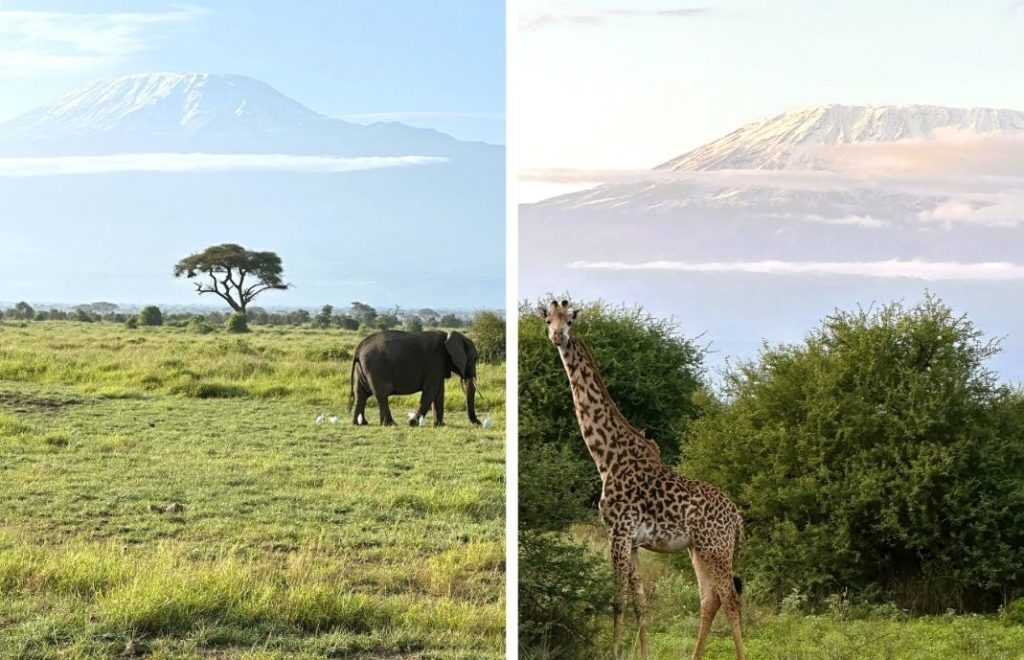
Amboseli is elephant country. The park is famed for its large herds of gentle grey giants, moving in tranquil procession across the plains. The flat terrain and low, trampled grass – kept short by the soil’s high salt content – make spotting these magnificent creatures a delightfully easy task.
With postcard-perfect views and unforgettable wildlife encounters, it’s no wonder Amboseli ranks among Africa’s most iconic safari destinations.
How to get to Amboseli National Park
Amboseli National Park lies about 240 kilometers southeast of Nairobi, making it relatively accessible for safari-goers seeking a taste of Kenya’s wild heart.
The most common route is by road, entering the park through Meshanani Gate. This scenic drive from Nairobi typically takes 4 to 5 hours, offering glimpses of rural life and distant views of Mount Kilimanjaro along the way.
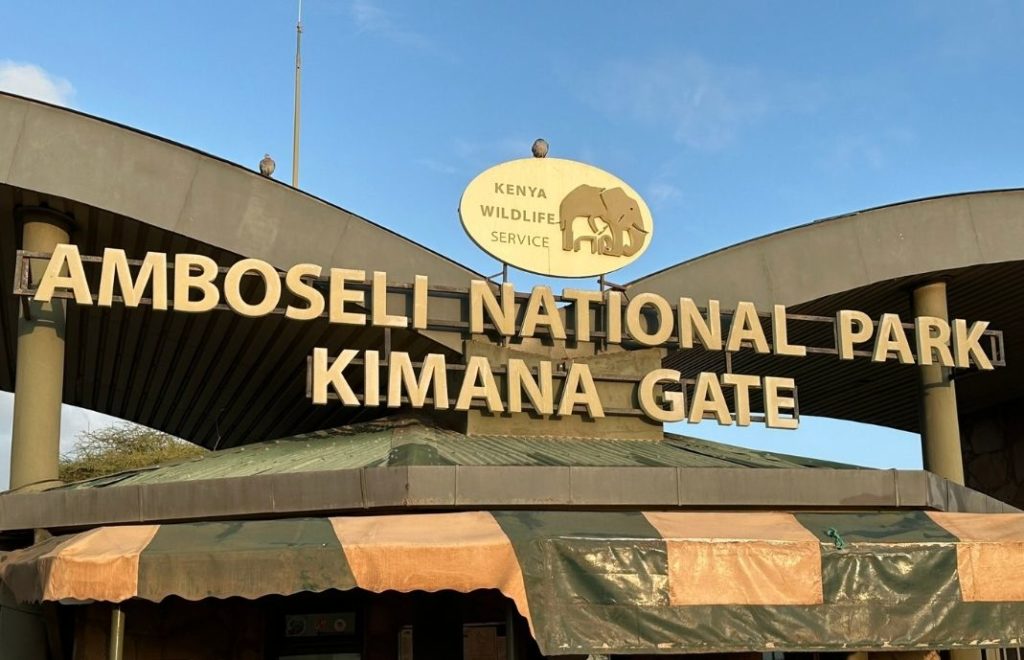
Alternatively, if you’re coming from the coast, you can travel the Mombasa Route, passing through Tsavo West National Park and entering Amboseli via Kimana Gate – perfect for combining two iconic parks into one epic adventure.
For a quicker, more convenient option, hop on a domestic flight from Wilson Airport in Nairobi to the airstrip within Amboseli National Park. The flight takes roughly one hour, offering breathtaking aerial views of the Kenyan landscape below.
Highlights of Amboseli National Park
Spanning 390 square kilometers of raw African wilderness, Amboseli National Park is a dreamscape shaped by dust, water, and towering giants – both animal and mountain. Its name stems from the Maasai word “empusel”, meaning “salty dust”, and it’s this elemental charm that sets Amboseli apart.
Here are the park’s unmissable highlights:
- Towering Herds of Elephants
Amboseli is world-renowned for its large elephant populations, many of which have impressively long tusks. Watching these gentle giants move in slow procession across the open plains is a truly humbling experience. - Majestic Mount Kilimanjaro
No other park offers such a cinematic backdrop. Africa’s tallest mountain rises just across the border in Tanzania, and when the clouds part, its snow-capped peak provides one of the most iconic safari views on the continent. - Home of the Big Five
Amboseli is one of the few parks where you can spot all members of Africa’s Big Five – elephant, lion, rhino, leopard, and buffalo – amid a backdrop of golden grass and acacia trees. - Diverse Habitats
Despite its size, the park features five distinct ecosystems, ranging from arid plains and seasonal swamps to lush savannah, woodland, and the alkaline Lake Amboseli. This variation attracts an extraordinary array of wildlife and bird species. - Visit a Maasai Village
Step into a world of tradition and resilience. A visit to a local Maasai community offers insight into one of East Africa’s most iconic cultures, where storytelling, dance, and vibrant attire still thrive. - Lemomo Hill Viewpoint
For a breathtaking panoramic perspective, hike or drive up Lemomo Hill. From here, the entire park unfolds below you – elephants dotting the landscape, Kilimanjaro looming in the distance, and the golden light of Africa stretching to the horizon.In every direction, Amboseli whispers tales of ancient earth, thundering herds, and the spirit of the wild.
Best time to visit Amboseli National Park
Amboseli National Park is a year-round safari destination, thanks to its location near the equator which keeps temperatures relatively stable – ranging from 27°C to 30°C during the day. However, nights can be surprisingly chilly, so be sure to pack warm layers for those brisk evenings under the stars.
The region experiences two rainy seasons: The long rains typically fall from March to May, and the short rains from November to December.
Peak safari season: June to September: This is considered the best time to visit Amboseli. During the long dry season, wildlife congregates around the few remaining waterholes, offering spectacular and reliable game viewing. The grass is shorter, making animals easier to spot, and the skies are generally clear.
Green Season Perks: That said, the rainy seasons also have their allure. Accommodation tends to be more affordable, the landscapes burst into lush greenery, and birdwatching becomes a dream with migratory species arriving in full force. Cloud cover is lighter, too, meaning Mount Kilimanjaro often reveals itself in all its snow-capped glory.
In short, whether you’re chasing dramatic wildlife encounters or looking for a quieter, more verdant experience, Amboseli has something magical to offer in every season.
What animals can you see in Amboseli National Park?
Amboseli is Kenya’s second most visited national park – just behind the famed Masai Mara – and it’s easy to understand why. This iconic reserve is home to the legendary Big Five (elephant, lion, rhino, buffalo, and leopard), set against the spellbinding backdrop of Mount Kilimanjaro.
Yet, it’s two things that truly define Amboseli: The breathtaking panorama of Kilimanjaro’s snow-capped peak, and the majestic herds of elephants, some of Africa’s largest and most studied.
The landscape itself is as diverse as the wildlife it shelters. From sun-scorched plains and lush swamps to acacia woodlands, each corner reveals new surprises.
You’re almost guaranteed to spot elephants – many of which are well-known to local guides and researchers at the Amboseli Elephant Research Center, having been observed and named over the years. Watching them roam freely with the mighty Kilimanjaro rising behind them is a moment that stays with you forever.
While the Big Five headline the safari dream, sightings of leopard and rhino are rare and not guaranteed. But that’s the magic of safari – embracing the wild unpredictability of nature.
What you’re far more likely to see includes:
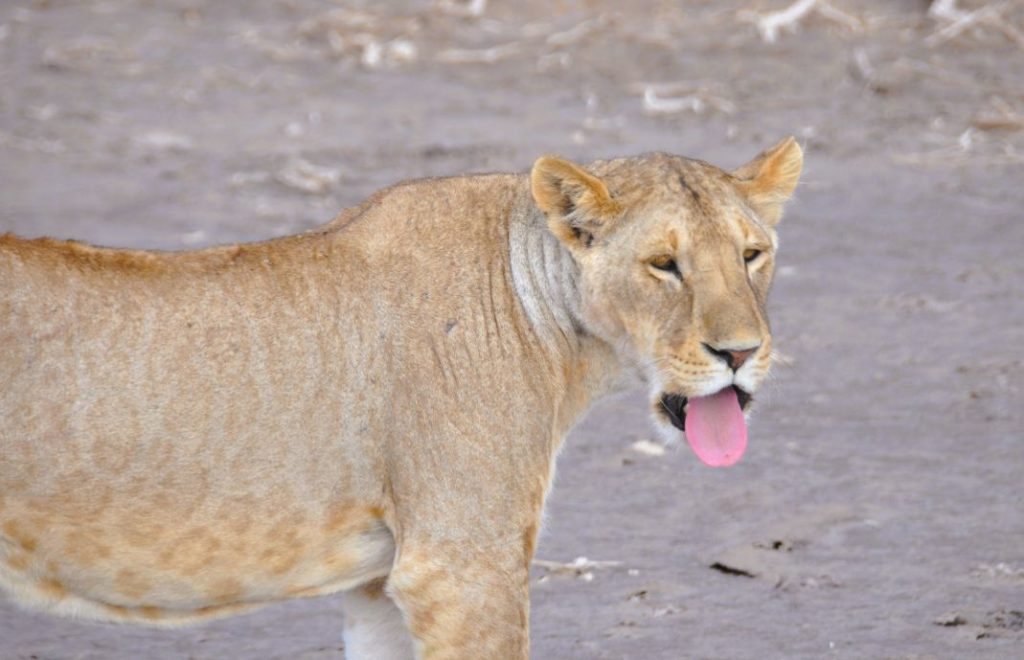
Lions, especially resting in the shade or surveying the plains
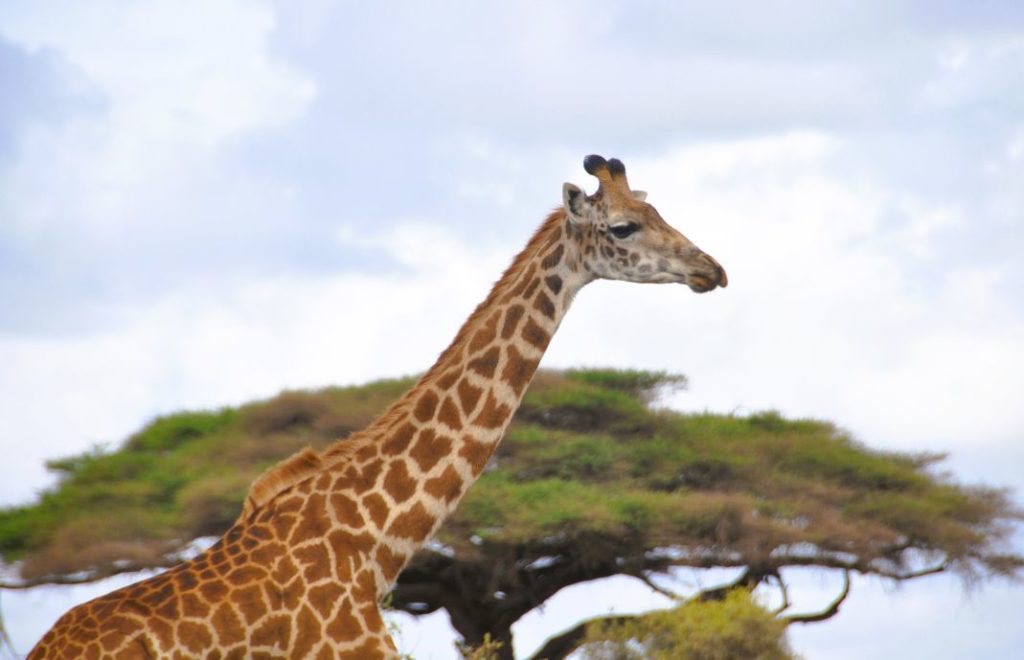
Giraffes, gracefully moving across the horizon
Zebras, in striking black-and-white herds
Hyenas and baboons, always stirring up the action
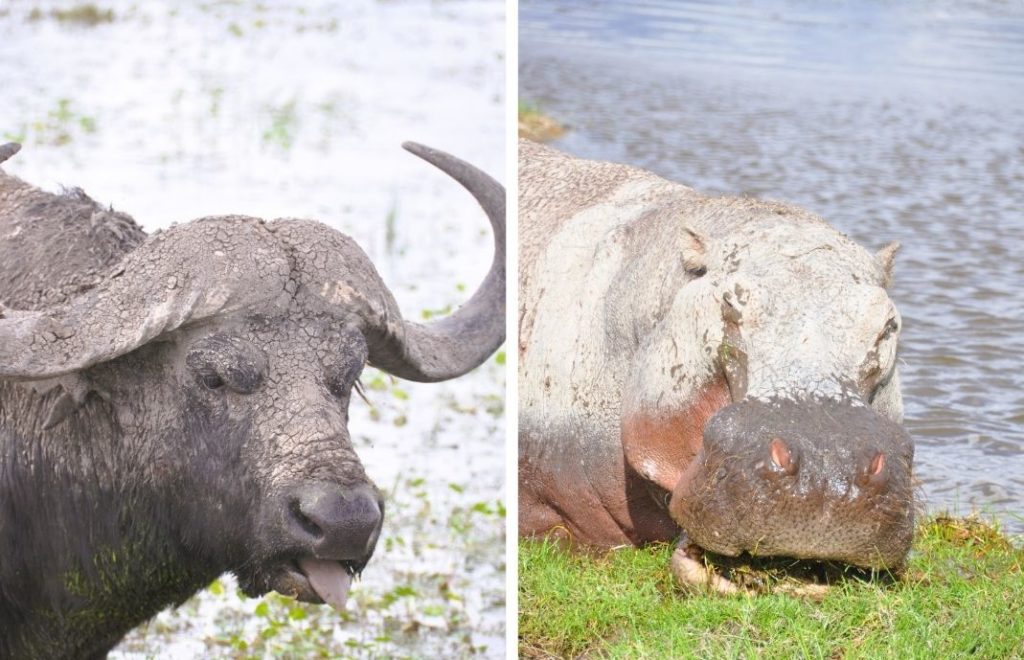
Hippopotamuses, wallowing in the swamps
Various antelope species, from graceful gazelles to waterbucks
Ostriches, towering and curious
And an astonishing array of birdlife, particularly rich in the wet season
In Amboseli, the thrill lies in not knowing exactly what you’ll encounter. Every game drive is a suspenseful and joyous adventure – and the animals you do meet, whether iconic or unexpected, make it utterly unforgettable.
Good to know about Amboseli National Park
Amboseli may not be the largest of Africa’s parks – covering just 392 square kilometers – but what it lacks in size, it more than makes up for in unforgettable wildlife experiences.
This is a perfect destination for first-time safari-goers in Africa or Kenya. With its open landscapes and well-maintained roads, game viewing is exceptionally accessible and rewarding.
Declared a national park in 1974, Amboseli takes its name from the Maa word Empusel, meaning “salty, dry place.” And yet, ironically, the park is rich in wetlands and watering holes, thanks to the melting snow of Mount Kilimanjaro, which seeps underground and resurfaces in this semi-arid wilderness.
These permanent water sources make Amboseli a paradise for wildlife, drawing animals year-round and offering spectacular sightings – especially during the dry season, when animals gather en masse around the dwindling pools.
Whether you’re dreaming of watching elephants march across the plains with Kilimanjaro’s peak as a backdrop, or seeking your first glimpse of a lion in the wild, Amboseli delivers that quintessential safari magic.
Make no mistake – Amboseli belongs on your safari itinerary. It’s where the adventure begins.
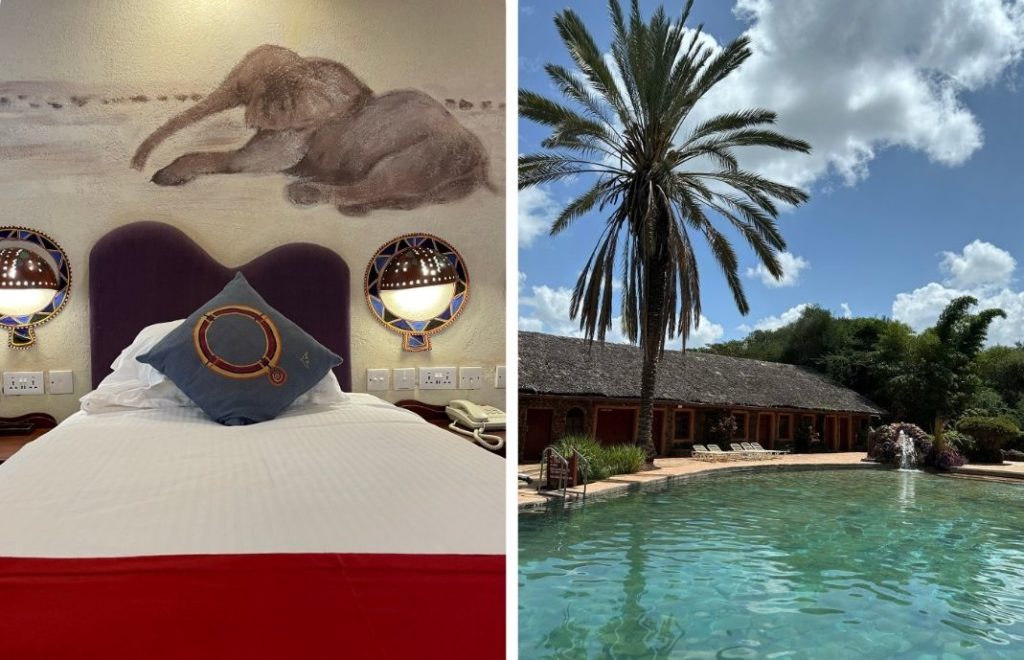
Where to stay in Amboseli National Park
Amboseli offers a wide range of accommodations, from rustic charm to luxury in the wild. Whether you dream of waking up to the trumpet of elephants or sipping sundowners beneath Mount Kilimanjaro, there’s a lodge or camp here to match your adventure.
Luxury Lodges Inside the Park:
Amboseli Serena Safari Lodge – Nestled in the heart of the park, this eco-luxury lodge blends seamlessly into the landscape. With stunning views, exceptional service, and a tranquil atmosphere, it’s a favorite among safari connoisseurs.
Ol Tukai Lodge – Known for its open views of Kilimanjaro and prime elephant-watching, Ol Tukai offers stylish rooms and beautifully landscaped grounds.
Amboseli Sopa Lodge – Located on a hilltop, this lodge boasts panoramic vistas of the park and a peaceful garden setting, perfect for a serene safari experience.
Top picks just outside the park:
Kibo Safari Camp – A standout among tented camps, Kibo offers spacious en-suite tents, lovely views, and a magical ambiance beneath the stars. A few minutes drive and you are at the entry gate.
Tortilis Tented Camp – Tucked into a private conservancy bordering the park, this upscale camp is renowned for its exclusivity, gourmet cuisine, and impeccable service.
Sentrim Amboseli Lodge – A more budget-friendly option with comfortable, tented accommodation, a pool, and great accessibility to the park.
More inspiration for your stay in Amboseli National Park:
Check in: Sopa Amboseli Lodge
Check in: Amboseli Serena Safari Lodge