
Kenya is a destination that captivates year-round, yet the timing of your journey can greatly shape your experience. With a climate that shifts between dry and rainy seasons, the period you choose influences everything – from wildlife encounters on the savannah to the atmosphere along the coast.
The dry season from June to October is considered the prime time for safari. During these months, animals gather at waterholes, and the chances of witnessing the spectacular Great Migration in the Masai Mara are at their highest. Meanwhile, the lush, green months that follow the rains offer fewer tourists, vibrant landscapes, and more favorable prices.
Whether you dream of watching lions hunt across the plains, experiencing the migration up close, or simply unwinding on white-sand beaches along the Indian Ocean, there is a perfect moment for your Kenyan adventure.
This guide is intended as a helpful overview.
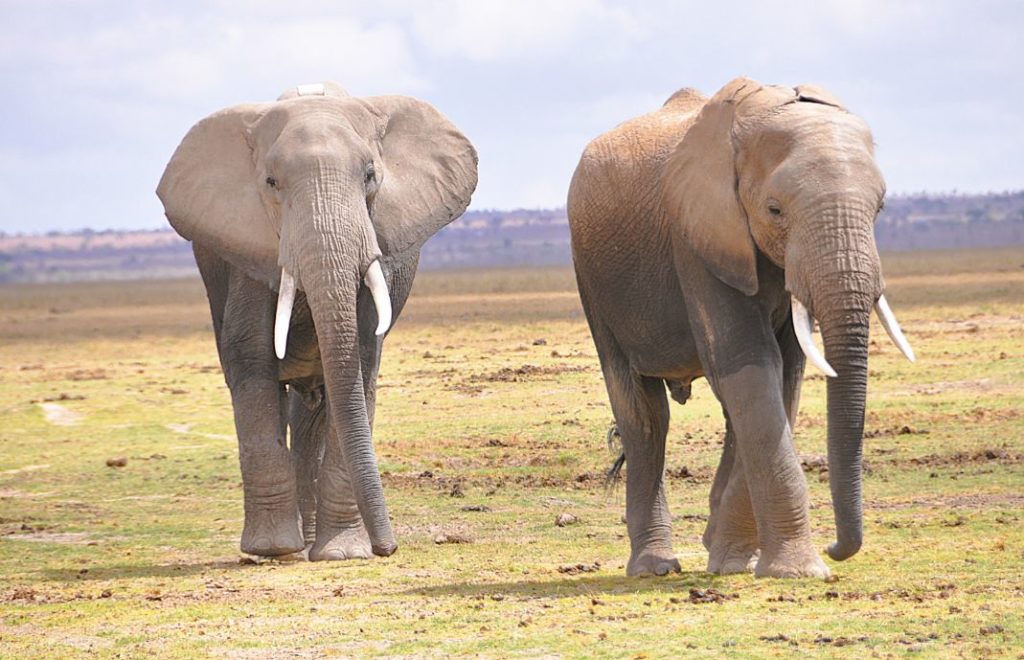
Kenya’s climate – From savannah to coast
Stretching across a vast landscape, Kenya offers a remarkable diversity of climates depending on where you travel. In the highlands around Nairobi and the inland national parks, the air is pleasantly temperate for much of the year, while the coastline along the Indian Ocean greets you with hot days, high humidity, and a refreshing sea breeze.
The country experiences two main rainy seasons. The long rains typically arrive from March to May, while the short rains fall in November and December. These months cloak the land in lush greenery and dramatic skies, though heavy showers can make roads muddy and some safari areas harder to reach.
The dry seasons – from June to October and again from January to February – are considered the best for safari. Wildlife congregates at waterholes, the grass is shorter, and visibility across the plains is at its best. For a beach escape in Mombasa, Malindi, or Diani Beach, December through March is especially popular, when the sun blazes and the sea is warm and inviting.
No matter when you go, Kenya delivers experiences attuned to the rhythm of nature. It’s all about choosing the right moment for the adventure you seek – whether that’s tracking lions across the savannah, hiking in the highlands, or basking in barefoot luxury by the coast.
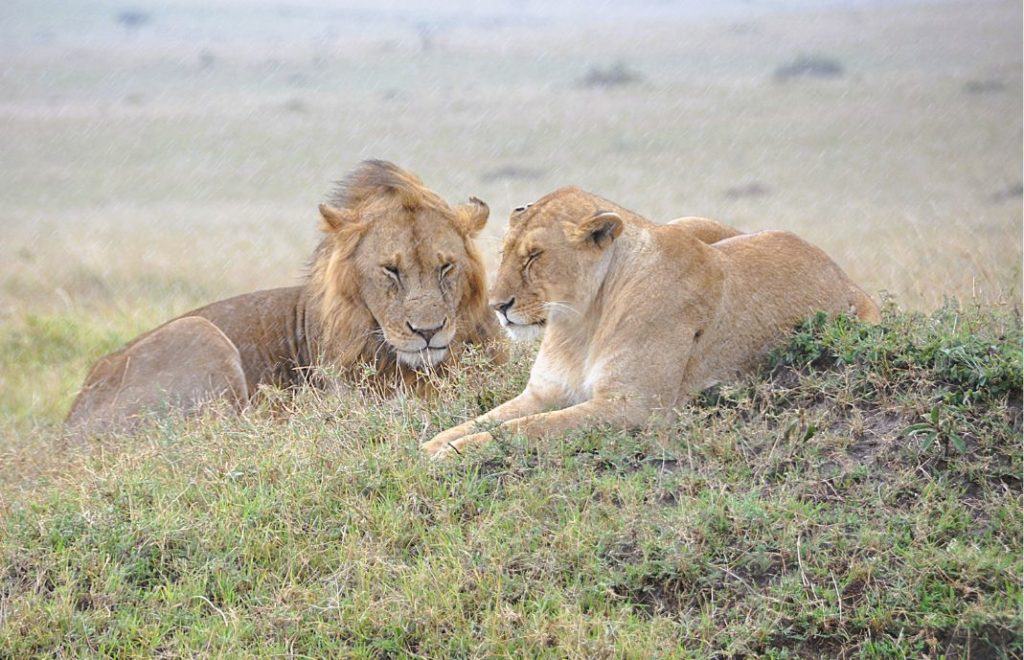
Season overview
Safari
The best time is during the dry seasons, from June to October and January to February, when animals gather around waterholes and visibility is at its peak.
Beach life
Most popular from December to March, with sunny days, warm seas, and minimal rainfall along the coast at Mombasa, Malindi, and Diani Beach.
Rainy season
The long rains last from March to May, while the short rains fall in November and December. The landscapes turn lush and beautiful, though safari conditions can be more challenging.
For those who prefer fewer crowds
Traveling just after the rains – in May or November – offers vibrant scenery, fewer tourists, and often better prices.
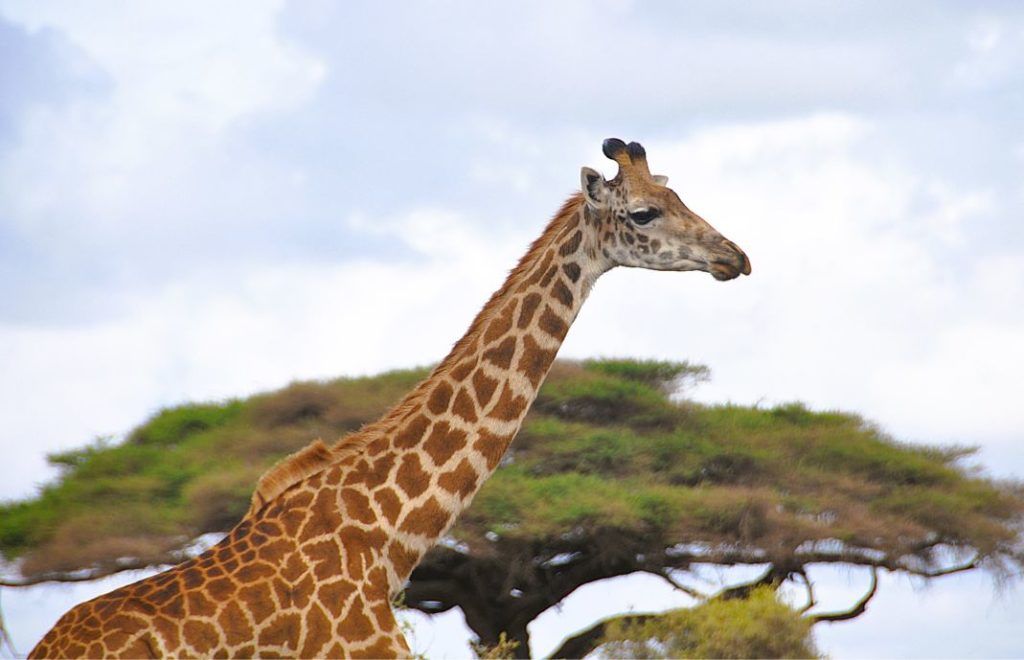
Weather and seasons in Kenya
To make planning easier, here’s an overview of Kenya’s climate and seasons. It shows you the best times to go on safari, enjoy the beaches, or experience the country at its most lush.
June – October
- What to expect: Dry season, sunny days, little rainfall.
- Best for: Safari – wildlife gathers at waterholes, plus the Great Migration in Masai Mara.
November – December
- What to expect: Short rains, green landscapes, fewer tourists.
- Best for: Lower prices and lush scenery.
January – February
- What to expect: Dry season, hot and clear weather.
- Best for: Safari + beach life.
March – May
- What to expect: Long rains, heavy downpours, muddy roads.
- Best for: Verdant landscapes and fewer visitors.
December – March
- What to expect: Sunny, warm conditions along the coast.
- Best for: Beach holidays in Mombasa, Malindi, and Diani Beach.
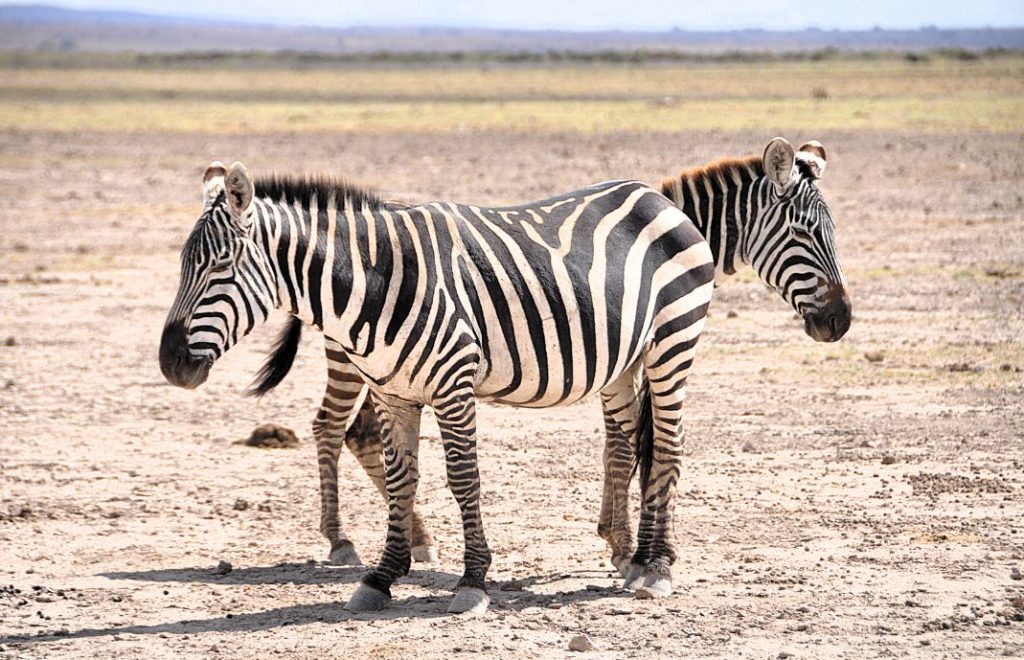
Kenya’s wildlife – A journey into nature’s treasures
Kenya is the beating heart of Africa’s safari experiences, a land where the horizon of the savannah is broken by elephants, giraffes, and gazelles on the move. Here you’ll encounter one of the world’s most diverse and iconic arrays of wildlife. Few places can rival the unforgettable moments of standing face to face with nature’s giants.
In the Masai Mara, you can witness the Great Migration, when millions of wildebeest and zebras sweep across the plains in search of fresh grass – one of the most awe-inspiring spectacles in the natural world. Amboseli National Park delivers postcard moments with vast herds of elephants framed against the snow-capped peak of Kilimanjaro, while Tsavo astounds with its vast wilderness and the famous “red elephants,” tinted by the region’s iron-rich soil.
For bird enthusiasts, Kenya is a paradise, boasting over 1,000 recorded species, from dazzling kingfishers to majestic eagles. Along the lakes of the Rift Valley, thousands of flamingos gather to form a shimmering pink carpet across the water.
What makes Kenya’s wildlife truly unique is the closeness you feel. A safari here is more than just an excursion – it’s a journey into the rhythm of nature, where every encounter feels like a privilege.
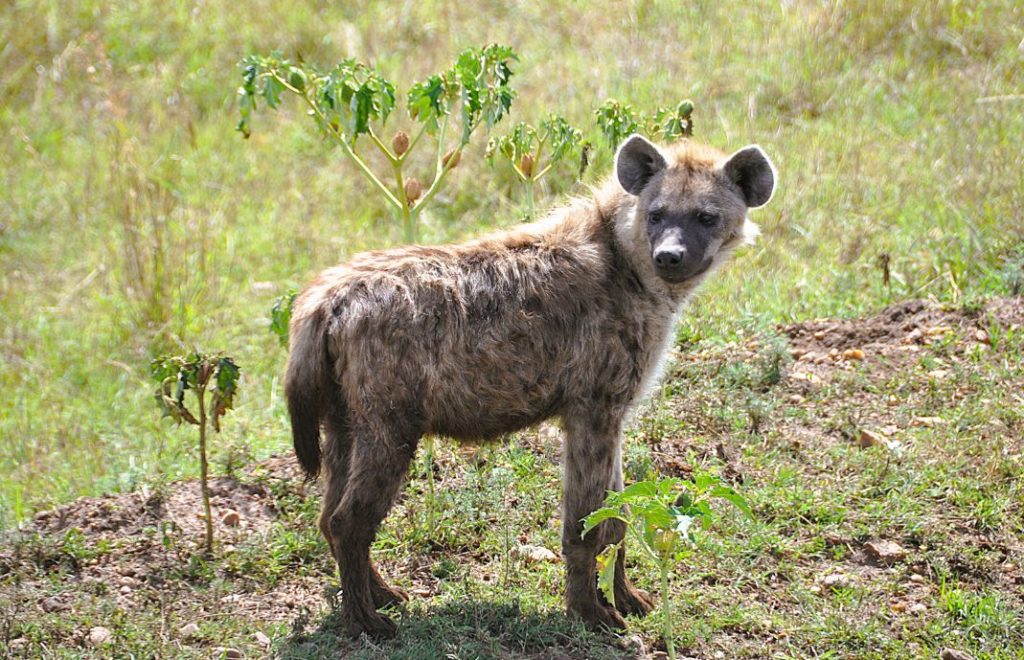
Weather and wildlife in Kenya – A year-round destination of unique encounters
Kenya is a country you can visit at any time of year, but your experience will shift with the rhythm of the seasons. The climate shapes not only the landscapes but also the behavior of its extraordinary wildlife.
From June to October, the long dry season sets in – widely considered the best time for safari. Vegetation is low, animals gather at waterholes, and predators are easier to spot on the hunt. It is also during these months that you can witness the Great Migration in the Masai Mara, when millions of wildebeest and zebras surge across the plains – one of the planet’s most breathtaking natural spectacles.
- Weather: Dry season, sunny and pleasant.
- Wildlife: Prime safari season, large concentrations around waterholes, Great Migration (July-October).
In November and December, the short rains transform the landscape into a lush green tapestry and replenish rivers and lakes. Wildlife remains abundant, and this is an excellent time for birdwatching as migratory species arrive in Kenya.
- Weather: Short rains, verdant scenery.
- Wildlife: Still plentiful, arrival of migratory birds, superb photography opportunities.
January and February bring hot, dry conditions and excellent safari opportunities. Many animals give birth at this time, offering extraordinary sightings of both newborns and the predators that follow them.
- Weather: Dry season, hot and clear.
- Wildlife: Calving season, excellent predator action, strong safari conditions.
From March to May, the long rains arrive with dramatic downpours, though showers are often brief. While some roads may become challenging, the landscapes are at their most dramatic and emerald-green. This is also a quieter time to travel, with fewer tourists and lower prices.
- Weather: Long rains, heavy showers, lush scenery.
- Wildlife: Fewer visitors, great value, outstanding birdwatching.
Along the Indian Ocean coast, the climate remains tropical year-round, with warm temperatures and a refreshing sea breeze. The sunniest months, from December to March, are especially popular for beach holidays in Mombasa, Malindi, and Diani Beach.
No matter when you go, Kenya promises unforgettable moments. From lions roaming the savannah to flamingos in the Rift Valley and elephants against the backdrop of Kilimanjaro, every season carries its own magic in this remarkable land.
More inspiration: Your month-by-month guide to visiting Kenya
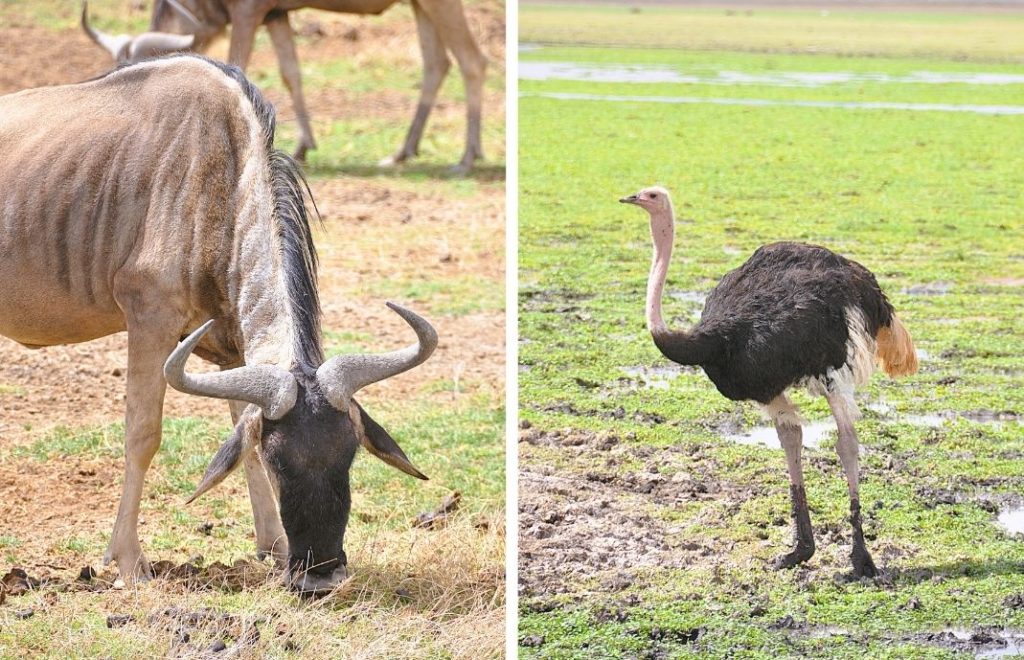
Kenya is a truly remarkable country – one I can wholeheartedly recommend. Here you’ll find even more inspiration to spark your journey to Kenya.
