
With their distinctive black-and-white coats and soulful expressions – thanks in part to those black eye patches – giant pandas always seem to wear a hint of melancholy. But don’t be fooled. These gentle giants have captured human hearts for centuries, from ancient China to modern conservation campaigns.
It’s easy to fall head over heels for these charming creatures. And with fewer than 2,000 individuals left in the wild, it’s a relief that China – and the world – has stepped up to protect them.
There is no doubt that the Giant Panda is a creature that is as curious as it is cuddly.
Ready to get to know the panda a little better?
Here are 25 intriguing facts about this iconic bear:
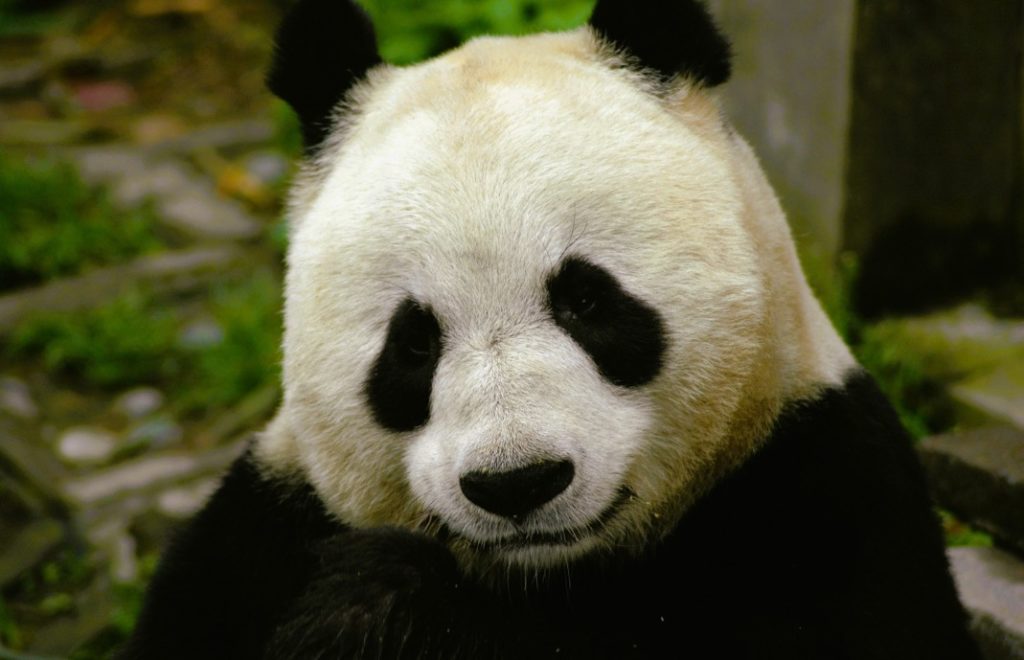
1. A panda’s favorite pastimes: Eating and sleeping
An adult panda, weighing around 100 kilograms (220 pounds), spends up to 12 hours a day eating – consuming between 12 and 38 kilos of bamboo daily. Pandas in captivity, often heavier (up to 150 kg), tend to eat even more.
And when they’re not eating or foraging? They’re snoozing. Pandas can easily nap for 2 to 4 hours between meals, making rest and refueling the centerpieces of their daily routine.
2. A bear who prefers solitude
Pandas are solitary by nature. After leaving their mother, they live entirely alone. While their territories may overlap with others, they rarely interact with fellow pandas outside the mating season.
Why the solitude? Their diet explains it all – bamboo is low in nutrition, so they need to eat constantly. If they lived in groups, it would lead to competition and food shortages. Being a lone wanderer is how the panda survives.
3. Panda years vs. human years
In panda terms, one panda year is roughly equal to three human years. In the wild, pandas typically live 18 to 20 years, while those in captivity – thanks to veterinary care and plentiful food – can reach 25 to 30 years.
The oldest known panda, Xinxing (meaning New Star), lived from 1982 to 2020, reaching the impressive age of 38 – that’s the equivalent of 115 human years! She was a beloved resident of the Chongqing Zoo in China.
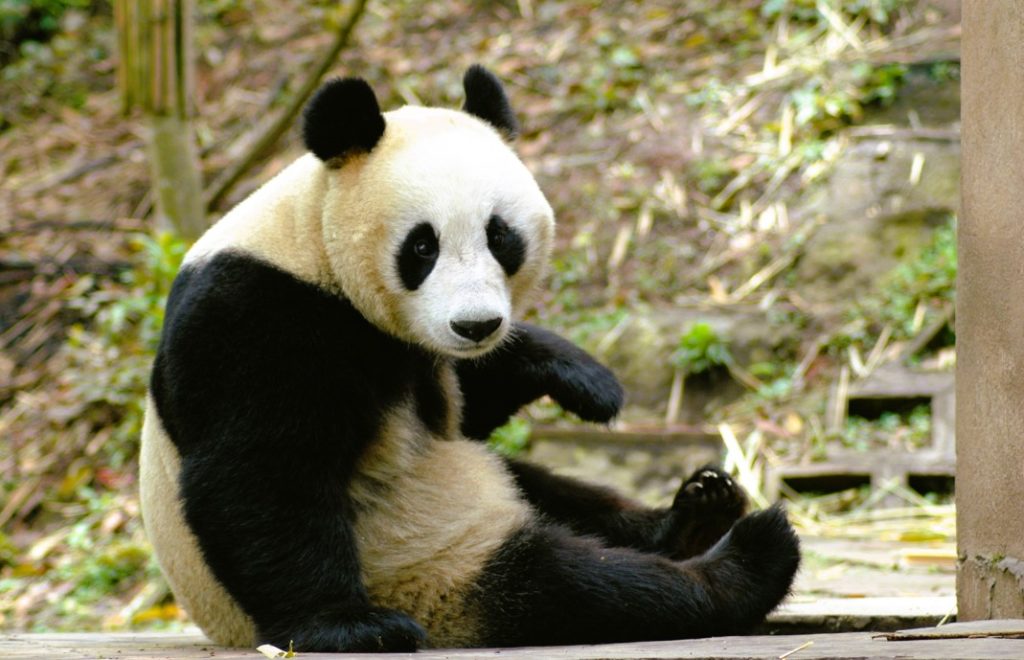
4. Pandas have six “fingers”
A panda’s sixth “finger” isn’t a true digit, but it acts like one. Known as a pseudothumb, this extra appendage is actually an enlarged wrist bone that functions much like a human thumb.
Pandas use it to grasp, strip, and roll bamboo with remarkable precision. They can even compress bamboo stalks into a tight, cigar-like shape to make chewing easier. It’s one of nature’s most fascinating examples of functional adaptation.
5. Masters of trees and water
By the time they’re just seven months old, pandas can already climb trees – a skill they use throughout life. In the wild, pandas (especially young ones) climb to escape predators, scout their surroundings, or simply find a quiet, safe spot to sleep.
As members of the bear family, pandas are also excellent swimmers. While they don’t spend much time in the water – mainly because they don’t hunt aquatic prey – they’re fully capable of paddling across streams or rivers when needed.
6. You can track a panda by its poop
Despite being classified as carnivores, pandas follow a 99% bamboo diet. But their digestive systems haven’t evolved to break down cellulose efficiently – they absorb less than 20% of the nutrients in what they eat.
The result? Pandas poop a lot. As in every 15-20 minutes – more than 100 times a day! Most of it is undigested bamboo.
In the wild, researchers often track pandas by following their droppings. Unfortunately, so can poachers – which is part of the reason pandas remain vulnerable to extinction despite growing conservation efforts.
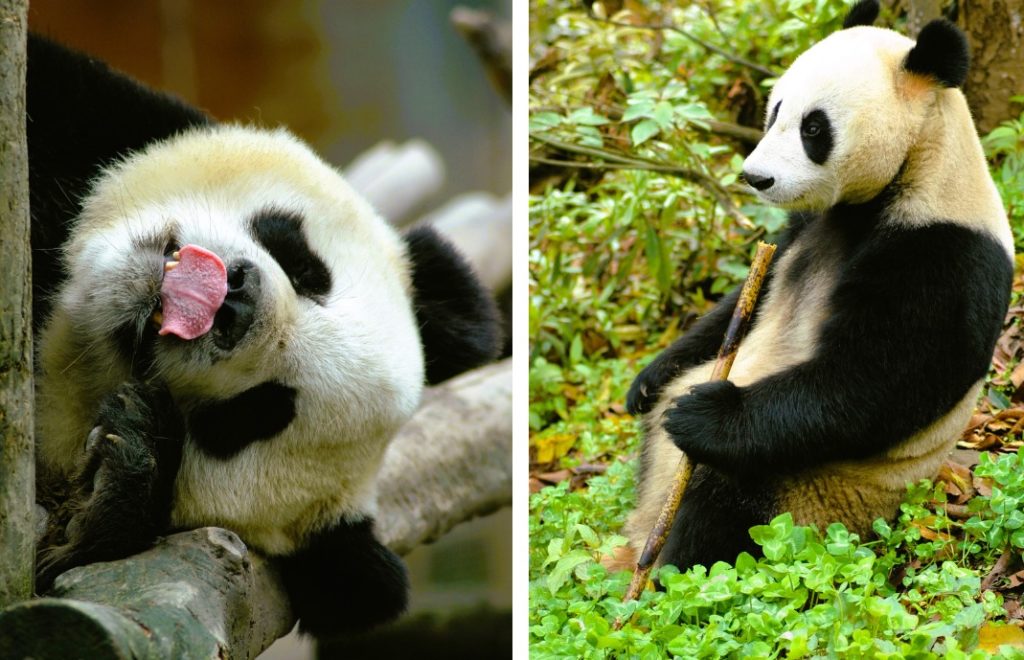
7. From carnivore to bamboo-loving vegetarian
Believe it or not, pandas were once meat-eaters. But as large predators like the saber-toothed tiger disappeared from the ecosystem, pandas gradually shifted their diet to bamboo – a plentiful, noncompetitive food source that helped ensure their survival.
This radical dietary change allowed them to adapt rather than vanish, transforming them into the iconic bamboo specialists we know today.
8. It’s truly black and white
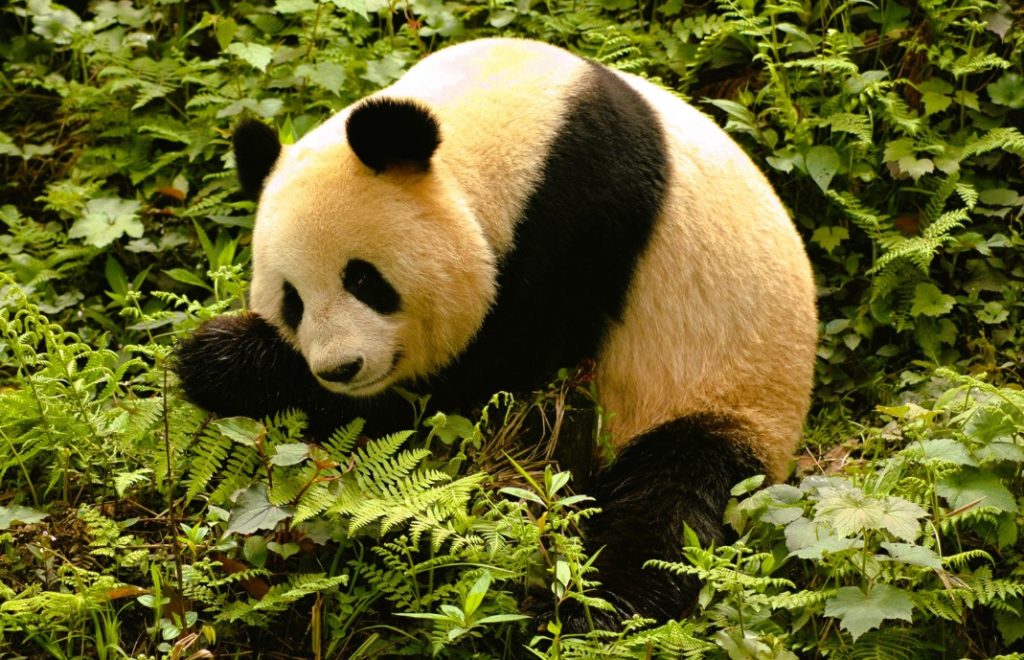
A panda’s fur is mostly white, except for its ears, eye patches, legs, shoulders, and its 10-15 cm long tail, which are all black.
But this bold contrast is more than just eye-catching – it’s a form of natural camouflage. Pandas spend much of their time eating in dense forests and snowy mountains, and their coloration helps them blend into both environments:
- The white fur conceals them against snow.
- The black patches help break up their outline in the shadowy forest.
Studies have shown that, from a distance, pandas exhibit disruptive coloration – a type of camouflage that confuses predators and helps them go unnoticed. Up close, they rely on subtle blending with their surroundings.
9. Love is in the air
Panda mating season runs from March to May, and when a female is ready, she announces it with a unique “baa” sound – similar to a cow’s moo – letting males know she’s receptive.
Male pandas then mark their territory and begin the competition. A single male may roam between different female territories, but the female does the choosing, often mating with several males – after they’ve battled for her favor.
Pandas reach sexual maturity between 5 and 6 years old, and females remain fertile until around age 20.
Pregnancy typically lasts around five months, and once the cub is born, the mother raises it entirely on her own. A quiet, solitary start to life – guided by a fiercely protective mom.
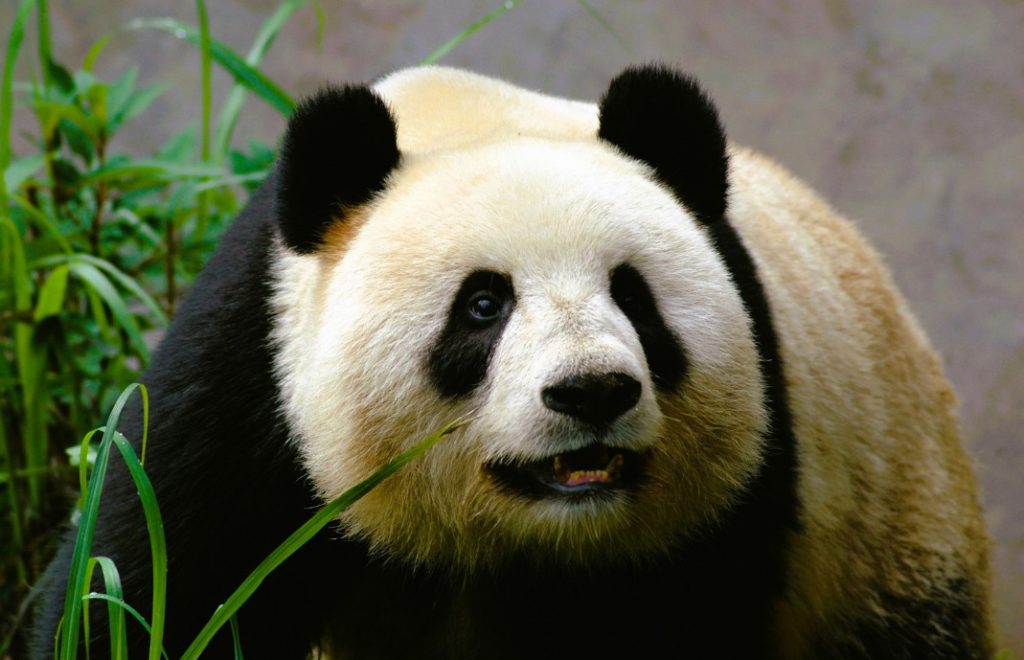
10. Panda babies are born pink
A newborn panda weighs just 100 grams – about the size of a stick of butter – and enters the world pink, blind, and toothless. Proportionally, panda cubs are the smallest offspring of any placental mammal.
During the first weeks, the cub nurses from its mother 6 to 14 times a day, each session lasting up to 30 minutes. Within a week or two, its skin darkens, and black fur begins to appear. By one month, the panda’s distinctive black-and-white coat pattern is fully developed.
The cub will stay with its mother for 18 months to 2 years, learning essential survival skills before venturing out on its own.
11. Pandas don’t hibernate
Unlike many bears, pandas do not hibernate. Their bamboo-rich diet doesn’t provide enough fat or calories to sustain them through a long winter’s sleep.
Instead, pandas remain active throughout the year – even in frigid temperatures. These hardy animals can roam through deep snow and endure conditions as cold as -40°C, unfazed by winter’s chill.
12. Two subspecies of panda
There are two recognized subspecies of giant panda: the Sichuan panda and the Qinling (Shaanxi) panda.
Though they share a common ancestor, paleontologists believe the two lineages diverged around 50,000 years ago.
- The Sichuan panda is the classic black-and-white panda we all picture, and it represents the largest and most stable population.
- The Qinling panda, found only in the Qinling Mountains of Shaanxi Province, lives at altitudes between 1,300 and 3,000 meters. These pandas are smaller, with dark brown and light brown fur, a smaller skull, and larger molars – adaptations to their specific environment.
The Qinling panda is rare, making up just 18.5% of the global panda population, and is one of the least-known treasures of panda conservation.
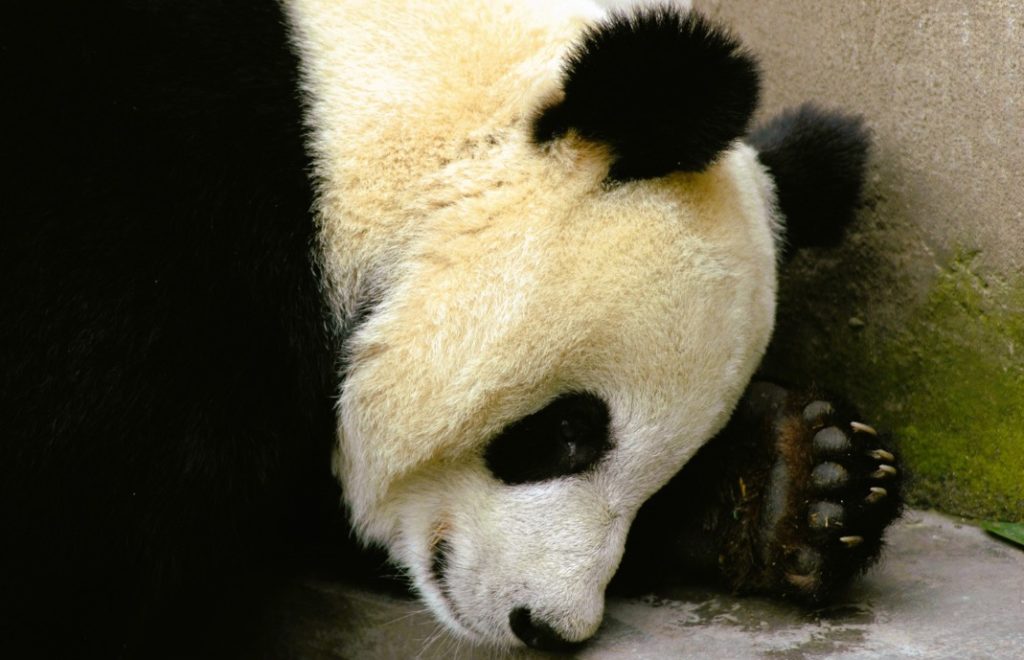
13. The panda is a real bear
For years, scientists debated whether the giant panda was more closely related to raccoons or bears, due to its physical traits and unusual features.
Modern genetics and anatomical studies have settled the debate: the giant panda is, without question, a bear. Its skeletal structure, DNA, and digestive system all firmly place it in the bear family.
Today, the panda is officially classified as Ailuropoda melanoleuca, meaning “black and white cat-footed bear.”
14. A beloved animal with many names
Over the centuries, the Chinese language has gifted the panda with more than 20 different names. As a treasured symbol of Chinese culture, it’s been referenced in some of the country’s earliest written records.
In ancient China, pandas were called things like:
- Spotted bear
- Bear cat
- Giant bear cat
- Bamboo bear (a personal favorite!)
Each name reflected the panda’s mysterious nature and distinctive appearance – long before science offered a definitive classification.
15. “Nigalya Ponya” – The origin of the name
Ever wonder how this bamboo-munching icon got its name?
The term “panda” is thought to come from the Nepalese phrase “Nigalya Ponya,” which literally means “bamboo eater.” Over time, “Ponya” evolved into “panda” in Western languages – leading to the name we all know and love today.
A fitting title for one of nature’s most dedicated herbivores!

16. Why is the panda dressed in black and white?
Zoologists have long puzzled over the panda’s distinctive black-and-white coloring. The most widely accepted theory is camouflage: the white fur helps the panda blend into snowy landscapes, while the black patches obscure its outline in rocky, forested environments.
But that’s not the only idea. Some researchers suggest the coloration could help with temperature regulation, social signaling, or even intimidating predators. In truth, no single explanation has been officially confirmed – so feel free to come up with your own theory!
After all, the panda is as mysterious as it is adorable.
17. Thick-skinned survivors
Pandas live in cold, misty mountain forests, and their luxurious coat keeps them cozy year-round.
Beneath all that fluffy fur lies skin that’s 5 to 10 mm thick – twice as thick as human skin. This thick hide not only protects them from the elements but also from rough bamboo stalks and accidental injuries during their bamboo-chomping lifestyle.
18. Males are bigger than females
In the panda world, size matters – and it shows. Male pandas are generally about 20% heavier and 10% larger than females.
- A full-grown male can weigh up to 160 kilograms (around 350 pounds).
- The female is typically much lighter, averaging about 77 kilograms (170 pounds).
This size difference becomes especially noticeable during mating season, when males compete for attention – and need both strength and stamina to win a female’s favor.
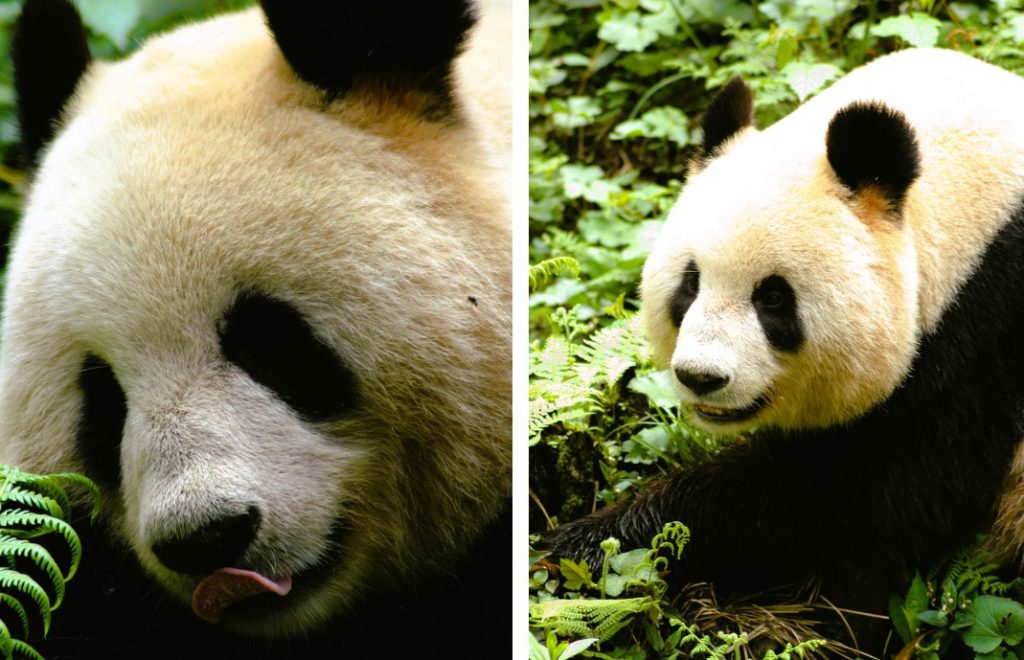
19. The panda is fast and fierce (when needed)
Despite their famously lazy appearance, pandas can move with surprising speed. Their top speed has been recorded at around 32 km/h (20 mph) – not bad for a bear that spends most of its day eating and napping!
And while they look soft and huggable, don’t be fooled – pandas are powerful animals. With strong muscles and incredibly powerful jaws, they are fully capable of defending themselves if threatened.
Cute? Absolutely. Defenseless? Not even close.
20. Few natural enemies (but cubs are vulnerable)
Adult pandas have very few natural predators – they’re large, strong, and spend most of their time in isolated mountainous terrain.
Panda cubs, however, are another story. While young and defenseless, they are vulnerable to attacks by Asian black bears, wild dogs, and snow leopards – stealthy predators that can easily overpower a panda baby left alone in a den.
That’s why panda mothers are extremely protective – rarely leaving their cubs unattended during those critical early months.
21. A gift like no other: Panda diplomacy
Throughout history, China has used pandas not just as conservation icons, but also as diplomatic tools. The practice, known as “Panda Diplomacy,” dates back to the 6th century, when Empress Wu Zetian of the Tang Dynasty sent a pair of pandas to Emperor Tenmu of Japan as a royal gift.
In modern times, China continues this tradition by loaning pandas to international zoos, often to mark significant political relationships or agreements – making the panda one of the most adorable ambassadors the world has ever known.
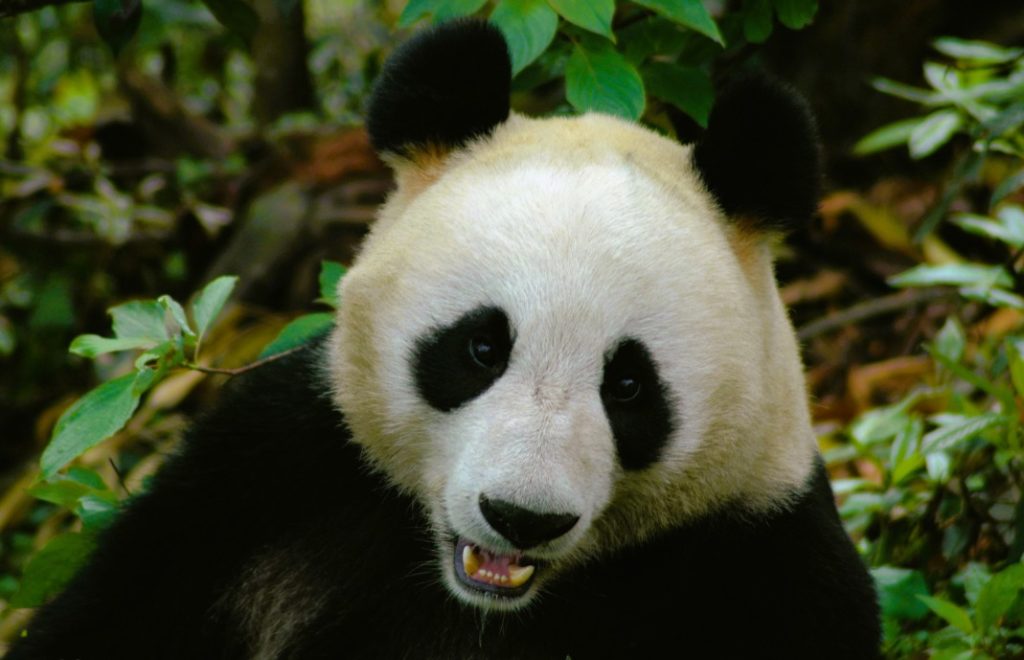
22. A global treasure – with a price tag
In the 1970s, China gifted pandas to zoos in the United States and Japan as symbols of friendship – and unsurprisingly, the fluffy diplomats became instant superstars.
But by 1984, the practice changed. Instead of giving pandas away, China began leasing them for $1 million USD per year, with agreements typically lasting 10 years. Today, all pandas abroad still legally belong to China, no matter where they’re born.
Under this agreement, any cubs born to loaned pandas must be returned to China, usually by the age of 2 to 4. It’s a unique arrangement that blends wildlife conservation with international diplomacy – and keeps China at the heart of panda stewardship.
23. The panda’s magical reputation
Long before it became a modern conservation icon, the panda held a mythical status in ancient China.
During the Han Dynasty (206 BCE – 24 CE), pandas were considered semi-divine creatures, thought to possess magical qualities. Some pandas even lived in the imperial gardens – protected and revered as symbols of peace, power, and spiritual connection.
Their calm nature, rarity, and black-and-white symbolism added to their mystical reputation.
24. A bear that brings good fortune
According to old folklore, pandas don’t just capture hearts – they bring blessings:
- Touch a panda’s head and it’s said to bring you good luck.
- Touch its shoulder, and you’ll gain peace and calm.
While you likely won’t get the chance to pet a real panda (nor should you!), the idea adds a lovely layer of magic to the already irresistible panda mythos.
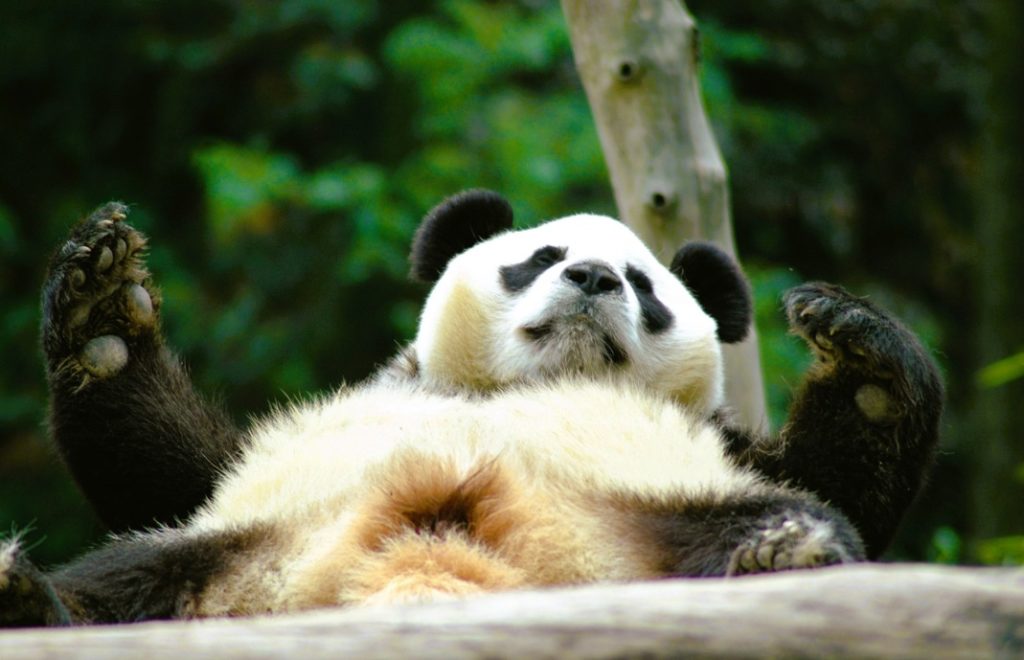
25. There is hope for the panda
For many years, the greatest threat to the giant panda was humans – through habitat destruction, deforestation, and illegal hunting for their fur. As their bamboo forests disappeared, so did the pandas.
But the tide is turning. Thanks to increased global awareness, stronger laws, and dedicated conservation efforts, panda numbers have been steadily rising since 2003.
Today, the global panda population sits at around 2,200 individuals:
- 1,864 living in the wild
- 422 born and cared for in captivity
In a significant step forward, the giant panda’s conservation status was officially upgraded from Endangered to Vulnerable.
While challenges remain, this is a powerful reminder that when the world comes together to protect nature, real progress is possible.
The panda isn’t just a symbol of China – it’s a symbol of hope.
Get to know the creatures of the animal kingdom:
15 fascinating facts about elephants
Get to know the Shetland pony
Meet the Highland cows: Scotland’s iconic gentle giants
