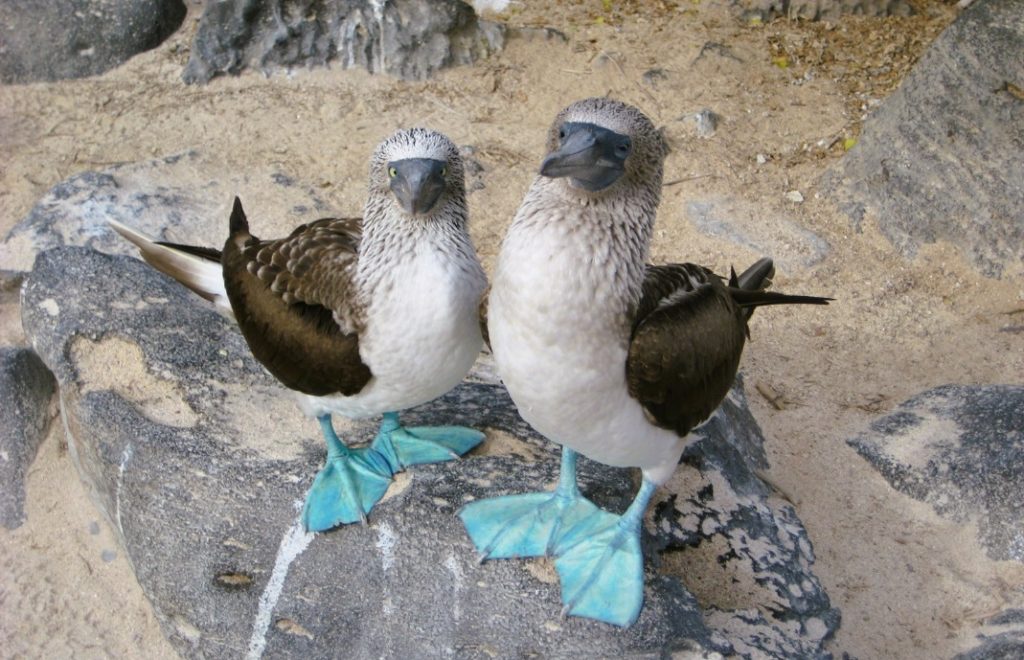
The Galápagos Islands are unlike anywhere else on Earth – it’s as simple as that.
Imagine tracing the footsteps of Charles Darwin himself, who laid the foundation for his groundbreaking theory of evolution right here on these legendary isles.
Set adrift 972 kilometers off the coast of Ecuador, these “enchanted islands” are ruled and shaped by the raw forces of nature. The result? A wildlife paradise that draws explorers and nature lovers from every corner of the globe.
This remote volcanic archipelago is a dream come true for anyone with a passion for wildlife and the natural world. It’s not just the astonishing biodiversity that sets it apart – but the sheer number of animals you’re likely to encounter. The Galápagos is one of the few places on Earth where wildlife shows no fear of humans, allowing for up-close encounters like nowhere else.
There are countless reasons to journey to the Galápagos – a destination that truly defies the ordinary.
After reading these ten compelling reasons, you’ll be itching to pack your bags and set off on the adventure of a lifetime.
1. The wildlife
Let’s face it – the number one reason to visit the Galápagos Islands is the wildlife. It’s exceptional, it’s dazzling, and once you’re there, even the most enthusiastic superlatives suddenly feel insufficient.
Picture yourself snorkeling alongside sea turtles, lounging next to sea lions on a sun-drenched beach, or watching Darwin’s finches flit by as if you’re in the pages of a living science book… It’s nothing short of magical.
What makes the Galápagos truly extraordinary is the harmony between humans and animals. Because these islands were isolated for so long, the wildlife never developed a fear of people. You can get astonishingly close – often just a few feet away – without causing the slightest alarm.
But take note: touching the animals is strictly prohibited!
You’ll also need to watch where you walk or sit – it’s easy to accidentally step on a nesting site, an egg, or even a resting animal.
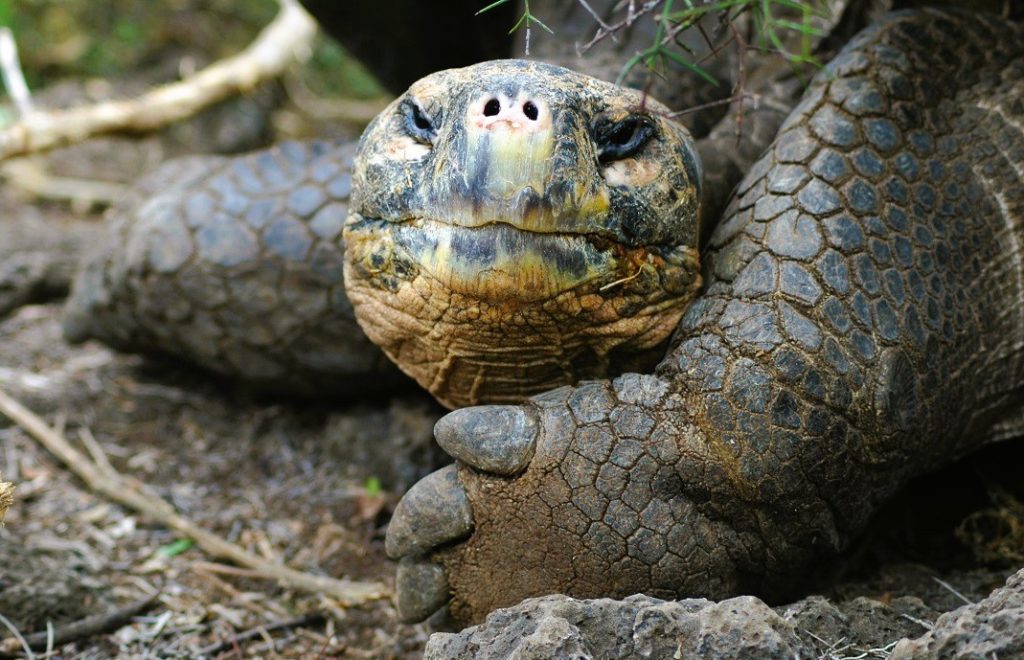
On your journey through the Galápagos, you can expect to encounter an astonishing variety of creatures: birds, sea lions, tortoises, crabs, marine iguanas, sea turtles, and even sharks.
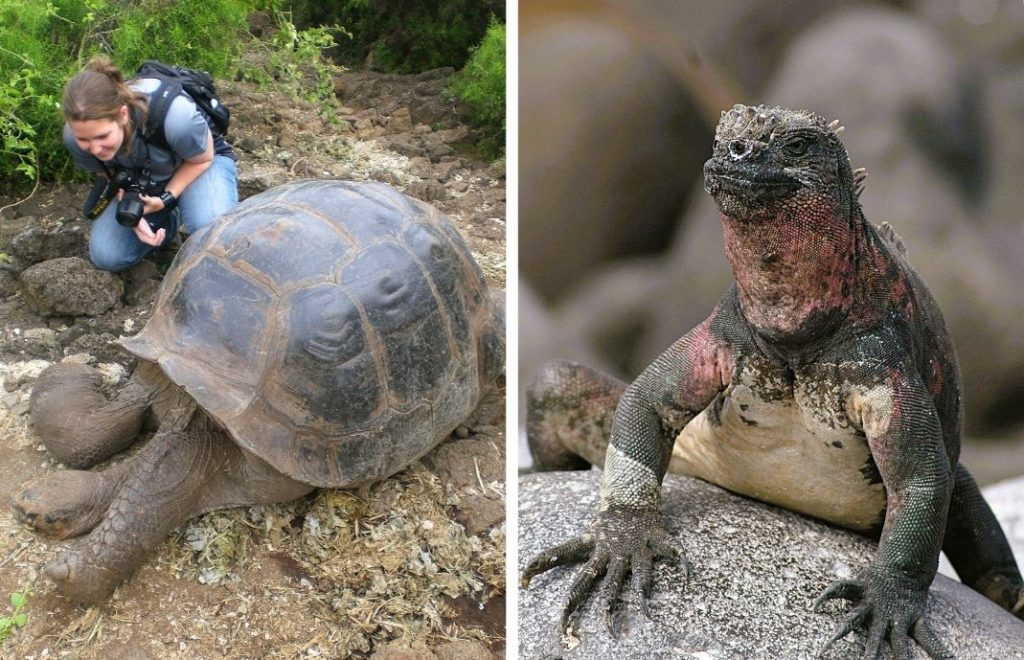
Marine iguanas – those prehistoric-looking swimmers – can be seen almost everywhere along the coast. It’s mesmerizing to watch them basking in the sun, diving into the sea to feed, or gliding effortlessly through the waves. Then there are the vibrant land iguanas, their colors ranging from fiery yellow-orange to the critically endangered pink-and-black variety.
Snakes (none of them venomous) are also part of the Galápagos landscape, occasionally slithering into view.
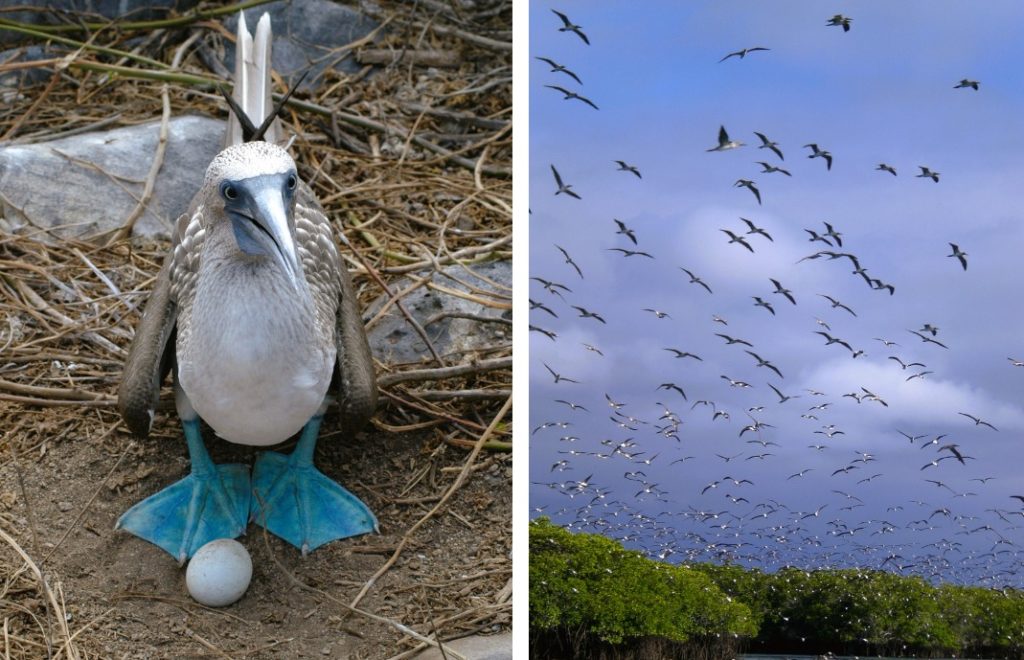
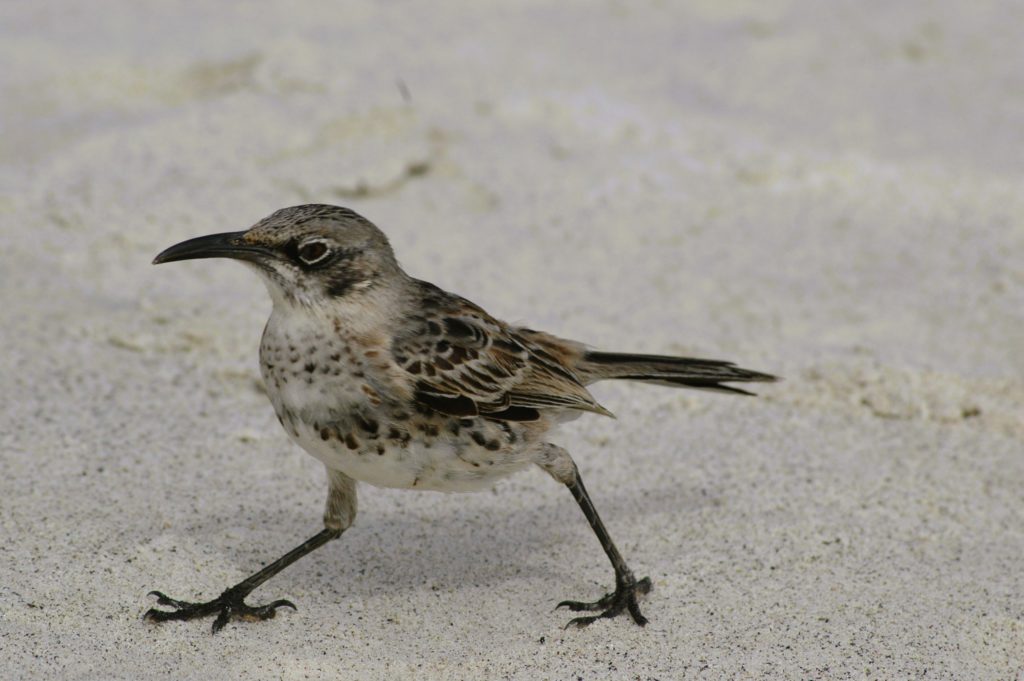
Bird lovers, prepare to be spellbound. Beyond the famed 14 species of Darwin’s finches, you’ll find three types of boobies, plus flamingos, hawks, Galápagos cormorants, lava gulls, mockingbirds, flycatchers, owls, doves, herons, and more.
In short, the Galápagos is a wildlife wonderland – one of the last true Edens on Earth.
2. Swim with sea lions
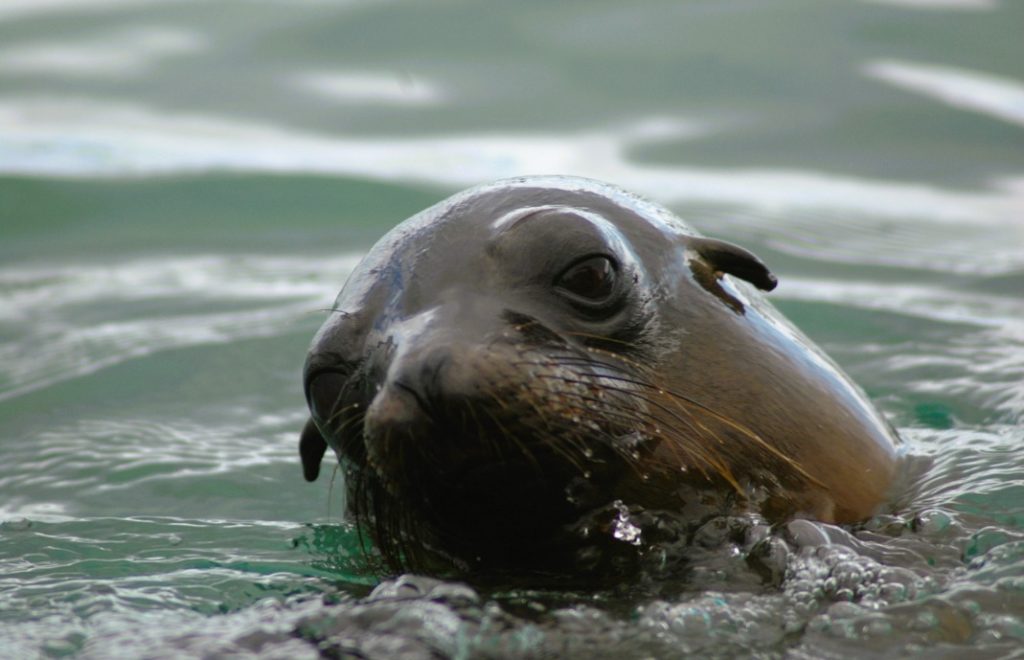
One of my absolute favorite animals in the Galápagos – and one you’re bound to see often and just about everywhere – is the playful and utterly charming sea lion. You’ll spot them dozing on docks, lounging on benches, hitching rides on the backs of boats, basking lazily on the beach, or scrambling over sun-baked rocks.
These creatures are impossible not to love. With their expressive eyes and cheeky personalities, they quickly carve out a place in your heart.
But it’s in the water that sea lions truly shine. They’re agile, curious, and love to play.
I was snorkeling off the coast of Española Island when one of the younger pups decided I looked interesting enough to investigate. He darted toward me, inviting a race I had no chance of winning, then spun and twirled circles around me in pure, joyful motion. Suddenly, he swam right up to my mask, stared straight into my eyes, and gently rubbed his sleek little head against it. A moment later, he dived beneath me and gave me a playful nudge in the ribs.
And just like that – something else caught his attention, and he vanished into the blue.
It was, without a doubt, one of the most thrilling encounters of my life.
3. Explore untouched ecosystems
Back in the 17th and 18th centuries, the Galápagos Islands were a favored hideout for pirates and whalers. After looting Spanish galleons, these remote islands offered the perfect refuge. Sadly, it came at a cost – giant tortoises were hunted extensively for their meat, and their populations suffered.
Over the years, many attempts were made to colonize the archipelago, all of which ended in failure. Even today, many locals believe the Galápagos are shrouded in a mysterious curse.
Out of the 19 islands – 13 large and 6 small – the vast majority remain uninhabited. Strict regulations and visitor limits help safeguard the islands’ pristine biodiversity, preserving these untouched ecosystems for future generations.
In 1978, the Galápagos Islands were designated a UNESCO World Heritage Site, and a remarkable 97.5% of the land was declared a national park.
For modern-day travelers, this means the chance to explore landscapes almost exactly as Darwin did nearly two centuries ago – wild, raw, and unspoiled by time.
The terrain is strikingly diverse: from dense forests and eerie lava tunnels to postcard-perfect beaches teeming with sea lions. Wander scenic trails lined with blue-footed boobies, marvel at the elaborate nests of frigatebirds, or watch vibrant crabs basking on volcanic rocks.
This is nature in its purest form – a living museum of evolution, where every step feels like a step back in time.
4. Breathtaking views
When you’re in the Galápagos, one thing’s for sure – you’ll never run out of jaw-dropping views. From pristine beaches and fiery sunsets to otherworldly volcanic formations in a kaleidoscope of colors and shapes, the islands offer a feast for the senses at every turn.
The archipelago is dotted with iconic viewpoints that showcase its rugged beauty.
One of the most beloved is the lookout on Bartolomé Island, a small islet off the eastern coast of Santiago Island. Named after Charles Darwin’s close friend, Sir Bartholomew James Sullivan – a lieutenant aboard the HMS Beagle – this spot offers one of the most celebrated vistas in the Galápagos.
Although one of the younger and smaller islands, Bartolomé draws travelers from around the world eager to climb to the summit of its volcanic cone. The ascent can get a little congested, especially on the narrow wooden staircase leading to the top. But patience pays off.
At the peak, you’re rewarded with a panoramic view of surreal lava landscapes, dramatic coastlines, and the shimmering blue ocean. You might even catch sight of blue-footed boobies diving like arrows into the sea below, hunting fish with wild precision.
Then there’s Pinnacle Rock, perhaps the most photographed landmark in the entire archipelago – a jagged volcanic spire that rises majestically from the sea like a sentinel from another planet.
Come evening, there’s nothing quite like sitting on deck with a colorful drink in hand, watching the sun sink below the horizon in a blaze of gold and crimson. In that moment, you’ll understand – the Galápagos doesn’t just offer views. It delivers wonder.

5. Walk in the footsteps of Charles Darwin
The Galápagos Islands were discovered – by accident – in 1525, but it wasn’t until the voyage of the HMS Beagle that they earned their place in scientific history.
It was here, during his adventurous exploration of the islands, that Charles Darwin observed something extraordinary: species of animals were adapting to their environments in unique, measurable ways. These observations would become the bedrock of his revolutionary theory of evolution by natural selection.
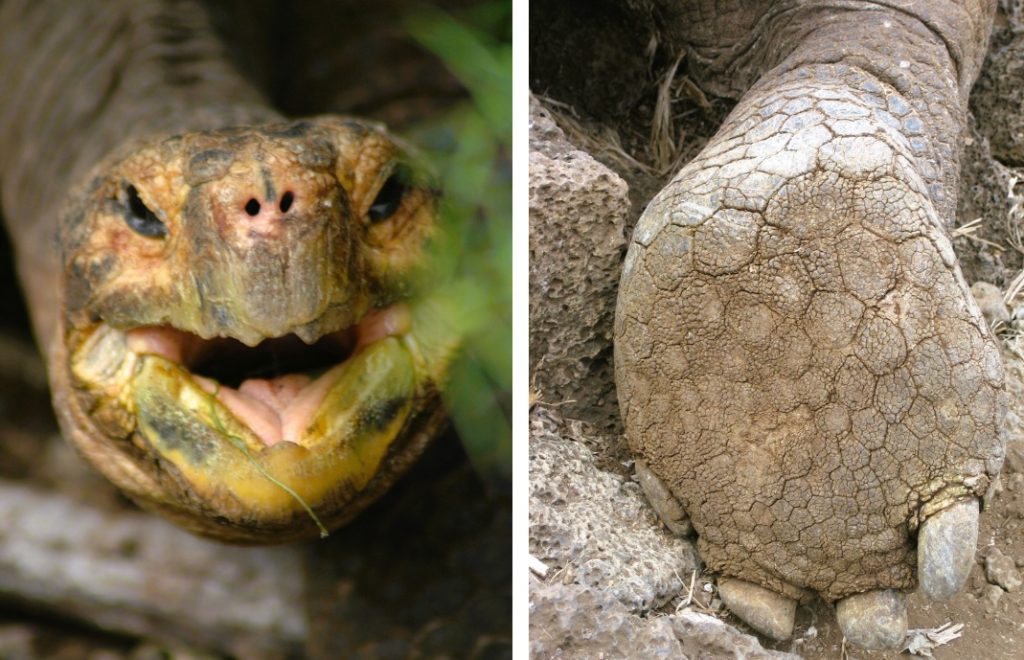
Today, visitors to the Galápagos can witness these evolutionary marvels firsthand. It’s nothing short of mesmerizing to see how giant tortoises differ from island to island – some with high-domed shells, others with saddlebacks; some with long necks, others with short – all perfectly adapted to the terrain and vegetation of their home island.
The same goes for the famous Darwin’s finches, a group of 14 distinct bird species that each evolved a uniquely shaped beak, precisely suited to their preferred diet and feeding behavior. Thick, strong beaks for cracking seeds. Slender, probing ones for catching insects. Each tiny difference tells a powerful evolutionary story.
To walk these islands is to step inside one of the greatest scientific discoveries of all time, where nature’s ingenuity is on full, breathtaking display.
6. Swim in a protected marine reserve
The volcanic islands of the Galápagos are like a grand natural theater, and the animals – both above and below the surface – are the undisputed stars of the show. While the land-based wildlife is incredible, you absolutely shouldn’t miss the chance to explore the world beneath the waves.
The Galápagos is renowned as one of the premier destinations on the planet for snorkeling and diving. During my own visit, I stuck to snorkeling – and even that was nothing short of unforgettable.
The waters surrounding the archipelago are fed by a powerful convergence of currents: the warm California current flows from the north, while the cool Peru current drifts up from the south. This clash of temperatures churns up a bounty of nutrients, fueling rich blooms of phytoplankton – the very foundation of the oceanic food chain.
Because the volcanic terrain on land is relatively dry and offers limited food sources, many species have adapted to feed from the sea. And for visitors, that means one thing: an underwater spectacle that feels straight out of a nature documentary.
As you glide through the clear waters, you might find yourself swimming alongside graceful rays, curious reef sharks, sea turtles, dazzling schools of tropical fish, and even marine iguanas diving for algae. And if you’re lucky? A playful Galápagos penguin might zip by your side, adding a dash of Antarctic charm to your tropical adventure.
Just one word of advice: don’t forget your underwater camera. You’ll want to relive every surreal moment.
7. Explore the Islands on foot
Lace up your boots – it’s time to experience the Galápagos on solid ground. While the archipelago is famed for its marine wonders, hiking through these dramatic volcanic landscapes offers an entirely different kind of magic.
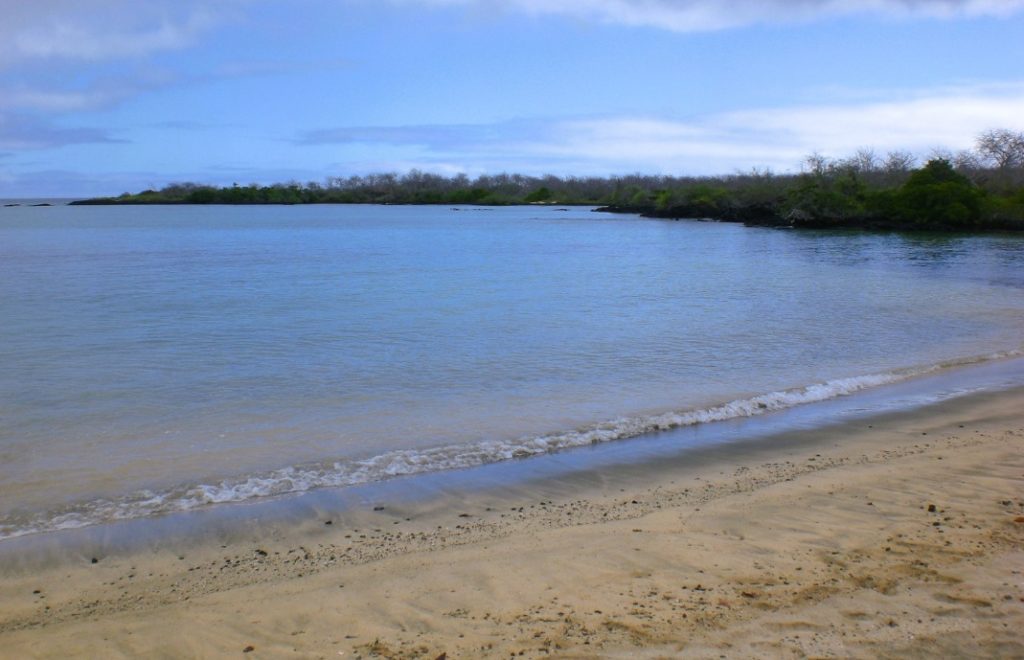
A network of well-maintained trails winds across the islands, leading you through surreal lava fields, lush highlands, and rocky coastlines teeming with wildlife. Each step reveals more about how the islands were formed and how evolution has shaped every living thing that calls them home. From bizarre cactus forests to nesting seabirds and sunbathing iguanas, the flora and fauna will leave you in awe.
Most of the hikes are relatively short and manageable, so you don’t need to be an elite trekker to enjoy them. However, solo hiking is not allowed – you’ll need to explore with a certified naturalist guide who will help you uncover the stories woven into the landscape.
And one golden rule: never stray from the marked paths. These trails protect the fragile ecosystem and keep both visitors and wildlife safe.
Given that many of the islands are volcanic in origin, sturdy, closed-toe hiking shoes (preferably boots) are highly recommended – this is no place for flip-flops.
Personally, I found these walks incredibly refreshing. As someone who suffers from seasickness (and it doesn’t take much!), hiking was a perfect way to escape the waves and reconnect with the land, even if just for a few hours. It was a welcome breath of stillness in a journey that’s anything but ordinary.
8. A year-round destination
You probably don’t need another reason to visit the Galápagos – but just in case, here’s one more: you can go any time of year. And no, that’s not just a clever marketing line.
The Galápagos Islands are truly a year-round destination, thanks to their equatorial location and unique climate patterns. But to make the most of your adventure, it helps to understand the rhythm of the seasons.
There are two main seasons in the Galápagos: wet (warm) and dry.
The wet season, from December to May, is also known as the warm season. Expect a more tropical feel with daily rain showers, overcast skies, and warmer water temperatures – perfect for swimming and snorkeling. Landscapes turn lush and green, and marine life remains abundant.
The dry season, running from June to December, brings blue skies, cooler air, and short, refreshing showers, usually in the afternoon. During this time, land birds and sea mammals are at their most active, and many seabirds perform elaborate mating dances – a true natural spectacle.
When deciding when to visit, think about the wildlife you want to see. Animals are visible year-round, but each season offers something different. If you’re hoping to witness courtship rituals, the dry season is ideal. If you’d rather see newborns and vibrant greenery, aim for the wet season.
Either way, the Galápagos never disappoints. It’s one of those rare places on Earth where every month holds the promise of discovery.

9. A sustainable and responsible journey
The environment of the Galápagos Islands is incredibly delicate, and few places on Earth take conservation as seriously. The Galápagos National Park Directorate enforces strict rules to protect this ecological gem – and it shows.
If you’re seeking a destination where sustainability and responsible tourism are more than just buzzwords, this is it.
Visitor numbers are tightly controlled, and access to certain islands is strictly regulated. The guiding principle here is quality over quantity – ensuring that travelers can enjoy the islands without overwhelming them.
One of the unique practices in place: before boarding your boat after visiting an island, you’re required to shower off any sand or seeds. It might seem minor, but this precaution prevents the unintentional transfer of non-native materials between ecosystems – a small but powerful act of preservation.
When planning your trip, it’s essential to book through a reputable tour operator – one that’s committed to sustainability and approved by the national park authorities. It might cost a bit more, but those extra dollars go a long way in protecting one of the most extraordinary natural environments on the planet.
In the Galápagos, sustainability isn’t just a choice – it’s a way of life, and travelers become part of that mission the moment they set foot on the islands.

10. A once-in-a-lifetime experience
You’ve probably heard the phrase “once-in-a-lifetime experience” thrown around before – but when it comes to the Galápagos Islands, it truly earns that title.
The wildlife is beyond extraordinary – unique, fearless, and unlike anything you’ll encounter anywhere else on Earth. Add to that a stunning tapestry of rare plants, surreal landscapes, and vibrant ecosystems, and you have a destination that exists in a league of its own.
Yes, a trip to the Galápagos comes with a price tag – but what you get in return is worth every cent: close encounters with nature you’ll never forget, moments that feel like they’ve been plucked from a dream, and the deep satisfaction of exploring one of the most pristine and protected places on the planet.
The Galápagos aren’t just a place you visit – they’re a place that stays with you forever. This is more than a trip. It’s a true adventure of a lifetime.

Good to know
Let’s be honest – a trip to the Galápagos isn’t cheap, and it’s not the easiest place to reach. But it’s absolutely worth it – an unforgettable investment in wonder, adventure, and connection with nature that you’ll never regret.
Despite their remote location, the islands draw thousands of visitors each year. To protect this fragile paradise, the Galápagos authorities enforce strict regulations – limiting both the number of visitors and how they explore the islands.
There are two main ways to experience the archipelago:
- Join a cruise, which was my personal choice. This option allows you to visit multiple islands and witness the archipelago’s full diversity – from volcanic landscapes to nesting colonies and coral-filled bays.
- Stay on Santa Cruz Island and embark on day trips to nearby destinations. This is a great option if you prefer to stay on land and still want to explore the wonders of the surrounding islands.
Whichever route you choose, the Galápagos delivers a travel experience like no other – wild, enriching, and soul-stirring.