
Warsaw Rising Museum is a tribute to courage and resistance.
The museum opened its doors on August 1, 2004 – exactly 60 years to the day after the uprising began. It stands not only as a museum, but as a powerful tribute to the bravery, sacrifice, and defiance of the Polish people during one of the most harrowing chapters in the city’s history.
The museum is dedicated to the Warsaw Uprising of 1944, when the Armia Krajowa (Home Army) – Poland’s underground resistance – launched a courageous but ultimately doomed effort to liberate the capital from German occupation.
For 63 days, from August 1 to October 2, Polish fighters battled the Nazi forces, hoping for support from advancing Soviet troops. That support never came. After immense casualties – particularly among civilians – the resistance was forced to surrender.
In retaliation, Adolf Hitler ordered the systematic destruction of Warsaw. The Old Town was leveled, and approximately 85% of the city was reduced to ruins in an act of calculated vengeance.
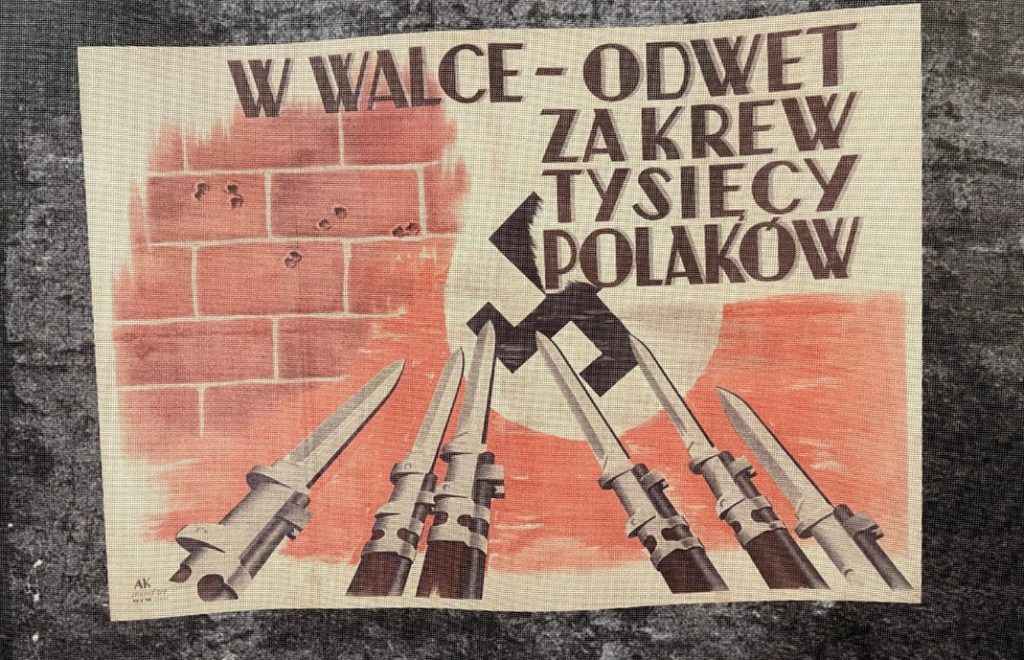
Warsaw Rising Museum – Step into the Uprising
The Warsaw Rising Museum is more than a collection of exhibits. It’s an immersive journey through the 1944 uprising, designed so that visitors don’t just learn about history, but experience it.
From the moment you step inside, the museum pulls you into the intensity of those 63 fateful days.
Pick up old-fashioned telephone receivers and listen to first-hand accounts from those who lived through the chaos. Peek through spy holes to watch original footage and see powerful photographs. Crawl through a replica tunnel, just as the resistance fighters did, to understand the cramped and dangerous conditions beneath the city.
Spanning 3,000 square meters over three floors, the museum is filled with authentic artifacts, documents, and reconstructions that bring the story to life.
The experience begins with the outbreak of World War II, setting the stage for Poland’s occupation. It then moves into the heart of the 1944 Warsaw Uprising, showcasing the desperate courage and tactical efforts of the Armia Krajowa (Home Army). Finally, the exhibit reveals the devastating aftermath – the brutal repression of the resistance and the fate that awaited those who dared to rise.
This is not just a museum visit. It’s a visceral, emotional, and unforgettable encounter with one of the most defining moments in Warsaw’s – and Poland’s – modern history.
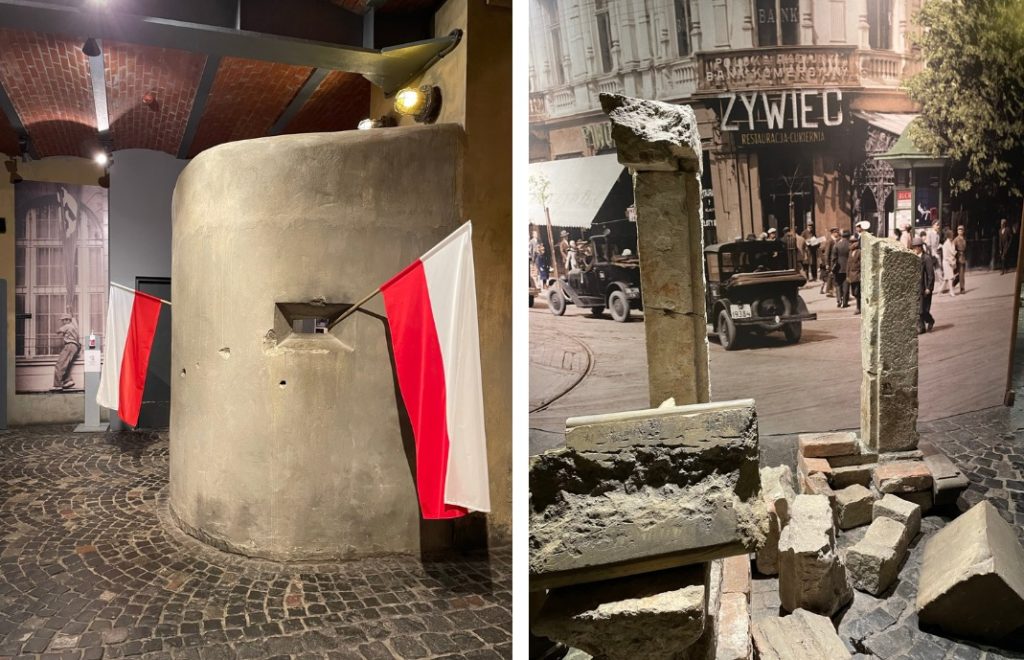
The Battle for Warsaw – Hall B
Step into Hall B of the Warsaw Rising Museum and find yourself in the heart of the uprising’s most dramatic chapter: The Battle for Warsaw. This section captures the chaos, bravery, and tragedy that defined the desperate attempt to reclaim the city.
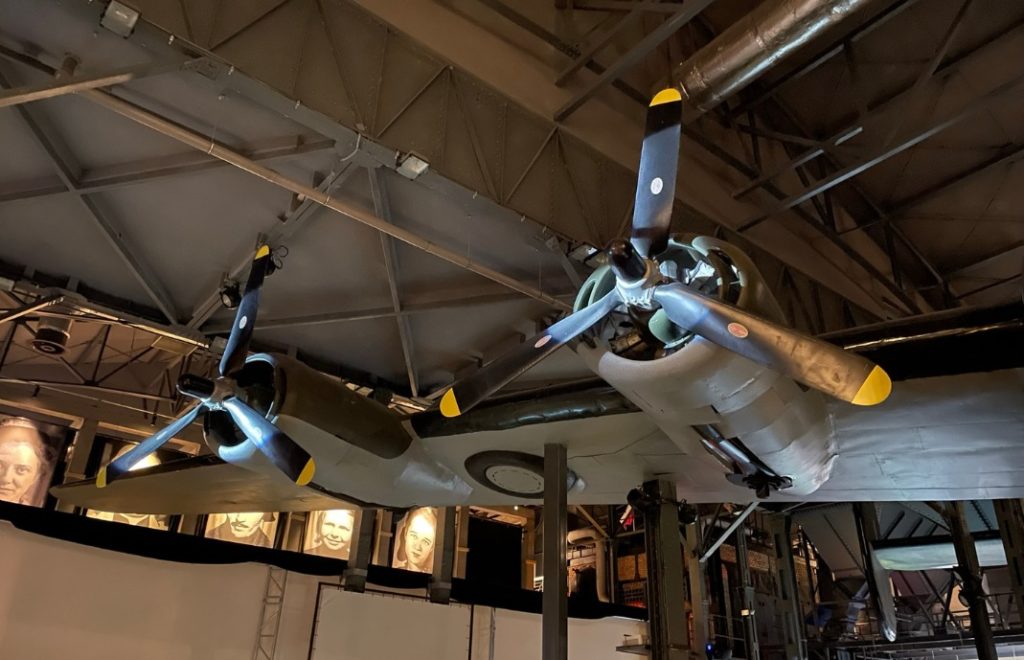
Suspended from the ceiling is a striking replica of the Liberator B-24J, a bomber used by Allied forces in their airdrop missions over the besieged city. These missions, carried out by brave pilots, were lifelines of hope – bringing much-needed supplies to the Polish resistance, even as the cost in lives was high.
Through an impressive collection of photographs, personal belongings, resistance flags, and interactive exhibits, Hall B paints a vivid picture of what life was like during those 63 days of relentless combat. It’s a deeply personal experience, telling the story not only of fighters, but of the civilians caught in the crossfire – families, children, and the elderly who endured unimaginable suffering.
Two powerful films bring the horror and heroism into sharp focus:
- On the large screen in Hall B, a gripping film tells the story of the uprising itself – its strategy, its hope, and its heartbreak.
- In a smaller screening room, the 3D film A City in Ruins offers a sobering aerial view of post-war Warsaw, reduced to rubble. This haunting footage offers a stark reminder of the city’s near-total destruction – 85% of Warsaw was wiped out by Nazi forces in retaliation for the uprising.
Together, these elements don’t just recount the battle – they immerse you in it. Hall B is a must-see for anyone seeking a deeper understanding of Warsaw’s wartime legacy, and a tribute to the unbreakable spirit of a city that refused to surrender.
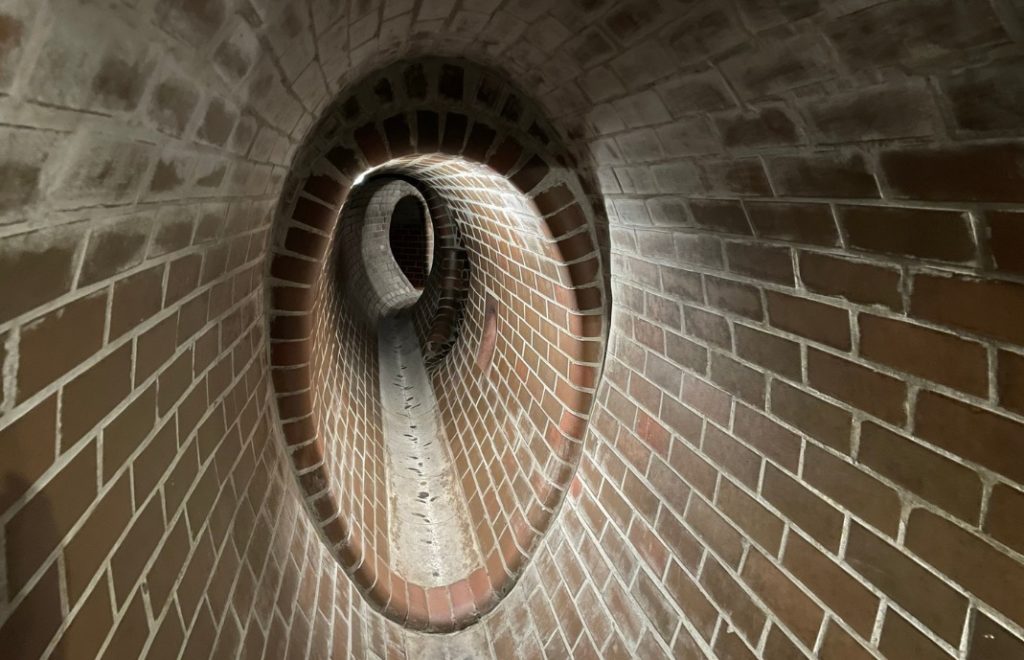
Down into the tunnels
Next, descend into the basement level, where a narrow tunnel system gives you a glimpse into the underground lifelines used by resistance fighters and civilians during the war. These cramped, dimly lit passages were vital escape routes and hidden thoroughfares beneath a city under siege. Crawling through them, even for a moment, offers a visceral sense of the tension, danger, and determination that marked daily life during the uprising.
At the heart of the museum stands a striking steel monument that rises through both floors of the exhibit space. Its towering presence is symbolic, and its walls are etched with dates from each day of the Warsaw Uprising, marking the relentless passage of time during those harrowing 63 days.
Bullet holes pepper the structure, and from within, the sound of a heartbeat pulses steadily – a powerful, emotional metaphor for the lifeblood of a city refusing to die. It’s a poignant reminder that beneath the rubble and ruin, Warsaw’s spirit kept fighting.
Outside the museum – Freedom Park
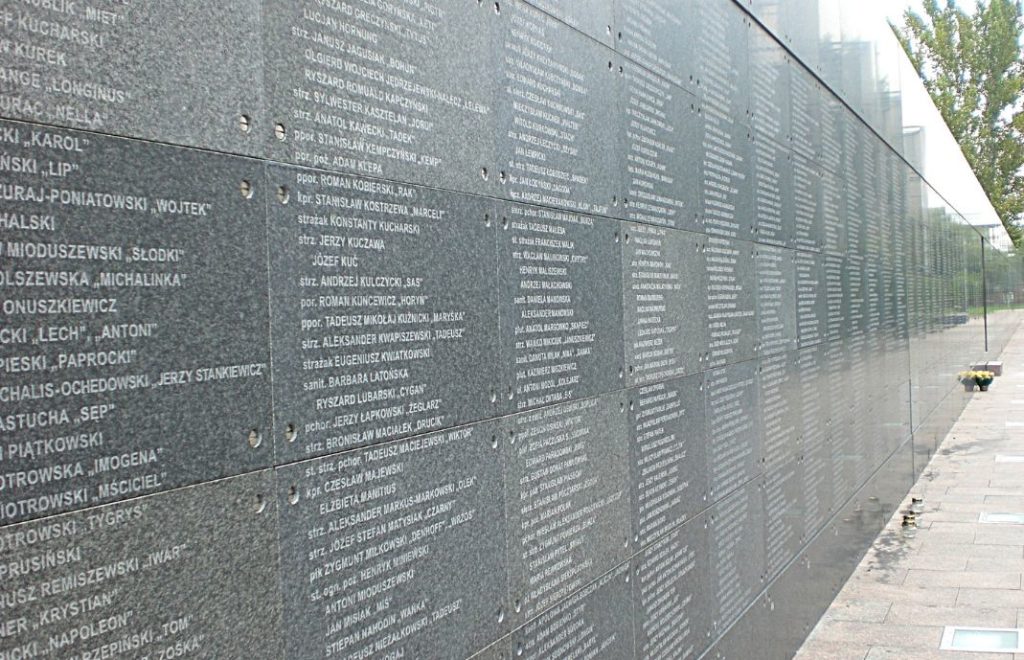
Just beyond the museum walls lies Freedom Park, a tranquil yet powerful space that extends the narrative beyond the exhibits. At the heart of the park stands the Memorial Wall, engraved with nearly 11,000 names – each representing a soldier who fell during the Warsaw Uprising. It’s a sobering tribute to the immense sacrifice made in the pursuit of freedom.
The Warsaw Rising Museum is unlike any other. It pays homage to the largest underground resistance operation in Nazi-occupied Europe – an extraordinary effort that took place largely beneath the city streets of Warsaw during World War II.
More than a museum, it is a place of remembrance, emotion, and resilience – a stirring journey through courage, tragedy, and the indomitable will of a people who refused to surrender.
“We wanted to be free and owe this freedom to nobody”
Jan Stanislaw Jankowski, Delegat Rzadu na Kraj
More posts about Warsaw’s history:
The Jewish Ghetto in Warsaw
7 must-visit museums in Warsaw
World War II in Warsaw
