
A light mist drifts across the ground, weaving its way through trees and thickets. The earth lies hard and frozen beneath a carpet of withered leaves. The trees seem to shiver in the breeze, their last brittle remnants of brown foliage clinging stubbornly to bare branches. Above, a vivid blue sky stretches wide, brushed with a whisper of winter sunlight.
Shiloh National Military Park now rests under a solemn hush, steeped in an eerie, almost spectral presence. The cannons are silent – no longer belching smoke. The crack of musket fire has long faded. There are no anguished cries from wounded soldiers writhing in pain, no desperate pleas for help. The drums of war have been mute for generations.
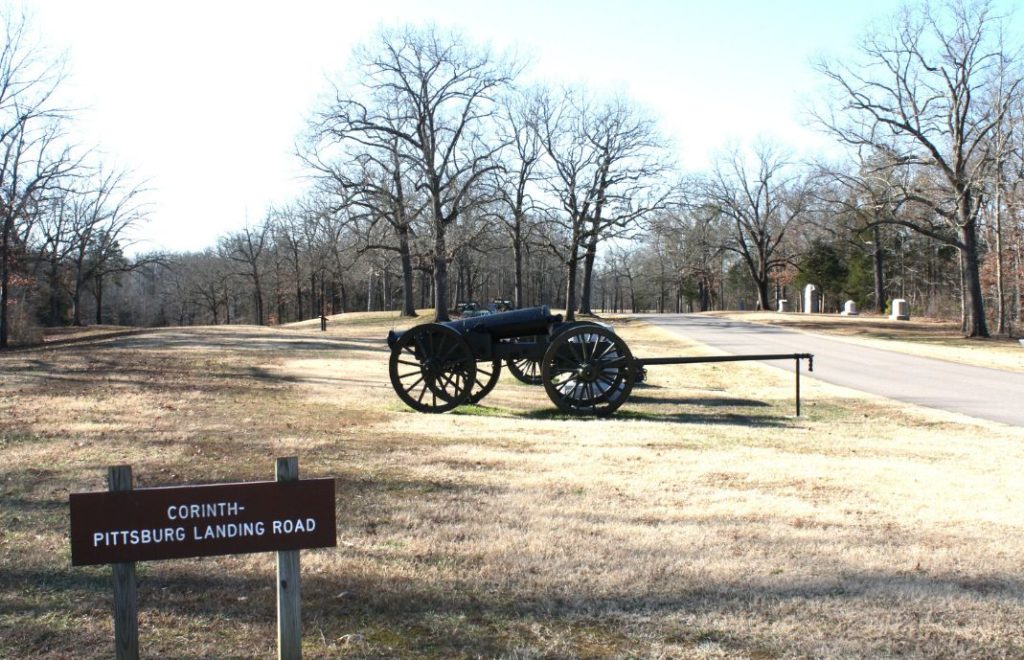
Shiloh National Military Park
The word Shiloh means “place of peace,” yet for two harrowing days in April 1862, it became anything but. Here, one of the bloodiest clashes of the American Civil War raged – the infamous Battle of Shiloh.
Established on December 27, 1894, Shiloh National Military Park honors the fierce combat fought on April 6-7, 1862, around Shiloh Church and Pittsburg Landing. The battle resulted in a total of 23,746 casualties, including deaths, injuries, and those missing or captured.
Begin your journey at the Shiloh Battlefield Visitor Center, home to an impressive collection of weapons, tools, and personal artifacts from the Civil War and this brutal confrontation. Among the most sobering exhibits are the medical instruments – tools once used to extract bullets, splinters, and for amputations and anesthesia – grim reminders of why so many soldiers never survived their wounds, or the surgeries meant to save them.
To gain deeper insight into the chaos and carnage of those two days, start with the film Shiloh: Fiery Trail. This 42-minute production vividly reconstructs the battle, featuring 50 horses, 10 artillery batteries, 350 reenactors, and over 24,000 rounds of ammunition fired during filming. Every detail was meticulously staged by dedicated historians to capture the reality of what unfolded on this hallowed ground.
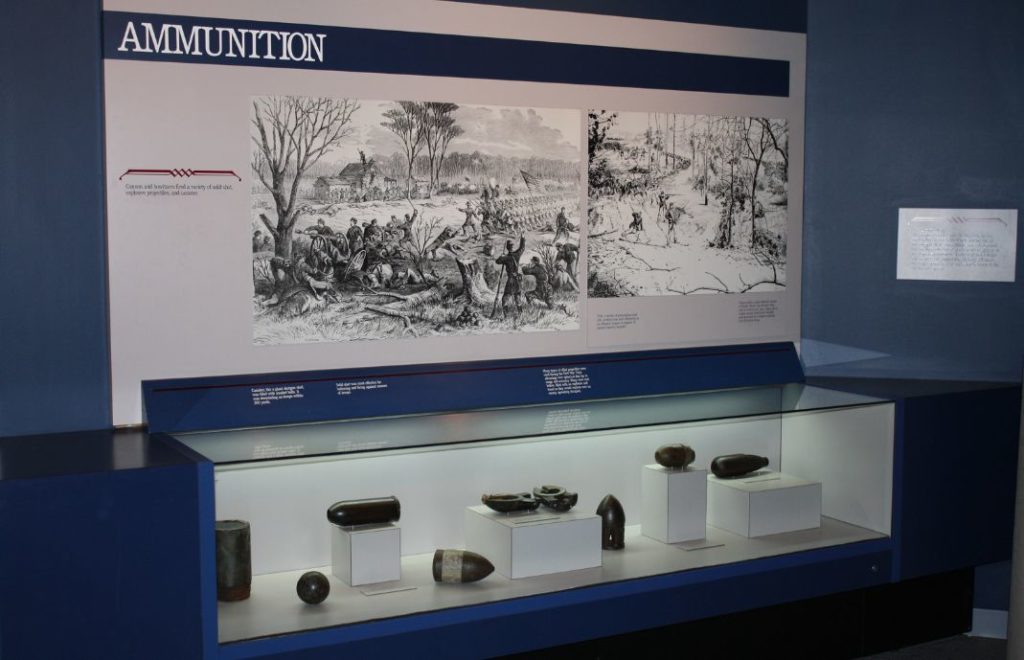
Out on the battlefield
The Shiloh Battlefield features a 20-kilometer (12.7-mile) driving tour that guides you through 22 historic stops, including legendary sites such as the Peach Orchard, the Hornet’s Nest, and the spot where Confederate General Albert Sidney Johnston fell.
You can enhance your visit by downloading the official National Park Service app, which offers an audio tour to bring the history vividly to life.
Driving through Shiloh is like stepping back into April 6-7, 1862, when more than 100,000 soldiers clashed in what became the bloodiest battle of the Civil War up to that time. The toll was staggering – 23,746 casualties, more than in all previous American wars combined.
The battle began with a daring Confederate assault led by Generals Albert Sidney Johnston and P.G.T. Beauregard, catching Union forces under General Ulysses S. Grant by surprise. The Confederates made dramatic gains on the first day, but by the second, the tide had turned. The Union army rallied, ultimately overpowering their Southern adversaries in a brutal struggle that would shape the course of the war.
“My God, we are attacked!”General Sherman (Union), stating the obvious. For days he denied that an attack was coming, only to witness his soldiers being defeated on day one.
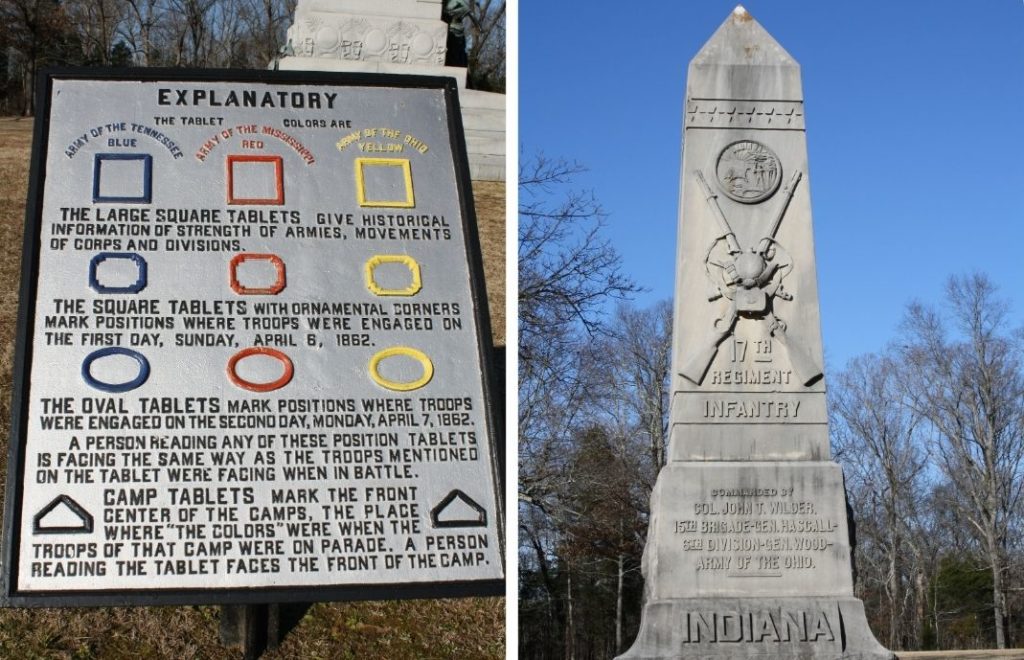
The Battle of Shiloh
At dawn on April 6, 1862, the Confederate onslaught began. Union generals knew an attack was likely, yet they clung to the belief that the enemy would never strike on a Sunday. They were wrong. Southern troops burst from the woods with ferocity, catching Union forces – quite literally – still in their beds.
The fighting raged through the morning as Confederate forces drove the Union army backward toward what would become known as “The Sunken Road.”
At Peach Orchard, the Confederates faced their fiercest resistance. Determined to seize the high ground, General Albert Sidney Johnston personally rode to the front, rallying his men with the order to “Fix bayonets!” In the midst of this brutal assault, Johnston’s horse was hit by four bullets, and the general himself suffered a severed leg artery. Without uttering a word about the severity of his wound, he bled to death – one of the highest-ranking officers lost in the Civil War.
Today, a memorial stands just south of the spot where Johnston fell. Command then passed to General P.G.T. Beauregard, who had been fighting in the rear lines. But by late afternoon, Confederate momentum faltered. At around 5:30 p.m., Beauregard and his remaining 2,200 men conceded defeat, ending one of the bloodiest clashes in American history.
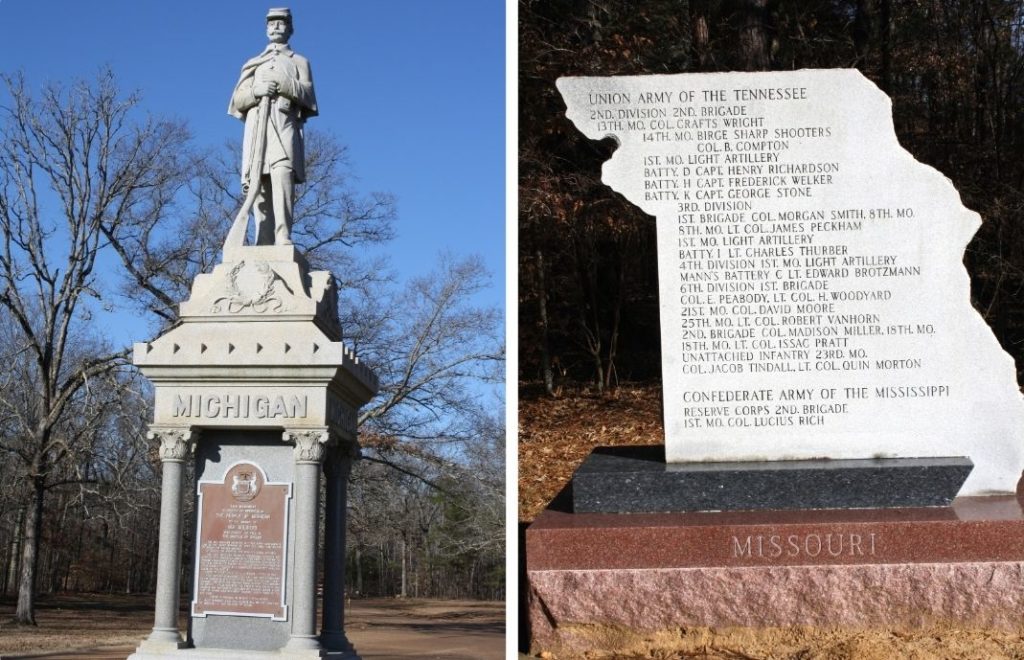
The Union strikes back
By 6:00 p.m., after a brutal day of fighting that left many Confederate units shattered and low on ammunition, General Beauregard called off the assault. He refused to expose his exhausted troops to relentless fire from Union gunboats on the river, declaring the victory “sufficiently complete.”
But during the night, Union fortunes changed dramatically. General Don Carlos Buell arrived with a wave of reinforcements, swelling Grant’s ranks and tipping the balance.
At dawn on April 7, Grant ordered a full-scale counteroffensive. Union forces surged forward with renewed vigor, determined to retake Hornet’s Nest and Peach Orchard, and capture more artillery than had been lost the day before. The plan worked.
When Beauregard’s hoped-for reinforcements failed to appear, he had no choice but to order a retreat. The shattered Confederate army withdrew to Corinth, Mississippi – its numbers decimated, its momentum broken.
The Battle of Shiloh ended in Union hands, but at an unspeakable cost – a grim prelude to the even bloodier chapters that lay ahead in America’s Civil War.
The battlefield was a horrifying sight
The Battle of Shiloh marked an unprecedented level of brutality, earning General Ulysses S. Grant the grim nickname of “butcher” in Northern newspapers.
For the Confederates, the defeat was both strategic and symbolic. Their retreat across Tennessee opened the path for Union forces to split the Confederacy along the Mississippi River. Adding to the humiliation, they were forced to abandon their dead on the field – an unthinkable breach of military custom.
The human cost was staggering. While figures vary, Thomas L. Livermore’s 1901 work Numbers and Losses in the Civil War in America estimates:
Union Army
Effectives: 62,682
Killed: 1,754
Wounded: 8,408
Missing: 2,885
Confederate Army
Effectives: 40,335
Killed: 1,723
Wounded: 8,012
Missing: 959
Shiloh was a slaughter. The shocking toll reverberated through both North and South, leaving a scar on the national psyche.
Even the battle-hardened Union General William Tecumseh Sherman admitted the scene was beyond comprehension: “Piles of dead soldiers’ mangled bodies… without heads and limbs. The sights on this field would have cured anybody of war.”
Today, the landscape is transformed. Where chaos once reigned, a profound stillness lingers – a quiet peace, tinged with the sorrow of what happened here.
Famous stops along the route
The driving tour through Shiloh offers a quiet yet powerful way to retrace the battle, marked by monuments and memorials that tell the story with solemn dignity.
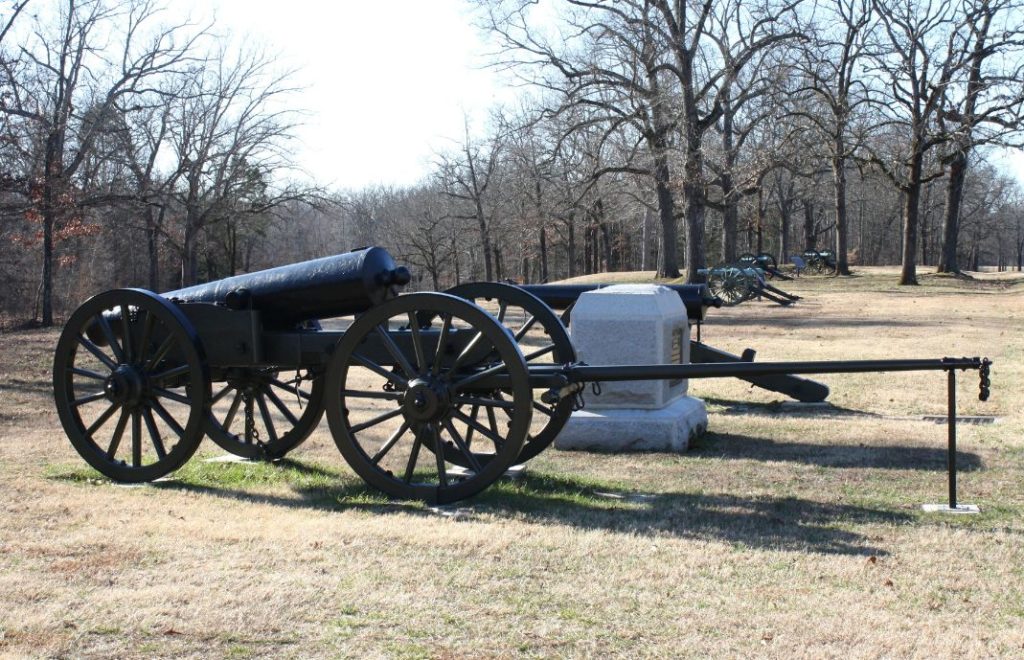
At Grant’s Last Line, artillery pieces line the ridge to mark General Grant’s final defensive position on April 6 – a place where Union forces held firm and, the next day, launched their decisive counterattack.
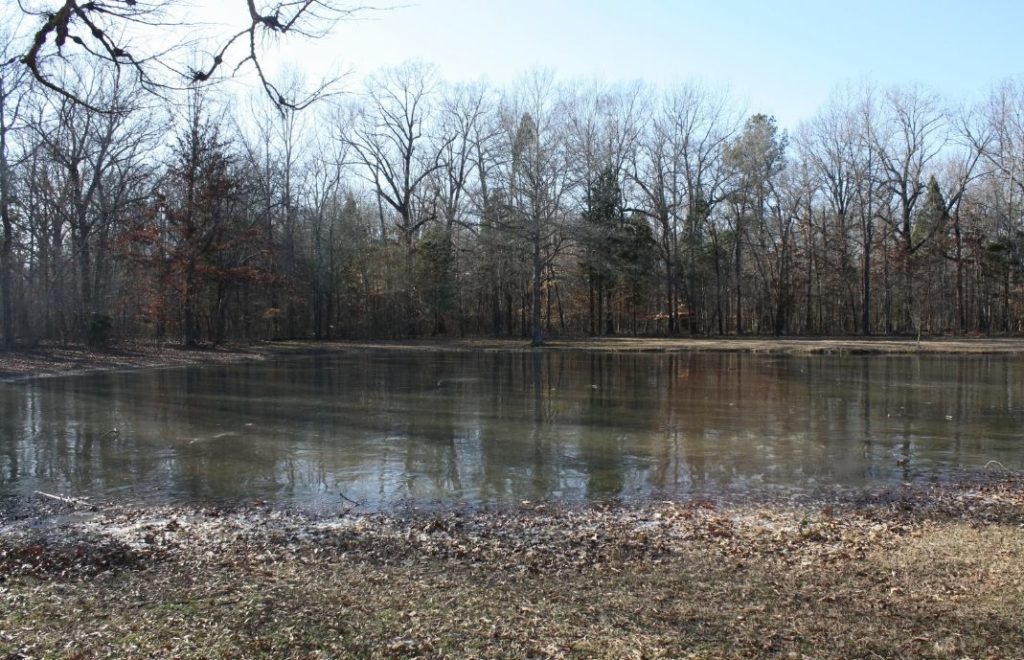
Another poignant stop is Bloody Pond. During the battle, soldiers staggered to this small pond to fill canteens, drink, and wash their wounds. Many never left. Men and horses died in its waters, turning them crimson with blood – a haunting image that lingers in Shiloh’s lore.
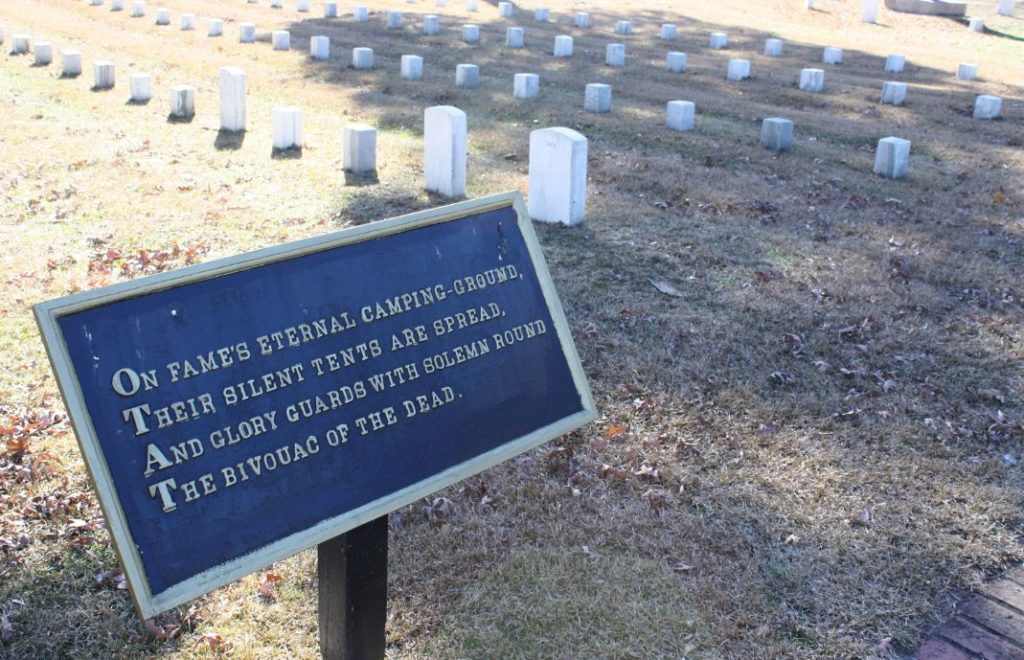
Finally, visit the Shiloh National Cemetery, where 4,000 soldiers and family members rest beneath rows of simple white headstones. Most are etched with little more than a four-digit number, the soldier’s name, and home state. Some bear only a single word: Unknown.
Here, in this serene landscape, the silence speaks louder than any cannon fire – a lasting tribute to the lives lost in one of the Civil War’s bloodiest chapters.
Practical information
Location
Shiloh National Military Park is in Tennessee, USA, and is open year-round, though it closes on select days. Check the official website before your trip.
Admission
Free entry to the park, Visitor Center, and film screenings.
Visitor Center hours
Open daily from 9:00 a.m. to 5:00 p.m.
Film screening
Shiloh: Fiery Trail is shown every hour, starting at 9:00 a.m., with the last showing at 4:00 p.m.
Tour options
Rent an audio guide or download the National Park Service app before starting the driving tour. The route is clearly marked with “Battlefield Tour” signs.
Ranger-guided tours
Available during peak season for an even deeper experience.
Junior Ranger program
Special activities for kids to learn about history in an engaging way.
Historic note
The Battle of Shiloh raged from April 6-7, 1862. Union forces defeated the Confederacy in what became the bloodiest battle of the American Civil War at that time.
More inspiration to Tennessee:
Must-do experiences in Memphis
The best museums in Memphis
I Memphis lever Elvis
