
Traveling through South America is an experience like no other – from the mystical ruins of Machu Picchu in Peru to the vast high plateaus of Bolivia and the majestic peaks of the Andes. But along with the adventure comes a challenge many travelers underestimate: altitude sickness. As low as 2,500 meters, the body can begin to react to the thin air, and in destinations such as La Paz, Cusco, or Lake Titicaca, the risk is very real.
Most cases of altitude sickness are mild and harmless if you recognize the symptoms and take the right precautions. But in rare situations, it can develop into a serious condition. That’s why it’s crucial to understand what happens to your body at high altitudes, how to prevent discomfort, and what steps to take should symptoms appear.
This guide gives you the knowledge you need to travel safely – so you can enjoy South America’s highlights, quite literally, without letting the altitude stand in the way of your adventure.
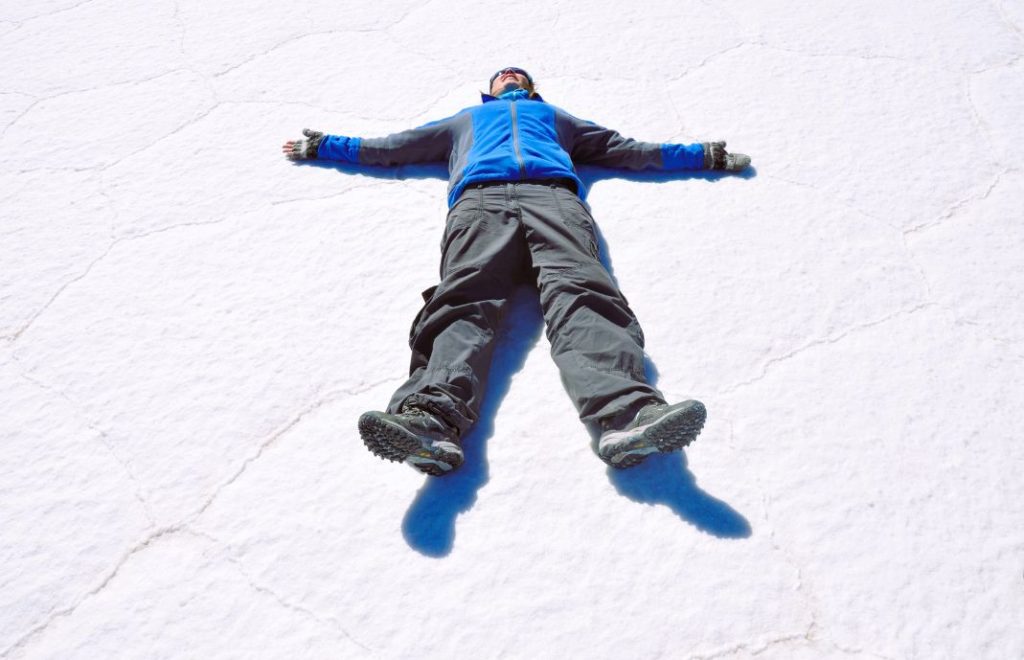
What is altitude sickness?
Altitude sickness, also known as Acute Mountain Sickness (AMS), occurs when the body doesn’t have enough time to adapt to the reduced oxygen levels at high elevations. Symptoms can appear as low as 2,500 meters, and the faster you ascend, the greater the risk.
As air pressure decreases, less oxygen reaches your bloodstream. This can trigger headaches, nausea, dizziness, fatigue, sleep disturbances, and a loss of appetite. In most cases, altitude sickness is mild and temporary if you listen to your body and allow time for acclimatization. However, in rare instances, it can progress into more severe conditions such as High-Altitude Pulmonary Edema (HAPE) or High-Altitude Cerebral Edema (HACE), both requiring immediate medical attention.
The most important thing to remember is that altitude sickness can affect anyone – regardless of age, fitness level, or experience. The best “medicine” is prevention: ascend gradually, pay close attention to your body’s signals, and know when to pause – or descend.
Common symptoms include:
- Headache
- Nausea or dizziness
- Fatigue and trouble sleeping
- Loss of appetite
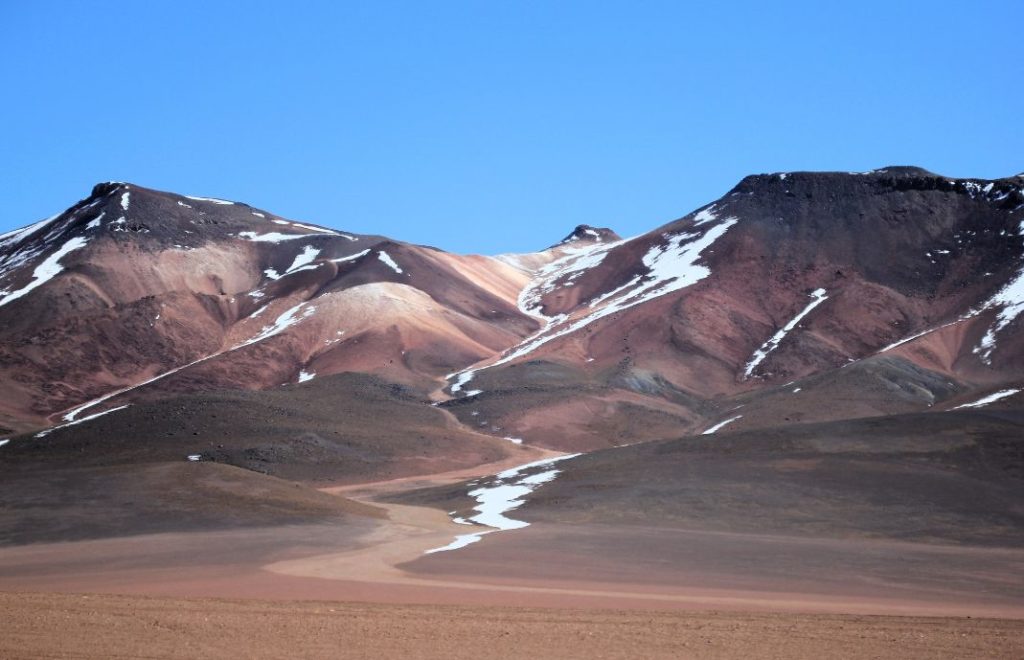
How to avoid altitude sickness
Although altitude sickness can affect anyone, there are plenty of simple steps you can take to greatly reduce the risk. The most crucial factor is time – your body needs several days to adjust to the thinner air at higher elevations.
Travelers should avoid ascending too quickly. A useful rule of thumb is not to sleep more than 300–500 meters higher than the night before once you’ve passed 2,500 meters. Plan your itinerary to include rest days along the way, especially when visiting destinations such as Cusco, La Paz, or the high-altitude regions of the Andes.
Hydration is key. Drink plenty of water, but limit alcohol and caffeine, as both can dehydrate the body. Light meals and smaller portions eaten more frequently also help your system adapt. In the Andes, many locals still rely on traditional remedies such as chewing coca leaves or drinking coca tea – practices that many travelers also find helpful.
Adjust your activity level to the altitude. Take it easy during the first few days, avoiding strenuous hikes or heavy exercise until your body has adapted. Be mindful that sleep may be restless at first, so allow yourself plenty of time to rest.
Finally, learn to recognize the early signs. If you experience severe headache, nausea, or dizziness, slow down and take a break. If symptoms worsen, don’t hesitate to descend. No mountain peak or bucket-list destination is worth risking your health.
Note: Always consult your doctor if you have medical concerns or specific questions about altitude sickness.
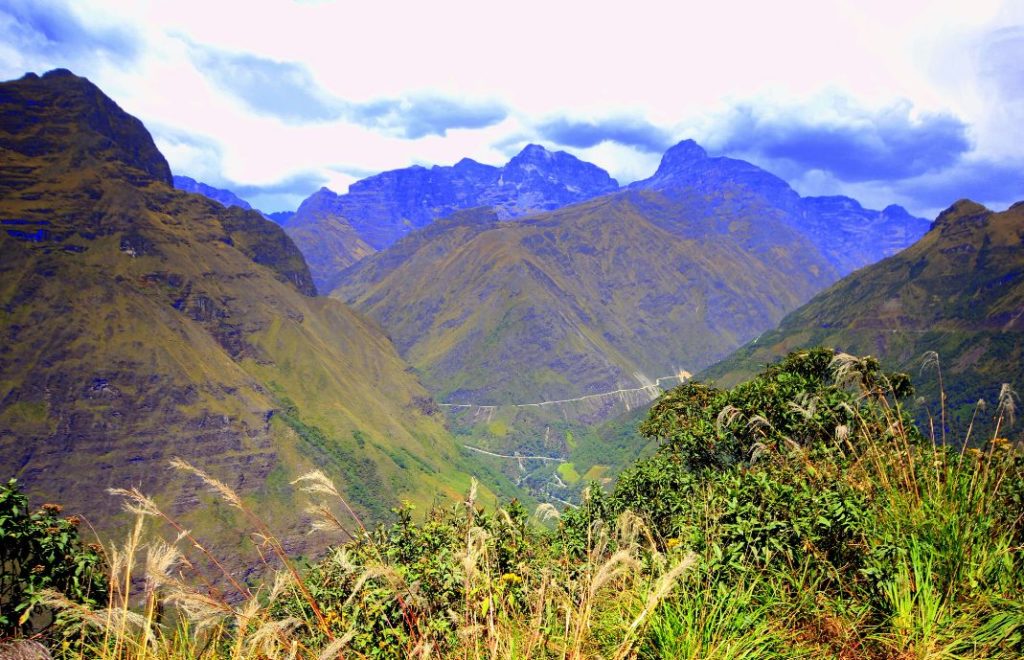
Altitude guide to South American destinations above 2,500 meters
Planning a journey through the Andes or other high-altitude regions of South America? Here’s a quick guide to some of the continent’s most breathtaking destinations above 2,500 meters – where the air is thin, the views are spectacular, and altitude awareness is essential.
- Cotopaxi National Park, Ecuador – 5,897 m
- Mirador de los Andes, Colca Canyon, Peru – 4,910 m
- Rainbow Mountain, Palccoyo, Peru – 4,900 m
- Warmiwañusqa (highest point on the Inca Trail), Peru – 4,200 m
- Lake Titicaca, Peru/Bolivia – 3,812 m
- La Paz, Bolivia – 3,690 m
- Salar de Uyuni, Bolivia – 3,656 m
- Salinas Grandes, Argentina – 3,450 m
- Cusco, Peru – 3,200 m
- Paso Internacional Los Libertadores, Chile/Argentina – 2,850 m
- Quito, Ecuador – 2,850 m
- Ollantaytambo, Peru – 2,792 m
