
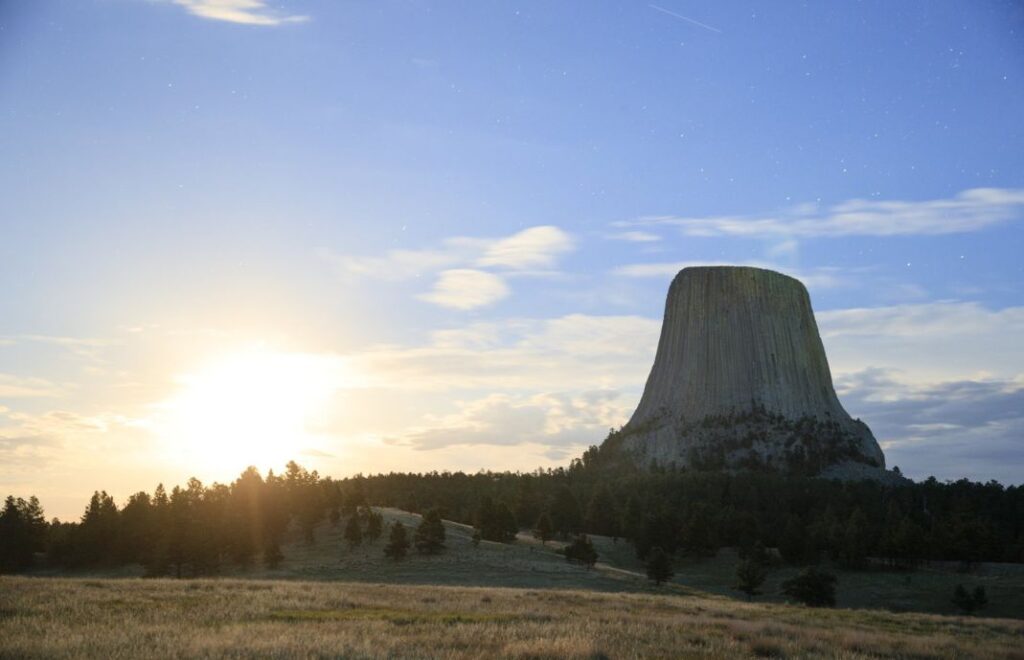
Rising dramatically from the plains of northeastern Wyoming, Devils Tower is one of the most striking natural formations in the United States. It’s a place where geology, legend and cinematic history collide. This towering monolith, sacred to many Native American tribes and beloved by outdoor enthusiasts, has captivated travelers for generations with its sheer vertical walls and commanding presence.
There are so many reasons to come to here: The scenic hikes, the rich indigenous heritage, the star-filled night skies or simply to witness one of America’s most recognizable landmarks up close. No matter what your reason is, Devils Tower offers an experience that feels both timeless and deeply connected to the land.
This guide takes you through the best viewpoints, activities, practical tips, and cultural insights – helping you make the most of your visit to this extraordinary symbol of the West.
How to get there
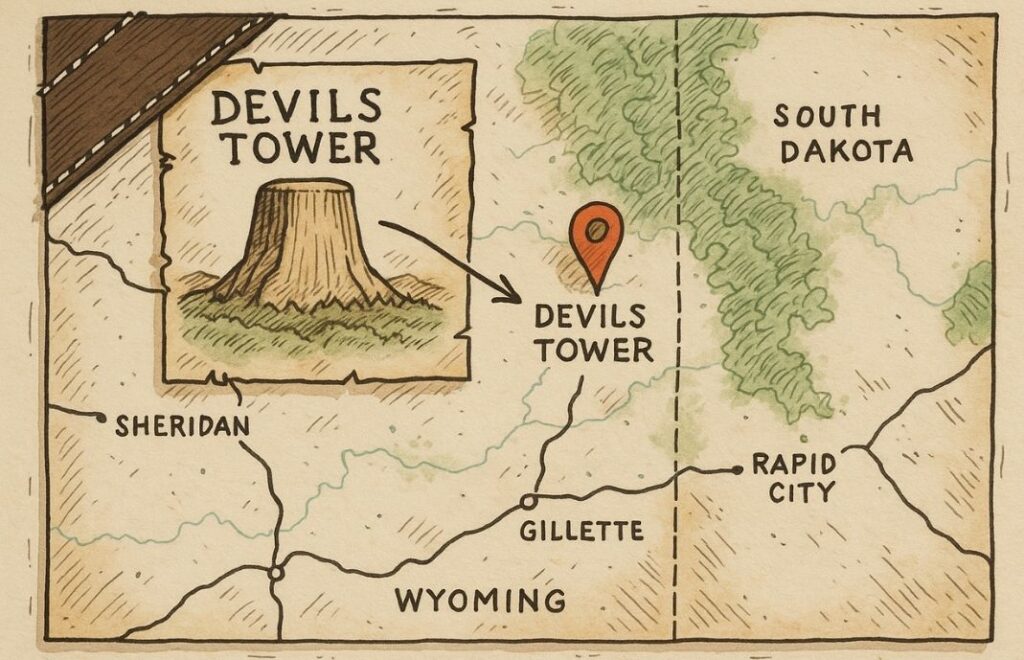
Devils Tower is located in northeast Wyoming, not far from the South Dakota border, making it an accessible stop on a classic American road trip. Although the monument feels wonderfully remote, it’s easy to reach if you know the best routes.
By car
Driving is the most convenient and scenic way to reach Devils Tower. The monument is located just off WY-110, a spur road leading from Highway 24.
- From Gillette, Wyoming: Approx. 1.5 hours (120 km/75 miles) via I-90 and Highway 14.
- From Sheridan, Wyoming: Approx. 2.5-3 hours (241 km/150 miles) via I-90 eastbound.
- From Rapid City, South Dakota: Approx. 1 hour 45 minutes (117/110 miles), making Devils Tower a perfect day trip from the Black Hills or Mount Rushmore.
The roads are paved and well-maintained, offering broad views of rolling prairie, striking buttes and the tower itself rising on the horizon as you approach.
By air
The closest major airports are:
- Gillette-Campbell County Airport (GCC): Frequent regional flights, 1.5 hours from the monument.
- Rapid City Regional Airport (RAP): The best option for international travelers, located 1 hour 45 minutes away.
Both airports offer car rentals essential for exploring the area.
By tour
Several operators in the Black Hills and Sheridan region offer guided day trips to Devils Tower, often combined with stops in Deadwood, Spearfish Canyon or the surrounding prairie landscapes.
Best time to visit
Devils Tower can be visited year-round, but each season offers a different atmosphere. The best time depends on your interests – scenic hiking, photography, pleasant weather, or avoiding crowds.
Spring (April–June): Ideal for mild weather & wildflowers
Spring brings comfortable temperatures, fresh greenery and blooming wildflowers across the fields surrounding the monument. Trails are usually open by late April, though early spring can be unpredictable with occasional rain or wind.
Best for: Hiking, photography, fewer crowds.
Summer (July-August): Long days & peak season energy
Summer is the busiest period, with warm weather and long daylight hours perfect for sightseeing and hiking. Expect more visitors and fuller parking lots, especially at midday. Early mornings and late afternoons offer the most serene experience.
Best for: Families, active travelers, guided ranger programs.
Fall (September-October): The very best time to visit
Autumn is arguably the most beautiful time of year at Devils Tower. Crisp air, golden foliage and fewer visitors create peaceful, picture-perfect conditions. Wildlife sightings also increase during this season.
Best for: Scenic hiking, photography, a quieter experience.
Winter (November-March): Quiet, dramatic & atmospheric
Winter transforms Devils Tower into a stark, powerful silhouette against snowy plains. While some trails may be icy or inaccessible, the tranquility is unmatched and photography can be stunning.
Best for: Solitude, dramatic landscapes, road-trip travelers.
Overall recommendation
The best all-around months to visit Devils Tower are May, September and October – offering ideal temperatures, fewer crowds and spectacular scenery.
Top things to do at Devils Tower
Despite its remote location, Devils Tower offers a rich variety of experiences that highlight both its geological wonder and cultural importance. Whether you’re a hiker, history lover, photographer or simply a curious traveler, the monument delivers unforgettable moments.
1. Walk the Tower Trail (A must-do)
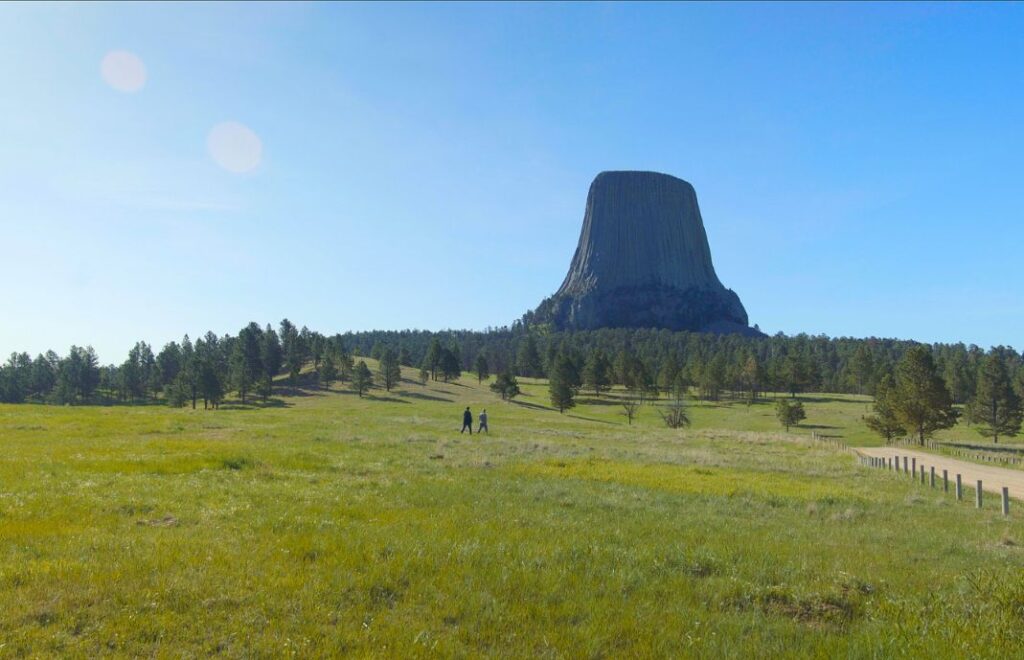
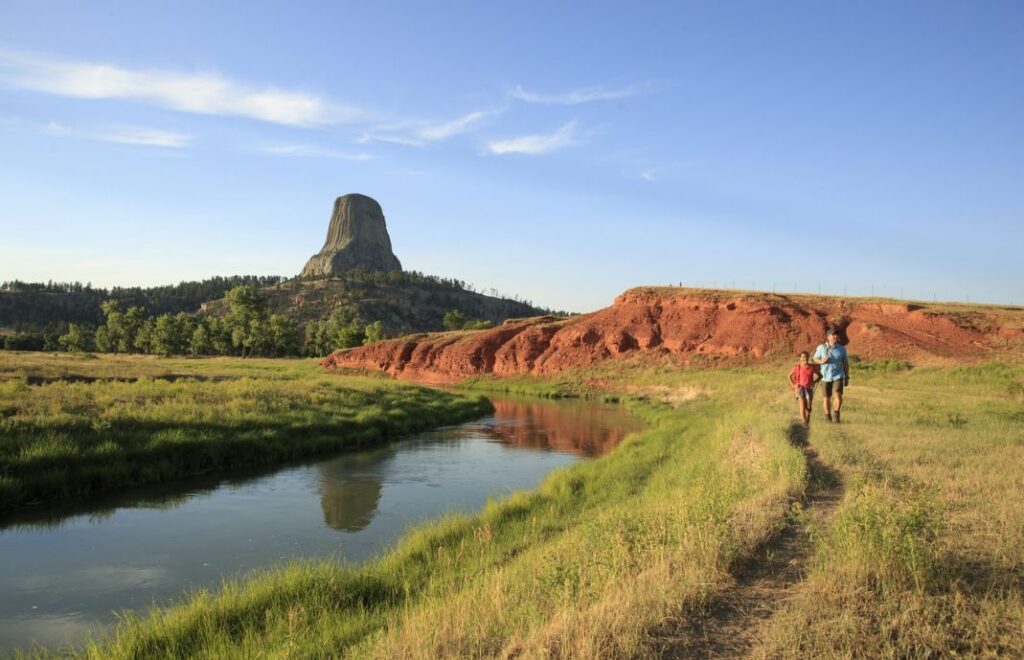
The Tower Trail is the most popular experience – and for good reasons. This 3.2 km (2-mile) loop circles the base of the monolith, offering close-up views of its dramatic columns, ancient boulders and surrounding pine forest. Interpretive signs share insights into geology, wildlife and Indigenous stories connected to the tower.
Best for: First-time visitors, families, photography.
2. Watch climbers scale the Tower’s vertical columns
Devils Tower is a world-renowned climbing destination with over 200 established routes. Even if you’re not climbing yourself, watching climbers make their way up the sheer walls is fascinating.
Tip: During June, some routes are closed in respect of cultural ceremonies.
3. Enjoy scenic drives around the monument
Highway 24 and the approach roads offer stunning angles of Devils Tower rising from the plains. Sunrise and sunset hours cast dramatic light on the tower’s surface – perfect for photographers.
Don’t miss: The viewpoint near the Prairie Dogs Town turnoff.
4. Visit the Prairie Dogs Town
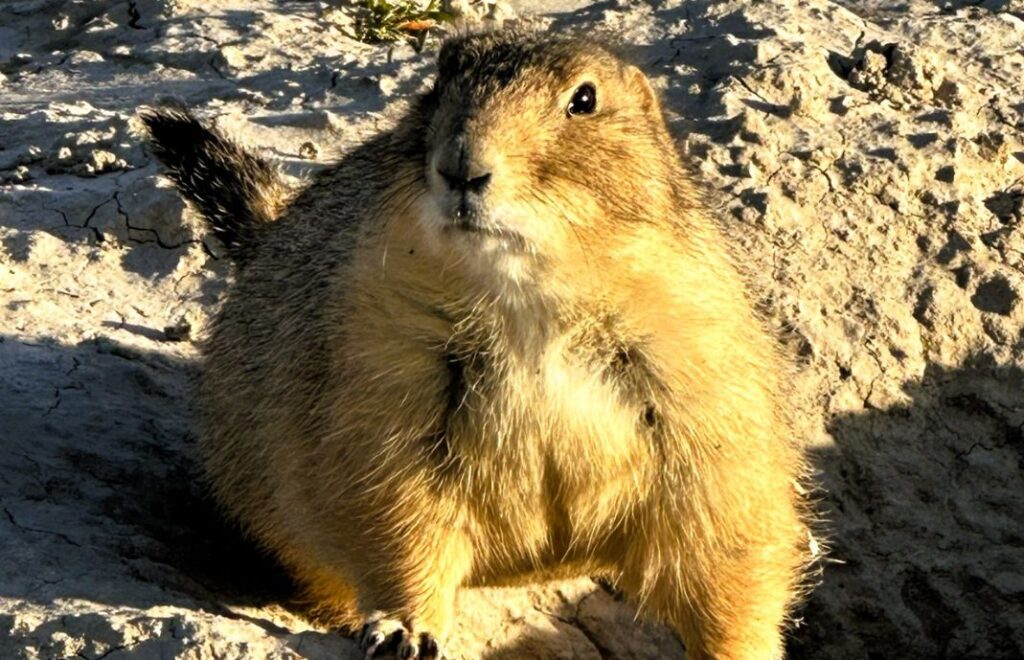
Just before reaching the monument, you’ll encounter a lively prairie dog colony where hundreds of these charismatic animals chatter, pop in and out of burrows, and pose for photos.
Tip: Keep a respectable distance – these are wild animals.
5. Explore Joyner Ridge Trail
A quieter alternative to the main loop, Joyner Ridge Trail offers sweeping views of Devils Tower from a distance, especially beautiful in early morning or late afternoon.
Best for: Hikers seeking solitude and wide-open vistas.
6. Learn about indigenous traditions and sacred significance
Devils Tower (known as Bear Lodge to many tribes) is a sacred site for numerous Native American nations. Prayer cloths and offerings can often be seen tied to nearby trees – please observe respectfully. The visitor center shares important cultural context.
Best for: Cultural learning and deeper understanding.
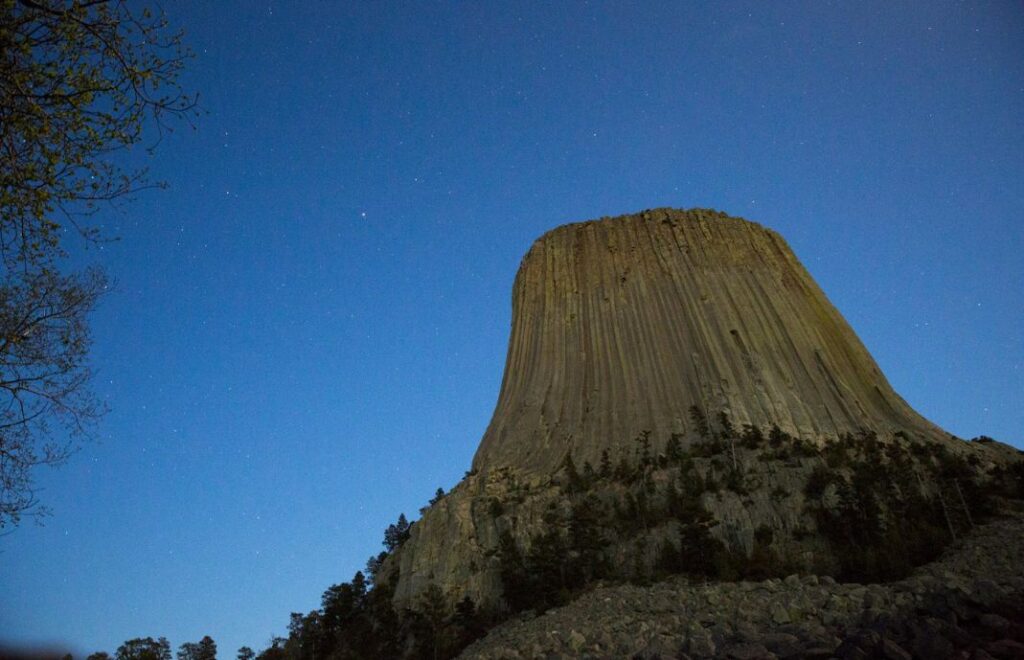
7. Stargazing and night photography
With minimal light pollution, Devils Tower is an exceptional spot for stargazing. On clear nights, the Milky Way often stretches directly above the monolith – a spectacular opportunity for night photographers.
Tip: Late summer and early fall offer the best night skies.
Cultural significance: A sacred place for indigenous nations
Long before Devils Tower became a national monument – or a Hollywood icon – it was, and continues to be, a deeply sacred site for numerous Native American tribes. This includes the Lakota, Cheyenne, Crow, Arapaho, Kiowa and Shoshone peoples. Many tribes refer to the formation as Bear Lodge, Mato Tipila (“Bear’s Lodge” or “Bear’s House”), or other names tied to origin stories and spiritual traditions.
A living cultural landscape
For Indigenous communities, the tower is part of a broader cultural landscape filled with meaning. The surrounding grasslands, rivers and forests are equally significant, serving as places for vision quests, prayer, healing rituals and ceremonial gatherings. The tower itself is often seen as a powerful symbol of strength, endurance and connection between the physical and spiritual worlds.
Ceremonies and offerings
Visitors may notice colorful cloths or small bundles tied to trees around the monument. These are prayer offerings, representing wishes, gratitude or remembrance. They are not decorations – they are sacred items that should never be touched or removed.
During June, Indigenous groups traditionally hold ceremonies at the site, and out of respect, many climbing routes are voluntarily or officially closed. This balance between recreation and reverence is an important part of modern stewardship.
Stories that shape identity
Many tribes share oral traditions explaining the origin of Bear Lodge. While the details vary, the stories often involve children being chased by a giant bear, praying for protection. The earth rising beneath them – forming the tower’s vertical columns as the bear’s claws scraped the rock.
These stories are not myths in the Western sense, but living narratives that carry cultural memory, moral lessons, and a profound connection to place.
A reminder to visit with respect
Understanding the cultural significance of Devils Tower enriches every visit. It encourages travelers to approach the site with mindfulness, honoring the generations who have held this land sacred and continue to do so today.

Devils Tower on the big screen
Devils Tower gained worldwide fame through Steven Spielberg’s 1977 classic Close Encounters of the Third Kind. In the movie, the monolith became the iconic meeting point between humans and extraterrestrial life. The film cemented the tower’s place in pop culture, transforming it from a geological wonder into a cinematic symbol recognized across the globe.
Its otherworldly shape and dramatic presence made it a perfect backdrop for storytelling. Even today, visitors still reenact the famous mashed-potato scene or hike the Tower Trail with the soundtrack in mind.
While Close Encounters is the most notable example, Devils Tower has also appeared in documentaries, Westerns and travel films that highlight its mystique and grandeur.
For movie lovers, standing at the base of Devils Tower is like stepping into a piece of film history – an experience that adds an extra layer of magic to any visit.

Where to stay near Devils Tower
While there are no hotels directly inside the monument grounds, the surrounding area offers a range of accommodations that blend comfort with the rustic charm of the American West. Whether you prefer cozy cabins, scenic campgrounds or full-service hotels, you’ll find great options within a short drive of the tower.
Devils Tower Lodge
Located just outside the monument boundary, Devils Tower Lodge offers the closest – and most atmospheric – stay. With unbeatable views of the tower, homey rooms and warm hospitality, it’s a favorite among hikers and climbers.
Best for: Travelers seeking peace, scenery and proximity.
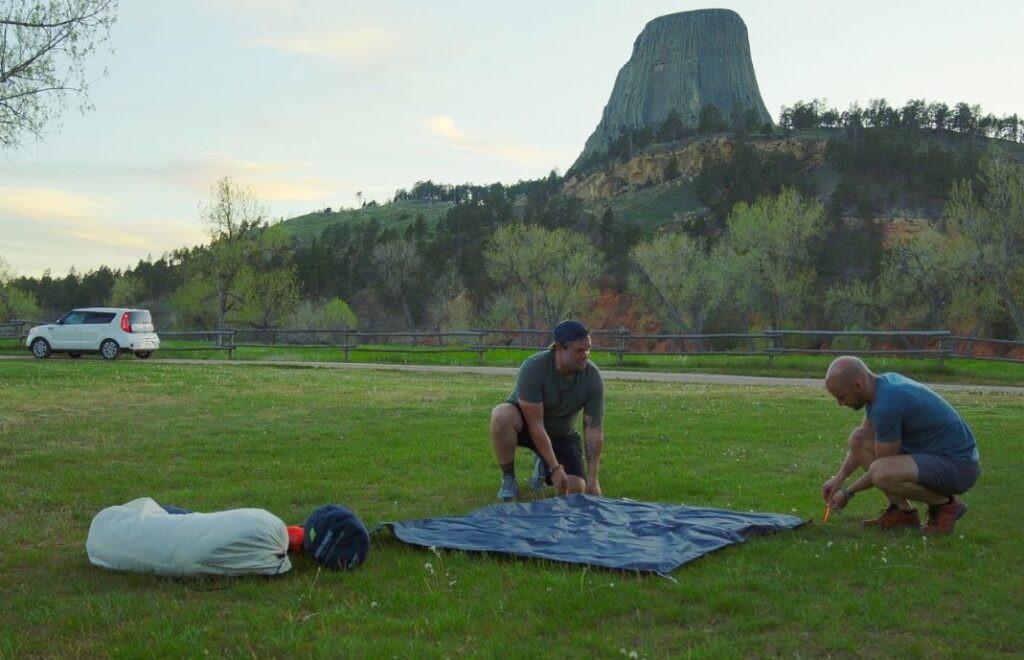
Devils Tower KOA & Campground
Situated near the monument entrance, this campground offers tent sites, RV hookups and rustic cabins. The property even has views of the tower and occasionally screens Close Encounters of the Third Kind in the summer.
Best for: Campers, families and road trippers.
Hulett, Wyoming (10 minutes away)
The small town of Hulett offers several charming lodging options, from locally run inns to comfortable motels. It’s the closest community to the tower, with restaurants and shops perfect for a relaxed overnight stay.
Best picks: Hulett Motel, Best Western Devils Tower Inn.
Practical tips for visiting Devils Tower
A visit to Devils Tower is straightforward, but a few insider tips can help you make the most of your experience – especially if you’re planning to hike, photograph the monument or explore during peak season.
1. Arrive early or late for the best experience
Midday can be crowded, especially in summer. Early mornings and late afternoons offer quieter trails, easier parking, softer light for photography and a more peaceful atmosphere.
2. Bring plenty of water and sun protection
Wyoming’s climate can be dry and sunny, even on cooler days. Carry water, sunscreen, sunglasses and a hat – especially if you plan to hike the Tower Trail or explore longer routes.
3. Respect prayer cloths and cultural sites
You may see colorful cloths tied to trees near the monument. These are sacred offerings and should never be touched or photographed up close. Stay on marked trails and follow posted cultural guidelines.
4. Watch for wildlife
Prairie dogs, deer and birds of prey are common around the monument. Keep a safe distance and avoid feeding animals.
Pro tip: The Prairie Dog Town near the entrance is a favorite spot for wildlife viewing.
5. Wear proper footwear
While the Tower Trail is well-maintained, some areas can be uneven or rocky. Sturdy walking shoes or hiking boots make the experience far more comfortable.
6. Check for climbing closures
If you plan to climb – or simply want to understand the activity – note that June often brings voluntary or official route closures out of respect for Indigenous ceremonies.
7. Expect limited cell service
Coverage can be spotty around the monument. Download maps, trail guides or directions in advance.
8. Pack layers
Weather can change quickly in Wyoming. Even summer evenings can be cool, so having an extra layer makes outdoor time more comfortable.
9. Stop at the Visitor Center
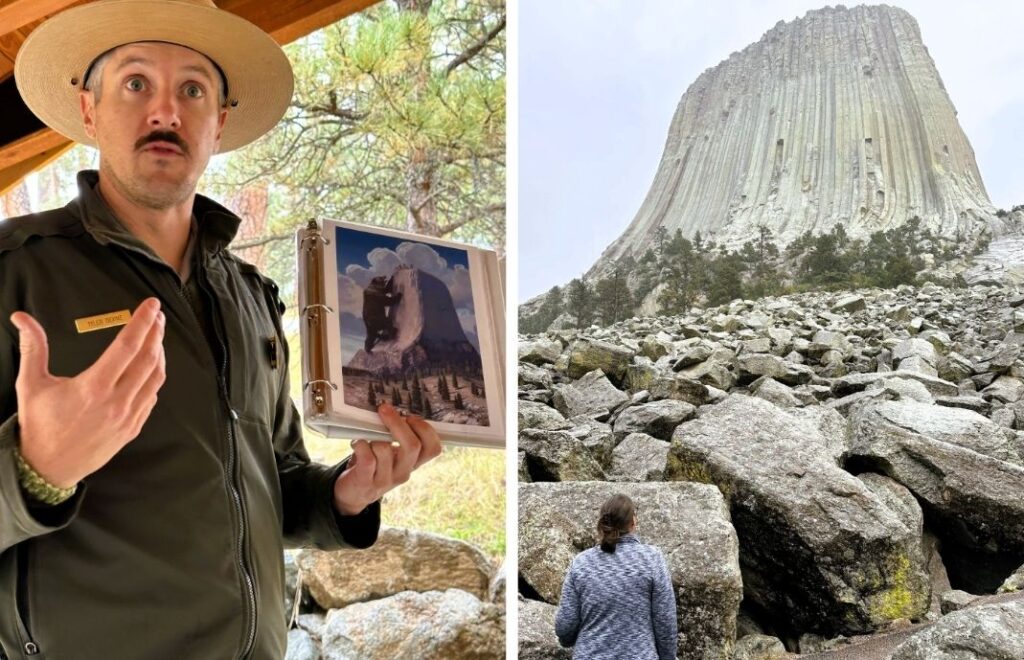
The small but informative visitor center offers excellent exhibits on geology, wildlife and Native American cultural significance. Rangers are available for questions and trail updates.
10. Combine your visit with nearby attractions
Devils Tower pairs well with:
- Black Hills, South Dakota
- Deadwood & Spearfish Canyon
- Mount Rushmore
- Wind Cave National Park
- Sheridan & the Bighorn Mountains
It’s a perfect addition to a broader Western road trip.
This blog post is a collaboration with Wyoming Office of Tourism. I am grateful for the cooperation.
