
Grand Teton National Park is one of the most visually striking destinations in the United States. Yet it often surprises first-time visitors with just how accessible, diverse, and rewarding it is. The park is dominated by the jagged peaks of the Teton Range and framed by pristine lakes, wide-open valleys, and abundant wildlife. The result? A park that offers a quintessential American wilderness experience without feeling remote or overwhelming.
Located in northwestern Wyoming, Grand Teton National Park is a place where dramatic landscapes meet endless outdoor opportunities. From scenic drives and short lakeside walks to challenging alpine hikes and wildlife viewing, the park caters to a wide range of travel styles and interests. Each season brings its own character – lush green meadows in summer, golden aspens in autumn, and snow-draped peaks well into late spring.
This guide is designed to help you plan a well-rounded and memorable visit. Whether you’re coming for a day, a long weekend, or as part of a larger road trip through the American West, you’ll find practical tips, must-see highlights, and inspiration to experience Grand Teton National Park at its very best.
Location
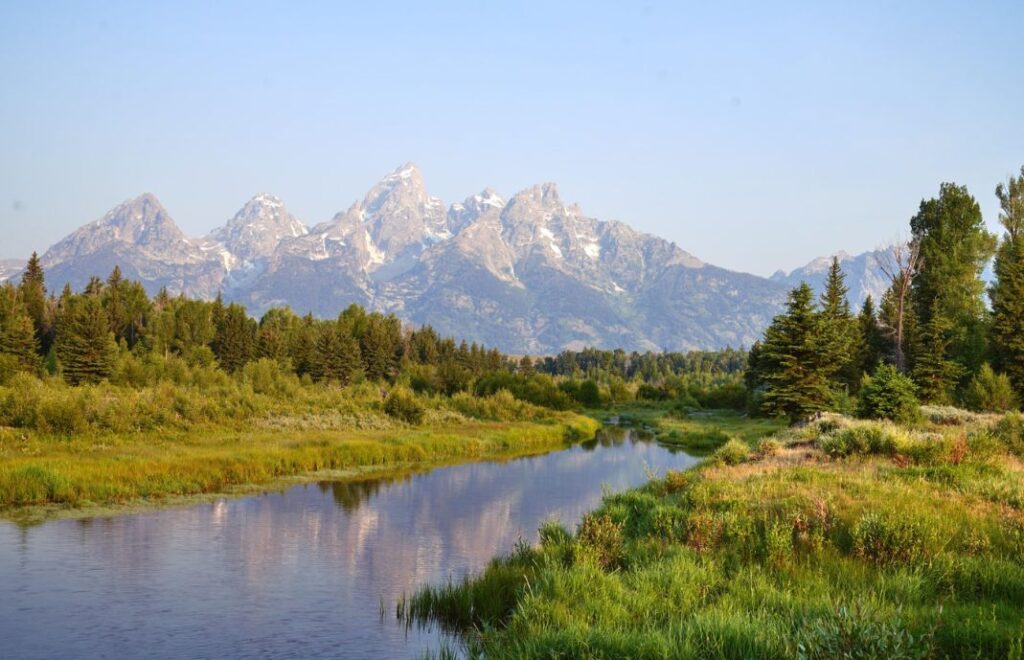
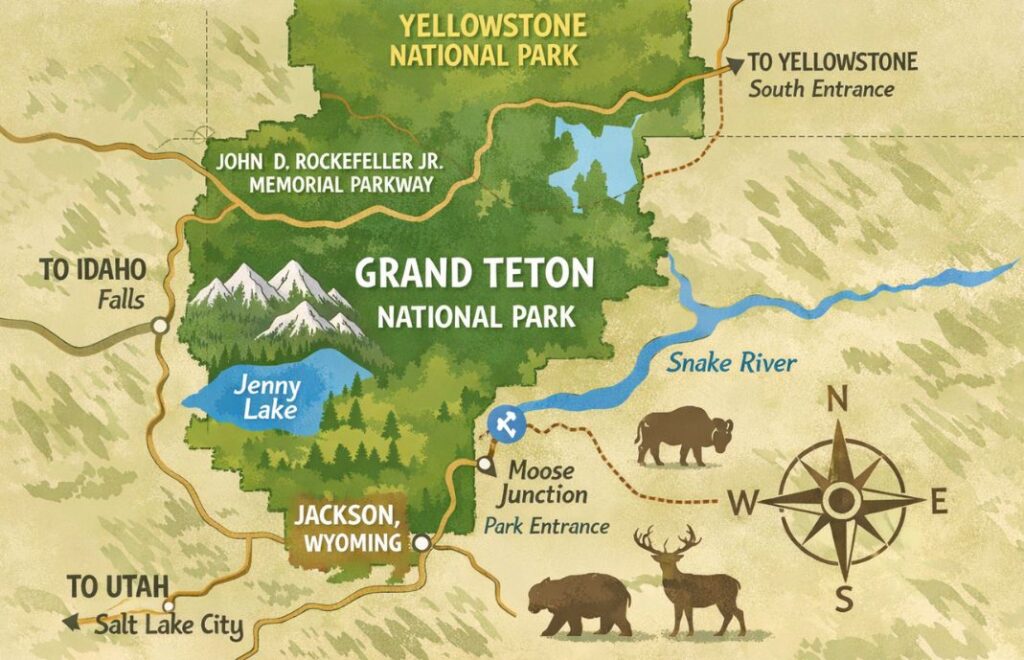
Grand Teton National Park is located in northwestern Wyoming, in the heart of the Greater Yellowstone Ecosystem. The park stretches along the base of the Teton Range and sits directly south of Yellowstone National Park, making it an easy addition to a wider American West itinerary.
Closest gateway town:
- Jackson, Wyoming is the main hub for visitors and the best place to stock up on groceries, outdoor gear, and accommodation options before heading into the park.
Main access points:
- The park is most commonly entered from the south via Moose Junction, which connects Jackson to the park’s primary scenic road network.
- If you’re visiting from Yellowstone, you’ll typically enter from the north through the John D. Rockefeller Jr. Memorial Parkway, a beautiful corridor linking the two parks.
How far is it from key places?
These are approximate driving times.
- Jackson to the park’s southern entrance area: 15–30 minutes (depending on where you’re staying)
- Jackson Hole Airport to the park: 10–20 minutes (the airport is very close and partially within the park area)
- Yellowstone (South Entrance) to Grand Teton’s northern areas: 45–60 minutes
- Idaho Falls, Idaho: 2–2.5 hours
- Salt Lake City, Utah: 4.5–5 hours
Because the Tetons rise abruptly from the valley floor, you’ll often get dramatic mountain views even before you officially enter the park. If you’re arriving by car, the journey itself is part of the experience – wide-open landscapes, changing light, and frequent wildlife sightings make the approach feel like the start of the adventure rather than just the drive there.
History of Grand Teton National Park
The story of Grand Teton National Park is shaped by dramatic landscapes, early exploration, conservation battles, and a long struggle to protect the land you see today. Long before it became a national park, this valley was home to Native American tribes who followed seasonal migration routes and relied on the region’s abundant wildlife. Archaeological evidence shows that people have lived in the area for more than 11,000 years.
European-American exploration began in the early 19th century, with fur trappers and mountain men passing through the valley. The name “Teton” is believed to come from French trappers, who referred to the three prominent peaks as les trois tétons, inspired by their distinctive shape. Despite its beauty, the valley was considered unsuitable for large-scale farming due to harsh winters and poor soil, which unintentionally helped preserve its natural state.
By the late 1800s and early 1900s, settlers established small ranches and homesteads in Jackson Hole. At the same time, photographers, climbers, and conservationists began to recognize the Tetons’ extraordinary value. However, early efforts to protect the area were controversial. Local opposition was strong, especially when wealthy philanthropist John D. Rockefeller Jr. quietly purchased land through a conservation company with the intention of donating it to the federal government.
The original national park, established in 1929, protected only the mountain range itself, leaving much of the valley unprotected. It wasn’t until 1950 – after years of political debate and public resistance – that the park expanded to include Jackson Hole, forming the Grand Teton National Park as it exists today. Several historic ranches were preserved within the park, offering a glimpse into early settler life and maintaining the cultural landscape alongside the natural one.
Today, Grand Teton National Park stands as a powerful example of American conservation history. Its creation reflects the tension between development and preservation, and its success ensures that future generations can experience one of the most iconic mountain landscapes in North America. A landscape that is largely unchanged from the time it first captured the imagination of explorers and conservationists alike.
Best time to visit
The best time to visit Grand Teton National Park largely depends on what you want to experience. Weather conditions, wildlife activity, road access, and crowd levels change significantly throughout the year, making timing an important part of trip planning.
Summer (June to September): Best overall experience
Summer is the most popular time to visit and for good reason. Most park roads, hiking trails, and facilities are fully open, and the weather is generally mild and pleasant. Wildflowers bloom in early summer, alpine lakes become accessible, and long daylight hours make it ideal for hiking, kayaking, scenic drives, and wildlife viewing.
July and August are peak months, bringing larger crowds, especially around popular areas like Jenny Lake and scenic viewpoints. Booking accommodation well in advance is essential during this period.
Fall (late September to October): Fewer crowds & autumn colors
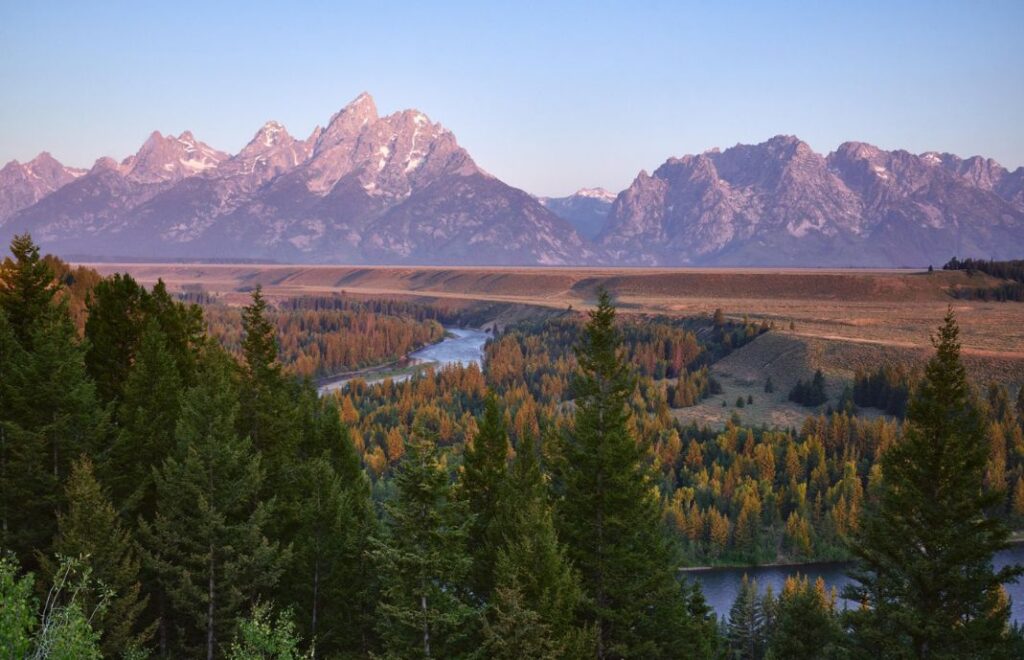
Early fall is a favorite among photographers and travelers seeking a quieter experience. Aspen trees turn vibrant shades of gold, wildlife becomes more active during the elk rut, and crowds drop significantly after mid-September.
However, fall weather can be unpredictable. Snowfall is possible as early as October, and some roads and facilities are beginning to close. Visitors should be prepared for colder temperatures and limited services.
Spring (April to May): Wildlife & transition season
Spring is a time of transition in Grand Teton National Park. Snow begins to melt in the valley, wildlife emerges after winter, and newborn animals are often spotted. This is one of the best times for wildlife viewing, particularly moose, bears, and elk.
That said, many hiking trails remain snow-covered, and higher-elevation areas are often inaccessible.
Weather can be cold and muddy, making spring better suited for scenic drives and photography rather than extensive hiking.
Winter (November to March): A quiet, snowy wilderness
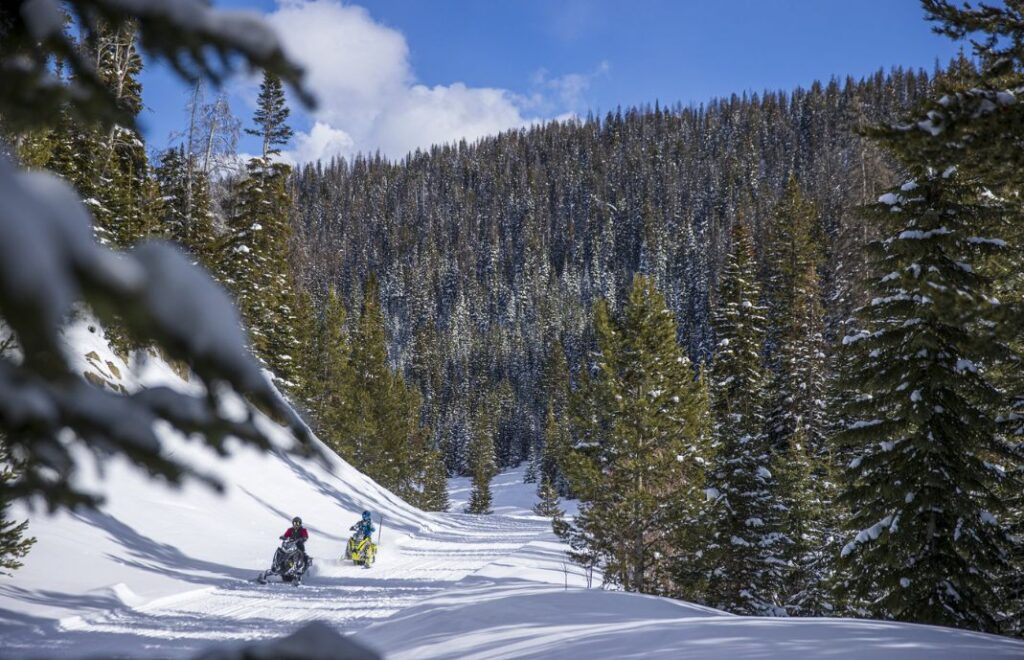
Winter transforms the park into a serene and dramatic landscape. Snow blankets the Tetons, crowds disappear, and activities shift to snowshoeing, cross-country skiing, and wildlife tracking. The park is especially peaceful during this season, offering a very different but rewarding experience.
Access is limited, and most roads within the park are closed to regular vehicles. Winter visits require careful planning, proper gear, and flexibility due to weather conditions.
Summary
- Best overall time: June to September
- Best for fewer crowds and photography: Late September
- Best for wildlife viewing: May and early June
- Best for solitude and snow landscapes: Winter months
Choosing the right time to visit ensures you experience Grand Teton National Park in a way that aligns with your travel style, interests, and expectations.
Park highlights & landscapes
Grand Teton National Park is defined by its dramatic contrasts. Towering peaks rise abruptly from a broad valley floor, creating one of the most recognizable mountain landscapes in North America. Unlike many mountain ranges, the Tetons have no foothills, which gives the park its striking, almost surreal appearance.
The Teton Range
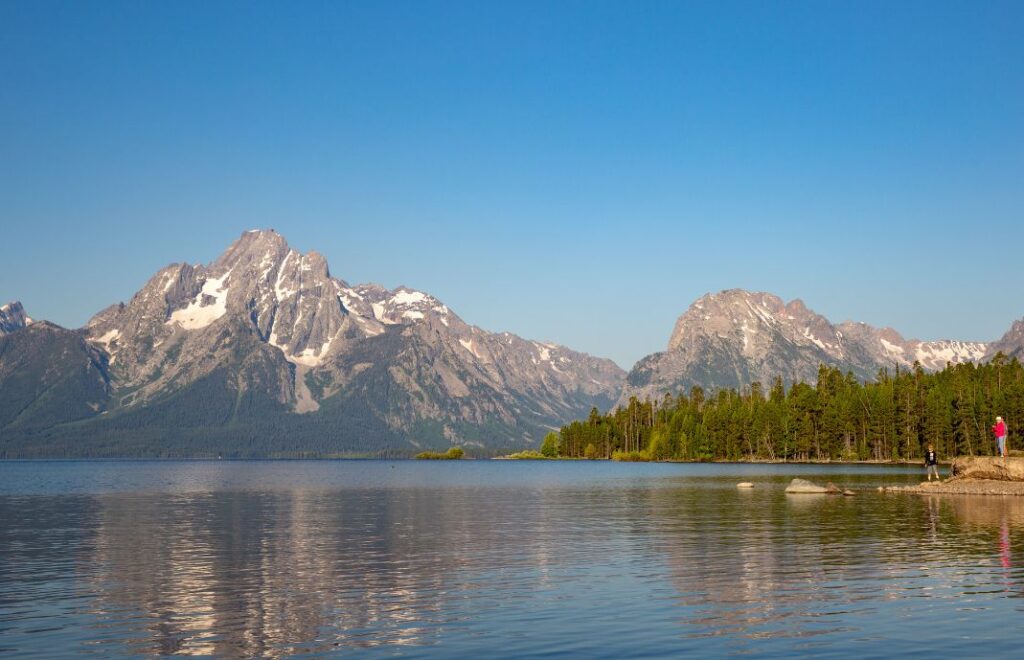
The heart of the park is the Teton Range itself – sharp, jagged granite peaks that dominate the skyline. These mountains feel especially powerful because they rise suddenly from Jackson Hole, gaining thousands of meters in elevation over a very short distance. The ever-changing light throughout the day transforms the range, from soft pastel tones at sunrise to deep shadows and glowing rock faces at sunset.
Alpine lakes
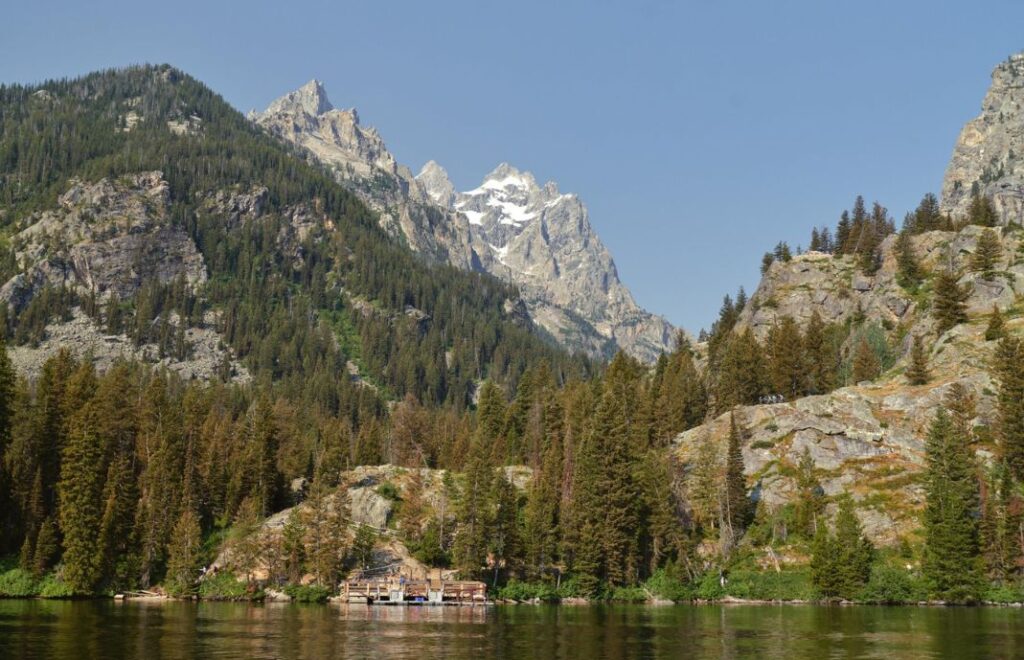
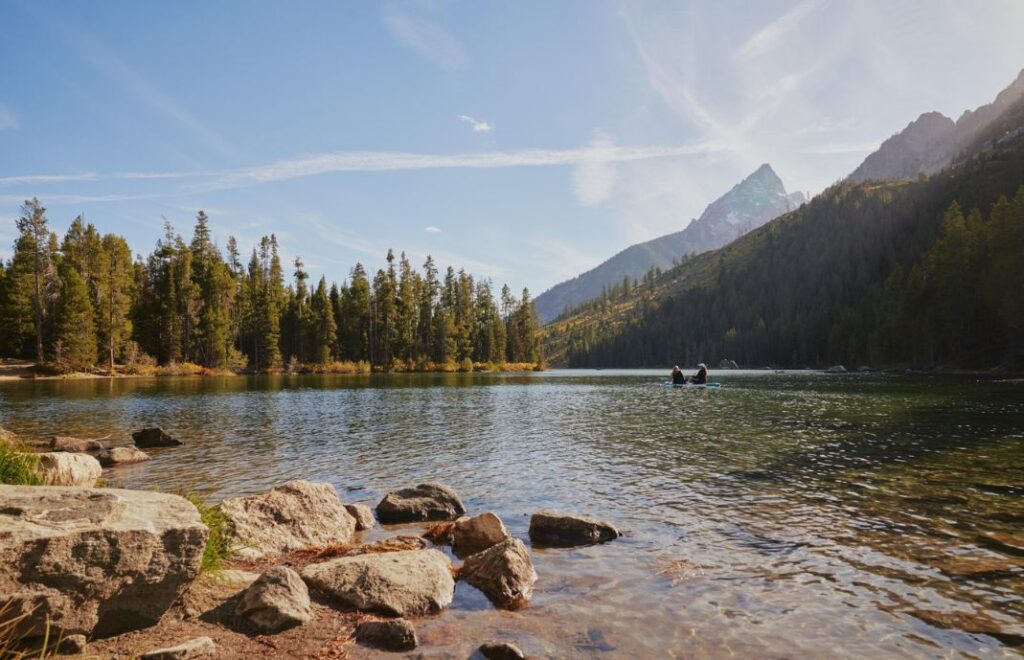
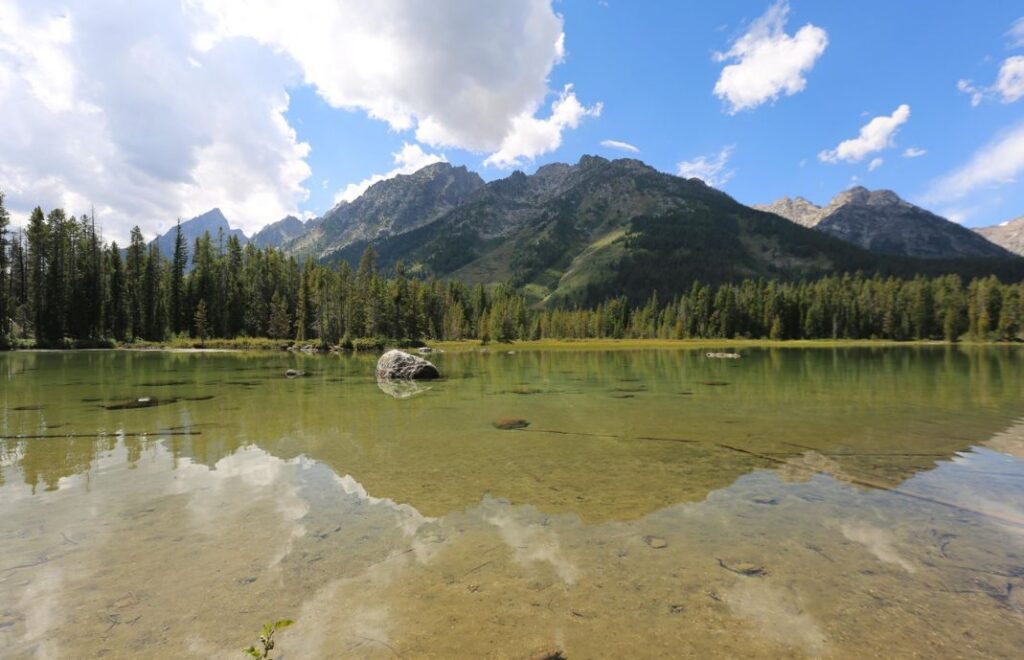
Scattered at the base of the mountains are pristine alpine lakes with remarkably clear water. Their calm surfaces often mirror the peaks above, creating some of the park’s most iconic scenery. These lakes are central to many visitor experiences, whether viewed from scenic overlooks, explored on foot, or enjoyed from the water.
Valleys & meadows
Jackson Hole Valley forms a wide, open landscape beneath the mountains, filled with sagebrush flats, grassy meadows, and winding rivers. In summer, the meadows turn green and are often dotted with wildflowers. In autumn, golden aspens and cottonwoods add warmth to the landscape. These open areas also provide excellent opportunities for wildlife viewing.
Rivers & wetlands
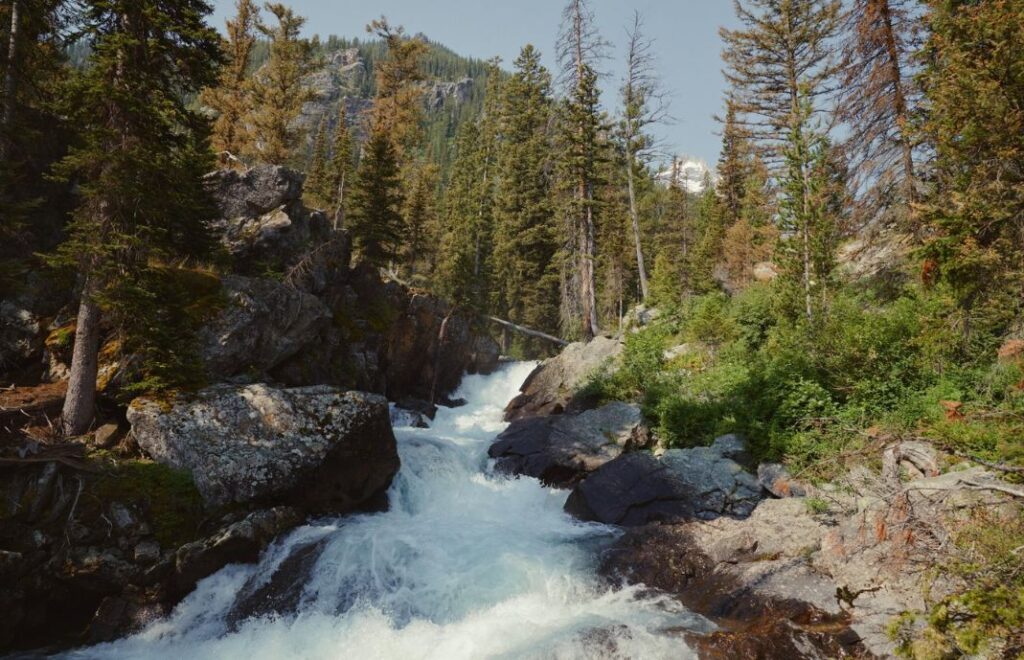
The park’s rivers and wetlands add another layer of beauty and ecological importance. Braided waterways, oxbow bends, and marshy areas attract birds, moose, beavers, and other wildlife. These landscapes are especially atmospheric in the early morning, when mist rises from the water and the mountains reflect in still channels.
A landscape shaped by ice and time
Glaciers played a major role in shaping the park’s terrain. U-shaped valleys, moraines, and polished rock faces are visible throughout the area, offering insight into the geological forces that formed this rugged environment. Even today, small glaciers remain high in the mountains, feeding streams and lakes below.
Together, these elements create a park that feels both vast and intimate – grand mountain views paired with quiet corners where nature unfolds at its own pace. Grand Teton National Park’s landscapes are not just visually stunning; they form the foundation for everything from wildlife habitats to outdoor adventure, making the park unforgettable from the moment you arrive.
Wildlife in Grand Teton National Park
Wildlife is one of the defining reasons to visit Grand Teton National Park. The park lies within the Greater Yellowstone Ecosystem, one of the largest intact temperate ecosystems in the world, allowing animals to roam freely across vast, protected landscapes. As a result, wildlife sightings are not a rare bonus here – they are a core part of the experience.
Large mammals
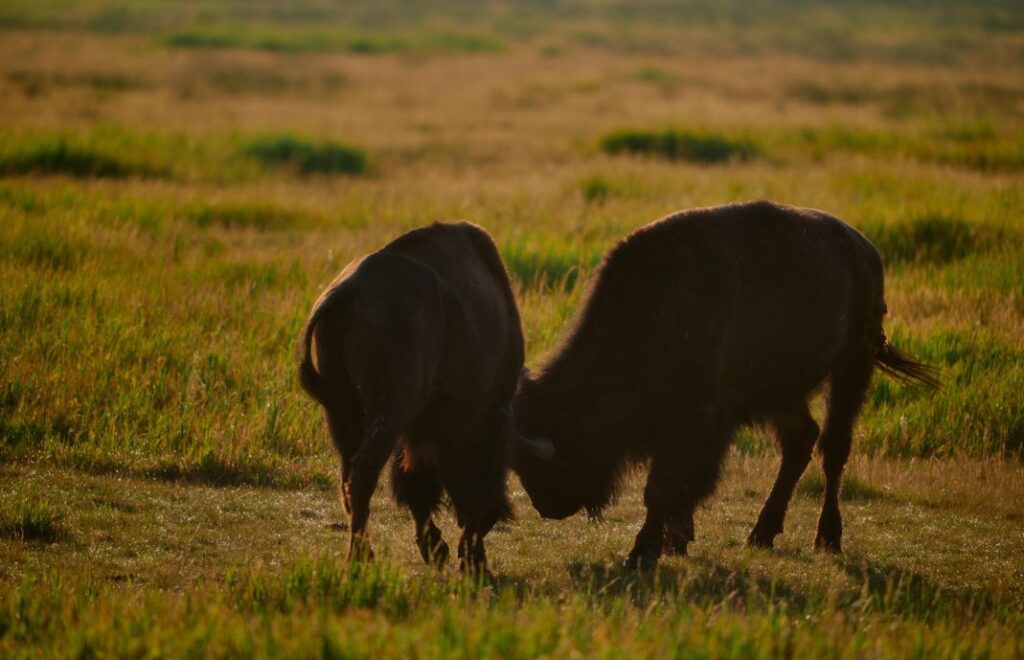
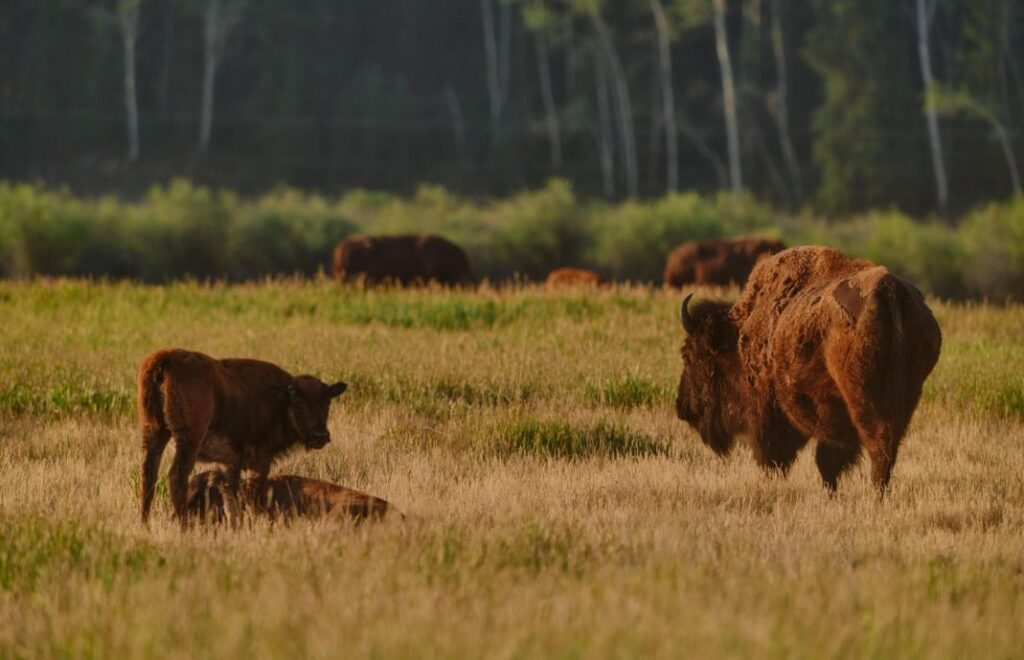
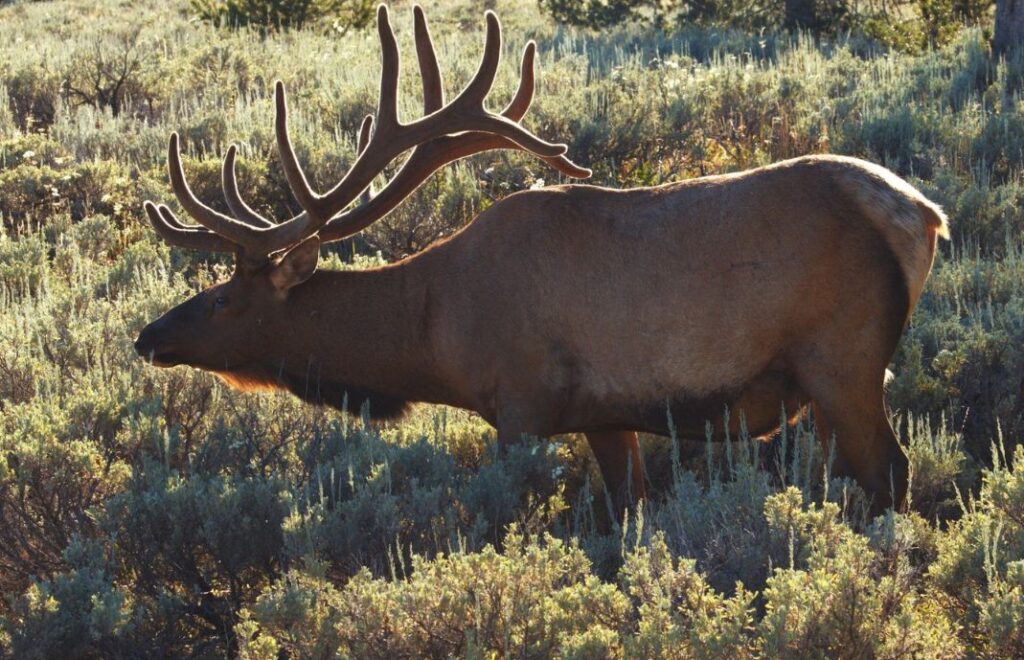
Grand Teton is home to an impressive range of large mammals. Elk are among the most commonly seen animals, especially in open meadows and valleys, while bison move slowly across grasslands in small herds. Moose favor wetland areas, willow flats, and slow-moving rivers, making early mornings and evenings the best times to spot them.
Predators also play a crucial role in the ecosystem. Black bears and grizzly bears inhabit the park, particularly in forested and mountainous areas. Wolves are present but elusive, and sightings are less common. Coyotes, however, are frequently seen and often active during daylight hours.
Smaller mammals
Beyond the iconic species, the park is full of smaller mammals that add life to the landscape. Marmots sun themselves on rocks in higher elevations, while pika dart between boulders with high-pitched calls. Pronghorn, the fastest land mammal in North America, can occasionally be spotted in open areas, especially during migration seasons.
Birdlife
Birdwatchers will find Grand Teton National Park especially rewarding. Bald eagles, ospreys, and hawks soar above rivers and lakes, while trumpeter swans, sandhill cranes, and a variety of waterfowl inhabit wetlands and ponds. In spring and early summer, migratory birds return in large numbers, filling the park with sound and movement.
Best times for wildlife viewing
Wildlife is most active during the early morning and late evening hours. Spring and early summer are ideal for seeing newborn animals, while autumn brings increased activity during mating seasons, particularly for elk. Winter concentrates wildlife at lower elevations, often making animals easier to spot against snowy landscapes.
Wildlife safety & respect
While encounters can be thrilling, it’s essential to observe wildlife responsibly. Always keep a safe distance, never approach or feed animals, and use binoculars or zoom lenses for viewing. Wildlife is unpredictable, and respecting their space ensures both your safety and the well-being of the animals.
Experiencing wildlife in Grand Teton National Park adds depth and authenticity to any visit. These animals are not attractions behind barriers – they are part of a living, breathing ecosystem that continues to shape the park’s wild character.
Things to do in Grand Teton National Park
Grand Teton National Park offers a wide range of activities that cater to different travel styles – from relaxed sightseeing to full-scale outdoor adventure. Whether you have a single day or a full week, the park provides countless ways to experience its landscapes at your own pace.
Scenic drives
One of the most accessible ways to explore the park is by car. Scenic roads run parallel to the Teton Range, offering frequent pullouts with panoramic mountain views. These drives are ideal for first-time visitors, photographers, and travelers with limited time, especially during sunrise and sunset when the light transforms the peaks.
Hiking
Hiking is one of the best ways to immerse yourself in the park’s landscapes. Options range from short, flat lakeside walks to demanding alpine trails with significant elevation gain. Many hikes lead to crystal-clear lakes, waterfalls, and high viewpoints overlooking the valley, making it easy to tailor your experience to your fitness level and available time.
Boating & kayaking
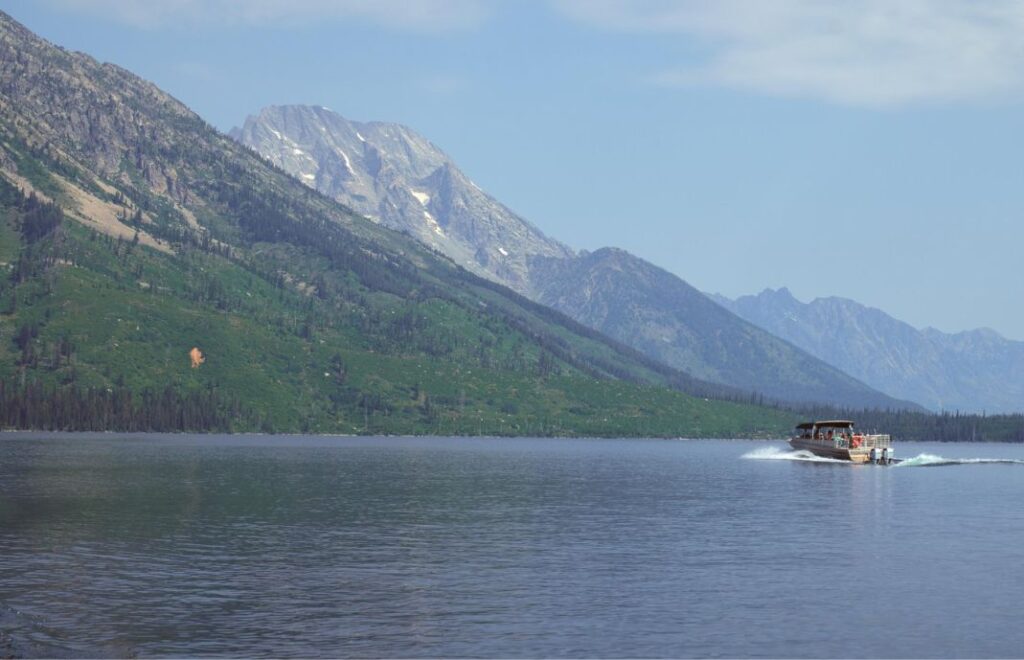
Several lakes in the park are suitable for kayaking, canoeing, and small motorboats. Being on the water offers a unique perspective of the mountains, with reflections and quieter surroundings than popular viewpoints on land. Calm mornings are usually the best time for water activities.
Wildlife viewing
Wildlife watching is a major highlight and can be enjoyed throughout the park. Open meadows, river corridors, and wetlands are prime locations, especially during early morning and evening hours. Many visitors combine scenic drives with wildlife viewing, stopping when animals are spotted near the road.
Photography
Grand Teton National Park is a dream destination for photographers. From iconic mountain reflections and dramatic skies to intimate details like wildflowers and wildlife, the park offers endless visual inspiration. Sunrise and sunset are particularly rewarding, but changing weather conditions can also produce striking results.
Cycling
Cycling is a popular activity in the southern part of the park, where paved multi-use paths run alongside main roads. This is a great way to enjoy mountain views at a slower pace while avoiding vehicle traffic in certain areas.
Winter activities
In winter, the park shifts into a quieter, snow-covered landscape. Snowshoeing and cross-country skiing have become the primary ways to explore, offering solitude and a very different perspective on the Tetons. Wildlife tracking and winter photography are also popular during this season.
Whether you’re seeking adventure, relaxation, or a mix of both, Grand Teton National Park delivers experiences that feel authentic and deeply connected to the natural world. The variety of things to do ensures that every visit can be unique – even for those returning again and again.
Practical guide to visiting Grand Teton National Park
A little planning goes a long way when visiting Grand Teton National Park. This practical guide will help you make the most of your time while ensuring a smooth and responsible visit.
Entrance fees & passes
Grand Teton National Park charges an entrance fee per vehicle, motorcycle, or individual. Passes are valid for seven days. If you plan to visit multiple U.S. national parks within a year, an annual national parks pass can offer excellent value.
Getting around the park
The park is best explored by car, as public transportation options are extremely limited. Roads are well maintained during the main season, with clearly marked pullouts and viewpoints. Fuel stations are not available inside most of the park, so it’s important to fill up in nearby towns before entering.
Where to stay
Accommodation options include campgrounds within the park and a wide range of hotels, lodges, and vacation rentals in nearby gateway towns. Staying inside the park offers early access to popular areas and quieter mornings, while staying outside provides more services and dining options. Reservations are highly recommended during the summer months.
What to pack
Weather conditions can change quickly, even in summer. Layers are essential, along with sturdy walking or hiking shoes. Other useful items include sun protection, insect repellent, reusable water bottles, binoculars for wildlife viewing, and bear spray when hiking.
Safety tips
- Always maintain a safe distance from wildlife
- Stay on marked trails and respect closures
- Carry enough water and snacks, especially on hikes
- Be prepared for sudden weather changes
- Follow food storage rules to avoid attracting animals
Food & supplies
Dining options inside the park are limited and seasonal. Packing meals or snacks is often the most convenient option, particularly for full-day exploration. Grocery stores and restaurants are widely available in nearby towns.
Responsible travel
Grand Teton National Park is a protected natural area, and responsible travel is essential. Follow Leave No Trace principles, pack up all trash, and avoid disturbing wildlife or natural features. Respecting the environment helps preserve the park’s beauty for future visitors.
With the right preparation, visiting Grand Teton National Park is both straightforward and deeply rewarding. This practical knowledge allows you to focus on what truly matters – immersing yourself in one of the most breathtaking landscapes in the American West.
Main photo: Wyoming Office of Tourism
This post is a collaboration with Wyoming Office of Tourism. I am grateful for their cooperation.
