
A road trip through the Great American West is a journey into some of the nation’s most awe-inspiring landscapes, rich histories, and untouched wilderness. From Montana’s soaring peaks and Idaho’s hidden hot springs to the sweeping prairies of the Dakotas and the rugged beauty of Wyoming, this region offers a breathtaking blend of adventure and wide-open freedom.
This is the West where bison still roam, where winding highways lead through glacial valleys and ancient badlands, and where every state reveals a different facet of America’s wild spirit. Whether you’re chasing national parks, scenic byways, historic towns, or simply the joy of discovering what lies beyond the next mountain pass, this road trip captures the essence of Western exploration.
In this guide, I’ll map out the best way to plan a road trip across Montana, Idaho, North Dakota, South Dakota and Wyoming – states that together form one of the most unforgettable road-tripping regions in the United States.
How to plan your Western road trip
A successful road trip through the Great American West begins long before you hit the open highway. With vast distances, unpredictable weather, and some of the most remote landscapes in the country, preparation is key.
Here’s how to plan your adventure across Montana, Idaho, South Dakota, North Dakota, and Wyoming so you can focus on the scenery – not the stress.
1. Choose your route and starting point
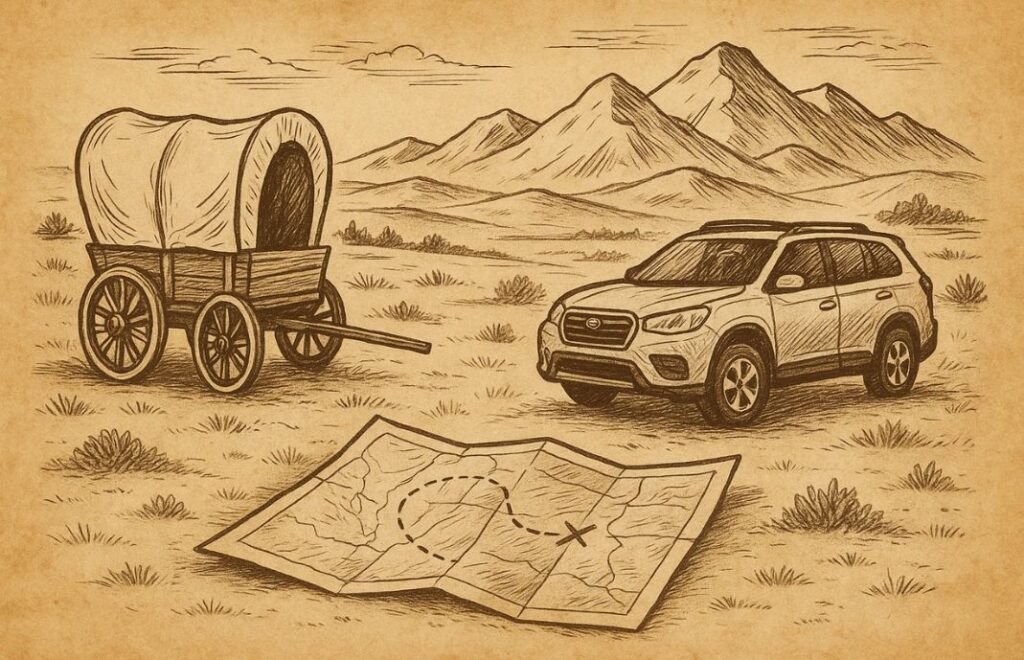
The Western states are enormous, and there’s no single “right” way to explore them. Before you begin, decide:
Loop or one-way?
Loops (like Billings → Bozeman → Idaho → Wyoming → Dakotas → back to Billings) make for easy planning.
One-way routes work if you’re flying into one airport and out of another.
Your priority:
- National parks
- Wildlife
- Prairie landscapes
- History and culture
- Scenic byways
Knowing what you want most will shape your driving plan.
2. Allow enough time
Distances in the West are big – much bigger than many visitors expect. You’ll often drive for long stretches without services or towns.
A balanced trip through these five states usually requires:
- 7–10 days for a fast overview
- 14–21 days for a deeper, more comfortable pace
- 3+ weeks to fully enjoy major national parks, backroads, and small towns
Build in extra time for spontaneous stops. You’ll want it.
3. Pick the best time of year to travel
The West experiences dramatic seasonal changes:
- Summer (June–September): Best weather, long daylight, peak park season.
- Fall (September–October): Cooler temps, golden landscapes, fewer crowds.
- Spring (April–May): Can be beautiful – but expect lingering snow in Montana and Wyoming.
- Winter (November–March): Challenging weather, closed mountain roads, limited access. Best only for skilled winter travelers.
If your route includes mountain passes or national parks, always check seasonal road openings.
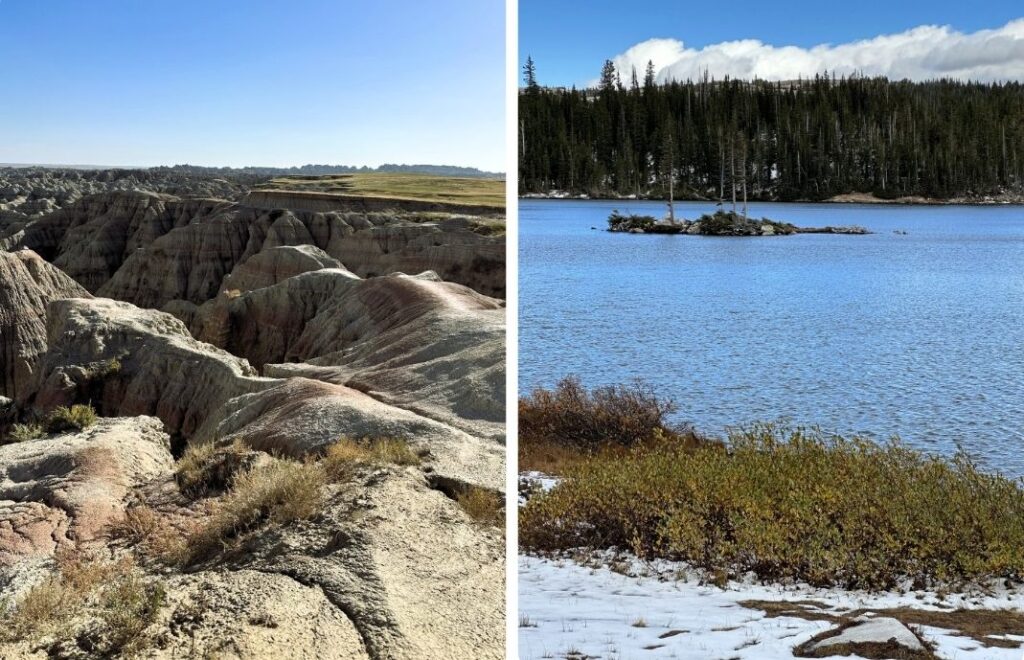
4. Choose the right vehicle
Your vehicle is your lifeline in the West.
- SUV or AWD is ideal for gravel roads, mountain terrain, and unpredictable conditions.
- Sedans are fine for major highways but less flexible for scenic detours.
- RVs offer comfort but can be challenging on steep or narrow roads.
Whatever you choose, make sure it has:
- A full-size spare tire
- Good ground clearance
- Enough space for water, snacks, and layers
- Charging options for phones and cameras
Remote roads mean you must be self-sufficient.
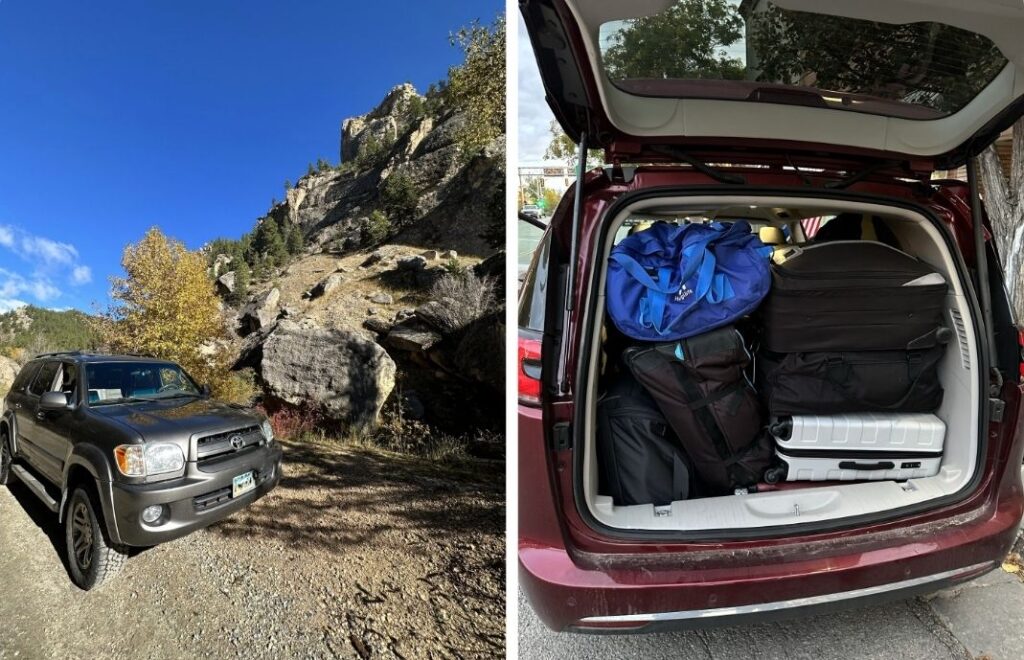
5. Expect limited cell service
Montana, Wyoming, and both Dakotas have huge dead zones. You may go for hours without a signal.
Before you leave:
- Download offline maps (Google Maps, Maps.me, or Gaia GPS)
- Screenshot reservation info, addresses, and confirmations
- Keep a small physical roadmap in the car
You’ll thank yourself later.
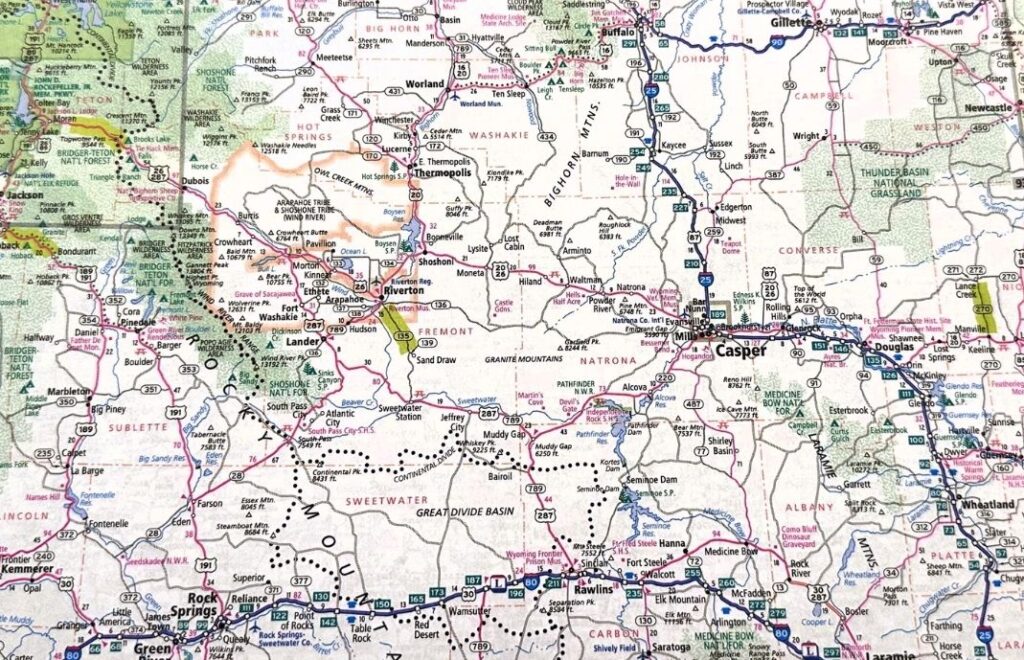
6. Book lodging strategically
You don’t need reservations every night – unless you’re visiting:
- Yellowstone or Grand Teton
- Glacier National Park
- Popular summer towns (Jackson, Bozeman, Rapid City, Deadwood)
- Small towns with limited hotels
Outside of these areas, availability is usually good, but distances between towns can be large, so plan your overnights ahead.
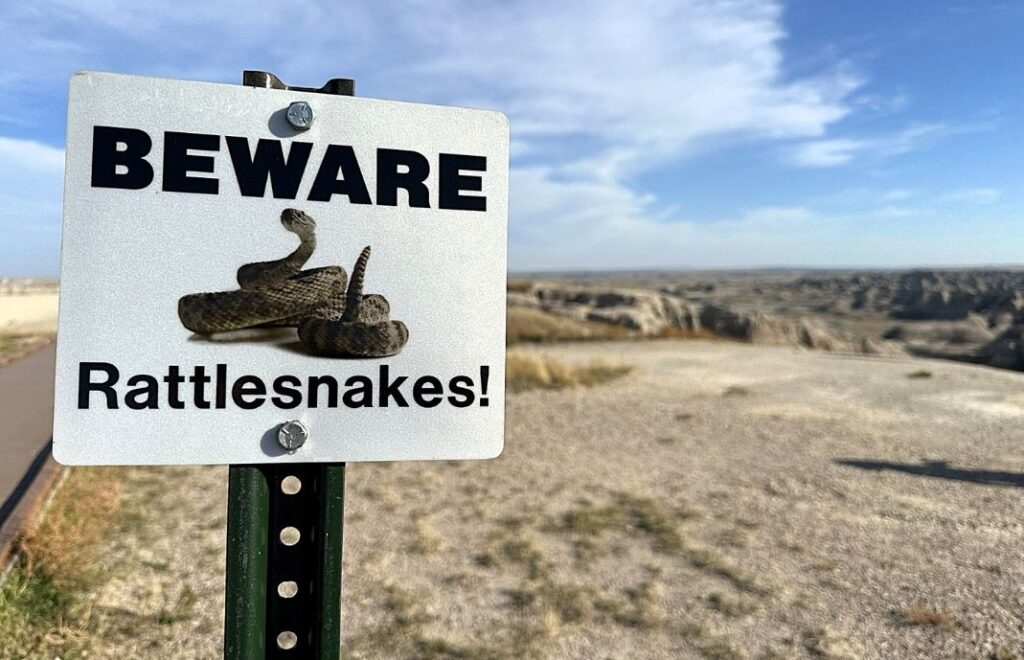
7. Prepare for wildlife
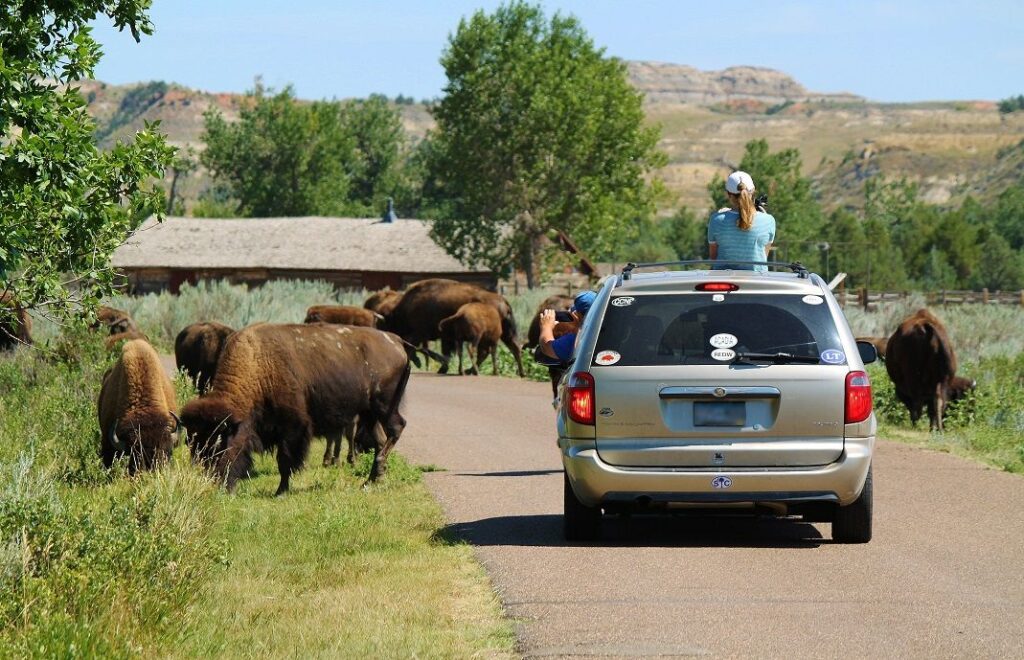
The West is home to bison, elk, moose, bears, pronghorn, and coyotes – and they use the same roads you do.
- Drive carefully at dawn and dusk
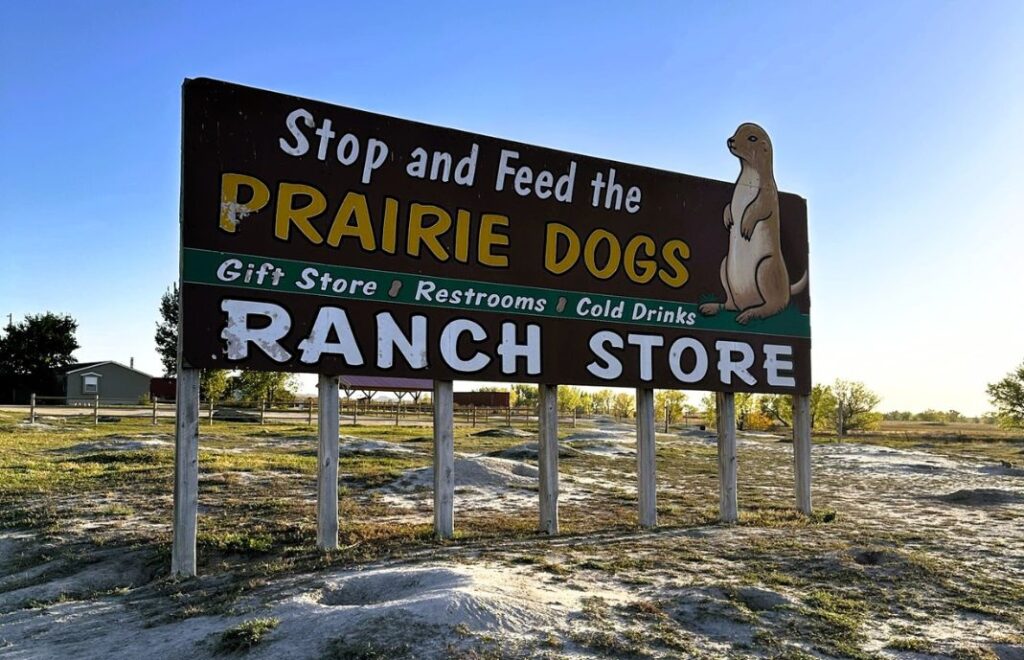
- Never approach or feed wildlife
- Carry bear spray in Montana, Idaho, and Wyoming
- Give animals plenty of space when pulled over
Wildlife encounters are a highlight – but safety comes first.
8. Stock up before remote sections
Long stretches in Montana, Wyoming, and the Dakotas have few services.
Before you head into rural areas, fill up on:
- Fuel
- Drinking water
- Snacks
- Emergency supplies
- Cash (some small towns still prefer it)
Always gas up when your tank drops below half.
Final thoughts
A road trip through the Great American West is more than a journey – it’s an immersion into some of the most open, wild, and unforgettable landscapes in the United States. With a bit of planning and a spirit of adventure, the wide prairies, rugged mountains, and quiet backroads of the states become yours to explore at your own pace.
Whether you’re chasing big skies, wildlife encounters, or the simple joy of the open road, this region rewards every mile with something remarkable. So, fuel up, prepare well, and get ready to experience the West the way it was meant to be discovered: freely.
