
Some places impress quietly. Cape Cross Seal Reserve does the opposite. Long before you see it, you hear it – and when the wind shifts, you smell it. Standing on this remote stretch of Namibia’s Skeleton Coast, surrounded by thousands of seals packed tightly along the shoreline, is an experience that is impossible to ignore and even harder to forget.
As an animal lover, visiting Cape Cross was both overwhelming and deeply fascinating. It is loud, chaotic, raw, and unapologetically real. There is nothing polished or comfortable about the scene unfolding in front of you, yet that is exactly what makes it so powerful. Cape Cross strips wildlife encounters down to their essence, offering a moment of honesty between humans and the natural world – messy, intense, and profoundly alive.
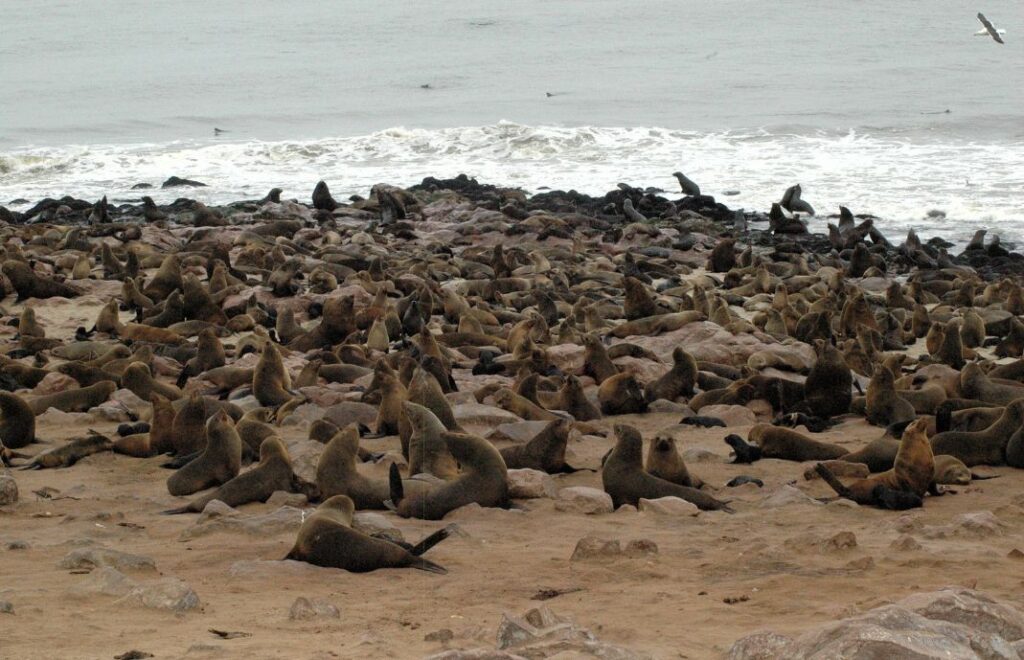
One of the largest seal colonies on earth
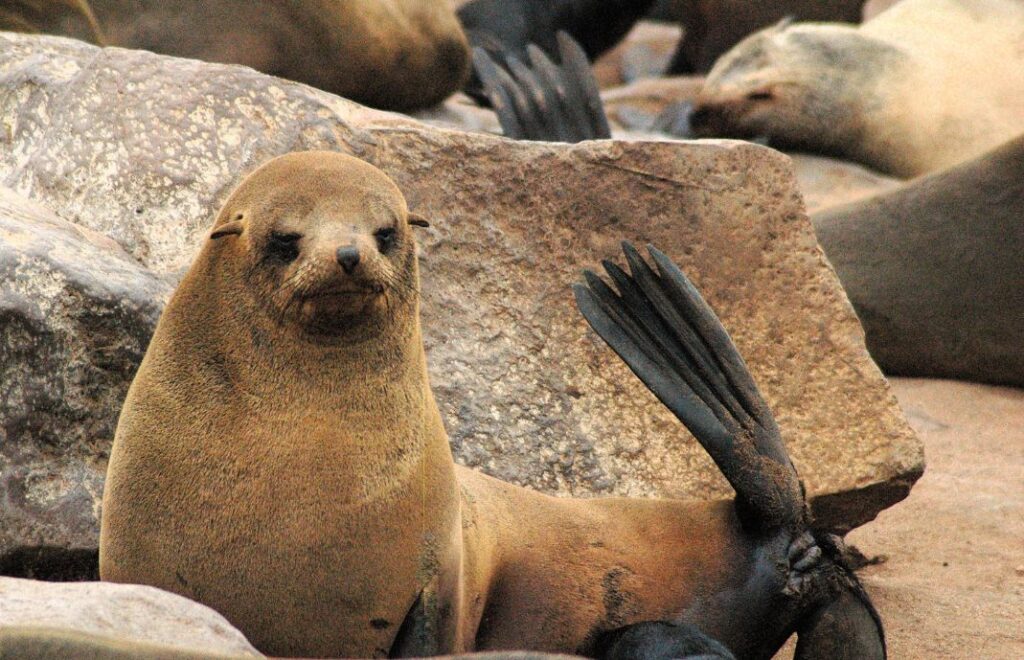
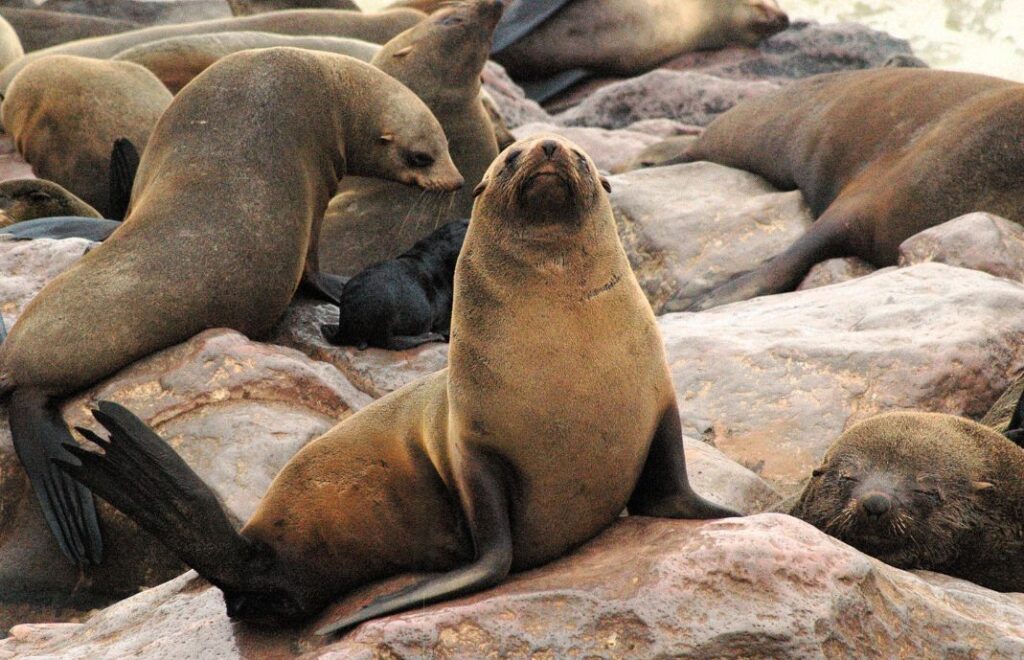
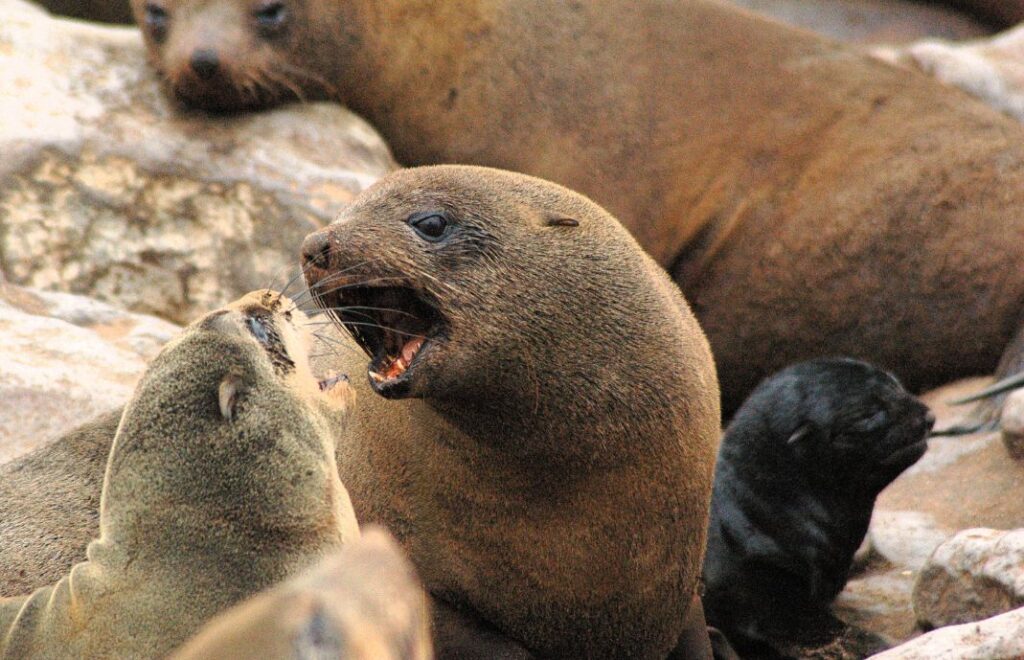
Cape Cross is home to one of the largest breeding colonies of Cape fur seals in the world. At its peak, tens of thousands of seals crowd this narrow stretch of coastline, creating a constant surge of movement, sound, and interaction. Everywhere you look, there is life – pups nursing, adults resting, and dominant males guarding their space with relentless focus.
The scale of the colony is what makes it so striking. This is not a single moment or isolated sighting, but a full ecosystem unfolding in real time. Watching so many animals coexist in such close quarters is both fascinating and confronting, offering a rare glimpse into the realities of survival, hierarchy, and instinct along one of Africa’s most unforgiving coastlines.
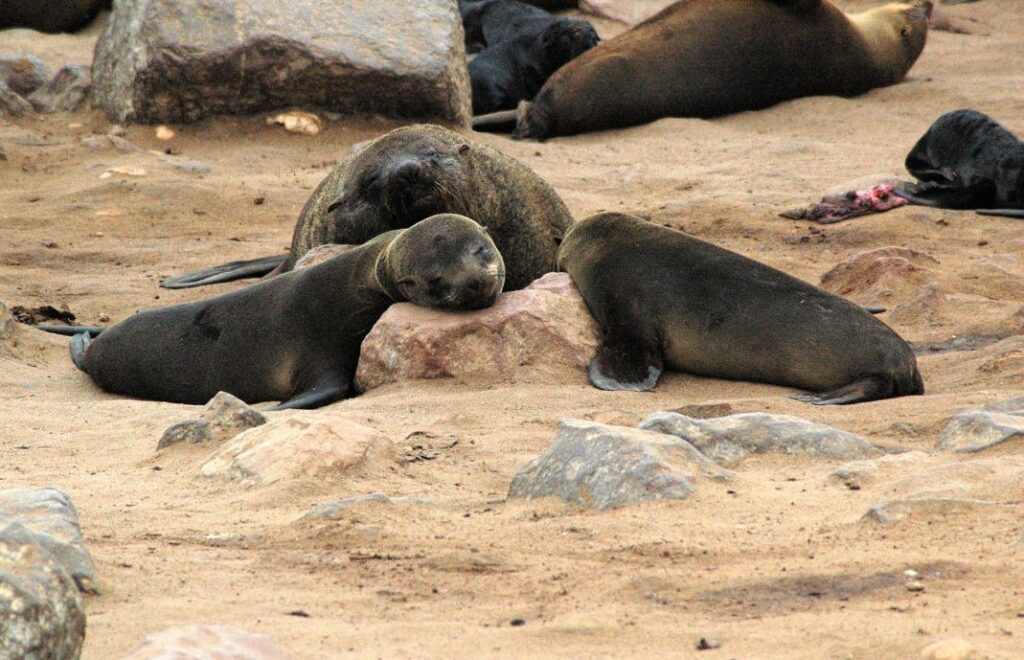
The sensory experience
Cape Cross is an experience that engages every sense at once. The sound is constant and overwhelming – a chorus of barking, calling, and movement that never fully fades into the background. It’s impossible to stand quietly here; the noise demands attention and reminds you that you are stepping into a world already in motion.
Then there is the smell, unmistakable and intense, carried by the coastal wind and impossible to ignore. Combined with the sight of thousands of bodies shifting across rocks and sand, the experience feels raw and unfiltered. It is not gentle or romantic, but deeply real. For animal lovers, this sensory overload becomes part of the memory, reinforcing just how alive and uncompromising this place truly is.
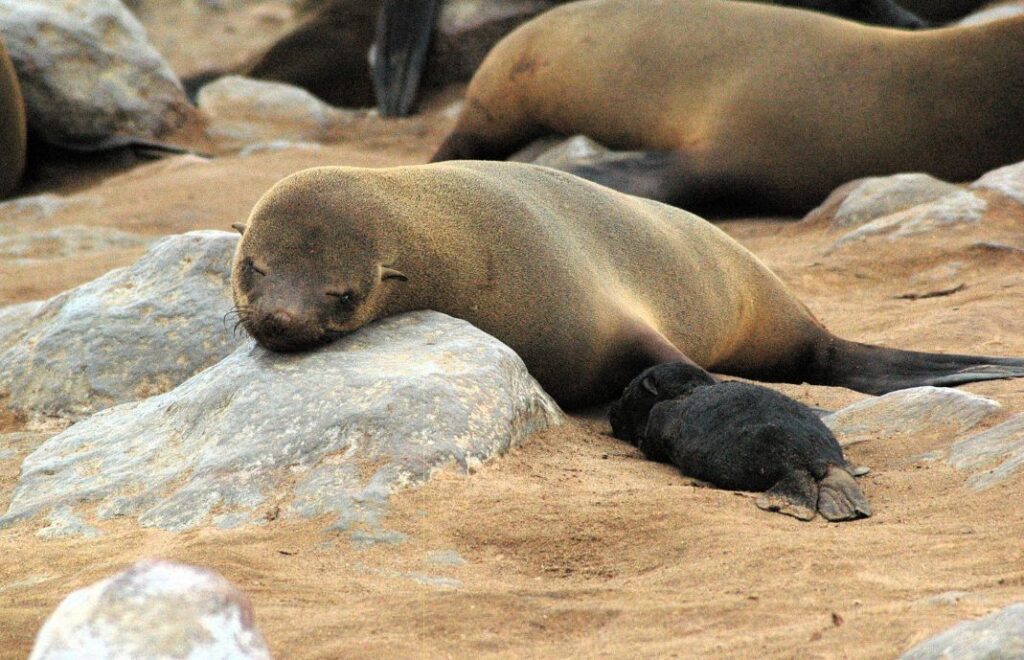
Life on a harsh coastline
The setting of Cape Cross is as extreme as the wildlife it supports. This is a place where the cold Atlantic Ocean meets the edge of the Namib Desert, creating a harsh and unpredictable environment. Strong winds, rough seas, and limited shelter make survival a daily challenge for both adults and newborn pups.
Watching the seals navigate this landscape offers a powerful reminder of adaptation and resilience. They are perfectly suited to this narrow strip of land, thriving where conditions appear unforgiving. The contrast between the barren coastline and the sheer abundance of life makes Cape Cross feel all the more extraordinary – a reminder that nature often flourishes in places we least expect.
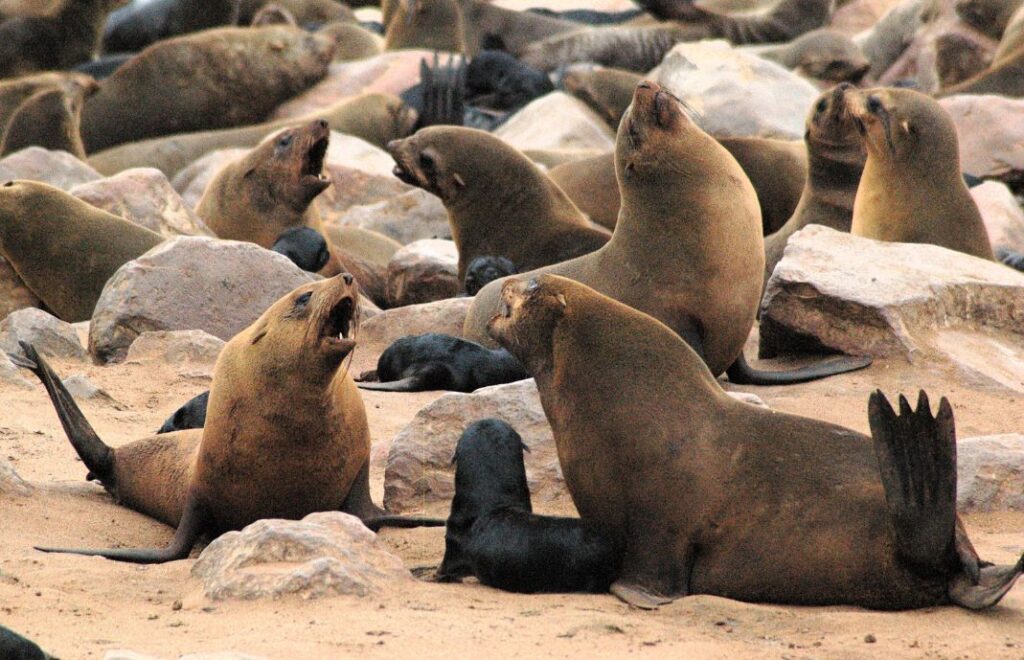
A place that divides opinion
Cape Cross is not a destination that leaves visitors indifferent. For some, the sheer density of animals, the noise, and the smell can feel overwhelming or even uncomfortable. It challenges common expectations of wildlife encounters as quiet, serene, or visually pleasing.
For others – especially those who care deeply about animals – it is precisely this rawness that makes the experience meaningful. Cape Cross shows nature without filters or staging. It invites reflection rather than easy admiration, asking visitors to witness life as it is rather than how we might prefer it to be. Honestly that is what makes the place so powerful, even if it isn’t always easy.
Conservation and protection
Cape Cross Seal Reserve exists to protect a critical breeding ground for Cape fur seals along Namibia’s Skeleton Coast. By designating this area as a protected reserve, human access is carefully managed, allowing seals to breed and raise their young with minimal disturbance.
For visitors, this protection is an important part of the experience. Walkways and viewing areas create a clear boundary between observation and intrusion, reinforcing the idea that this is the seals’ space, not ours. Conservation here is not abstract – it is visible, practical, and necessary, ensuring that one of the world’s largest seal colonies can continue to exist on its own terms.
When to visit and what to expect
Cape Cross can be visited year-round, but the experience varies depending on the season. The breeding season, typically from late October to December, is when the colony is at its largest and most intense. This is when thousands of pups are born, and the energy of the colony reaches its peak.
Outside the breeding months, the reserve is quieter, with fewer seals and a calmer atmosphere. Regardless of timing, visitors should be prepared for strong coastal winds, cool temperatures, and a sensory experience that is far from subtle. Cape Cross is not about comfort or long stays – it is about presence, observation, and accepting the environment exactly as it is.
Why Cape Cross leaves a lasting impression
Cape Cross stays with you because it refuses to be simplified. It is not a postcard moment or a fleeting stop; it is an encounter that demands attention and emotional engagement. The intensity of the place – the sound, the smell, the sheer volume of life – lingers long after you leave the coastline behind.
For me, as someone who deeply cares about animals, the experience was both confronting and unforgettable. It offered a rare honesty about the natural world, free from romantic filters or staged moments. Cape Cross leaves a lasting impression because it shows wildlife as it truly is: raw, complex, and profoundly alive.

Who Cape Cross is best for
Cape Cross is best suited to travelers who are curious, open-minded, and comfortable with nature in its rawest form. It appeals strongly to wildlife lovers, photographers, and those interested in observing animal behavior rather than scenic perfection.
This is a place for travelers who value experience over comfort and authenticity over polish. If you are drawn to destinations that challenge expectations and leave a strong emotional impression, Cape Cross offers a rare and powerful encounter with the natural world.

A thoughtful approach to wildlife viewing
Experiencing Cape Cross comes with an unspoken responsibility. This is a place to observe, not to interfere – to stand back and witness life unfolding on its own terms. The seals are not performing, and the environment is not curated for comfort. Respecting distance, staying on designated walkways, and limiting time spent near sensitive areas helps ensure the colony remains undisturbed.
Ethical wildlife viewing here is about mindset as much as behavior. It means accepting moments that may feel confronting, resisting the urge to judge or anthropomorphize, and understanding that what you are seeing is a natural system at work. Approached with humility and awareness, a visit to Cape Cross becomes more than observation. It becomes an act of respect toward a wild place that exists independently of us
