
North Dakota rarely demands attention, and that is part of its appeal. Its beauty does not arrive in dramatic gestures or famous landmarks but reveals itself slowly – through wide skies that seem to stretch forever, quiet river towns shaped by seasonal rhythms, and prairie landscapes that reward patience and presence.
Here, beauty is rooted in resilience and simplicity. Towns and small cities have grown in response to climate, distance, and history rather than spectacle. The combination creates places with strong identities and a grounded sense of purpose. For travelers willing to look beyond the obvious, North Dakota offers moments of calm, character, and authenticity that linger long after the journey ends.
Because in North Dakota, beauty is found in unexpected places!
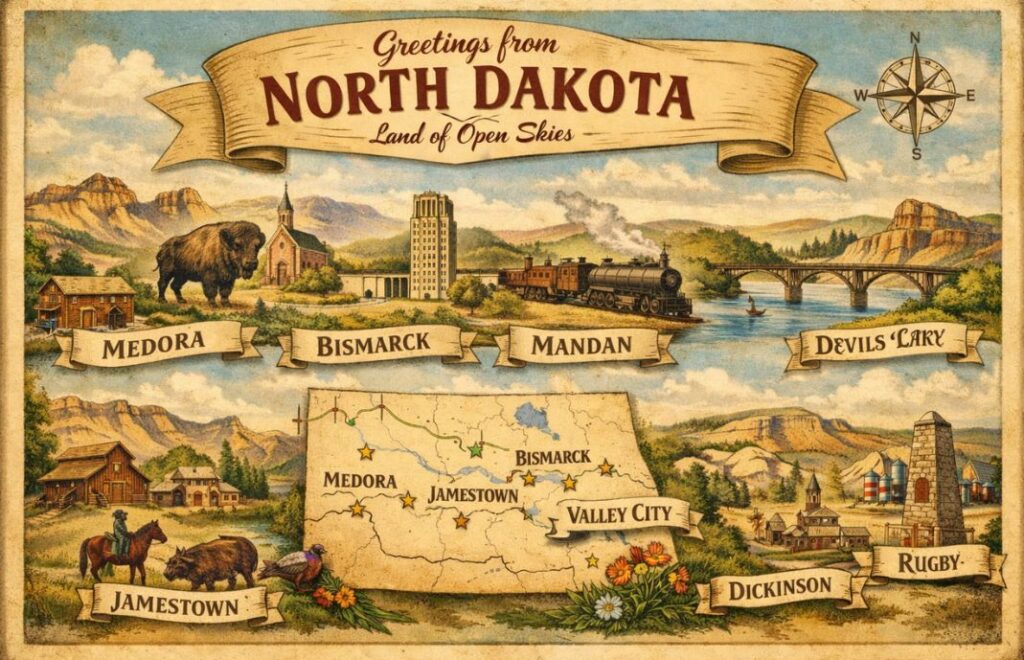
What makes a town beautiful in North Dakota
In North Dakota, beauty is defined less by architecture or attractions and more by context. The landscape plays a central role. Endless horizons, shifting light, and open skies shape how towns feel and how life unfolds within them. Sunrise and sunset transform even the simplest settings into something quietly striking.
Rivers and plains anchor many communities, providing both physical orientation and cultural rhythm. Historic buildings, modest main streets, and a slower pace of life reflect towns built to endure rather than impress. What makes these places compelling is their sense of authenticity. Beauty here comes from belonging – from towns that feel rooted, lived in, and honest, offering character without pretense and atmosphere without ornament.
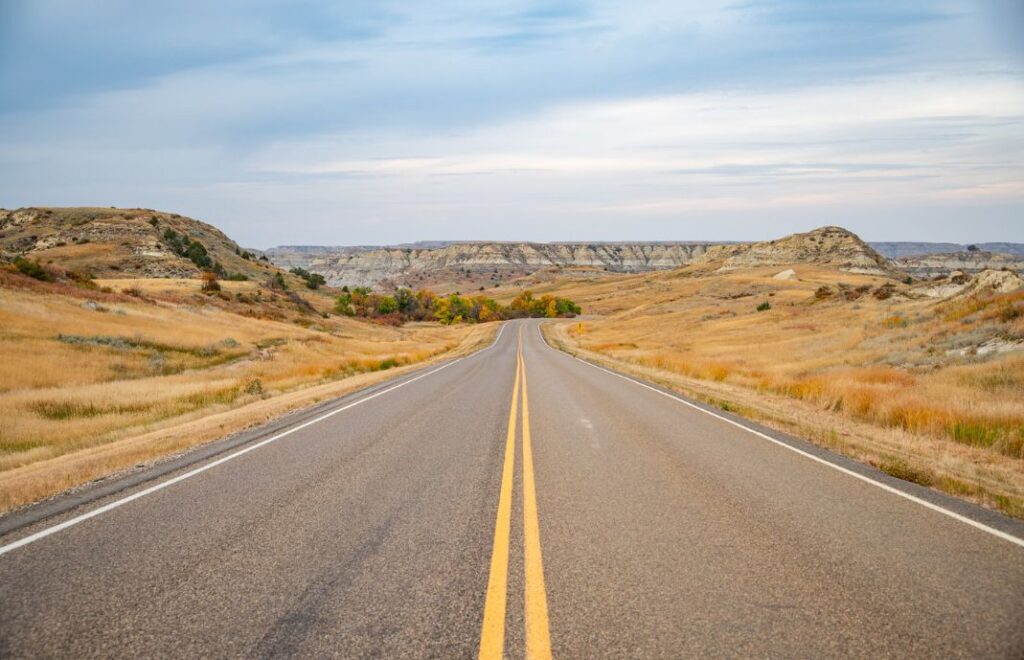
Towns shaped by landscape and identity
North Dakota’s towns and small cities reflect the environments they grew from. Rivers, prairies, hills, and badlands have not only shaped the land, but also the pace of life, architecture, and character of the communities.
Each town offers a distinct sense of place, defined less by attractions and more by atmosphere. Together, they reveal how beauty in North Dakota emerges through setting, history, and quiet resilience – often in ways that are felt before they are seen.
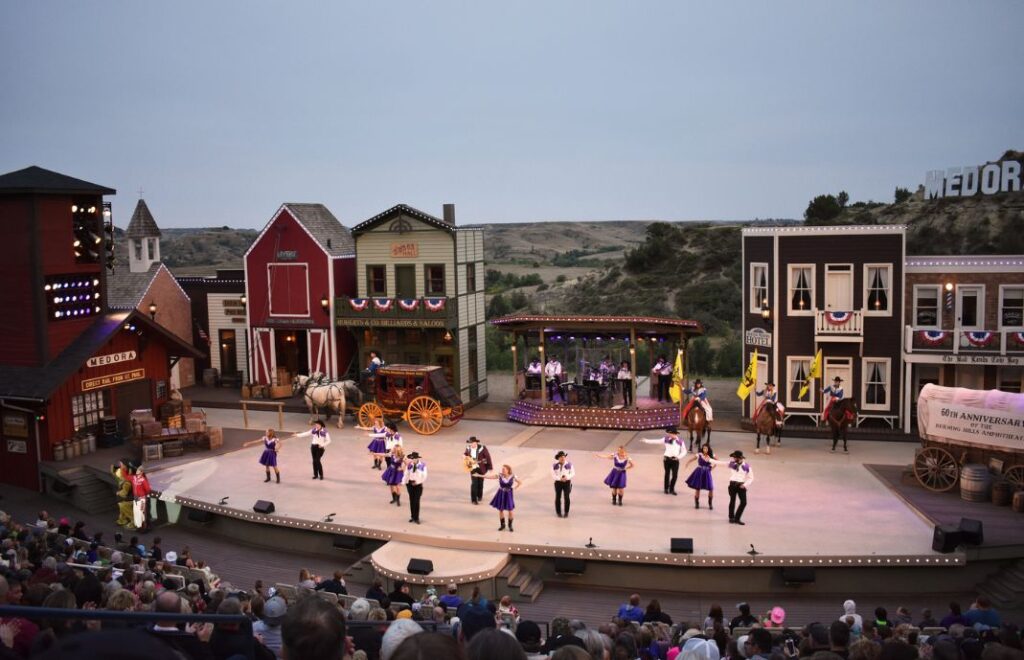
Medora
Medora sits at the edge of the Badlands, where prairie gives way to layered rock formations and open sky. The town feels inseparable from its surroundings, shaped by dramatic landscapes and a strong sense of Western heritage.
There is an unmistakable frontier atmosphere here, rooted in history but still very alive. Medora’s appeal lies in its relationship with the land, vast, rugged, and humble, making it feel more like a gateway than a destination.
Defining traits: Badlands setting, Western history.
Jamestown
Jamestown embodies the quiet confidence of classic small-town America. Surrounded by open prairie, it feels steady and unhurried, shaped by agriculture, rail history, and long-standing community ties.
The town’s beauty is subtle and familiar rather than dramatic. Wide streets, historic buildings, and a grounded pace of life create a sense of continuity that feels reassuring and deeply rooted in place.
Defining traits: Prairie landscape, historic character.
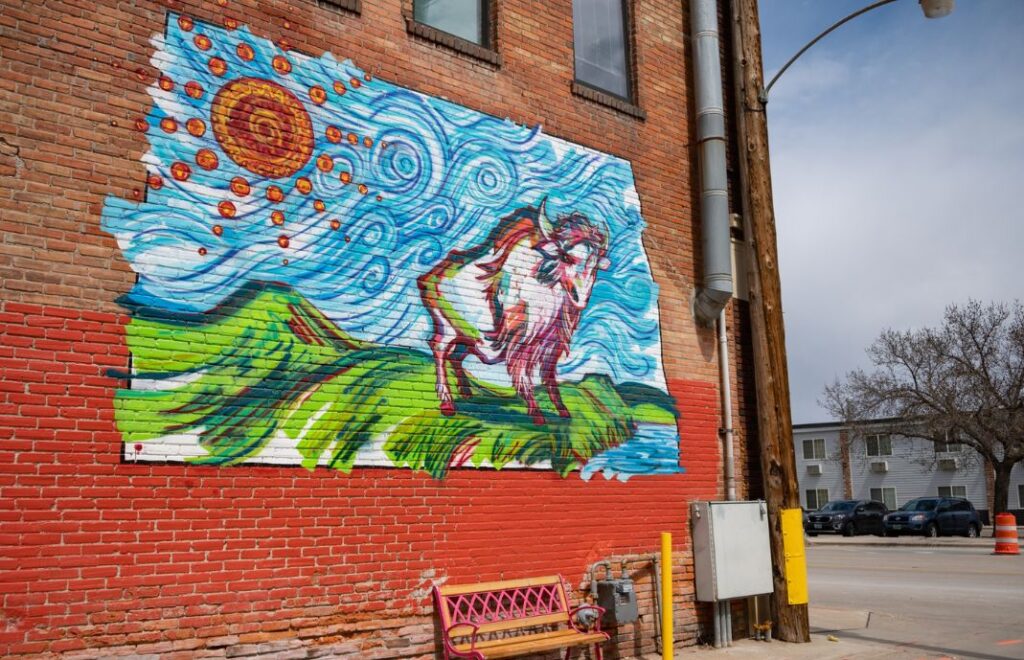
Bismarck
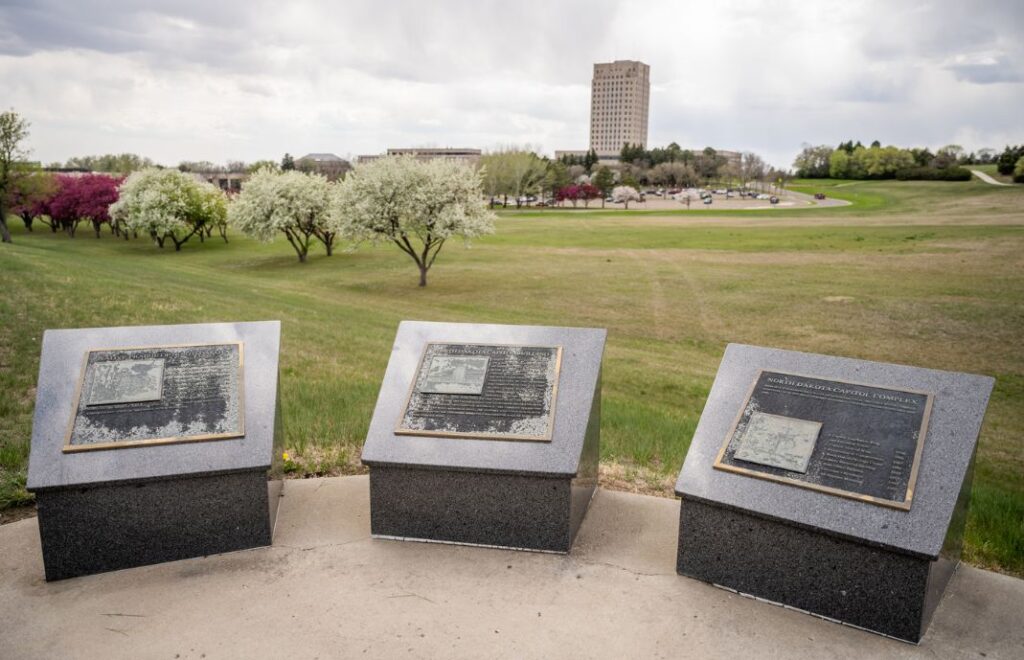
As North Dakota’s capital, Bismarck balances civic importance with a surprising sense of calm. Set along the Missouri River, the city feels open and spacious, defined by light, water, and long horizons.
Bismarck’s beauty comes from balance between government and everyday life, urban function and natural setting. The river softens the city’s edges, giving it a reflective, almost meditative quality.
Defining traits: Riverfront setting, civic identity.
Mandan
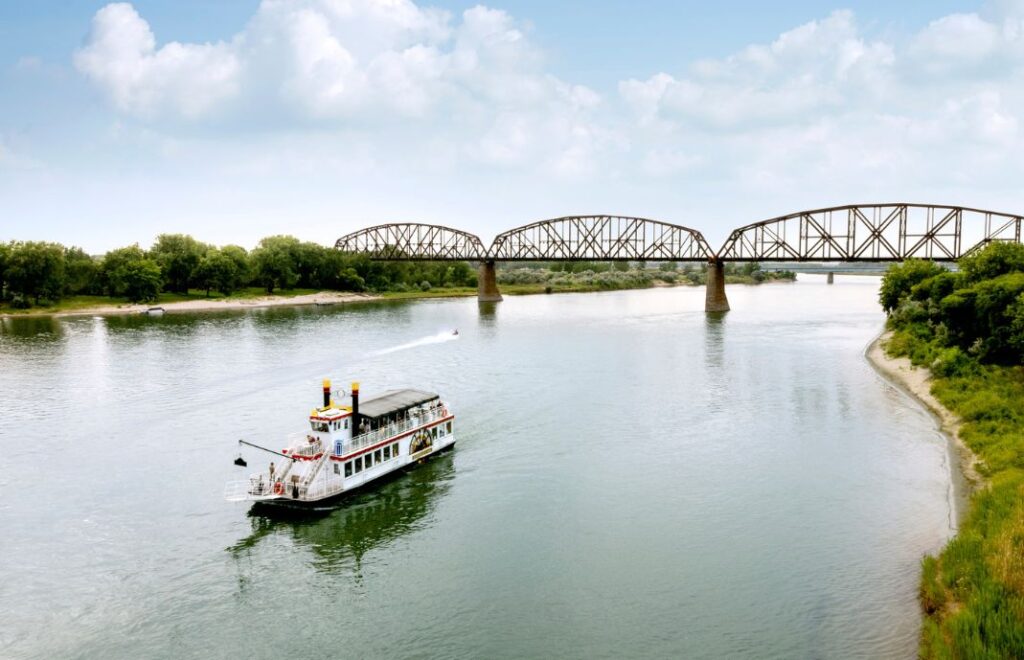
Across the river from Bismarck, Mandan carries a distinct identity shaped by railroads and industry. Its historic core reflects the town’s role as a transportation and trade hub, closely tied to the Missouri River.
Mandan feels practical and lived-in, with a strong connection to its working past. The river presence adds depth and continuity, grounding the town in both movement and memory.
Defining traits: Railroad heritage, river connection.
Devils Lake
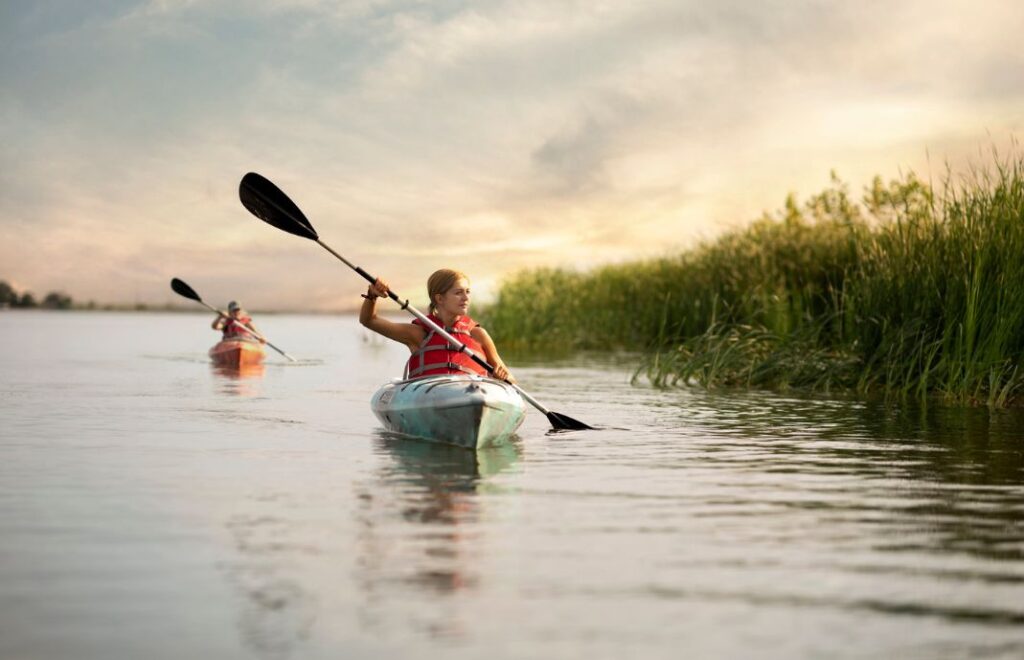
Devils Lake is defined by water and sky. The town’s character shifts with the seasons, shaped by changing light, weather, and the presence of one of North Dakota’s most significant lakes.
There is a sense of openness here that feels almost coastal in spirit, despite the inland setting. Beauty comes from rhythm – of seasons, reflections, and wide horizons that invite stillness and observation.
Defining traits: Water-centered landscape, seasonal atmosphere.
Valley City
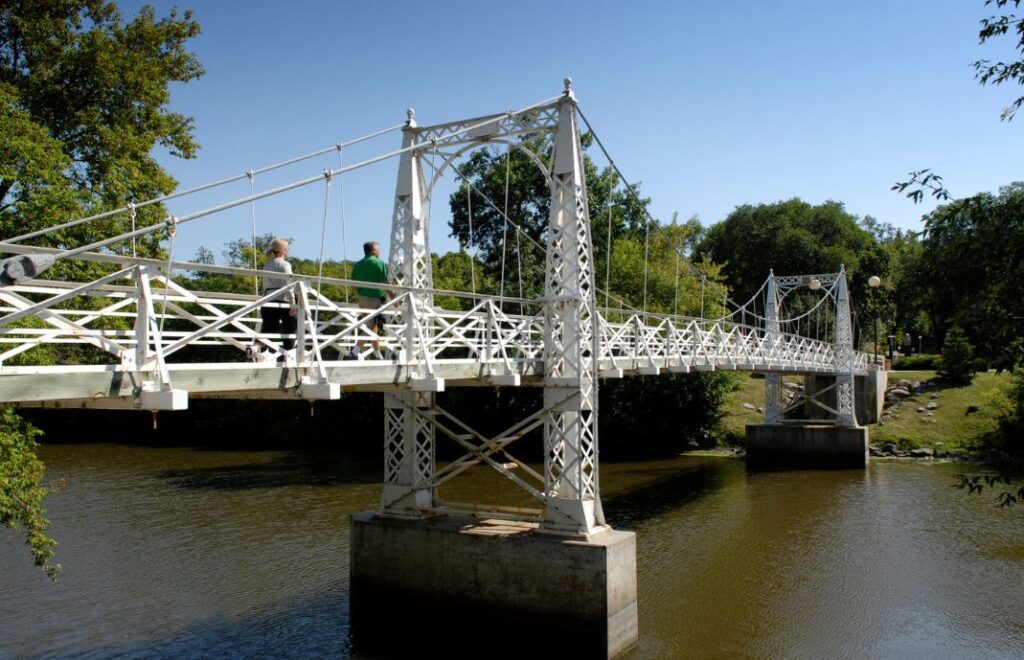
Valley City feels unexpectedly sculpted, set among hills and crossed by bridges that give it a rare sense of elevation in an otherwise flat state. The landscape creates movement and visual interest at every turn.
The town’s beauty lies in contrast – between rolling terrain and intimate streets, structure and softness. It feels contemplative and distinct, shaped as much by topography as by history.
Defining traits: Bridges and hills, unique elevation.
Dickinson
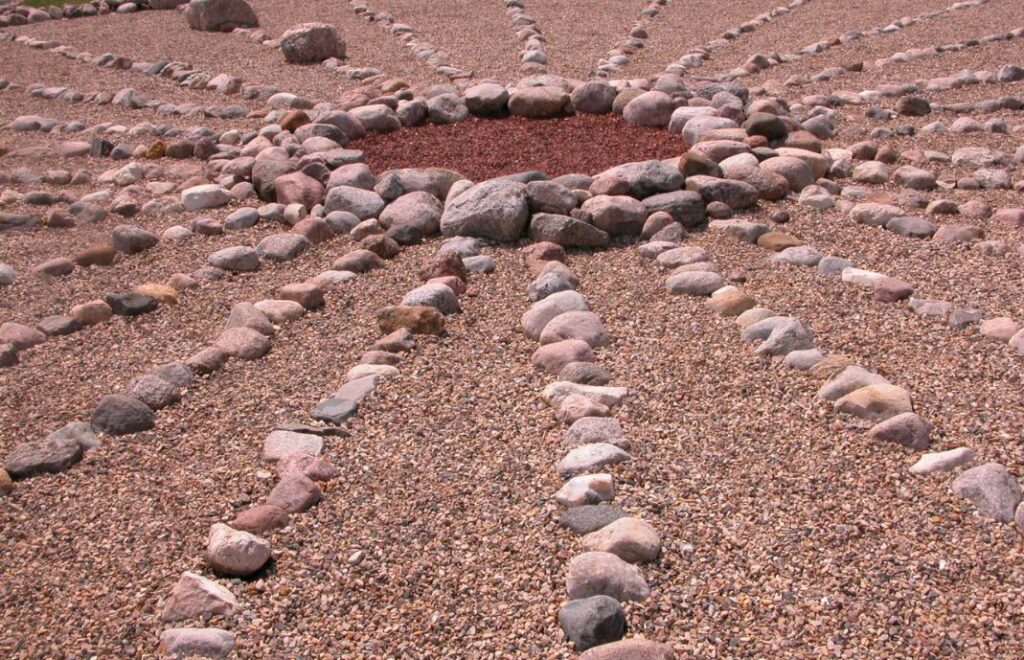
Dickinson sits at a crossroads of prairie and Badlands, carrying a strong Western identity without feeling performative. The town reflects resilience and adaptability, shaped by energy, agriculture, and frontier legacy.
Its setting gives it a transitional quality – neither fully plains nor fully rugged. That in-between feeling is what makes Dickinson compelling, offering a sense of movement and possibility.
Defining traits: Western character, prairie–Badlands transition.

Rugby
Rugby’s charm lies in its symbolism and self-awareness. Known for its geographic significance, the town embraces its identity with quiet pride and a touch of humor.
Beyond the label, Rugby feels distinctly local – shaped by community spirit and prairie surroundings. Its beauty comes from confidence rather than scale, proving that meaning can matter more than size.
Defining traits: Geographic symbolism, small-town pride.
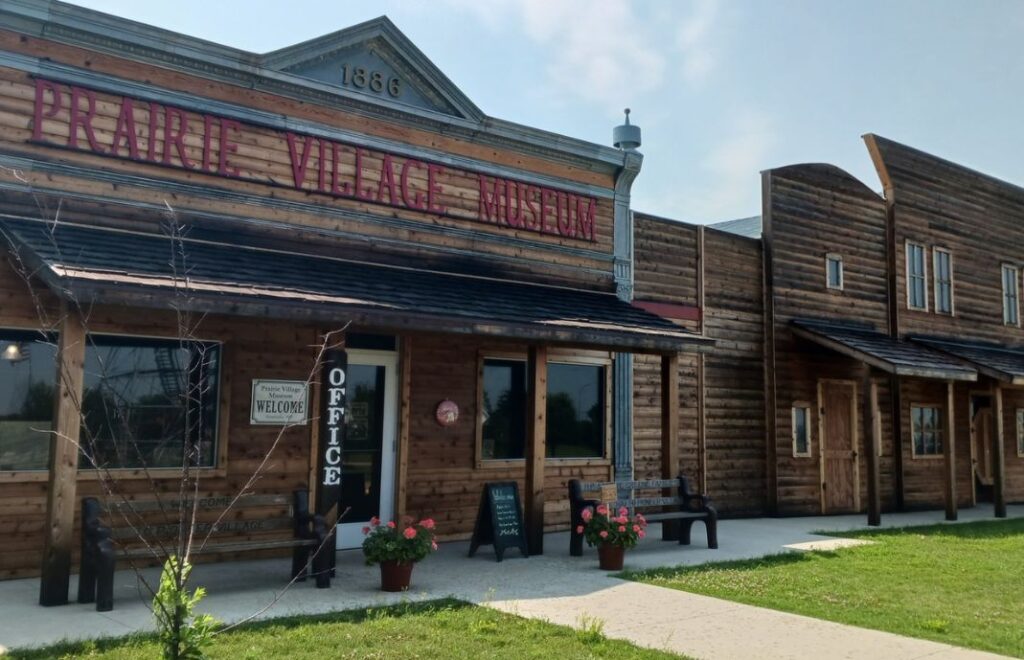
River towns, prairie towns, and frontier towns
North Dakota’s towns are inseparable from the landscapes that surround them. River towns grow with a sense of flow and continuity, shaped by water, trade, and long views that soften the edges of daily life. Prairie towns reflect openness and endurance, built for distance, weather, and a steady rhythm that values persistence over change.
Frontier towns, often closer to the Badlands or the state’s western edges, carry a different energy. It’s one shaped by transition, movement, and reinvention. Grouped together, these places reveal how geography does more than define scenery in North Dakota; it shapes identity, mindset, and the quiet beauty that gives each town its distinct character.
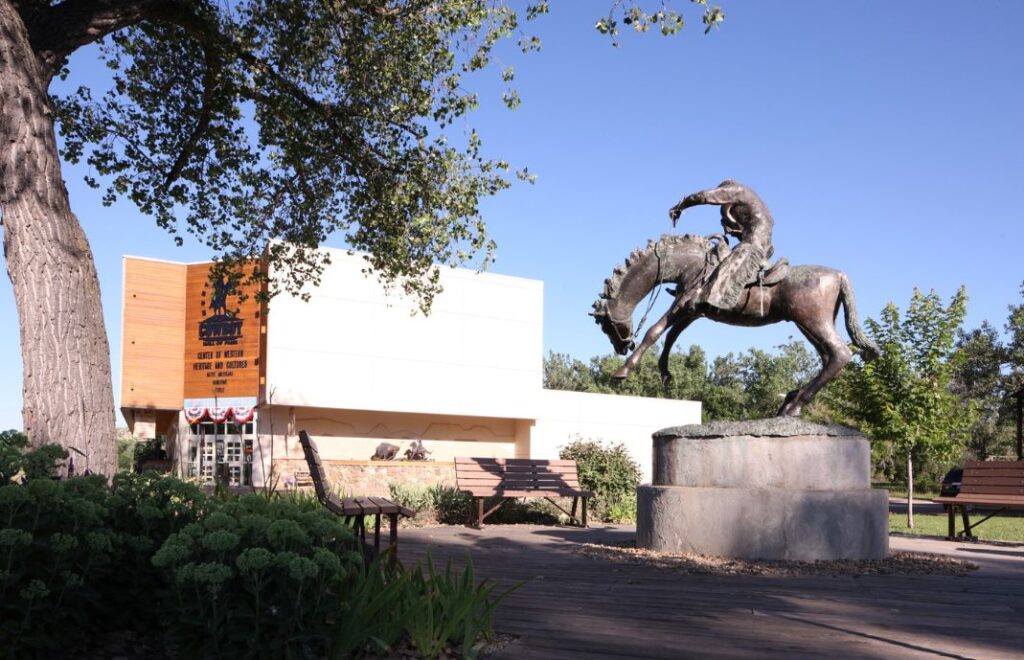
When to visit and what to expect
Timing plays an important role in how North Dakota reveals itself. The state’s beauty is closely tied to light, weather, and seasonal change, making certain times of year especially rewarding.
Summer and early fall tend to offer the most inviting conditions, with long days, open landscapes, and a sense of ease across towns and countryside alike. Colors shift subtly, skies feel expansive, and communities are at their most active. Visitors should come with the understanding that beauty here is often quiet rather than dramatic – found in atmosphere, space, and moments that unfold slowly rather than demand attention.
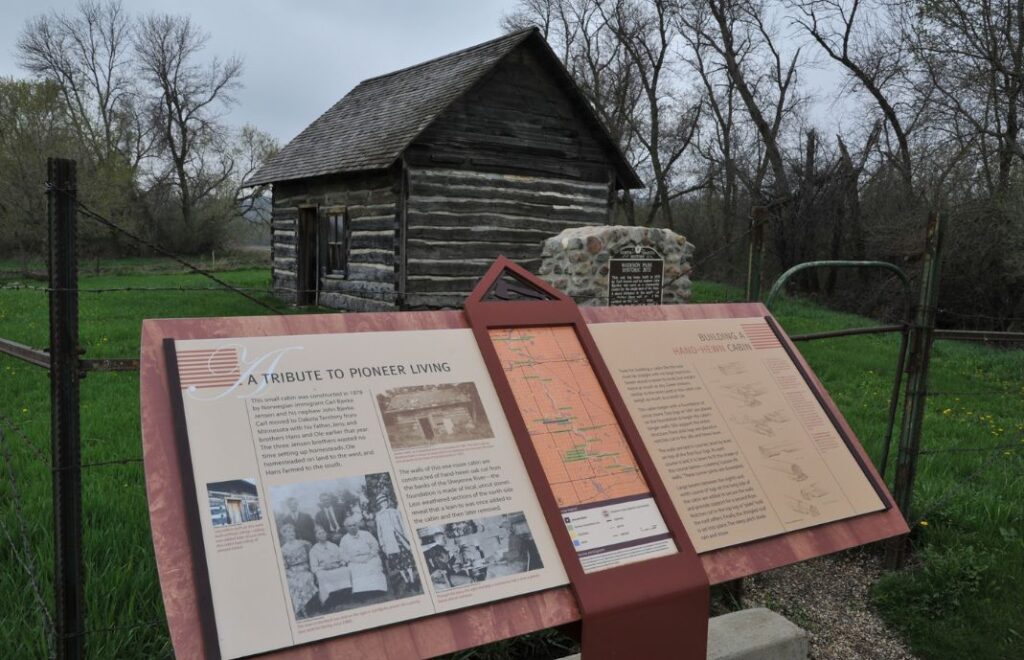
Why these places stay with you
What lingers after visiting these towns is not a single landmark or moment, but a feeling. North Dakota offers space in a way few places do. Space to think, to observe, and to slow down. The quiet is not empty; it is full of sky, distance, and subtle detail that invites reflection rather than distraction.
These places stay with you because they ask very little and offer a great deal in return. Far from noise and urgency, they create room for presence and perspective. The beauty here is understated but meaningful, rooted in landscape, community, and a sense of belonging that reveals itself gradually and remains long after the journey ends.
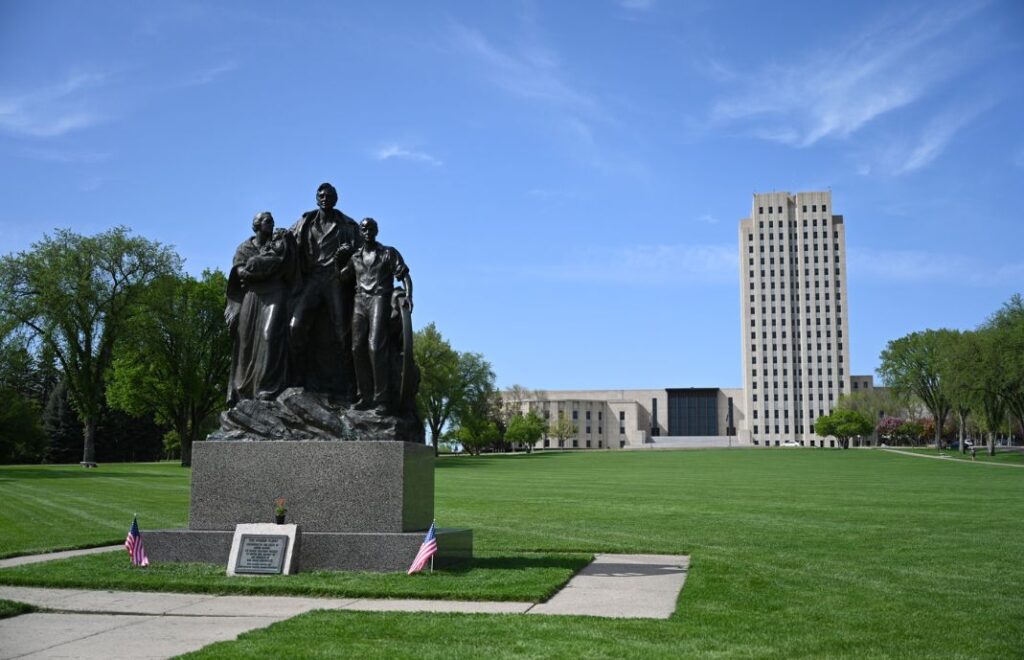
Who this journey is best for
This journey is best suited to travelers who appreciate the road as much as the destination. North Dakota rewards those who enjoy long drives, changing light, and the freedom to stop where curiosity leads rather than where signs point.
It appeals to slow travelers and photographers drawn to open space, subtle detail, and atmosphere over spectacle. Above all, it resonates with those interested in everyday America – places that may be overlooked at first glance, yet offer depth, character, and a strong sense of place once you take the time to look closer.
Main photo: North Dakota Tourism
This post is a collaboration with North Dakota Tourism. I am grateful for the wonderful cooperation.
