
Wyoming in winter is anything but quiet. When snow settles over the plains, mountains, and forests, the state transforms into a vast playground shaped by cold air, open space, and dramatic light. Landscapes that feel familiar in summer take on an entirely new character, inviting exploration rather than retreat.
When it comes to winter recreation, Wyoming has you covered. As the snow falls and temperatures drop, it is all about embracing the season rather than avoiding it. Here you can do everything from downhill to cross-country skiing, dog sledding, fat-tire biking and everything in between.
Winter in Wyoming reveals a side of the state that feels both wild and deeply atmospheric. It’s a time when movement slows, contrasts sharpen, and outdoor activities become as much about place as they are about thrill.
Here are some activities that prove why Wyoming is a genuine winter wonderland.
Dog sledding
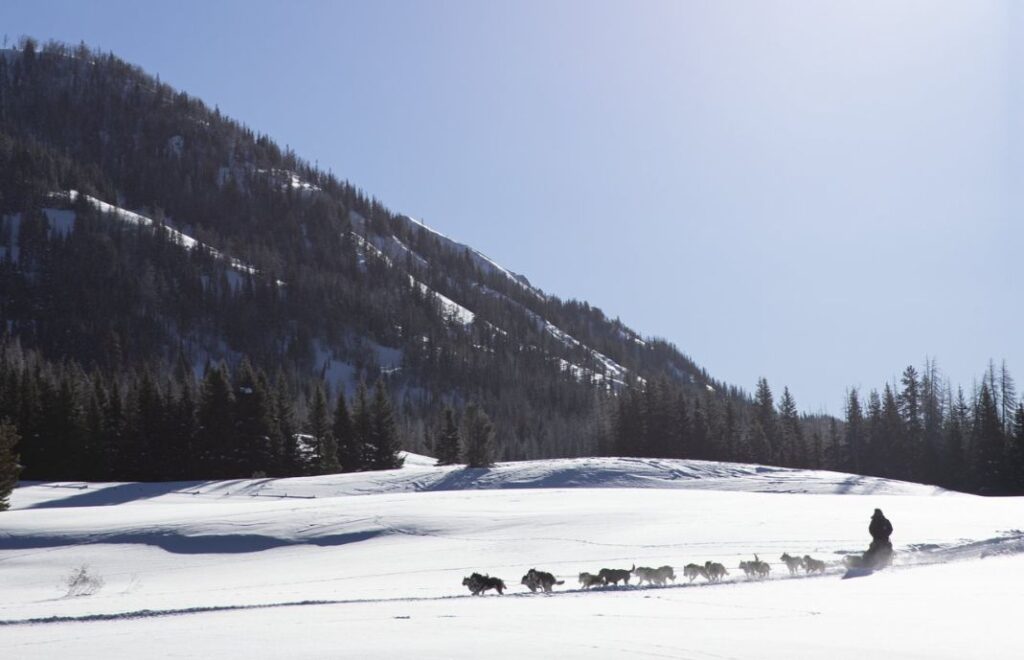
Dog sledding in Wyoming offers a direct connection to winter travel as it once was. Quiet, purposeful, and deeply tied to the landscape. Guided by a team of huskies, the experience is as much about rhythm and trust as it is about movement through snow-covered terrain. The sound of runners gliding over packed snow, broken only by the dogs’ breathing, creates a rare sense of immersion.
Some of the best dog sledding experiences can be found near Yellowstone National Park, where frozen forests and open meadows provide a dramatic backdrop. The Jackson Hole area is another popular base, combining mountain scenery with well-established outfitters. In western Wyoming, routes near Pinedale and the Togwotee Pass offer wide, snow-laden valleys and a more remote feel.
Whether you ride as a passenger or learn to drive the sled yourself, dog sledding provides a powerful sense of movement through Wyoming’s winter wilderness. It’s an experience that feels both timeless and deeply connected to the season.
Sleigh rides
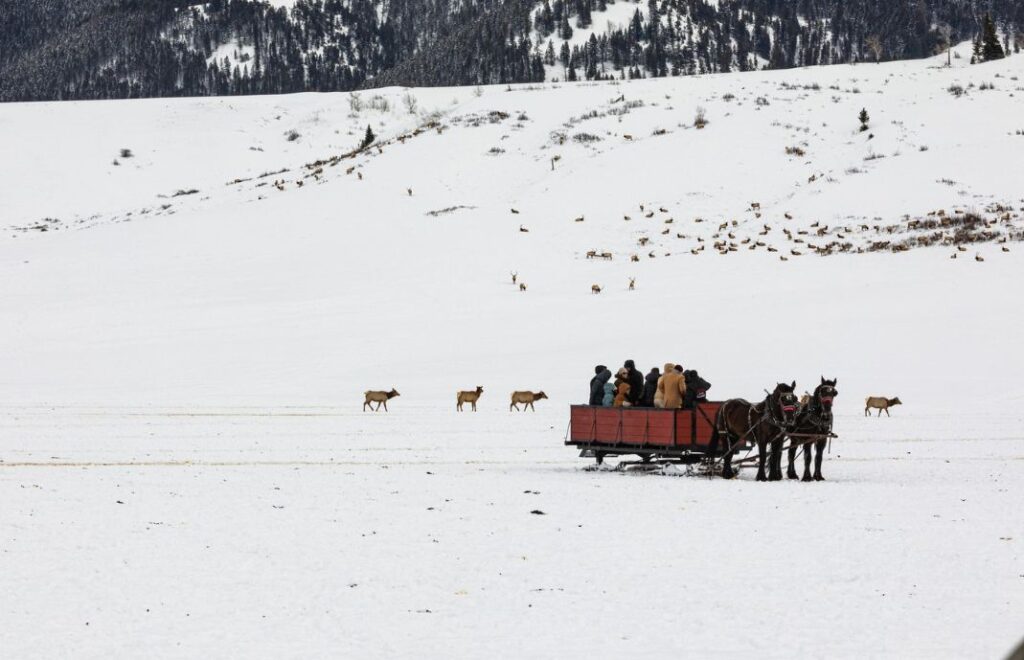
Sleigh rides offer a slower, more atmospheric way to experience Wyoming in winter, trading speed and adrenaline for quiet movement through snow-covered landscapes. Pulled by horses, the sleigh glides across open fields and frozen trails, creating a sense of calm that feels especially fitting in the colder months. Blankets, crisp air, and the steady rhythm of hooves turn the journey into an experience rather than a means of travel.
One of the most iconic places for sleigh rides is near National Elk Refuge, where winter sleighs travel among large elk herds against a backdrop of snow-covered mountains. The Jackson Hole area also offers scenic sleigh rides through open ranch land and forested valleys. In central Wyoming, locations near Dubois provide a quieter, more traditional setting with wide-open winter views.
Sleigh rides are well suited to travelers looking for a gentle outdoor experience that emphasizes scenery and stillness. They highlight a softer side of Wyoming’s winter, where the landscape speaks just as loudly as the activity itself.
Cross-country skiing
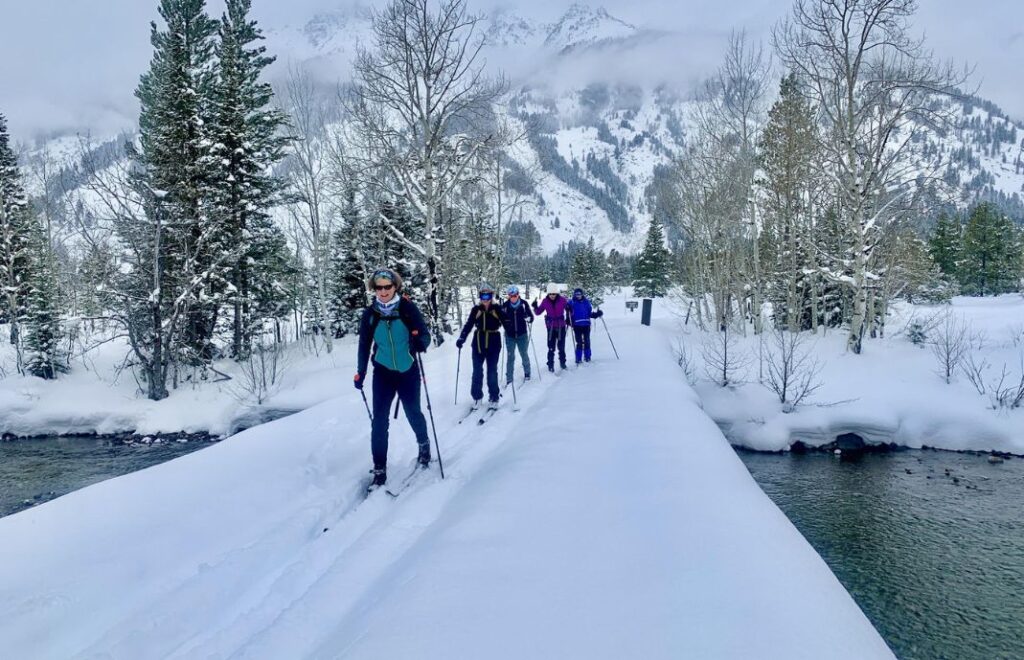
Cross-country skiing is one of the most immersive ways to experience Wyoming in winter, allowing you to move quietly through snow-covered forests, valleys, and open plains. The pace is unhurried, encouraging attention to detail. The crunch of snow, shifting light, and the vastness of the surrounding landscape. It’s an activity that emphasizes endurance and presence rather than speed.
Excellent cross-country skiing can be found in Grand Teton National Park, where groomed and ungroomed trails wind through frozen meadows beneath dramatic peaks. The Jackson Hole area offers an extensive trail network suitable for both beginners and experienced skiers. Farther north, trails near Yellowstone National Park provide a more remote and wildlife-rich setting, especially in winter-accessible areas.
Cross-country skiing suits those who enjoy self-powered exploration and a strong connection to place. In Wyoming, it transforms winter from a backdrop into an active, deeply engaging experience shaped by space, silence, and snow.
Downhill skiing
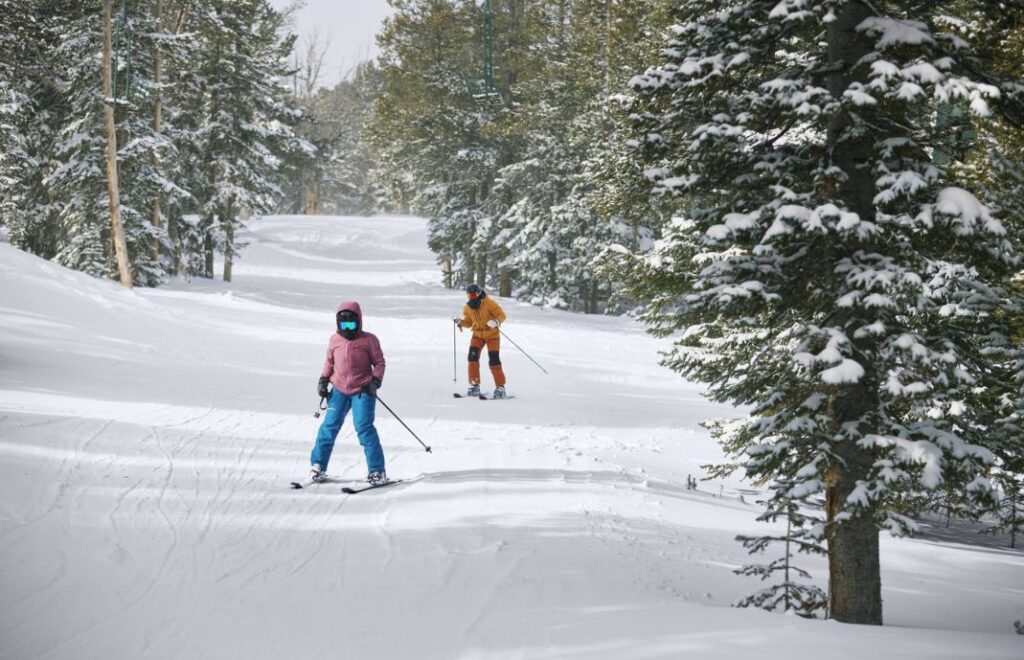
Downhill skiing in Wyoming is defined by space, terrain, and a sense of scale that few states can match. Resorts here feel integrated into the landscape rather than imposed on it, with wide-open bowls, steep faces, and long vertical drops shaped by natural mountain contours. Snow conditions are often dry and reliable, creating excellent skiing throughout the winter season.
The most well-known downhill skiing is found in Jackson Hole Mountain Resort, famous for its challenging terrain and dramatic setting beneath the Tetons. For a more relaxed atmosphere, Grand Targhee Resort offers expansive slopes, deep snow, and wide-open views. In southeastern Wyoming, Snowy Range Ski Area provides a smaller, community-focused experience with consistent snowfall and uncrowded runs.
Downhill skiing in Wyoming suits those who value quality terrain over polished resort scenes. Whether tackling steep expert lines or cruising long groomers, the experience is shaped by altitude, snow, and an unmistakable sense of wilderness just beyond the lift lines.
Snowshoeing
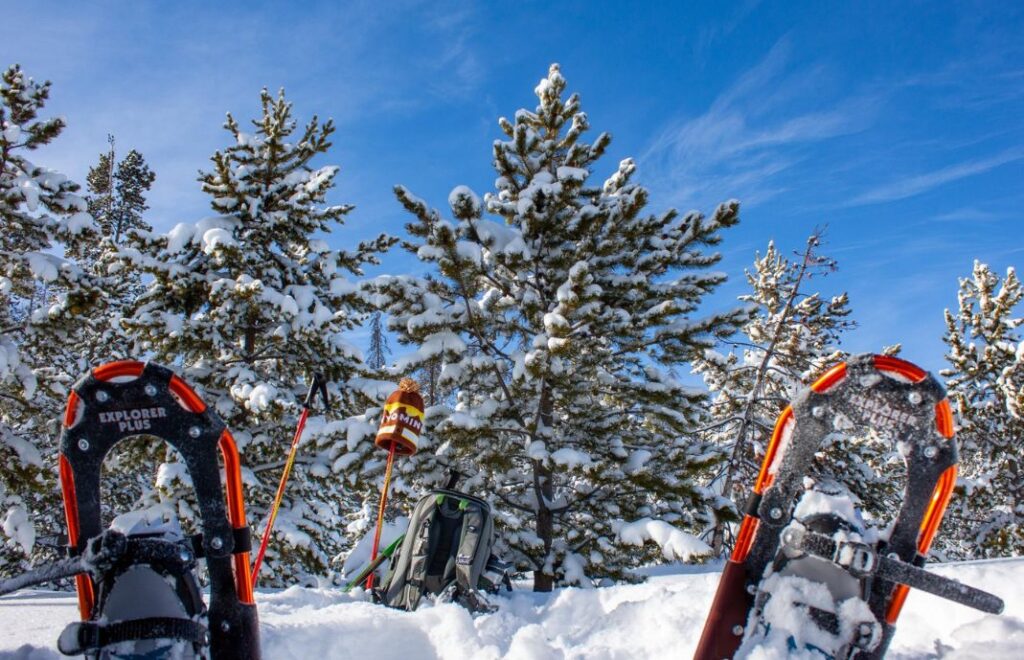
Snowshoeing is one of the most accessible and rewarding winter activities in Wyoming, requiring little technical skill while offering deep access to snowy landscapes. With wide flotation underfoot, you can move easily across fresh powder, stepping beyond groomed trails and into quieter corners of the wilderness. The experience feels intimate and deliberate, perfectly suited to winter’s slower rhythm.
Some of the best snowshoeing can be found in Grand Teton National Park, where frozen meadows and forested trails provide sweeping views of the Tetons. Yellowstone National Park also offers exceptional opportunities, especially along winter-accessible routes where geothermal features steam against the cold air. In southern Wyoming, areas near Snowy Range provide high-elevation scenery and reliable snow conditions.
Snowshoeing allows travelers to explore Wyoming’s winter landscapes at their own pace. It’s ideal for those seeking solitude, gentle exercise, and a strong sense of connection to snow-covered forests and open terrain.
Fat biking
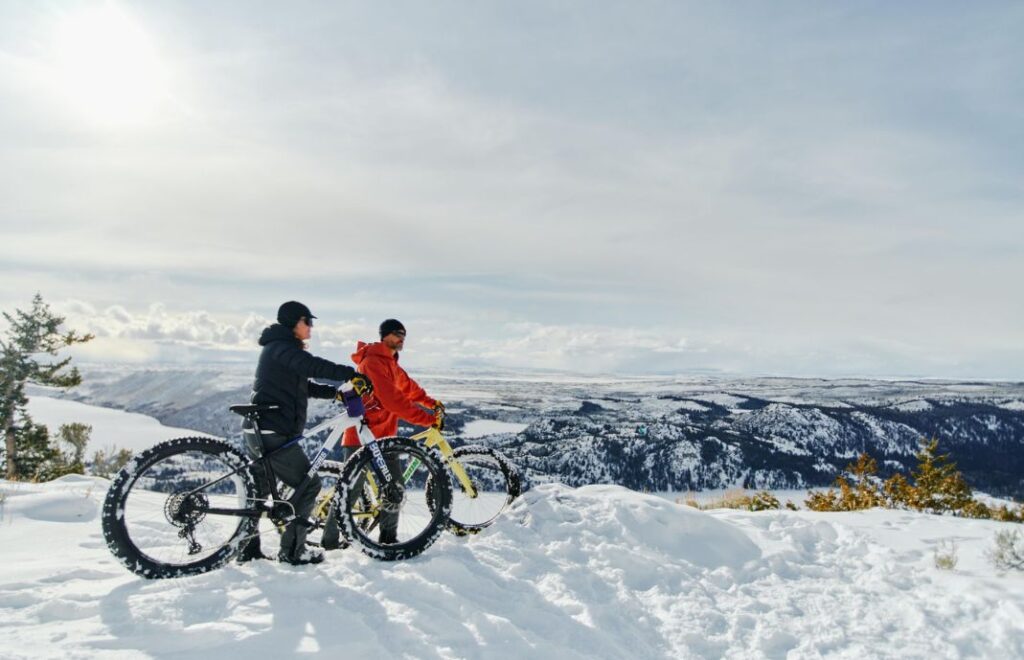
Fat biking has become one of the most popular ways to explore Wyoming in winter, allowing cyclists to ride confidently over snow-packed trails and frozen terrain. With oversized tires designed for traction and stability, fat bikes make it possible to move through winter landscapes that would otherwise be inaccessible on two wheels. The experience is active and playful, blending physical effort with the quiet immersion of winter travel.
Some of the best fat biking can be found in Jackson Hole, where groomed winter trails and forest roads provide varied terrain and stunning mountain views. Teton Valley also offers excellent riding conditions, with wide-open spaces and a strong trail network adapted for winter use. In southeastern Wyoming, the Laramie area features accessible trails and reliable snow, making it a great option outside the main mountain hubs.
Fat biking appeals to travelers looking for a dynamic winter activity that still allows for independence and exploration. In Wyoming, it offers a fresh way to experience snow-covered landscapes – fast enough to cover distance, yet slow enough to stay connected to the place you’re riding through.
Snowmobiling
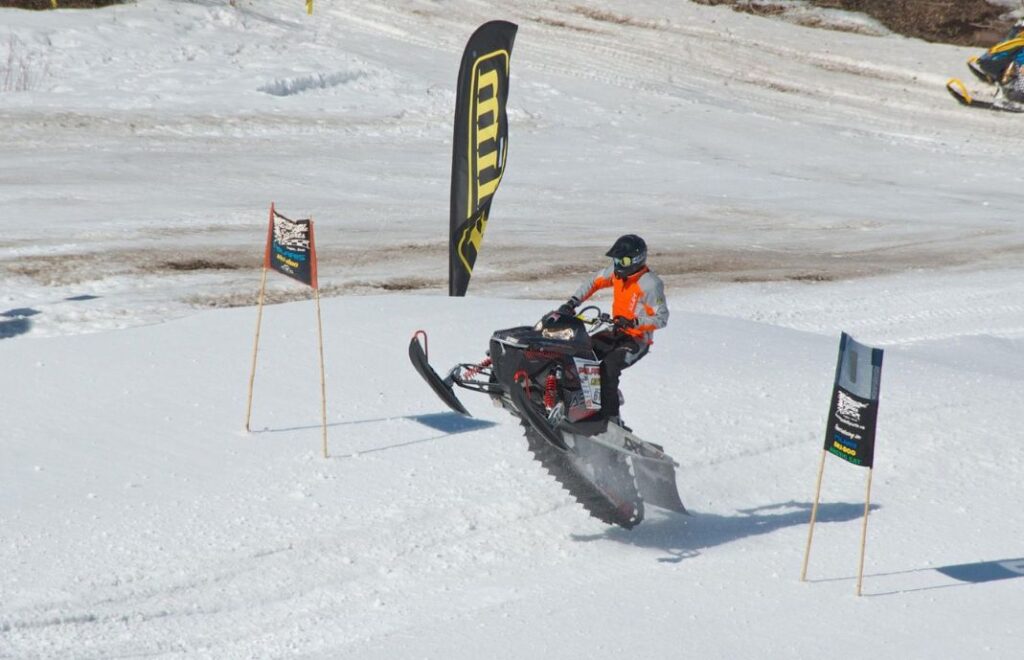
Snowmobiling is one of Wyoming’s most iconic winter activities, offering the ability to cover long distances across snow-covered terrain that would otherwise be difficult to access. It combines speed with expansive scenery, allowing riders to move from forested trails to wide-open meadows and high mountain passes in a single outing. The experience is defined by scale and freedom, with winter landscapes unfolding rapidly around you.
Some of the best snowmobiling in the state is found near Togwotee Pass, known for deep snow and extensive trail systems. The Jackson Hole area offers a mix of groomed routes and backcountry access, catering to both beginners and experienced riders. In western Wyoming, areas near Pinedale and the Bighorn Mountains provide diverse terrain and a more remote feel.
Snowmobiling suits travelers who want to experience Wyoming’s winter vastness without moving slowly. It delivers an adrenaline-infused way to explore the state’s snowy backcountry while remaining closely connected to the land.
Ice climbing
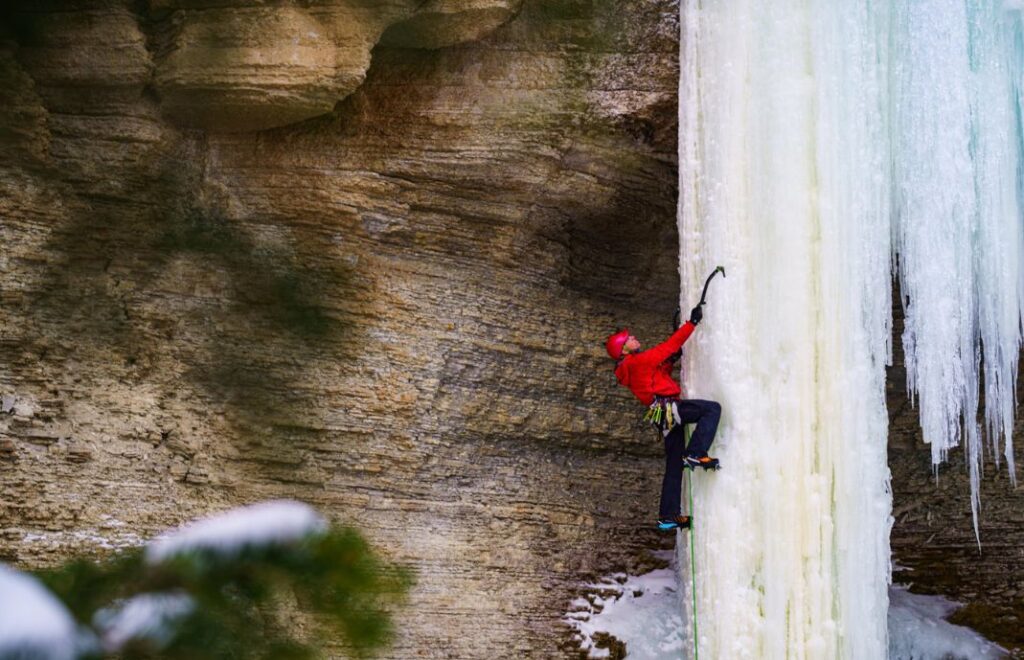
Ice climbing in Wyoming offers a raw and technical winter experience, shaped by cold temperatures, frozen waterfalls, and dramatic canyon walls. It’s a physically demanding activity that rewards precision, focus, and respect for changing conditions, making it best suited to experienced climbers or those accompanied by certified guides. The vertical nature of the sport brings you face to face with winter in its most elemental form – ice, rock, and exposure.
Some of the best ice climbing in the state can be found near Cody, where frozen flows in surrounding canyons create world-class routes each winter. The South Fork Shoshone River area is particularly well known for reliable ice conditions. In western Wyoming, ice climbing opportunities also exist near Jackson Hole, often accessed through guided outings when conditions allow.
Ice climbing highlights Wyoming’s winter intensity rather than its comfort. It’s an activity for those drawn to challenge and vertical landscapes, offering a powerful sense of accomplishment and a rare perspective on the state’s frozen terrain.
Hot springs
Soaking in a hot spring is one of the most restorative ways to experience Wyoming in winter, offering warmth and stillness against a backdrop of snow and cold air. Steam rises into crisp mountain landscapes, creating a striking contrast that feels both elemental and deeply relaxing. These geothermal waters invite pause, turning winter into something to embrace rather than endure.
One of the most accessible hot spring experiences is in Thermopolis, home to naturally heated mineral pools set along the Bighorn River. Nearby, Hot Springs State Park provides year-round soaking in a historic setting. In western Wyoming, Granite Hot Springs offers a more remote experience, especially atmospheric when surrounded by snow-covered forests. Southern Wyoming’s Saratoga is known for its long-standing hot springs tradition and relaxed, local feel.
Hot springs appeal to travelers looking to balance winter activity with rest and recovery. In Wyoming, they offer a rare combination of natural warmth, open space, and quiet – making them a perfect complement to days spent exploring the cold.

Yurt trips
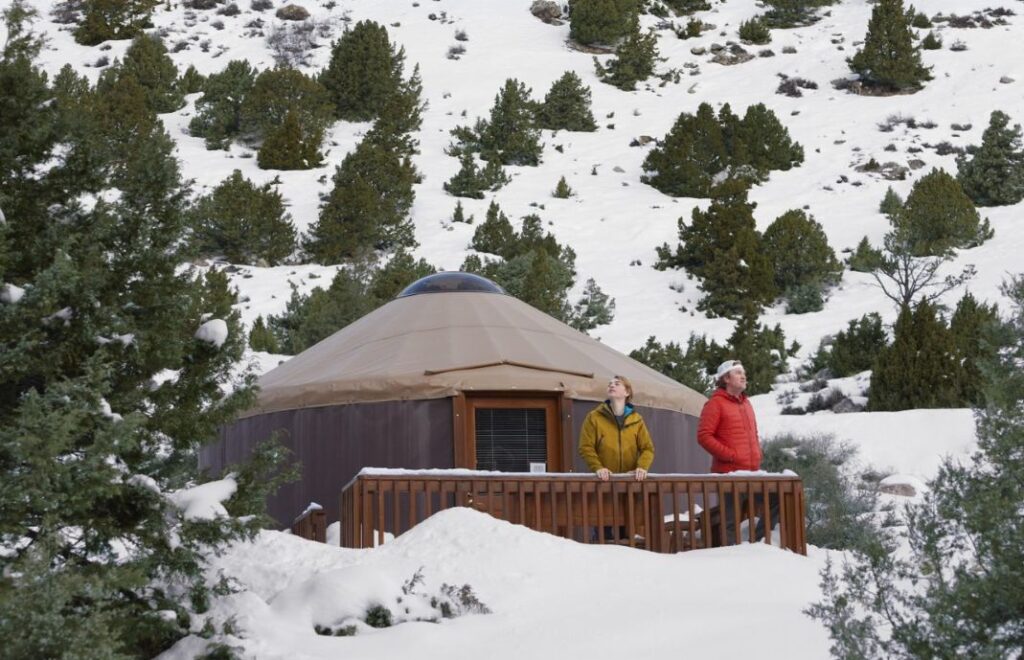
Yurt trips in Wyoming combine winter adventure with comfort, offering a memorable way to spend the night deep in snowy landscapes. Reached by skis, snowshoes, or snowmobiles, these backcountry shelters provide warmth and shelter while keeping you closely connected to the environment. Evenings are quiet and atmospheric, shaped by firelight, cold air, and a sense of isolation that feels both peaceful and grounding.
Some of the most popular yurt trips are found near Snowy Range, where winter-accessible yurts sit among high-elevation forests and open alpine terrain. The Jackson Hole area also offers well-established yurt options, often set in scenic valleys with views of surrounding peaks. In western Wyoming, locations near Pinedale provide a more remote feel, ideal for travelers seeking solitude.
Yurt trips are as much about the journey as the destination. They appeal to those who enjoy self-powered travel, shared evenings indoors, and the rare experience of waking up surrounded by untouched snow.
Main photo: Wyoming Office of Tourism
This post is a collaboration with Wyoming Office of Tourism. I am grateful for their cooperation.
