
Before I fully understood what I was walking into, there was dust in the air, boots on gravel, and a low, constant murmur that felt more like anticipation than noise. Cowboys in worn hats moved with quiet confidence and families filled the stands. The arena sat waiting – sunlit, vast, and charged with energy. It didn’t feel like arriving at a show; it felt like stepping into something already in motion.
I came with curiosity and a fair amount of hesitation (I am a big animal lover). Rodeo carries weight, history, and complexity, and I was aware that this wouldn’t be a simple experience. Yet as Cheyenne Frontier Days unfolded, what struck me most was how real it felt. Nothing was polished or theatrical. The focus, the tension, the skill – everything demanded attention and respect. In that moment, I realized I wasn’t just watching an event; I was witnessing a tradition that continues to live, breathe, and evolve in the heart of the American West.
On Cheyenne Frontier Days you feel the thrill, the lights, the excitement and the pulse. This is heart-pounding rodeo at its best. For that one evening you become a part of Western culture. It’s an experience that stays with you. Long after the dust settles.
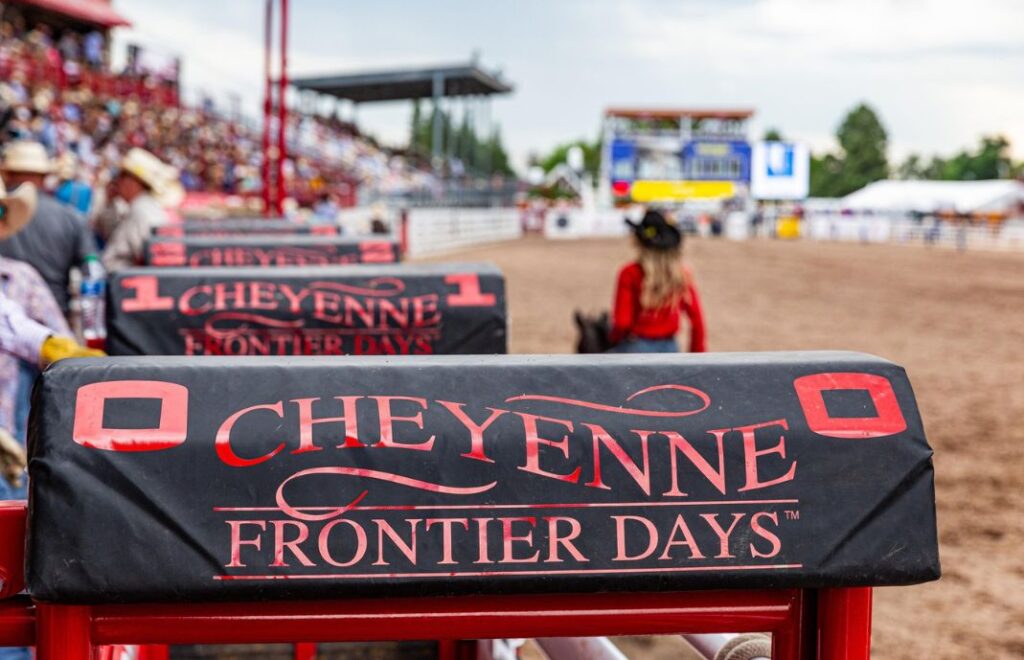
What Cheyenne Frontier Days really is
Cheyenne Frontier Days is not simply a rodeo or an annual festival. It is a cultural institution with deep roots in the American West. Held for more than a century, it has grown into the largest outdoor rodeo in the world while remaining closely tied to the community that hosts it. This isn’t a reenactment of the past; it’s a continuation of it.
At its core, Frontier Days is about skill, tradition, and identity. The events on display are grounded in working practices that once defined survival and livelihood across the region. What unfolds in the arena reflects generations of knowledge, discipline, and respect for the craft. To understand Cheyenne Frontier Days is to see it not as entertainment alone, but as a living expression of Western culture. One that still matters and still belongs to the people who carry it forward.
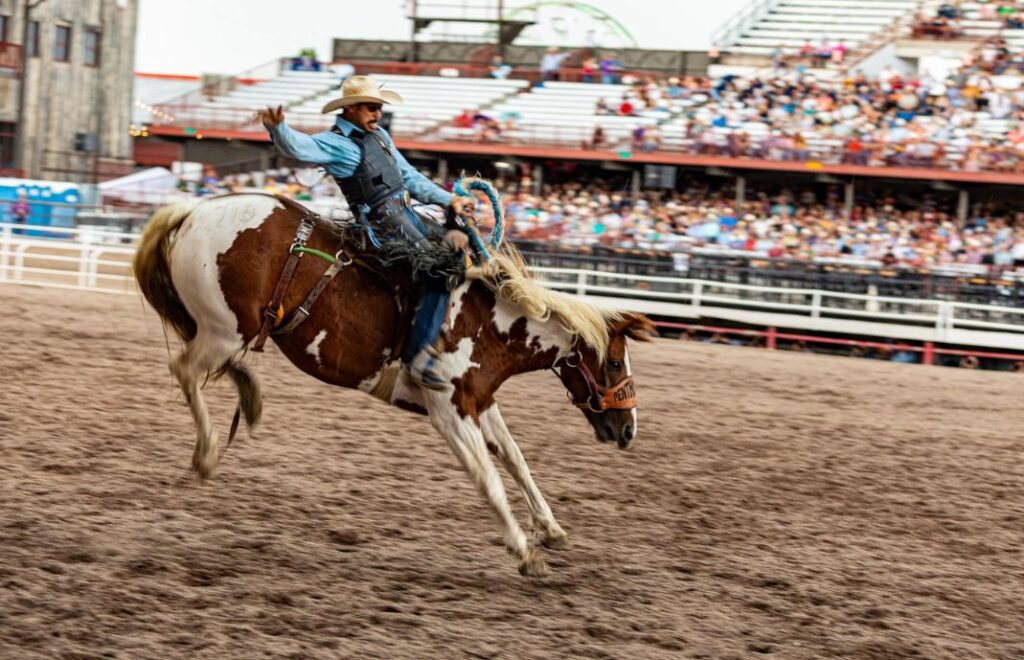
Watching the West in motion
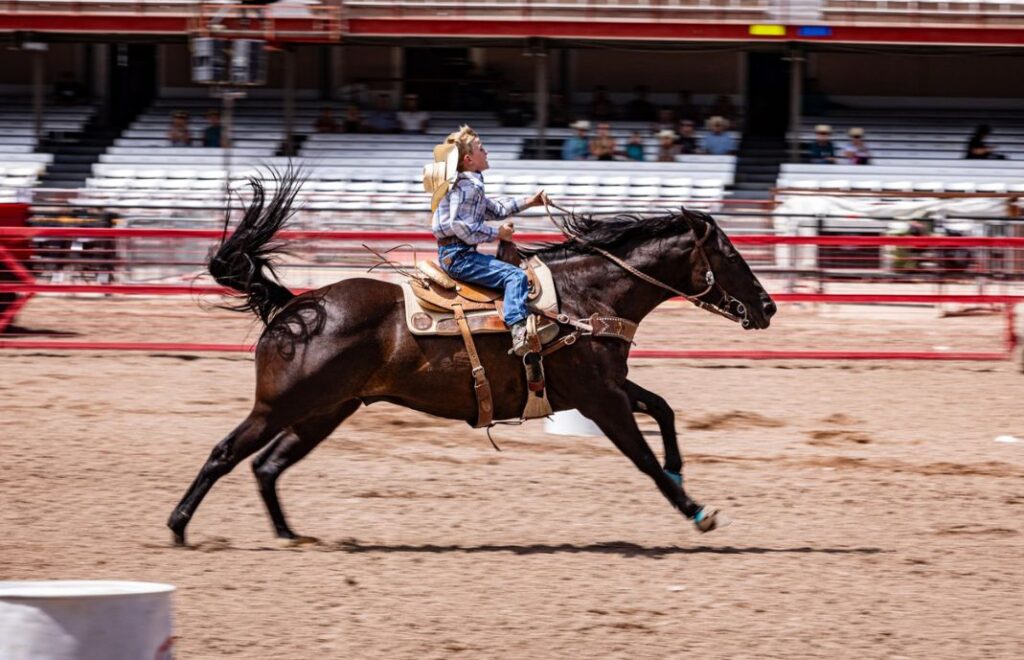
Sitting in the stands, I found myself watching less for spectacle and more for intention. Every movement in the arena carried out a purpose. Horses responding to subtle cues, riders focused with an intensity that left no room for distraction. There was a quiet dialogue happening between human and animal, one built on trust, training, and shared awareness.
I was struck by how much discipline and attentiveness was required on both sides. This wasn’t chaos or bravado; it was precision under pressure. In those moments, the West didn’t feel like a distant idea or a romantic image. Instead, it felt present, alive, and unfolding in real time, one measured action after another.
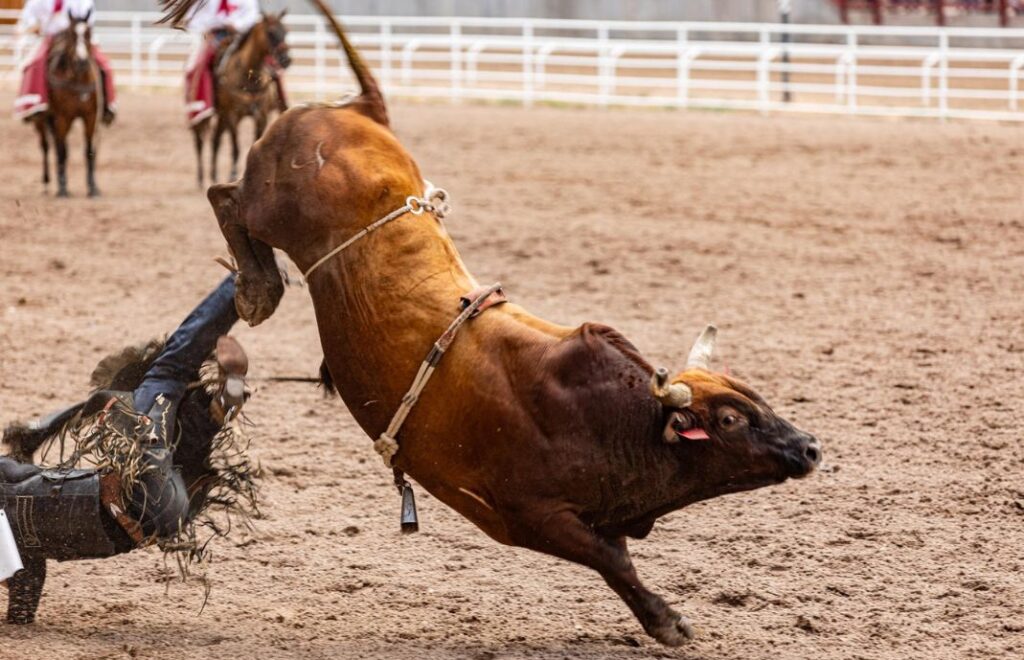
The history behind the spectacle
Cheyenne Frontier Days began in the late 19th century, at a time when the American West was rapidly changing. What started as a way to celebrate local skills and bringing the community together soon became an annual tradition, rooted in the realities of ranching life and the spirit of a growing frontier town.
Over the decades, the event expanded in size and reputation, but its foundation remained the same. It evolved alongside the West itself, adapting to new times while holding on to its core values. Understanding this history adds depth to the experience, revealing that what happens in the arena today is connected to generations of people who helped shape the region long before it became part of popular imagination.
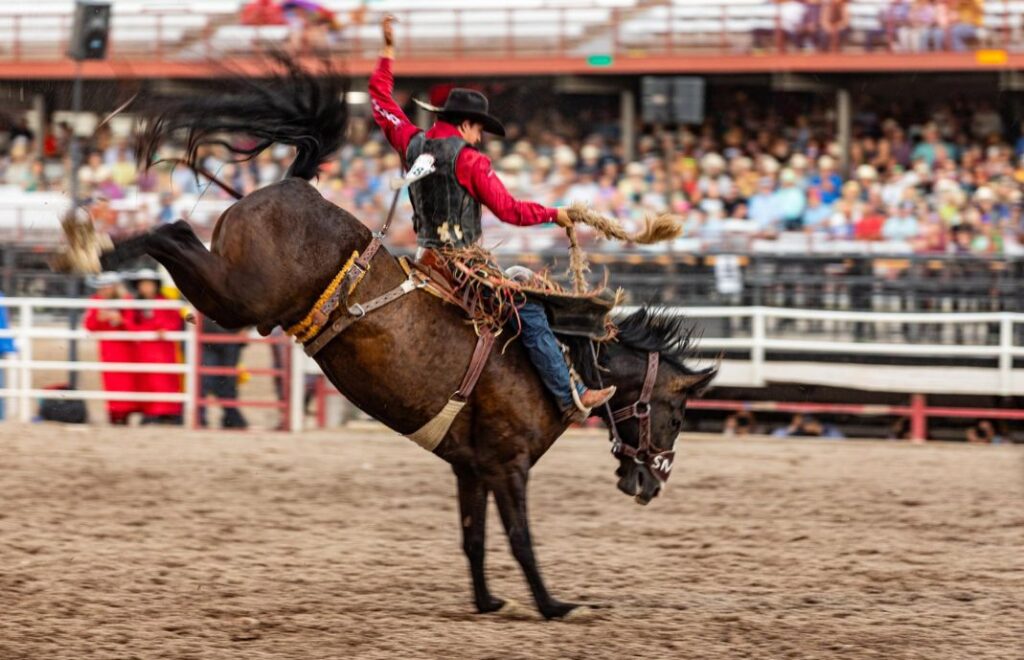
Rodeo as skill, not performance
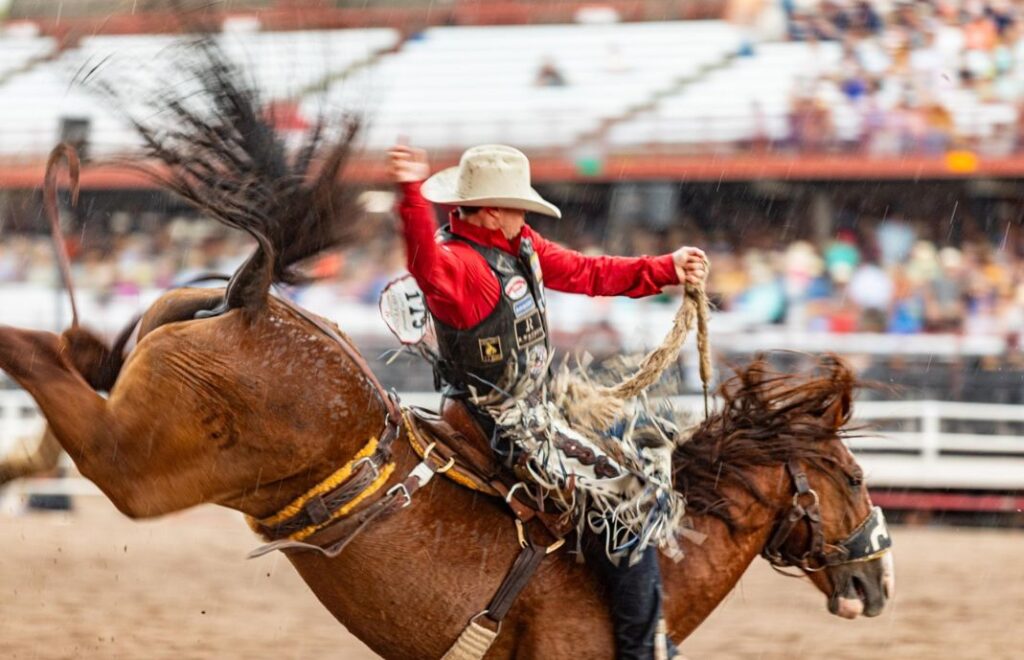
Watching the events unfold, it becomes clear that rodeo is not about showmanship alone. The techniques on display are the result of years – often a lifetime – of practice, shaped by work that once had practical purpose on ranches and open land. Strength, balance, timing, and awareness all come into play within seconds.
What stood out to me was how little room there was for error. Every movement mattered, and every decision carried consequences. The arena was not a stage in the traditional sense, but a place where experience and instinct met under pressure. Seeing rodeo through this lens shifted my understanding, revealing it as a demanding skill rooted in tradition rather than a performance designed purely for spectacle.
The atmosphere beyond the arena
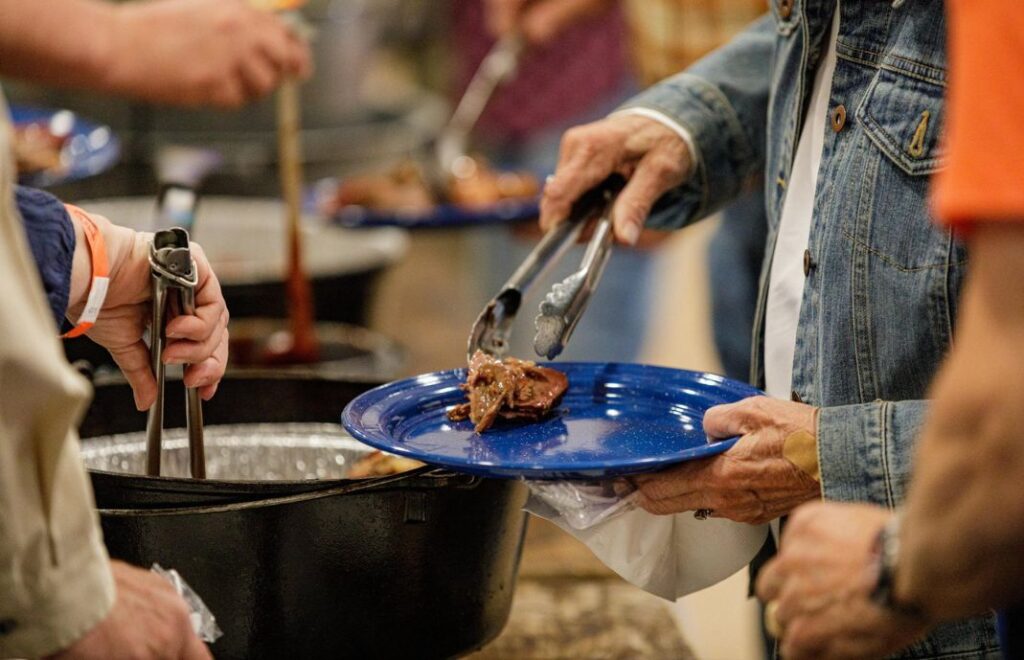
What happens outside the arena is just as revealing as what happens within it. Streets fill with conversation, laughter, and the steady rhythm of boots on pavement. Families return year after year, locals greet one another with familiarity, and visitors are folded into the flow of the city as Cheyenne shifts into a shared mode of celebration.
There is a sense of openness during Frontier Days. A feeling that the city is not performing for outsiders, but inviting them in. Music drifts through the air, parades move through historic streets, and everyday routines make space for tradition. It’s in these moments, away from the spotlight, that Frontier Days feels most human: rooted in community, memory, and collective pride.
Ethical reflection and respect for animals
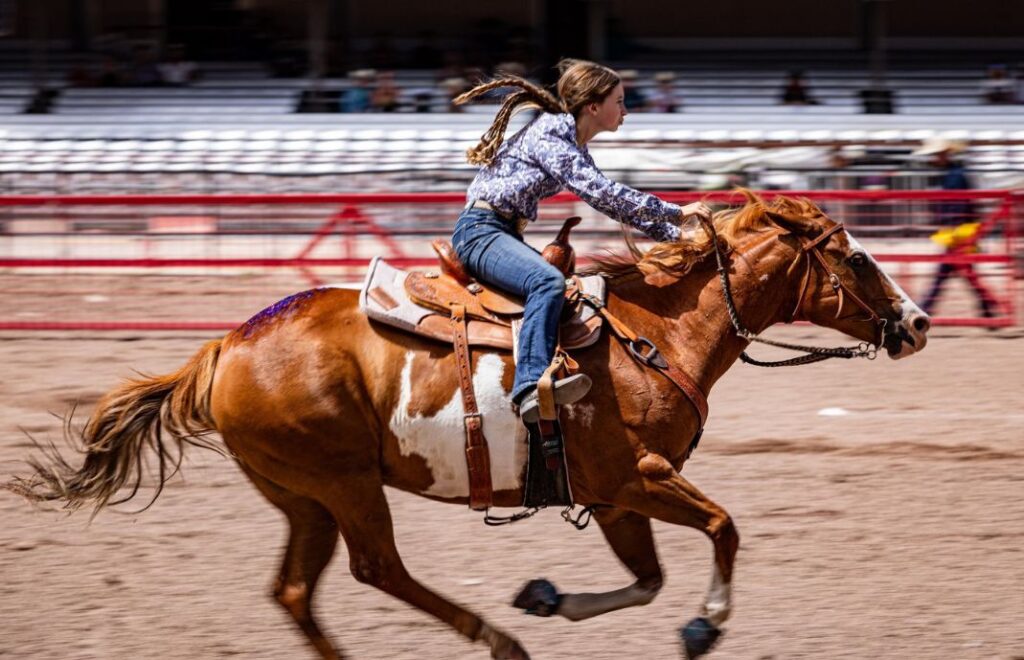
As an animal lover, this was the part of the experience I approached with the most thought. Rodeo inevitably raises questions, and it’s important not to ignore them. Looking closely, what became apparent was the level of care, training, and responsibility involved, along with the seriousness with which participants approached their animals. Nothing felt casual or careless.
That doesn’t mean the experience is without complexity. Rather, it invites reflection. Frontier Days is not about denying those questions, but about engaging in a tradition that has evolved alongside changing attitudes toward animal welfare. Respect here is not passive; it is practiced through rules, oversight, and a shared understanding that the animals are central, not secondary, to everything that takes place.
Why Frontier Days still matters
Cheyenne Frontier Days endures because it represents continuity in a world that often moves too quickly to remember where it came from. It is a reminder that traditions can remain relevant when they are lived rather than preserved as artifacts. What happens here is not about nostalgia for a vanished past, but about maintaining a connection to values shaped by land, work, and community.
In an age of increasingly curated experiences, Frontier Days stands out for its authenticity. It asks visitors to observe, reflect, and engage rather than simply consume. Its lasting importance lies in its ability to bridge generations. Honoring history while remaining firmly rooted in the present – and in doing so, it keeps a vital part of Western identity alive and meaningful.
Practical visitor guide
For those inspired to experience Cheyenne Frontier Days firsthand, a bit of practical insight helps set expectations. The following guide offers a simple framework for planning a visit while staying true to the spirit of the event.
When it takes place
Cheyenne Frontier Days is held annually in late July, when the city is at its most vibrant. Planning ahead is essential, as this is Cheyenne’s busiest time of year.
Tickets & access
Events range from major rodeo performances to parades and community activities. Some require tickets, while others are open and woven into the city itself.
Where to stay
Accommodation fills quickly during Frontier Days. Staying in or near Cheyenne allows you to experience the atmosphere beyond the arena, especially in the evenings.
What to expect
Days can be hot, dusty, and energetic. Comfortable clothing, sun protection, and an open mind go a long way. This is an immersive experience rather than a polished show.
How to approach the experience
Come curious, observant, and respectful. Frontier Days reward those who take time to watch, listen, and understand rather than rush from event to event.
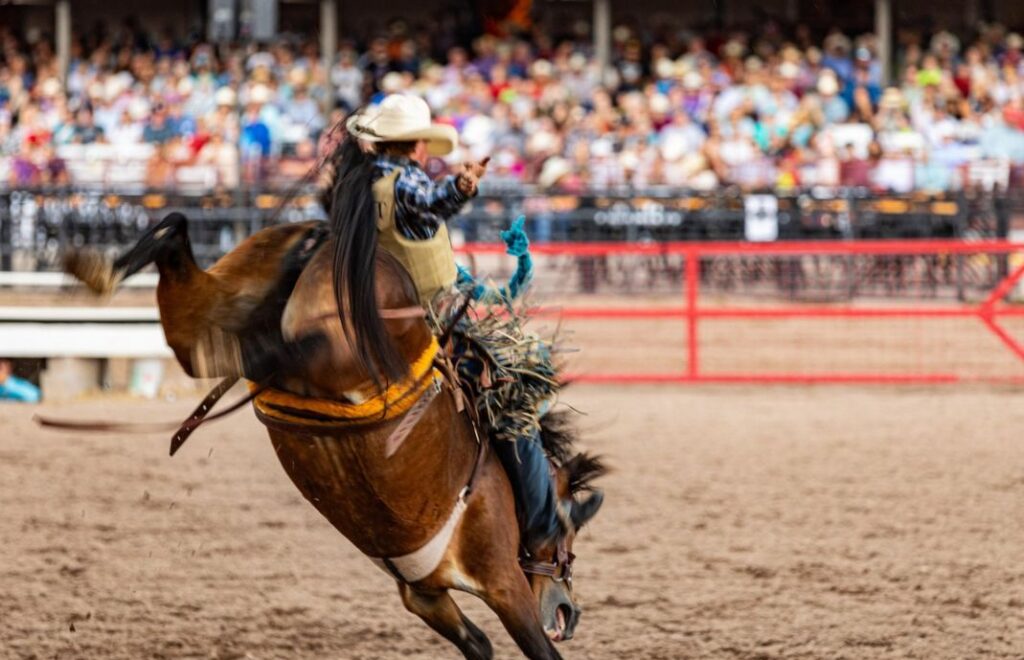
Main photo: Wyoming Office of Tourism
This post is a collaboration with Wyoming Office of Tourism. I am grateful for the cooperation.
