
Africa, the most unique continent in the world. A continent with so many bucket-list experiences, it is hard to choose what to tick off. An abundance of wildlife, natural wonders, amazing lodges and camps, an alluring landscape to soak in, and incredible sunsets.
Planning a safari holiday is exciting, but it can also feel overwhelming. Which country should you choose? When is the best time to travel? Should you stay in a lodge or a tented camp? And how do you know which safari experience is right for you?
A safari is often a once-in-a-lifetime trip, so it is worth taking the time to plan it well. These tips will help you understand what to think about before booking your African safari. That way you can choose the experience that best matches your travel style, expectations, and sense of adventure.
1. Know when you want to go
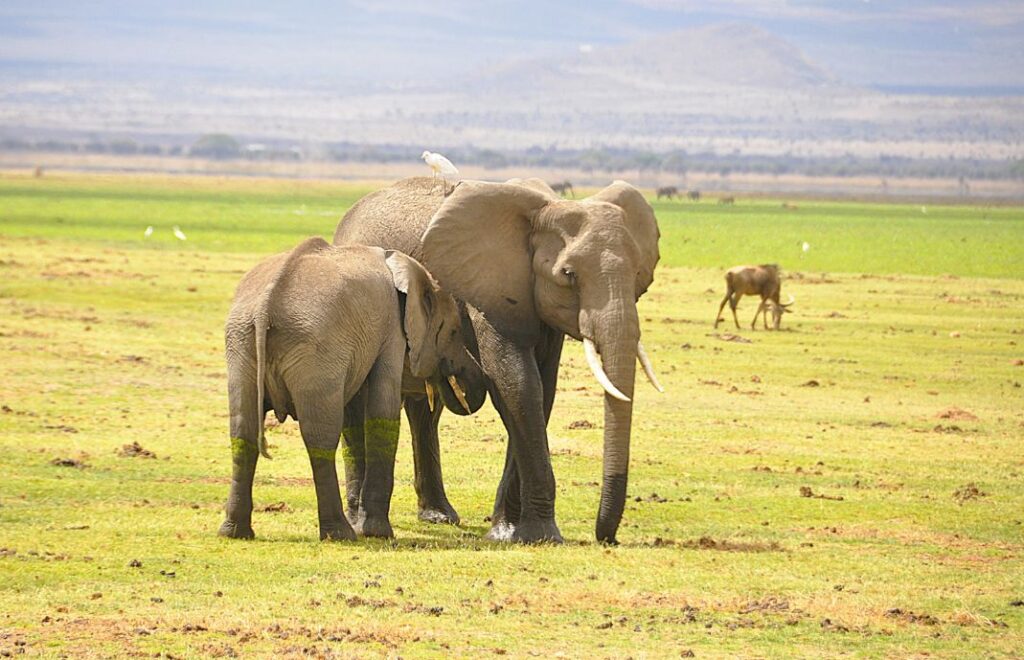
Timing is everything when it comes to Africa and can make a big difference to the experience. Africa is huge, and the best time to travel depends on where you are going, what you want to see, and what kind of safari you are dreaming of.
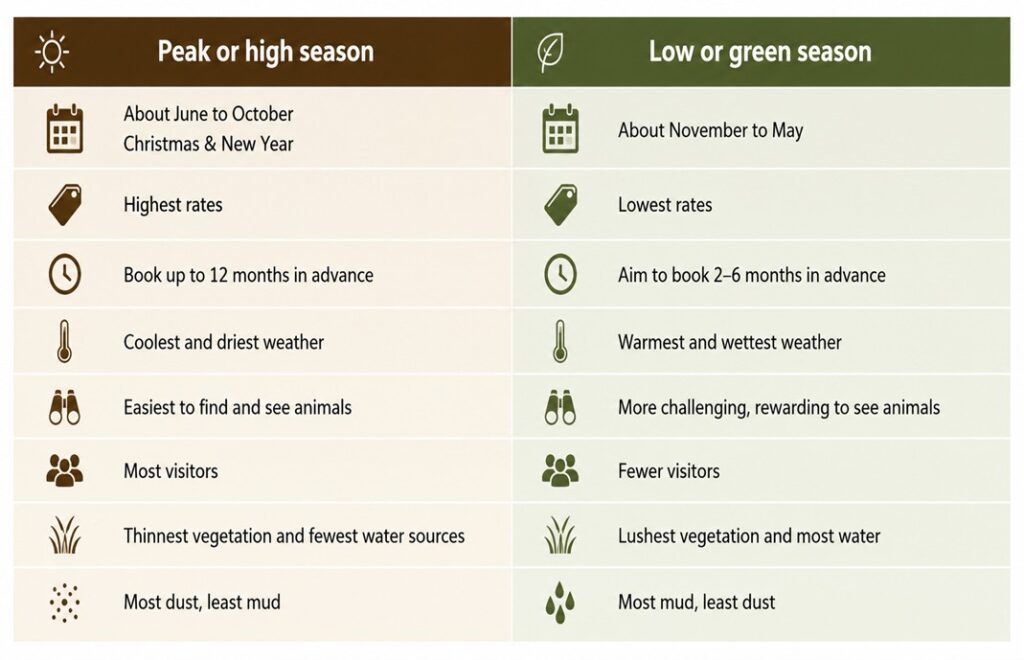
Most of the continent’s best safari experiences depend entirely on naturally occurring factors, like seasonal rainfall. In many safari destinations, the dry season is considered the best time for wildlife viewing. As water becomes scarce, animals gather around rivers and waterholes, and the thinner vegetation makes them easier to spot. This can be a great choice if seeing big wildlife is your main priority.
The green season, however, also has its own magic. The landscapes are lush, the light is beautiful, there are often fewer visitors, and many animals have their young. It can also be a wonderful time for birdwatching and photography.
Before booking, think about what matters most to you: dramatic wildlife sightings, fewer crowds, lower prices, green scenery, migration routes, or a special animal experience. There is no single perfect safari season for everyone – only the season that best matches your expectations.
2. Know where you want to go
Africa is enormous, and every safari destination offers something different. Choosing the right country, national park, or private reserve is one of the most important parts of planning your safari.
Some places are famous for big cats and open savannahs, while others are better for elephants, rhinos, gorillas, dramatic landscapes, river safaris, or remote wilderness. A safari in Kenya or Tanzania will feel very different from a safari in Botswana, South Africa, Namibia, Uganda, Zambia, or Zimbabwe.
It is also important to think about how much time you have. Some destinations are easy to combine with beaches, cities, wine regions, or cultural experiences, while others require longer transfers and more careful planning.
Before booking, ask yourself what you dream of most: the Great Migration, the Big Five, walking safaris, gorilla trekking, luxury lodges, wild camping, dramatic deserts, or fewer crowds. Once you know what kind of experience you want, it becomes much easier to choose the right place to go.
3. Know which animals you want to see
A safari is often described as one experience, but the wildlife can vary greatly from one destination to another. Before booking, it is helpful to think about which animals you are most excited to see. This will make it much easier to choose the right country, park, season, and type of safari.
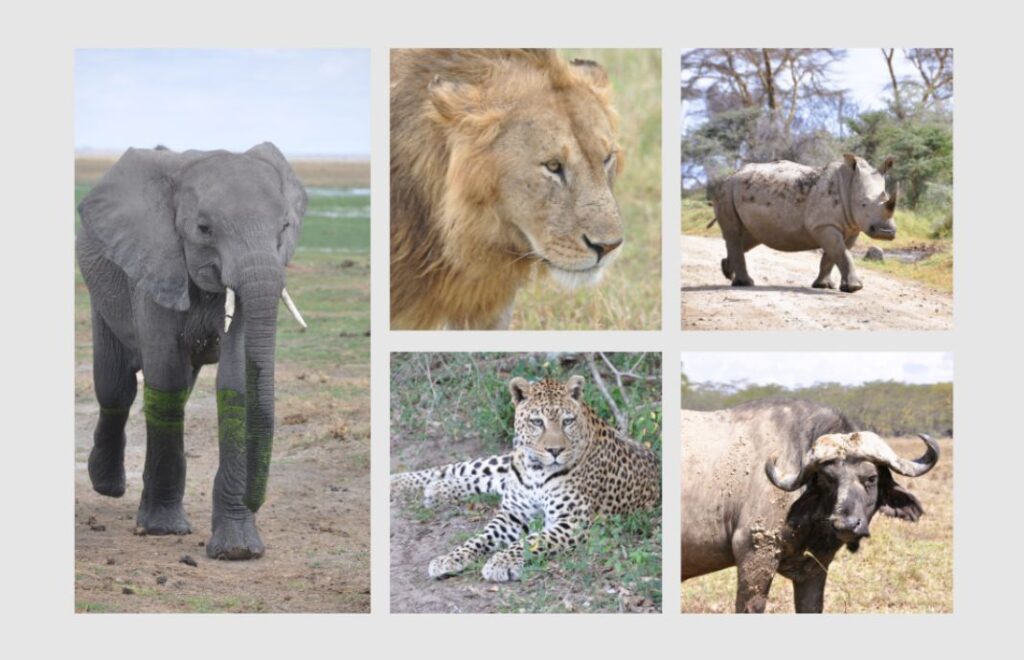
If you dream of seeing the Big Five, destinations like South Africa, Kenya, Tanzania, Botswana, Zimbabwe, and Zambia are good options, depending on the specific area. If big cats are high on your list, you may want to focus on places known for lions, leopards, or cheetahs. For elephants, some regions in Botswana, Zimbabwe, Kenya, Tanzania, and South Africa are especially rewarding.
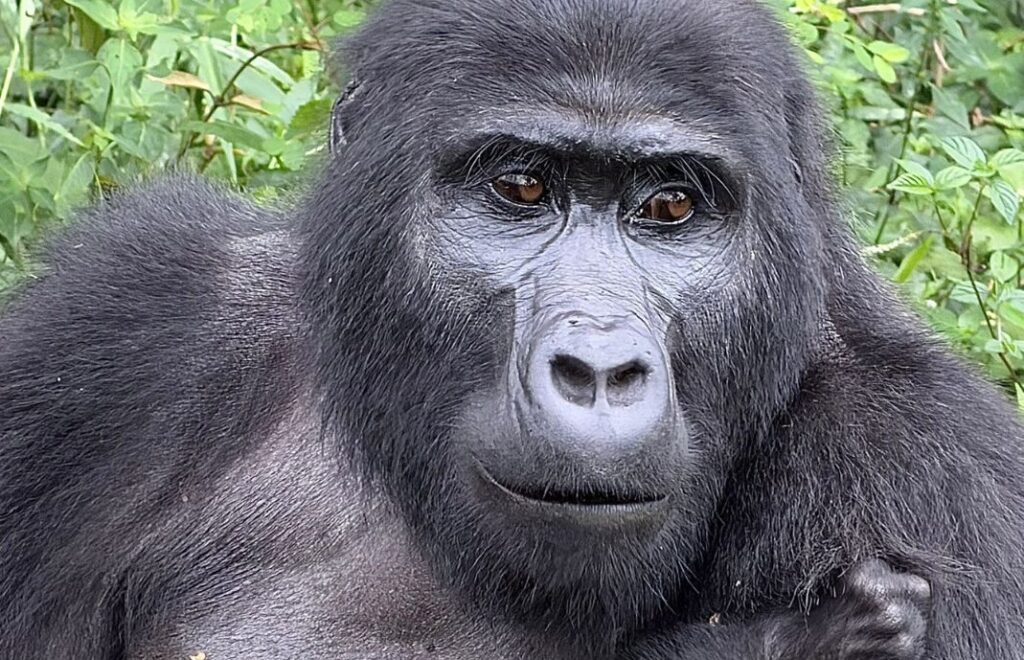
Some wildlife experiences are even more specific. Gorilla trekking is only possible in certain parts of Uganda, Rwanda, and DR Congo. Chimpanzee trekking requires forest destinations, not open savannah. The Great Migration is connected to seasonal movement through Tanzania and Kenya, while rhino sightings are best planned in areas where strong conservation work protects them.
Birdwatchers, photographers, first-time safari travelers, and families may also have different priorities. Some people want dramatic predator action, while others prefer peaceful elephant encounters, rare species, beautiful landscapes, or a mix of everything.
The more you know about the animals you hope to see, the easier it becomes to plan a safari that matches your expectations. Wildlife is never guaranteed, but choosing the right place at the right time gives you the best possible chance.
4. Have a budget estimate
An African safari is not an inexpensive holiday. A safari can vary greatly in price, so it is helpful to have a realistic budget estimate before you start booking. Africa offers everything from simple camps and self-drive safaris to exclusive lodges, private guides, charter flights, and remote luxury experiences.
There is a wide range of available itineraries and travel styles, but there is a lot of logistics involved in going on safari in Africa. Keep in mind that safari lodges must deliver excellent service, food, and accommodation in very remote locations. That costs more than delivering the same standard of comfort in a big city.
The cost is not only about the accommodation. Park fees, conservation fees, transfers, domestic flights, meals, drinks, laundry, tips, and included activities can all affect the final price. A lodge may look expensive at first, but if it includes game drives, meals, park fees, and transfers, the value can be very different from a cheaper option where many extras are added later.
Your travel season also matters. High season usually means higher prices and more demand, while green season can offer better rates and fewer visitors. This can be a great option if you are flexible and do not mind a bit of rain.
Before booking, decide what matters most to you: comfort, location, exclusivity, wildlife viewing, photography, or price. A clear budget helps narrow down the options and makes it easier to choose a safari that feels right without unexpected costs along the way.
5. Know your travel style
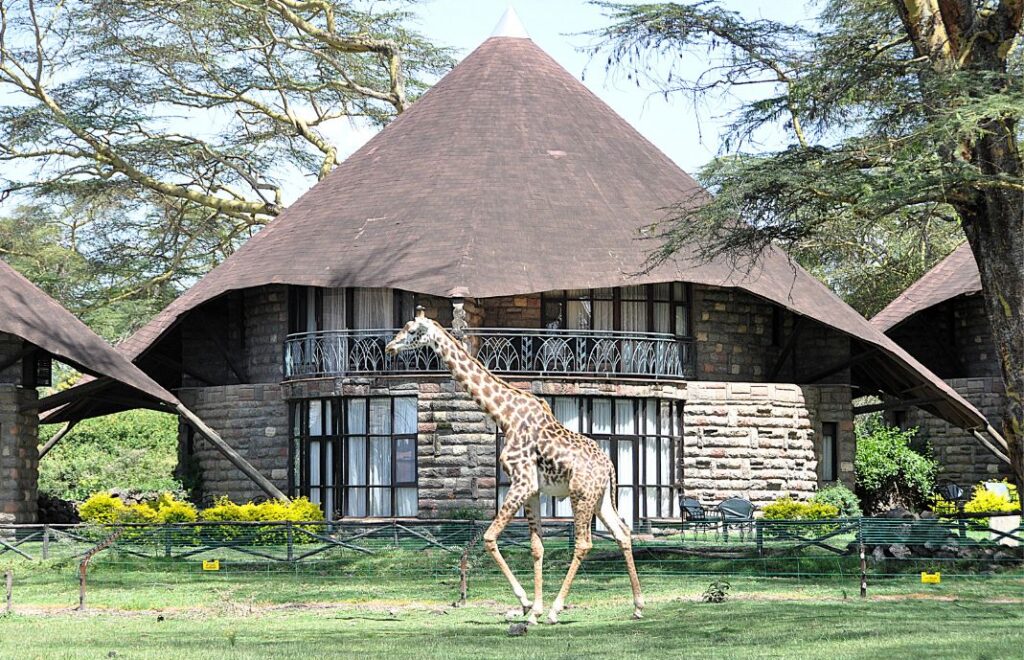
Not all safaris are the same, and the best choice depends on how you like to travel. Some travelers dream of luxury lodges, private decks, fine dining, and carefully planned game drives. Others prefer tented camps, mobile safaris, self-drive adventures, or more rustic stays close to nature.
Think about the level of comfort you want. Do you prefer a lodge with a pool and spa, or are you happy with a simple camp if the wildlife experience is excellent? Would you enjoy sharing game drives with other guests, or do you want a private vehicle and guide? Are you looking for a relaxed holiday, a photography-focused safari, or a more adventurous trip with early mornings, long drives, and remote locations?
Your travel style also affects the pace of the safari. Some itineraries move between several parks and countries, while others focus on fewer places with more time in each location. Both can be wonderful, but they create very different experiences.
Be honest about what makes a trip enjoyable for you. A safari should match not only your dream of Africa, but also the way you like to travel.
6. Do not rush the experience
It can be tempting to include as many parks, lodges, and countries as possible, especially on a first safari. But too many stops can make the trip feel rushed, with more time spent packing, transferring, and waiting than actually enjoying the wilderness.
A good safari needs time. Staying a little longer in fewer places often gives you better wildlife sightings, a calmer pace, and a deeper connection to the landscape.
7. Check what is included
Safari prices can be difficult to compare because inclusions vary from place to place. One lodge may include meals, drinks, laundry, park fees, transfers, and game drives, while another may charge separately for many of these things.
Before booking, check carefully what is included in the price. This helps avoid surprises and gives you a much clearer idea of the real value of your safari.
8. Choose an established tour operator
Booking an African safari involves many details, and this is where an established tour operator can make a real difference. A good safari specialist knows the destinations, the seasons, the lodges, the logistics, and the small details that can shape the entire experience.
Safari planning is not only about choosing a lodge that looks beautiful online. It is also about knowing which areas are best at different times of year, how long transfers take, what is included in the price, and whether the itinerary flows well. An experienced tour operator can help you avoid unnecessary travel time, hidden costs, and combinations that may look good on paper but feel rushed in reality.
A reliable operator will also work with trusted local partners, guides, lodges, and camps. This is important for safety, quality, and responsible tourism. It also gives you someone to contact if plans change, flights are delayed, or you need help during the trip.
A safari is a big investment, so it is worth booking with someone who understands both the dream and the practical side of making it happen.
More inspiration: Is it safe to go on a safari in Africa?
