
I’ll admit two things.
First, I adore animals. My favorite journeys have always included encounters with wildlife.
Second, I’ve sinned. I’m ashamed to say I once rode an elephant, swam with dolphins, and even sat through an orca show. That was before I knew better. I can promise you now – it will never happen again.
Our planet is filled with extraordinary creatures, great and small. On land, in the water, and soaring through the skies, they are the reason we travel: to come closer to the wild, to witness beauty in its purest form. Animals are meant to be seen and experienced in their natural environments – whether in national parks, wildlife reserves, or the open ocean.
As travelers, we have power, no matter where in the world we roam. We don’t even need to speak the language to make a difference. Our voice can be expressed in other ways. I’m not talking about becoming vegetarian or vegan, joining protests, or signing petitions (though doing so is perfectly fine). I’m talking about something simpler, yet immensely powerful: choosing how we spend our travel currency. Choosing alternatives to those so-called “exotic animal experiences.”
Sadly, there are still far too many operators offering close encounters with wildlife. Places where you can ride an elephant or an ostrich, cuddle a lion cub, walk alongside a full-grown lion, swim with dolphins, or pose for a photo with a monkey perched on your shoulder.
Behind these seemingly magical experiences lies a darker truth. These animals have endured suffering, often unimaginable. They’ve been beaten, starved, and abused – physically and mentally. All so they can entertain, provide a “cool” selfie for social media, and generate profit.
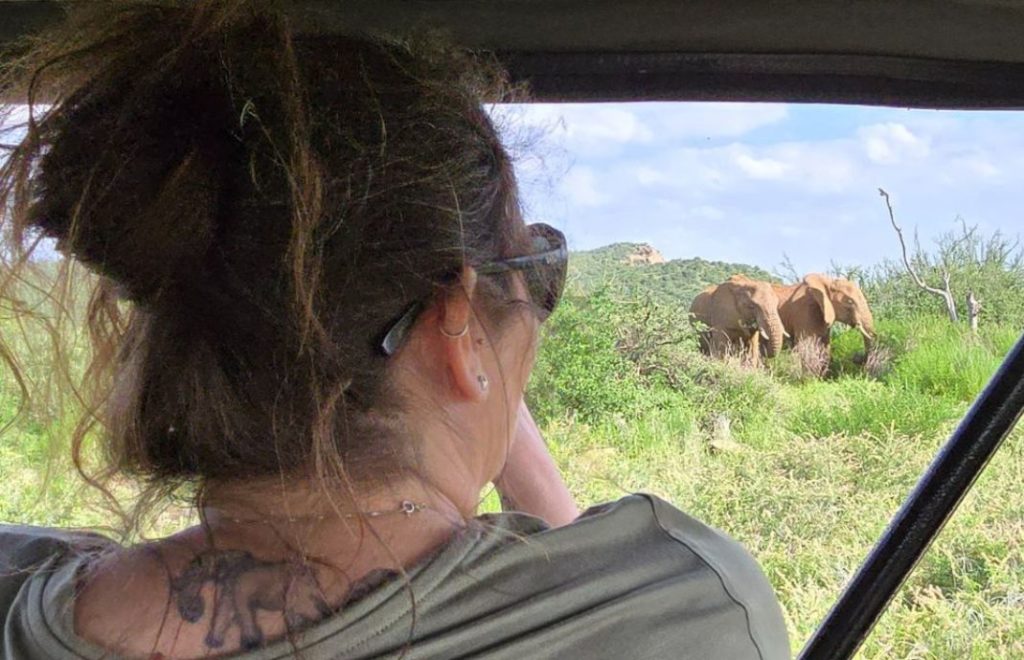
Travel with a clear conscience
Thankfully, parts of the travel industry are waking up and taking a stand. More and more operators are speaking on behalf of the animals and embracing responsibility. But it isn’t only the industry that carries this weight. We, as travelers, share that responsibility – arguably an even greater one. We can refuse activities that harm animals and instead support sustainable alternatives that foster animal welfare, conservation, and authentic encounters with nature. In doing so, our wanderlust becomes a force for positive change.
These so-called “exotic animal experiences” carry a far darker reality than glossy brochures suggest. That’s why you should think carefully the next time you’re tempted by an activity involving close contact with wild animals.
Elephant rides rely on brutal training methods and a life of chains. Calves are torn from their mothers at a very young age, subjected to mental and physical torture disguised as “training.” Orcas performing tricks on command live confined in painfully small tanks. Lions that allow you to walk beside them are often so heavily sedated they wouldn’t bite even if you placed your hand between their jaws.
And if you believe orangutans enjoy having pierced ears or being dressed in frilly clothes – think again. Parrots are not meant to pedal tiny bicycles, and monkeys should certainly not be playing pianos while puffing on cigars.
Every traveler has a choice to make. Our holiday budgets can either fuel the exploitation of animals for entertainment – or help bring it to an end. The equation is simple: if we don’t pay, it won’t happen.
So next time you travel, think animal welfare. You have the power to make a profound difference – and to be a traveler with a truly clear conscience.
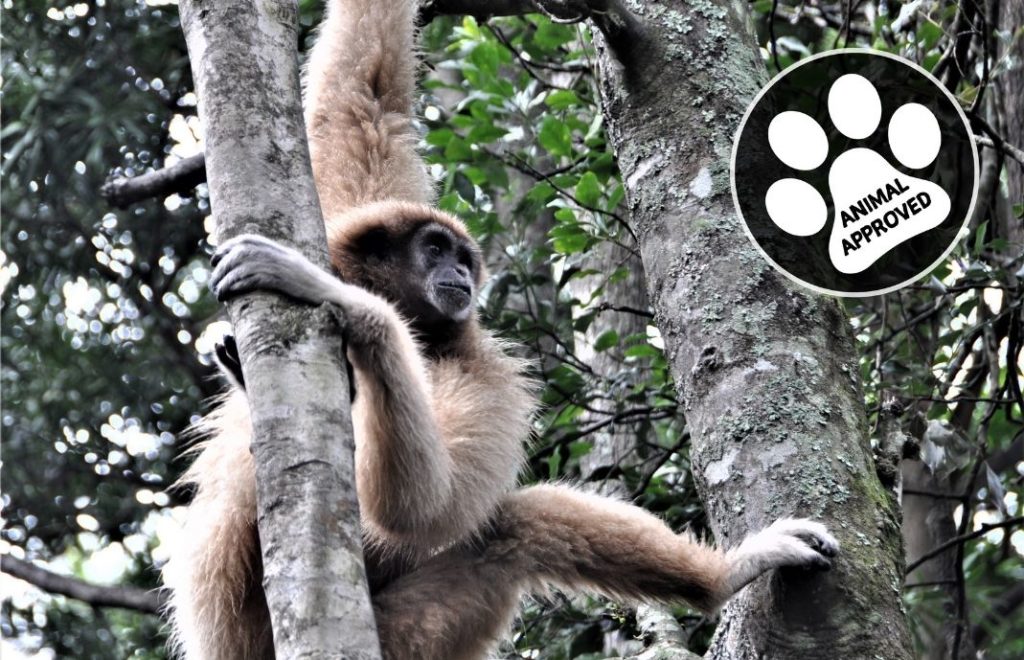
Animal experiences you must avoid – and why
Behind the glossy images of brochures and social media lies a darker truth: a world of coercion, stress, and suffering for the animals involved. Encounters that seem harmless or even adventurous are, in reality, exploitation at its worst. That’s why it’s important to know which activities to avoid – and the grim reality behind the façade.
1. Elephant riding
- Elephants are subjected to brutal “training” (phajaan) designed to break their spirit.
- When not being used, they are often kept in chains.
- Many suffer from chronic back and foot problems caused by heavy loads and hard surfaces.
2. Walking with lions or taking selfies with big cats
- Predators are bred in captivity and taken from their mothers as cubs.
- Many are sedated so they’re docile enough to handle.
- They are denied any chance of living a natural life in the wild.
3. Dolphin shows and swimming with dolphins
- Dolphins are confined to small pools, far removed from their natural ocean habitats.
- Training often relies on food deprivation and coercion.
- Stress and shortened lifespans are common in captivity.
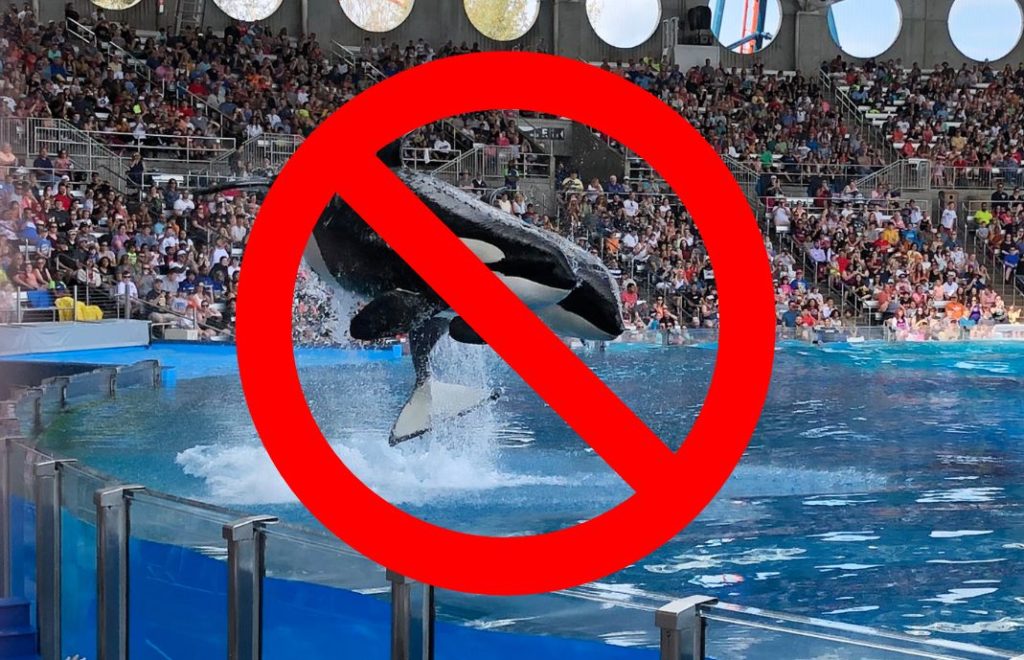
4. Orca shows
- Orcas are highly intelligent, social creatures that need vast expanses of ocean.
- In captivity, they frequently display signs of psychological stress and aggression.
- No tank, however large, can ever replicate the complexity of the sea.
5. Photo ops with monkeys, snakes, birds, or other wild animals
- These animals are often captured illegally and used as props.
- Many are drugged, mistreated, or have their teeth or claws removed.
- Constant handling by tourists causes severe stress and suffering.
6. Animal fights and performances (bear or monkey fights, snake shows, etc.)
- Animals are forced to fight or perform under pain and coercion.
- Such spectacles are rooted in cruelty and have no cultural or ethical justification.
7. Tourist riding under poor conditions (camels, horses, and donkeys)
- Animals are often used without sufficient food, water, or rest.
- They are overloaded and forced to live under harsh, degrading conditions.
8. Bullfighting
- Often portrayed as cultural tradition, bullfighting is in reality a bloody spectacle that inflicts extreme suffering.
- Bulls endure physical torment both before and during the fight, which almost always ends with the animal’s death in front of an audience.
- By attending, spectators help perpetuate a practice that sacrifices animal lives for human entertainment.
Ethical alternatives – Animal-friendly experiences
Fortunately, there are countless ways to get close to wildlife and nature without compromising animal welfare. By choosing responsible alternatives, you can enjoy unforgettable encounters that enrich your journey while supporting the preservation of species and ecosystems.
1. Safaris in national parks and reserves
- Witness wild animals in their natural habitat, without disturbing them.
- Supports local conservation and helps protect endangered species.
2. Visits to reputable sanctuaries and rehabilitation projects
- Meet animals rescued from captivity or abuse.
- Many centers focus on education, rehabilitation, and reintroduction into the wild.
3. Birdwatching and nature walks
- Observe wildlife and birds from a safe, respectful distance.
- Offers a more authentic and enriching experience of nature.
4. Whale watching and dolphin tours in the wild
- See whales, dolphins, and other marine life in their natural environment.
- Responsible operators follow strict guidelines to ensure animals are not disturbed.
5. Volunteering for animal welfare and conservation
- Contribute to hands-on work with animals and nature, from research and habitat maintenance to education projects.
- Provides a meaningful, educational, and rewarding travel experience.
6. Experiences linked to local culture and nature
- Visit organic farms, botanical gardens, or learn about traditional animal husbandry that respects animal welfare.
- Offers insights into sustainable ways of living in harmony with nature.
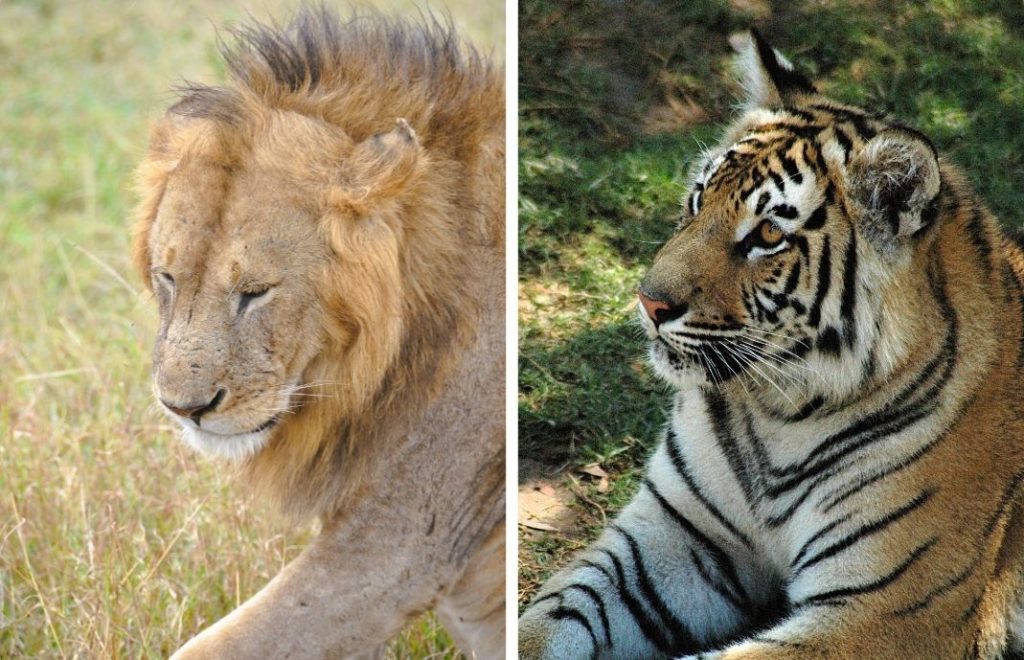
How to tell if an experience is animal-friendly
Determining whether an activity is ethical can sometimes feel challenging, but there are clear signs to look out for. As a rule of thumb: if an animal is being used for entertainment, selfies, shows, or close contact that would never occur in the wild, it is not animal-friendly.
Check whether the operator follows international guidelines on animal welfare, such as the recommendations from World Animal Protection. Reputable providers are transparent about their work in conservation, animal health, and sustainability. Read reviews, look for certifications, and be wary of any place where animals are kept in cages, chains, or cramped enclosures.
A simple question to ask yourself is: Would this animal behave like this in the wild? If the answer is no, it’s not an experience worth supporting.
Checklist: Is the experience animal-friendly?
No coercion
Animals are not forced into shows, selfies, or unnatural interactions.
Natural behavior
Animals can move freely and behave as they would in the wild.
Space and environment
They have ample space, access to natural habitats, and sufficient food and water.
Transparency
The operator is clear about their practices in welfare and conservation.
Certification
The experience supports sustainability, research, or rehabilitation, ideally with recognized certification.
Ask yourself
Would this animal behave the same way in the wild? If not – walk away.
When the spider monkey takes charge
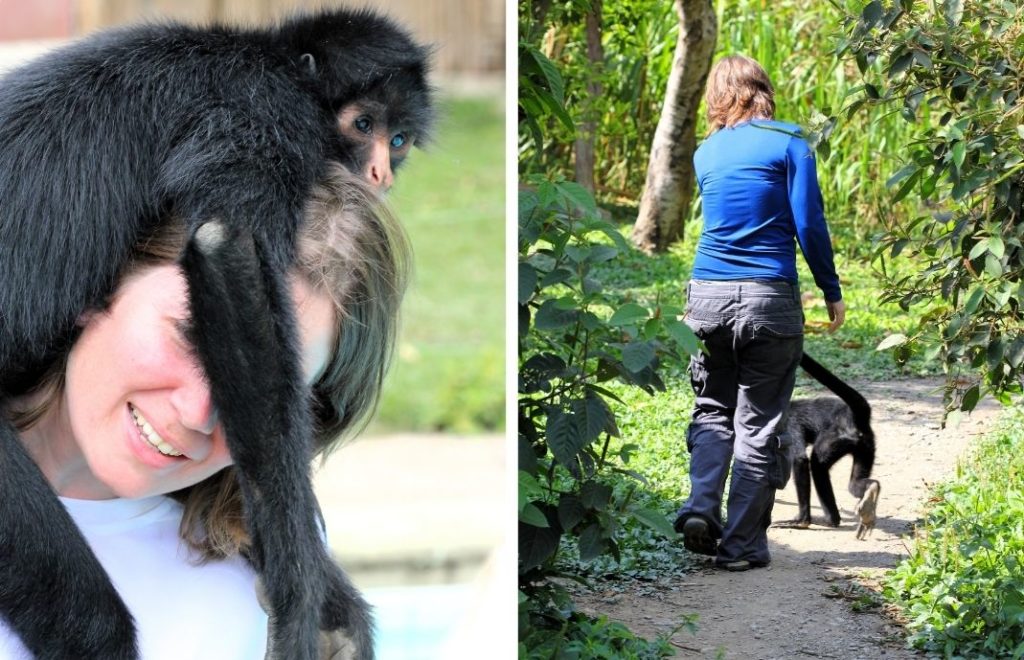
These photos were taken at La Senda Verde Animal Rescue in Bolivia, a sanctuary dedicated to rescuing and rehabilitating wildlife. Many of the animals roam freely around the grounds – doing exactly as they please. For me, that turned into an unforgettable encounter. A spider monkey decided that my head was the perfect place to relax – before taking me by the hand and leading me on a stroll through the jungle. His mission? To show me the parrots!
It’s a perfect reminder that you can enjoy truly unforgettable wildlife experiences – without compromising animal welfare.
And if you’re inspired, you can even volunteer at this remarkable sanctuary.
Take a stand and follow these advocates on Instagram:
#janegoodallinst
#awionline
#leadbyexamplenotshame
#HandsOffOurWildlife
#SayNoToWildlifeInteraction
#emptythecages
#birdsshouldflyfree
#NotEntertainers
More inspiration: 9 ways you can protect the world’s endangered species
