In a world where everyone seems to be rushing somewhere, there’s one extraordinary creature that simply refuses to join the race.
The Galápagos giant tortoise.
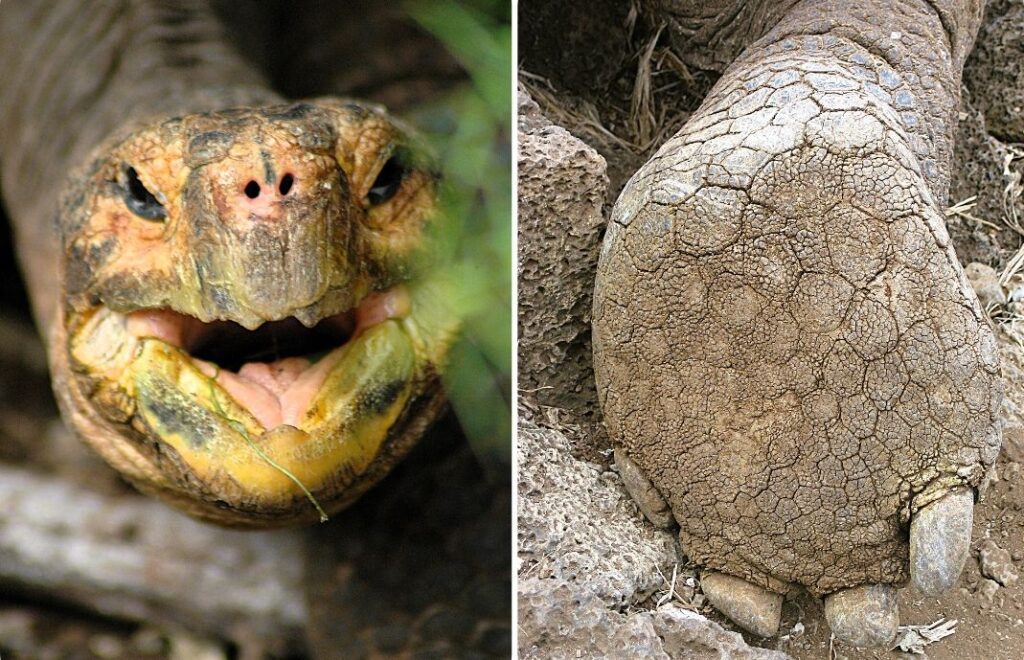
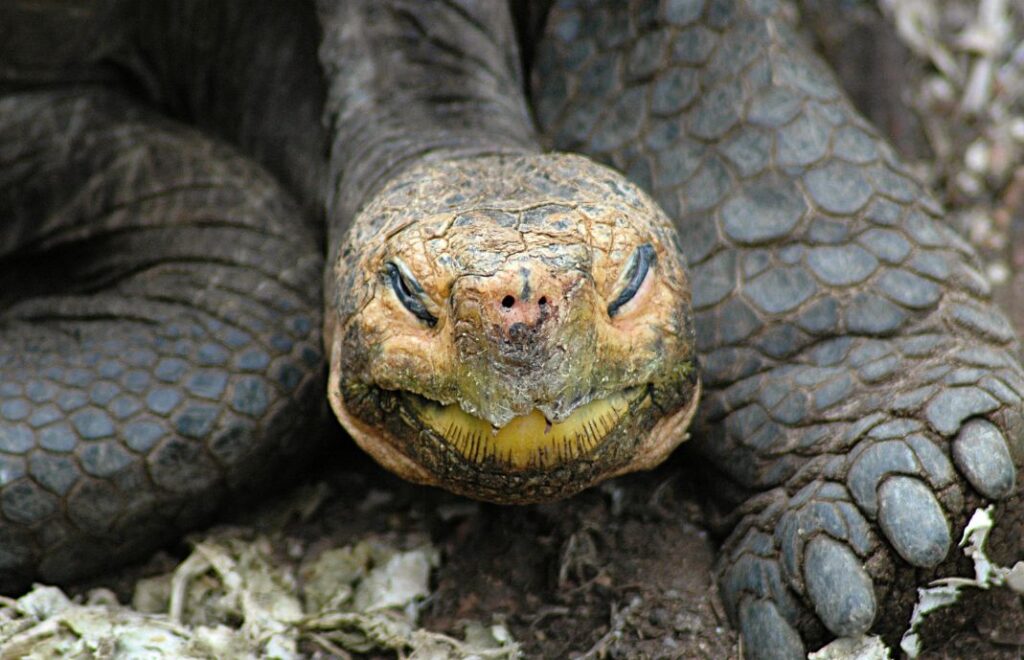
With its enormous shell, wrinkled neck, sturdy elephant-like legs, and wonderfully wise expression, this gentle giant looks as though it has seen just about everything life has to offer.
And perhaps it has.
After all, some Galápagos giant tortoises live well beyond 100 years.
But here’s the wonderful thing about these extraordinary reptiles.
They’re in absolutely no hurry to get anywhere.
While the rest of the world is busy chasing deadlines, these charming island residents spend their days peacefully wandering through lush highlands, enjoying a delicious vegetarian meal, or treating themselves to a relaxing mud bath.
Beneath that wonderfully laid-back appearance lies a fascinating story of remarkable survival, extraordinary adaptations, and even a little heartbreak.
From impressive appetites and surprising travel habits to the unforgettable story of Lonesome George, these gentle giants have plenty of secrets to share.
So, let’s slow down for a moment and discover why the Galápagos giant tortoises are among the most lovable creatures on Earth.
1. The Galápagos’ most charming senior citizens
Forget anti-ageing creams, miracle diets, and expensive wellness retreats.
Galápagos giant tortoises have been mastering the art of growing old gracefully for centuries.
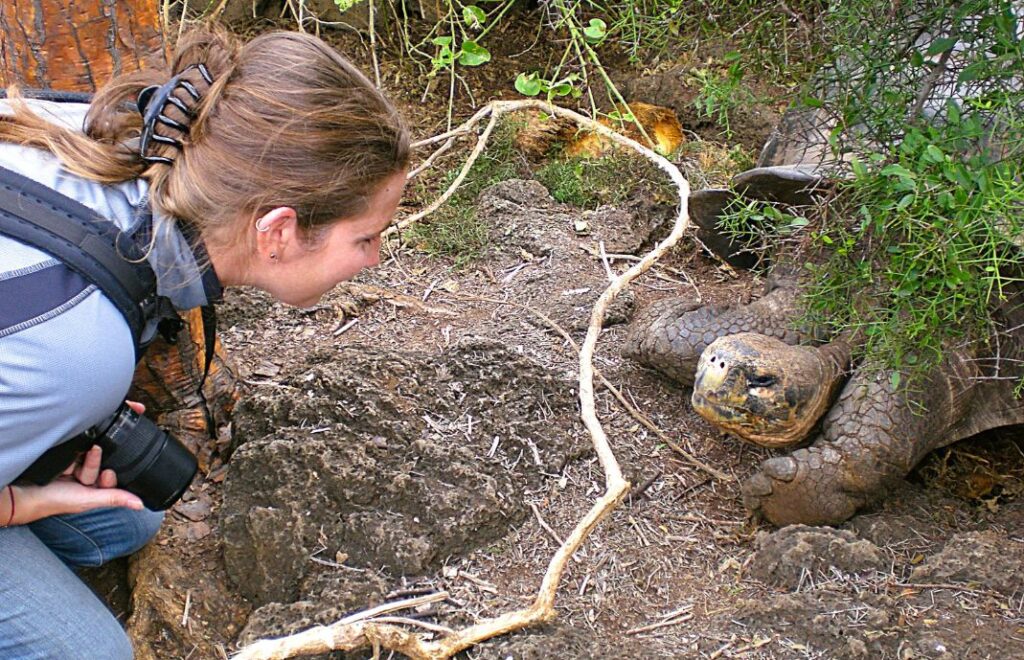
These extraordinary reptiles can live well beyond 100 years, and some have even reached the remarkable age of 150 or more.
Just think about that for a moment.
A giant tortoise wandering peacefully through the Galápagos today could have been alive before cars, airplanes, and cell phones became part of everyday life.
What has it been doing all this time?
Well, probably the same as yesterday.
Munching on delicious vegetation, soaking up the sunshine, and wandering around at a pace that would make even the most relaxed holidaymaker look rather impatient.
But their extraordinary longevity isn’t just a matter of taking life slowly.
Scientists believe their long lifespans are linked to a combination of factors, including their slow metabolism, remarkable cellular defenses, and evolutionary adaptations.
And with relatively few natural predators threatening healthy adults in their original island environment, these gentle giants have had the opportunity to live exceptionally long lives.
Imagine celebrating your 100th birthday without ever having worried about a deadline, a traffic jam, or a Monday morning meeting.
Perhaps these wonderfully wise old tortoises really have discovered the secret of a happy life.
Eat well, enjoy the sunshine, and never hurry unless there’s something particularly delicious waiting at the other end.
2. When your home comes with a built-in roof
Who needs an expensive house when you’ve been born with a perfectly good roof over your head?
Galápagos giant tortoises certainly don’t have to worry about mortgages.
But here’s something fascinating.
Not all these gentle giants have the same kind of shell.
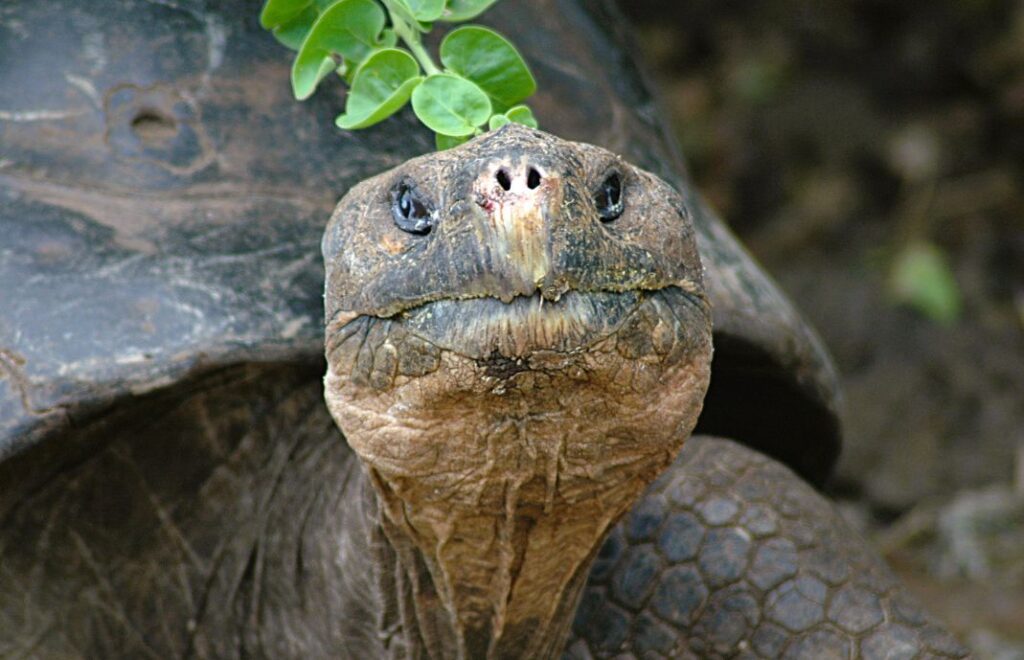
Some tortoises have large, rounded, dome-shaped shells, while others sport a rather unusual design known as a saddleback shell.
And there’s a very good reason for these different shapes.
Tortoises living in lush, humid environments, where delicious vegetation grows close to the ground, generally have beautifully rounded shells.
But on drier islands, where food can be harder to reach, some tortoises have developed shells that curve upwards at the front, resembling an old-fashioned saddle.
This clever design gives their neck more freedom to stretch upwards towards taller plants and cactus pads.
It’s almost as though nature has decided to give certain tortoises a little extra headroom.
Those magnificent shells aren’t simply houses they can crawl out of whenever they fancy.
They’re actually part of the tortoises’ skeletons, connected to their ribs and backbone. So, unlike the characters in cartoons, a giant tortoise can never leave its shell behind.
Imagine carrying your house, your protective armor, and your own personal architectural masterpiece everywhere you go.
Now that’s what I call traveling light.
Well, relatively speaking. These are giant tortoises, after all.
3. The ultimate slow-living champions
If there’s one thing Galápagos giant tortoises have absolutely no interest in, it’s breaking speed records.
These wonderfully laid-back reptiles believe that life is a journey, not a race.
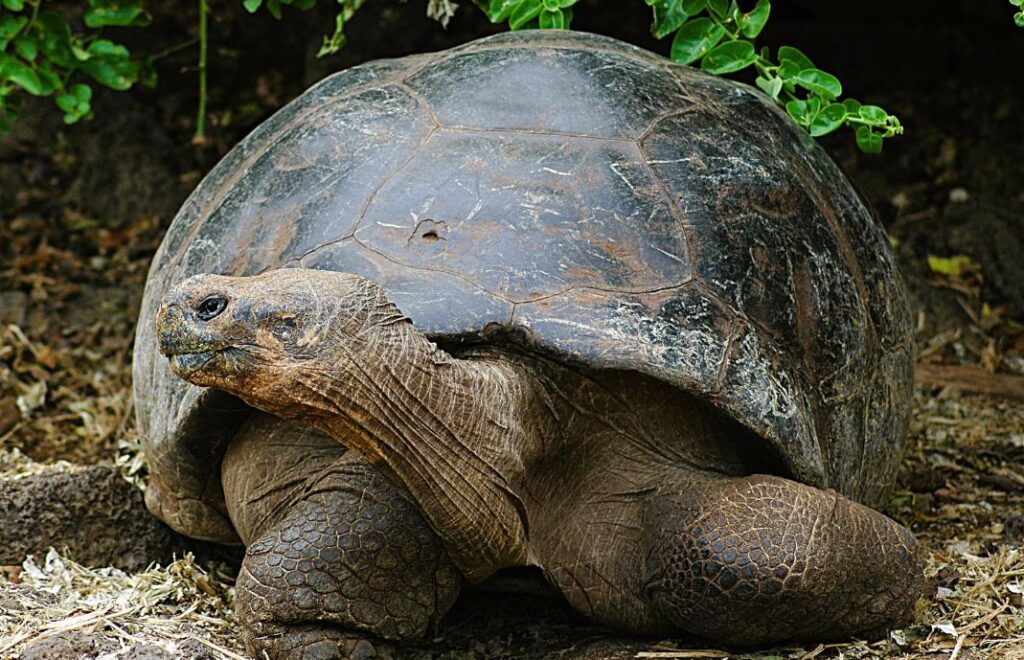
And with some weighing more than 250 kilograms, you can hardly blame them for taking things slowly.
But don’t let their leisurely pace fool you.
Galápagos giant tortoises are surprisingly determined travelers.
On islands such as Santa Cruz, some tortoises undertake remarkable seasonal migrations between the lush highlands and the warmer lowlands.
And we’re not talking about a quick stroll around the neighborhood.
These gentle giants can travel several kilometers, following changes in rainfall and vegetation to find the best feeding grounds.
Sometimes, their journeys take weeks.
No rushing, no shortcuts, and certainly no worry about arriving late.
But here’s what makes their travels particularly fascinating.
Scientists have discovered that some tortoises follow surprisingly consistent migration routes, returning to familiar areas year after year.
Imagine having your favorite holiday destination and spending several weeks walking there, without ever once complaining about the journey.
And when they finally arrive?
Well, there’s usually something delicious waiting for them.
Because for a Galápagos giant tortoise, a good meal is always worth the walk.
Perhaps these gentle giants have the right idea after all.
Why rush through life when there’s so much to enjoy along the way?
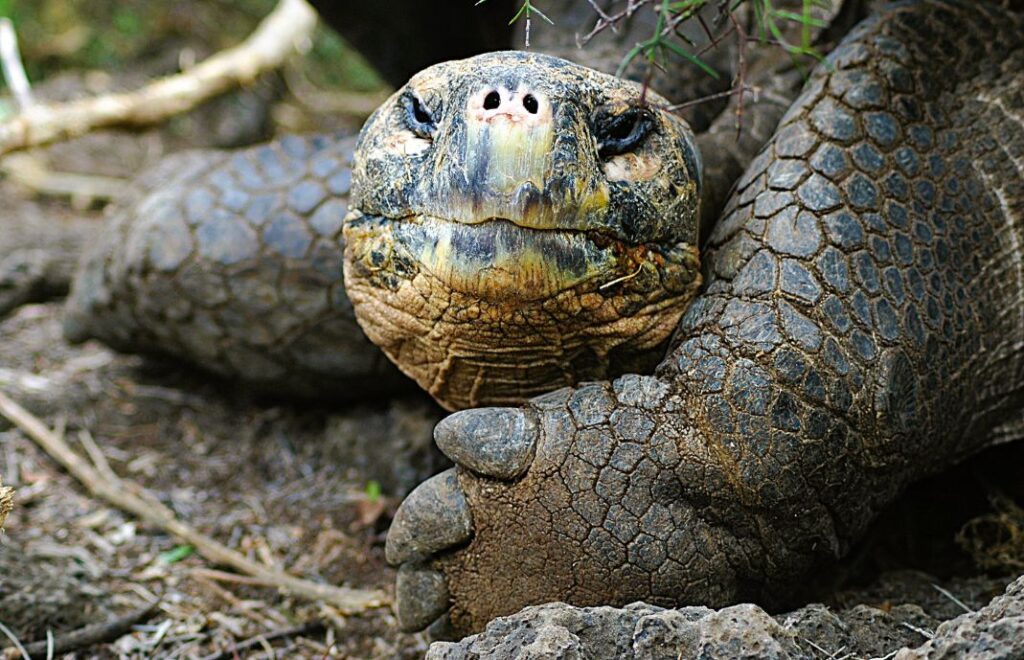
4. Mud baths, sunshine, and the occasional spa treatment
Who needs a five-star wellness resort when you have the beautiful Galápagos Islands as your personal spa?
Our wonderfully laid-back giant tortoises certainly know how to pamper themselves.
One of their favorite activities is wallowing in muddy pools, where they can spend hours looking perfectly content with life.
While they might appear to be enjoying a luxurious beauty treatment, there’s actually a practical reason behind all that muddy relaxation.
Mud baths help giant tortoises cool down in the tropical heat and may also offer relief from irritating insects and parasites.
But that’s not the only spa treatment these gentle giants enjoy.
Sometimes, small birds such as Darwin’s finches hop onto their enormous shells or approach their exposed skin, searching for tasty ticks and other tiny creatures.
The birds get a delicious snack, while the tortoises may enjoy a little help removing unwanted passengers.
A complimentary grooming session, courtesy of the local wildlife.
And when the weather is just right?
Our gentle giants can be found basking in the sunshine or resting peacefully in the shade.
No stressful schedules. No appointments. No worrying about tomorrow.
Just a good mud bath, a little sunshine, and perhaps a friendly bird offering a quick tidy-up.
Honestly, these tortoises aren’t just living longer than the rest of us. They might actually be enjoying life more, too.
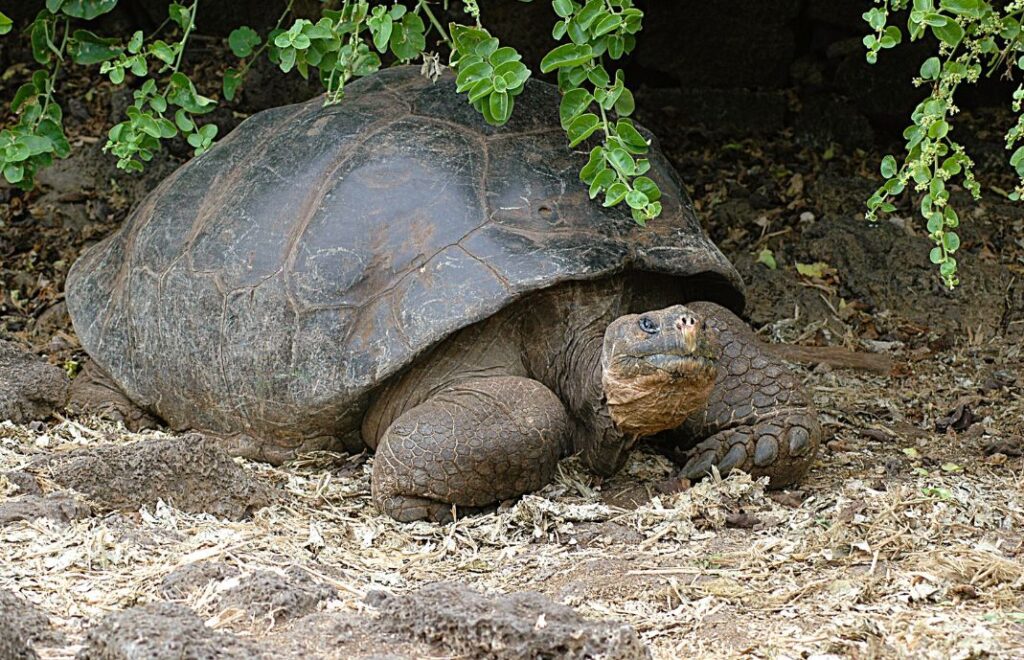
5. Gentle giants with enormous appetites
If there’s one thing Galápagos giant tortoises enjoy almost as much as taking life slowly, it’s a good meal.
And preferably a very long one.
These enormous vegetarians can spend hours happily munching their way through the Galápagos landscape.
Grass, leaves, flowers, fruit, and even prickly pear cactus are all on the menu.
Here’s something rather entertaining.
Despite having absolutely no teeth, giant tortoises have strong, sharp-edged beaks that help them tear through vegetation.
Who needs a fancy set of dentures when you’ve got a beak that does the job perfectly?
But their impressive appetites come with an equally impressive survival trick.
Galápagos giant tortoises can survive for remarkably long periods without food or fresh water.
Their ability to store water and energy helps them endure the dry conditions found on some of the islands.
And when they do find a good water source?
They can drink surprisingly large quantities in one sitting.
But there’s another reason these gentle giants are such important residents of the Galápagos.
As they wander around enjoying their vegetarian feasts, they swallow seeds and later deposit them in entirely different locations.
In other words, they’re helping plant the next generation of Galápagos vegetation.
Not bad for a creature whose biggest daily concern appears to be deciding what to have for lunch.
Eat slowly, travel leisurely, and accidentally do a little gardening along the way.
Now that’s what I call a productive day.
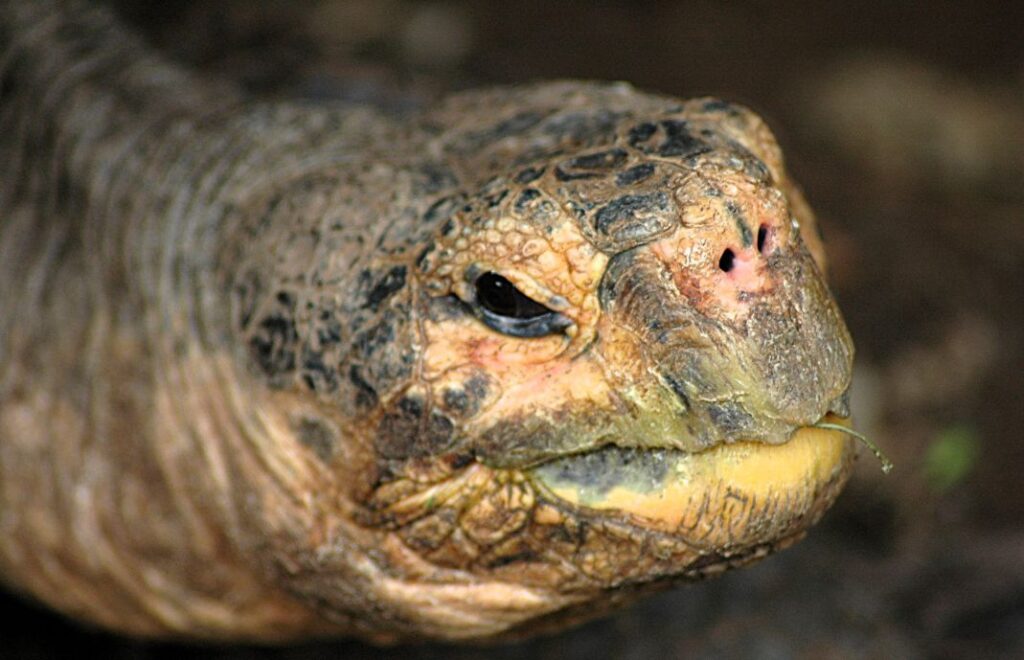
6. The unforgettable story of Lonesome George
Some animals become famous for their beauty. Others for their extraordinary talents.
Lonesome George became famous simply because he was the last of his kind.
In 1971, George was discovered on Pinta Island, where his particular species of giant tortoise was believed to have disappeared.
But there he was!
One solitary tortoise, quietly going about his business, completely unaware that he was about to become one of the world’s most famous reptiles.
George was brought to a conservation center on Santa Cruz Island, where scientists spent decades hoping to find him a suitable mate.
Unfortunately, despite their efforts, George never produced any offspring.
And on 24 June 2012, at an estimated age of more than 100 years, Lonesome George passed away.
With him the last known living representative of the Pinta Island giant tortoise disappeared.
But George’s story didn’t end there.
He became an international symbol of wildlife conservation, reminding the world how easily extraordinary creatures can disappear forever.
Today, his carefully preserved body can be seen at the Charles Darwin Research Station on Santa Cruz Island.
Although George may have been the last of his kind, his legacy continues to inspire efforts to protect the remaining Galápagos giant tortoises.
One gentle giant. One extraordinary life. And a reminder that every species deserves a future.
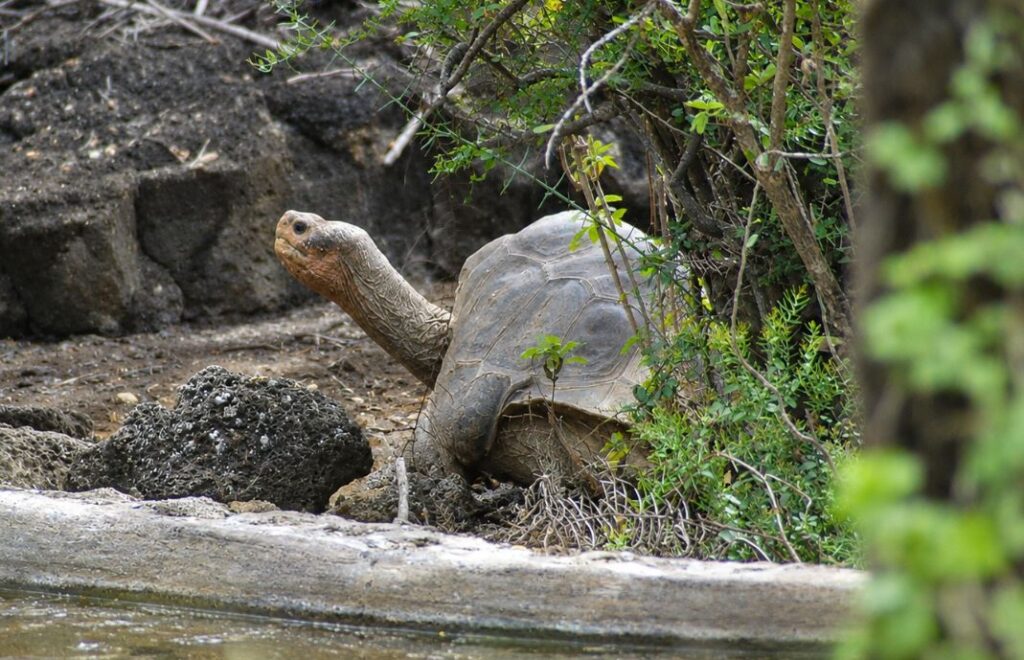
7. The giant gardeners of the Galápagos
Who needs a gardening team when you have a few hundred enormous tortoises wandering around?
Galápagos giant tortoises are among the islands’ most hardworking gardeners.
Although, judging by their wonderfully relaxed expressions, you would never guess they were working at all.
You see, these gentle giants do much more than simply munch their way through the local vegetation. As they wander across the islands, they swallow fruits and seeds, which eventually pass through their digestive systems.
Here’s where things get interesting.
Those seeds can emerge perfectly capable of growing into new plants.
With the help of a rather generous portion of natural fertilizer, courtesy of the tortoise itself.
Not particularly glamorous, perhaps, but incredibly effective.
Because giant tortoises can travel considerable distances, they help spread seeds far beyond the plants where they originally found them.
They also shape the landscape by grazing on vegetation and creating pathways through dense plant growth.
In other words, these enormous reptiles help maintain the very ecosystems they depend on.
And that’s one reason conservationists are working so hard to restore giant tortoise populations across the Galápagos Islands.
Bringing back these gentle giants doesn’t just help the tortoises.
It helps bring their island habitats back to life, too.
So, the next time you see a giant tortoise slowly wandering through the Galápagos, remember that you’re looking at a very important gardener.
One that works without a salary never checks the time and occasionally plants a forest simply by going to the toilet.
Now that’s what I call multitasking.
Perhaps the tortoises have it right after all
In a world that never seems to slow down, the Galápagos giant tortoises might just have discovered something the rest of us have forgotten.
There’s absolutely nothing wrong with taking your time.
These magnificent creatures have spent centuries perfecting the simple pleasures of life.
Enjoying a good meal, wandering through beautiful landscapes, soaking up the sunshine, and occasionally treating themselves to a luxurious mud bath.
No rushing. No unnecessary drama. And certainly, no worrying about what tomorrow might bring.
But behind those wise expressions and wonderfully unhurried movements lies something even more extraordinary.
These gentle giants are living symbols of the Galápagos Islands’ remarkable natural heritage.
Their incredible longevity, fascinating adaptations, and important role in maintaining the islands’ ecosystems make them so much more than charming creatures with enormous shells.
And the unforgettable story of Lonesome George reminds us just how precious – and vulnerable – that heritage can be.
If you ever find yourself wandering through the Galápagos Islands and encounter one of these magnificent tortoises, take a moment to appreciate the extraordinary creature before you.
Watch it slowly make its way through the grass, completely unconcerned with the busy world around it.
And perhaps, just for a moment, follow its example.
Slow down. Enjoy the surroundings. And remember that some of life’s most wonderful moments are worth taking your time over.