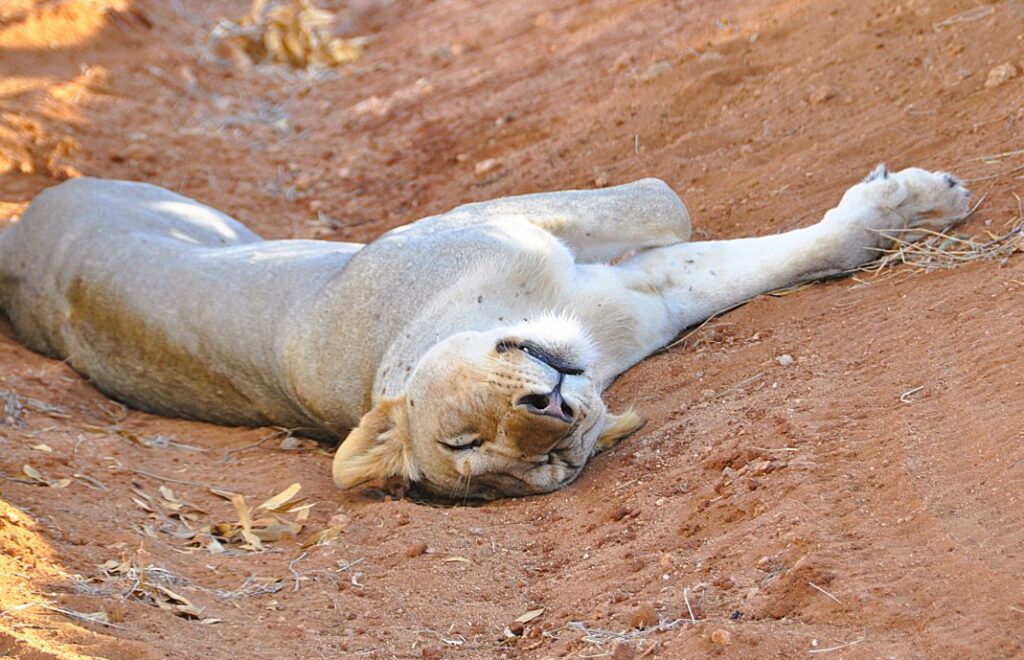
Each day on safari in Africa is a magical experience. Each safari feels like a small expedition, and every bend in the road holds a possibility. That is the real beauty of a safari in Africa.
A safari is never about ticking animals off a list. It’s all about entering their world, slowing down, and letting the wilderness reveal itself. One forgettable sighting at a time.
Although each is unpredictable to a certain extent, there is a general format or schedule that safaris tend to follow. As a rule, safari does follow a familiar rhythm that combines thrilling game viewing with ample time to relax in between.
Here is a deep dive into what you can expect on a typical day on safari in Africa. The guide is based on you staying at a traditional lodge or camp that offers game drives in a national park or private conservancy.
05:30 am: Wakey, wakey
A safari means getting up before the Devil himself is awake. Depending on what time the sun rises, you will wake up for the morning game drive. If you are not a morning person, you can ask the staff for a wake-up call.
The staff has prepared tea, coffee, and some snacks to get you started. It is usually set up in the reception area.
No matter what your location, it is always cool to cold in the early hours. You want to dress warmly and in layers to stave off the chill. It is smart to lay out your clothes the night before, so you don’t waste time getting ready in the morning.
There is a very good reason that game drives happen at an ungodly hour, it’s because this is when most activity occurs. Animals graze (or hunt) before the sun rises, and they tend to seek out food while it’s still cool.
A morning game drive also gives you the opportunity to see, feel, smell, and hear the savanna coming to life. It is such a magical feeling to watch the sun rise, the light dance across the landscape and to see the animals make their appearance.
6am to 9am: Game drive
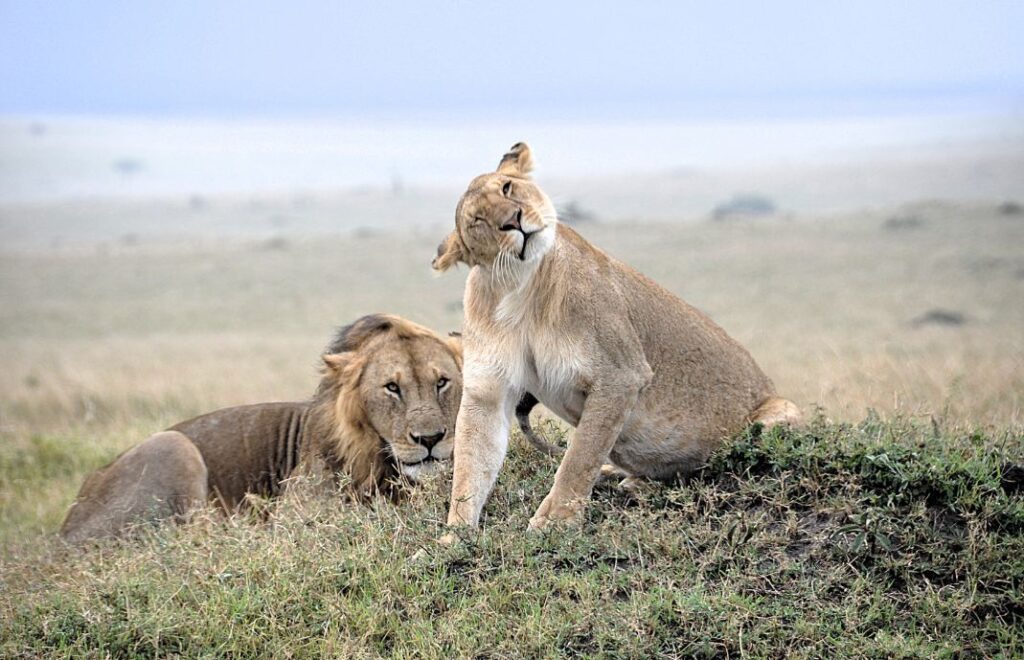
Sometimes you leave the lodge or camp as the moon sets and the sun comes up. Embrace the moment and enjoy the magical moment as the first light leads you on your safari adventure. Listen to the chorus of the birds and look for nocturnal hunters like lions and leopards. You might see the lions finishing their meal or bedding down for the day.
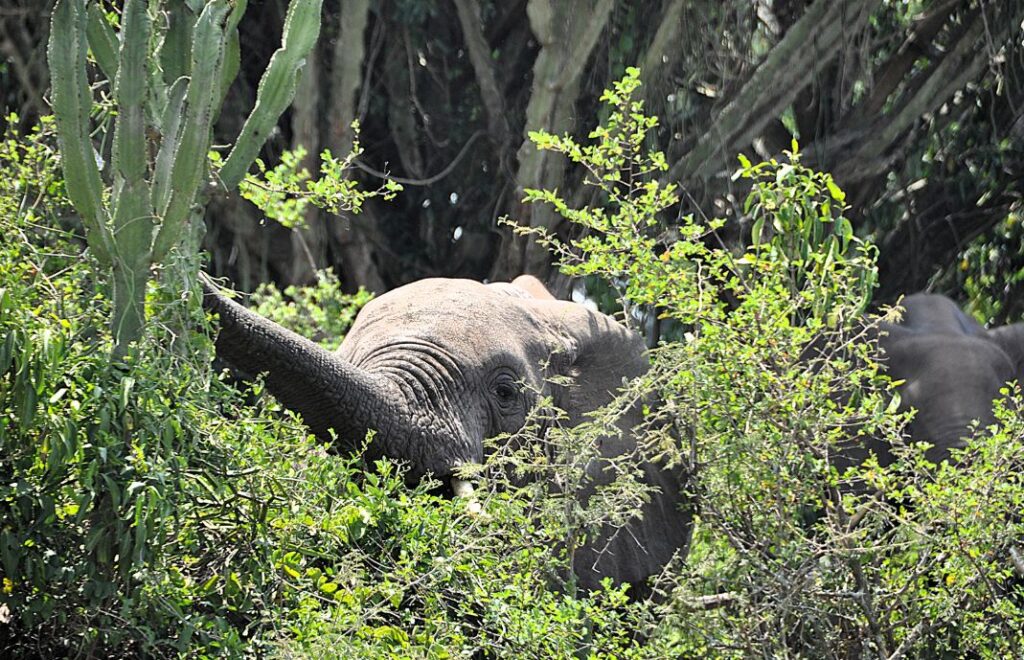
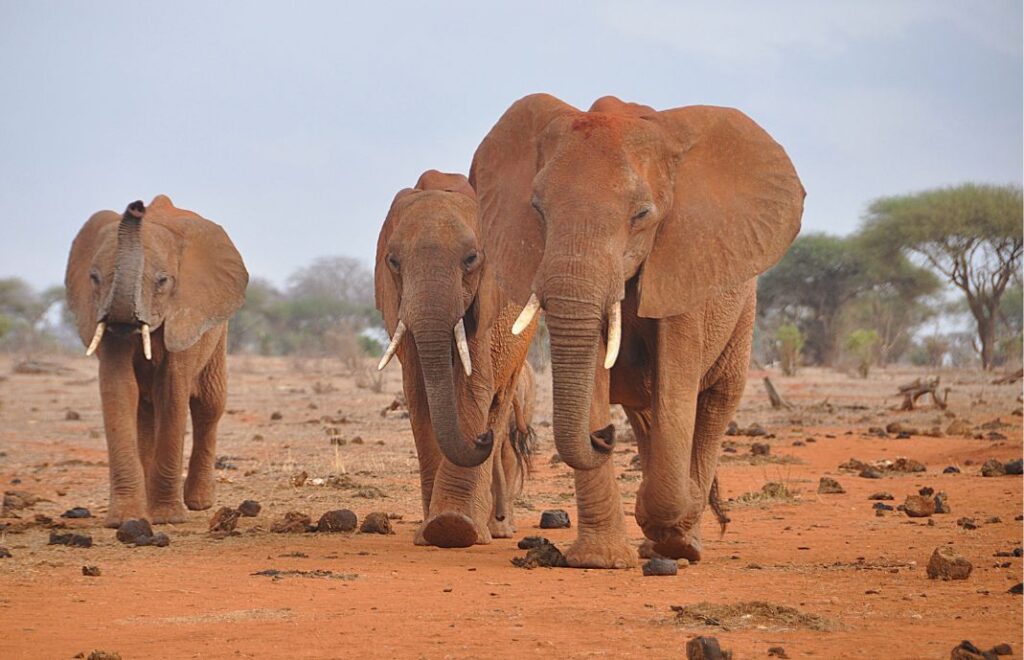
Before you know it, you will encounter Africa’s incredible wildlife. Elephants, antelopes, buffalo, and giraffes will move towards the waterholes to quench their thirst. Zebras will graze calmly in the morning light, and warthogs are out on their morning stroll.
If you are doing hot air ballooning (Namibia, Kenya, and Tanzania), you will also have to get up early as dawn provides the best conditions as winds are usually at their lowest in the morning.
9am to 11am: Return to camp for breakfast
As mid-morning comes around and it is getting too hot to be out. The animals, having quenched their thirst and hunger, will retreat to shade, making it harder to see and photograph.
You return to the lodge for tasty breakfast.
Some lodges/camps can arrange a bush breakfast (usually an additional fee). This means your meal is cooked and served outdoors in the wilderness. A great experience that combines wildlife viewing, sounds of nature, and dining in a remote location.
11am to 1pm: Relax at the lodge
Now you are free to do as you please and to enjoy the facilities the lodge or camp has to offer. This is your time, and do can read a book by the pool, go for a swim or just take a nap.
Depending on the lodge’s facilities, you can also get a message, hit the gym or participate in an activity.
1pm to 3pm: Lunch
You don’t have to worry about going hungry while you are on a safari. Meals are often served on a shaded terrace, beside a pool, or overlooking the bush, where the sounds of birds, insects, and distant wildlife become part of the atmosphere. The menu may include fresh salads, grilled dishes, local flavors, homemade bread, tropical fruit, and something sweet to finish.
It is not just about the food. Lunch is a moment to rest, share stories from the morning, watch the landscape, and gather energy before the afternoon safari begins.

4pm to 7pm: Afternoon game drive
An afternoon game drive has a different kind of magic. As the heat begins to soften and the light turns golden, the bush slowly comes alive again.
Animals start moving after the quiet hours of midday, and every bend on the track feels full of possibility.
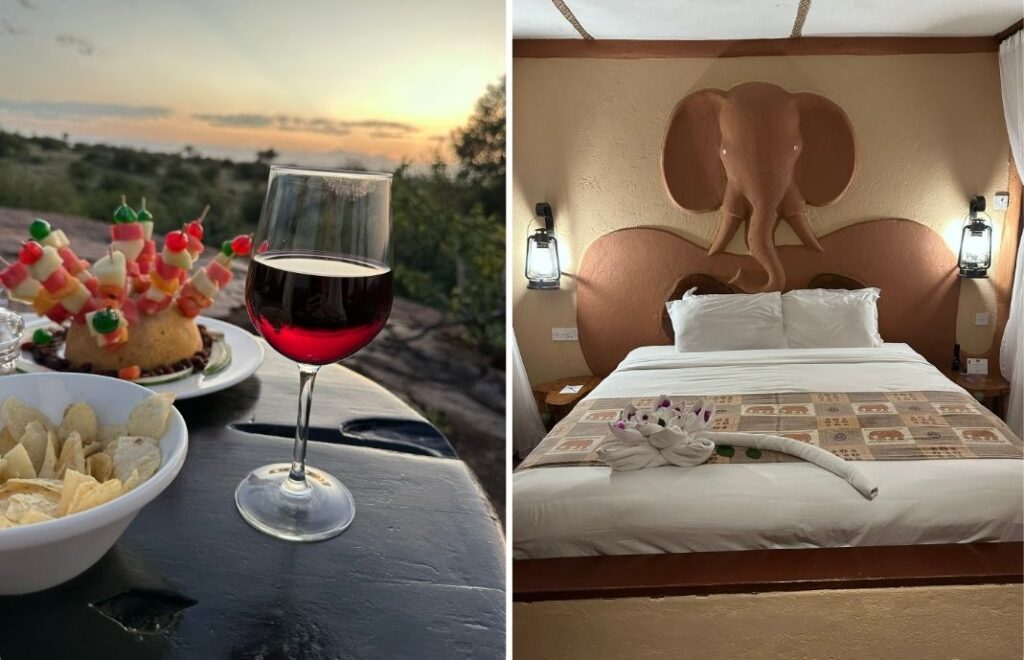
Some lodges offer a sundowner – drinks and snacks enjoyed halfway through the game drive. It happens at a scenic spot or a lookout.
If you are in a private concession or conservancy, you can stay out after dark and use a spotlight to look for nocturnal animals on the drive back to the lodge. Those doing a game drive in a national park must be out of the park by dusk when the gates close for the night.
Note: Mosquitos are most active at night so wear long pants and sleeves and use an eco-friendly repellent. The little bloodsuckers are attracted to black and blue so avoid these colors in the evening.
7:30pm: Dinner
Surprisingly enough, you are getting hungry again. Fresh air and the excitement of the afternoon game strike the appetite.
Dinner at a safari lodge often feels warm, atmospheric, and full of stories. After the evening game drive, guests gather under lantern light, around a fire, or on an open-air terrace while the sounds of the bush settle into the night.
9pm: Bedtime
A safari day in Africa usually ends early. Since you have been up bright and early, most people head to bed between 9 and 10 pm.
Some camps offer a gathering around the fire where the guests can have a drink and talk about the day’s adventure. Others may offer stargazing with a telescope or a lecture by a specialist guide or researcher.
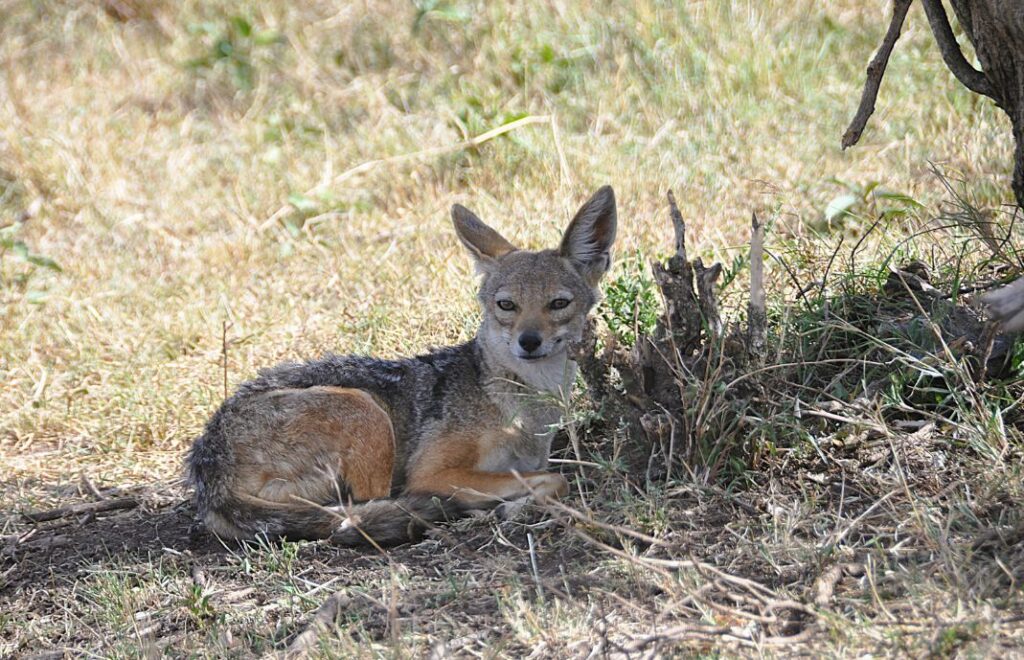
You can then go to bed, listening to the jackals calling across the savanna and hyenas whooping in the dark. A good night’s sleep and you awake the next day, ready for another exciting day.
Good to know
The word “safari” comes from the Swahili word for “journey” and refers to an adventure or expedition into the African wilderness. You will get a unique opportunity to encounter and experience wildlife and untamed nature in a safe and respectable way.
What can you expect to learn on safari?
Each day on safari will yield a wealth of knowledge. You will learn about the behavior of each animal you see and gain a deeper understanding of the diverse ecosystem around you. A safari will also give you an insight into the skills of the traditional tribespeople in the area and get a better understanding of the fascinating culture.
It’s a good idea to learn some phrases from the safari glossary that covers the most common lingo used in the bush.
More inspiration: A complete guide of safari glossary
Can you go to the toilet on safari?
You must be prepared to use a “bush toilet” while on safari. Your guide will know the best spots to do this. Make sure you bring toilet paper, a zip lock bag to put the used paper in and antibacterial hand spray with you.
In some national parks there are toilets, but they are usually not of a good standard.
Always make sure you use the restroom at the lodge before you go for a game drive.