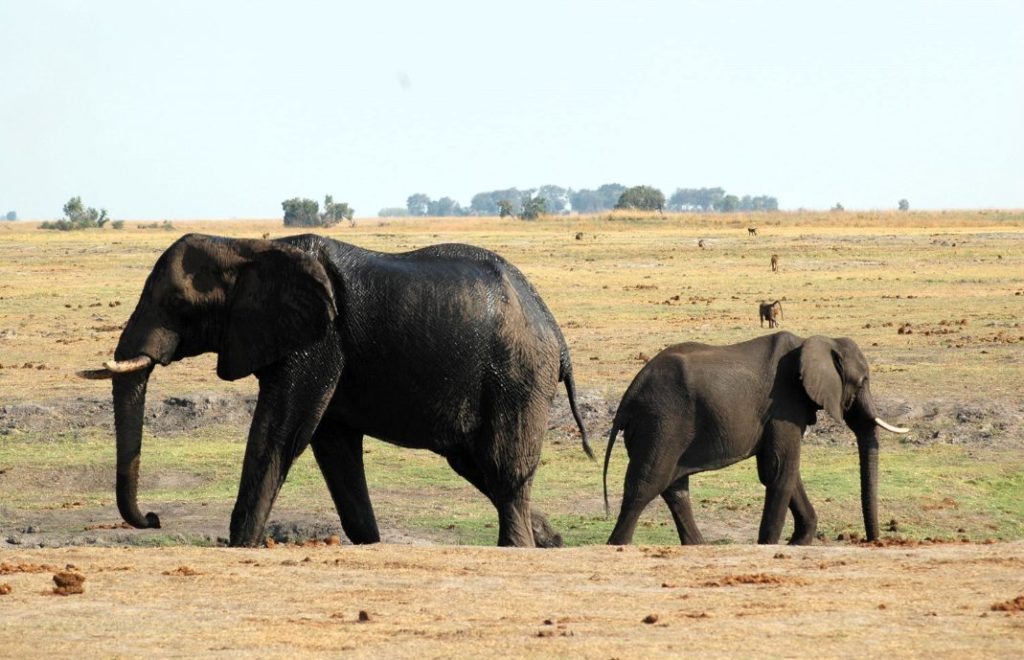
Imagine waking up with the thrill of adventure pulsing through your veins – knowing that today, you’re about to explore Chobe National Park, one of Botswana’s most breathtaking natural treasures.
The sky above you is a brilliant, unbroken blue. The sun rises with golden confidence. A warm breeze whispers through the trees, and the Chobe River – that shimmering ribbon of life – winds its way through the heart of the park, reflecting the wild beauty that surrounds it.
The sounds and scents of Africa are everywhere: the distant call of a fish eagle, the earthy aroma of sun-baked savannah, the rustle of movement in the bush. It all wraps around you – gentle, yet alive with raw intensity.
And then there’s the wildlife – oh, the wildlife!
Chobe is famous for its staggering elephant herds, among the largest on the continent, but that’s just the beginning. With a bit of luck, you just might check off all of Africa’s Big Five – lion, leopard, elephant, buffalo, and rhino – in a single visit.
So here’s to early morning game drives, golden-hour river cruises, and unforgettable encounters in one of Africa’s true safari gems.
Chobe awaits. And it’s magnificent.
The story of Chobe National Park
Long before safari vehicles rumbled through the bush, the land we now call Chobe National Park was home to the San people – Southern Africa’s oldest known inhabitants. They were later joined by other communities such as the Hambukushu, Bayei, and Basubiya, all of whom lived in harmony with the rhythms of the land and river.
Chobe’s journey to protected status began in 1961, when it was first designated as a wildlife reserve. Just seven years later, in 1968, it officially became a national park – a landmark moment in Botswana’s conservation history.
Covering a vast 11,700 square kilometers, Chobe encompasses a stunning diversity of landscapes, from lush floodplains and seasonal marshes to mopane woodlands and riverine forests. Each ecosystem supports its own unique web of life, making the park one of the most ecologically rich in Southern Africa.
Chobe also holds a special distinction: it was the very first national park established in Botswana, and remains the third largest protected area in the country – a pioneer in both legacy and natural splendor.
Its past is deep, its present is vibrant, and its future – as a sanctuary for both wildlife and wonder – shines brightly.
Meet the wildlife of Chobe National Park
Chobe National Park is nothing short of a wildlife wonderland – home to one of the highest concentrations of animals on the entire African continent.
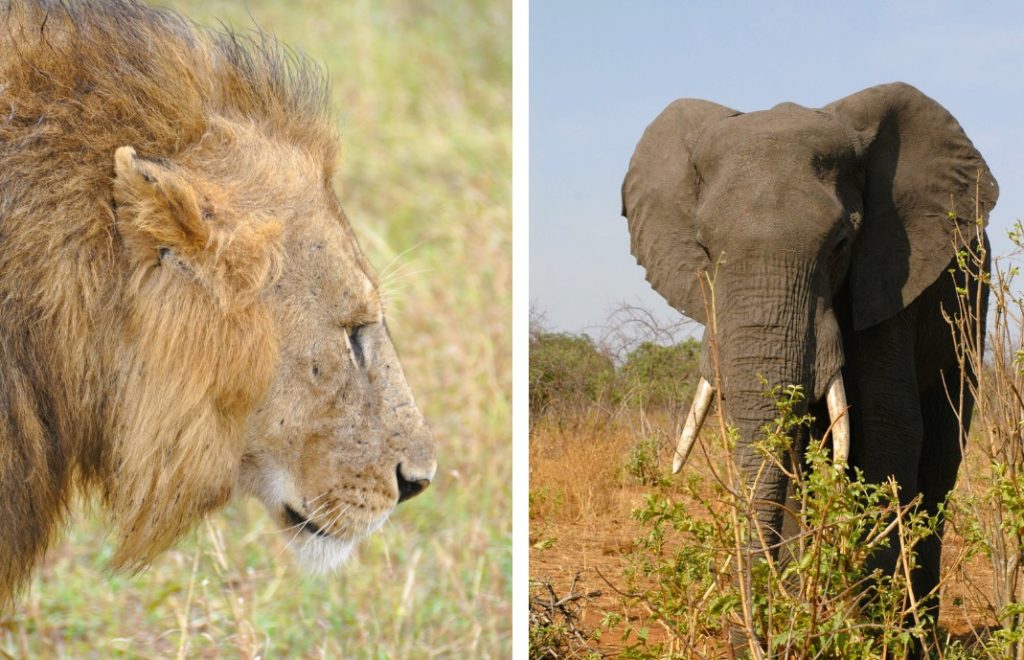
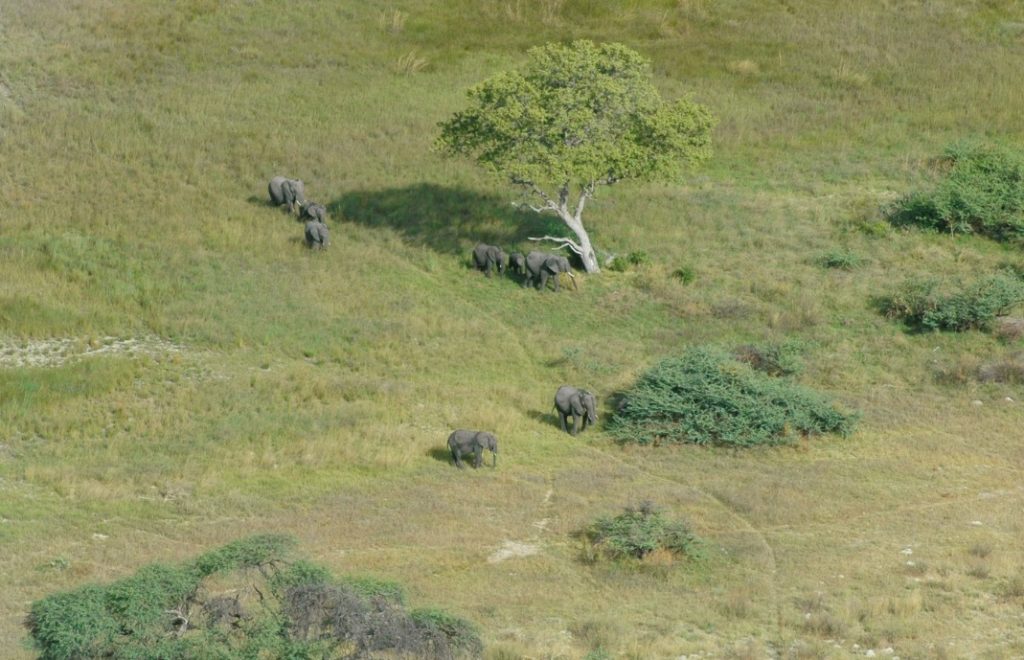
This spectacular park is world-renowned for its immense herds of elephants and buffalo. Over 120,000 elephants roam freely across its plains, woodlands, and riversides. In fact, you’d have to be very unlucky not to see these majestic giants during your safari.
But elephants are just the beginning.
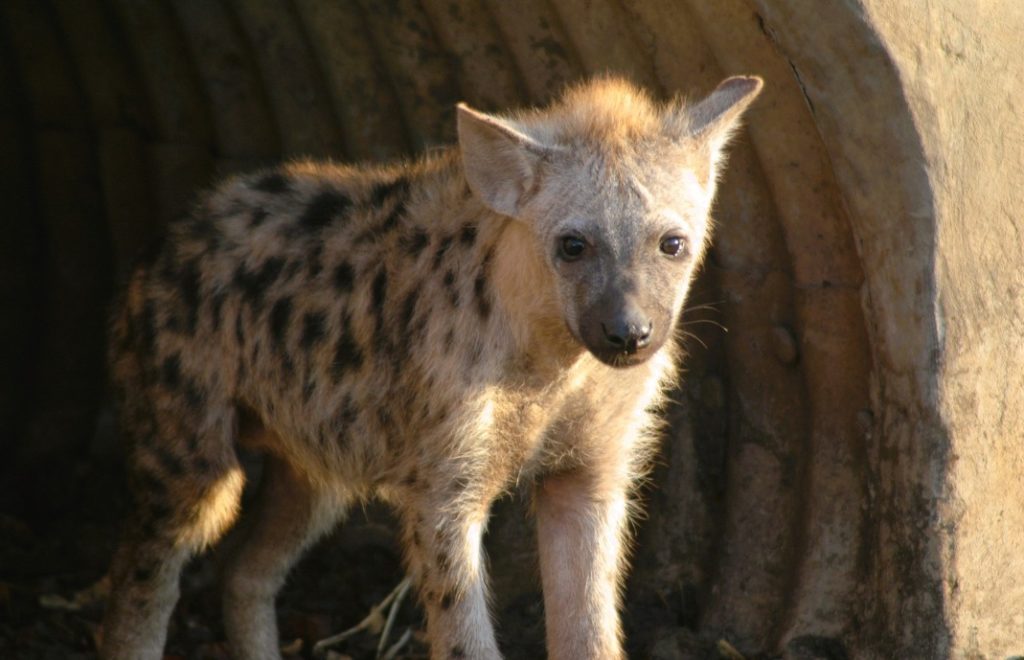
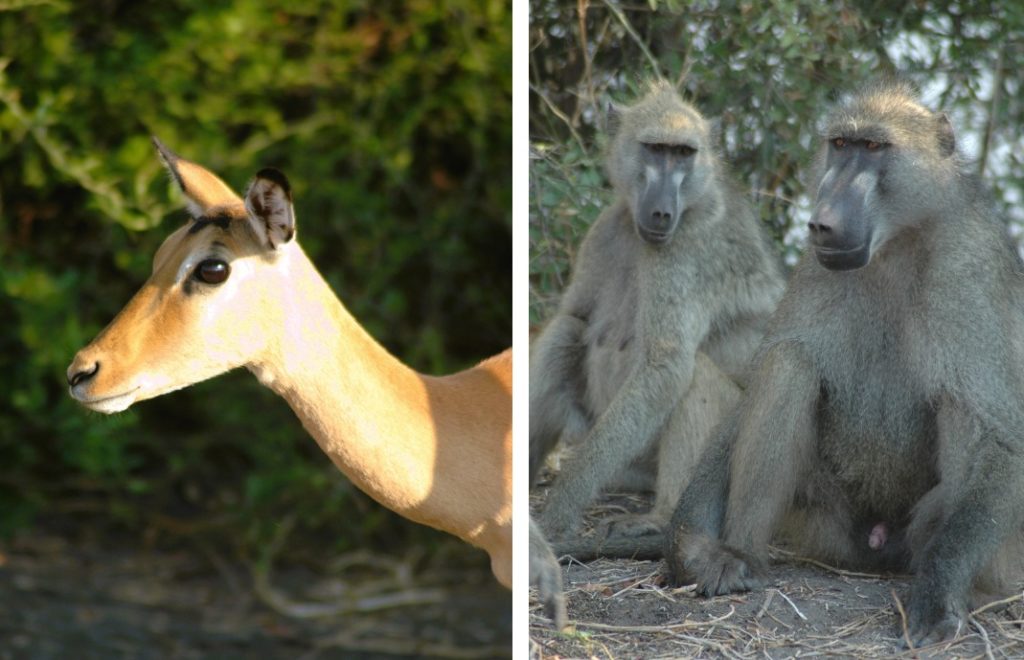
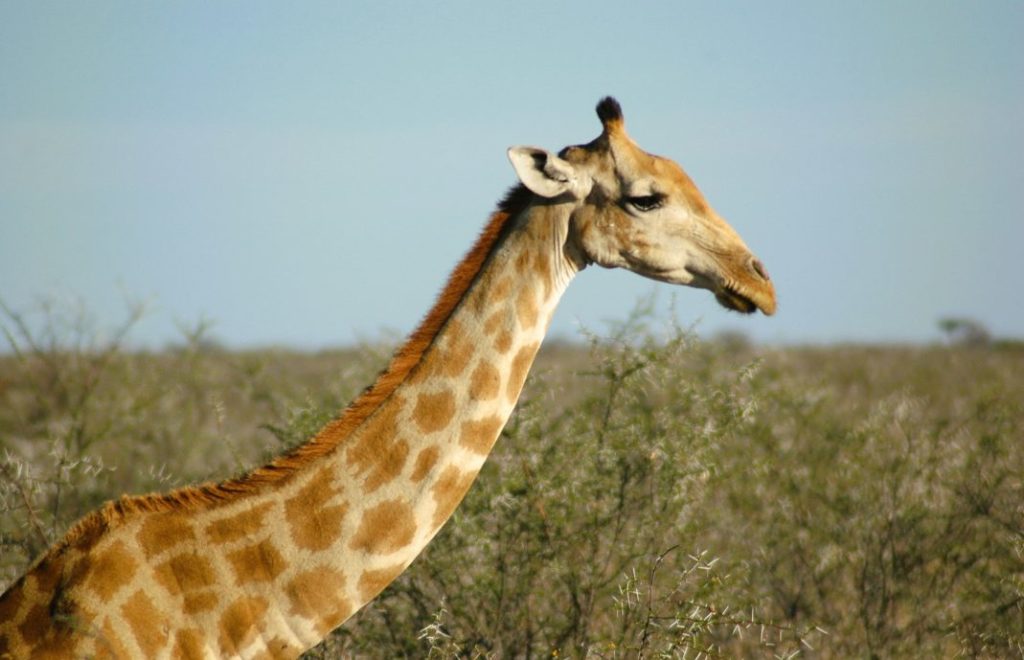
Chobe teems with life: zebra, impala, baboons, wildebeest, giraffe, warthogs, and vervet monkeys are all common sights. Among the predators, lions and hyenas take center stage, while cheetahs, leopards, and even the elusive African wild dog are known to patrol these lands.
And for bird lovers, Chobe is pure paradise. With over 460 recorded species, it’s one of the richest birding destinations in Southern Africa. As you drift along the Chobe River on a serene boat safari, keep your eyes peeled for African fish eagles, martial eagles, dazzling kingfishers, and the graceful sacred ibis.
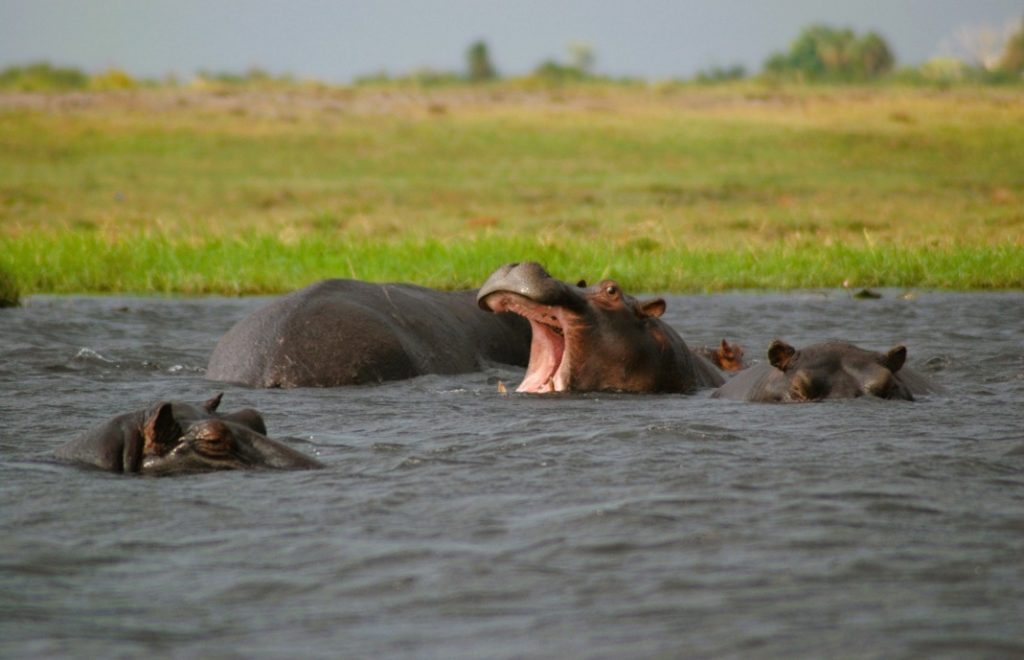
The riverbanks are also a magnet for hippos, Nile crocodiles, and the mighty monitor lizard – the second largest reptile in Africa, trailing only the crocodile in size.
In Chobe, every rustle in the grass and ripple on the water hints at a story waiting to unfold. Welcome to one of Africa’s wildest, most unforgettable stages.
Where is Chobe National Park?
This breathtaking national park is located in the northern reaches of Botswana, covering an expansive 11,700 square kilometers of unspoiled wilderness.
Chobe National Park stretches along the shimmering Chobe River, which forms Botswana’s natural border with Namibia. This river not only shapes the park’s dramatic landscape, but also serves as a lifeline for its abundant wildlife – drawing animals to its banks, especially during the dry season.
With its prime location at the crossroads of Botswana, Namibia, Zambia, and Zimbabwe, Chobe is an ideal stop for travelers exploring southern Africa’s safari heartland.
How to get to Chobe National Park
There are several exciting ways to reach the wild heart of Chobe National Park, depending on your travel style and sense of adventure.
The most direct route is via Kasane Airport, the closest gateway to the park. Daily flights operate from major African cities, with direct connections from Johannesburg to Kasane being the most popular. From there, it’s a short road transfer to your lodge – simple, smooth, and scenic.
For those seeking a more adventurous and memorable arrival, consider lodge-hopping by bush plane. These short charter flights can be arranged from Kasane, Livingstone (Zambia), or Victoria Falls (Zimbabwe). Most lodges within and around the park are serviced by private airstrips, meaning you’ll land just minutes from your safari base.
One of the best parts? These flights are breathtakingly scenic, cruising at low altitude over Botswana’s sweeping landscapes, winding rivers, and wildlife-strewn plains – a safari in the sky.
Alternatively, if you’re on a regional road trip, Chobe is also accessible by car from neighboring countries such as South Africa, Namibia, and Zimbabwe. The road into Kasane is well-traveled by overlanders and self-drive enthusiasts alike.
Whether by air or land, the journey to Chobe is part of the experience. The adventure begins the moment you set out.
When to visit Chobe National Park
There’s no single “best time” to visit Chobe National Park – because each season reveals a different face of the wild, and each has its own magic. No matter when you go, Chobe offers year-round safari dreams waiting to be fulfilled.
The dry season (May to November)
This is Chobe’s most popular time of year – and for good reason. As the land dries out, animals flock to the lifeline of the Chobe River, creating unforgettable wildlife spectacles.
Expect exceptional game viewing, especially from August through October, when sightings of elephants, buffalo, and big cats are at their peak. Keep in mind, though, these are also the hottest months, with temperatures soaring – so plan accordingly.
The upside? Chobe stays frost-free year-round, even during winter, making it one of the most comfortable dry-season safari destinations in Southern Africa.
The wet season (December to April)
Don’t overlook the green season – especially if you’re a bird lover. This is when the park comes alive with over 450 bird species, including countless migrants, dressed in vibrant plumage and song.
During this time, visitor numbers are low, which means fewer crowds, more lodge availability, and quieter, more intimate safari experiences.
Photographers will love the dramatic skies, which can shift from golden light to moody clouds within minutes – perfect for those cinematic safari backdrops.
January and February are the wettest months, often bringing heavy but short-lived downpours. Some days may be gray, but the beauty and moodiness of the landscape make up for it tenfold.
In short? Chobe is always ready to impress – rain or shine. All you need to decide is which version of its wild wonder you’d like to meet.
Don’t miss this: The magic of a Chobe River Cruise
While game drives are undeniably thrilling, there’s one experience in Chobe National Park you absolutely cannot miss – a river cruise on the Chobe River.
This isn’t just another safari. It’s a completely different perspective, offering a front-row seat to the wild from the calm, gliding deck of a boat.
From the water, you’ll drift past basking crocodiles, bellowing hippos, and a kaleidoscope of vibrant birdlife, all while elephants gather at the riverbanks to drink, splash, and play – sometimes even crossing right in front of you.
Few moments rival the feeling of floating silently as the sun sets, painting the river in gold and amber while the sounds of Africa echo in the distance.
It’s peaceful. It’s powerful. And it’s pure Chobe.
Fast facts about Chobe National Park
Elephant capital of the world
Chobe is home to the largest elephant population on Earth, with over 120,000 of these gentle giants roaming its landscapes.
World-class river safaris
The Chobe River offers some of the best boat-based game viewing in Africa – if not the world – bringing you eye-to-eye with hippos, crocs, and thirsty herds.
One of the densest wildlife populations in Africa
Chobe boasts one of the highest concentrations of wildlife on the continent, making every game drive or boat cruise an adventure teeming with life.
A birdwatcher’s paradise
With over 450 bird species, Chobe ranks among the top birding destinations globally, especially vibrant during the green (wet) season.
Whether you’re drawn by the thunder of elephants, the call of the fish eagle, or the promise of a golden river cruise at sunset, Chobe National Park is a place that stays with you – long after you’ve left its wild embrace.
More inspiration: Safari in Chobe National Park