
Lake Mburo National Park may be one of Uganda’s smallest protected areas, but don’t let its size fool you – this hidden gem is often overlooked by travelers, yet it holds some of the country’s most rewarding wildlife experiences.
The park is a true treasure trove of biodiversity, offering an abundance of wildlife that alone makes the journey well worth it.
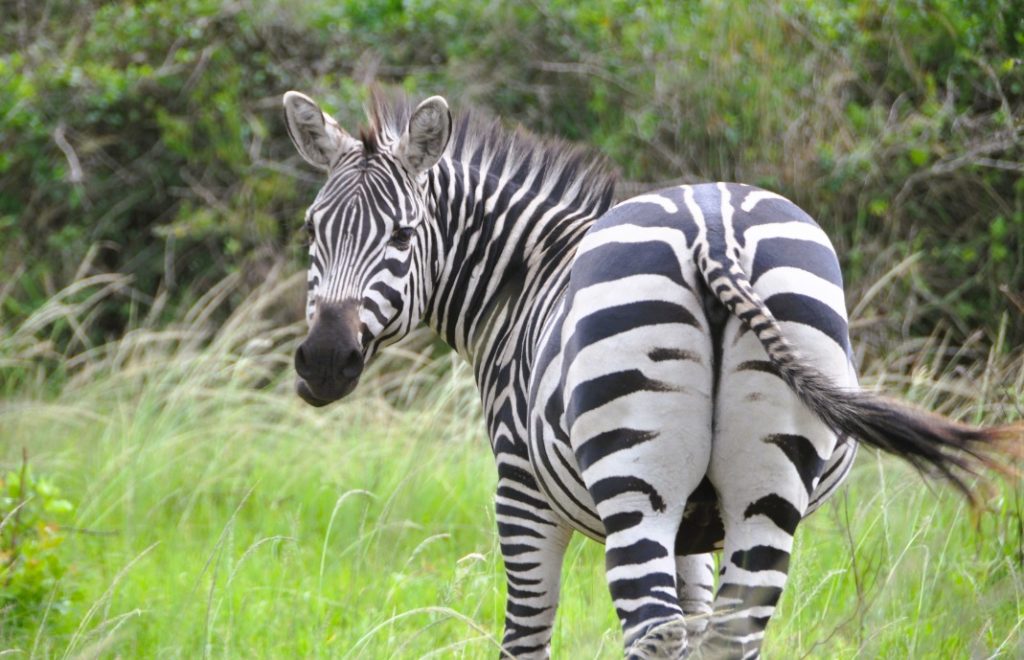
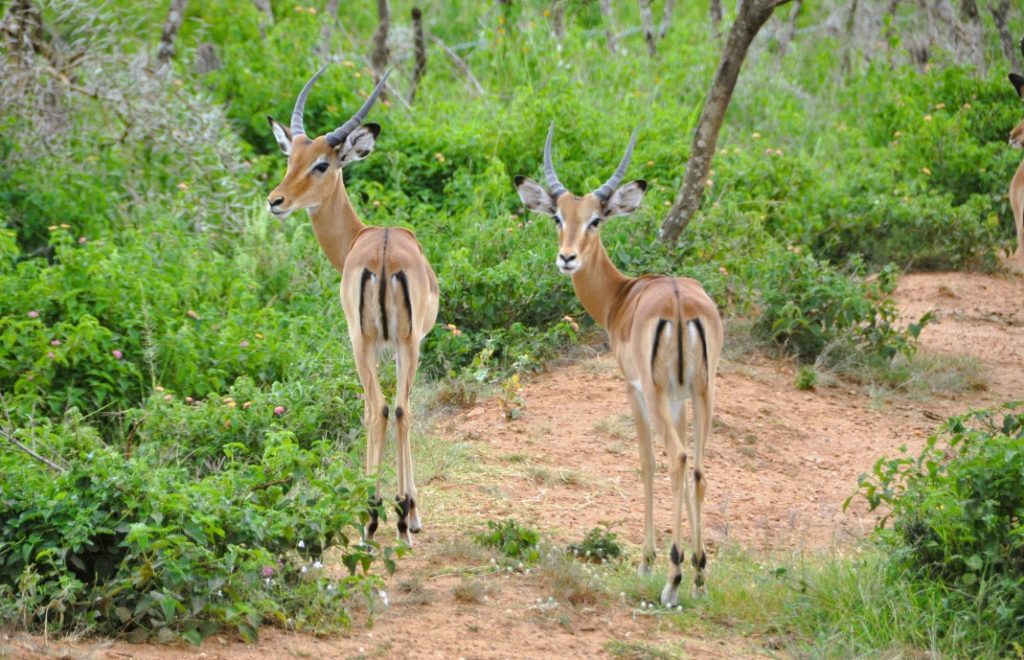
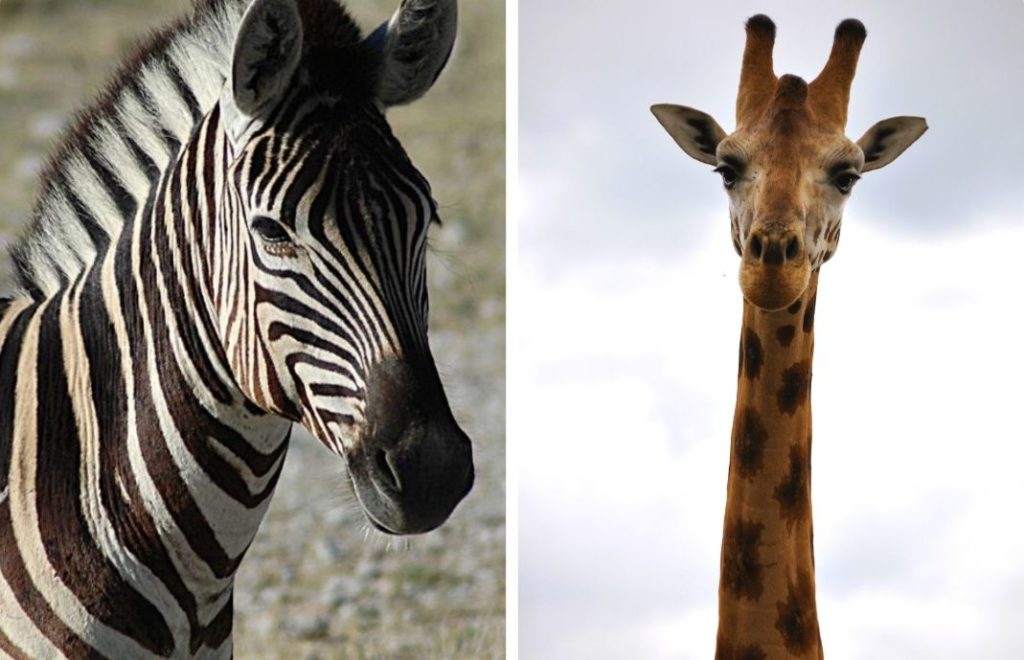
It’s also the only national park in Uganda where you can spot zebra, impala, eland, and the elusive klipspringer all in one place.
What makes Lake Mburo even more enticing is its wide range of activities, making it easy – and highly worthwhile – to spend a couple of days soaking in its unique charm and natural wonders.
Good to know about Lake Mburo National Park
Tucked away in the heart of Uganda lies a true hidden gem – Lake Mburo National Park, the country’s smallest national park, yet brimming with extraordinary biodiversity across its compact 380 square kilometers.
Conveniently located just 240 kilometers from Kampala and 290 kilometers from Entebbe, it’s the most accessible national park from Uganda’s major cities – making it an ideal getaway into the wild.
Lake Mburo’s story begins in 1933, when it was first designated as a controlled hunting area. By 1963, its status had evolved into a game reserve. For decades, the Bahima people, known for their pastoral traditions, grazed their cattle here – until 1983, when the area was officially declared a national park.
What sets Lake Mburo apart is its uniquely rich ecosystem and mosaic of landscapes. In the park’s western reaches, open savannahs gently rise into forested hills and narrow, wooded valleys. With no elephants to tear through the foliage, the vegetation thrives, creating lush pockets of wilderness.
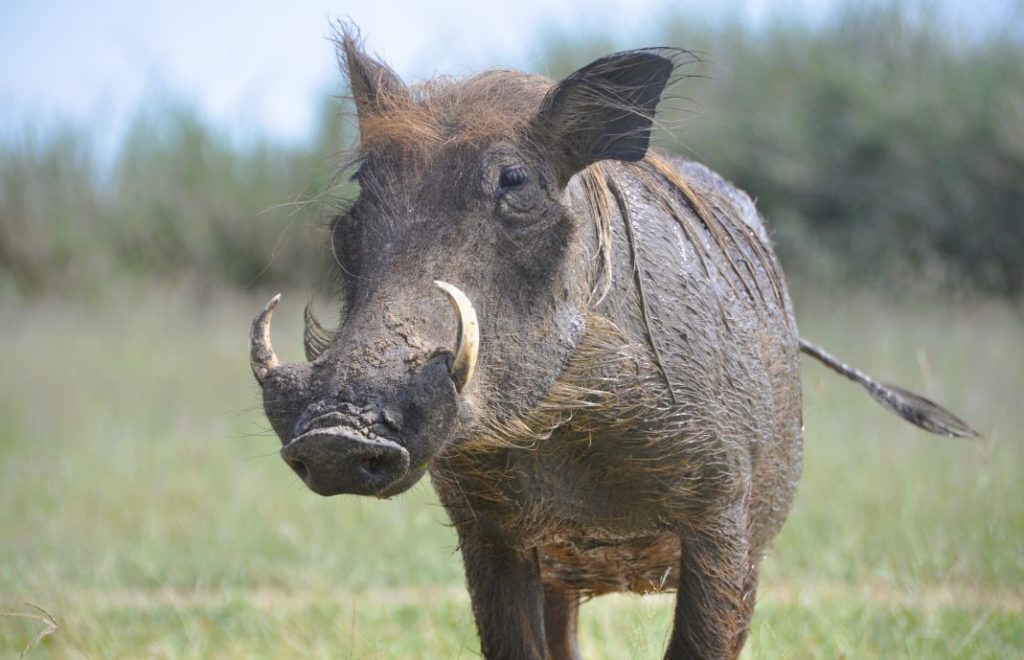
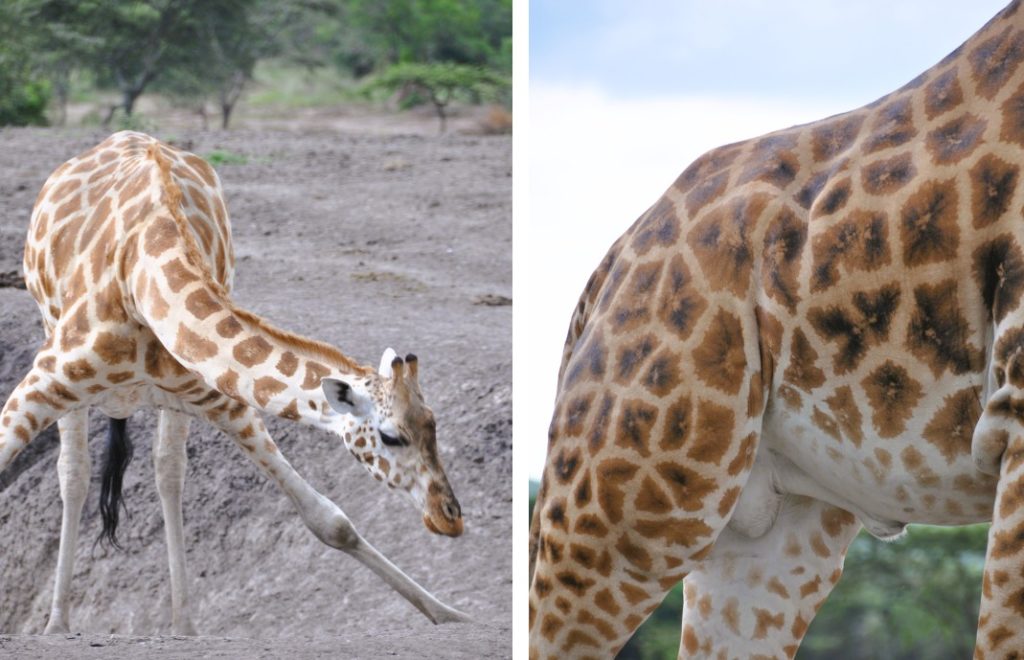
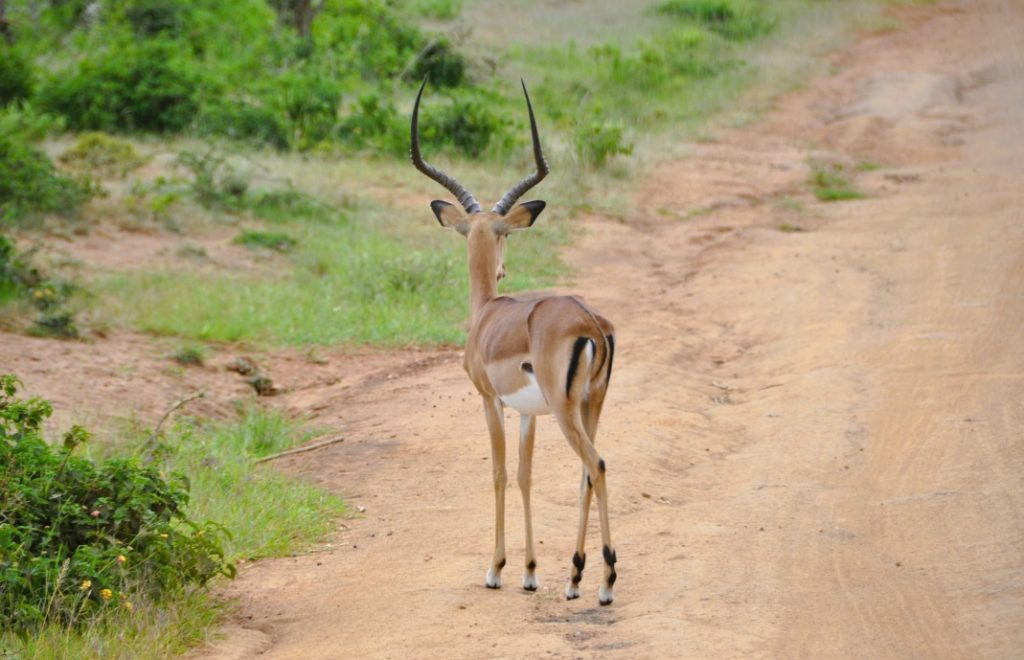
Within the park lie five serene lakes, teeming with hippos and alive with birdlife. The wildlife here is as diverse as the terrain. Expect to encounter zebras, warthogs, giraffes, buffaloes, elands, hyenas, and the park’s emblematic impalas.
Small in size but grand in experience, Lake Mburo National Park offers a captivating window into Uganda’s untamed soul – wild, welcoming, and wonderfully close.
How Lake Mburo got its name
According to local legend, the park is named after a young boy named Mburo, who once lived on the savannah with his brother Kigarama. One night, Kigarama had a vivid dream, a prophetic vision of torrential rains and catastrophic flooding that would sweep away their home and possessions.
He warned Mburo of the impending danger, urging him to leave. But Mburo dismissed the dream as mere fantasy and chose to stay behind. Trusting his instincts, Kigarama moved to higher ground.
Then the skies opened. The rains came just as foretold, and the area was overwhelmed by floodwaters. Tragically, Mburo drowned in the deluge.
Today, the lake that formed where he once lived bears his name – Lake Mburo – a timeless tribute that ensures his story lives on, etched into the landscape of this captivating national park.
Getting to Lake Mburo National Park
Lake Mburo National Park is the closest national park to Uganda’s bustling capital, Kampala, making it one of the most accessible wilderness escapes in the country.
By road, the journey from Kampala takes approximately four hours – a scenic drive through the rolling landscapes of southwestern Uganda. If you’re setting off from Entebbe, the drive is slightly longer, taking around four and a half hours.
For a faster and more scenic arrival, you can also opt to fly from either Entebbe International Airport or Kajjansi Airstrip to Mbarara airstrip. From there, it’s a comfortable drive by car straight into the heart of the park.
Whether you choose to travel by land or air, the journey to Lake Mburo is an adventure in itself – your gateway to an unforgettable encounter with Uganda’s untamed beauty.
Wildlife in Lake Mburo National Park
Though compact in size, Lake Mburo National Park boasts an impressive array of wildlife that belies its modest footprint.
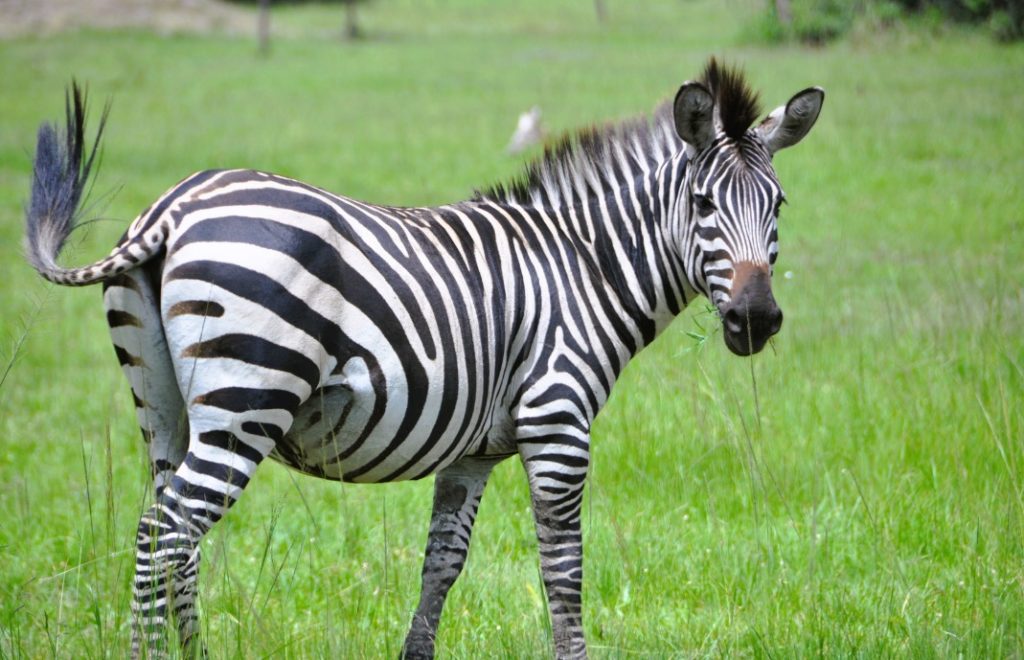
If you’re a fan of zebras, this is your dream destination. Lake Mburo is Uganda’s premier zebra park, home to the largest population in the country – though a few hundred also roam the remote Kidepo Valley in the northeast.
A game drive here offers the chance to spot a vibrant mix of wildlife, including giraffes, baboons, buffaloes, elands, impalas, hippos, hyenas, and waterbucks. While sightings can never be guaranteed in the wild, the diversity of species keeps every safari thrilling.
However, if you’re hoping to check off big cats from your safari list, this may not be the ideal park – lions and leopards are extremely rare in this area.
Bird lovers, on the other hand, are in for a treat: Lake Mburo is a haven for avian life, with around 350 recorded bird species fluttering through its wetlands, forests, and open plains.
Small but spectacular, Lake Mburo offers an intimate and enriching wildlife experience – perfect for those who cherish variety, serenity, and a touch of the unexpected.
When to visit Lake Mburo National Park
Lake Mburo National Park welcomes visitors year-round, but timing your visit can enhance the experience depending on what you’re hoping to see.
For classic game viewing, the dry seasons – June through September and December through February – are the prime months to go. With minimal rainfall, the vegetation thins out, making it much easier to spot wildlife as animals gather around water sources. These dry months also coincide with peak travel season, so expect a livelier buzz in the lodges and on the trails.
However, if you’re a birding enthusiast, the wet seasons – March to May and October to November – offer an entirely different kind of magic. During these months, the park becomes a lush, green paradise and welcomes a wide array of migratory birds, adding vibrant color and sound to every corner of the landscape.
Whether you’re chasing the thrill of a game drive or the quiet joy of birdwatching, Lake Mburo has something to offer in every season.
Activities in Lake Mburo National Park
Uganda’s smallest national park punches well above its weight when it comes to adventure. With a wide range of activities, it’s easy to fill a day or two with unforgettable moments in the wild.
Daytime safari
The main draw of Lake Mburo is, without a doubt, its wildlife.
Hop into a safari vehicle with a professional guide and set off to explore the park’s diverse habitats. Game drives are offered in the early morning or late afternoon, the times when animals are most active and the golden light adds a magical touch to the landscape.
Night Ssafari
Craving a completely different safari experience?
Join a trained guide for a thrilling night drive through the darkened savannah. As powerful spotlights sweep the terrain, keep your eyes peeled for nocturnal creatures emerging from the shadows.
Night safaris often reveal elusive species like leopards, white-tailed mongooses, hyenas, bush babies (galagos), servals, and even hedgehogs. You might also catch a glimpse of hippos grazing under the moonlight, away from their daytime homes in the water.
Whether you’re scanning the horizon at sunrise or navigating the hush of the African night, Lake Mburo National Park delivers adventure from dawn to dusk – and beyond.
Boat safari & birdwatching
Lake Mburo isn’t just about game drives – its tranquil waters and teeming skies offer equally captivating ways to explore.
Boat safari on Lake Mburo
One of the most serene and scenic ways to encounter wildlife is aboard a guided boat tour across Lake Mburo itself. You can choose between morning and afternoon departures, each offering a different rhythm of life along the water’s edge.
As you drift along the lake, you’ll likely see hippos wallowing, crocodiles sunning themselves, and buffaloes, giraffes, and waterbucks gathering along the shoreline. The slow, quiet pace of the boat allows you to truly soak in the moment – and capture some unforgettable photos.
Birdwatching
With around 350 recorded bird species, Lake Mburo National Park is a birdwatcher’s paradise.
Morning and late afternoon are the ideal times for birdwatching, when the air is cool and the birds are most active. Accompanied by an expert birding guide, you’ll have the chance to spot both common and rare species.
Keep an eye out for iconic birds such as the shoebill stork, white-headed barbet, African fish eagle, crested crane, and even the exotic white-crested turaco. The variety is astounding, from lakeside waders to woodland songbirds.
Whether you’re gliding silently across the water or scanning the treetops through binoculars, Lake Mburo offers a quieter, more intimate kind of safari – one that celebrates the quieter wonders of the wild.

Horseback Ssafaris, nature walks & fishing
Lake Mburo National Park invites you to experience the wild not just from a vehicle or boat – but on horseback, on foot, or with a fishing rod in hand. These immersive activities offer a fresh, up-close connection to Uganda’s untamed beauty.
Horseback safari
Lake Mburo is the only national park in Uganda that offers horseback safaris, giving you a rare and exhilarating way to explore the wilderness.
From the saddle, you move quietly and gracefully across the savannah, often riding among zebras, impalas, and warthogs. With no engine noise to startle the wildlife, animals remain relaxed, allowing for incredible close-up encounters—and a safari experience like no other.
Guided Nature Walks
If you prefer your adventures on foot, Lake Mburo delivers with guided walking safaris.
Accompanied by an experienced guide and an armed ranger, you’ll tread through acacia woodlands, open plains, and along lake edges. This is your chance to track animals by footprints, learn about medicinal plants, and discover smaller wonders that are often missed on a drive.
There’s something thrilling about standing on the same ground as the wildlife – no glass, no doors, just you and the wild.
Fishing
Fancy trying your luck with a line? Fishing is permitted on Lake Mburo and Lake Mazinga, offering a peaceful yet exciting way to connect with the park.
Common catches include lungfish, barbel, and catfish – especially if fortune is on your side. Just be sure to obtain a fishing permit from the Uganda Wildlife Authority, and always carry it with you while on the water.
Whether you’re riding beside zebras, following tracks through the bush, or casting a line beneath the African sun, Lake Mburo National Park offers adventure on your terms – active, intimate, and truly unforgettable.

More inspiration to Uganda’s fantastic national parks:
En guide til gorillatrekking
Why you must visit Murchison Falls National Park
A guide to Queen Elizabeth National Park
10 animals you must see in Uganda
