
Though the word Nakuru means “dust” or “dusty place” in the Maasai language, there’s nothing arid or barren about Lake Nakuru National Park. In fact, it’s quite the opposite – a vibrant, flourishing sanctuary where color and life burst from every corner.
The magnificent Lake Nakuru is undeniably one of the crown jewels of Kenya’s legendary Great Rift Valley.
Famed for its dreamlike beauty, the lake shimmers with hues of pink thanks to the clouds of cotton-candy-colored flamingos that flock to its alkaline waters. But it’s not just the flamboyant birdlife that draws travelers here – Lake Nakuru National Park is also one of the finest places in Africa to witness rhinos in the wild.
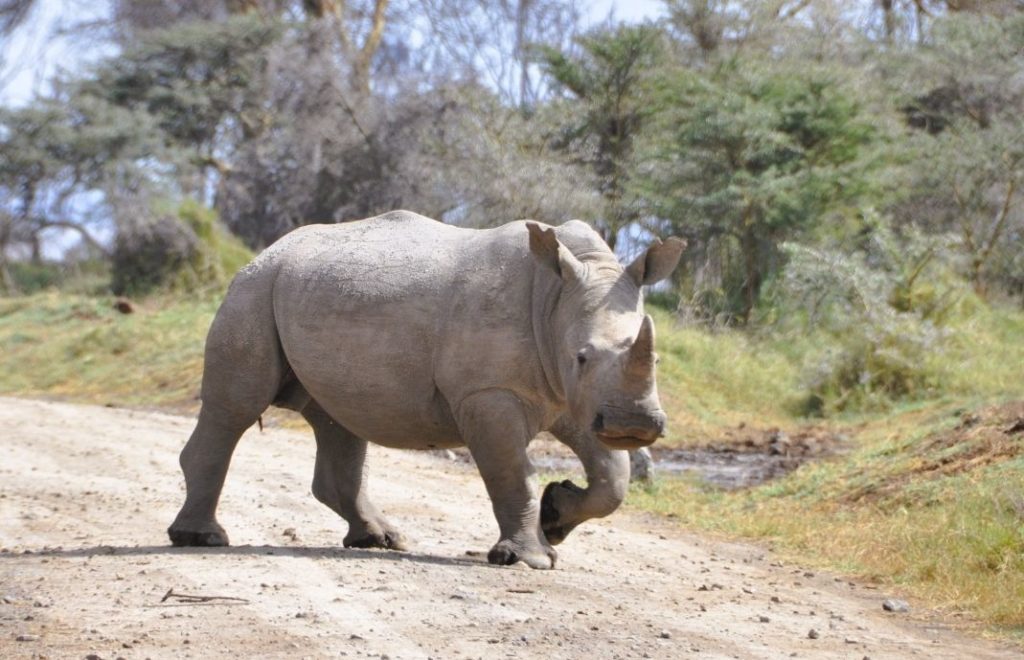
Along the lakeshore, white rhinos patrol like armored tanks, grazing calmly in the open plains. Meanwhile, the rarer and more elusive black rhinos – known for their shy and temperamental nature – keep their distance in the dense thickets.
Accessible, scenic, and teeming with life, Lake Nakuru is one of Kenya’s most easy-to-reach national parks, making it an ideal stop for both short getaways and in-depth safaris.
Whether it’s your first visit or your fifth, Lake Nakuru always offers something magical – a place where wildlife, color, and landscape come together in perfect harmony.
Where is Lake Nakuru National Park?
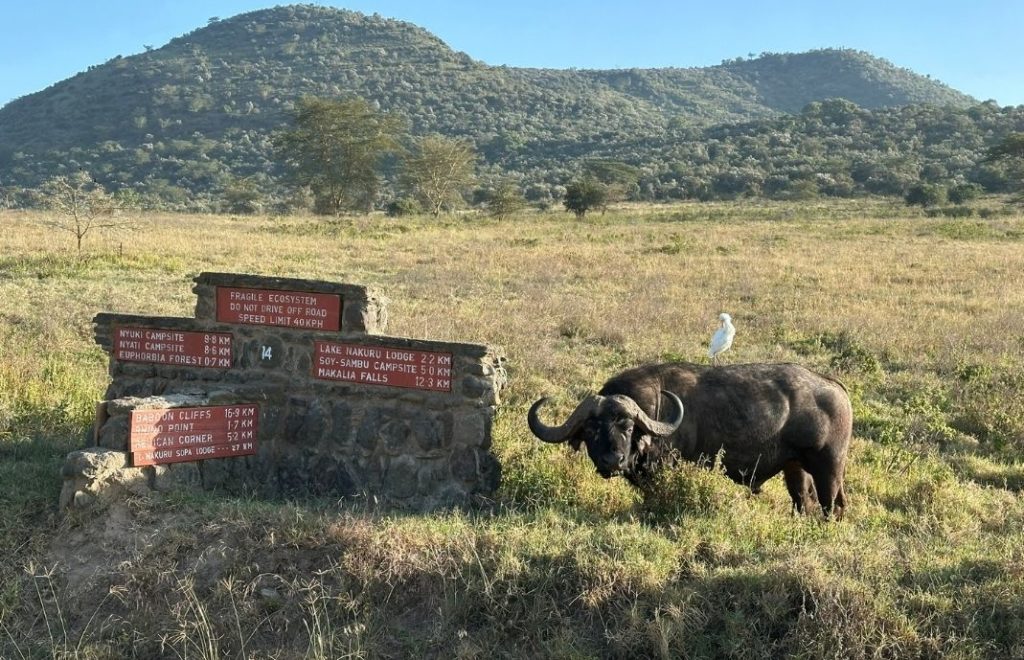
This enchanting national park is tucked away in southwestern Kenya, in the heart of the breathtaking Great Rift Valley.
Just a three-hour drive from Nairobi, it’s easily accessible – making it the perfect safari destination even if your time in Kenya is limited. Whether you’re on a weekend escape or crafting a longer itinerary, Lake Nakuru offers a rewarding wildlife experience just a stone’s throw from the capital.
The story of Lake Nakuru National Park
Lake Nakuru’s journey from a protected haven to one of Kenya’s premier national parks is a tale steeped in conservation and natural beauty. The lake and its surrounding lands were first designated a protected area in 1957, and by 1961, it had become a bird sanctuary. Just seven years later, in 1968, Lake Nakuru officially gained national park status.
Spanning 188 square kilometers and resting at an elevation of 1,754 meters, Lake Nakuru earned its place on the UNESCO World Heritage List in 2011, celebrated for its unique ecology and rich biodiversity.
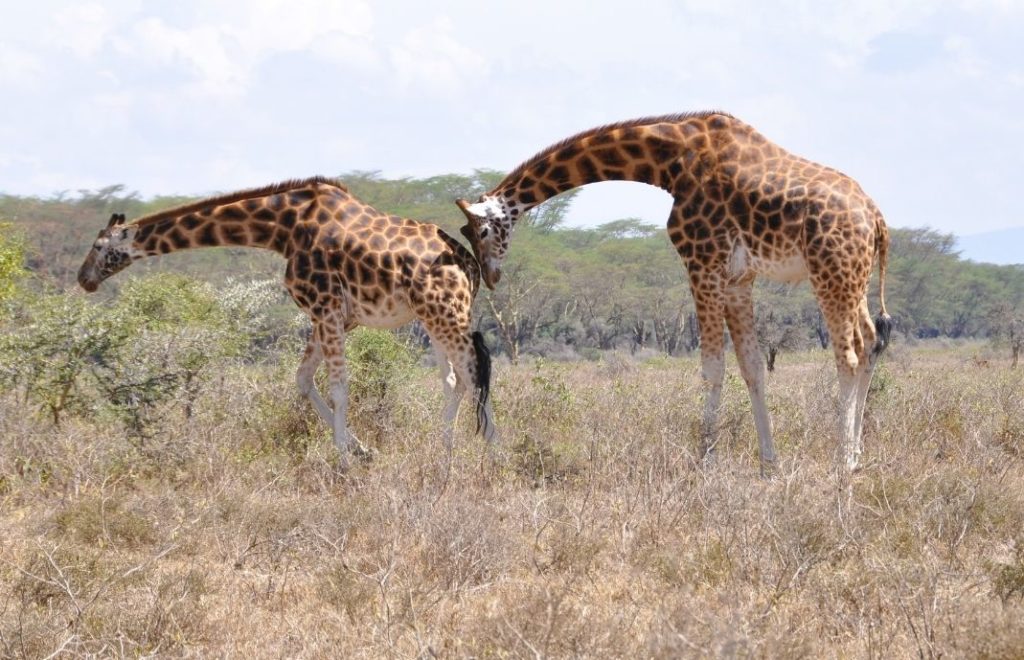
In 1977, several Rothschild’s giraffes – one of the most endangered giraffe subspecies – were relocated here from western Kenya. The initiative has been a resounding success, and the tall, graceful creatures have found a safe and thriving refuge in Lake Nakuru. Kenya continues its dedicated efforts to preserve this majestic species.
Where conservation meets spectacle
By 1984, Lake Nakuru became home to Kenya’s first rhino sanctuary, a bold step in safeguarding both white and black rhinoceros populations.
For decades, Lake Nakuru was renowned for a spectacle that drew visitors from around the world: its clouds of pink flamingos. At its peak, the lake hosted over 1.5 million flamingos, transforming its shoreline into a surreal pink mirage.
However, since 2012, heavy flooding has caused the lake’s water levels to rise dramatically, shrinking the flamingos’ breeding and feeding grounds – and leading to a sharp decline in their numbers.
In recent years, there are signs of recovery. The flamingo population is once again on the rise, a hopeful symbol of the park’s resilience and a welcome sight for nature lovers and birdwatchers alike.
Lake Nakuru National Park remains a vital sanctuary – a place where wildlife, conservation, and natural beauty converge in harmony.
Which animals can you see in Lake Nakuru National Park?
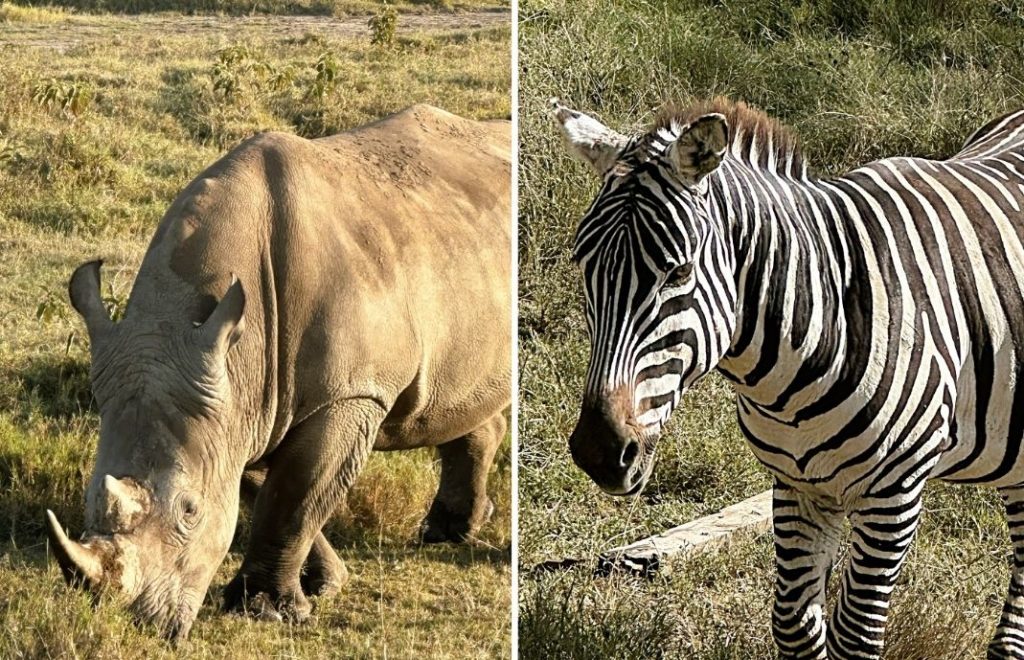
When it comes to spotting rhinos in Kenya, Lake Nakuru National Park is unrivaled. It’s without a doubt the best place in the country to see these magnificent creatures up close.
The park is home to around 50 black rhinos and twice as many white rhinos, making it one of East Africa’s most important rhino sanctuaries.
Along the lakeshore, you’ll often find white rhinos patrolling like armored tanks, calm and imposing in their stature. Their more elusive cousins, the black rhinos, are harder to spot – they’re shyer, more solitary, and known for their unpredictable nature.
Together, these iconic animals underscore Lake Nakuru’s role as a vital stronghold for rhino conservation and a true paradise for wildlife lovers.
Where predators lurk and giants wander
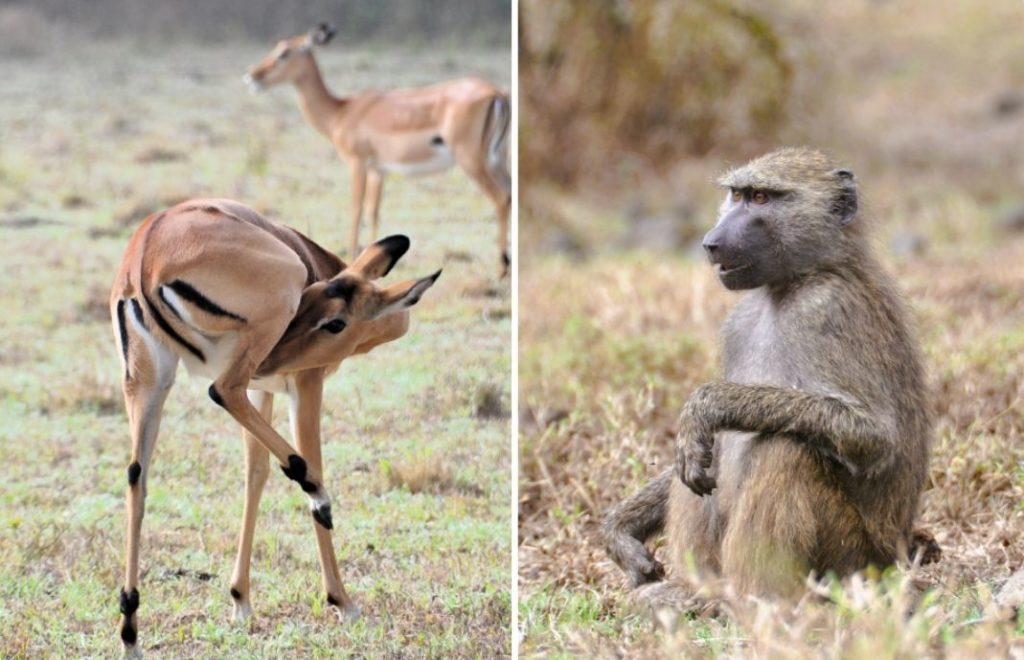
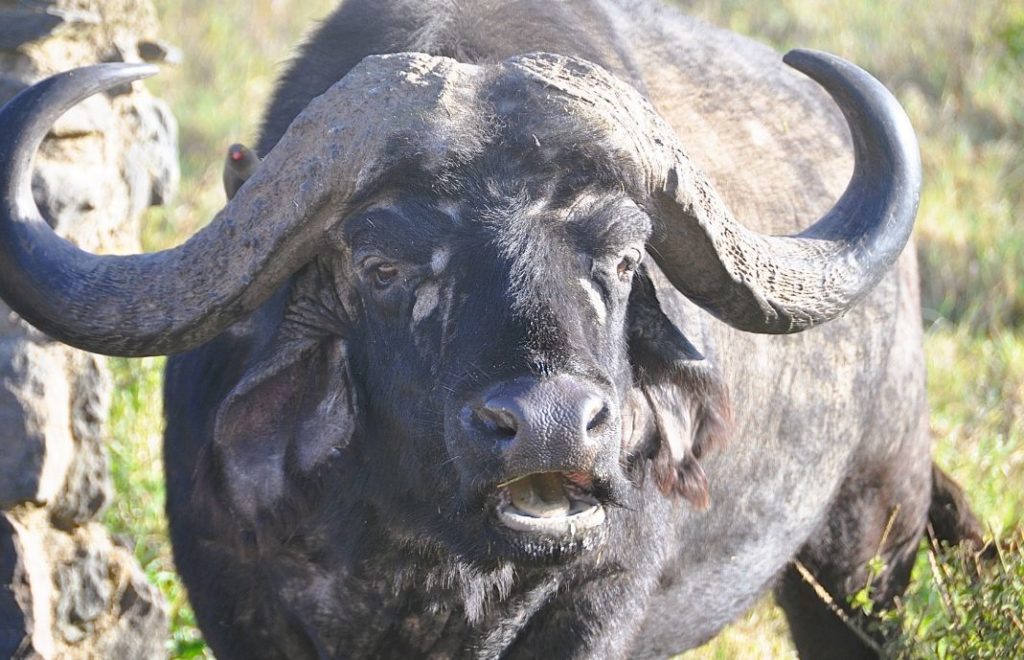
In the acacia forests surrounding Lake Nakuru, you’ll find a captivating cast of characters roaming freely. Majestic buffaloes share the land with the elegant and critically endangered Rothschild’s giraffes, along with waterbucks, impalas, and other graceful antelope species.
Beneath the sweeping canopies of candelabra trees, leopards lie in wait – stealthy, elusive, and almost invisible. But when one of these spotted phantoms steps into view, it’s an unforgettable moment.
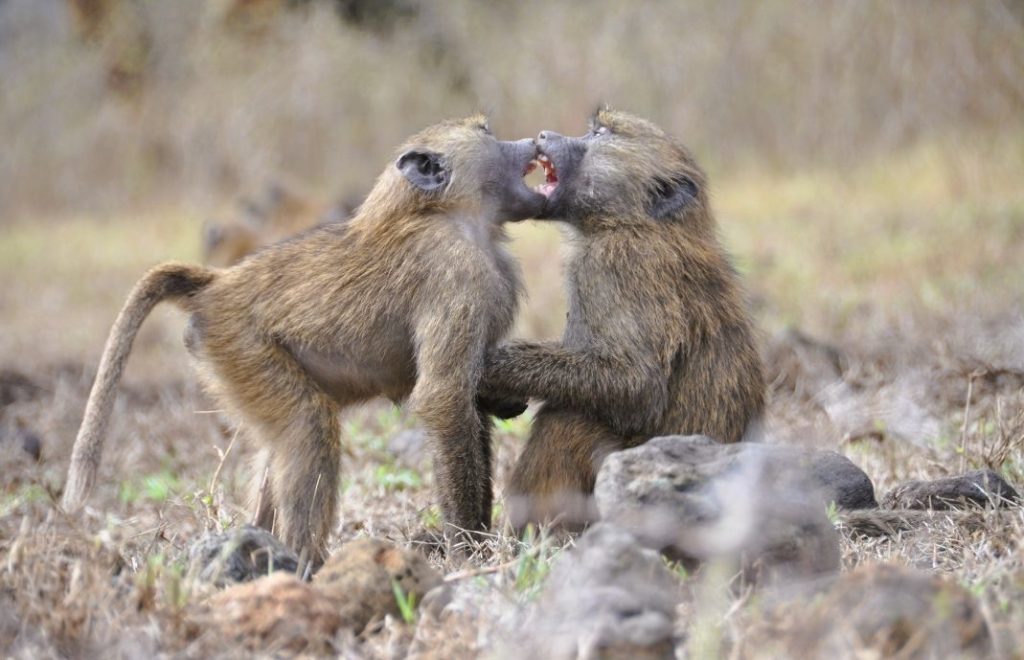
The park is also home to lions, cheetahs, hippos, zebras, hyenas, ostriches, and baboons, creating a rich and dynamic ecosystem. And for the adventurous, keep your eyes peeled – pythons have been spotted too, slithering through the undergrowth or coiled in trees.
Where birds and big cats meet
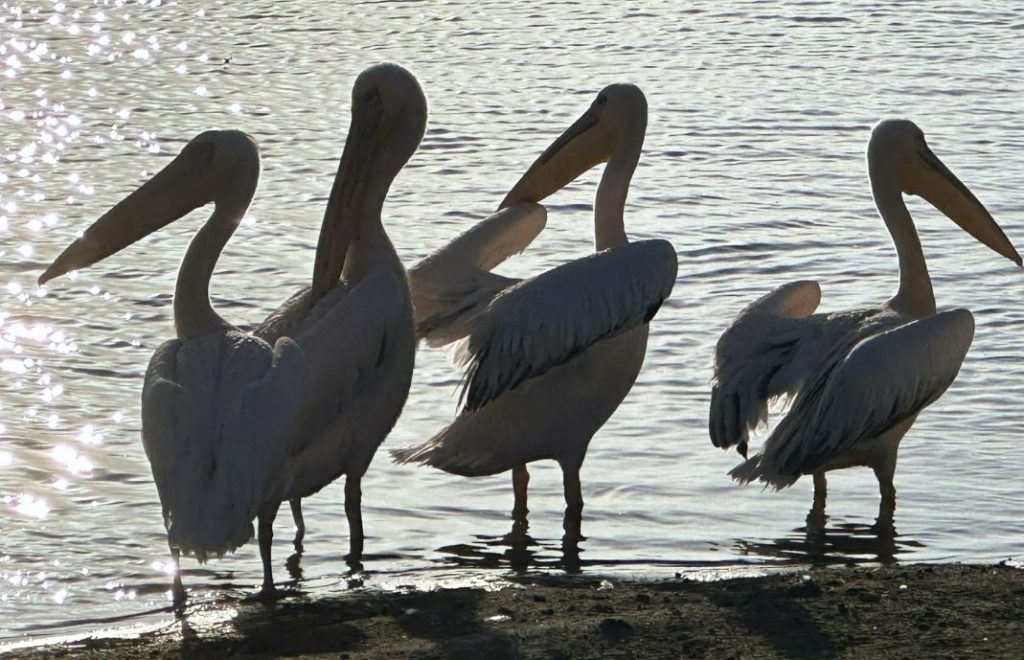
For bird lovers, Lake Nakuru is a dream come true. Over 450 bird species call the park home, including great white pelicans, storks, vulture-like raptors, tiny hummingbird-like sunbirds, and imposing eagles. It’s a symphony of wings and calls that turns every moment into a feast for the senses.
To take it all in, head to one of the park’s iconic viewpoints: Lion Hill, Out of Africa, or Baboon Cliff. These panoramic spots offer breathtaking views of the lake and its bustling wildlife scenes.
If you’re in search of lions, your best bet is Flamingo Hill, where these regal predators are often seen lounging or surveying their domain.
Best time to visit Lake Nakuru National Park
Thanks to its equatorial location, Lake Nakuru enjoys mild, consistent temperatures year-round, typically ranging from 12°C to 25°C. The park’s elevated position (1,754 meters above sea level) makes it noticeably cooler than many other parts of Kenya – perfect for a comfortable safari.
Lake Nakuru National Park is open all year, but the ideal time to visit is during the dry seasons:
- July to early October
- January to early March
During these months, the conditions are best for wildlife viewing. The animals tend to gather around water sources, and the open landscape makes it easier to spot them.
April and May bring heavy rains and are generally best avoided. During this time, wildlife can be harder to find as animals retreat into the bush, and the park’s gravel roads can become muddy and impassable due to flooding.
For the most rewarding safari experience – with clear skies, great visibility, and easier game drives – plan your visit during the dry season.
More inspiration: A safari story from Lake Nakuru National Park
Recommended accommodation in Lake Nakuru National Park: Check-in: Lake Nakuru Sopa Lodge
