
Nairobi National Park holds a unique and powerful place in the fight against poaching and the illegal wildlife trade – and at its heart lies one of Kenya’s most symbolic landmarks: the Ivory Burning Site.
Established in 1989, this poignant memorial marks the historic moment when Kenya boldly ignited 12 tons of ivory, sending a fiery message to the world that elephants are worth more alive than dead. Since then, the site has stood as a beacon of conservation, defiance, and hope.
A visit to the Ivory Burning Site offers more than just a glimpse into history – it immerses you in Kenya’s ongoing battle to protect its wildlife. Through informative displays and guided insights, you’ll learn about the global impact of the ivory trade, the lives of rangers on the front lines, and the legacy of Kenya’s conservation heroes.
Whether you’re a passionate wildlife advocate or simply a curious traveler, this site is a must-visit – a powerful reminder that even in a world of conflict and exploitation, change is possible when bold action meets purpose.

The story of the Ivory Burning Site
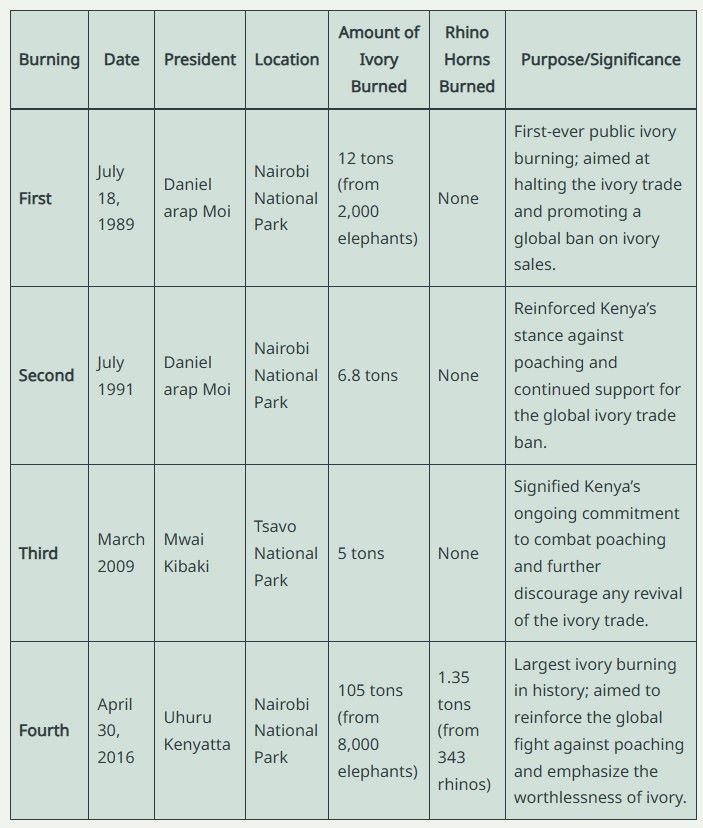
The Ivory Burning Site within Nairobi National Park is no ordinary landmark – it is the epicenter of one of the most powerful conservation messages ever delivered. In 1989, under the leadership of then-President Daniel arap Moi, Kenya made global headlines by publicly burning 12 tons of ivory, the equivalent of tusks from more than 2,000 elephants. It was the first event of its kind in the world.
This wasn’t just a dramatic spectacle. It was a bold and unwavering statement: the slaughter of elephants for profit must end.
At the time, Kenya’s elephant population had been decimated by poaching. From 65,000 elephants in 1979, the number had plummeted to just 17,000 by 1989.
Organized by the visionary conservationist Dr. Richard Leakey, the ivory burning was designed to draw global attention and pressure world leaders into banning the ivory trade. The effort paid off: in 1990, CITES (the Convention on International Trade in Endangered Species) adopted an international ban.
The act sparked a worldwide movement. Inspired by Kenya, other countries began destroying their ivory stockpiles – a major step forward in shifting the global narrative from exploitation to preservation.
The purpose behind burning ivory is simple, yet profound: to eliminate demand, strip away any perception of value, and declare that the only true worth of elephants and rhinos lies in their survival – not their parts.
In choosing conservation over commerce, Kenya has burned millions of dollars’ worth of ivory, reinforcing its stance that these animals are more valuable alive than dead.
The largest burn to date occurred in 2016, when President Uhuru Kenyatta torched a staggering 105 tons of ivory, sending yet another fierce warning to traffickers and poachers.
Today, the Ivory Burning Site stands as a global symbol of wildlife conservation, and a testament to Kenya’s leadership in the fight against poaching. It is both a place of mourning and a beacon of hope – a reminder that change is possible when a nation dares to take a stand.

The significance and symbolism of the Ivory Burning Site
The Ivory Burning Site is far more than a location where ivory is destroyed – it is a global beacon in the fight against the exploitation of wildlife.
A bold statement
By choosing to burn ivory, Kenya made a fearless declaration: ivory has no value unless it belongs to a living elephant. The decision sent shockwaves through the world, transforming a local act into a global movement.
Located within Nairobi National Park, the Ivory Burning Site has become an international icon for anti-poaching efforts, drawing attention from conservationists, governments, and travelers from around the globe.
A symbol of sacrifice and hope
Each scorched pile of tusks represents thousands of elephants lost. Yet the flames also symbolize hope – hope that future generations of elephants will roam freely, safe from the threat of slaughter.
The haunting image of burning ivory serves as a powerful reminder: the fate of Africa’s majestic wildlife depends on the total eradication of the ivory trade.
A legacy of conservation
Beyond its symbolism, the site plays a crucial role in the practical efforts to protect Kenya’s wildlife.
It underscores a national commitment to conservation through heightened security in parks, community-based wildlife programs, and tougher penalties for poachers and traffickers.
Other anti-poaching landmarks in Nairobi
Nairobi National Park is also home to several initiatives and monuments that raise awareness about poaching and highlight the urgent need to safeguard nature. Together with the Ivory Burning Site, these landmarks form a powerful narrative of resilience, responsibility, and respect for life – a story the world needs now more than ever.
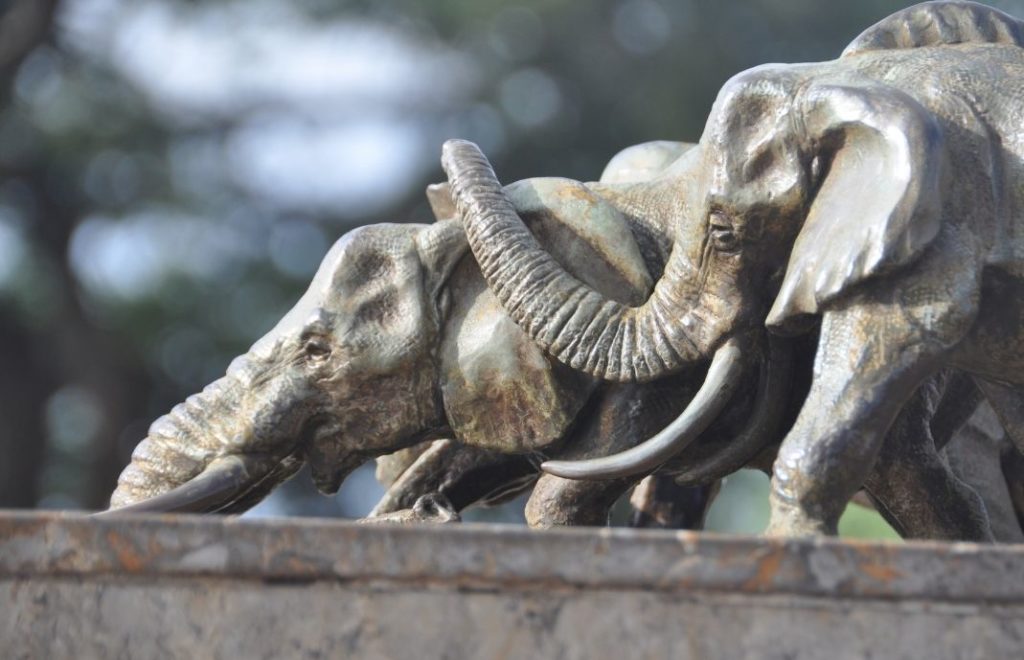
“Wiping out elephants and rhinos from the face of the earth has no benefit to humanity“
Visit the Ivory Burning Site
No trip to Nairobi National Park is complete without a stop at the Ivory Burning Site. While it may not be a cheerful place, it offers a profound and meaningful glimpse into Kenya’s relentless efforts to combat poaching and the illegal wildlife trade.
This powerful site is both solemn and beautiful, imbued with a peaceful atmosphere that invites reflection. It’s a place to honor the lives of the thousands of elephants lost to human greed – and to absorb a lesson we cannot afford to ignore: the pressing need for each of us to take an active role in protecting the planet’s wildlife.
Conveniently located just inside the main entrance of Nairobi National Park, the Ivory Burning Site is easy to access and should be your first stop in the park.
Many tour operators include the site as part of their Nairobi National Park safaris. These guided visits provide valuable historical context and deepen your understanding of the ongoing battle to preserve Africa’s most iconic species.
While visiting, you’ll see the exact monument marking the spot where tonnes of ivory were set ablaze – a defiant act against an industry of destruction.
When to go? Early morning or late afternoon offers the most intimate experience, with cooler temperatures and fewer visitors, giving you space to absorb the atmosphere and contemplate the site’s monumental significance.
Local guides are exceptionally knowledgeable, sharing insight into Kenya’s conservation policies and explaining how ivory burnings have helped galvanize global awareness for wildlife protection.
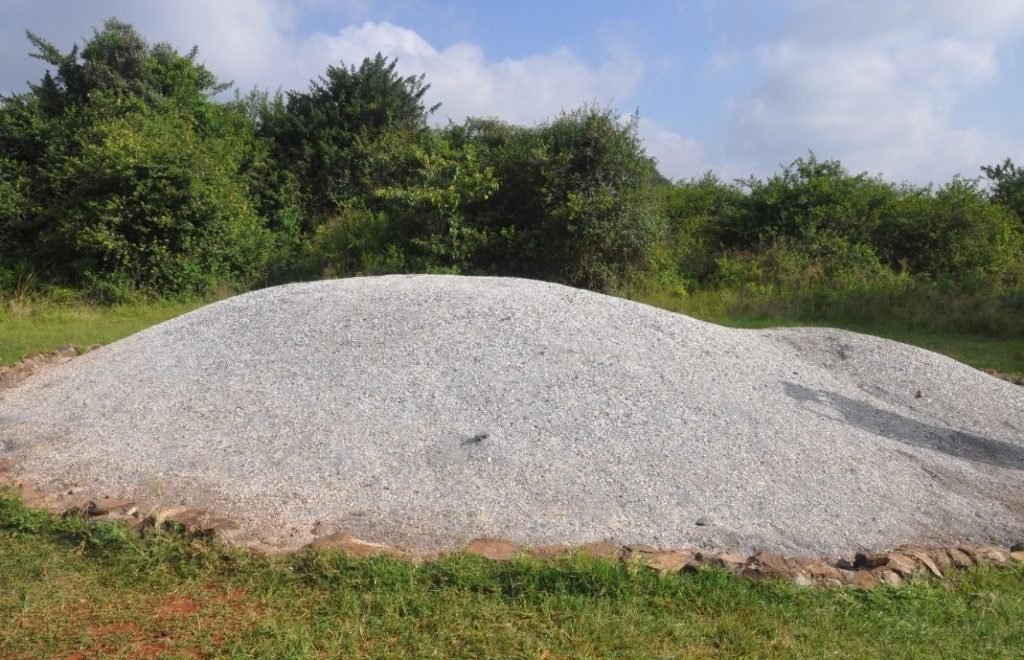
Kenya’s efforts and legacy
Kenya’s bold and uncompromising actions at the Ivory Burning Site have inspired nations around the world to destroy their own stockpiles of ivory and introduce tougher legislation to protect wildlife.
Since the historic ivory burning in 1989, Kenya has continued to ignite confiscated ivory to send a powerful global message. The largest burn to date took place in 2016, when 105 tonnes of ivory were set alight – a defiant act underscoring that Kenya values its wildlife far more than any profit from the ivory trade.
Through international campaigns, Kenya has called on other countries to follow suit and destroy seized ivory stockpiles. The goal: to diminish demand and protect elephants and rhinos from further slaughter.
Nations such as the USA, France, China, and the Philippines have responded, burning ivory in solidarity and helping shift the global narrative around wildlife conservation.
The anti-poaching initiatives in Nairobi National Park have significantly reduced illegal hunting. The deployment of more rangers and the use of advanced surveillance technology have strengthened frontline protection.
Kenya’s anti-poaching policy includes harsher penalties for offenders, deeper international collaboration, and greater community involvement, empowering local people to be part of wildlife preservation.
Although Kenya still holds a sizeable stockpile of confiscated ivory, future burns are often strategically timed with global conservation events to keep the spotlight firmly on the ongoing war against poaching.
Kenya’s legacy is clear: a nation that refuses to let economic temptation stand in the way of protecting the giants of the wild.
Facts about the Ivory Burning Site
- The Ivory Burning Site in Nairobi was established in 1989.
- During the inaugural ceremony, over 12 tonnes of ivory were set ablaze.
- The largest ivory burn took place in 2016, when 105 tonnes were destroyed.
- The site has become an international symbol in the fight against poaching and illegal wildlife trade.
- It stands as a monument honouring the burning of ivory.
- The site also pays tribute to the countless animals that have lost their lives due to poaching.
- The Ivory Burning Site is not the only memorial of its kind in Nairobi – Hyena Dam and Leopard Cliff also offer historical and ecological insights into the park.
- It has been woven into Kenya’s national heritage, symbolizing the country’s unwavering dedication to conservation and its serious stance against poaching.
- It is strictly forbidden to bring ashes from the Ivory Burning Site! The ashes are a symbol of Kenya’s commitment to its elephant population.
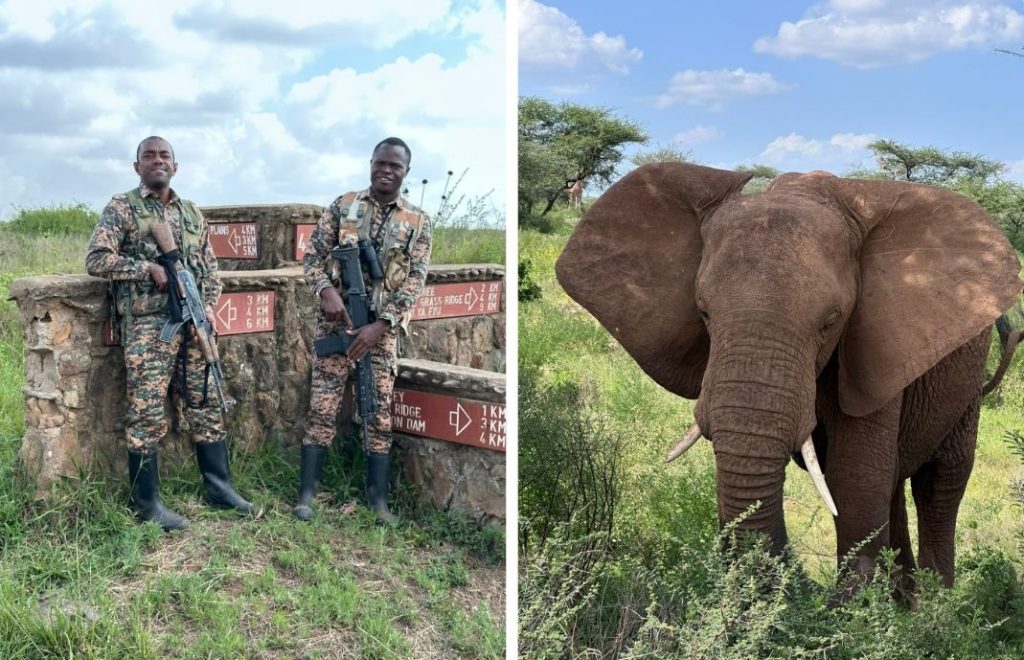
“Elephants, rhinos and other wildlife are worth more alive“
Impact on tourists
The Ivory Burning Site is more than a landmark for conservationists – it has become a compelling destination for international travellers.
Visitors from around the globe are drawn here to learn about Kenya’s determined efforts to protect its rich and diverse wildlife.
They come to witness firsthand the impact those efforts have had in the global fight against poaching.
The site has helped spark worldwide awareness and support for conservation, placing the protection of elephants and rhinos – two of the most heavily poached species – firmly in the international spotlight.
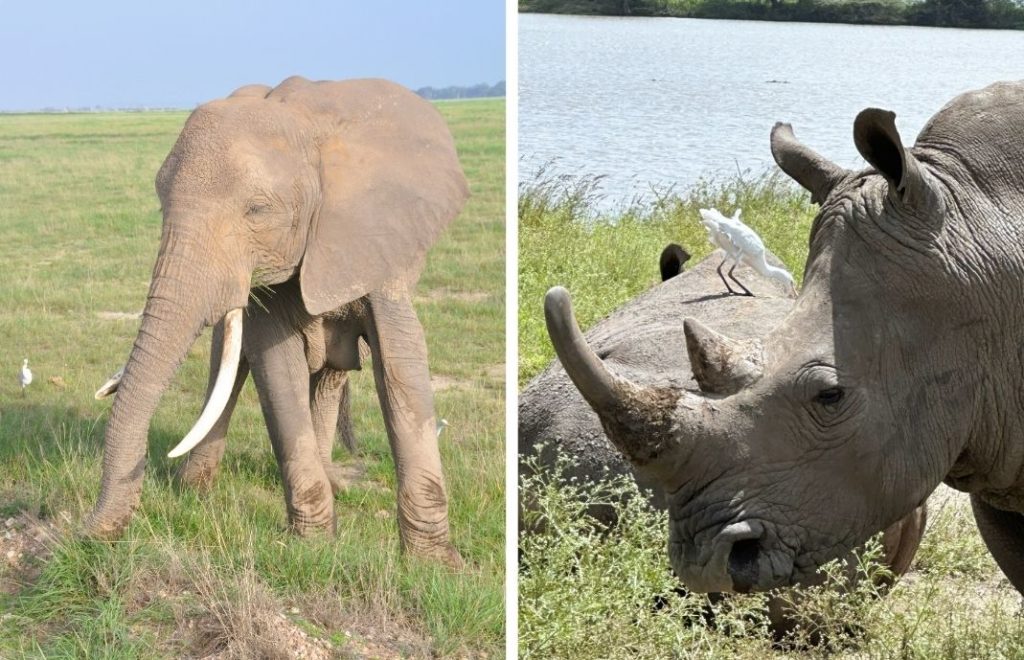
The message resonates even more deeply when visitors head out on safari and see these majestic animals where they truly belong: in the wild.
The experience and understanding of conservation becomes even more powerful when visitors head out on safari and see elephants and rhinos where they truly belong: in the wild.
You too can help fight poaching: Never buy ivory or products made from it.
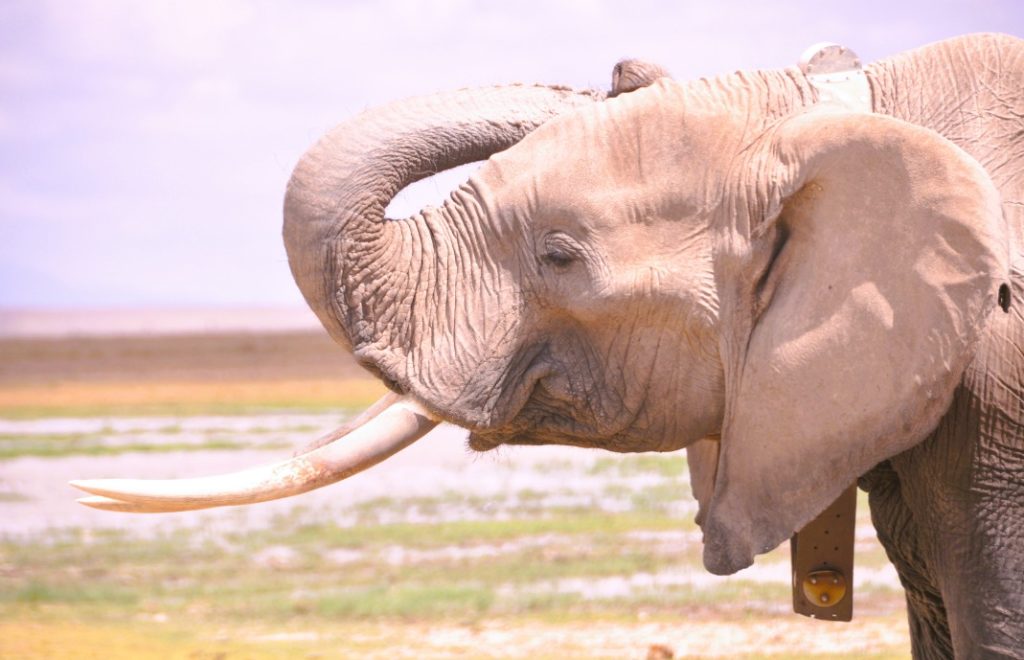
More inspiration: Meet Dumbo!
IMAGINE
a time when there will be no more elephants and rhinos on earth, a time when the only way you can see an elephant or a rhino is actually seeing a picture in a book listing them as extinct?
More inspiration to visit Kenya’s incredible national parks:
A guide to Nairobi National Park
Safari in Nairobi National Park
A guide til Lake Nakuru National Park
A guide to Masai Mara National Reserve
A guide to Samburu National Reserve
A guide to Amboseli National Park
