
South Africa is a dream come true for wildlife lovers. The country is famously home to the Big Five – elephant, lion, buffalo, rhino, and leopard. But if you ask a South African, they’d likely argue for a Big Six, adding the majestic whale to the list. Along the Western Cape coastline, these giants of the sea thrive in waters that are as vibrant as the land itself.
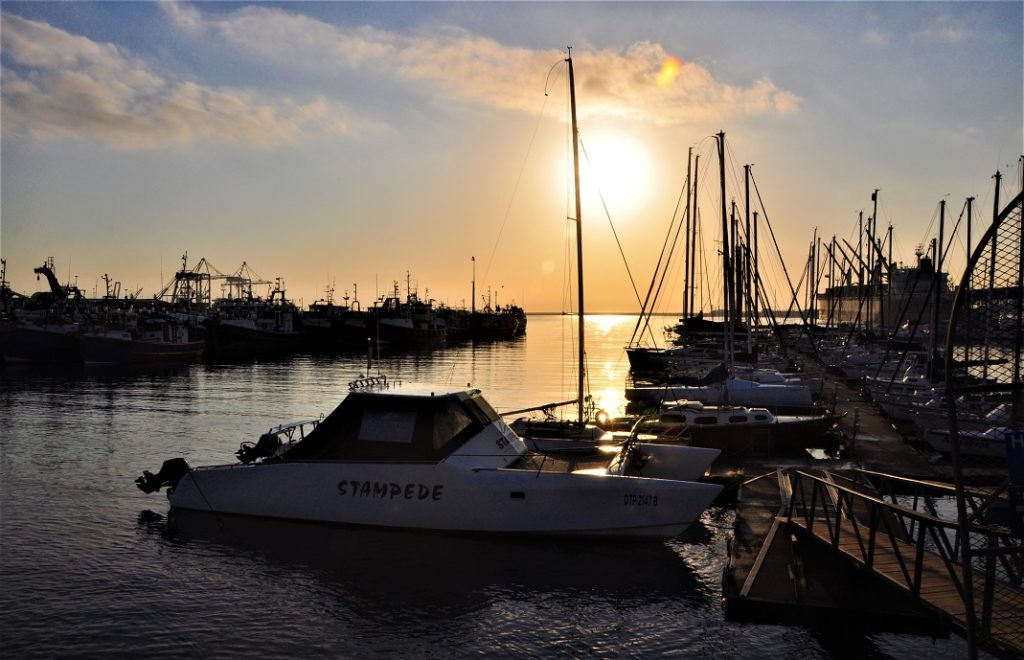
Today, we find ourselves at the Nelson Mandela Bay Yacht Club, located in the harbor of Port Elizabeth. A sleek catamaran awaits, ready to carry us out onto the open sea in search of dolphins, whales, and penguins, around the marine-rich waters of St. Croix Island and Brenton Island.
This isn’t just a boat ride. It’s a marine safari, where the thrill of spotting a breaching whale or a pod of dolphins racing the bow rivals any land-based adventure.
In search of dolphins and whales
Whale season in South Africa kicks off in June and runs through early January, as humpback whales make their great migration along the country’s eastern coastline. From July to October, southern right whales are commonly seen – often remarkably close to shore, even within harbor waters. These gentle giants are, in fact, the most frequently spotted whale species in South Africa.
But whales aren’t the only stars of the show. There’s an excellent chance of encountering Indian Ocean bottlenose dolphins, which grace these waters year-round, often in pods of 10 to 400 strong. These playful creatures love the shallows, especially near beaches and around St. Croix Island, where the conditions are ideal for their acrobatic antics.
Our guide and skipper, Warren, shares that the dolphins frequently approach the boat, surfing the bow waves like seasoned performers.
“And we’ll almost certainly spot African penguins and a variety of seabirds,” he adds with a confident smile.
The excitement among our group of 12 tourists is palpable. Expectations are sky-high. Now it’s up to Warren – and Mother Nature – to deliver.
The ocean’s acrobats make their entrance
The sun finally breaks through, casting golden rays across the sea and warming the chilly morning air. The water sparkles like scattered crystals, almost perfectly still.
It’s July in South Africa – low season, and technically winter here – so the ocean is blissfully quiet. Ours is one of the only boats out this early, and the silence feels sacred.
Warren, our skipper and storyteller extraordinaire, passes around snacks and drinks while weaving tales of the ocean with palpable passion. His love for the sea and its creatures, dolphins, whales, and penguins alike, is contagious. Whether he’s snorkeling, diving, or fishing, his heart clearly belongs to the ocean, and he’s fiercely committed to protecting it.
Before long, Warren spots movement off the port side. Dolphins! A sizable group, too.
With the confidence of a seasoned seafarer, he estimates there are at least a hundred – slicing, splashing, and spinning through the surface. They’re a bit distant, and heading in the opposite direction from our course, but still – what a start.
The sea has spoken – and the show has just begun.
Charmers dressed for every occasion
Before long, St. Croix Island emerges on the horizon – a modest 12-hectare speck of land, yet the largest of three islands in Algoa Bay. Despite its size, this rocky outpost plays a critical role in the survival of South Africa’s seabird population, particularly the endangered African penguin.
Warren explains that the island once hosted over 22,000 penguins, but their numbers have plummeted in the last decade. Back in 1981, the islands – and the surrounding 300-meter maritime zone – were declared a marine reserve. Today, they form part of the greater Addo Elephant National Park, a haven for both land and marine life.
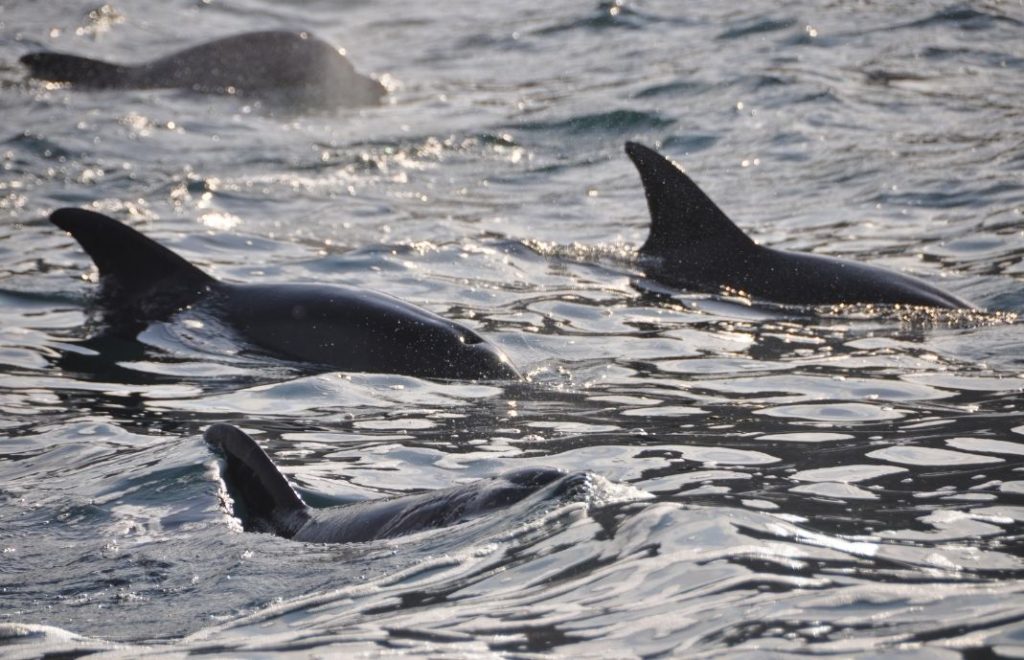
As we approach, we’re greeted by a dazzling dolphin display. A pod surges toward us, leaping and twisting through the waves like aquatic ballerinas. They dart beneath and around the boat, their joyful energy mirrored in the cheers and laughter of everyone on board.
These sleek marvels can grow up to 2.6 meters long and weigh as much as 230 kilograms. Their backs are a soft, smooth grey, while their bellies are lighter – almost white – often speckled with darker spots.
Everyone scrambles for the perfect photo, but capturing their unpredictable leaps proves nearly impossible. One by one, cameras are lowered, and a quiet shift happens on deck. We stop trying to capture the moment and simply experience it.
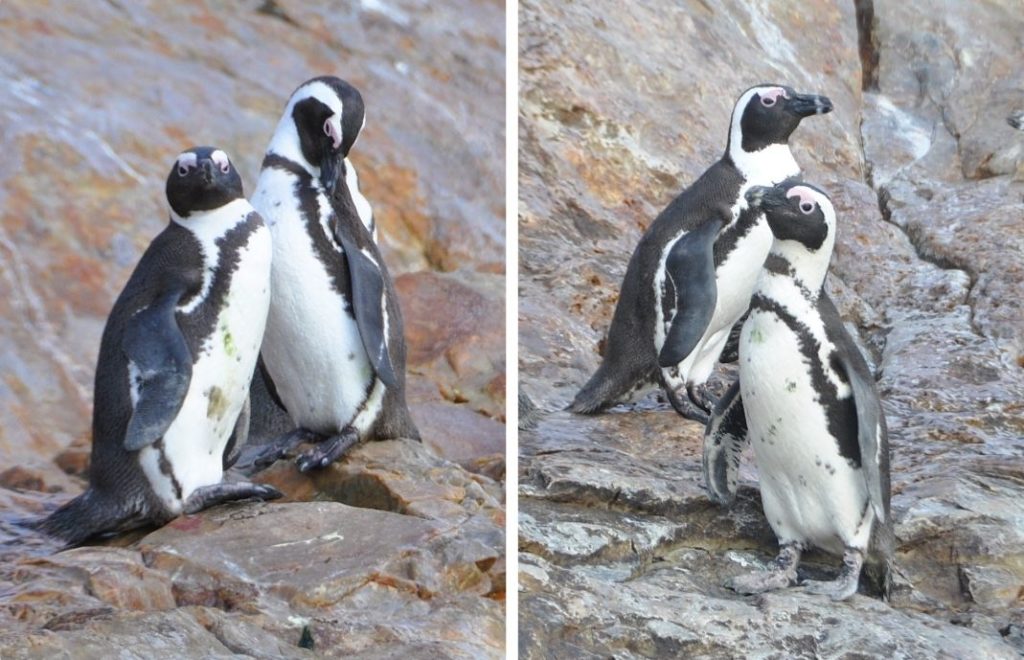
Near the island, we spot a few African penguins, perched on the rocks, wings outstretched to dry after their morning swim. Fewer than expected, but no less thrilling to see them in their natural habitat.
A handful waddle back toward the water and launch themselves in with surprising grace. Moments later, a few leap back onto the rocks with a finesse that draws collective gasps of awe and wonder from the boat.
Dressed in tuxedos and armed with charm, these small seabirds and their dolphin companions steal the show – reminding us that the wild doesn’t need to pose to be perfect.
At last – The Sixth!
Time has flown by, and Warren announces it’s time to start heading back to shore. But just as we begin the return journey, he receives word: a whale has been spotted, just off our current course.
“Anyone in a hurry to get back – or shall we take a little detour?” he asks with a grin.
A resounding “Yes, please!” echoes across the boat.
The pull of the open ocean and the chance to see a whale up close easily outweigh anything waiting for us in Port Elizabeth.
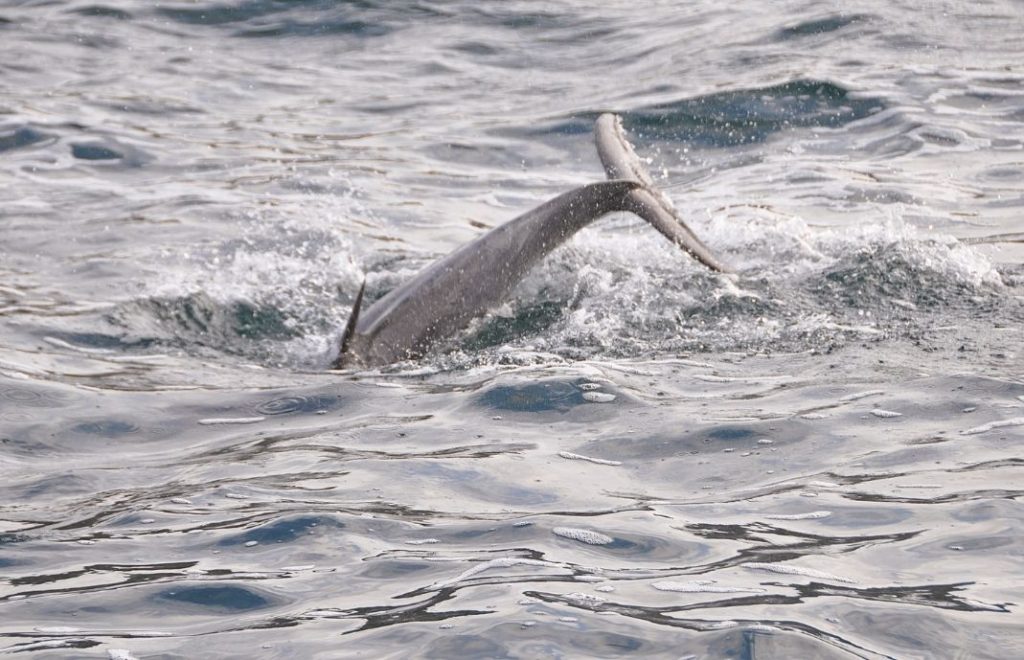
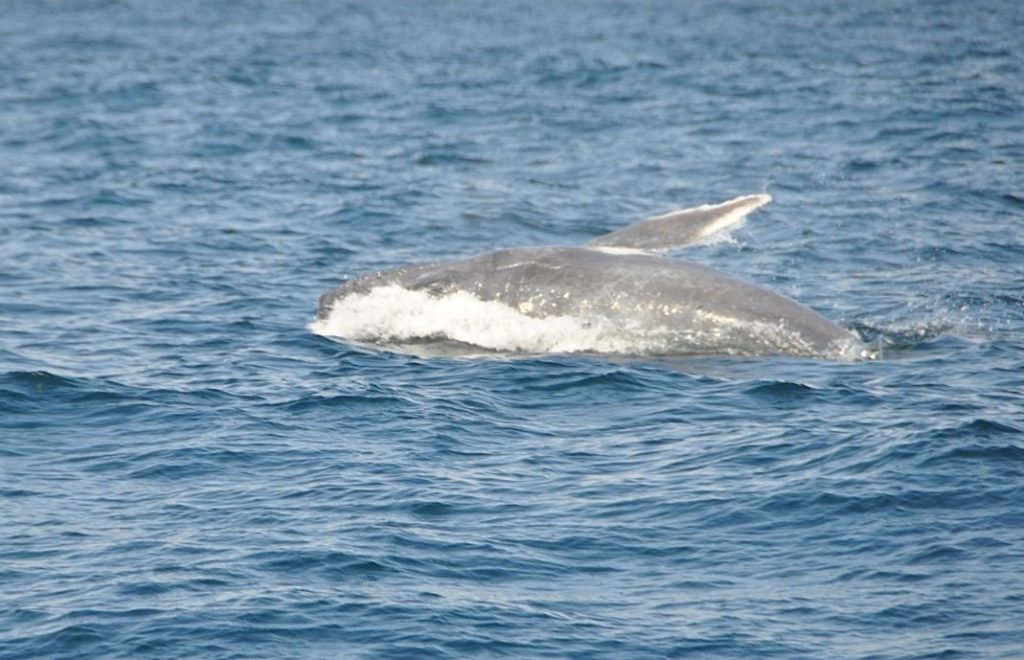
Warren swings the bow westward and opens the throttle. Fifteen minutes later, we find it. A massive whale breaching spectacularly, launching itself out of the water in a breathtaking display of sheer power and grace.
Again and again, it leaps and crashes down in thunderous splashes, each dive like a curtain call. It’s an awe-inspiring sight – raw, wild energy right before our eyes.
With that, our time at sea comes to an end. The whale glides off into the deep, and we turn toward land with salt on our skin, smiles on our faces, and something unforgettable in our hearts.
And after watching this majestic giant perform its ocean ballet, I wholeheartedly agree with the South Africans:
It’s time to make it the Big Six. The whale deserves a place among Africa’s greatest.
More inspiration to Port Elizabeth and the area:
A guide to Addo Elephant National Park
Ele-phantastic in Addo
