
Tonle Sap is far more than Southeast Asia’s largest freshwater lake. It is a living, breathing system that shapes daily life, food supply, and cultural traditions across much of Cambodia. Its waters expand and retreat with the seasons, transforming landscapes and determining how communities live, work, and move.
Visiting Tonle Sap offers a rare opportunity to understand Cambodia beyond its most famous landmarks. Here, life unfolds on the water, guided by natural rhythms that have remained unchanged for generations. The lake reveals a quieter, more human side of the country – one rooted in resilience, adaptability, and a deep connection between people and nature.
Tonle Sap truly is the heartbeat of Cambodia!
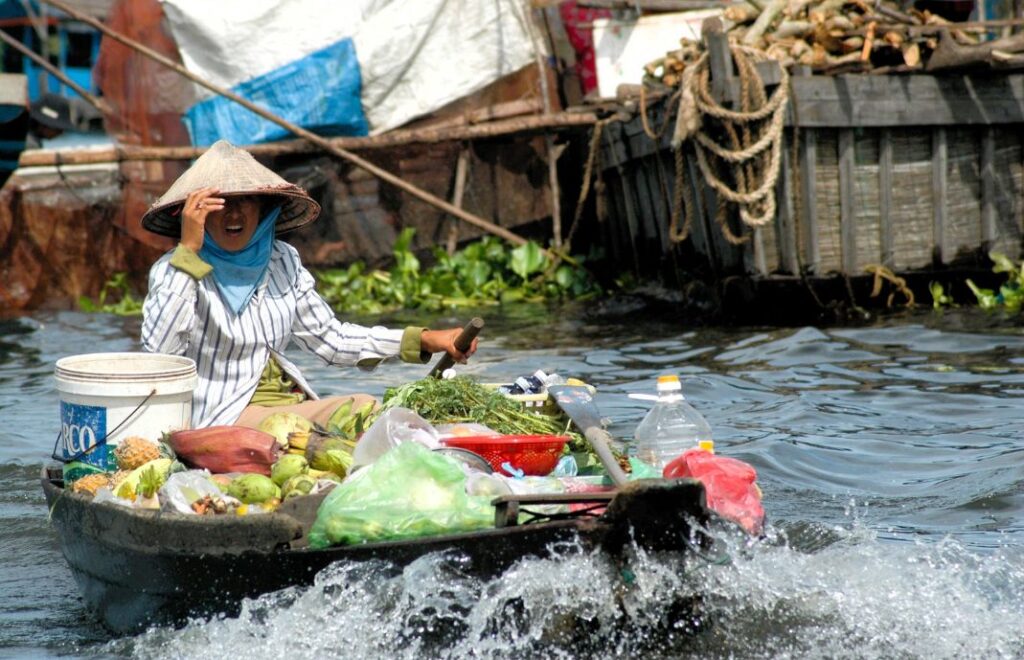
A lake that changes direction
Tonle Sap is one of the world’s most remarkable freshwater systems, defined by a natural phenomenon found almost nowhere else. Each year, the flow of the Tonle Sap River reverses direction, pushed by the rising waters of the Mekong during the monsoon season.
This dramatic shift causes the lake to expand several times its dry-season size, flooding forests and fields and creating one of Southeast Asia’s most productive ecosystems. When the waters recede, nutrients are carried back downstream, sustaining agriculture and fisheries far beyond the lake itself. This constant cycle of expansion and retreat is the foundation of life around Tonle Sap, shaping both the environment and the communities that depend on it.
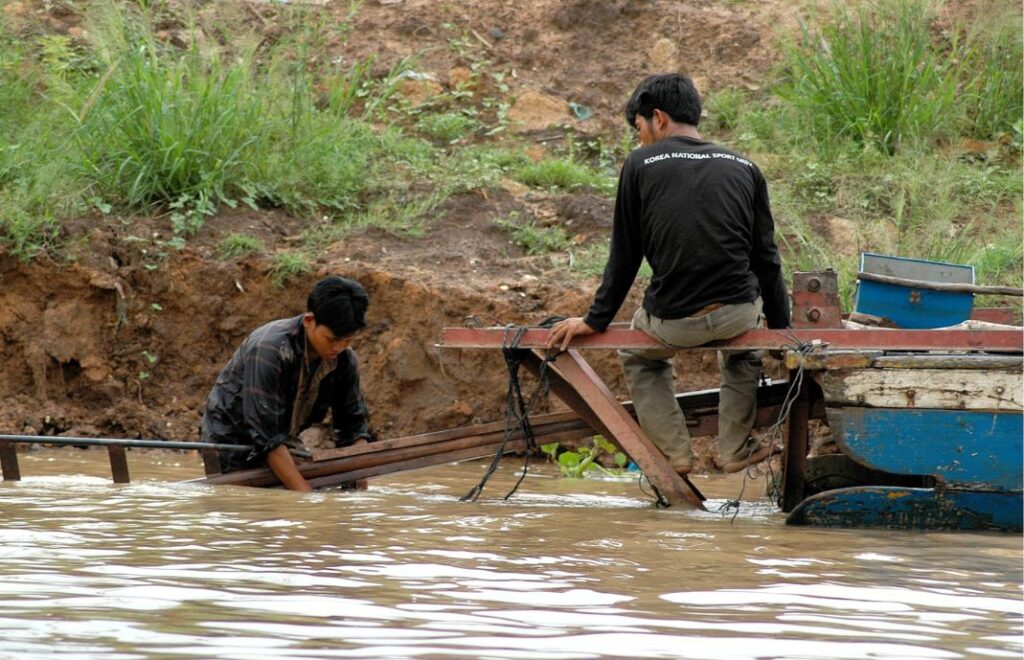
Life on the water
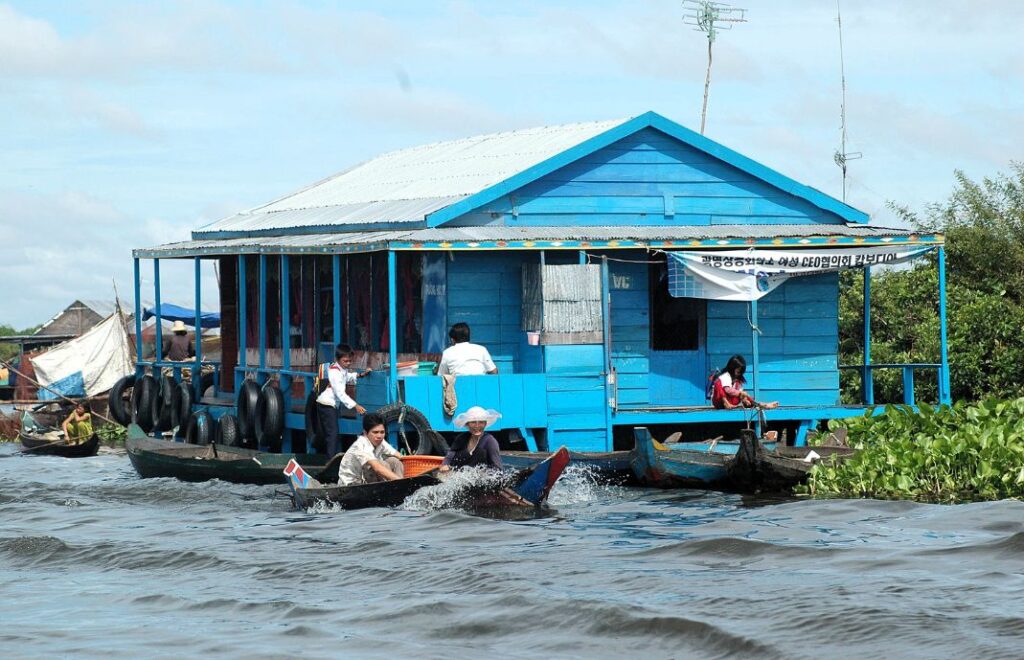
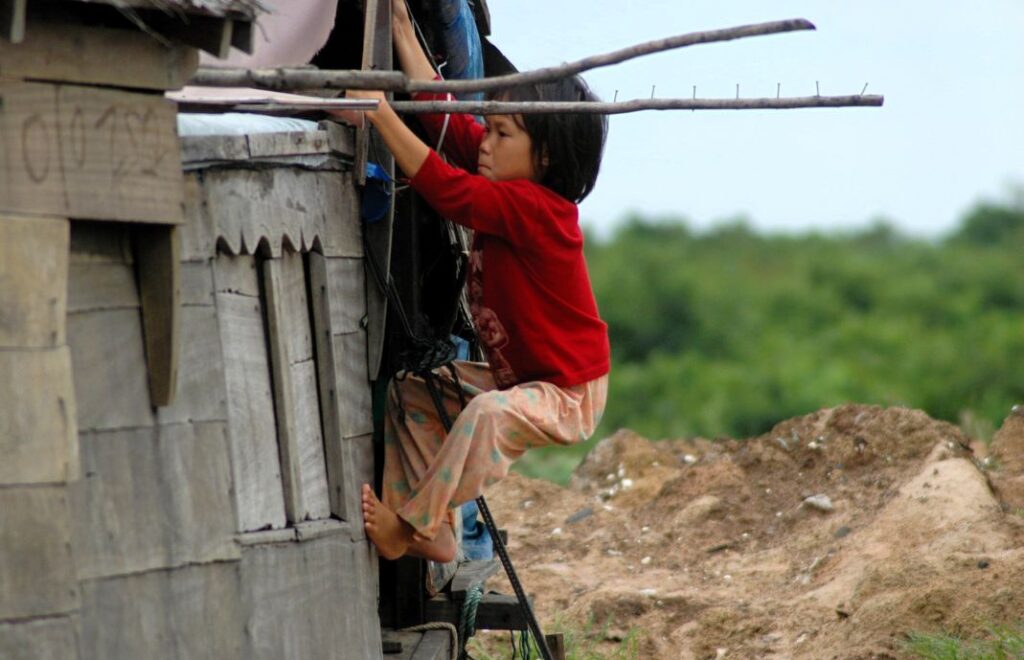
Life around Tonle Sap is shaped entirely by the lake’s changing rhythms. Floating villages, stilted homes, schools, and markets rise and fall with the water level, adapting seamlessly to seasonal shifts that would overwhelm most urban environments.
Daily routines revolve around the lake – fishing at dawn, traveling by boat instead of road, and maintaining a deep awareness of the water’s movements. These communities are not temporary or symbolic; they are long-established ways of life built on resilience and ingenuity. Visiting Tonle Sap offers rare insight into how humans can live in close harmony with nature, adapting rather than resisting its cycles.
One of Southeast Asia’s most important ecosystems
Tonle Sap is an ecological powerhouse, supporting an extraordinary concentration of life. Its seasonal flooding creates vast wetlands and flooded forests that serve as critical breeding and feeding grounds for fish, birds, and countless other species.
The lake plays a central role in regional food security, supplying a significant portion of Cambodia’s fish and sustaining livelihoods far beyond its shores. This productivity is inseparable from the lake’s natural cycles, making Tonle Sap not only biologically rich but also essential to the balance of human and environmental systems throughout the region.
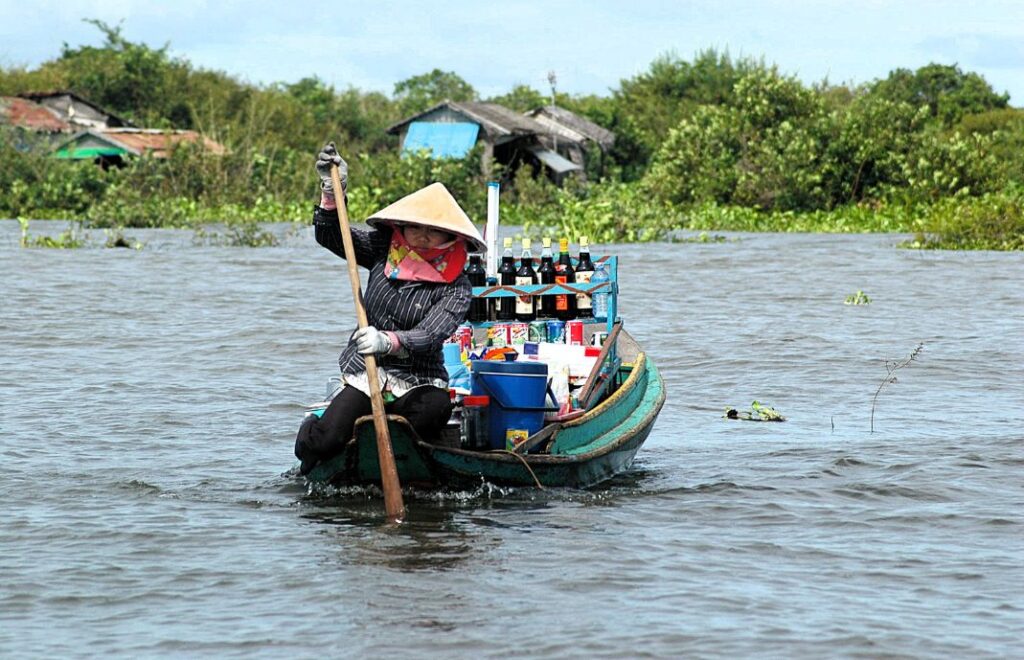
Cultural traditions rooted in the lake
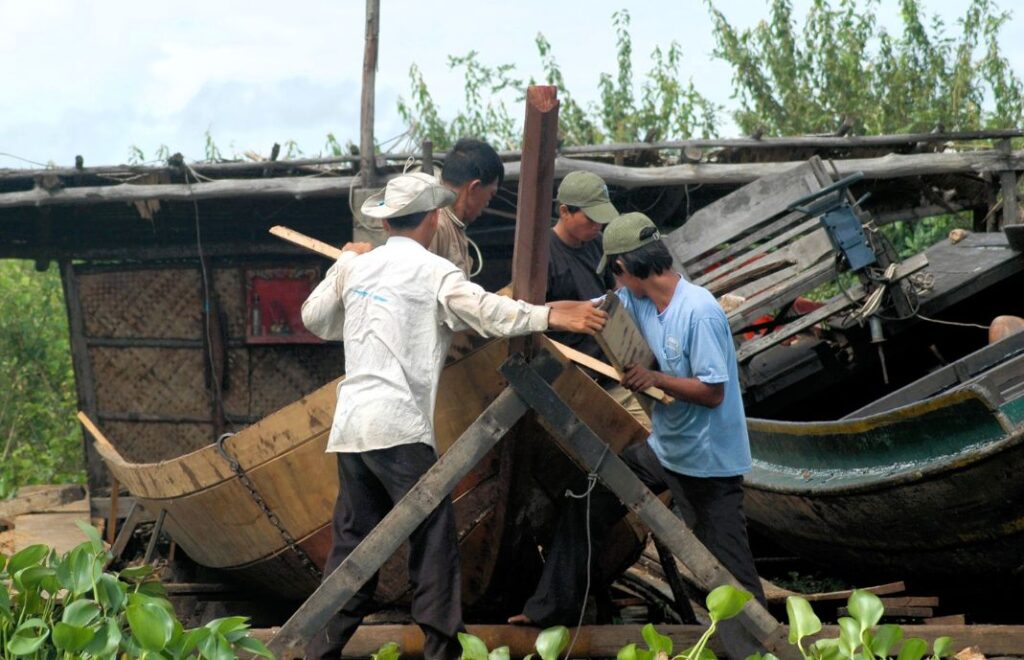
For generations, Tonle Sap has shaped cultural identity as much as daily survival. Fishing methods, boat building, and seasonal rituals are passed down through families, reflecting knowledge developed through long observation of the lake’s rhythms.
Festivals, beliefs, and community life are closely tied to the water, reinforcing a shared understanding of dependence on nature rather than control over it. These traditions offer insight into a way of life defined by adaptability, collective responsibility, and respect for the environment. These values remain deeply embedded in communities around Tonle Sap today.
A window into rural Cambodia
Tonle Sap offers a perspective on Cambodia that contrasts sharply with its urban centers and famous monuments. Life here is shaped by practicality and tradition, with communities relying on the lake for food, transport, and income in ways that feel both immediate and deeply rooted.
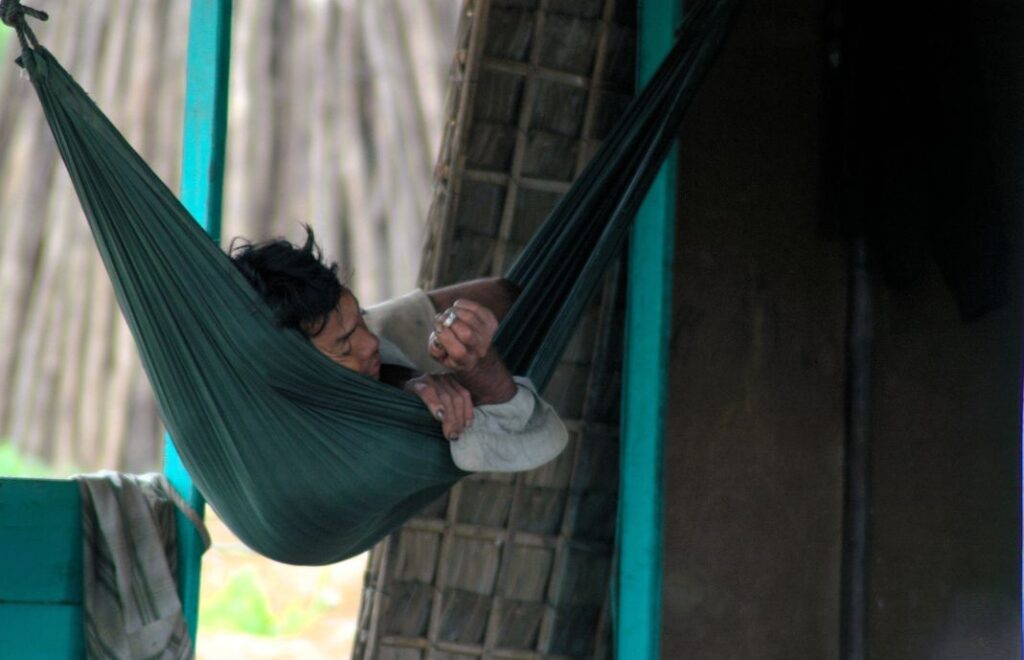
Visiting the lake provides insight into everyday realities often unseen by travelers: Simple routines, close-knit communities, and a pace of life guided by natural cycles rather than modern schedules. This glimpse into rural Cambodia adds depth and context to any journey through the country, revealing stories that exist beyond well-known destinations.
Responsible & ethical travel on Tonle Sap
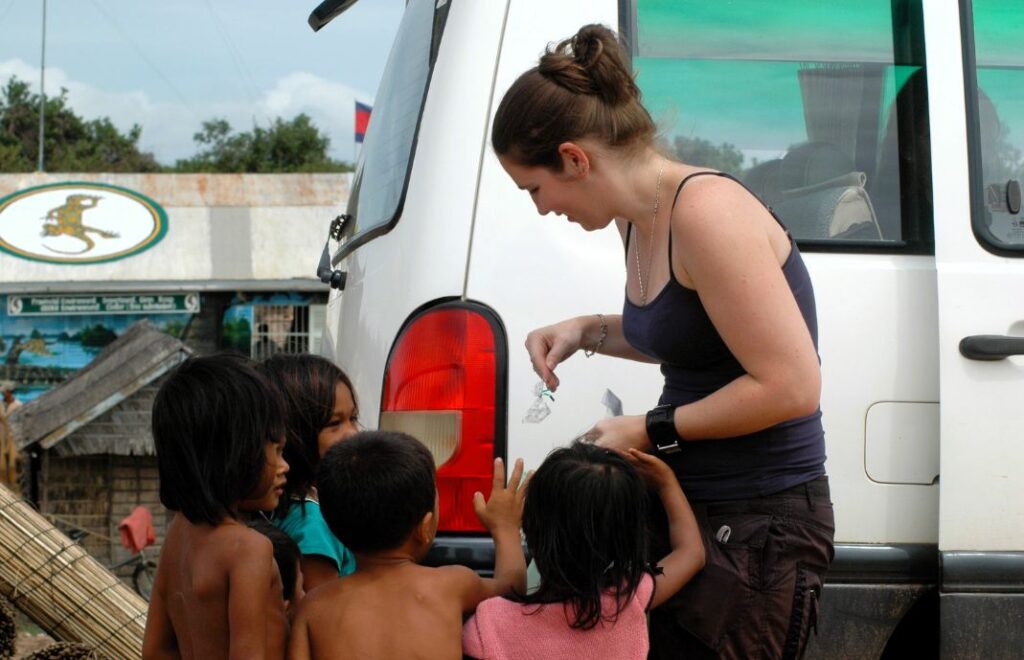
Travel on Tonle Sap comes with a responsibility to approach the lake and its communities with respect and awareness. For many residents, this is not a tourist attraction but home. A place of work, education, and daily survival shaped by challenging environmental and economic conditions.
Ethical travel here means choosing experiences that prioritize dignity, consent, and local benefit. Visits should focus on understanding the lake’s role in Cambodian life rather than treating communities as spectacles. When done thoughtfully, travel on Tonle Sap can support livelihoods, encourage conservation, and foster meaningful cultural exchange while preserving the integrity of one of Southeast Asia’s most vital and vulnerable regions.
When and how to visit
The experience of Tonle Sap changes dramatically with the seasons. During the wet season, roughly from June to October, the lake expands to several times its dry-season size, allowing boats to travel deep into flooded forests and floating villages. This period offers a powerful sense of scale and movement, with life fully adapted to high water levels.
In the dry season, from November to May, water levels drop significantly, revealing stilted villages, exposed riverbanks, and a very different rhythm of life. Access is typically via guided boat trips from nearby towns, with travel conditions depending on the season and water levels. Visiting Tonle Sap is less about ticking off sights and more about understanding context, timing, and the natural forces that shape the journey.
Why Tonle Sap leaves a lasting impression
Tonle Sap is a place that stays with you long after you leave. Its impact is not defined by grand monuments or dramatic landscapes, but by the quiet power of a system where nature and human life are inseparable.
The lake invites reflection – on adaptability, resilience, and the realities of life shaped by forces beyond human control. Experiencing Tonle Sap offers more than understanding; it fosters empathy and perspective, revealing a side of Cambodia that feels deeply human and profoundly connected to the natural world.
