
Few cities suffered as brutally during World War II as Warsaw. Even by Poland’s tragic wartime standards, the capital endured devastation on an unimaginable scale. The conflict here spanned years and unfolded in a series of harrowing chapters that left deep scars on the city – and on history itself.
Within the walls of the Warsaw Ghetto, 360,000 Jews were imprisoned in inhumane conditions, victims of hunger, disease, and systematic extermination. In 1944, the city rose in defiance during the Warsaw Uprising, a heroic but doomed attempt to reclaim freedom. The cost was staggering: 200,000 Poles perished – over half the city’s population.
As Nazi forces crushed the rebellion, they exacted a final act of vengeance: the deliberate obliteration of Warsaw. By the war’s end, 85% of the city lay in ruins – churches, palaces, entire neighborhoods reduced to rubble.
When peace finally came, Warsaw was not a city – it was a graveyard of stone and silence.
A treasure trove for history lovers
For anyone with a passion for history, Warsaw is pure gold. Every street, every square is steeped in memory, lined with monuments, memorials, and museums honoring both the heroes and victims of World War II.
Begin your journey in Warsaw’s Old Town, where pastel-colored façades and cobblestone lanes evoke the elegance of the 18th century. Galleries spill light into narrow alleys, amber boutiques gleam with honeyed treasures, and the Vistula River glides lazily beyond the city walls. Cafés and restaurants hum with life, luring visitors in with promises of pierogi and Polish charm.
But this picturesque façade hides a devastating truth: these houses are not centuries old – they’re barely 60. During the Warsaw Uprising, the Old Town was a fortress of resistance, and the Nazis reduced it to rubble in retaliation. By 1945, only 15% of the city remained standing.
Despite starvation, homelessness, and political turmoil, the Polish people resolved that Warsaw would rise again as the nation’s heart. Reconstruction became an act of defiance – and of identity. Instead of recreating the city as it was in 1939, architects turned to 18th-century Canaletto paintings, restoring Old Town to a vision of its former grandeur. Today, those same paintings hang in the Royal Castle, another phoenix risen from ash.
This monumental effort was so extraordinary that in 1980 UNESCO declared Warsaw’s Old Town a World Heritage Site, not for its age but as a symbol of resilience and rebirth.
Walk its cobbled streets and you’ll feel it: whispers of Polish, German, and Russian echoing from the walls; ghosts of soldiers and civilians tracing your steps. Warsaw is more than a city – it’s a living chronicle of destruction and defiance, a testament to a people who refused to vanish.
The Jewish Ghetto – A vanished world
“The former Jewish quarter of Warsaw no longer exists.”
So wrote SS General Jürgen Stroop to his superiors on May 16, 1943, his chilling report marking the end of one of the most tragic and heroic chapters in Warsaw’s history.
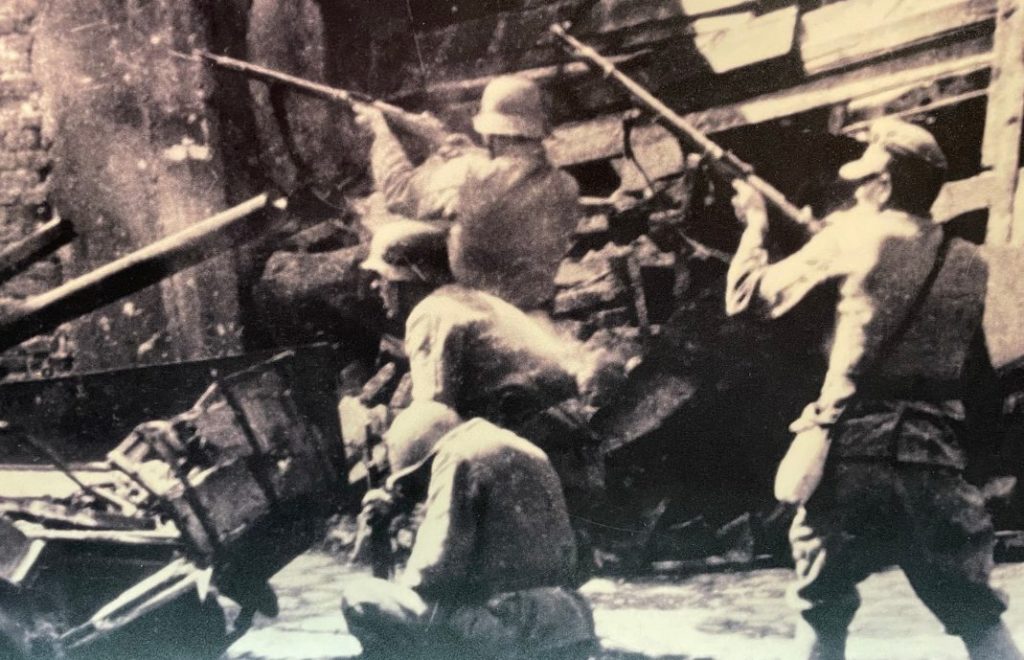
Just weeks earlier, on April 19, the last remaining Jews in the Warsaw Ghetto had risen in defiance. Outnumbered and outgunned, they knew they could not win. Their uprising was an act of pure desperation – a final, burning protest against the systematic annihilation of an entire people.
When the smoke cleared, the ghetto was gone. Razed to the ground, erased from maps, and buried beneath the rubble of war.
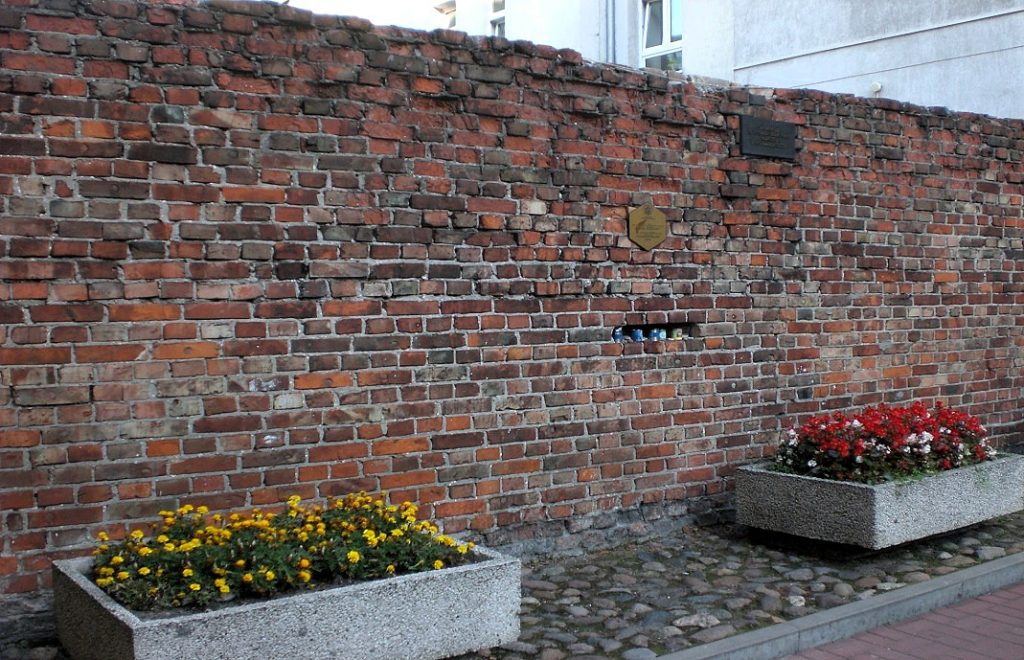
Today, nothing of that world remains – or almost nothing. If you wander to ul. Sienna 55 and slip into a quiet courtyard, you’ll find a fragment of the ghetto wall still standing, weathered and unassuming. Beside it hangs a simple plaque, bearing silent witness to the unspeakable loss and unimaginable courage that played out here.
Standing there, it’s hard to reconcile this modest remnant with the enormity of what it represents: a community of 360,000 souls, reduced to ash and memory. Yet for those who seek to understand Warsaw, for those who refuse to let history fade, this is sacred ground.
More inspiration: The Jewish Ghetto in Warsaw
The Jewish Historical Institute – Bearing witness in Warsaw
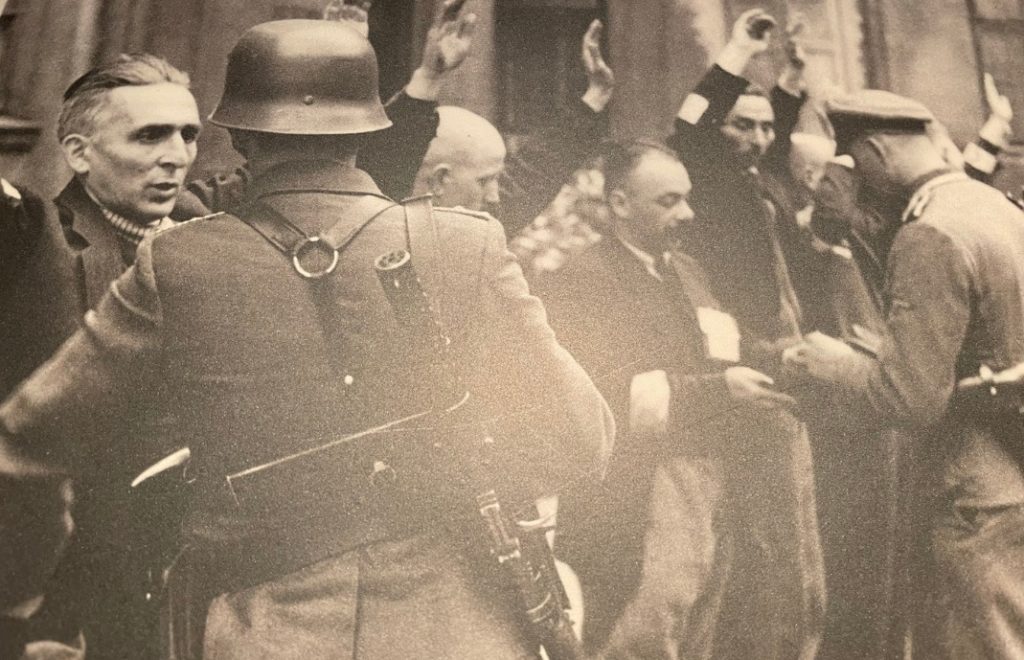
As the lights come up, there’s a hush in the room – a heavy, unspoken weight that lingers long after the final frame fades. The documentary we’ve just watched is not for the faint of heart. It spares nothing. Through restored film reels, stark photographs, and diary fragments penned by those who never returned, the story of the Warsaw Ghetto unfolds with brutal honesty.
This harrowing film is part of the permanent exhibition at the Jewish Historical Institute, a museum dedicated to preserving the memory of Warsaw’s Jewish community during the darkest years of its existence: 1939-1945. The narrative begins with the German invasion of Poland in September 1939 and moves, step by step, through the tightening vise of oppression, deportations, and death. It chronicles daily life inside the ghetto, punctuated by acts of unimaginable courage – the uprising of April 1943 among them.
Yet amid the horror, the exhibition offers fleeting, luminous glimpses of humanity: diary entries about friendship, scribbled recipes for bread, photographs of weddings held in defiance of despair. These fragments remind us that even in the shadow of annihilation, life clung stubbornly to dignity and hope.
Walking through these halls is not easy – but it is essential. Here, in Warsaw’s heart, the past is not a distant echo. It speaks. It weeps. And it demands that we listen.
The Ghetto Heroes Monument – A testament to courage
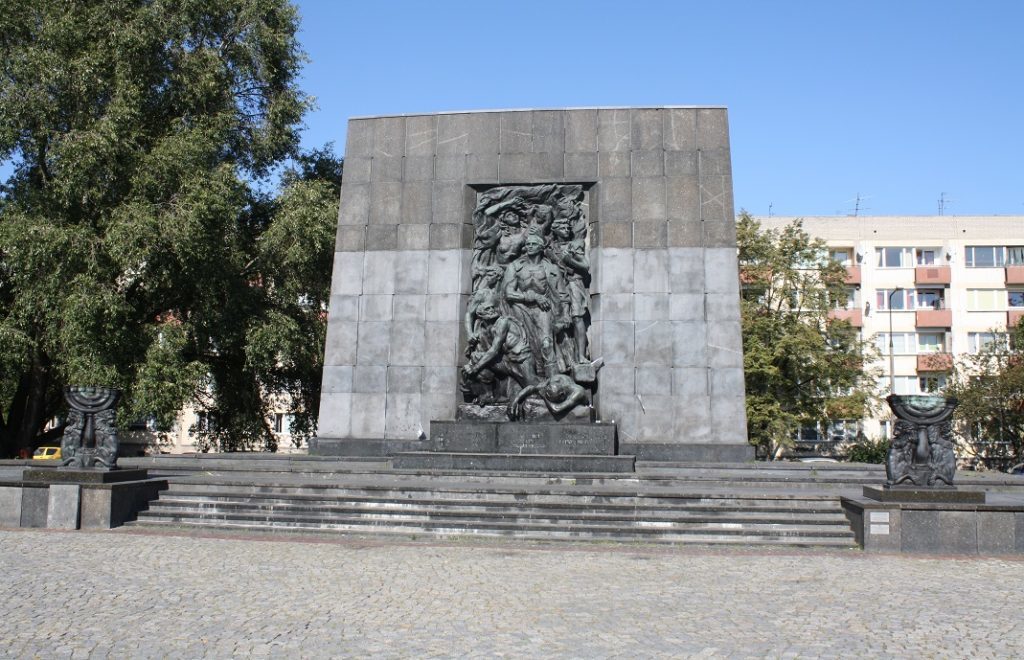
On a vast, solemn square in Warsaw stands the Ghetto Heroes Monument, a stark tribute to those who fought – and fell – during the Warsaw Ghetto Uprising of April 1943. It marks the very ground where the first shots rang out, where Jewish resistance fighters rose in a final, desperate act of defiance against the Nazi regime.
The monument’s massive bronze figures, sculpted with raw intensity, capture a story of bravery in the face of certain death. Their eyes burn with defiance, their bodies tense with resolve – a reminder that even in humanity’s darkest hour, the will to resist still burned fiercely.
Behind the monument looms the sleek, glass façade of POLIN – Museum of the History of Polish Jews, a world-class institution chronicling a millennium of Jewish life in Poland. And just beyond, in a quiet space, stands a smaller memorial: the Willy Brandt Monument.
It commemorates a moment etched in history: December 7, 1970, when the West German Chancellor fell to his knees before the Ghetto Heroes Monument. Brandt’s silent gesture of repentance and humility reverberated far beyond Warsaw. It became a symbol of reconciliation, a cornerstone of Germany’s reckoning with its past, and a powerful statement of hope for peace during the Cold War.
Standing here today, the weight of history presses close. These monuments are more than stone and metal – they are voices, whispering warnings and reminders of the price of hatred, and the enduring strength of remembrance.
Pawiak Prison – The tree that bore their hopes
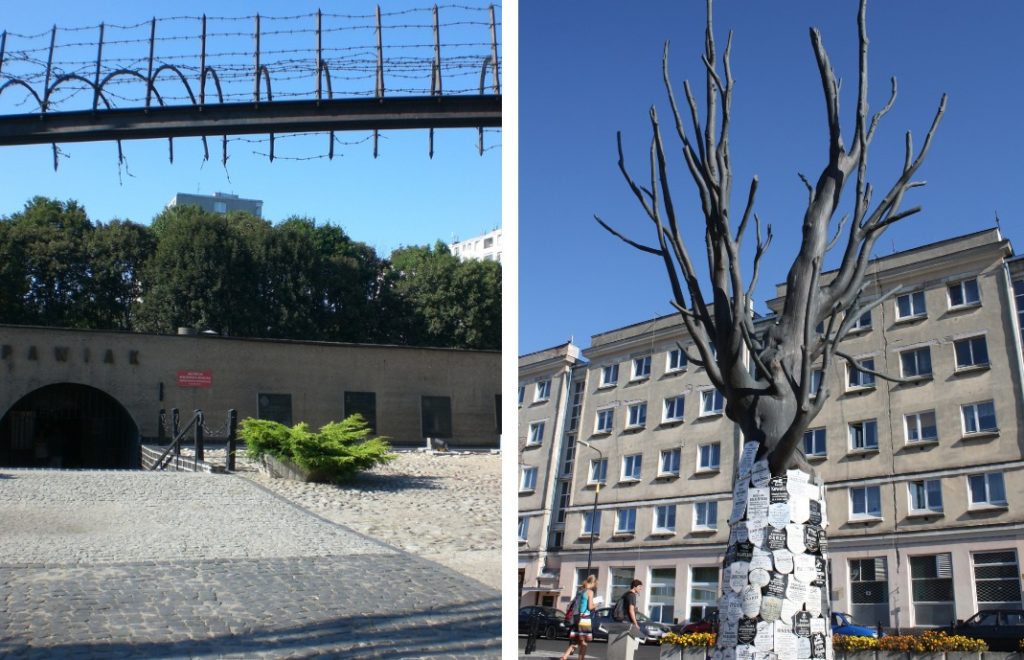
Outside the grim walls of Pawiak Prison, a mighty elm once stood – its branches reaching skyward, a silent sentinel of resilience. For decades, it was the only living thing that prisoners could glimpse from their cells, a fragile thread of hope in a place steeped in despair.
By 1984, the tree, weakened by age and history, had to be felled. Its loss was mourned not only by survivors but by families who saw in it a symbol of endurance through unimaginable suffering. Yet memory refused to wither: in its place, artisans crafted an exact replica in copper. Today, that tree rises again, its metal limbs heavy with plaques engraved with names – a forest of grief and remembrance where roots once clung to the soil.
During the war, Pawiak was a gate to hell – a site of executions and a staging point for deportations to Nazi death camps. The museum that now occupies its walls honors those stories with stark honesty. Its exhibits weave photographs, maps, poetry, and personal artifacts into a narrative that sears the soul.
But nothing prepares you for the corridor – a dim, narrow passage that remains almost exactly as it was when Pawiak fell silent. The air is thick with ghosts. Step inside a preserved cell, and you’ll feel the weight of lives crushed within these walls, the echo of whispered prayers, the shadows of those who never returned.
Pawiak is not an easy visit – but it is an essential one. Here, history does not merely speak; it grips you by the throat and demands that you remember.
The Warsaw Uprising Monument – A nation’s defiant heart
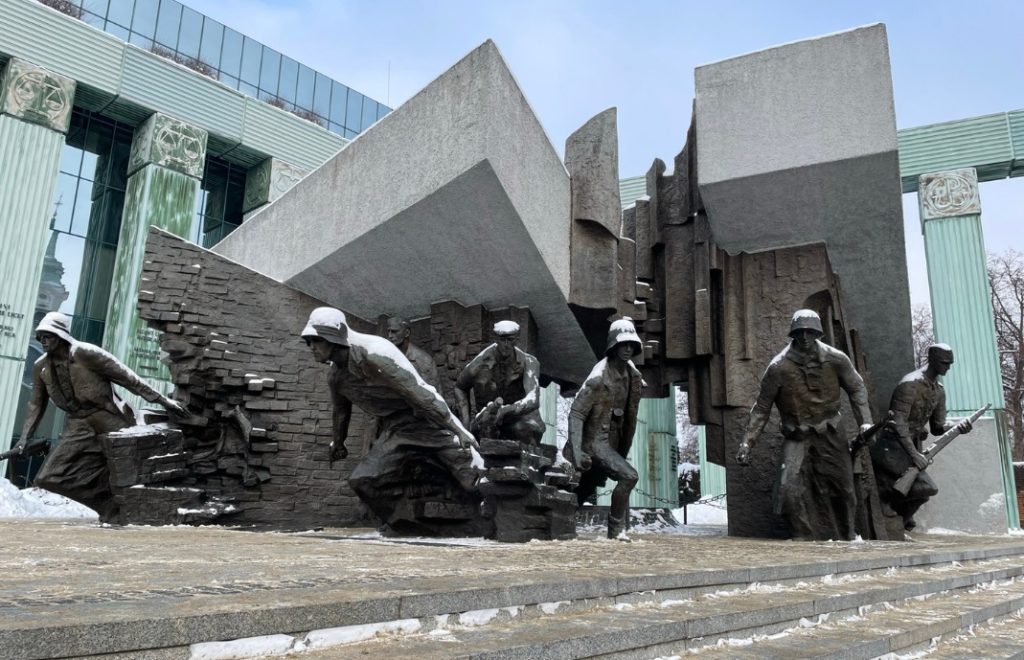
On a solemn square in central Warsaw rises one of the city’s most stirring memorials: the Warsaw Uprising Monument. It’s not just a monument – it’s a story in bronze, frozen in a moment of desperate courage.
The scene is achingly human. At its center, a mother clutches her infant as resistance fighters help her descend into the shadows – a nod to the city’s underground lifeline. Nearby, a priest bows his head in prayer over the fallen, embodying faith in the face of annihilation.
On the far side of the plaza, another tableau takes shape: a band of men and boys, weapons clenched in determined fists, guarding a barricade with expressions carved from stone and resolve. Their faces tell the truth of August 1944, when Warsaw rose against Nazi occupation in a bold, doomed uprising that would cost 200,000 lives and leave the city in ruins.
Much of that battle was fought beneath the streets, in the stifling blackness of Warsaw’s sewers – a labyrinth that became both refuge and artery, a silent witness to guerrilla warfare and unimaginable sacrifice.
Standing here today, it’s impossible not to feel the gravity of that defiance. This is more than a monument – it’s Warsaw’s heartbeat cast in metal, a tribute to those who fought not for victory, but for dignity.
Umschlagsplatz – The last stop before death
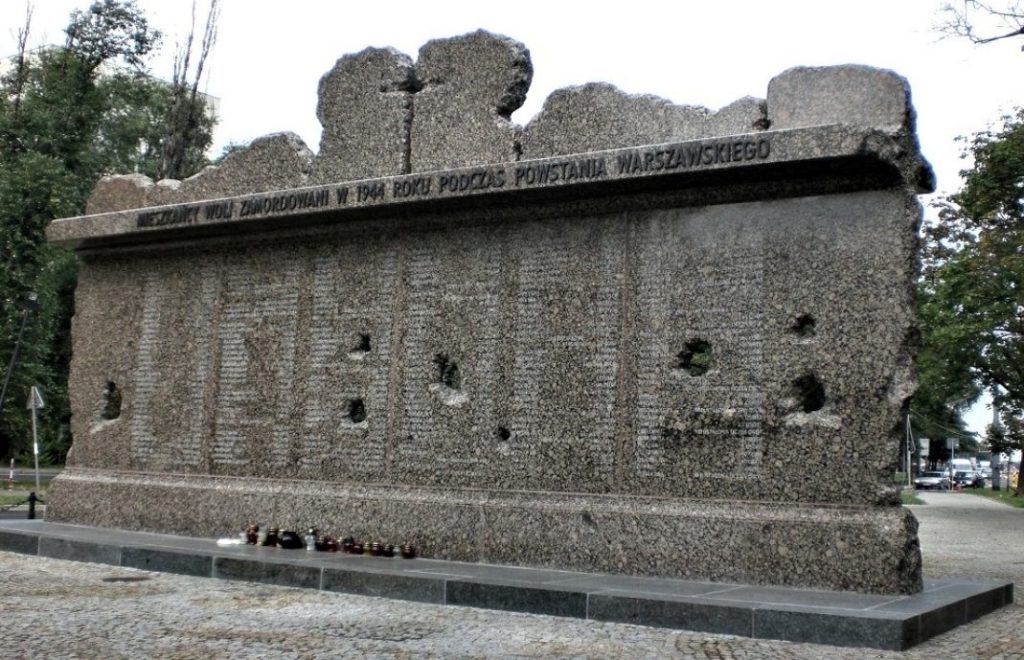
On an unassuming street in Warsaw stands a memorial so quiet, so stark, that its simplicity feels like a scream swallowed by time. This is Umschlagsplatz, the site where, beginning in the summer of 1942, 5,000 Jews per day were herded into cattle cars bound for Treblinka. Five thousand – the maximum number the trains could carry – each departure sealing thousands of fates.
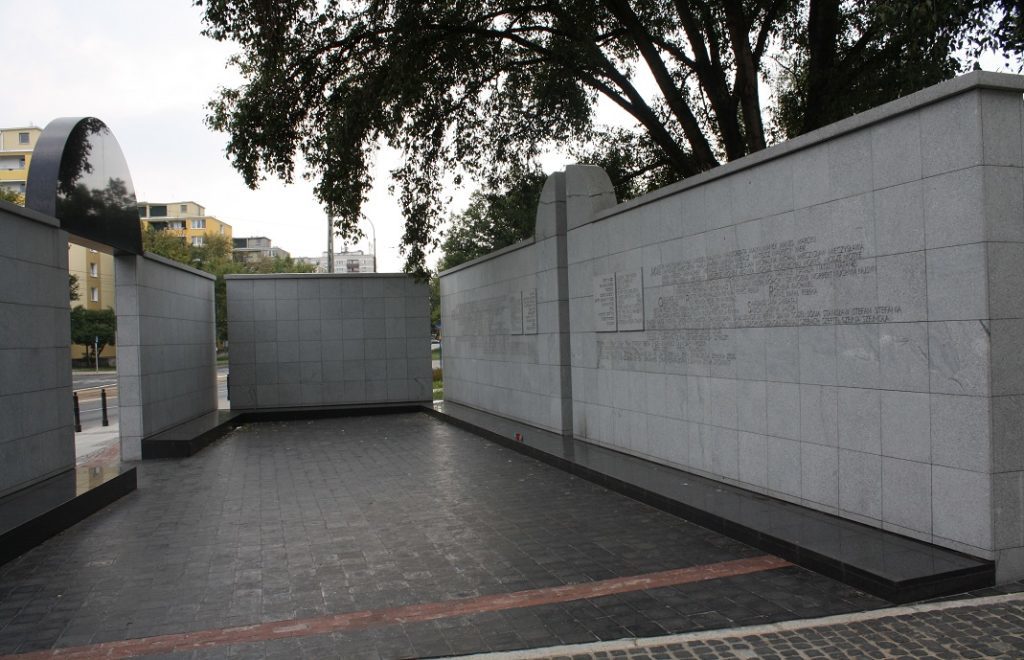
Today, the spot where Warsaw’s Jewish citizens saw their city for the last time is marked by a few pale stone walls. They bear a roll call of names – fragmentary, incomplete – etched into the surface like whispers clawing at silence. Each one stands for thousands more who vanished without a trace, save for the echo of footsteps on this very ground.
There is no grandeur here, no sweeping symbolism – only the weight of absence. Standing before these walls, you feel the enormity of what cannot be seen: the fear, the cries, the forced march toward oblivion.
Umschlagsplatz is not a place you photograph lightly. It’s a place where you lower your voice, bow your head, and let history press its cold hand against your heart.
Along this path of suffering and death over 300 000 jews were driven in 1942-1943 from the Warsaw ghetto to the gas chambers of the Nazi extermination camps.
The Warsaw Rising Museum – History you can touch
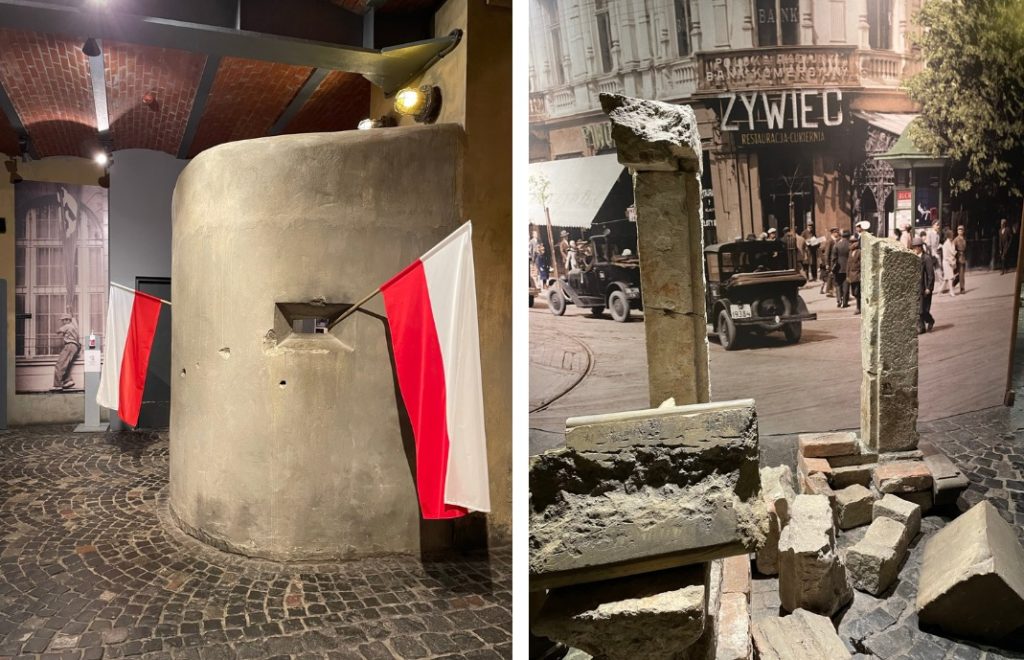
Step inside the Warsaw Rising Museum, and you don’t just learn about history – you live it. This is no ordinary museum. It’s an immersive experience designed to pull you deep into the chaos and courage of August 1944, when the city dared to defy Nazi occupation in a desperate fight for freedom.
From the moment you enter, the air thrums with tension. The echo of marching boots pounds in your ears, replaced by the rapid thud of a heartbeat. Around you, fragments of war come alive: a vintage phone you can lift to hear the whispered stories of insurgents; peepholes offering glimpses into hidden worlds; a fighter plane suspended mid-flight in the main hall.
You can crawl through a mock sewer, just as resistance fighters once did, navigating the city’s underworld to outwit German patrols. Peek into prison cells, their walls etched with ghostly names, and feel the chill of confinement.
Don’t miss the museum’s powerful film – a searing visual record that leaves few dry eyes. Every exhibit is a lesson wrapped in raw emotion, every detail a portal to a time when survival was resistance.
Outside, a solemn memorial to the fallen honors the 200,000 lives lost in the uprising. Scattered bunkers whisper their own stories, and from the observation tower, Warsaw stretches out – a phoenix reborn from its own ashes.
This isn’t just a museum. It’s a battlefield of memory. A tribute. A warning. A place where courage speaks in the language of steel and stone.
More inspiration: Warsaw Rising Museum
Key WWII sites in Warsaw
Warsaw is a city where history isn’t hidden – it’s inscribed into its streets, squares, and solemn memorials. For travelers who want to trace the echoes of World War II and honor the stories of resistance and survival, these are the must-visit locations:
1. The Jewish Ghetto Wall
Slip into the courtyard to find a surviving fragment of the ghetto wall – a silent sentinel of the horrors endured here. A simple plaque marks this place where so many lives were confined and extinguished.
Address: ul. Sienna 55
2. Jewish Historical Institute
Home to a poignant permanent exhibition on Warsaw’s Jews during 1939-1945, including original diaries and a heart-rending film built from authentic footage.
Address: ul. Tłomackie 3/5
3. Ghetto Heroes Monument & Willy Brandt Memorial
A powerful bronze tribute to the fighters of the Warsaw Ghetto Uprising. Nearby stands a statue of German Chancellor Willy Brandt, immortalizing his spontaneous kneeling here in 1970 – a defining moment of reconciliation.
Address: Square between ul. Zamenhof, Anielewicza, Karmelicka & Lewartowskiego
4. Umschlagsplatz Memorial
From summer 1942, 5,000 Jews a day were deported from this site to Treblinka. Today, stark stone walls engraved with names recall those who saw Warsaw for the last time right here.
Address: ul. Stawki, between Dzika and Dubois
5. Pawiak Prison Museum
Once a Nazi prison of terror, now a haunting museum. See original cells, artifacts, and a corridor left almost untouched since the war. Outside, a copper replica of the elm tree – heavy with memorial plaques – marks the resilience of memory.
Admission: Free (donations welcome).
Address: ul. Dzielna 24/26
6. Warsaw Rising Museum
An immersive tribute to the 1944 uprising, complete with soundscapes, interactive exhibits, and a sobering film. Crawl through replica sewers, hear voices from the past, and climb the observation tower for sweeping city views.
Note: Closed on Tuesdays.
Address: ul. Grzybowska 79
7. Warsaw Uprising Monument
A monumental sculpture depicting fighters, civilians, and clergy in the heat of resistance. Across the square, another group of figures braces behind a barricade – faces set in bronze defiance.
Address: Pl. Krasińskich
