
Long overshadowed by Kraków, Gdańsk, and Warsaw, Wrocław is quietly stepping into the spotlight as Poland’s next great urban favorite. With its fascinating history and enchanting architecture, this western gem is poised to captivate travelers seeking something both authentic and fresh.
For centuries, countless cultures and empires have left their mark on Wrocław. The city’s rich mosaic of nationalities, shifting rulers, and even its many names over time have earned it the title of a cultural capital – vibrant, layered, and endlessly intriguing.
Like most Polish cities, Wrocław was reduced to rubble during World War II. Yet today, it rises again in striking beauty, offering pleasures so abundant that one can easily indulge without ever pausing to dwell on its tragic past.
Set against the backdrop of western Poland, Wrocław excels on every front – whether you’re wandering through its attractions, savoring a meal at its restaurants, or retreating to the comfort of its stylish hotels.
Here are 11 unforgettable experiences you simply cannot miss.
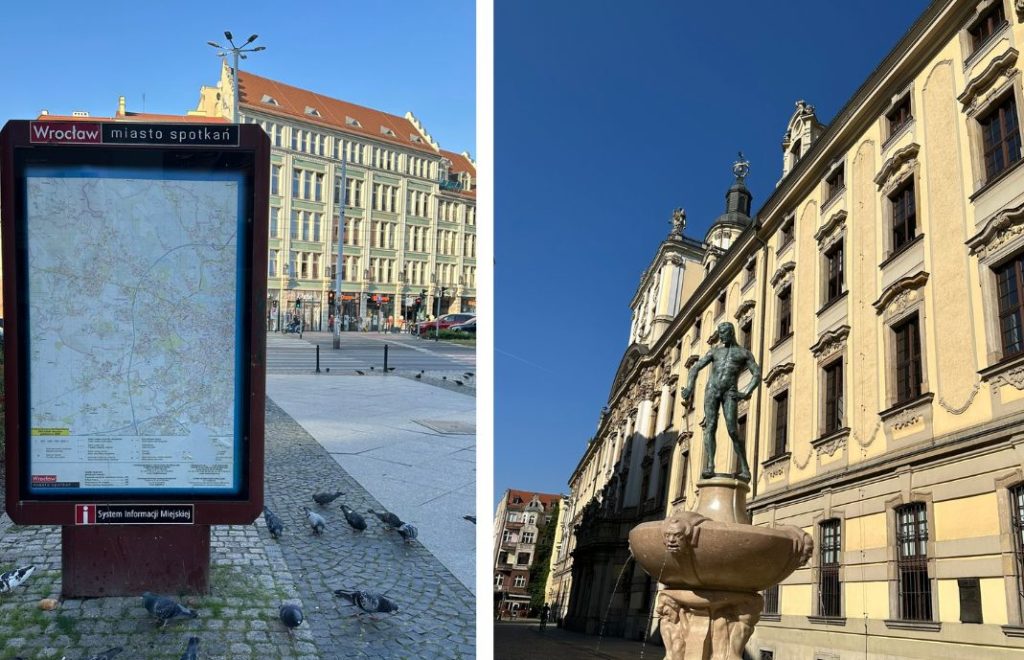
1. Chasing Wrocław’s little legends
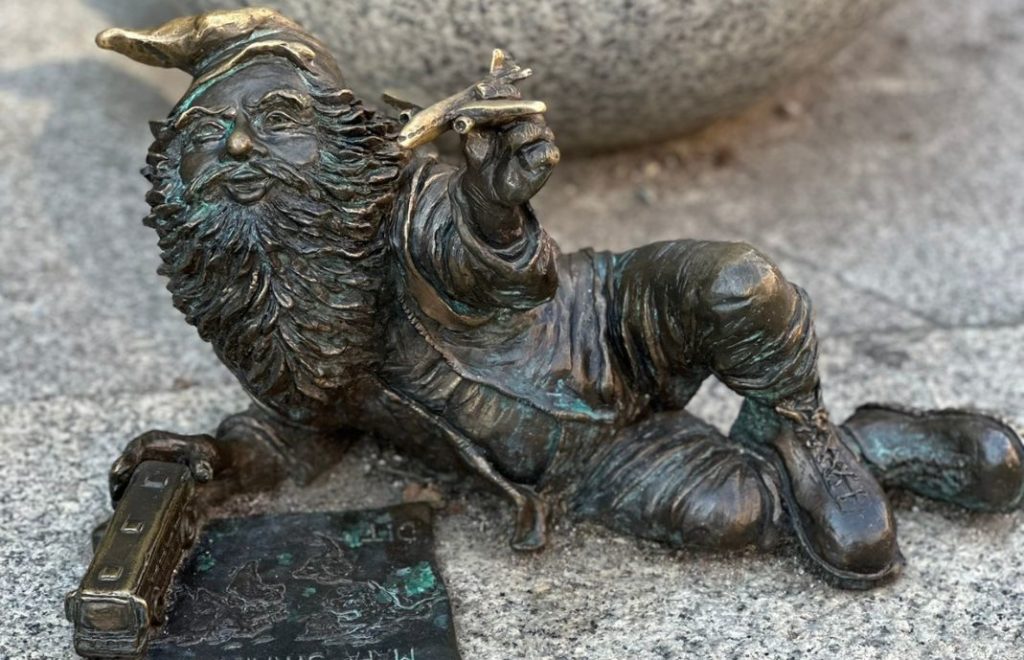
Forget about the usual pub crawls with beer and cocktails. In Wrocław, the real thrill lies in hunting for the city’s tiny bronze residents – quirky little dwarfs scattered across its streets. These pint-sized figures, no taller than 30 centimeters, have become a signature symbol of the city, waiting to be discovered in the most unexpected places.
You’ll spot them crouching in alleys, clinging to lampposts, peeking from behind doors, or boldly standing in plain sight. Each one has its own character, story, and mischief, turning an ordinary walk into a playful urban treasure hunt.
The craze has grown so much that Wrocław now boasts an official website dedicated entirely to these whimsical inhabitants, ensuring travelers can fully immerse themselves in the city’s most charming pastime.
More inspiration to Wroclaw’s dwarfs:
Dwarf hunting in Wroclaw – Catch them all!
Meet the Dwarfs of Wrocław
2. Rynek – The beating heart of Wrocław
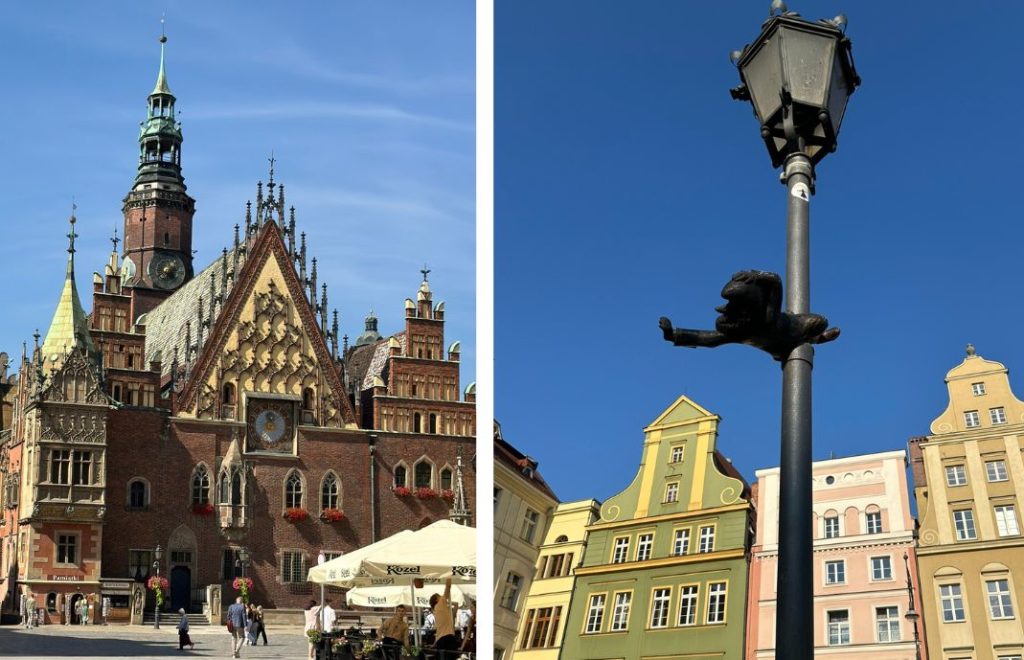
The city’s historic market square is nothing short of breathtaking – one of the largest and most dazzling of its kind in Europe, second only to Kraków’s.
It’s almost impossible to imagine that this vast plaza was once reduced to ruins after World War II. Through an extraordinary effort of reconstruction, the citizens of Wrocław brought it back to life, and today the square glows with row upon row of colorful façades in Renaissance and Art Nouveau styles, each more photogenic than the last.
At its center stands the Gothic Old Town Hall, a masterpiece that has watched over the square for centuries. Around it, the buzz of modern life unfolds: flower stalls, horse-drawn carriages, and street performers give Rynek a timeless, festive atmosphere. By day, the square brims with café tables spilling onto the cobblestones, perfect for people-watching over a cappuccino. By night, it transforms into a vibrant stage, where illuminated façades and lively bars keep the energy flowing well past midnight.
Whether you come to admire its architecture, join the throngs during one of the many festivals, or simply soak in the atmosphere with a glass of Polish beer, Rynek is the very soul of Wrocław – an unmissable stop on any journey through the city.
3. St. Mary Magdalene’s Church – Where light, legend, and views converge
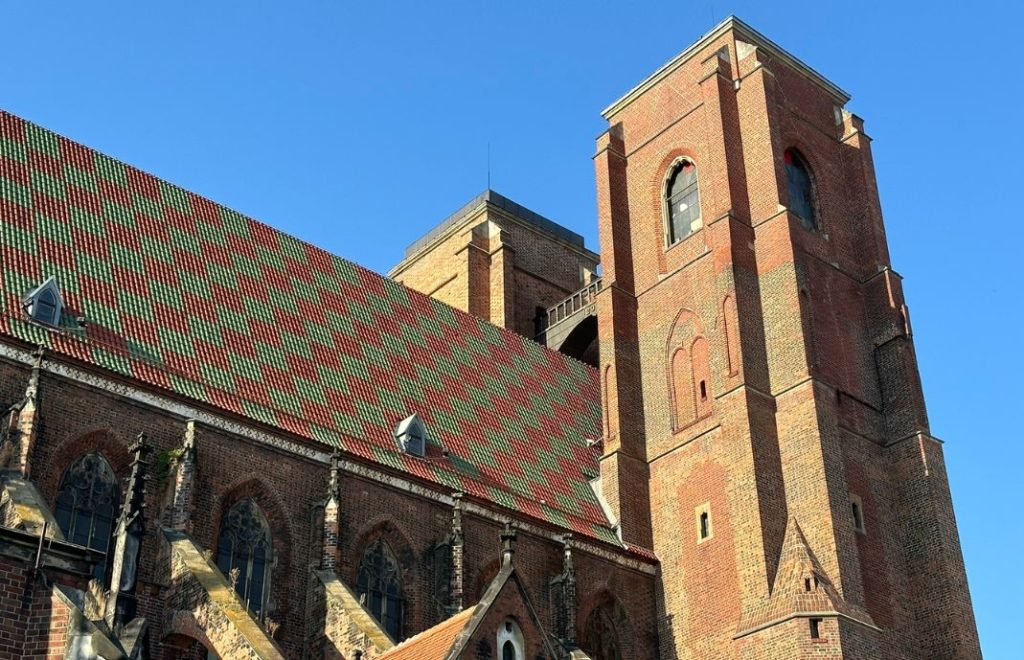
Bathed in a divine golden glow, St. Mary Magdalene’s Church welcomes visitors with its radiant yellow stained-glass mosaics that cast a warm, spiritual light across the altar. Stepping inside feels less like sightseeing and more like entering a sacred, almost otherworldly realm.
Following the red-carpet path around the nave, you’ll encounter centuries of history etched in stone – including a gravestone fitted with a small window revealing skulls and skeletal remains beneath. It’s a haunting reminder of the layers of faith, mortality, and mystery that dwell within these walls.
Once a Protestant church from the Reformation until the end of World War II, the building now again draws Catholic worshippers to its pews. Tourists, however, are irresistibly pulled toward the towers. Between them stretches Wrocław’s highest footbridge, a lofty perch offering one of the city’s most spectacular panoramas.
In centuries past, women accused of misdeeds were forced to scrub this very bridge as punishment – a curious legend that lingers in the air as you gaze out over the rooftops. Today, the only penance demanded is the climb itself, rewarded tenfold by the view that awaits.
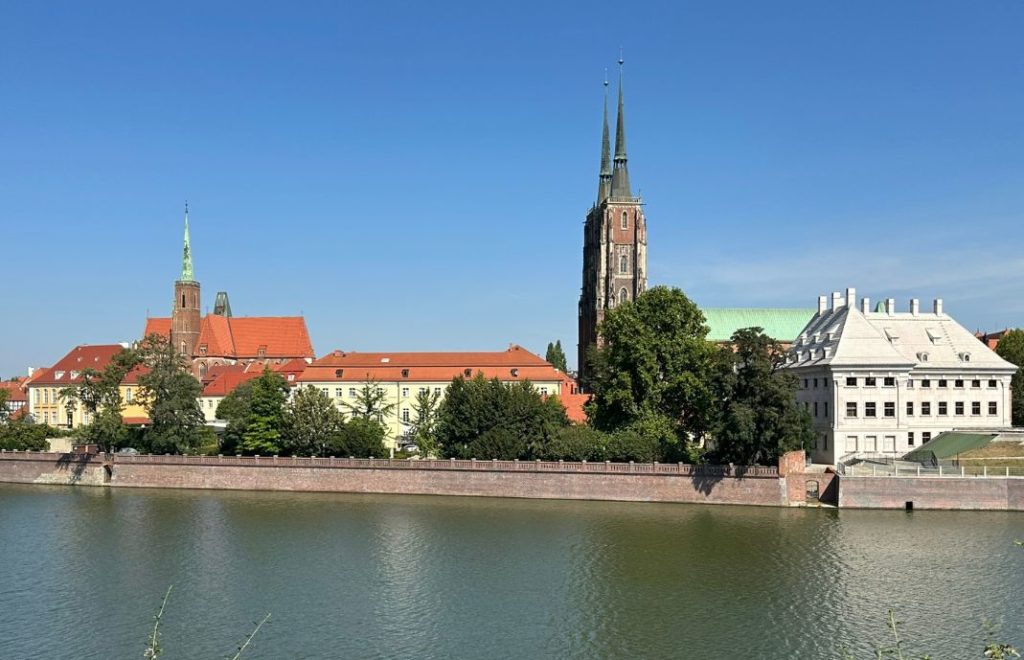
4. Cathedral Island – Wrocław’s timeless sanctuary
When the bustle of the city feels overwhelming, Cathedral Island (Ostrów Tumski) offers a serene escape into another world. Here, the air is filled with birdsong, the scent of blooming lilacs, and the sight of slender church spires etched against the sky – a gentle reminder that peace still exists in the heart of Wrocław.
The cobblestone streets wind past golden spires, statues of saints, and leafy green trees that form a natural canopy above. Every corner exudes an old-world charm that nourishes the soul and invites you to slow your pace.
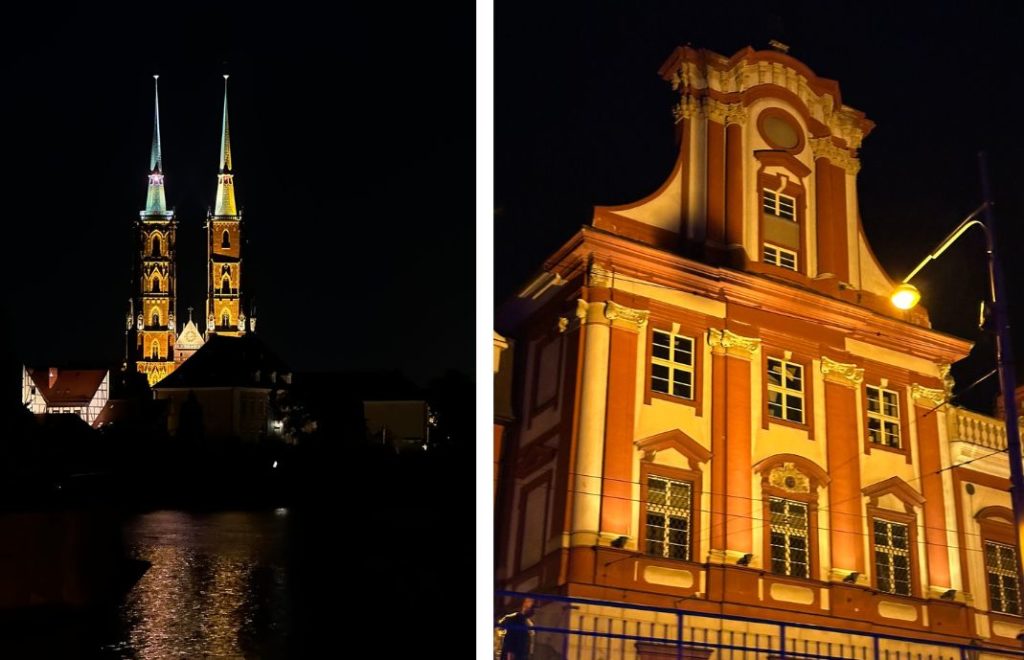
At the end of Katedralna Street rises the magnificent Cathedral of St. John the Baptist, a Gothic masterpiece with soaring twin towers. Ascend to the top and you’ll be rewarded with sweeping views that stretch far across the city. Best of all, unlike many lofty climbs in Europe, this one comes with a small luxury – an elevator to carry you effortlessly skyward.
5. Panorama of the Battle of Racławice – History in 360 degrees
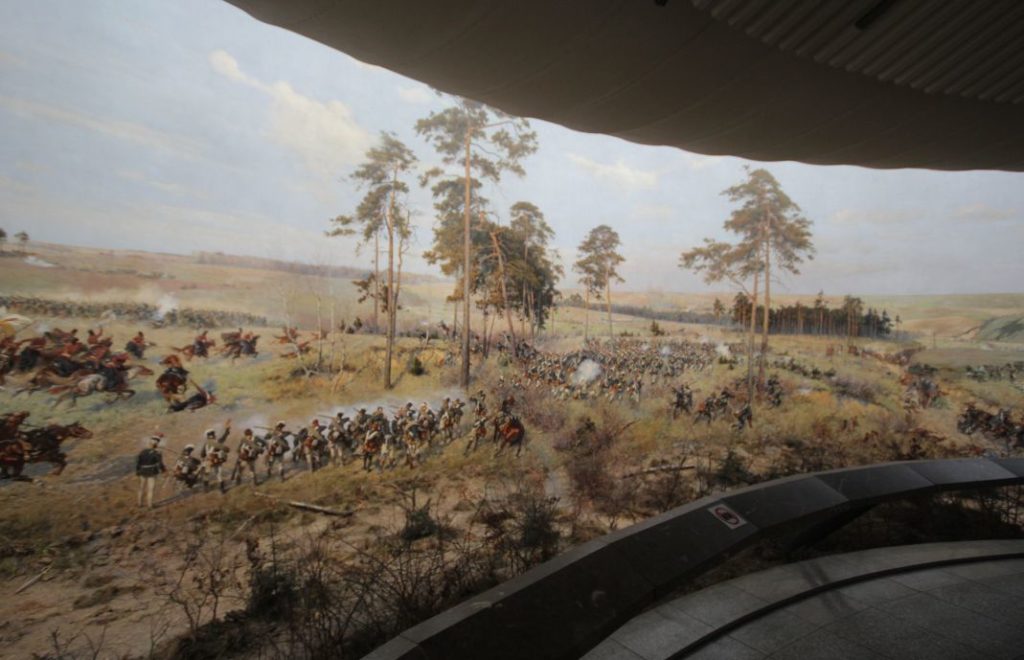
Step inside a vast circular building, and suddenly you’re transported back to 1794. Here hangs one of Poland’s greatest artistic treasures: the monumental Panorama of the Battle of Racławice. This colossal 360-degree painting doesn’t just depict history – it engulfs you in it.
The illusion is heightened by clever staging: real shrubs, fences, and muddy tracks extend seamlessly from the canvas to the viewing platform, creating an uncanny three-dimensional effect. With an audioguide whispering in your ear, you slowly circle the panorama, reliving each dramatic moment of the battle as if standing on the field yourself.
The painting commemorates one of Poland’s proudest episodes, when national hero Tadeusz Kościuszko led insurgent forces against Russian troops. Though the uprising was ultimately crushed and Poland was partitioned by its neighbors in 1795, the victory at Racławice remains a stirring symbol of courage, resilience, and the enduring fight for freedom.
6. Dine and drink at Poland’s oldest restaurant
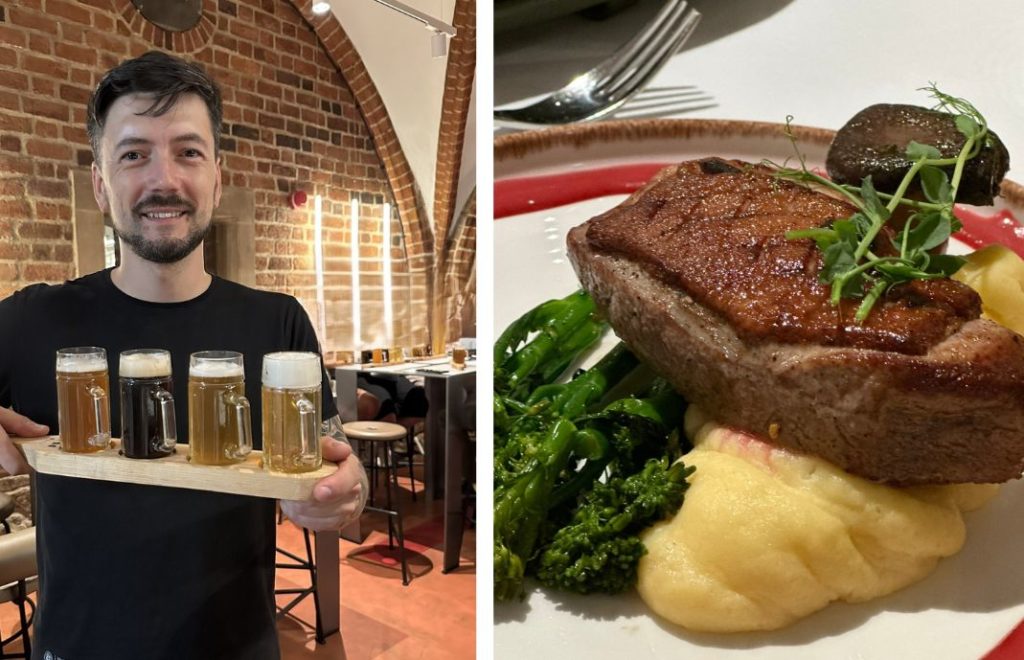
Few dining experiences in Europe can rival the sense of history at Piwnica Świdnicka, a legendary establishment dating back to 1273. Nestled beneath Wrocław’s Town Hall in atmospheric Gothic cellars, it proudly holds the title of not only Poland’s, but Europe’s oldest restaurant.
For more than seven centuries, Piwnica Świdnicka has welcomed locals and travelers alike with hearty food and fine beer. Over the ages, its vaulted halls have hosted an illustrious guest list – writers, artists, philosophers, royals, scientists, and athletes – all drawn to the warm embrace of its tables. If only the walls could speak, they would whisper tales of feasts, debates, romances, and perhaps a few tragedies too.
Today, diners can indulge in a menu that blends inspiration from historic recipes with modern Polish and international cuisine. In 2022, the restaurant revived its brewing tradition, installing an on-site brewery that produces five distinct beers: Baran (a Bavarian-style classic), Kur (a crisp pilsner), Gryf (bold and bitter), Kozioł (a dark lager), and Szczupak (strongly fermented with character). For those eager to dive deeper, guided tours and tastings are available – a perfect way to sip history by the glass.
A visit to Piwnica Świdnicka is more than a meal; it’s a journey through centuries of culinary tradition in the very heart of Wrocław.
7. Wrocław Multimedia Fountain – A symphony of water and light
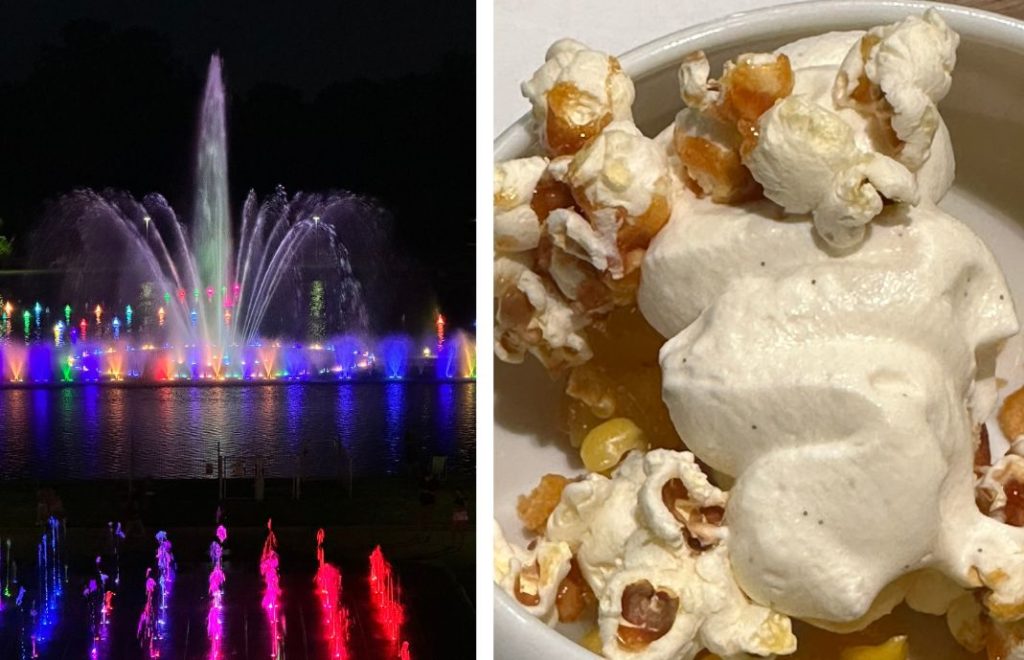
Set in the leafy expanse of Szczytnicki Park, Wrocław’s Multimedia Fountain is the largest in Poland and among the biggest in Europe. Opened on June 4, 2009, to mark the 20th anniversary of Poland’s first free elections after the war, it has since become one of the city’s most dazzling attractions.
Imagine 300 streams of water leaping skyward, illuminated by 800 colorful lights, all choreographed to music ranging from classical symphonies to modern soundtracks. The result is an unforgettable spectacle – water, light, and sound fusing in perfect harmony. The shows take place every hour, every day, turning even an ordinary evening stroll into pure magic.
Before or after the performance, make time for dinner at Hala Stulecia, a nearby restaurant housed in the iconic Centennial Hall. With sleek interiors, attentive service, and a menu that reinvents traditional Wrocław dishes with a modern twist, it’s a worthy companion to the fountain’s artistry. Seasonal, locally sourced ingredients shape the offerings, refreshed every three months, while regional vineyards and breweries ensure your glass is always filled with something special.
The fountain is more than a show – it’s an experience that captures the city’s creative spirit, making it a must on any Wrocław itinerary.
8. The Shambles – Where history meets whimsy
Tucked away in Wrocław’s Old Town, Galerie na Jatkach – better known as The Shambles – is a narrow cobbled street that perfectly blends history with charm. Once home to the city’s medieval slaughterhouses, it has reinvented itself as one of Wrocław’s most atmospheric spots, drawing visitors with its mix of heritage and creativity.
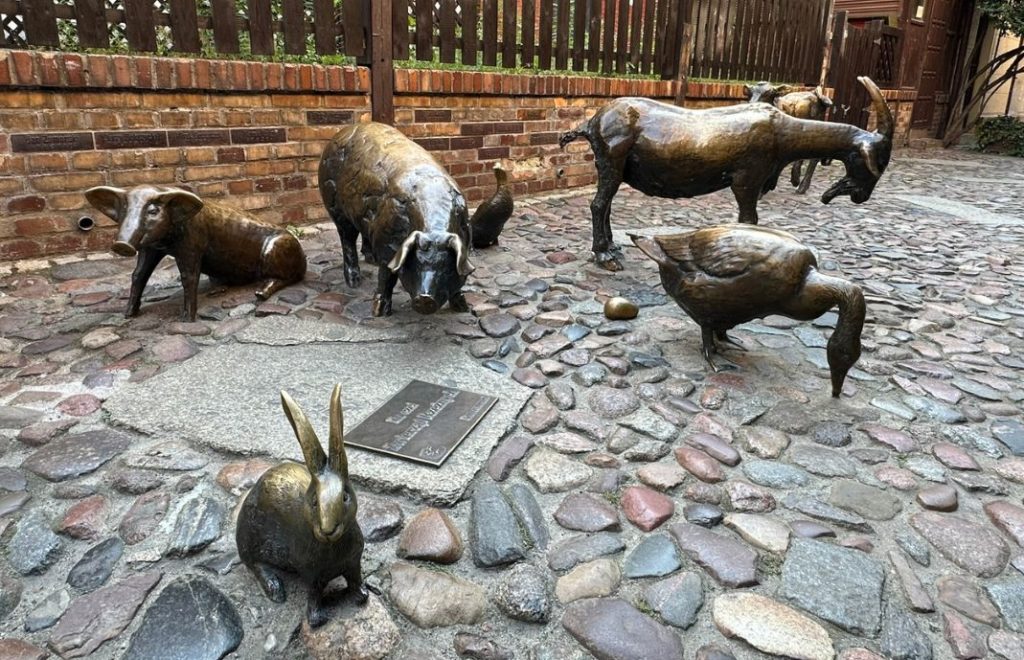
The main attraction is a whimsical cluster of bronze statues: a goat, pig, rooster, rabbit, and a goose with an egg. Tourists flock here to stroke the animals for good luck or capture that perfect photo. Playful as they may be, the sculptures are also a respectful nod to the countless creatures once sold and butchered on this very street.
Today, The Shambles is buzzing with life of a different kind. Small artisan shops and galleries spill over with handmade crafts, paintings, and jewelry, making it an ideal place to pick up a unique souvenir. As you wander beneath the historic arches, the atmosphere feels like a step back in time – yet filled with the vibrancy of Wrocław’s modern creative spirit.
9. The Katyn Massacre Memorial – A place of solemn remembrance
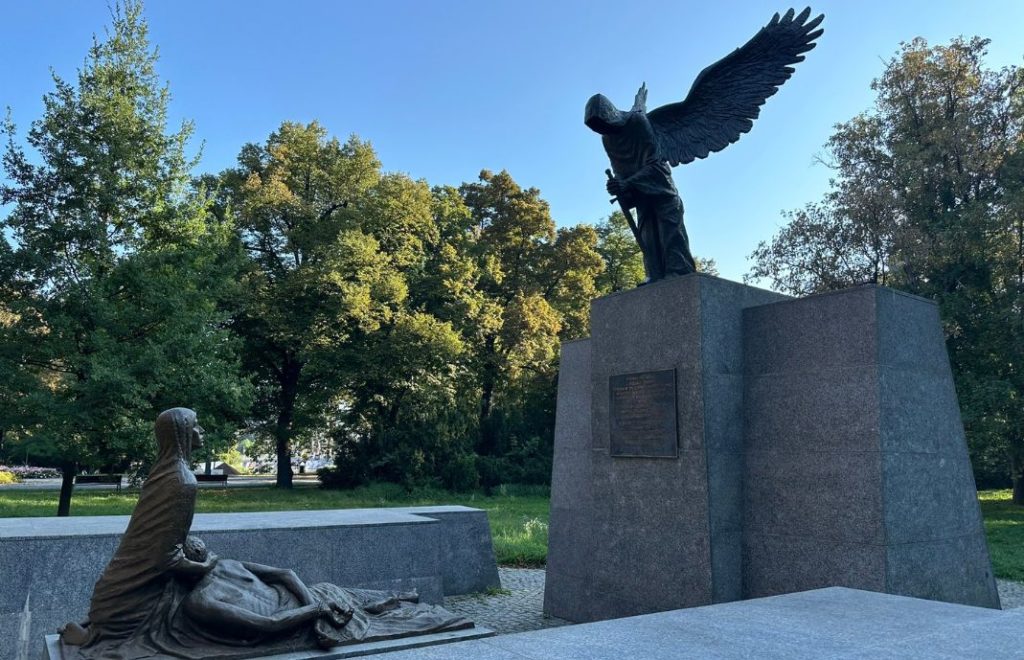
In the quiet greenery of Juliusz Słowacki Park stands one of Wrocław’s most poignant monuments: the Katyn Massacre Memorial. Unveiled in 1999, it honors the memory of the thousands of Polish officers, soldiers, and intellectuals brutally executed by the Soviet NKVD in 1940, under orders from Joseph Stalin’s Politburo.
The exact number of victims is still debated, but historians estimate 21,857 Poles were murdered, including around 15,000 prisoners of war. Of these, 4,421 were executed and buried in mass graves in the Katyn Forest near Smolensk, Russia. For decades, the tragedy was suppressed, denied, and shrouded in silence. Today, the memorial ensures that their sacrifice is neither forgotten nor distorted.
The site invites quiet reflection rather than spectacle. Simple yet powerful in design, it stands as both a symbol of grief and a call for truth. Visitors who have seen Andrzej Wajda’s moving 2008 film Katyn may find the experience even more visceral, as the monument transforms historical memory into a tangible, deeply human tribute.
10. Exploring Wrocław – Tours with a twist
Wrocław is a city best discovered at your own pace. With most of its attractions clustered within a compact area, it’s easy to wander the cobbled streets on foot, uncovering hidden corners and architectural gems as you go. But if you’re looking to see more while adding a dash of charm and comfort, the city offers several unforgettable sightseeing options.
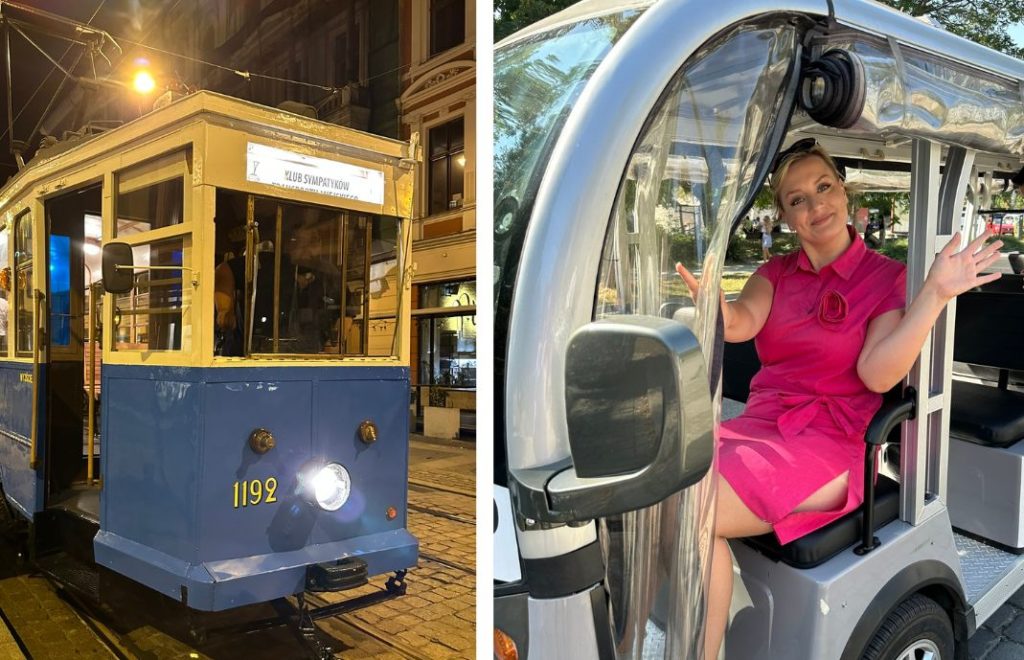
In summer (weekends from May to late October), hop aboard one of Wrocław’s historic trams. These beautifully preserved carriages rattle between the Old Town and the iconic Centennial Hall (Hala Stulecia), passing by landmarks like the market square and its surrounding monuments. A knowledgeable guide provides lively commentary, bringing centuries of history to life as the tram clatters along its route.
For a modern twist, consider an electric minibus tour. These small, eco-friendly vehicles glide through the Old Town, Cathedral Island, the Multimedia Fountain, and Centennial Hall, stopping along the way so you can step out, snap photos, and explore up close. The guides are not only well-informed but engaging, turning the ride into both a lesson and a lighthearted adventure.
And if you prefer total flexibility, Wrocław’s hop-on hop-off buses make it easy to design your own itinerary, offering convenient stops at all the key sights.
Whichever way you choose to travel, the journey is every bit as rewarding as the destination – each route revealing new layers of this endlessly captivating city.
11. Experience the Oder – Wrocław from the water
The Oder River winds gracefully through Wrocław, shaping the city into a landscape of bridges, islands, and shimmering reflections. To truly experience the city’s character, take to the water – where every bend reveals a new perspective.
Adventurers can rent a canoe and paddle through quiet channels, slipping under arched bridges and drifting past leafy riverbanks. For something more leisurely, join a solar-powered catamaran tour, glide along in a small motorboat, or try one of Wrocław’s playful Floating Doughnuts – round boats perfect for sharing drinks with friends while drifting on the current.
As night falls, the river transforms into a stage for romance and spectacle. A sunset or evening cruise offers unforgettable views of Wrocław’s skyline, with its spires and historic façades glowing in golden light before giving way to the magic of illumination after dark. From the water, the city is just as captivating – perhaps even more so – than it is on land.
More inspiration to Wroclaw:
7 very good reasons to visit Wroclaw
A warm thank you to Polska Organizacja, the Poland Convention Bureau, the Polish Conference and Congress Association SKKP, the Wrocław Convention Bureau, and LOT Polish Airlines for inviting me to Wrocław. My flights, accommodation, meals, transport, and activities were generously covered.
There were no obligations or expectations from the hosts regarding posts or promotion on social media. As always, opinions and photos are entirely my own.
