
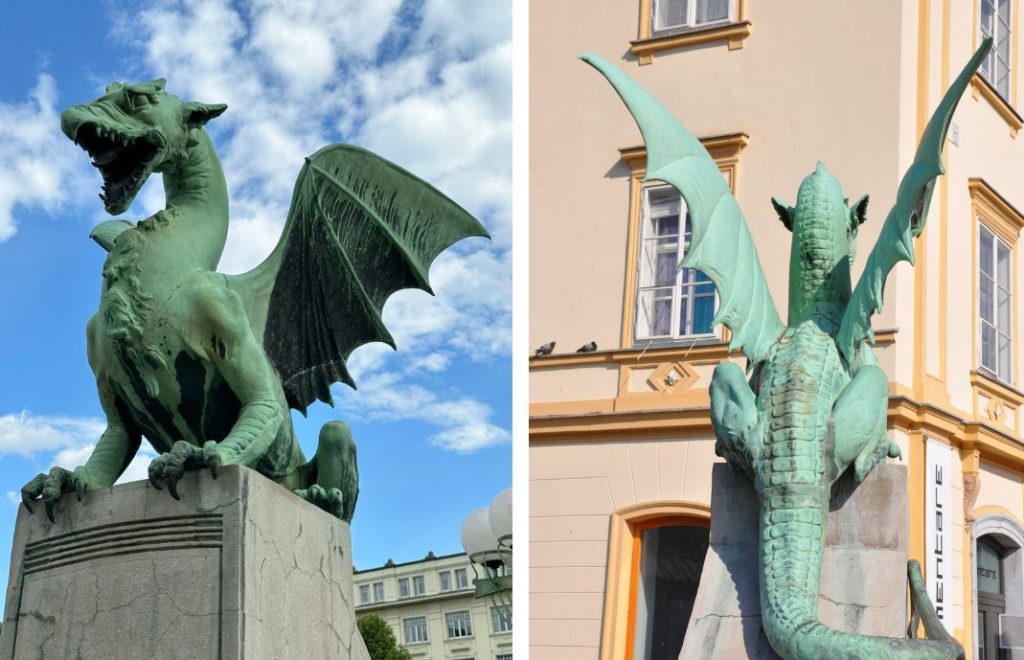
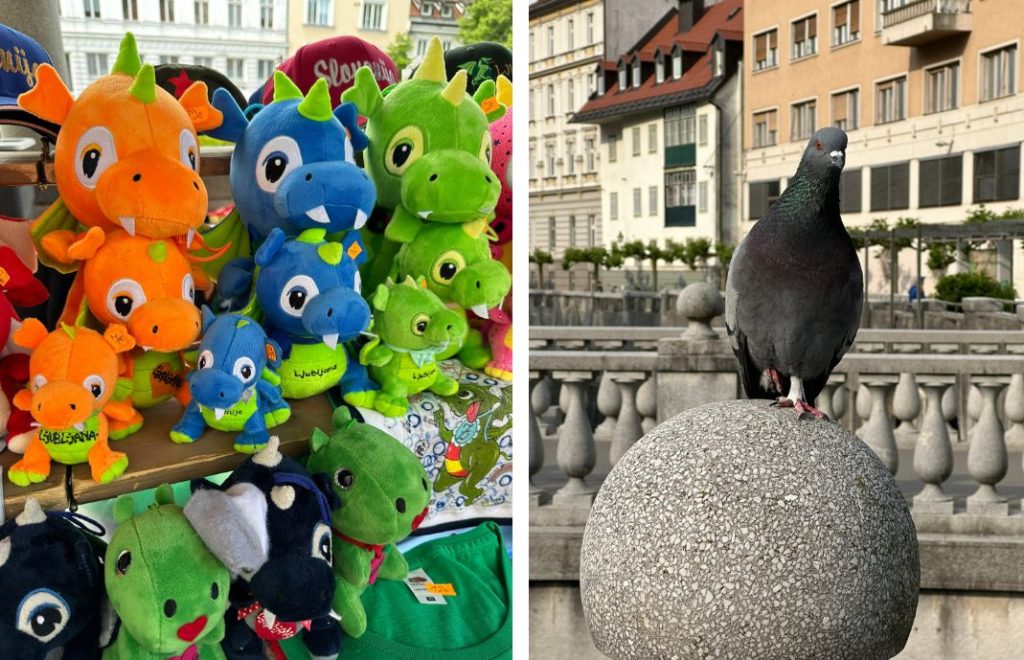
The four dragons have spread their wings. With gaping jaws and fierce expressions, they stand guard atop the iconic Dragon Bridge – each stationed at a corner, ready to pounce. These mythical beasts are no random embellishment; they are the very symbol of Ljubljana, featured proudly on the city’s coat of arms.
Often overlooked in the realm of European city breaks, Slovenia’s charming capital is a compact and walkable gem. It unfolds gracefully beneath the Castle Hill and along the tranquil Ljubljanica River. Here, a delightful blend of lively cafés, open-air markets, graceful architecture, and excellent restaurants awaits the curious traveler.
If you’re seeking a city with laid-back energy, rich character, and plenty of charm, Ljubljana is an exquisite choice.
Dragon Bridge
Four fierce and photogenic dragons stand sentinel over Zmajski Most – better known as Dragon Bridge -one of Ljubljana’s most iconic landmarks. A visit to the Slovenian capital isn’t complete without snapping a photo beside one of these wide-mouthed, winged guardians.
The bridge dates back to 1901, and its reinforced concrete structure – an innovation at the time – was engineered by Josef Melan. The elegant art nouveau embellishments were the work of Jurij Zaninović.
Choosing dragons as the centerpiece was no accident. They are the proud symbol of Ljubljana, prominently featured on the city’s coat of arms.
Originally named The Jubilee Bridge of Emperor Franz Josef I, it was renamed Dragon Bridge in July 1919.
According to local legend, when a virgin crosses the bridge, the dragons wag their tails…
Life along the river
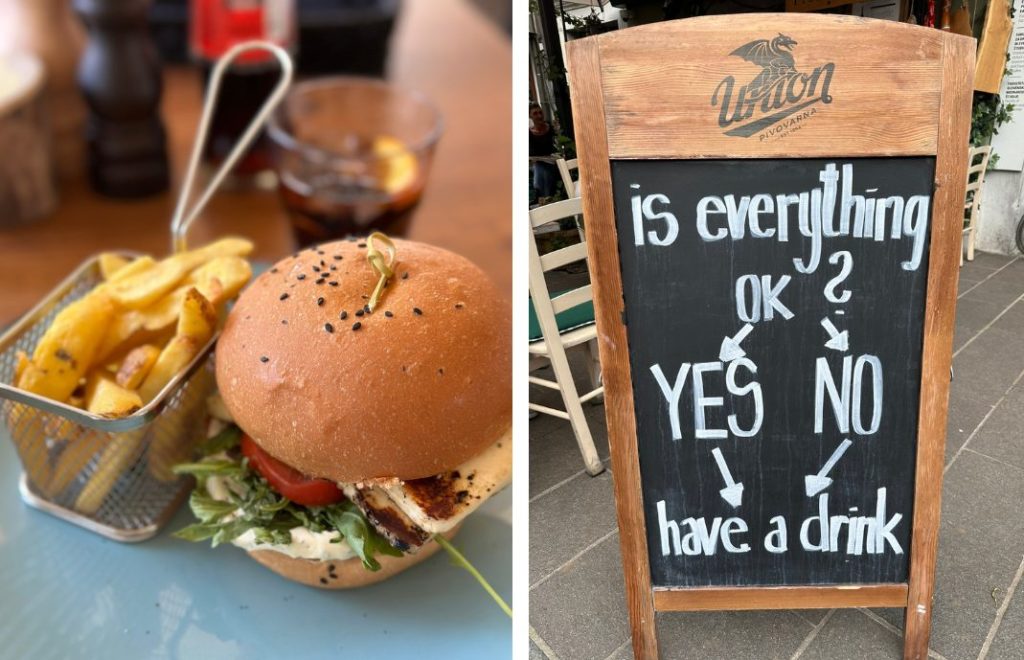
The Ljubljanica River flows like a lifeline through the heart of Ljubljana’s historic center, infusing the city with charm and a gentle rhythm. Along its banks, market vendors display everything from quirky souvenirs and art nouveau lamps to nostalgic Yugoslav banknotes.
Waiters weave between café tables with trays piled high with drinks and sizzling dishes, while couples stroll hand-in-hand along the promenade, soaking in the romantic ambiance.
Though the river stretches just 41 kilometers, the stretch running through Ljubljana is a hub of activity -vibrant, yet unhurried.
Locals and travelers alike gather at the many riverside restaurants to savor a hearty meal or sip a glass of Laško beer. Others drift through the city by tourist boat or kayak, gliding past bridges where smiling visitors pose for their next Instagram-worthy shot.
Life here moves at the perfect pace – serene, scenic, and undeniably Slovenian.
Ljubljana Castle
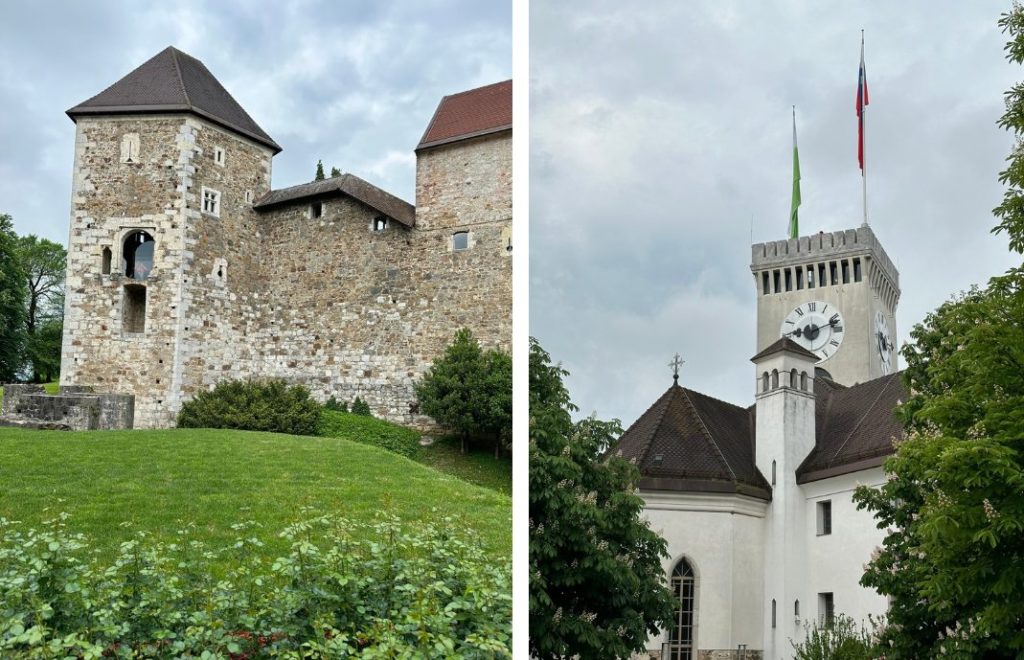
To truly grasp the charm of Slovenia’s capital, you need to see it from above – from Ljubljana Castle (Ljubljanski Grad), the centuries-old stronghold that has long guarded the city from its hilltop perch.
A sleek modern funicular whisks visitors up to the castle, whose origins date back to the 9th century. Its current appearance owes much to a devastating earthquake in 1511, a Baroque facelift in the 17th century, and a meticulous modern renovation that has transformed it into one of the city’s crown jewels.
Beyond the sweeping views, the castle offers a wealth of attractions. Step into the Virtual Museum for a 20-minute 3D journey through Ljubljana’s most pivotal historical moments. Wander through the atmospheric halls of the Chapel of St. George and the old prison, or dive into local folklore at the Puppet Museum.
For a more interactive twist, try the Escape Castle game, where you’ll race against time through five challenges to uncover the city’s secrets – and maybe, just maybe, rescue the legendary dragon.
Perched high above the city, Ljubljana Castle is where history, mystery, and breathtaking panoramas converge.
The man behind Ljubljana
Strolling through Ljubljana’s charming streets, one name echoes in stone, bridge, and skyline: Jože Plečnik. This visionary architect left an indelible mark on the city – so much so that Ljubljana is often affectionately referred to as Plečnik’s Ljubljana.
A former student of Otto Wagner and a key figure in the Viennese Secession movement, Plečnik spent years refining his craft in Vienna and Prague before returning home to Slovenia. What he found was a provincial town – but what he created was a capital.
His architectural genius transformed Ljubljana into a harmonious blend of tradition and modernity. With a deep reverence for classical forms and a flair for innovation, Plečnik crafted buildings, monuments, and public spaces that continue to define the city’s soul.
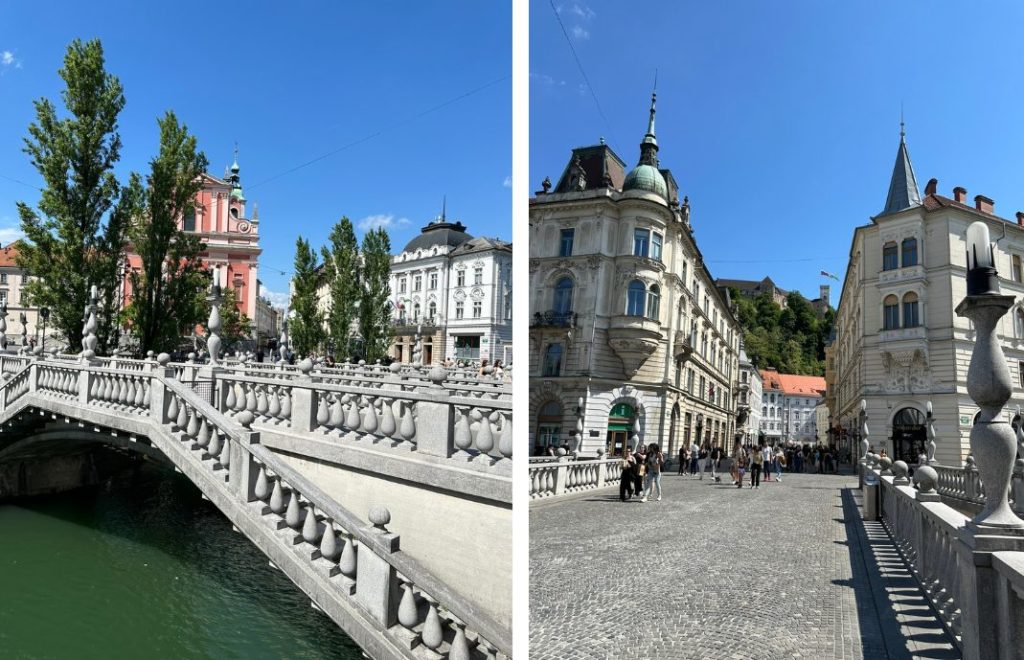
One of his most iconic contributions is Tromostovje, or The Triple Bridge. This elegant trio spans the Ljubljanica River, uniting the vibrant Prešeren Square with the lively café-lined embankments of Cankarjevo nabrežje, and connecting pedestrian zones like Stari trg and Mestni trg. Originally built in 1842, the central bridge was flanked by two angled footbridges added by Plečnik in 1931 – an architectural flourish that has become a city emblem.
From riverbanks to marketplaces, colonnades to churches, Plečnik’s legacy lives on in every graceful curve and timeless detail. Without a doubt, the Ljubljana we admire today is the city he envisioned.
Cruise on the river
See Ljubljana from a whole new angle as you sit back, relax, and let the city’s rhythm gently unfold before you.
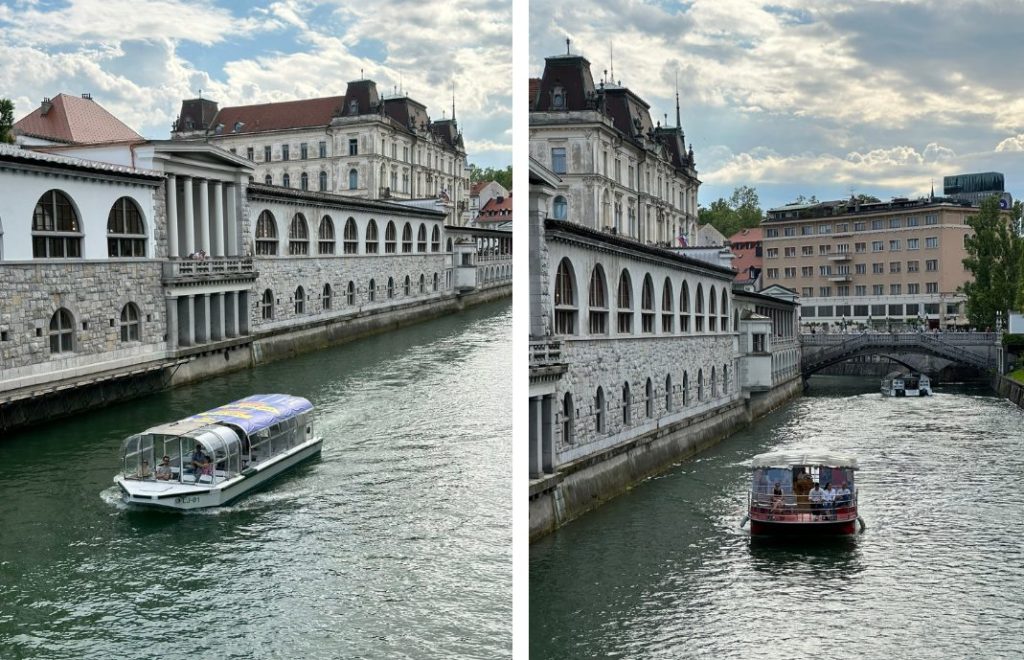
A river cruise along the Ljubljanica offers a peaceful escape from the bustle above, gliding past charming bridges, leafy embankments, and vibrant riverside cafés. Most boats offer drinks and snacks on board, with a knowledgeable guide providing stories and insights that bring the city to life.
The cruise typically lasts around 50 minutes, plus boarding and disembarking time. Boats sail year-round, though tours may be slightly shorter during the winter months (November to March).
Whether bathed in golden summer light or wrapped in winter’s quiet charm, a boat tour offers a magical, slow-motion view of one of Europe’s most underrated capitals.
Prešeren Square
Ljubljana may be one of Europe’s smallest capitals, with just around 200,000 residents, but at times it feels like they all converge on Prešernov Square – the beating heart of the city.
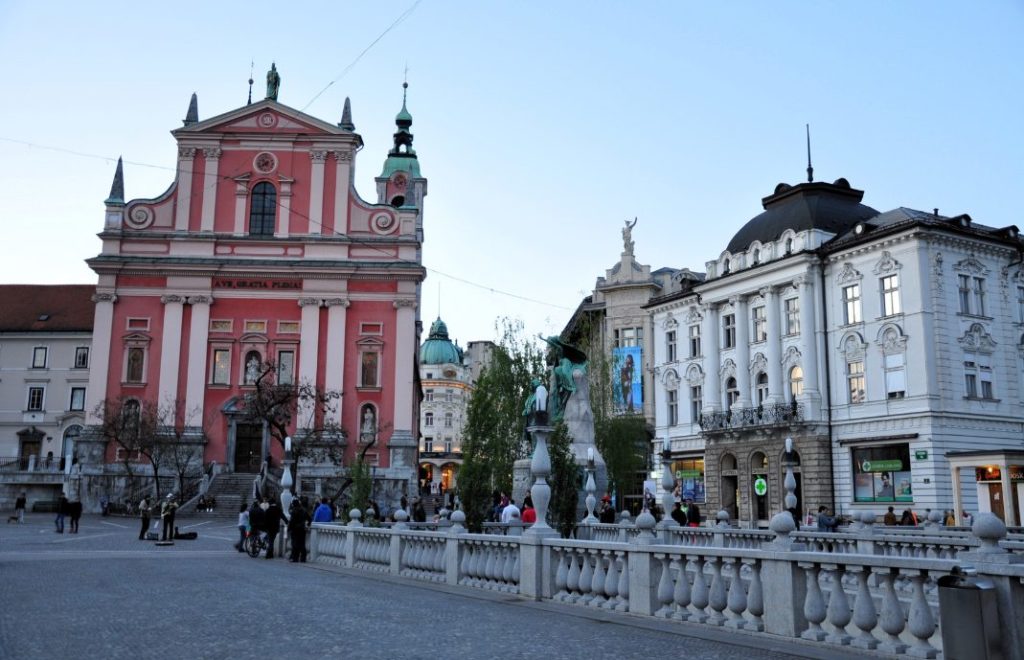
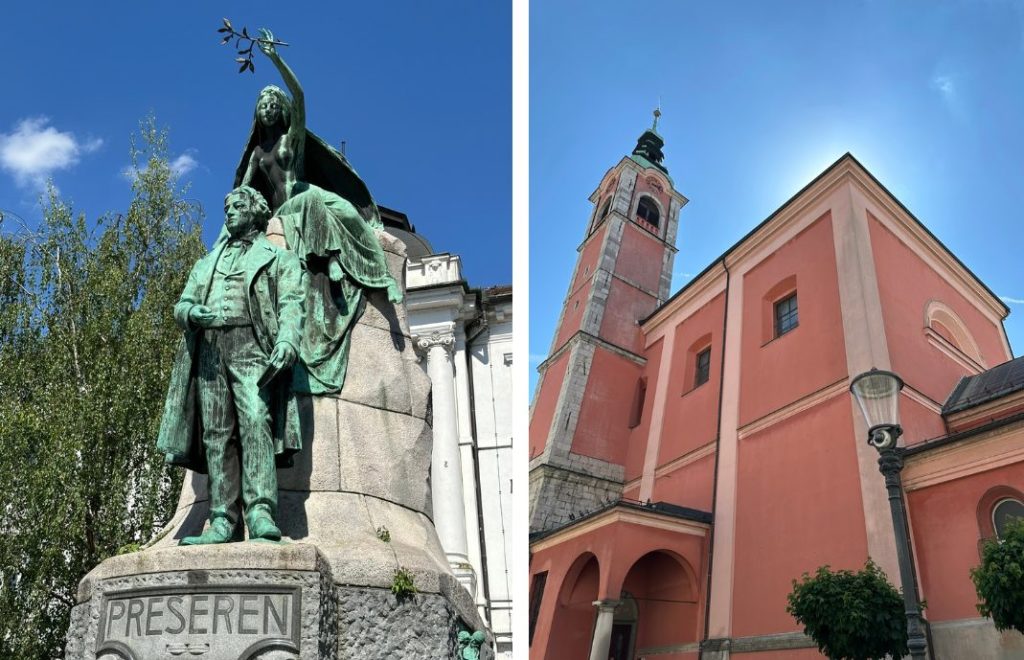
Elegantly laid out around the striking red Franciscan Church of the Annunciation, built in 1660 in Baroque style, this square is a favorite meeting point for locals and visitors alike.
The square is named after France Prešeren (1800-1849), Slovenia’s beloved national poet, born in the small town of Vrba. One of the verses from his poem A Toast was chosen as the Slovenian national anthem upon the country’s independence. Prešeren is widely celebrated for his monumental influence on the Slovene language and identity.
But not without controversy: Prešeren’s fondness for the bottle was well-known, and his statue – created by sculptor Ivan Zajc and unveiled in 1905 – faces the church with a bare-breasted Muse hovering above his head. Unsurprisingly, this artistic choice has long ruffled feathers among the more conservative Catholic community.
Still, Prešernov Square remains the city’s symbolic and social centerpiece – a crossroads of history, art, and everyday life.
Glavna Tržnica Market
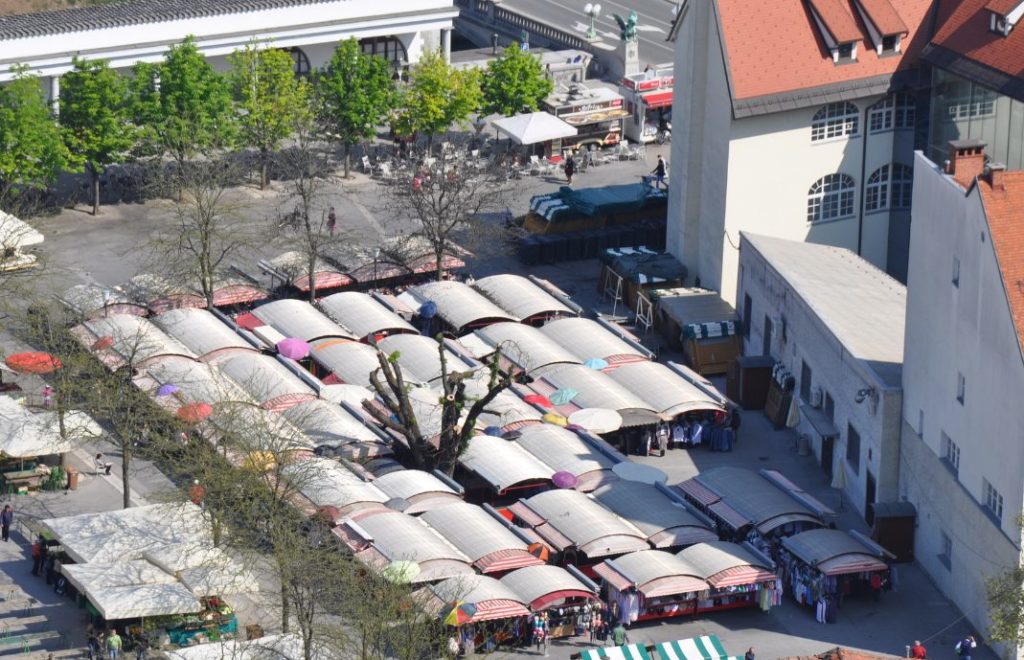
No surprise here – the market bears the unmistakable imprint of Ljubljana’s famed architect, Jože Plečnik, who designed the graceful colonnade and market hall that elegantly hug the banks of the Ljubljanica River.
Each morning, as the city slowly comes to life, vendors roll in with crates brimming with local treasures: homegrown fruits and vegetables, fragrant herbs and spices, salted fish, flower bouquets, pastries, handmade souvenirs, and a delightful assortment of odds and ends.
More than just a place to shop, Glavna Tržnica is a living slice of Ljubljana – where tradition, community, and flavor blend into one vibrant experience along the river’s edge.
History of Ljubljana
Ljubljana became the capital of an independent Slovenia in 1991, but its story stretches back thousands of years.
Remnants of Roman walls still stand as echoes of a city founded millennia ago, and during the Middle Ages, the German-speaking world knew it as Laibach.
Remarkably, Ljubljana was spared the worst of both World Wars. But it wasn’t untouched by catastrophe – in 1895, a powerful earthquake rocked the city. Ironically, this devastation helped shape the Ljubljana we see today. The tremors brought down much of the Italian-inspired Baroque architecture, making way for a wave of creativity. Slovenian and Austrian architects seized the moment, introducing the elegant curves and flourishes of Art Nouveau, forever changing the face of the capital.
Want more reasons to visit Slovenia?
Truffle hunting in Istria
Everything you need to know about Postojna Cave
A guide to Predjama Castle
Horses, caves, and castles in Slovenia
