
If your heart beats faster at the thought of lions, tigers, leopards, pumas, and jaguars, then Jukani Wildlife Sanctuary is a must-visit.
Here, these magnificent predators roam spacious, natural enclosures designed to mirror their original habitats. Spaces where they can live with dignity and without the stress of human interference.
Every animal at Jukani has a story: rescued or relocated from places where their well-being was ignored.
At Jukani, the focus is on welfare and conservation, not exploitation. There are no photo ops, no petting sessions, no gimmicks – just the awe-inspiring sight of big cats being their true selves. For visitors, it’s a chance to observe and photograph these apex predators in an environment that prioritizes their health and happiness.
What is Jukani Wildlife Sanctuary?
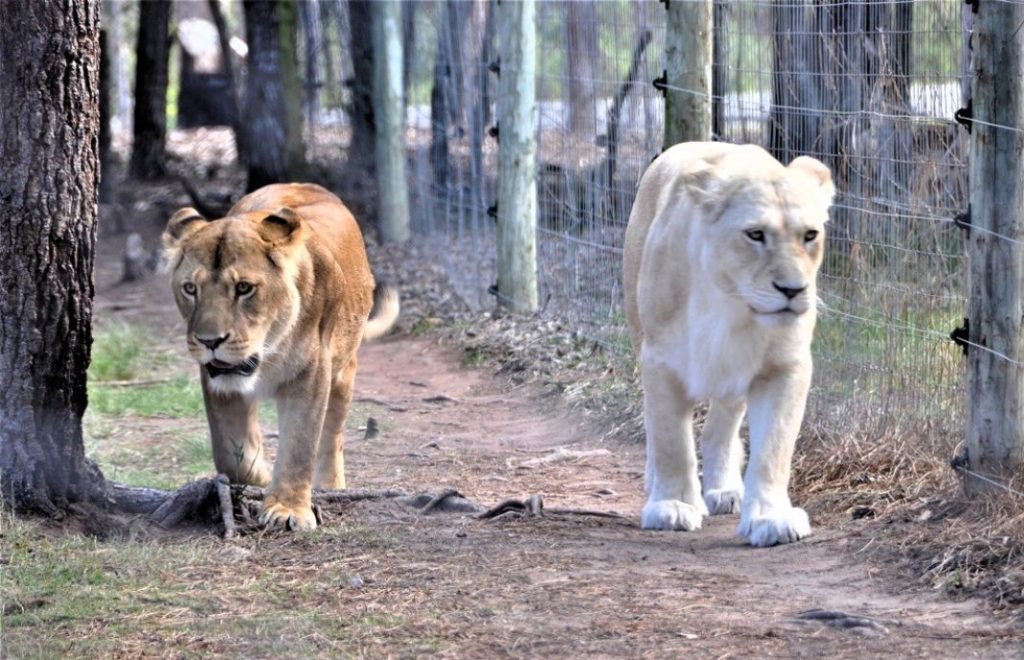
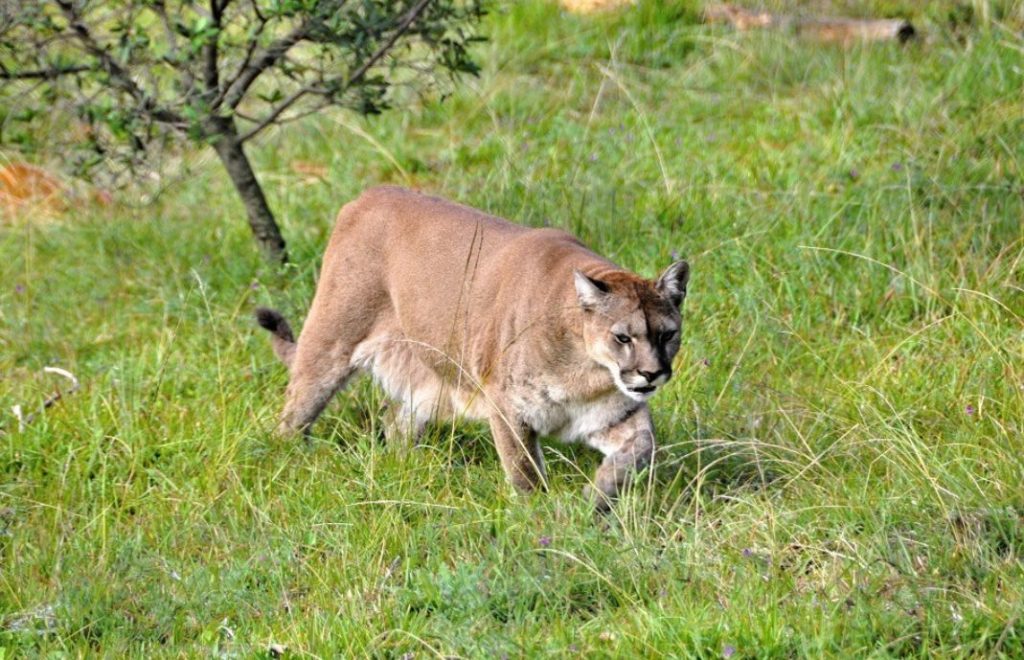
Jukani is a haven for big cats – a sanctuary where lions, tigers, leopards, jaguars, and pumas rescued from captivity or the entertainment industry can finally live in peace.
Many visitors wonder why these animals aren’t simply released into the wild.
The answer is sobering: most were born in captivity and lack the skills to survive. They cannot hunt, defend themselves against other predators, or cope with the dangers of poaching. In fact, experts warn that Africa’s wild lion population could disappear entirely within the next 20 years, largely due to human greed and trophy hunting.
At Jukani, there is zero interaction between humans and animals. Touching is strictly forbidden. There are no photo ops with tigers, no lion walks, no gimmicks. Instead, visitors are invited to admire these magnificent creatures from a respectful distance in vast, species-appropriate enclosures designed for their comfort and well-being.
Education is at the core of Jukani’s mission. Each visit is an opportunity to learn about conservation challenges and the urgent need to protect big cats. The sanctuary does not breed animals; all residents are sterilized to ensure no exploitation or trade. You won’t see cubs here – only adults living out their days in dignity.
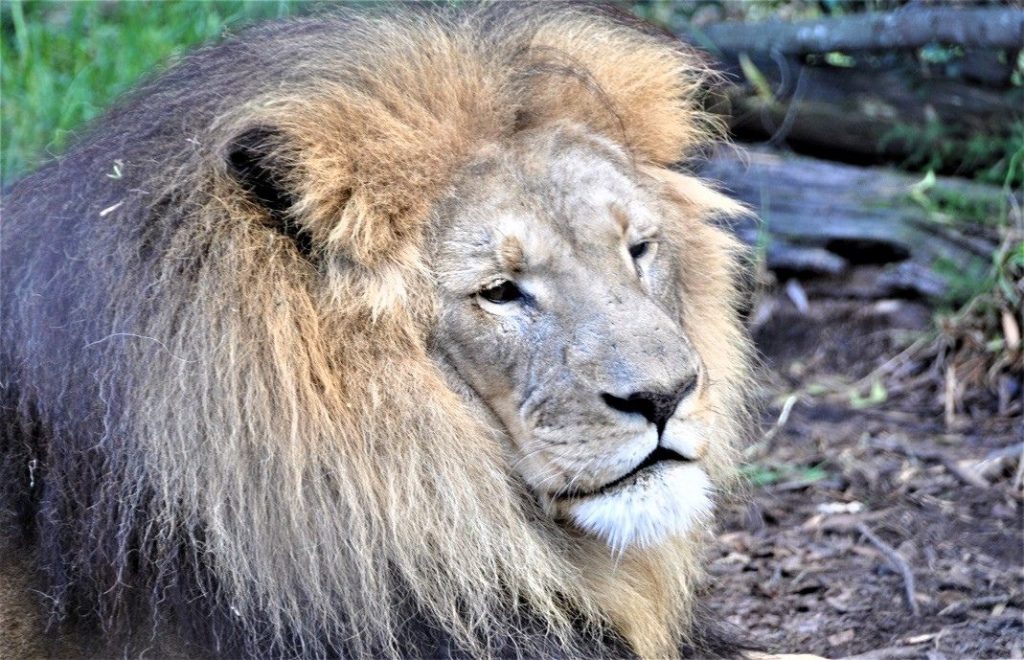
This approach dramatically improves their quality of life and longevity. While a male lion in the wild rarely lives beyond 8–-9 years, those at Jukani can live up to 20.
Crucially, Jukani does not buy animals. Every cat here has been rescued from appalling conditions and given a second chance. They receive expert veterinary care and constant monitoring by a team that truly cares. The only time a new animal arrives is when space opens – sadly, when another passes away.
Your visit to Jukani Wildlife Sanctuary
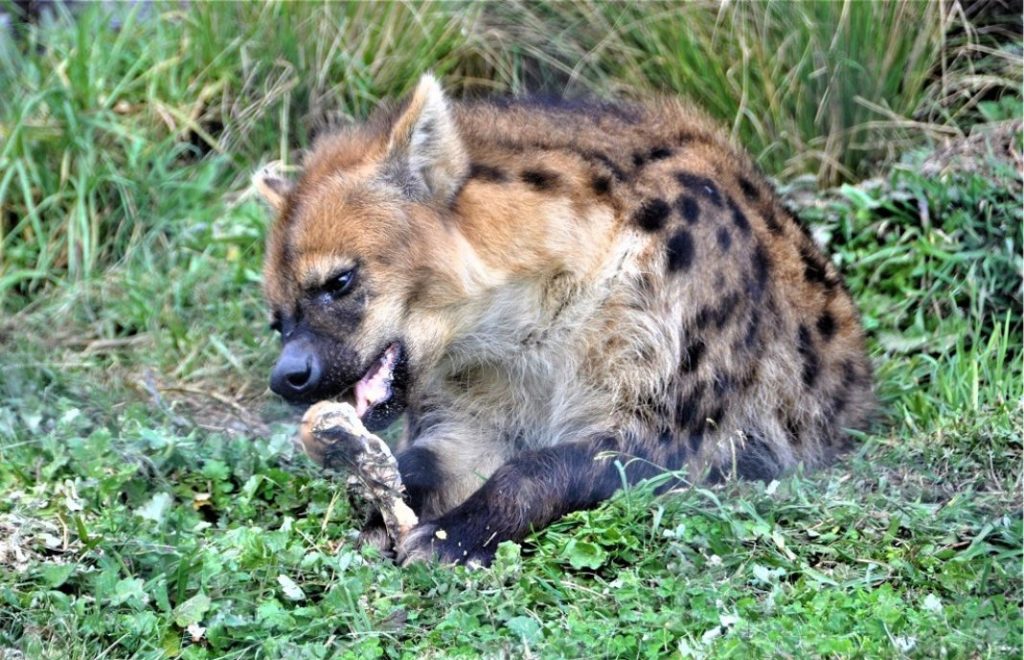
Your experience begins with an 80-minute guided walking tour, led by a knowledgeable guide who brings each resident’s story to life. As you wander through this beautiful sanctuary, you’ll encounter an incredible range of animals: lions, leopards, tigers, cheetahs, pumas, hyenas, and even caracals, honey badgers, African wild dogs, and more.
Tours depart every 15-20 minutes from the reception area, ensuring small groups and a relaxed pace.
After your big-cat adventure, take a moment to unwind at The Farmyard, where you can meet some gentler residents – alpacas, goats, cows, rabbits, chickens, and donkeys.
Then, pop into The Farm Shop for drinks, light lunches, snacks, and souvenirs to remember your visit.
Opening hours
Jukani is open every day, in all weather conditions.
Additional experiences
Combine your visit with Monkeyland and Birds of Eden – two other award-winning sanctuaries under the South African Animal Sanctuary Alliance (SAASA).
More inspiration:
Where the monkeys are in charge
A sanctuary in the sky
Lara Mostert – A fierce advocate for the voiceless
Practical information
Location
Jukani Wildlife Sanctuary is in Plettenberg Bay, about 2 hours’ drive from Port Elizabeth.
Experience
Join a knowledgeable guide for an 80-minute walking tour to see big cats and other fascinating species. Tours depart every 15-20 minutes from reception.
Part of SAASA
Jukani is one of three sanctuaries under the South African Animal Sanctuary Alliance (SAASA). The other two – Monkeyland and Birds of Eden – are just 10 km away.
Combo tickets
Available for all three parks, and highly recommended for a full ethical wildlife experience.
Fun fact
The name Jukani comes from Juka and Shanti, two Bengal tigers who live in the sanctuary’s central enclosure.
No advance booking required
Simply arrive and enjoy.
Facilities
Small café, restrooms, and parking on-site.
The sanctuary is family-friendly and wheelchair-accessible.
Mission
To educate visitors and raise awareness about big cat conservation.
A warm thank you to Jukani Wildlife Sanctuary for the invitation. There were no requirements for posts or social media promotion. As always, all opinions and photos are entirely my own.
More inspiration to South Africa’s wildlife:
Ele-phantastic in Addo
A guide to Addo Elephant National Park
Safari in Kruger National Park
The Penguins of Boulders Beach
Don’t miss the Goat Tower in Paarl
Whale safari from Port Elizabeth
Close encounter with the Great White Shark
Aerial acrobats of the sky
