
A thick quilt of mist cloaks the mountains, leaving only the jagged peaks etched faintly against the pale morning sky. Raindrops linger on leaves, dripping softly in the hushed stillness. The weather could best be described as dreary.
So we wait.
Slowly, imperceptibly, the sun begins its climb. At first, its colors are muted, its warmth tentative – like a sleepy traveler reluctant to rise. Droplets bead and vanish on the leaves as the mist loosens its grip, curling at the edges and drifting away in delicate wisps. Minute by minute, the light strengthens, and the fog retreats.
And then, the miracle happens.
As the sun burns through the final shreds of mist, Machu Picchu reveals herself in all her glory. One stone at a time. One terrace, one stairway after another. Ancient walls, painstakingly carved and perfectly fitted, emerge from the white veil like a dream made real.
Finally, the sacred city stands unveiled beneath the golden rays of the morning sun. A ripple of awe sweeps through the gathered travelers, punctuated by cheers and gasps.
We’ve all seen the photographs, the postcards, the glossy magazine spreads – but nothing compares to this moment. To stand here, high in the Andes, watching the clouds surrender Machu Picchu to the day, is to witness pure magic.
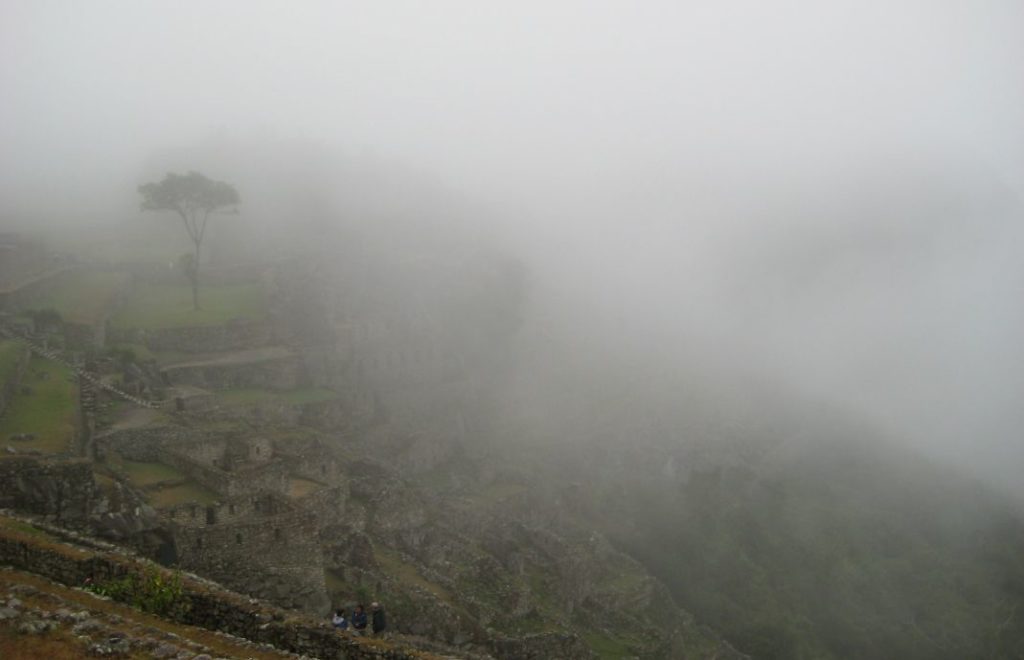
The legendary city
I stand in a spellbinding valley embraced by jagged green peaks. The Inca’s lost city is no longer lost – thankfully.
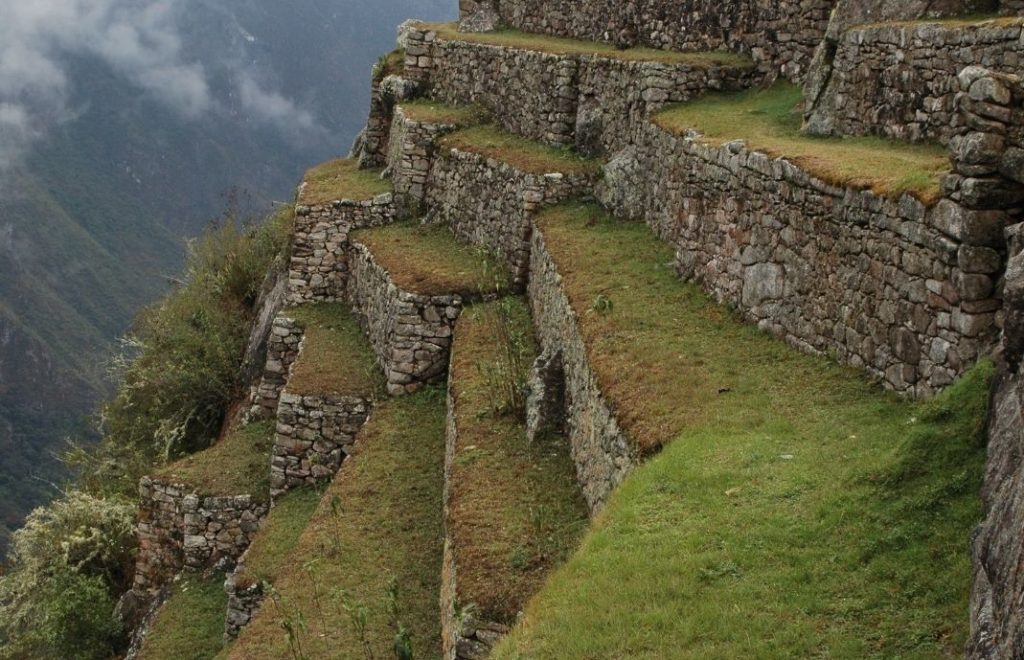
Gracefully preserved temples and stone-carved dwellings cling to the mountainside, their terraces cascading like ancient steps toward the clouds. Llamas graze peacefully on dew-kissed grass, while low-hanging clouds drape the scene in a mystical veil. The atmosphere is serene, mythical, and beyond compare.
This fabled city, forgotten by the world for centuries, is now celebrated across the globe—and deservedly so.
Machu Picchu was built around 1460 by the Inca ruler Pachacútec and inhabited until the Spanish conquest of Peru in 1532. Why it was abandoned remains a mystery. Perhaps civil war between Atahualpa and Huáscar forced its people to flee, or maybe epidemics – brought by Europeans long before the conquistadors arrived – emptied the city of life.
One fact, however, is certain: the Spaniards never discovered Machu Picchu.
Hidden deep within the folds of the Andes, far from main roads and trade routes, it escaped destruction. Because of this, the Temple of the Sun, the sacred Intihuatana stone, and the Sun Rock – the only surviving example of its kind in Peru – still stand today, silent guardians of an extraordinary past.
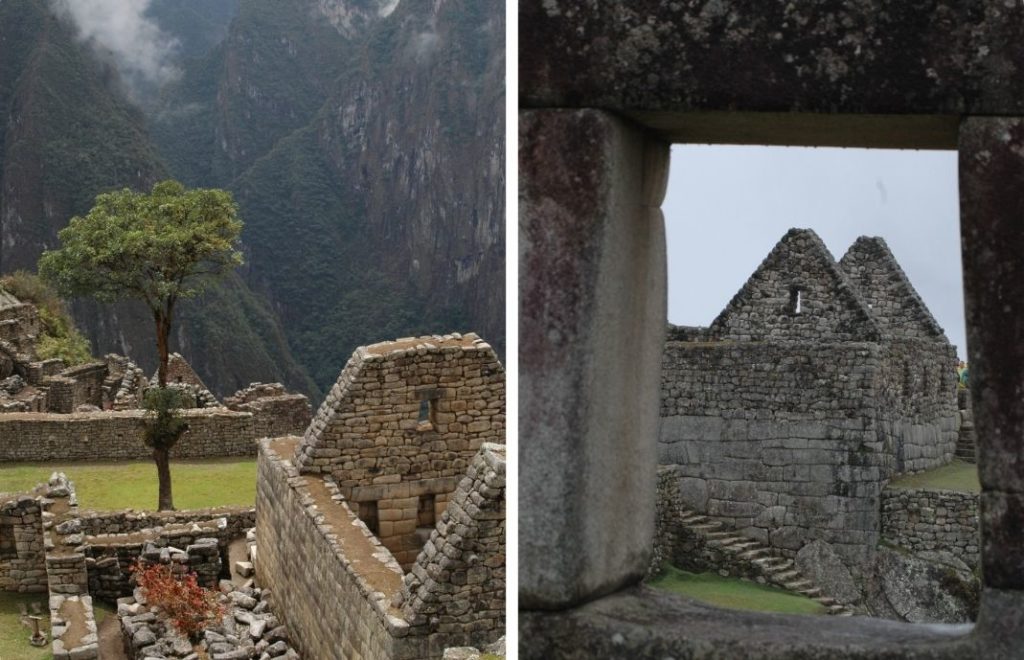
The world discovers Machu Picchu
Machu Picchu – its name meaning “The Old Mountain” – was revealed to the modern world in 1911.
A young American historian, Hiram Bingham, had heard whispers of a hidden Inca city and set out on a daring quest. Guided by locals familiar with the ruins, he arrived on July 24, 1911, to find the site cloaked in dense jungle. His first photograph, taken that very day, shows only a few stone walls breaking through the tangle of vegetation.
Bingham would later write The Lost City of the Incas, a captivating book well worth reading before embarking on your own pilgrimage to this sacred site.
Today, the scene could not be more different. The jungle has been cleared, and the city stands in all its majesty – yet it still ignites the imagination. It’s easy to picture how life once thrived here, high among the clouds.
I wander between clusters of stone houses, the qollqas, once used to store precious grains. A narrow trail leads me past sweeping terraces cascading down the mountainside – ancient steps where maize, quinoa, and coca once grew. From the Watchman’s Hut, the panorama steals my breath, a view so commanding it feels eternal.
Llamas graze lazily on the emerald grass, completing the postcard-perfect vision of Machu Picchu, while the dramatic peak of Huayna Picchu rises like a sentinel in the background. I trace the lines of old moats, now dry, and follow the path skyward toward the Temple of the Sun – where history, legend, and the spirit of the Andes converge.
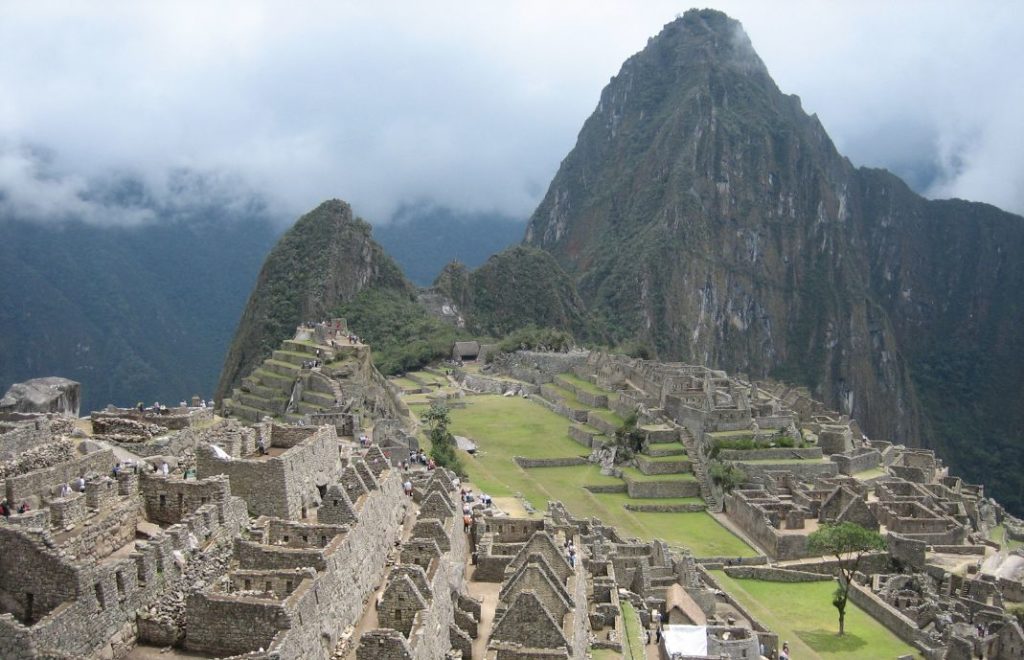
Where the sun reigns
The Temple of the Sun – also known as the Torreón – stands as one of Machu Picchu’s most iconic structures, easily recognized by its elegant curved wall. On June 21st, the winter solstice, sunlight streams through its carefully aligned windows to illuminate the sacred altar within. Inside, a series of niches once likely held the mummified remains of high-ranking Inca nobility. This temple served as both an observatory and a place of reverence, anchored firmly upon a massive bedrock that seems to merge with the mountain itself.
Just below lies a shadowy chamber known as the Royal Tomb, where finely carved stone steps descend into mystery. Here, the Inca masons achieved something otherworldly – their seamless stonework flows from the living rock in forms so perfect, they defy imagination.
Beside the temple stands the Palace of the Princess, befitting its name with masterfully crafted walls and niches. Once a two-story dwelling, its loft is long gone, yet the recess where the beams once rested remains – a quiet echo of royal life.
Continuing along the path, the ceremonial baths come into view. Crystal-clear spring water still trickles through the ancient fountains, whispering the same melody that sustained this city in its golden age.
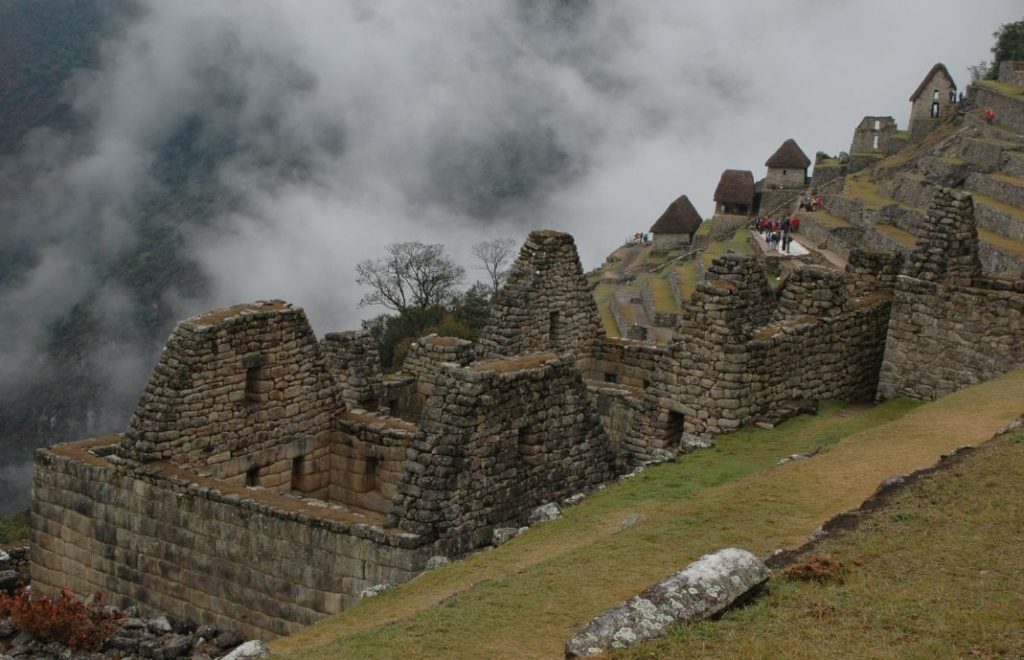
Echoes of a bygone era
Walking through Machu Picchu feels like stepping through a portal to another time. The imagination works effortlessly here. It’s easy to picture robed Inca nobles pacing these terraces, priests chanting prayers, and daily life unfolding against this dramatic Andean backdrop.
Across the stone stairways lies a cluster of finely crafted houses, part of the Royal Sector. Scattered stones nearby still bear the marks of chisels, as if the stonemasons had just paused for a moment centuries ago. To the right stands the Temple of the Three Windows, its massive pillar-like block once supporting the long-lost roof.
Diagonally opposite, the Main Temple commands attention. Its sheer size hints at grand religious ceremonies, while behind it, the Sacristy – where archaeologists believe priests prepared for rituals – offers a quiet, sacred aura. I poke my head into a niche and whisper to myself, only to be rewarded with an echo that bounces through the other hollows like a playful secret.
The path winds onward toward Intihuatana, one of Machu Picchu’s most astonishing treasures. Its name means “the place where the sun is tied”, and it was here that Inca astronomer-priests performed rituals to symbolically tether the sun to its course during the winter solstice.
This sacred stone served both astronomical and religious purposes: at solstice, sunlight cast a precise triangle on a carved eye on a nearby slab. Its four sharp corners point to the cardinal directions, a testament to the Incas’ profound understanding of the cosmos.
The Spanish destroyed nearly every Intihuatana in their conquest – but this one survived, an enduring link between the heavens and the earth, between the Inca world and ours.
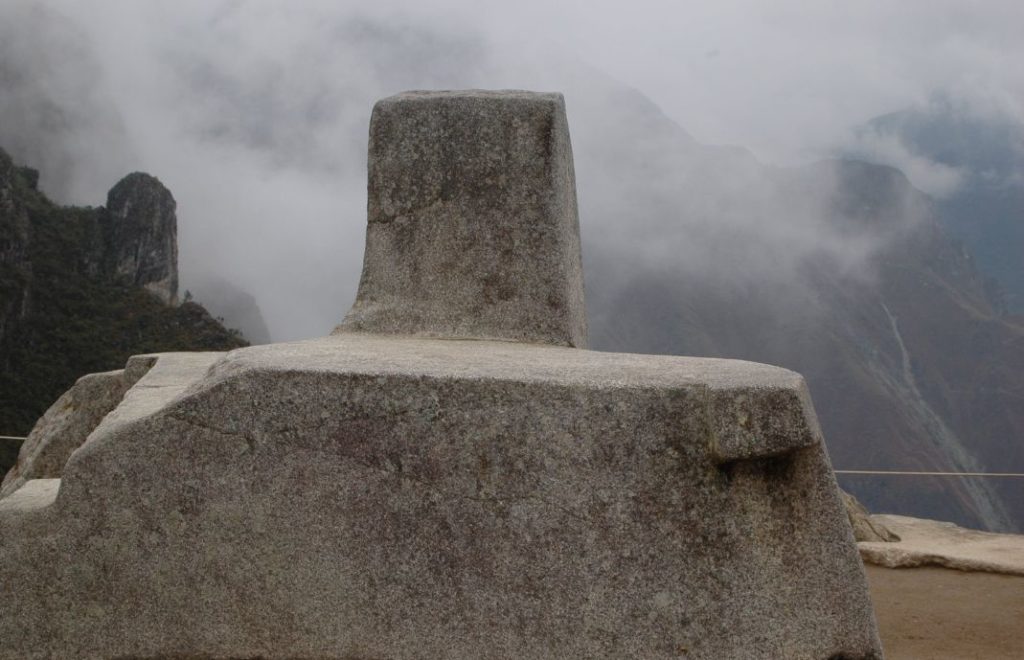
Was it chosen by the Gods?
The next stop is the Sacred Rock, its silhouette mirroring the shape of the mountain across the Urubamba River. Nearby begins the steep trail to Huayna Picchu, the towering peak that frames every iconic image of the site.
I settle on a quiet patch of green, perched just above the city, far from the chatter of tourists. From here, the panorama is mesmerizing. The terraces unfurling like emerald ribbons, the stonework melting into the mountainside, the clouds drifting lazily across the sky. In this moment, it’s easy to imagine the Incas believed this place was divinely chosen. Perhaps they felt guided here, convinced the gods had destined this sanctuary for something greater. Maybe, just maybe, its purpose was to endure the centuries, so that one day, people from every corner of the world would stand in awe and pay homage to Inca genius.
I feel a deep gratitude that the Spaniards never found Machu Picchu, sparing it from the fate that befell so many other sacred sites. Elsewhere in Peru, Inca temples were toppled, replaced by churches – a cultural erasure carved in stone. But here, the city lay untouched for hundreds of years, hidden beneath the embrace of nature. Only the elements waged war on these walls, sealing them under a cloak of green, until the day they rose again to reclaim their place among the wonders of the world.
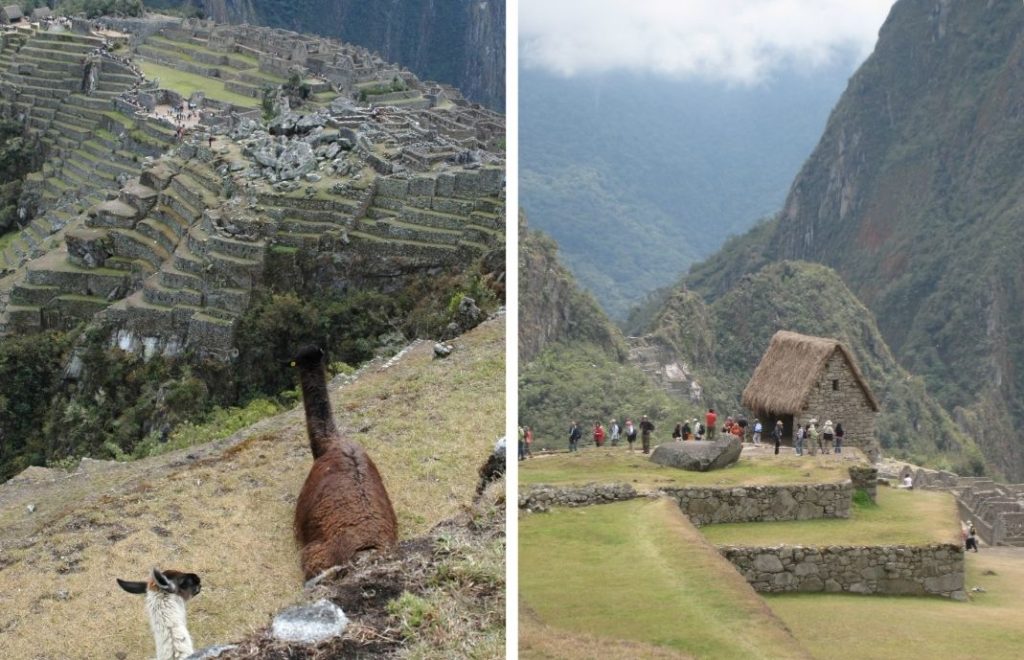
Machu Picchu – Mysterious and enigmatic
As I wander among the ancient stones, pausing to greet a few gentle llamas, a question lingers in my mind: What was Machu Picchu truly meant to be?
Even the experts cannot say for certain. Was it a bustling trade hub for those journeying from the Amazon? A royal retreat for the Inca elite? Or perhaps a sacred sanctuary, a grand tribute to the gods?
Theories abound, yet answers remain elusive. No one knows the exact year this city was abandoned – or why.
Some scholars suggest Machu Picchu was forsaken as early as the 1530s, when the Spanish conquest swept across the Andes. Others believe it stood as the Inca Empire’s final bastion, a hidden stronghold clinging to hope while the rest of the kingdom fell to foreign hands.
Its stones keep their secrets well, and perhaps that is the magic: that Machu Picchu remains a riddle carved into the clouds, whispering to us across the centuries.
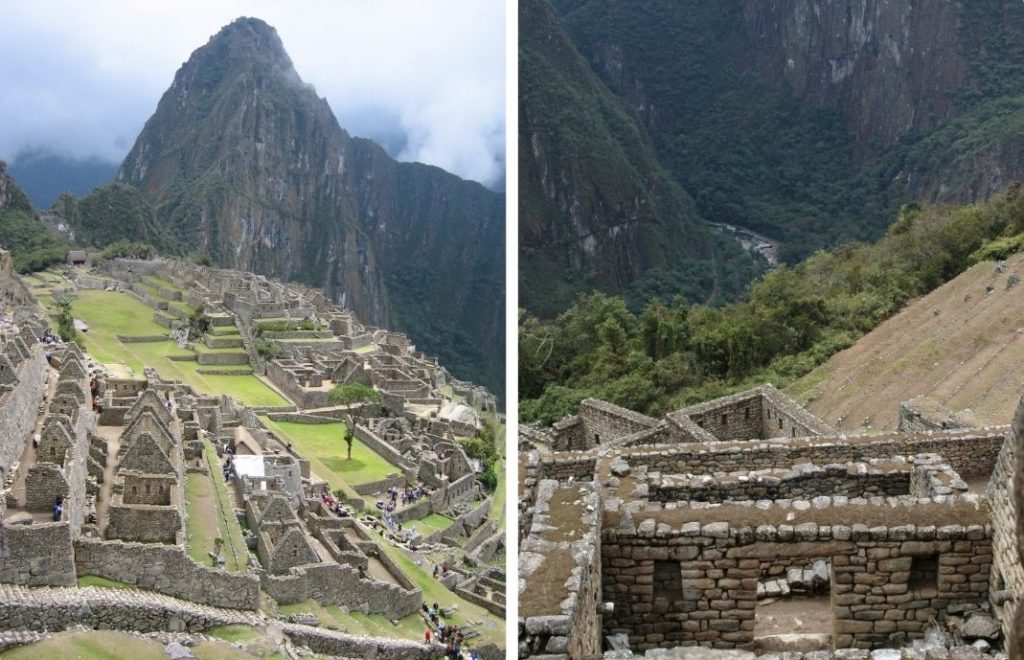
Who really discovered Machu Picchu?
The question lingers: who was the first to set eyes on Machu Picchu after the Incas vanished? History tells us that American historian Hiram Bingham brought the site to the world’s attention in 1911 and is celebrated as its official discoverer.
But was he truly the first?
Evidence suggests otherwise. American cartographer Paolo Greer unearthed an old map drawn by German adventurer Augusto Berns, who charted Machu Picchu as early as 1867. Rumor has it Berns even plundered parts of the city, selling its treasures to unscrupulous collectors. Then there’s Thomas Payne, a British missionary who referenced the region in 1874, adding another twist to the tale.
So, who gets the credit?
Historians continue to wrestle with the evidence. While Bingham may not have been the earliest visitor, he was the first to approach Machu Picchu through a scientific lens – documenting, studying, and ultimately revealing its magnificence to the modern world.
And for that, I’m grateful. Today, Machu Picchu stands as an icon among wonders, a site that ignites the imagination and transports us to the golden age of the Inca Empire. Its ruins whisper stories of power, faith, and resilience – tales etched into stone by master builders whose skills still defy belief.
Machu Picchu is nothing short of magical, mythical, and peerless – a marvel that continues to awe, inspire, and astonish travelers from every corner of the globe.
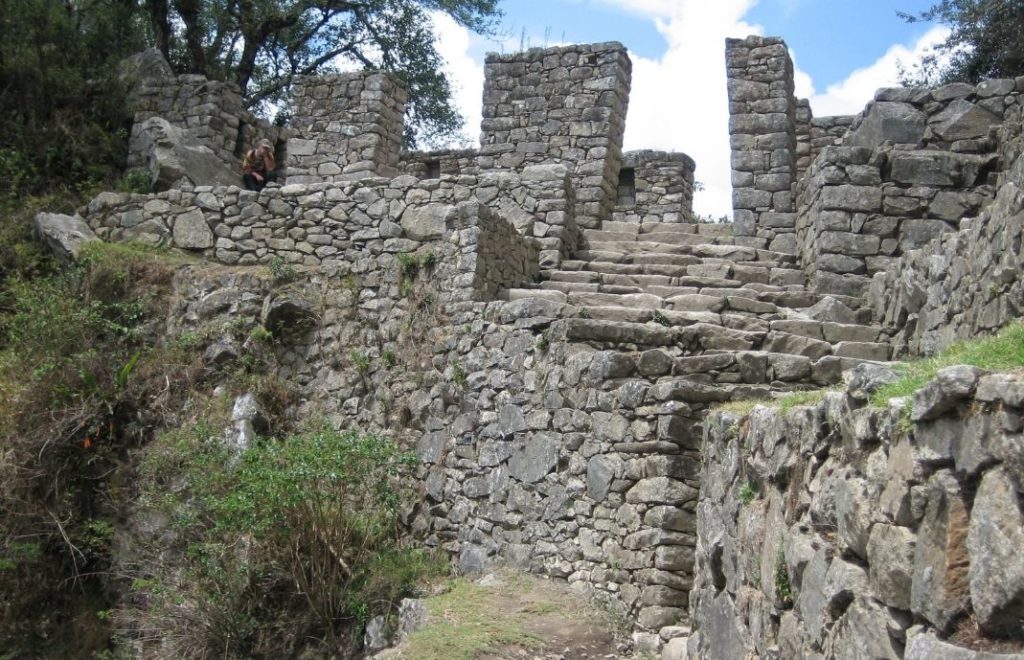
Your journey to Machu Picchu
Getting there
Fly into Lima, Peru’s capital, then take a domestic flight to Cusco.
From Cusco, local buses provide an inexpensive way to explore the city and the Sacred Valley.
For more flexibility, consider hiring a taxi—but car rentals are not recommended.
On foot or by train
There’s no road to Aguas Calientes – the gateway town to Machu Picchu – so you have two choices:
- Hike the Inca Trail for an unforgettable adventure.
- Take the train – the most popular option.
By train
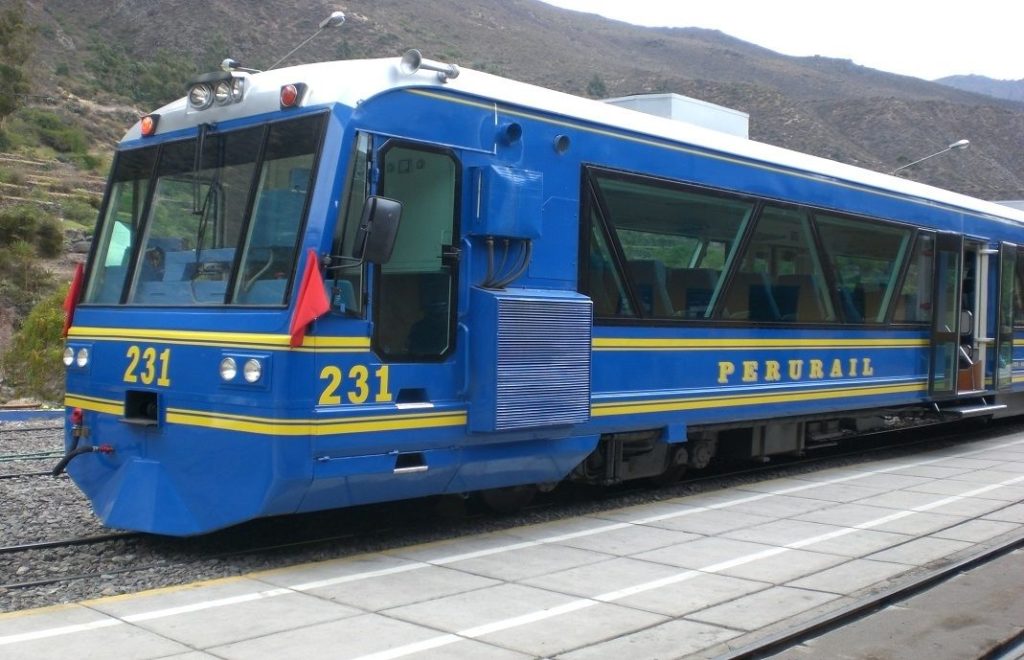
Two companies operate the route: Peru Rail and Inca Rail. Both offer multiple classes, and prices are steep. The journey takes 2-3 hours.
- Peru Rail departs from Poroy station near Cusco (reach it by taxi).
- Inca Rail departs from Ollantaytambo in the Sacred Valley. The drive there takes longer and costs more – but staying overnight in Ollantaytambo is a great idea. The town boasts impressive Inca ruins and offers a perfect prelude to Machu Picchu.
Once in Aguas Calientes, shuttle buses run every 10 minutes (05:30-17:45) up to the citadel.
Baggage tips
Trains enforce luggage limits: one small bag (similar to airline carry-on size) is allowed. A standard daypack works fine, but larger bags incur extra fees.
Leave big bags at your Cusco hotel for free storage (lock them and request a receipt).
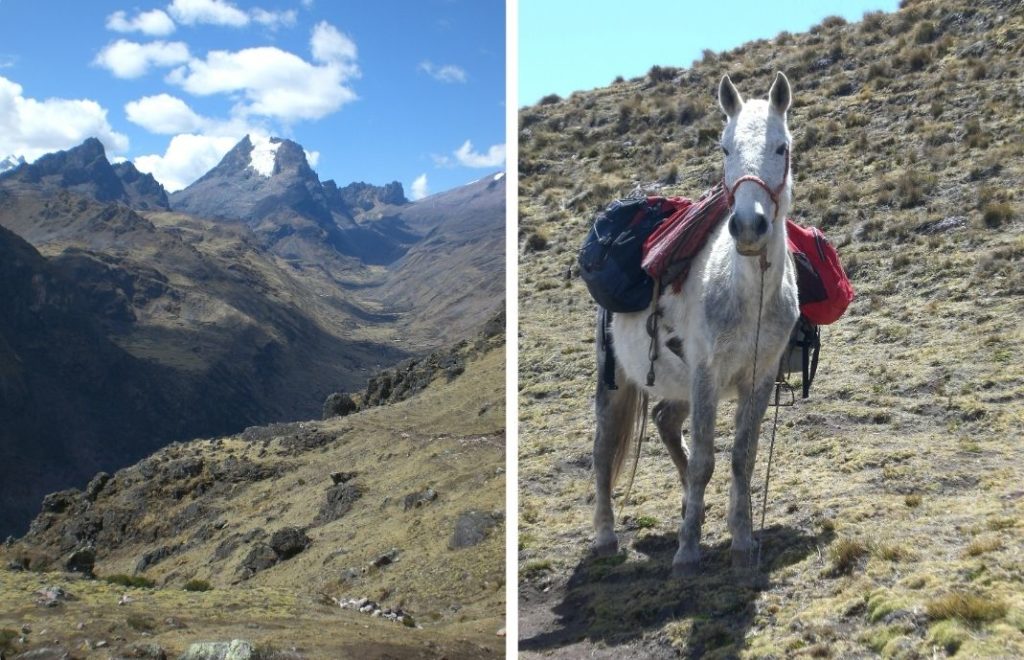
The Inca Trail
The ancient royal road to Machu Picchu is one of the world’s most iconic treks— – a 56-kilometer journey winding through breathtaking mountain landscapes, past forgotten Inca ruins, remote villages, and mystical cloud forests.
Trekkers can choose between two main options:
- The Classic Inca Trail (4 days) – The full experience with rugged climbs, high passes, and spectacular scenery.
- The Short Inca Trail (2 days) – A condensed but still magical version of the route.
All treks are organized as group tours with a licensed guide and porters to carry tents, supplies, and food. Nights are spent in two-person tents at designated campsites along the trail.
Expect challenges, including two mountain passes – the highest at a staggering 4,200 meters above sea level. The ultimate reward comes on the final morning: stepping through the Sun Gate (Inti Punku) to behold the magnificent view of Machu Picchu below.
The trail often closes in February and March due to heavy rains.
Pro tip: If you dream of hiking the Inca Trail, book well in advance – permits are limited and sell out fast. Reserve a full package from a reputable operator before leaving home, and always check what’s included.
Entrance to Machu Picchu
Book and pay well in advance online – daily visitor numbers are strictly limited! This is especially important if you plan to hike Huayna Picchu or Cerro Machu Picchu, the two peaks flanking the citadel, offering jaw-dropping views over the ruins.
3 essential tips
- Acclimatize to the altitude
Cusco sits at 3,326 meters, and the thin air can hit you hard. Take it slow the first few days and drink plenty of water. - Choose the right time
The best moments to experience Machu Picchu are early morning or late afternoon, when crowds are thinner and the light is magical. Midday often means long lines and packed pathways.
The weather is extreme: scorching sun or torrential rain – sometimes both in one day. Bring layers, rain gear, and strong sun protection. - Use a Radio Taxi in Peru
Radio taxis are numbered and marked with lighted roof signs. They cost slightly more but are far safer than hailing random cabs.
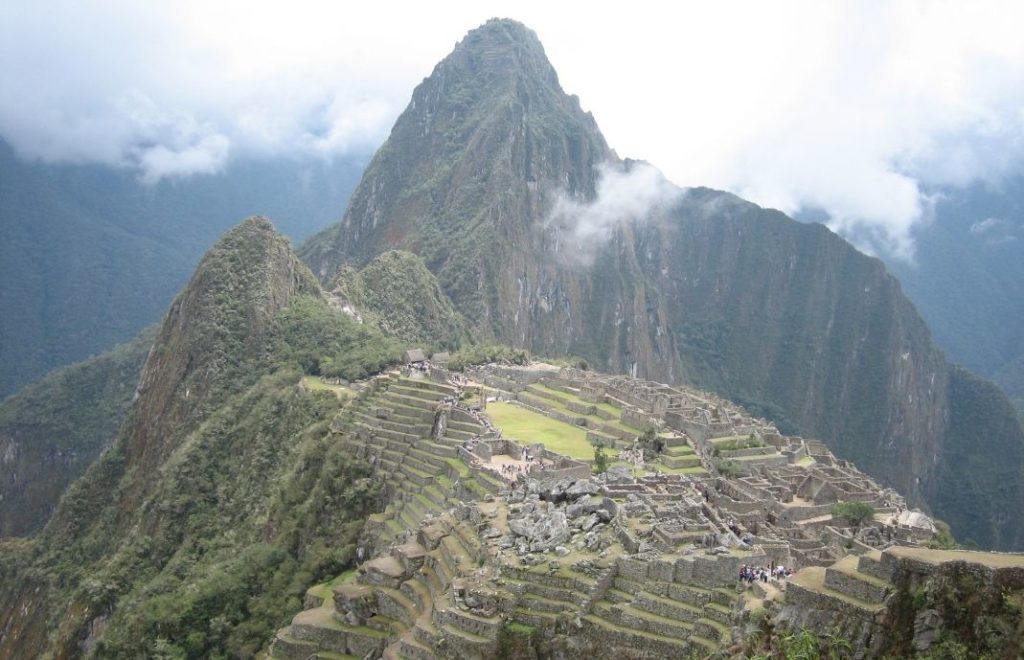
Machu Picchu is a world-class icon.
A legend that draws travelers from every corner of the globe.
A citadel of stone that ignites the imagination and transports you straight into the Inca era.
A city that still possesses the power to awe, fascinate, and astonish – centuries after it was built.
More inspiration to visit Peru:
Sailing across Lake Titicaca
In the footsteps of the Incas through Peru
