
Nature has gifted us many wonders – but few are as awe-inspiring, intelligent, and emotionally rich as the elephant. These magnificent creatures are among the most intelligent and compassionate animals on Earth.
In Africa, elephants have earned deep respect from the people with whom they share the land. More than just a safari highlight, elephants are keystone species, playing an essential role in maintaining the balance of the ecosystems they roam.
They are a favorite for wildlife lovers and a magnet for tourists – but beyond their majestic presence lies a deeper significance. Elephants are not only captivating; they’re vital to the natural world.
Personally, I never tire of seeing them on safari. For me, no day in the bush feels complete without a glimpse of these gentle giants.
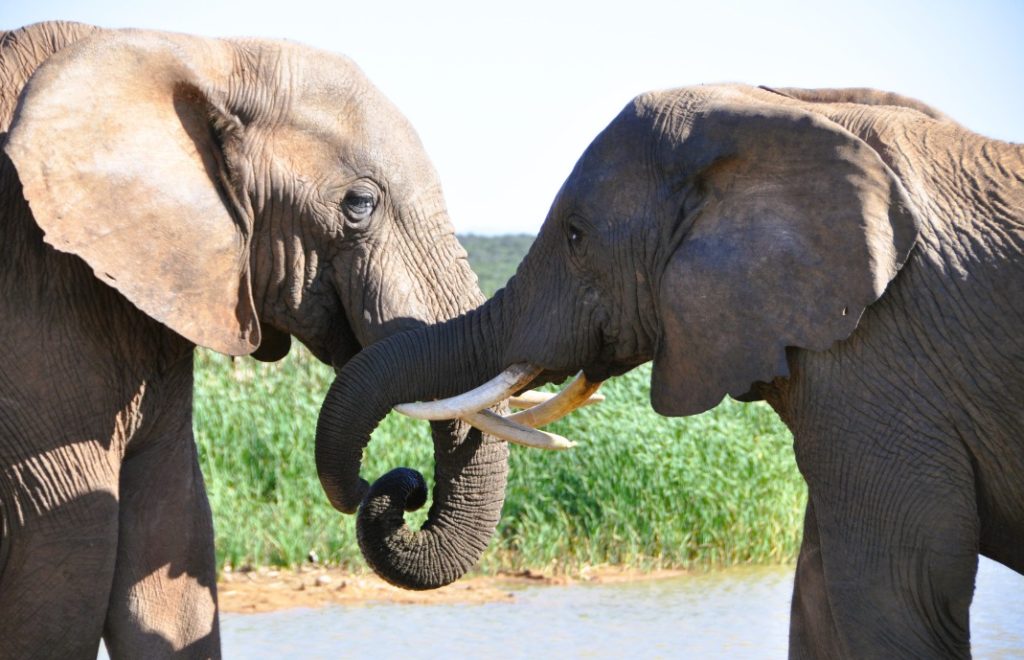
Here are 15 things you (maybe) didn’t know about elephants:
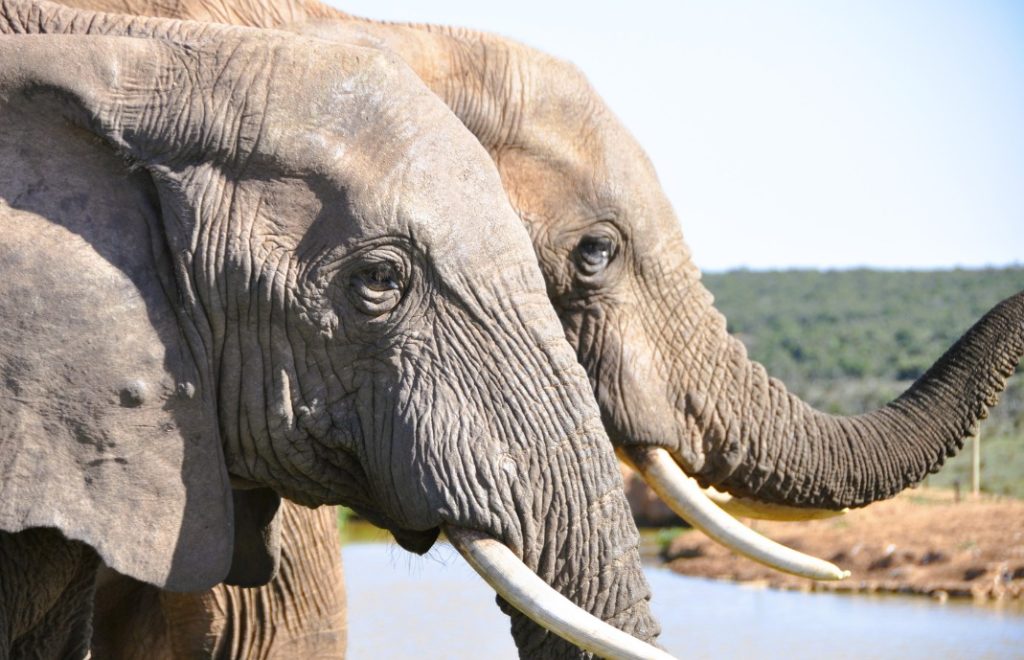
1. They are the largest land animals on earth
The African elephant proudly holds the title of the world’s largest land animal. A fully grown male can stand an impressive 3 meters tall at the shoulder and weigh up to a staggering 6 tons.
Despite their size, elephants take time to mature. In the wild, they can live between 60 and 70 years, but they aren’t considered fully grown until they’re between 35 and 40 years old – a slow journey into true adulthood.
Even baby elephants make a big entrance into the world. At birth, a calf can weigh around 120 kilograms – roughly the size of a grown human, yet still dwarfed by its towering mother.
Majestic from day one, elephants are nature’s gentle giants, embodying both strength and grace at every stage of life.
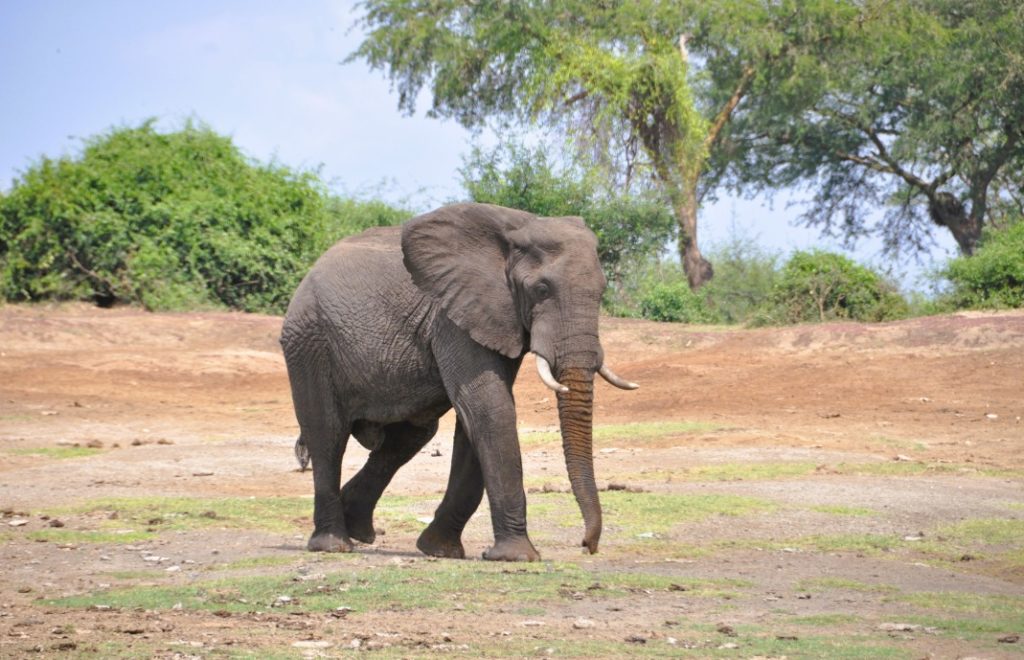
2. How to tell the elephant species apart
There are two main species of elephant: the African elephant and the Asian elephant.
While they share many traits, there are a few key features that set them apart.
The most noticeable difference? The ears.
African elephants have large, fan-like ears that uncannily resemble the shape of the African continent. Asian elephants, on the other hand, sport smaller, rounded ears shaped like the Indian subcontinent – fitting, given their native range.
Another telltale trait lies in the trunk.
African elephants have two finger-like projections at the tip of their trunk, allowing them to grasp and manipulate objects with precision. Asian elephants have just one, giving their trunk a slightly different dexterity.
So next time you’re on safari or watching a nature documentary, take a closer look- Those subtle details tell you whether you’re witnessing the royalty of Africa or the sacred giants of Asia.
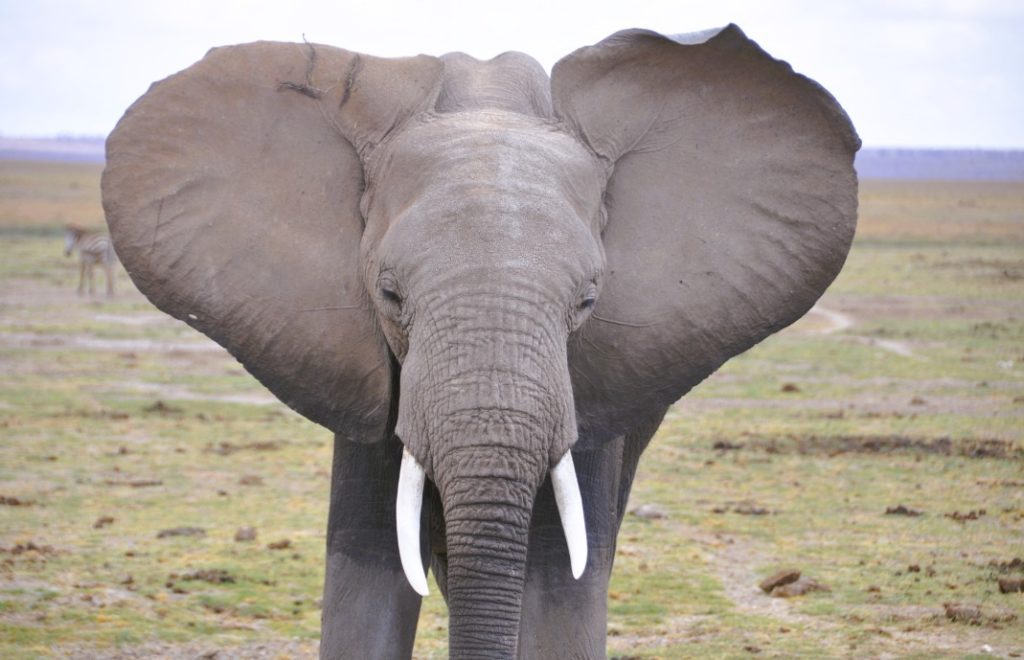
3. The trunk: Nature’s most remarkable multi-tool
An elephant’s trunk is nothing short of a biological marvel – a powerful, flexible extension of the upper lip and nose that’s essential for breathing, eating, and communicating.
But its capabilities go far beyond the basics. Packed with around 150,000 muscles, the trunk is a powerhouse of precision and strength. Elephants can use it to lift objects weighing up to 317 kilograms – enough to hoist a baby elephant – yet also perform delicate tasks like picking up a single peanut, peeling it, blowing away the shell, and savoring the nut inside.
This incredible appendage is a true multitasker. Elephants use it to dig for water, spray themselves to cool off, and show affection – gently caressing their young or fellow herd members.
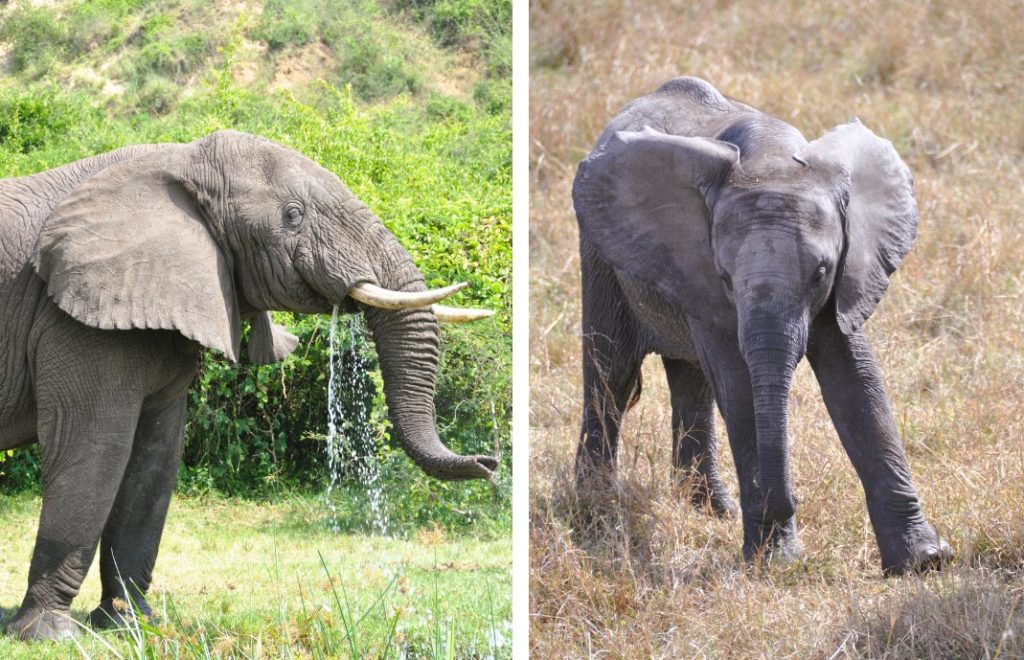
It’s also their built-in straw: an elephant can suck up to eight liters of water into its trunk at once before squirting it into its mouth.
And when they take to the water? The trunk becomes a natural snorkel, allowing these graceful swimmers to glide beneath the surface while still breathing.
Graceful, powerful, and endlessly versatile, the trunk is perhaps the most extraordinary feature of an already extraordinary creature.
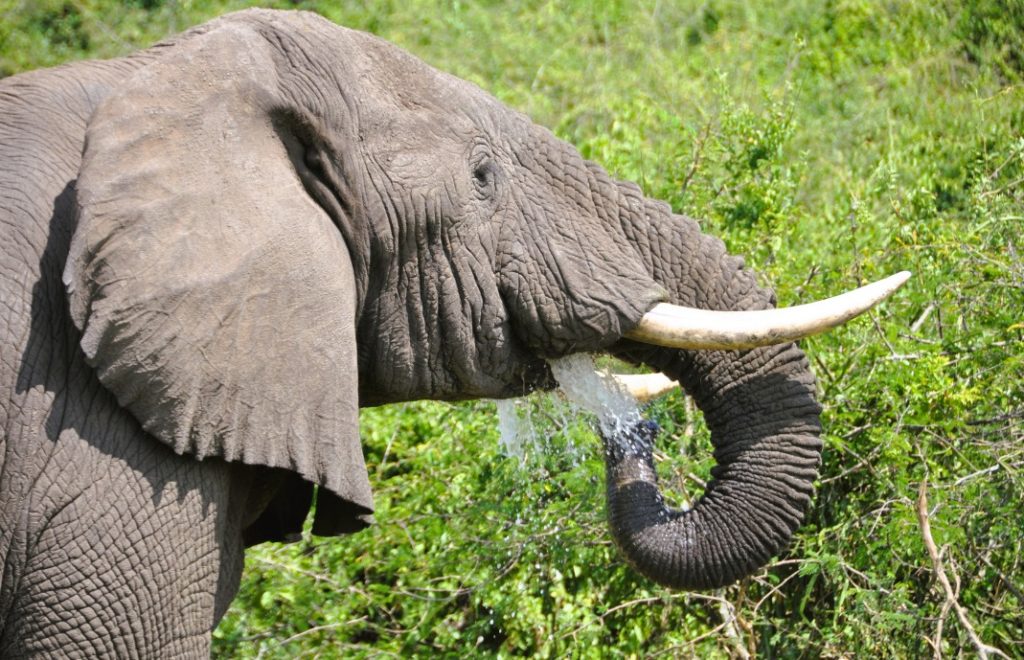
4. Tusks are actually teeth
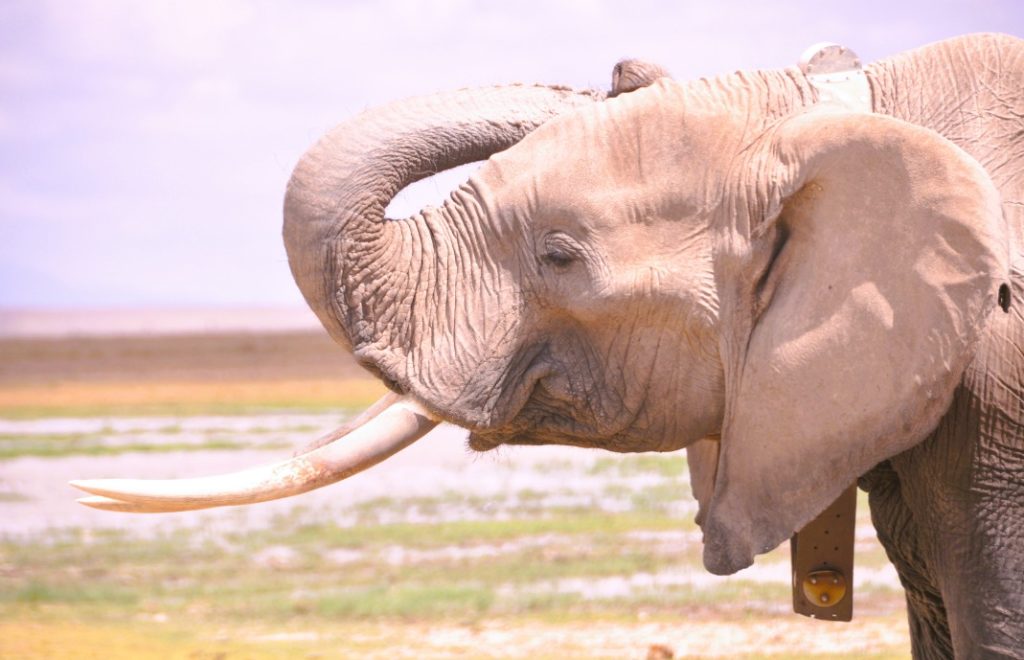
An elephant’s tusks are among its most iconic features – but did you know they’re actually modified incisors? Unlike most teeth, they are rootless, growing in elegant, sabre-like curves that extend outward from the skull, following the line of the trunk.
The African savanna elephant boasts the largest tusks of all, though tusks vary greatly in size, density, and color between individuals and species.
In Asian elephants, tusks are more modest. Females typically have none, and males often have tusks that are smaller and more brittle than their African cousins.
Tusks begin to emerge when the elephant is around two years old, and they continue to grow throughout its life – a record of age, health, and experience etched in ivory.
These formidable tools serve many purposes: elephants use them to strip bark from trees, dig for roots, lift and move objects, and, when necessary, defend themselves in battles for dominance or survival.
Made primarily of ivory, tusks have tragically made elephants a target for poaching. The illegal ivory trade has decimated populations and placed these majestic animals at great risk – a stark reminder of the fragility of wild beauty in a world that too often seeks to exploit it.
5. New life within the herd
Elephants are extraordinary not just in size and intelligence, but also in the way they bring new life into the world. Female elephants can bear calves well into their fifties – while rare, there have even been documented cases of elephant mothers giving birth at the age of 60.
Their pregnancies are the longest in the animal kingdom: an astonishing 22 months of gestation. That’s nearly two years of nurturing life before a newborn calf takes its first steps into the herd.
Elephants don’t follow a strict mating season. Instead, they mate year-round, with timing dependent on hormonal cycles and social dynamics. The African female is receptive for about 48 hours, while her Asian counterpart has a much shorter window – just 24 hours.
This brief opportunity for conception, paired with such a long pregnancy, makes each elephant birth a remarkable event – cherished by the herd and vital for the species’ survival.
In the wild, every calf is a celebration of resilience, continuity, and the deep bonds that tie elephant families together.
6. Baby elephants are adorably irresistible
The only thing more heart-melting than a full-grown elephant?
A baby elephant – clumsy, curious, and impossibly cute!
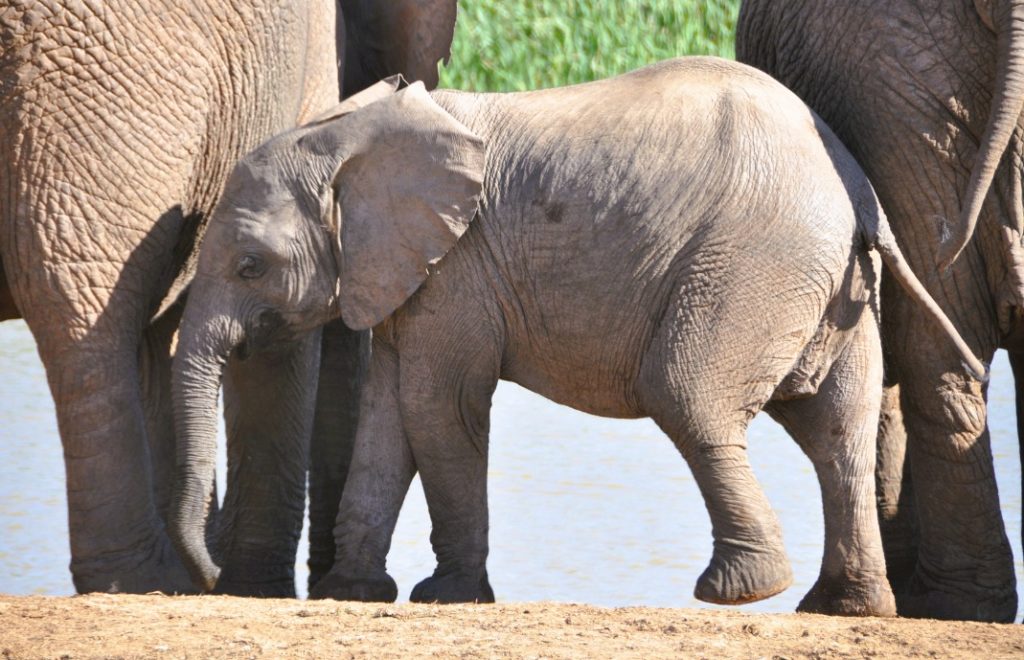
Newborn elephants are born blind, relying entirely on touch and sound to explore their world in the early days. Like human babies sucking their thumbs, baby elephants often suck on their trunks for comfort and reassurance.
Amazingly, within minutes of birth, a calf can stand on its feet and walk beside its mother. The entire herd instinctively rallies around to protect the little one – an essential survival strategy that allows the group to stay mobile in search of food and water.
The calf’s early life is divided into several stages:
- The infant phase (up to one year old): The calf remains small enough to walk beneath its mother’s belly, staying close for warmth, protection, and constant nourishment.
- The calf phase (from birth to about age four): During this time, the young elephant is completely dependent on its mother’s milk and receives intense care from both her and other females in the herd.
- The juvenile phase (ages two to five): The youngster begins to experiment with solid food, practices using its trunk, and learns critical social and survival skills – though it still returns to mom for milk and reassurance.
Watching a baby elephant grow is like witnessing nature’s most heartwarming coming-of-age story – full of play, learning, and the unbreakable bonds of family.
7. No mascara needed
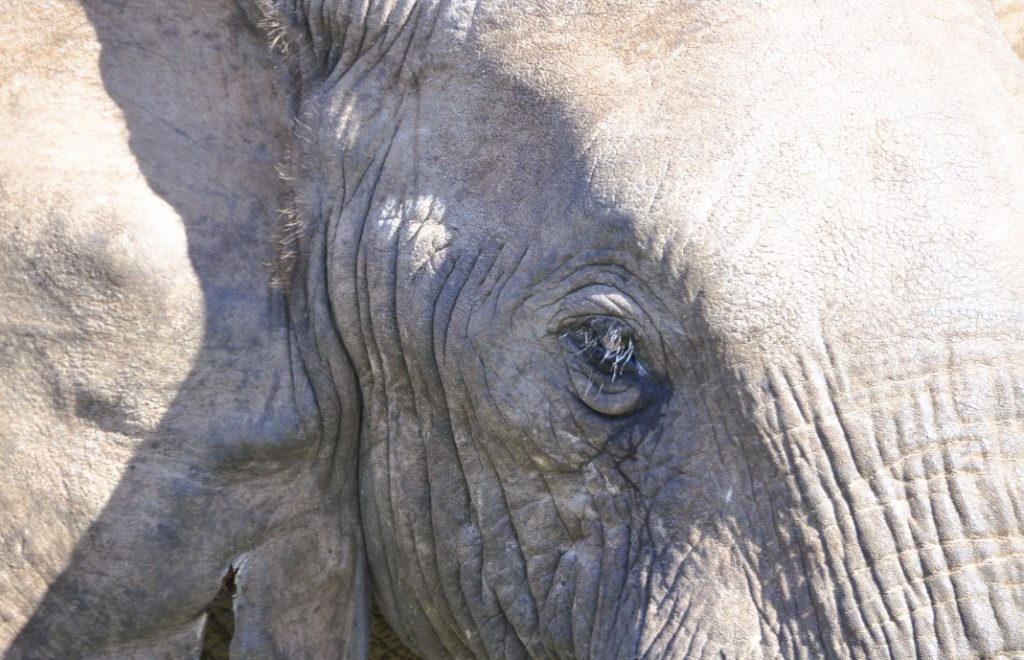
Elephants have some of the most captivating eyes in the animal kingdom – gentle, wise, and full of emotion. There’s a quiet depth in their gaze, as if they carry the memories of generations gone by.
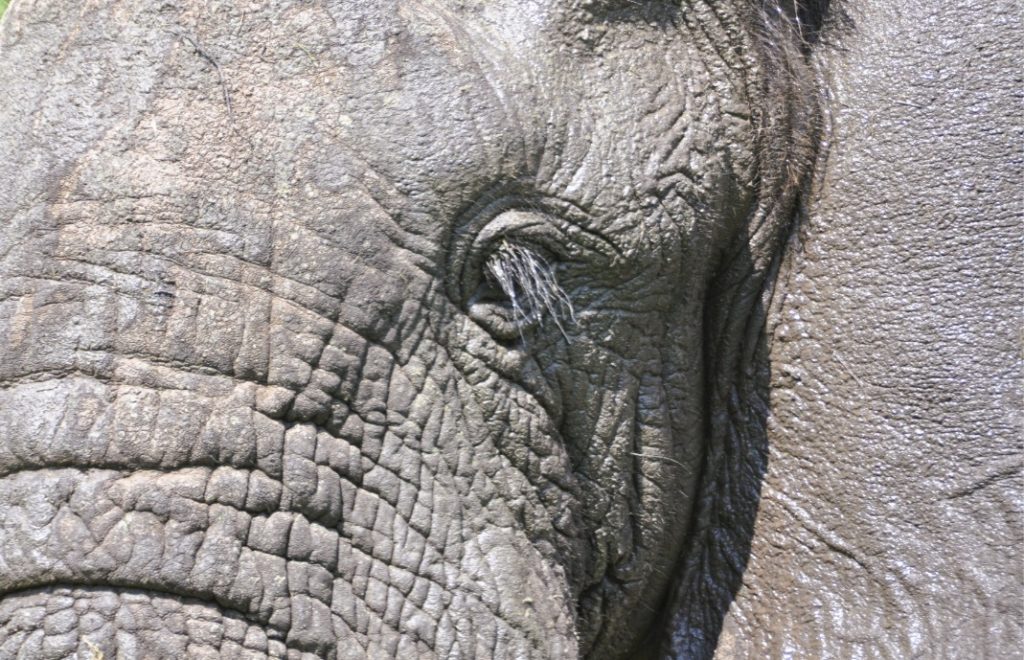
And when it comes to lashes? Nature has done the job better than any beauty brand could. Elephants have the longest eyelashes of any animal, with eyelids that can stretch up to 12 centimeters.
These impressive lashes aren’t just for show – they serve a practical purpose too, helping to protect their sensitive eyes from dust, debris, and the sun in the wild savannas and forests they call home.
With eyes like theirs, elephants wear their natural beauty with effortless elegance – no mascara required.
8. Elephants have deep emotions
Few animals on Earth rival the elephant in emotional depth and intelligence. These majestic beings form profound social bonds, show empathy, and even grieve their dead.
When a family member passes away, elephants have been observed mourning – standing vigil, touching the bones with their trunks, and gently caressing the remains. In some heartbreaking cases, mothers have been seen dragging the body of a deceased calf for days, unwilling to let go.
But their emotional range isn’t limited to sorrow. Elephants comfort one another with gentle trunk touches, and when long-lost friends reunite, the celebration is unmistakable – full of trumpeting, ear-flapping, and joyous body language.
Incredibly, elephants can also recognize themselves in mirrors – a rare sign of self-awareness that places them among the most cognitively advanced creatures on the planet.
And then there’s their famous memory. Elephants remember the location of waterholes, migration routes, and even specific individuals over decades – an essential survival skill in harsh environments. This legendary recall comes from their temporal lobe, the brain’s memory center, which is even larger than a human’s.
Hence the old saying: “An elephant never forgets.” So if you cross one of these gentle giants – fair warning – they’re likely to remember you.
9. Thick-skinned – and for good reason
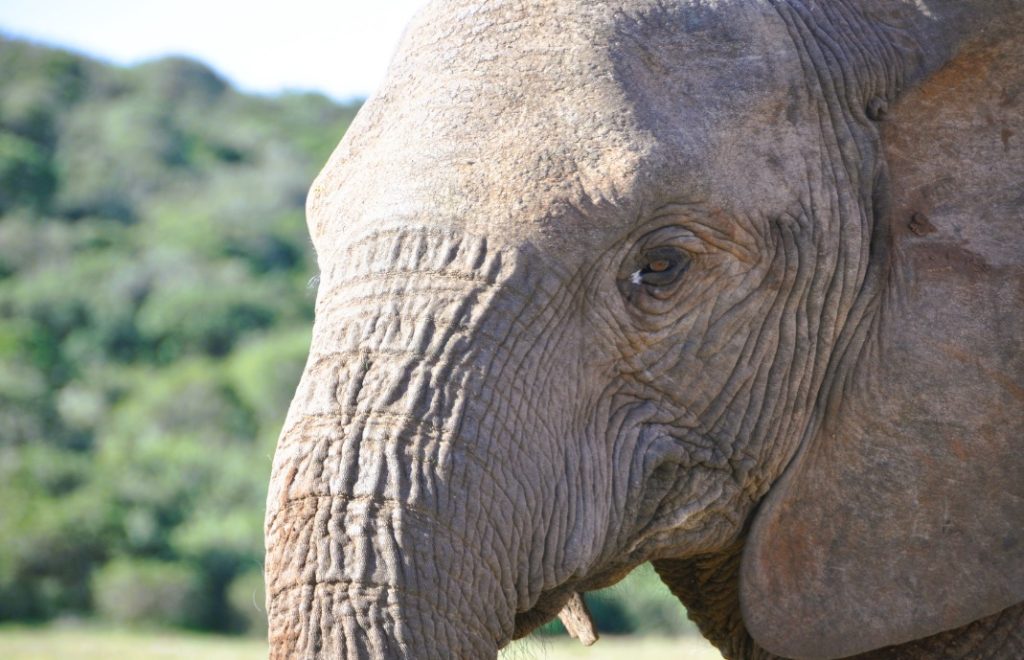
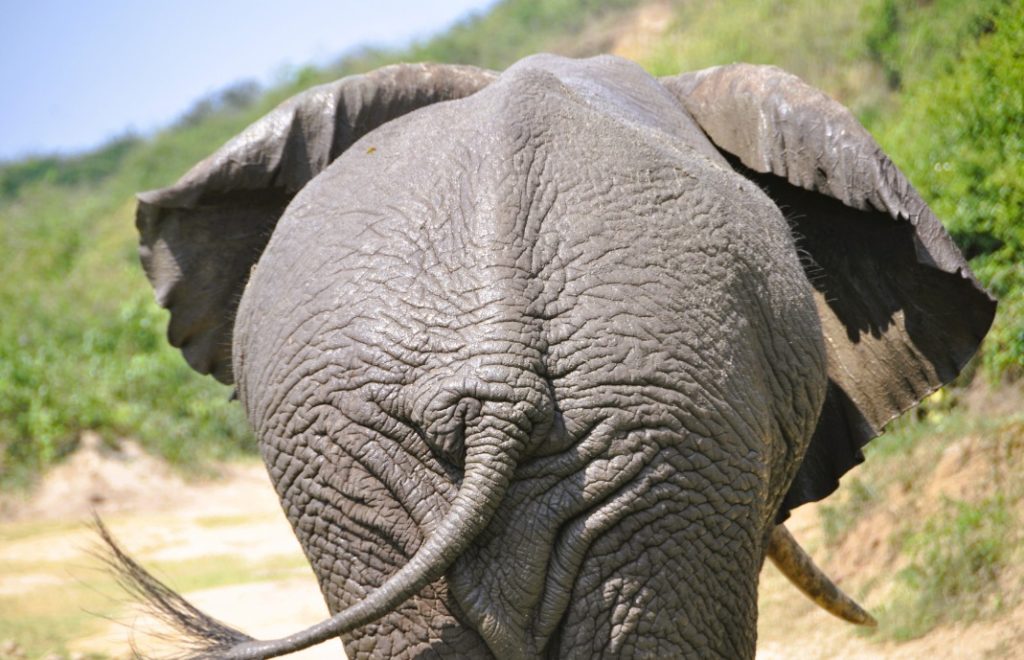
An elephant’s skin is as tough as it looks – up to 2.5 centimeters thick in some areas. But beneath that rugged exterior lies a finely tuned cooling and protection system perfectly suited for life in the wild.
The deep folds and wrinkles that give elephants their signature texture do more than add character – they can retain up to ten times more water than smooth skin. This clever design helps elephants stay cool under the scorching sun, as moisture trapped in the folds evaporates slowly, providing natural air conditioning.
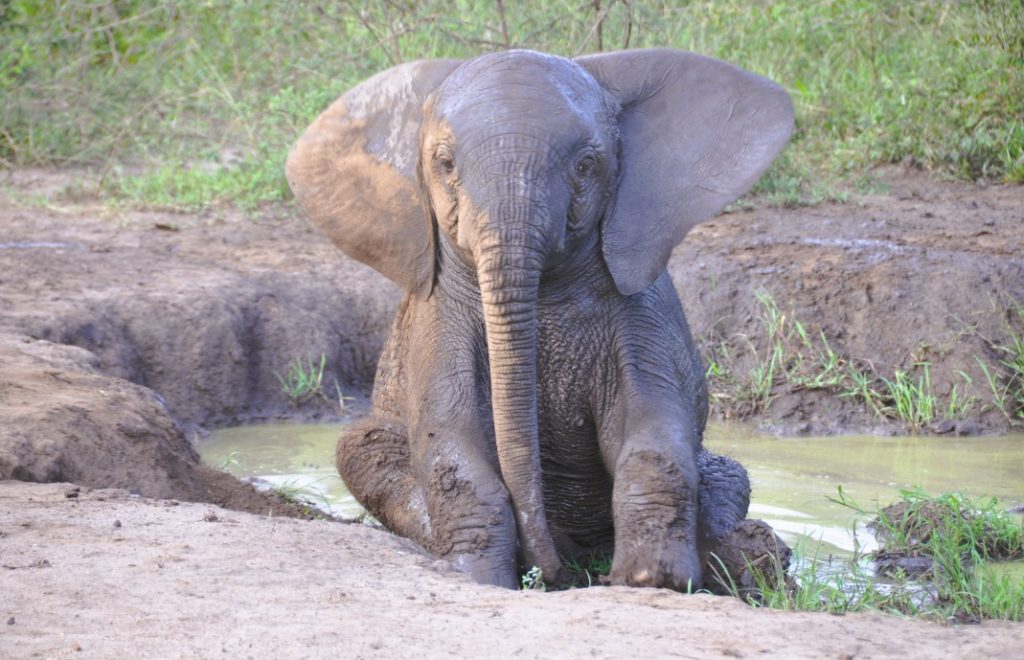
To stay clean and shield their skin from harsh UV rays, elephants regularly give themselves dust baths or wallow in mud. These rituals not only help cool the body but also act as a kind of natural sunscreen and insect repellent.
So while they may be “thick-skinned” in the literal sense, elephants are anything but insensitive – resilient, yes, but always in tune with their environment.
10. Elephants eat almost constantly
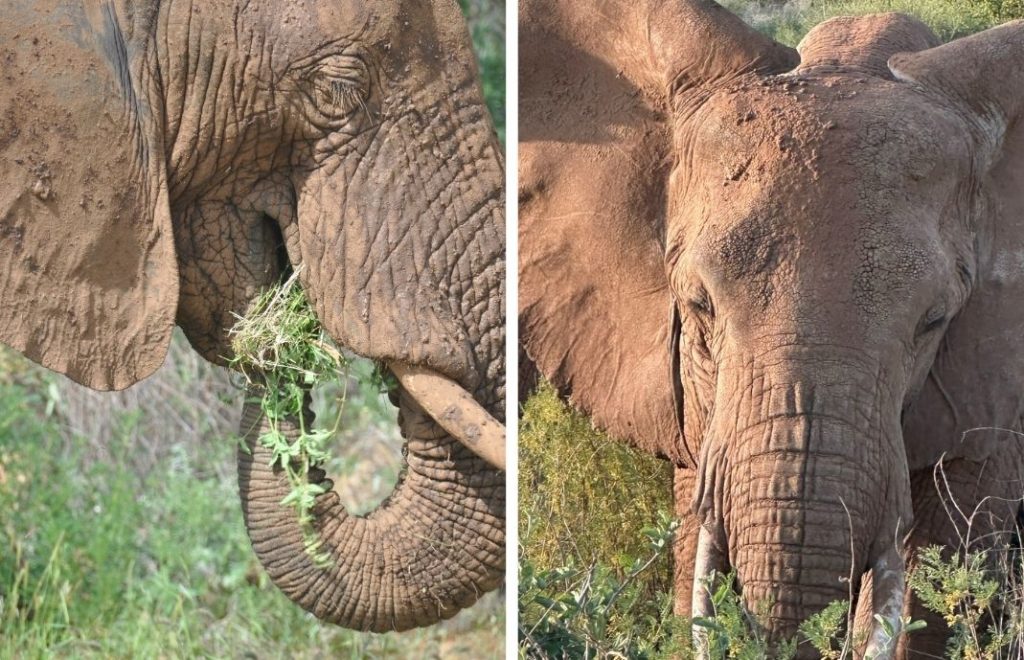
When you’re the largest land animal on Earth, staying fueled is a full-time job. Elephants can consume up to 150 kilograms of food each day, and they spend a staggering 16 to 18 hours daily eating. That’s nearly 80% of their waking hours devoted to foraging and feeding.
Strictly herbivores, elephants graze and browse their way through a diverse menu: grasses, shrubs, fruits, small plants, branches, bark, and roots.
Bark ranks high on their list of favorites – not just for its roughage, but also for its calcium content and fiber, which aids in digestion.
To supplement their diet, elephants will even dig into the earth in search of salt and essential minerals. Using their tusks to churn up the ground, they gather loose, mineral-rich soil and scoop it into their mouths – a remarkable example of their instinctive understanding of nutrition.
In short, elephants are nature’s slow-moving, ever-grazing giants – living proof that the key to power and endurance sometimes lies in simple, steady nourishment.
11. Elephants are masters of communication
Elephants possess one of the most complex and nuanced communication systems in the animal kingdom – combining sound, touch, body language, and even seismic vibrations to stay in sync across vast landscapes.
Their most iconic vocalization is the trumpet blast, produced through the trunk and used to signal excitement, alarm, or joy. But much of their communication is far more subtle: low-frequency rumbles, many of which fall below the range of human hearing, can travel up to 10 kilometers, allowing elephants to communicate with distant herds across savannas and forests.
Even more remarkably, elephants can detect these infrasonic calls through the ground, using sensitive nerve endings in their feet. These vibrations travel from the soles of their feet through the leg bones to the inner ear, creating a kind of underground messaging system.
Elephants are also among the rare creatures – alongside birds, dolphins, and humans – that can imitate sounds, showcasing yet another layer of cognitive sophistication.
Body language plays a key role, too. Elephants use their trunks not only to caress and comfort, but also to express status and emotion. A dominant elephant will raise its head and trunk, flare its ears, and produce bold trumpeting or deep rumbles. Submissive individuals will lower their heads and trunks, flatten their ears, rub their eyes with their trunks, or sway side to side to signal peace.
Expressions of affection and social bonding are shown through gentle touches of the trunk – an intimate, meaningful gesture in elephant society.
In short, elephants don’t just move through the world – they connect, express, and understand it on a profoundly emotional and sensory level.
12. Elephants have exceptionally strong family bonds
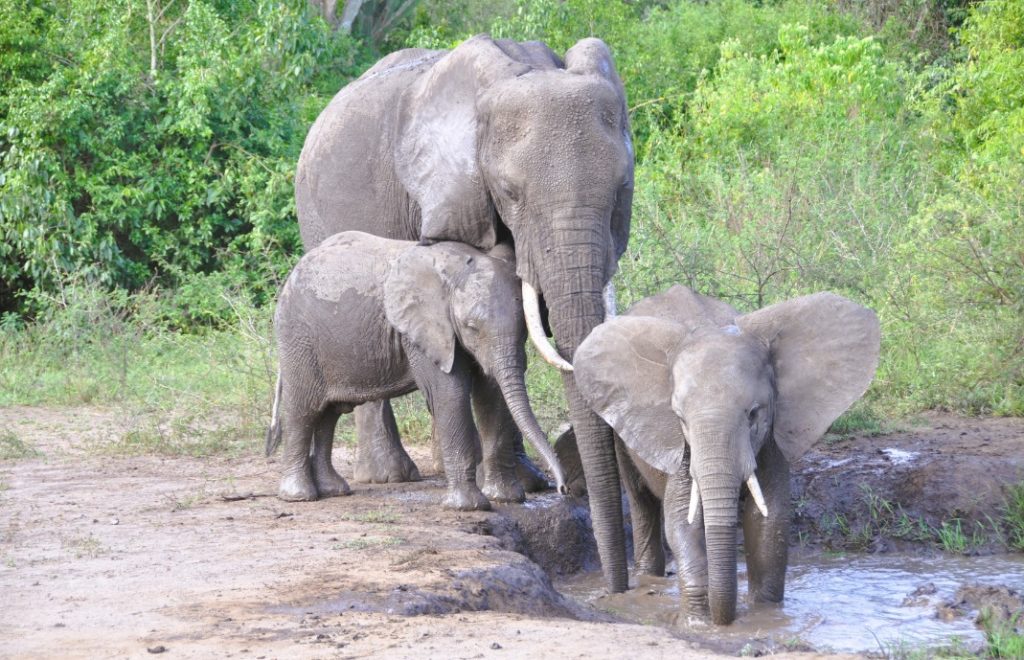
Few animals exhibit familial devotion quite like elephants. These deeply social creatures live in tight-knit herds that include everyone – from newborn calves to nurturing grandmothers. Within the group, every member plays a role, and love, loyalty, and protection are woven into daily life.
At the heart of each herd is the matriarch – typically the oldest and wisest female. Her leadership is built not on dominance or brute strength, but on experience and memory. She knows the safest paths, the best feeding grounds, and how to guide her family through droughts, dangers, and generations. Matriarchal leadership is often passed between closely related females, preserving wisdom through lineage.
Female elephants remain with the herd for life, forming lifelong bonds with mothers, sisters, daughters, and aunts. Males, on the other hand, tend to leave the herd as teenagers, living solitary lives or forming loose bachelor groups often led by an older, experienced bull.
But separation doesn’t mean detachment. While males may live apart, they stay close to their families, especially during mating season – and both sexes will fiercely defend their herd if threatened.
When one elephant is injured or ill, others will slow down, help them walk, or even bring food. Their care for one another spans an entire lifetime – a testament to the depth of emotion and loyalty that defines elephant society.
In the world of elephants, family isn’t just important – it’s everything.
13. Elephants are afraid of bees
Yes, even the mighty elephant has its weaknesses – and surprisingly, bees are high on the list.
This unlikely fear has turned into a powerful conservation tool. Across Africa and Asia, farmers have started using beehive fences to keep elephants away from crops. It turns out that the sound of buzzing bees is enough to send even the largest land animals retreating in a hurry – elephants instinctively avoid being stung around their eyes, ears, and trunks.
The result? A brilliant, low-tech solution that protects both farmlands and elephants. Instead of resorting to electric fences or harmful deterrents, communities now use bees to create a natural barrier – one that not only preserves harvests but also reduces human-elephant conflict.
It’s a win-win: crops are safe, elephants stay unharmed, and local farmers even gain the bonus of harvesting honey. Nature, once again, provides the perfect balance.
14. World Elephant Day
Every year on September 22nd, we celebrate World Elephant Day – a day dedicated to raising awareness and appreciation for one of Earth’s most extraordinary creatures. But if you ask any elephant lover, these gentle giants deserve to be celebrated every single day.
For me, elephants are the most magnificent animals on the planet. Simply seeing them – whether it’s a herd making their slow, graceful way across the savanna or a playful calf tumbling about like a clumsy clown – fills me with pure joy. Every encounter is a gift, and every moment spent in their presence is unforgettable.
So be sure to mark September 22nd on your calendar – and take a moment to honor the world’s largest land animal. Whether it’s through learning, supporting conservation efforts, or simply sharing your love for them, every gesture counts in protecting these incredible beings for generations to come.
15. Elephants need us to survive
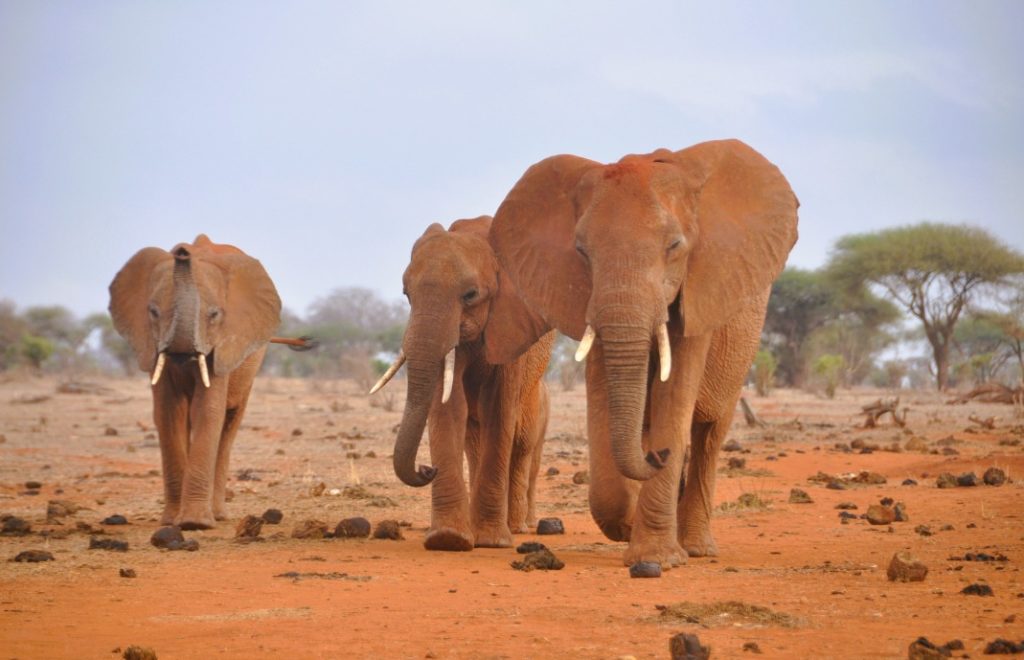
Over the past century, the African elephant population has plummeted by around 90%, largely due to the illegal ivory trade. Today, only 415,000 wild African elephants remain – a sobering reminder of how close we are to losing one of nature’s most iconic species.
The Asian elephant faces an equally grim reality, with numbers declining by 50% in just three generations. Fewer than 45,000 wild Asian elephants are left roaming the forests and grasslands of the East.
The greatest threats to their survival are poaching for ivory and habitat loss – a devastating combination of greed and human expansion that continues to push elephants toward extinction.
But there is hope. You can make a difference.
- Never buy ivory or ivory products – no souvenir is worth a life.
- Support wildlife conservation organizations that are fighting to protect elephants and their habitats.
- Avoid tourist attractions that exploit elephants, including riding, bathing, and feeding experiences, which often involve cruel training and captivity.
With collective action and compassion, we can ensure that future generations will still be able to witness these majestic giants in the wild, where they truly belong.
Let’s not allow elephants to vanish on our watch!
More inspiration about elephants in Africa:
5 incredible places to see elephants in Southern Africa
Why you must visit the Ivory Burning Site
