Far out in the vast expanse of the Pacific Ocean – quite literally in the middle of nowhere – lies a mysterious, legendary, and slightly eccentric island that defies expectation and stirs the imagination.
This is the home of the moai – monumental stone figures that gaze silently inland. Isolated from the rest of the world, Easter Island sits 3,515 kilometers from its nearest neighbor, mainland Chile, making it one of the most remote inhabited places on Earth.
Here, a flourishing Polynesian culture emerged, later coming under Chilean rule. And still, the question lingers: how did such a sophisticated society evolve in complete isolation, untouched by outside influence?
But these enigmas are just the beginning. Easter Island – known as Rapa Nui in the native tongue – is a destination that every traveler should experience at least once in their life.
Not only for its riddles carved in stone, but for the raw beauty, cultural depth, and sense of timeless wonder that permeates every corner of this extraordinary land.
Moai – The stone guardians of Easter Island
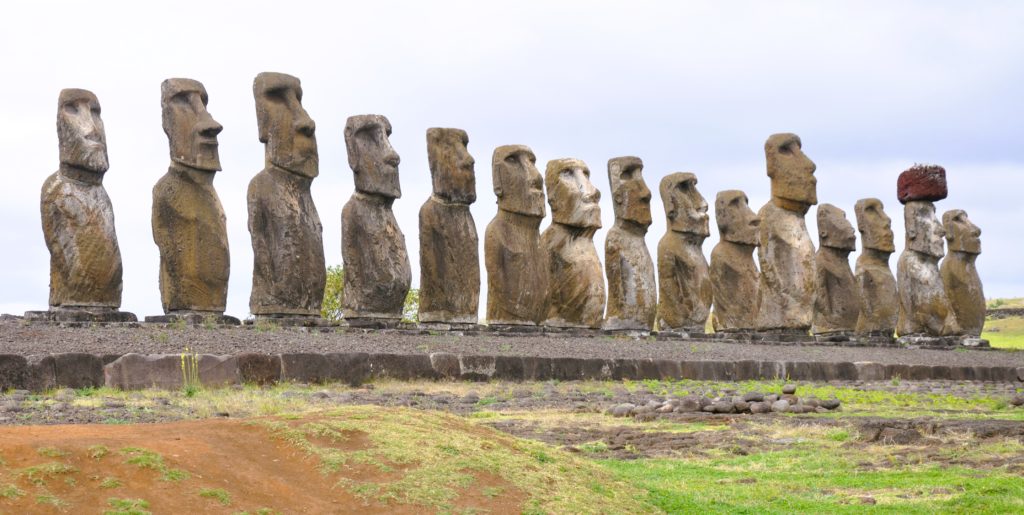
Scattered across the remote expanse of Easter Island are nearly 900 colossal stone figures – some towering an astonishing 13 meters tall and weighing between 60 and 70 tons.
These awe-inspiring statues, known as moai, are the island’s most iconic draw, luring travelers from every corner of the globe in search of a once-in-a-lifetime encounter with mystery and wonder.
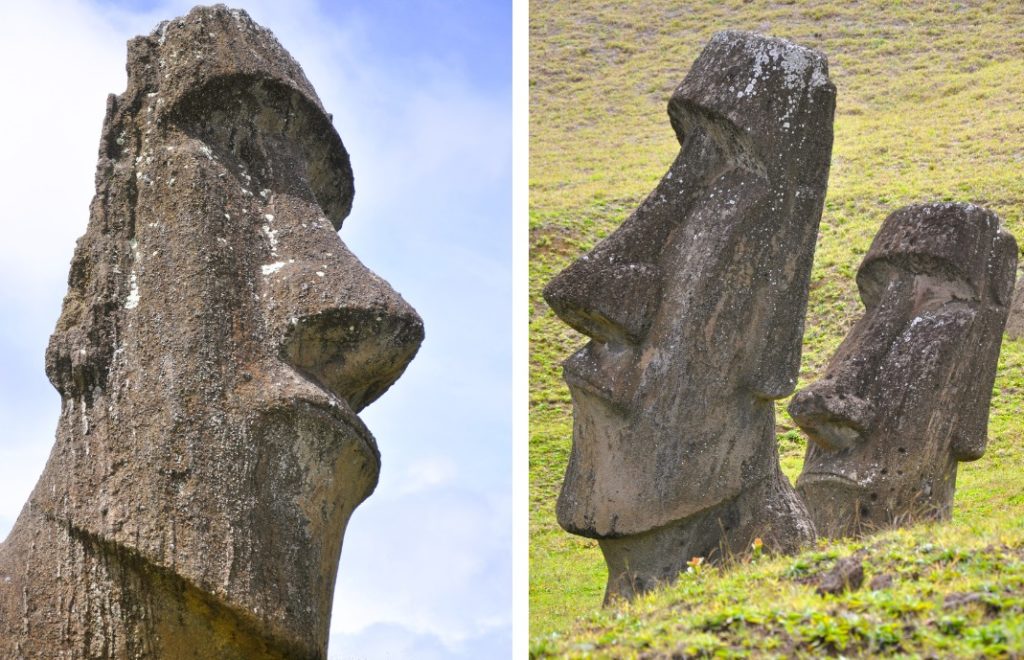
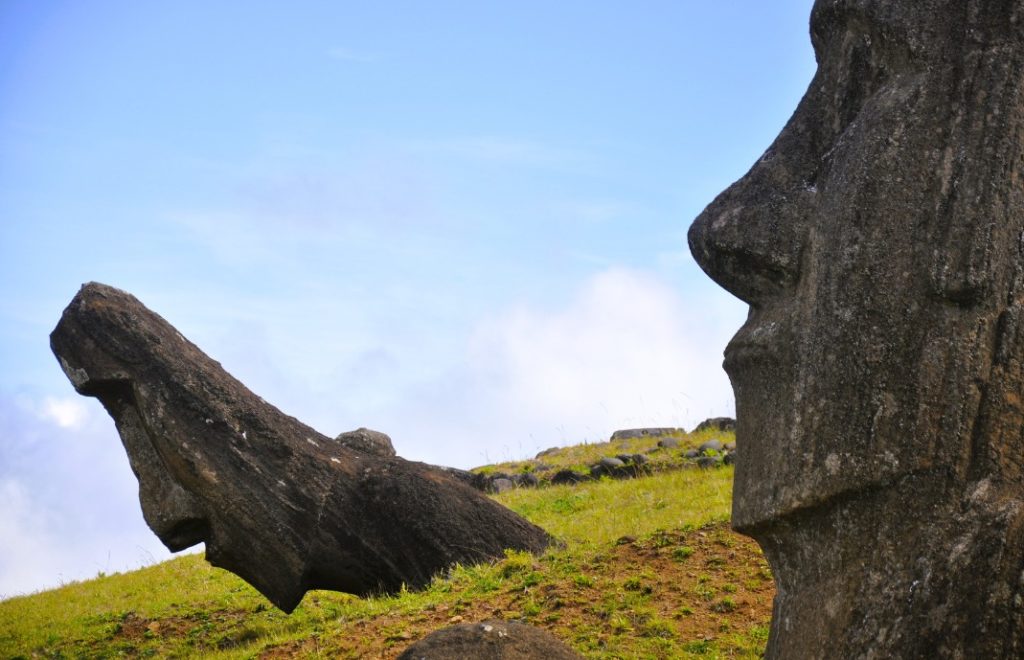
Carved from volcanic rock sourced from the crater of Rano Raraku, the moai are believed to represent the ancestors of the island’s early inhabitants – though this theory remains the subject of spirited debate. Some stand solemnly in clusters, others in isolation. Yet all gaze inland, their stone eyes fixed on the heart of the island.
Each moai is utterly unique. Some are slender, others stout. A few bear what appear to be tattoos etched in stone, their forms reminiscent of oversized caricatures frozen in time.
The moai are far more than relics – they are emblems of a richly layered culture, one that also gave rise to enigmatic petroglyphs, intricate body art, and a mysterious written language known as rongorongo – a code that, to this day, has never been deciphered.
More inspiration: Who built the statues on Easter Island?
Hikes worth every drop of sweat
Easter Island boasts a landscape as singular as it is scenic – an otherworldly terrain tailor-made for those who crave unforgettable hikes in extraordinary surroundings.
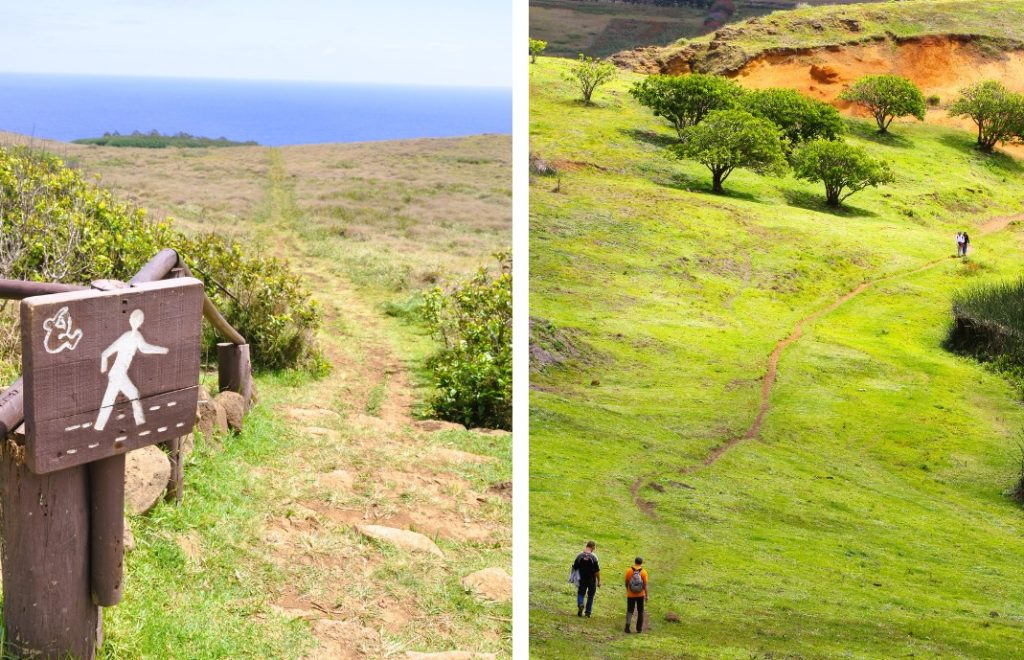
A network of well-marked trails guides intrepid visitors through ancient archaeological sites and to breathtaking viewpoints where the island’s raw beauty unfolds in full panorama.
For those ready to venture farther afield, the island’s wild and dramatic northern coast is a top-tier route. The trek takes around seven hours and rewards the determined with a rare experience few travelers encounter – this untamed stretch of coastline is only accessible on foot.
The trail begins at the western flank of the dormant Maunga Terevaka volcano and winds its way to the white sands of Anakena Beach. Along the way, you’ll pass enigmatic moai, mysterious sea caves, and ancient petroglyphs etched by a culture lost to time.
If you’re in the mood for a shorter hike – roughly three hours – consider the route around the eastern rim of the Rano Kau crater. From here, you’ll be treated to sweeping views of the tiny islets that dot the Pacific just off Easter Island’s coast.
In about five hours, you can also explore the remote eastern peninsula, home to the island’s oldest volcano, Poike. This lesser-traveled path takes you past more moai, as well as the intriguing Ana O Keke cave.
And if you’re up for bagging a summit, don’t miss the gentle climb to Easter Island’s highest point, Terevaka. No need to fear vertigo here – the peak rises a modest 507 meters, offering stunning 360-degree views without the breathless altitude.
More inspiration: Walks and horses: Exploring Rapa Nui one step at a time
Volcanoes – The sleeping giants of Rapa Nui
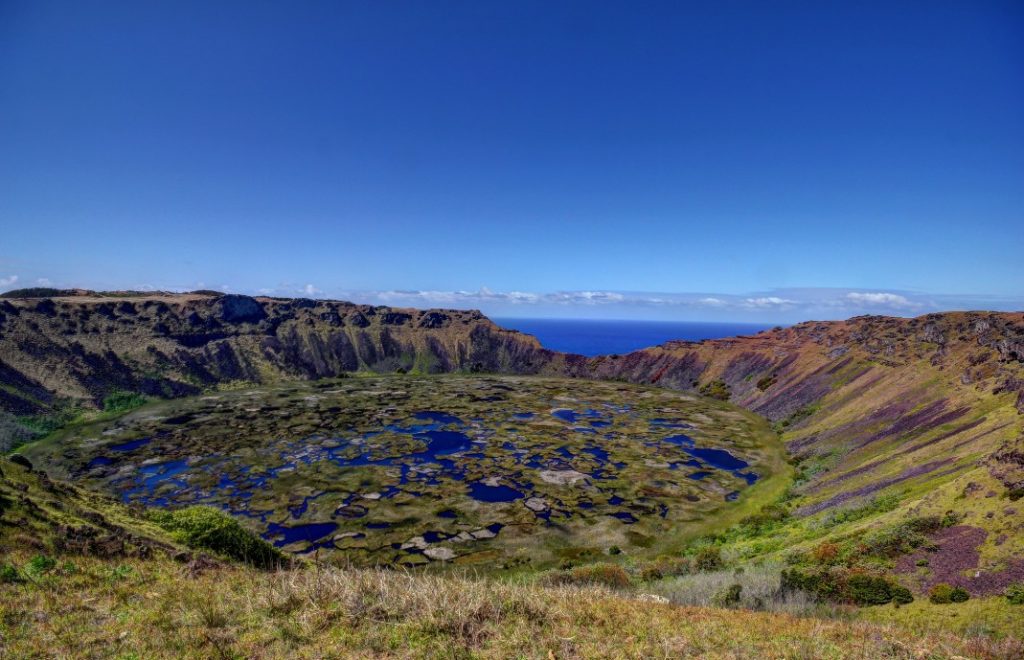
Easter Island is shaped – both literally and spiritually – by three extinct volcanoes: Terevaka, Poike, and Rano Kau.
The youngest of the trio, Terevaka, forms the island’s largest landmass. Its grassy slopes cradle the quarry of Rano Raraku, the birthplace of the moai. Today, nearly 400 stone faces still peer out from the hillside, frozen mid-emergence as if caught in the act of climbing from the earth itself – an eerie, awe-inspiring sight that feels almost mythical.
To the east rises Poike, the island’s oldest volcano, defining the far edge of Easter Island’s rugged silhouette. Its eroded cliffs and desolate feel contrast starkly with the greener expanses of the west.
Guarding the south lies Rano Kau, a vast, majestic crater that seems carved for the gods. At its rim, the ceremonial village of Orongo awaits – an ancient site of ritual and legend that also delivers jaw-dropping, 360-degree views over both the island and the endless blue of the Pacific.
Together, these volcanoes are more than geological remnants. They are silent witnesses to a lost civilization, shaping the landscape, the culture, and the soul of Rapa Nui.
Laid-back beach days on Easter Island
When you think of Easter Island, picture-perfect beaches might not be the first thing that comes to mind- but rest assured, this remote gem offers more than just ancient mysteries and moai. Yes, you can absolutely work on your tan in paradise.
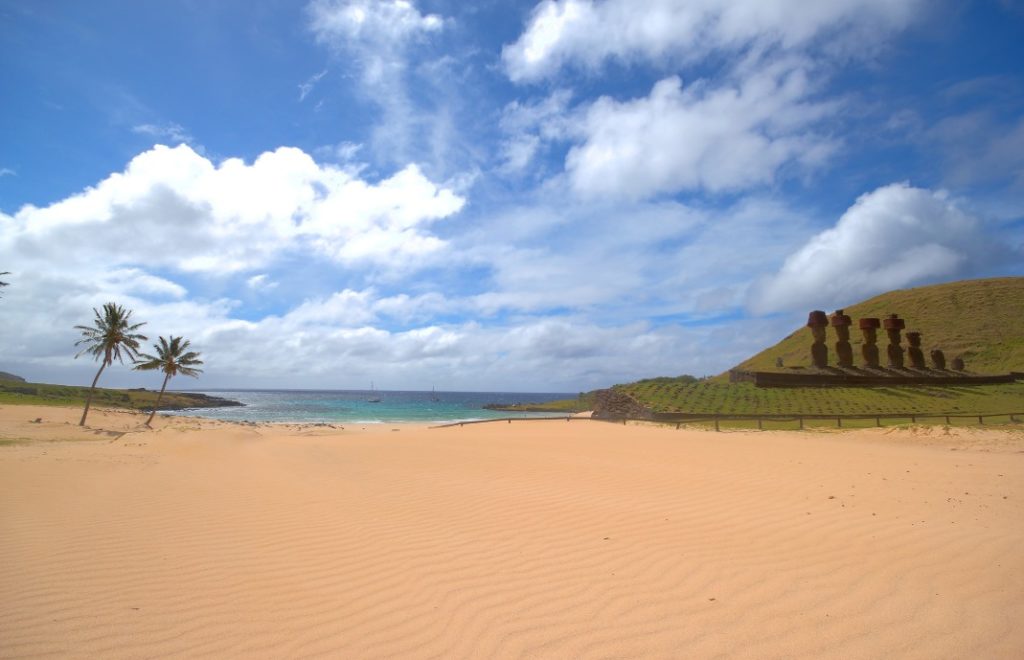
The island’s most beloved beach – especially during the Southern Hemisphere’s summer months – is Anakena, a tropical oasis on the island’s north shore. Here, the warm waters of the Pacific gently kiss the soft white coral sand, while palm trees sway in the breeze like a postcard brought to life.
And the lifeguards?
Well, they may not be the most attentive – but they’re unforgettable. Towering moai statues keep silent watch over the shore, lending Anakena a surreal, cinematic vibe that makes the journey here worth it on its own.
Two archaeological sites frame the beach: Ahu Ature Huki, home to a lone, upright moai, and Ahu Nau Nau, where seven stone guardians stand proudly against the sky.
Beyond Anakena, you’ll find smaller, quieter beaches dotted along the coast – including Pea Beach in the island’s main village of Hanga Roa. It’s perfect for a refreshing dip or a sunset stroll in one of the most isolated corners of the world.
Explore Rapa Nui National Park
Easter Island isn’t just a cultural marvel – it’s also a natural wonderland brimming with dramatic landscapes and geological treasures.
From extinct volcanoes and ancient lava tunnels to sea-carved caves and rugged, windswept coastlines, the island’s raw terrain tells a story as compelling as its stone-faced guardians. This unique fusion of natural beauty and mystique has earned large swaths of Easter Island official protection as Rapa Nui National Park.
Even more impressively, the entire park has been recognized as a UNESCO World Heritage Site, underscoring its global significance and timeless appeal.
Covering 43.5 percent of the island, Rapa Nui National Park invites explorers to wander through surreal volcanic scenery, peer into the dark mouths of lava-formed caverns, and stand atop cliffs that plunge into the endless Pacific.
It’s a journey through a landscape shaped by fire, ocean, and time – an adventure well worth every step.
Discover lava tunnels and caves
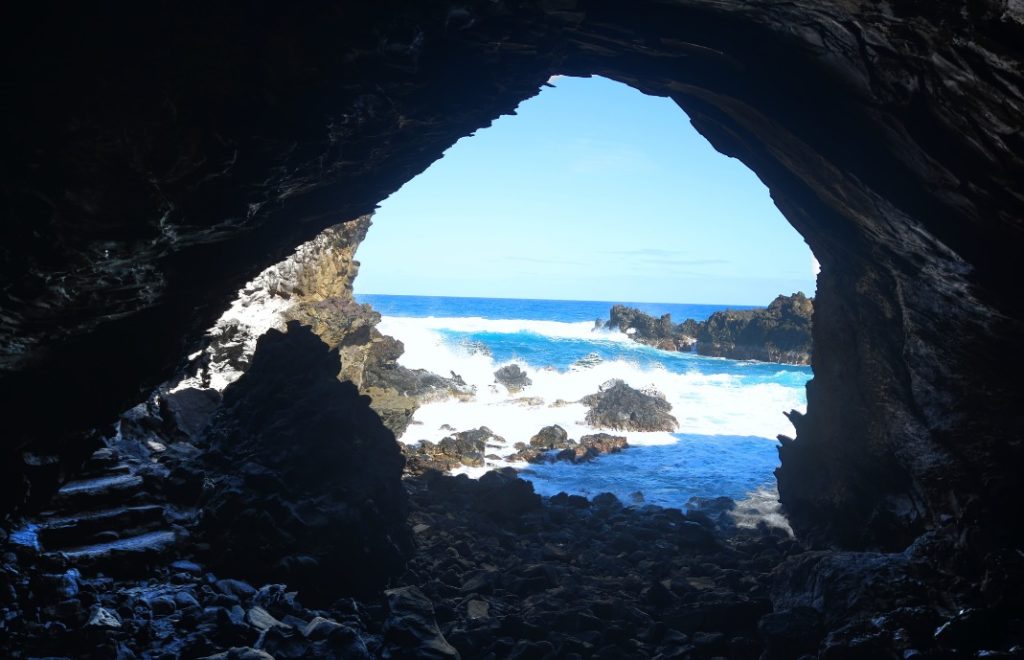
No trip to Easter Island is complete without venturing into its remarkable network of lava tunnels and caves- These natural wonders are as mysterious as they are mesmerizing.
The most impressive of these is the Te Pahu cave system, hidden beneath the archaeological site of Ahu Akivi. Formed over 10,000 years ago by a volcanic eruption from Maunga Hiva Hiva, the caves are the remnants of a once-flowing lava tunnel that solidified into a subterranean maze.
Accessing Te Pahu feels like stepping into another world. You descend through a collapsed ceiling into the earth, where multiple openings allow light to pour in, illuminating the chambers and making it surprisingly easy to navigate.
For a more intimate experience steeped in myth, Ana Kai Tangata offers a smaller cave with deep historical significance. Its walls are adorned with vivid petroglyphs of birdmen – a nod to the island’s fascinating Tangata Manu ritual.
Meanwhile, the caves and tunnels in Te Peu captivate with their intricate lava formations and ancient carvings, offering yet another layer to Easter Island’s already rich tapestry of natural and cultural intrigue.
Exploring these hidden underworlds is like peeling back the volcanic skin of the island itself – revealing secrets shaped by fire, time, and the imagination of a lost civilization.
A taste of Easter Island
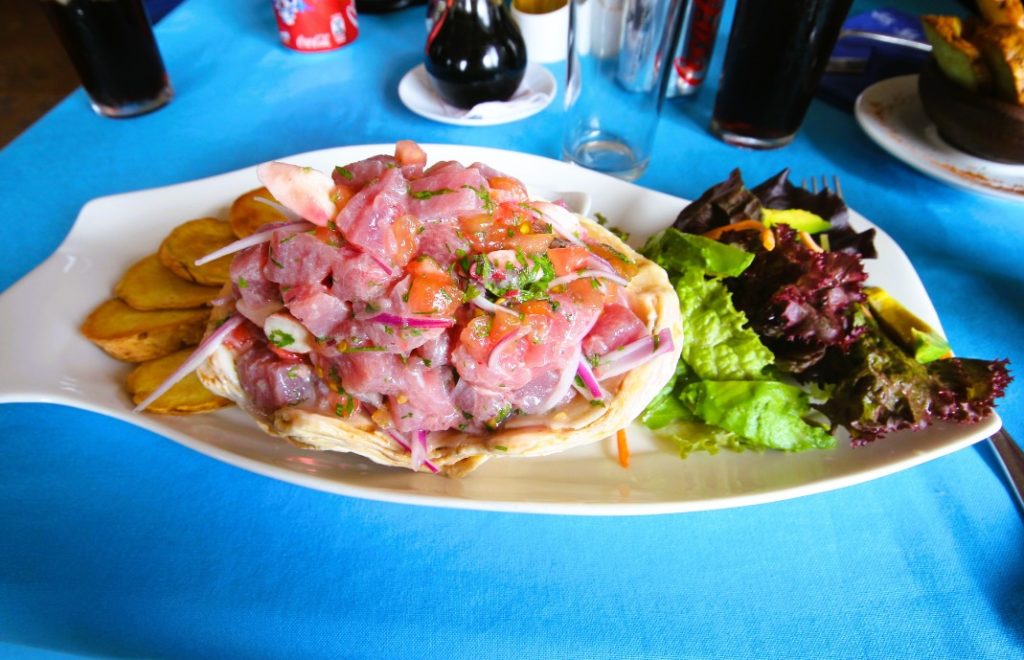
Easter Island may not be a gourmet hotspot – but what it lacks in fine dining, it makes up for in authenticity, ocean-fresh seafood, and a unique culinary culture shaped by its remote setting.
Centuries of deforestation have left the island with limited access to native ingredients, but surrounded by the vast Pacific, Rapa Nui delivers the goods when it comes to seafood. Expect to see plenty of fresh fish, lobster, shrimp, and tuna on the menu, often served alongside pasta, pizza, beans, and sweet potatoes.
The island’s most traditional dish is Uma Rapa Nui – a feast of meat, fish, and vegetables wrapped in banana leaves and slow-cooked on hot stones buried in the earth. This ancestral technique is as much a cultural ritual as it is a meal, offering a literal taste of the island’s heritage.
For a quick, tasty bite, Ariki o Te Pana Café in Hanga Roa Village serves up delicious empanadas – ideal for travelers seeking simple, satisfying local fare at a fair price.
That said, dining here doesn’t come cheap. But with meals served beneath swaying palms and the open Pacific sky, even a modest dish feels like a luxury on this magical, far-flung island.
Experience the magic of the Tapati Festival
Easter Island is wrapped in layers of mystery and myth – an island that sparks the imagination and whispers tales from a time before time.
One enduring question still fuels debate: how was this remote island first settled? Most historians believe that Polynesian navigators arrived around the year 400, but no one knows for certain. Some theories even flirt with the fantastical – suggesting a link to extraterrestrial beings.
What is known is that the island’s first contact with the outside world came in 1722, when a Dutch expedition arrived to find proud moai still standing tall and a thriving population of around 20,000. Today, the number has dwindled to roughly 5,000 residents – just four times the number of moai, and even fewer than the island’s population of free-roaming horses.
Yet despite the changes, Rapa Nui’s vibrant culture is alive and well, celebrated and preserved through art, tradition, and festivals.
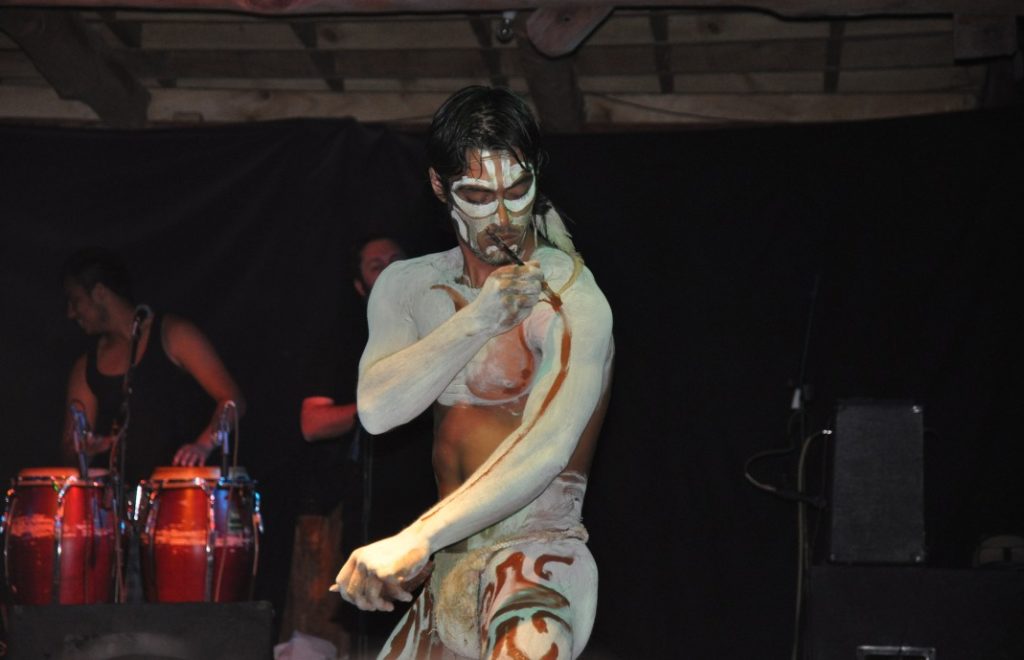
At the heart of this cultural revival is the Tapati Festival, the island’s largest and most exhilarating annual event, held from late January through early February. During this time, Easter Island pulses with ancestral pride as two competing teams face off in a series of ancient Polynesian sports around Hanga Roa.
The festival’s wildest – and most thrilling – event is Haka Pei, where daring male competitors, clad in nothing but traditional loincloths, hurl themselves down the steep slopes of Maunga Pu’i atop sleds made from banana tree trunks. The ride is bone-rattling and brutal, and victory belongs to the one who manages to stay on until the bottom.
Beyond the adrenaline, Tapati is a full-blown cultural celebration, complete with traditional dance competitions, carnival-style parades, culinary showcases, and the crowning of the Tapati Queen.
To experience Tapati is to witness the beating heart of Rapa Nui – raw, proud, and passionately alive.