
It didn’t take long after arriving before Warsaw claimed a special place in my heart. Poland’s capital is without doubt one of my absolute favorite cities – and for good reason.
With its impressive Old Town, painstakingly rebuilt after World War II, soaring skyscrapers of glass and steel, and a fascinating, multilayered history, Warsaw seamlessly blends the past and present. The city teems with inviting restaurants, charming cafés, and a wide range of both Polish and international cuisine. It’s also remarkably green for a capital, full of lush parks, scenic boulevards, and peaceful riverfront promenades.
And rising above it all is the iconic Palace of Culture and Science – Stalin’s controversial “gift” to the Polish people.
So yes, it’s hard not to fall in love with Warsaw – a vibrant European capital that truly has it all!
1. The Old Town
Warsaw is a dynamic modern capital, but it’s also shaped by a turbulent past – and that history leaves visible traces throughout the city.
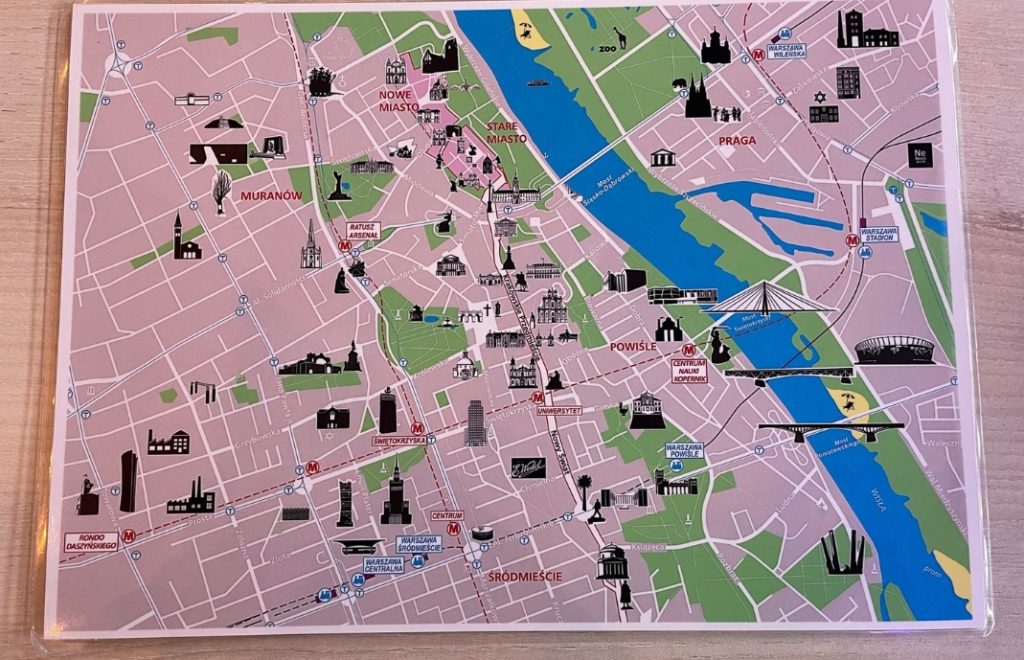
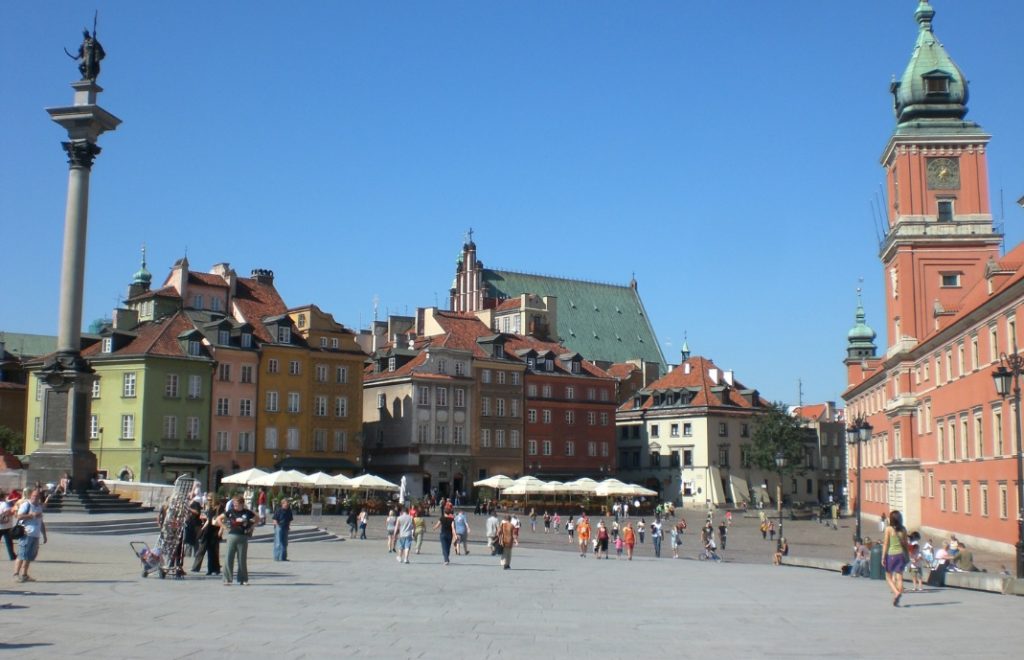
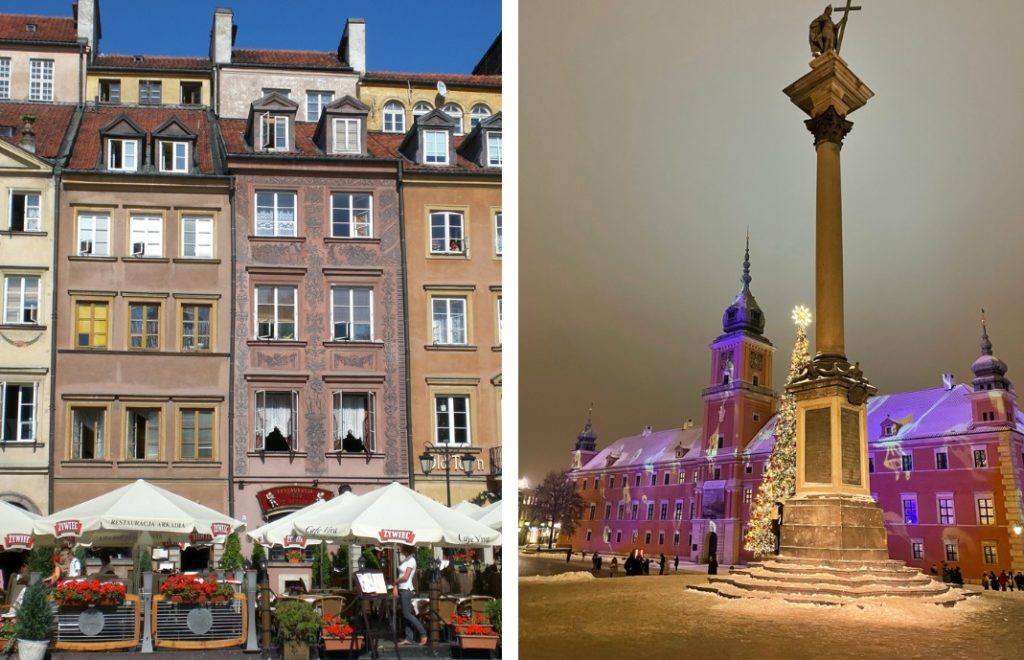
Most visitors are inevitably drawn to the Old Town, the jewel of Poland’s capital. Wandering its cobblestone streets, flanked by colorful townhouses, quaint alleyways, and leafy courtyards, it feels like stepping into an elegant 18th-century neighborhood. Towering city walls, charming squares, royal palaces, and hidden green oases add to the enchanting atmosphere.
But don’t let the façade fool you – these aren’t centuries-old buildings. They’re only around 60 years old. During World War II, the Old Town became one of the epicenters of the Warsaw Uprising. As punishment, the Nazis flattened it entirely – not a single building was left standing.
After the war, the Polish people made an extraordinary decision: they would rebuild every single building by hand, using old paintings, architectural sketches, and photographs as references.
The result? A UNESCO-listed masterpiece that stands not just as a historical tribute, but as a symbol of resilience and national pride.
Today, the Old Town is Warsaw’s top classic attraction, and once you set foot here, you’ll understand why.
2. A city of museums
If museums are your thing – or even just a part of your travel mix – Warsaw delivers in spades.
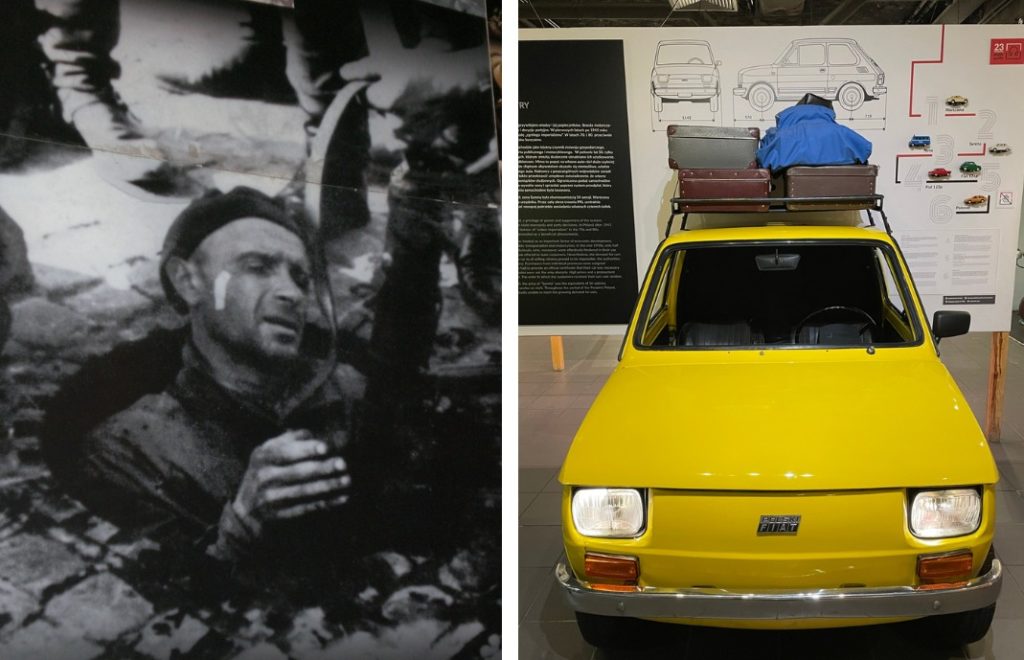
Start at the Warsaw Rising Museum, an immersive, interactive experience that lets you see, hear, and feel what it was like as Polish citizens took up arms against Nazi occupation in 1944. For a deeper dive into centuries of Jewish life in Poland, POLIN – Museum of the History of Polish Jews offers a profound journey through over a millennium of heritage, tragedy, and resilience.
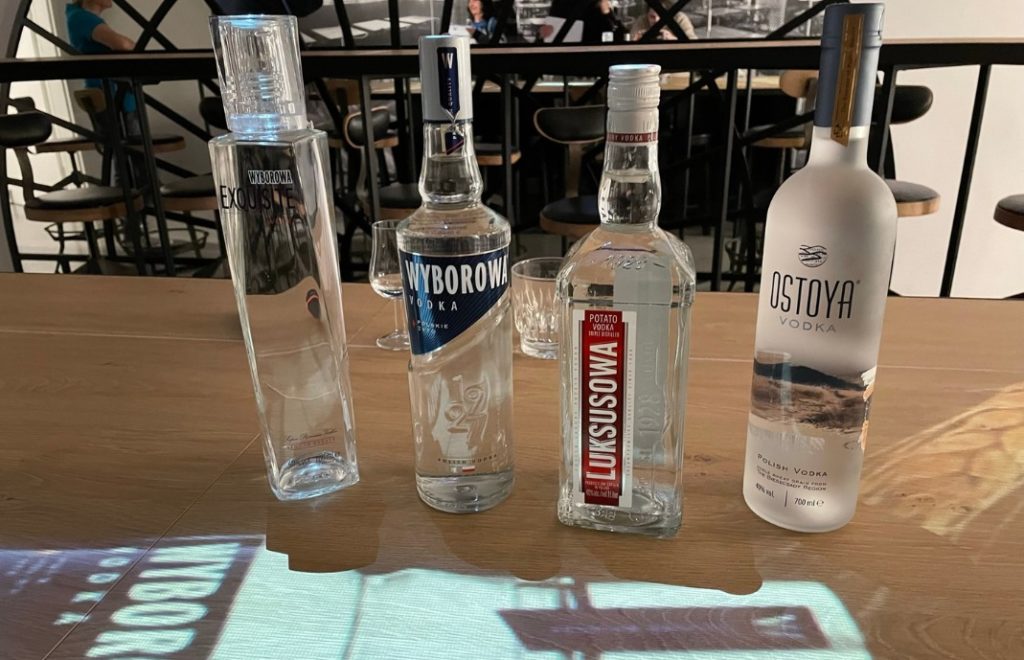
Feeling thirsty for history? Head to the Polish Vodka Museum, where you’ll learn why many consider Poland the birthplace of vodka – and yes, there are tastings.
Warsaw is also the birthplace of icons like Marie Curie, Pope John Paul II, and Frédéric Chopin – each honored with their own museum. And if it’s art you’re after, the Royal Castle showcases masterpieces by Rembrandt, Canaletto, and more.
Discover Poland’s past at the National Museum or the Museum of Warsaw, and if you’re curious about more recent history, the Life Under Communism Museum offers a nostalgic look at the not-so-distant past, while the Museum of Cursed Soldiers and Pawiak Prison Museum shed light on political oppression and resistance.
There are also quirky, fun options like the Be Happy Museum, Selfie Museum, Magic Mind Museum, and the retro-cool Neon Museum.
Whether you’re into war history, science, art, pop culture, or something offbeat, Warsaw has a museum for it – and probably a few you didn’t even know you wanted to visit.
More inspiration: 7 must-visit museums in Warsaw
3. Eat your way through Warsaw
Let’s be honest: no adventure is complete without great food – and in Warsaw, you’ll never go hungry.
The Polish capital is a culinary melting pot, with influences from Central and Eastern Europe, Jewish traditions, and global gastronomy all blending together into something uniquely local. Chefs across the city are reimagining traditional dishes with modern twists, while still celebrating Poland’s rich food heritage.
Start one evening at a fine-dining spot, savoring elevated pierogi or venison with forest mushrooms. The next day? Grab a hearty, affordable meal at a traditional milk bar (bar mleczny) – Poland’s communist-era cafeterias turned beloved institutions. Then try some street food: zapiekanka (Polish-style baguette pizza), kielbasa grilled over open flames, or paczki (filled donuts) from a corner vendor.
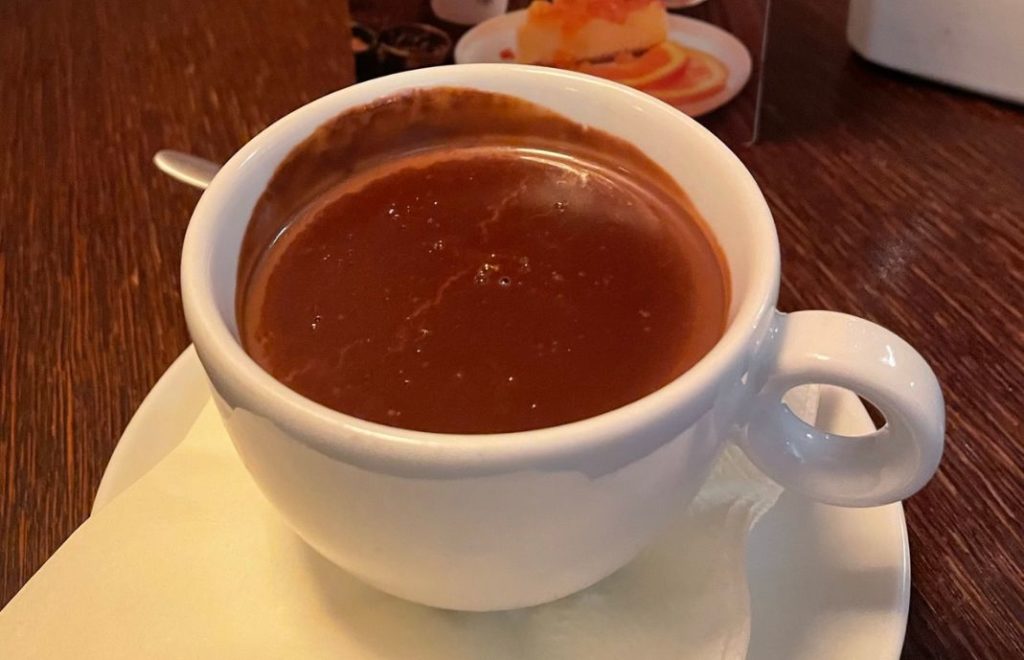
Cafés in Warsaw are charming and plentiful, with many serving decadent desserts like the beloved Wuzetka cake, a chocolate-and-cream delight often paired with a rich cup of E. Wedel hot chocolate – a Warsaw classic.
And don’t miss the city’s food halls, where vibrant eateries pop up inside revitalized industrial spaces, dishing up flavors from around the world. Breakfast markets, night markets, and weekend food fairs keep the vibe lively and the choices delicious.
Whether you’re a foodie on the hunt for innovation or just after a cozy plate of comfort food, Warsaw’s culinary scene is ready to impress – and fill you up.

4. The Mermaids of Warsaw
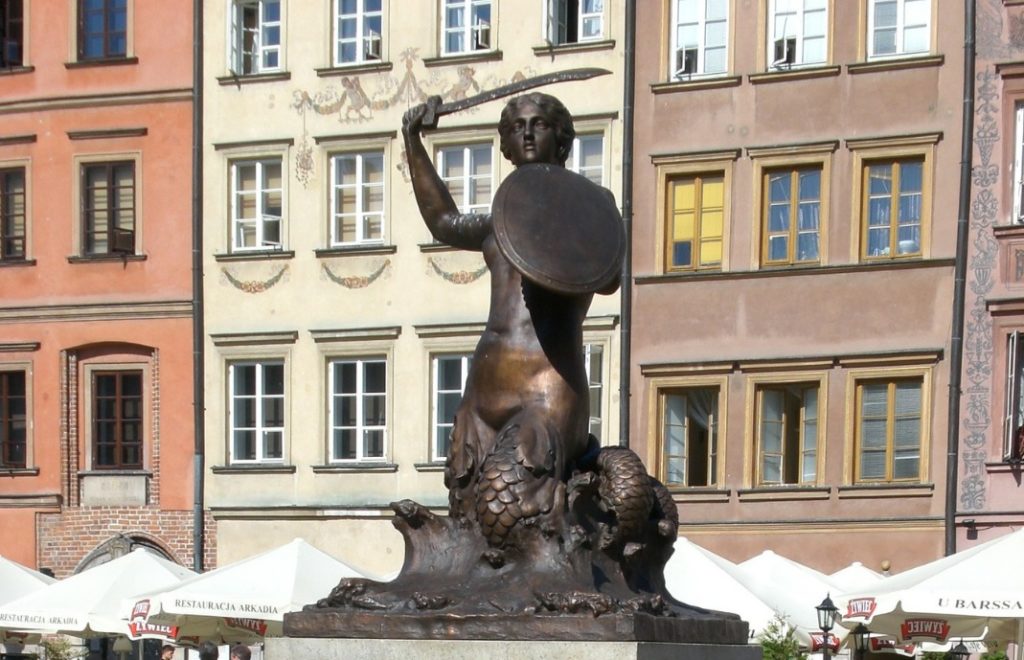
No other city has as many mermaids as Warsaw – and this mythical figure isn’t just decoration. She’s the official symbol of the city, featured proudly on Warsaw’s coat of arms, sword and shield in hand.
Over the centuries, her appearance has changed, but her story remains woven into the city’s identity.
According to legend, a mermaid once rested on the banks of the Vistula River, near what is now the Old Town. A young fisherman, enchanted by her haunting song, fell deeply in love. When a greedy merchant captured her, the fisherman came to her rescue after hearing her cries. In return, the mermaid vowed to protect the city and its people, especially those who made a living from the river.
That’s why Warsaw’s mermaid – unlike the wistful figures of most mermaid myths – is armed with a sword and shield, ready to defend.
You’ll spot her everywhere in the city. She adorns facades, lamp posts, stained-glass windows, and official seals.
No one knows exactly how many mermaids are hidden in Warsaw’s streets, but the two most iconic statues are easy to find: one in the Old Town Square, and another proudly standing by the Vistula River, watching over the water she once called home.
Hunting for mermaids is a whimsical way to explore Warsaw – part myth, part mascot, and entirely unique.
5. Poland’s national drink: Vodka
Poland proudly claims the title of vodka’s birthplace – and with good reason. Historical records mention the word “vodka” as early as 1405, and by the 1600s, production was booming, especially around Kraków. Two centuries later, it was being distilled across the country.
But in Poland, vodka isn’t just vodka. Locals also call it gorzalka, which roughly translates to “burning water.” That pleasant burn in your throat or chest after a sip? It’s a sign you’re drinking real Polish vodka.
Authentic Polish vodka must be made from one of five grains – rye, wheat, triticale, oats, or barley – or potatoes, and all ingredients must be grown in Poland. However, bottling can legally happen elsewhere.
If you’re in Warsaw, a visit to the Polish Vodka Museum in the revitalized Praga district is a must. Housed in a former distillery, this sleek and interactive museum walks you through the fascinating history of aqua vitae (the original name for vodka), its cultural importance, and the evolution of its production.
You’ll explore traditional distilling methods, sample regional vodkas, and learn how to taste vodka properly – from aroma to finish. A tasting session of four distinct varieties is the perfect finale to the experience.
Alternatively, join a Vodka Tour with a local expert who’ll introduce you to Warsaw’s best spots for a proper tasting – and the stories behind every shot.
Na zdrowie! (Cheers!)
More inspiration: The history of Polish Vodka
6. Let the music of Frédéric Chopin sweep you away
Few composers have left such an enduring mark on the world of classical music as Frédéric Chopin, known affectionately as the poet of the piano. Born just outside Warsaw in 1810, Chopin showed prodigious talent early on—composing his first piece at seven and performing publicly by eight.
Though he spent much of his adult life abroad, Poland was always in his heart. You can hear it in his music, especially in his vibrant mazurkas and regal polonaises, which were inspired by traditional Polish folk tunes.
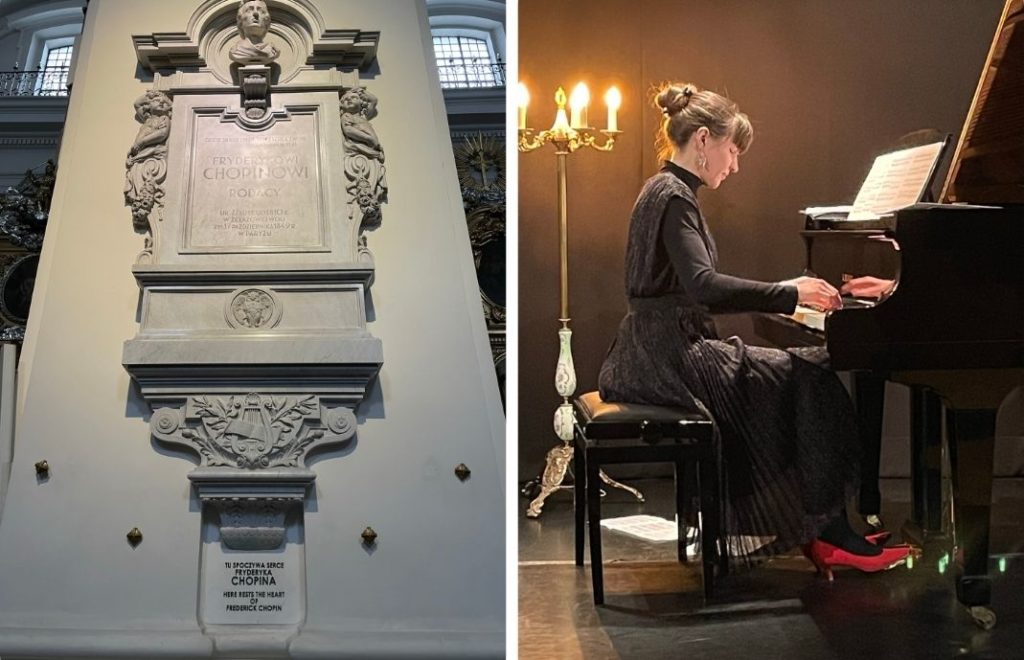
Chopin passed away in Paris in 1849 and was buried at the famous Père Lachaise Cemetery. However, as per his final wish, his heart was returned to Warsaw. Today, it rests inside a column at the Holy Cross Church, a quiet, sacred place to pay homage to this beloved composer.
For a truly immersive experience, head to Chopin Point in Warsaw’s charming Old Town. Each evening, talented pianists bring his music to life in an intimate concert setting. The venue itself exudes elegance and history – offering the perfect backdrop for an emotional musical journey.
Sit back, close your eyes, and let the melancholic beauty of Chopin’s melodies transport you.
7. Easy to get around
Warsaw is a large city, and yes, its many sights are sprinkled across different districts – but don’t worry: getting around is refreshingly simple.
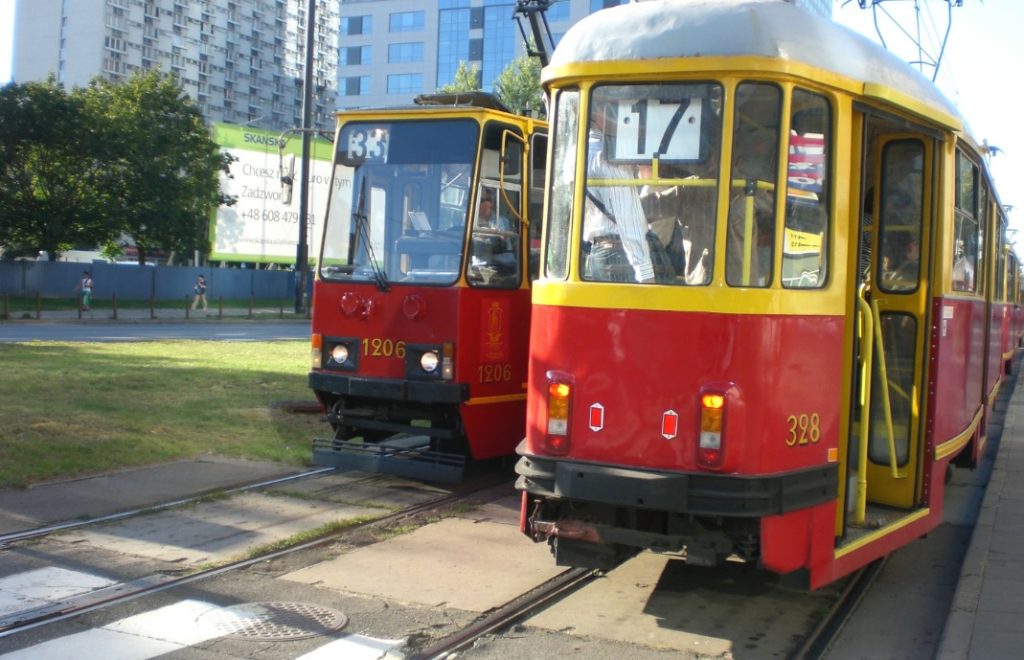
Whether you’re exploring on foot or hopping on public transport, Warsaw is built for convenience. The city’s network of buses, trams, and a clean, efficient metro system makes it easy to navigate – even for first-time visitors.
In fact, using public transport is often faster than taking a taxi or Uber, especially during rush hour when traffic can be unpredictable.
Tickets are budget-friendly and can be purchased for single rides, 24-hour, or 72-hour use. Machines are easy to spot, offer English instructions, and accept card payments.
Just remember: validate your ticket the first time you board a bus, tram, or metro.
For a scenic and practical route, hop on bus number 180, which passes by many of the city’s key attractions along the Royal Route – Warsaw’s most iconic boulevard.
Efficient, affordable, and tourist-friendly – you’ll have no trouble getting around Poland’s dynamic capital.
8. Perfect for families
If Warsaw hasn’t been on your radar for a family getaway – it should be. The Polish capital is surprisingly kid-friendly, with a long list of attractions and activities that promise to keep even the youngest travellers engaged and entertained.
Sure, Warsaw has its share of traditional museums, but many are thoughtfully designed with children in mind, blending learning and play in the best possible way.
The Copernicus Science Centre is a hands-on paradise where curious minds (of all ages) can tinker, experiment, and explore.
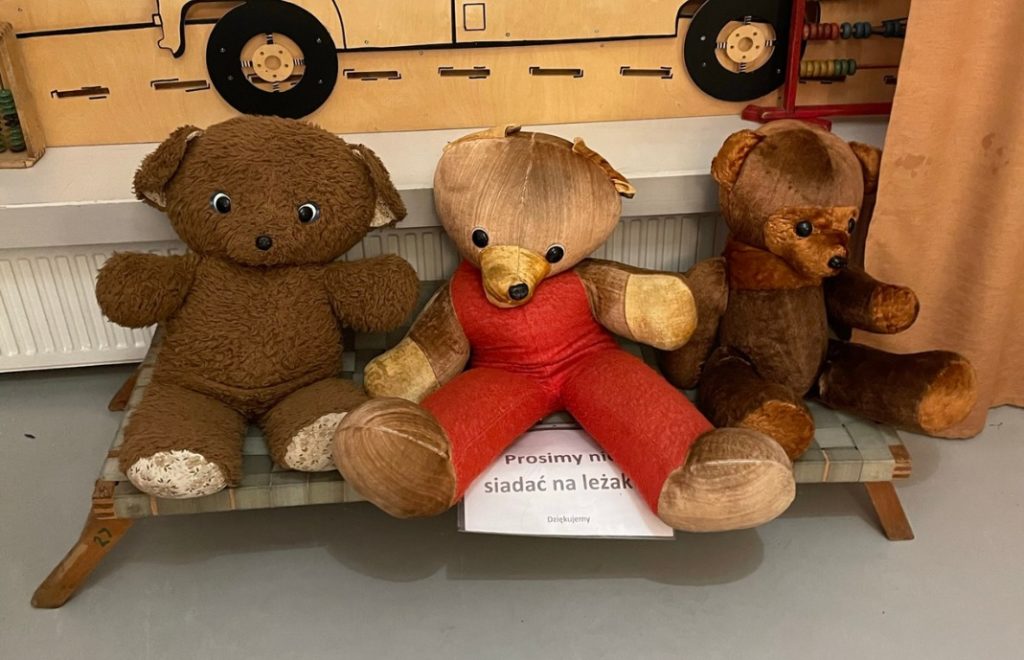
At the Station Museum, towering locomotives fascinate young train fans, while the Dollhouse Museum offers a glimpse into the toys and lives of generations past.
If prehistoric creatures, glowing crystals, and rare fossils pique their interest, a visit to the Geological Museum will easily fill a few hours.
For a global perspective, stop by the Children’s Museum, where kids can dress up in traditional outfits from around the world, tell stories, and even curate their own toy exhibits.
And the fun doesn’t stop there:
- Wander the Warsaw Zoo
- Rent bikes and cruise along the Vistula River
- Bounce it out at a local trampoline park
- Try your hand at candy making
- Or test your teamwork in a thrilling escape room
Warsaw is more than just history and heritage – it’s a vibrant, accessible playground for families.
9. A haven for history buffs
No matter where you go in Warsaw, history is never far behind. The city exudes a sense of the past – from grand royal legacies to heartbreaking scars left by war.
Warsaw was founded in the late 13th century and became Poland’s capital in 1596. For centuries, it was the seat of kings and the heart of Polish politics and culture, something you can still feel as you stroll down the Royal Route, flanked by palaces, churches, and elegant townhouses.
But Warsaw’s story is also one of resilience.
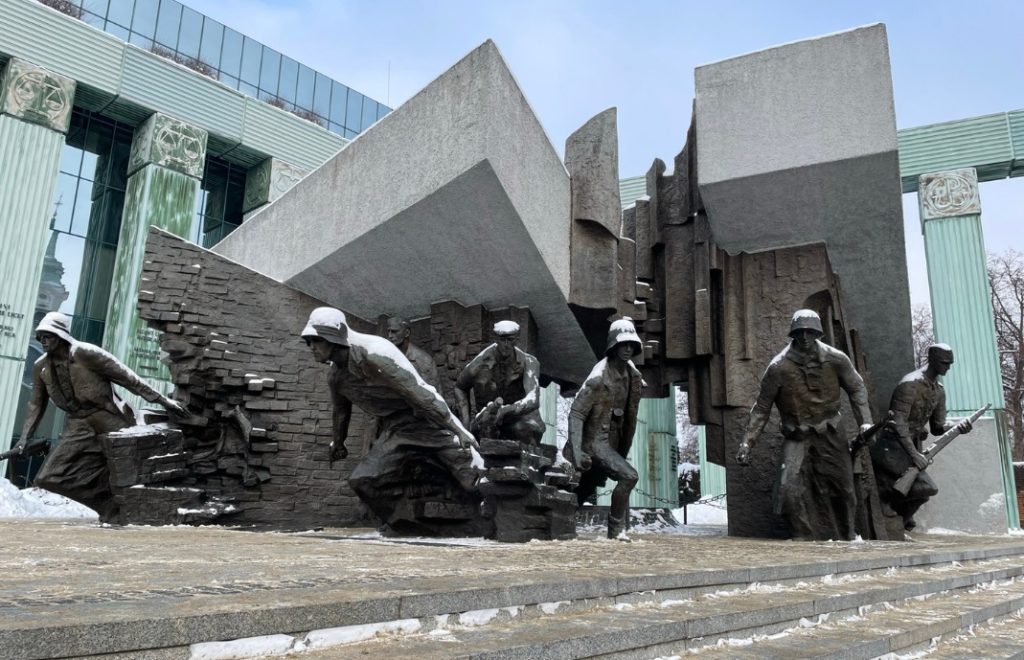
During World War II, nearly 85% of the city was reduced to rubble. The Warsaw Uprising of 1944, a bold yet tragic attempt by the Polish resistance to liberate the city, is immortalized in the powerful Warsaw Rising Museum. Meanwhile, POLIN – Museum of the History of Polish Jews tells the rich yet devastating story of Jewish life before and during the Holocaust.
Post-war, Warsaw became a symbol of Communist rule in Eastern Europe. You can delve into this era through immersive tours like a Communism-themed city tour, or by visiting the Life Under Communism Museum, which showcases everyday life behind the Iron Curtain.
All around the city, monuments and memorials serve as open-air history lessons – reminders of triumph, suffering, and survival.
For those who love history, Warsaw is more than a destination – it’s a living, breathing timeline.
10. Fewer tourists than other major European cities
Some cities still fly under the radar, and Warsaw is one of the most underrated gems in Europe. The perception that Poland’s capital is grey and dull couldn’t be further from the truth.
In reality, Warsaw is vibrant, dynamic, and constantly evolving – a cosmopolitan city where old meets new in the most compelling ways.
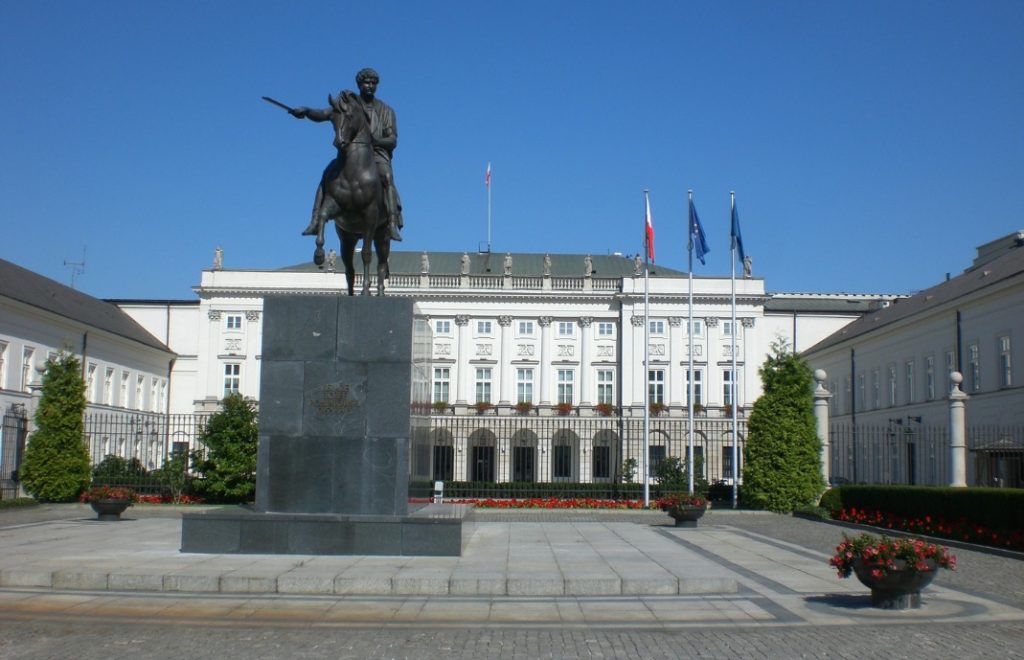
And here’s the bonus: unlike Rome, Paris, or Amsterdam, you won’t have to navigate through throngs of tourists at every turn. Whether you’re admiring the colorful facades of the Old Town, savoring pierogi in a local eatery, or exploring thought-provoking museums, you’ll often feel like you have the place to yourself.
But don’t expect this secret to last forever – Warsaw is quickly rising on the list of Europe’s must-see destinations. So go now, before the world catches on!
11. A sweet taste of Warsaw
Poland has a dangerously delightful tradition of chocolate – and nowhere does it shine more deliciously than in Warsaw.
Here, your taste buds are in for a thrill. Picture elegant cakes oozing with rich ganache, confections drenched in dark, milk, or white chocolate, and cups of velvety, real cocoa that warm you from the inside out.
At the heart of this chocolate haven is the legendary E. Wedel Chocolate Lounge – a true pilgrimage site for chocoholics. This is where Warsaw spoils you with handcrafted pralines, molten lava cakes, chocolate-dipped fruit, and hot drinks that taste like liquid velvet.
E. Wedel is Poland’s oldest chocolate brand, founded in 1851 by Karol Wedel, and remains a national treasure to this day.
They say life is like a box of chocolates – you never know what you’re going to get.
Except in Warsaw, where you’re guaranteed something irresistibly sweet.
12. Every season brings its own magic
Warsaw is a city for all seasons – each one painting the Polish capital with a different palette and mood.
In spring, the city’s many parks burst into bloom, and Easter traditions fill the streets with color and culture. The warmer days are perfect for wandering the Royal Route or exploring charming cafés.
Summer brings a vibrant energy to the city. Locals and visitors flock to riverside hangouts along the Vistula, open-air concerts fill the evenings, and cyclists glide along leafy boulevards. Outdoor dining is at its peak – this is Warsaw at its most social.
Autumn transforms the city with golden leaves and crisp air, perfect for museum hopping or a stroll through Łazienki Park. The changing colors make Warsaw feel cozy and contemplative.
Winter, though chilly, lights up Warsaw with festive spirit. The city glows with twinkling decorations, and the Old Town becomes pure magic. The annual Christmas Market adds warmth and wonder, offering mulled wine, handmade crafts, and that unmistakable holiday feeling.
No matter when you visit, Warsaw will meet you with its own kind of charm.
A warm thank you to the Polish National Tourist Office for inviting me to Warsaw. My flights, accommodation, transport, activities, and meals were covered as part of the trip. There were no requirements from the sponsors regarding posts or promotion on social media. As always, all opinions and photos are entirely my own.
Poland is an undiscover gem, tucked away in Europe. This vast country has so much to offer!
Click here for more inspiration – hopefully Poland will be your next choice
