
South Africa’s wild landscapes are legendary, home to some of the most majestic creatures on the planet. From the thunderous roar of a lion echoing across the savannah to the silent grace of a giraffe at sunset, this is a land where nature reigns supreme – and where animals deserve to be seen in their natural element, not as props for human entertainment.
But behind the curtain of “wildlife encounters” lurks a darker truth. In far too many places, animals are still exploited under the guise of tourism. Elephants saddled for joyrides, lion cubs passed from hand to hand for selfies, cheetahs tethered for walks, monkeys dressed up for photographs – all for a fleeting moment of amusement or a picture destined for Instagram.
To create those picture-perfect moments, these animals have often endured horrific abuse. Beaten into submission, starved into obedience, emotionally broken – their suffering is real, ongoing, and heartbreaking.
Standing boldly against this exploitation is Lara Mostert, a passionate conservationist and fearless voice for animal welfare. Lara has dedicated her life to educating travelers, dismantling harmful tourism practices, and protecting animals from cruelty disguised as entertainment.
Through her tireless advocacy, Lara is helping to reshape the way we interact with wildlife – championing the idea that true encounters should be ethical, respectful, and rooted in conservation. Her work is not just about saving animals. It’s about awakening us all to a better, kinder way of exploring the natural world.
In a time when travel choices carry more weight than ever, Lara Mostert reminds us that the most powerful souvenir we can take home is awareness – and the commitment to never support cruelty in the name of curiosity.
Because real wildlife experiences don’t happen on a leash or behind a lens. They happen when we choose to witness nature, not manipulate it.
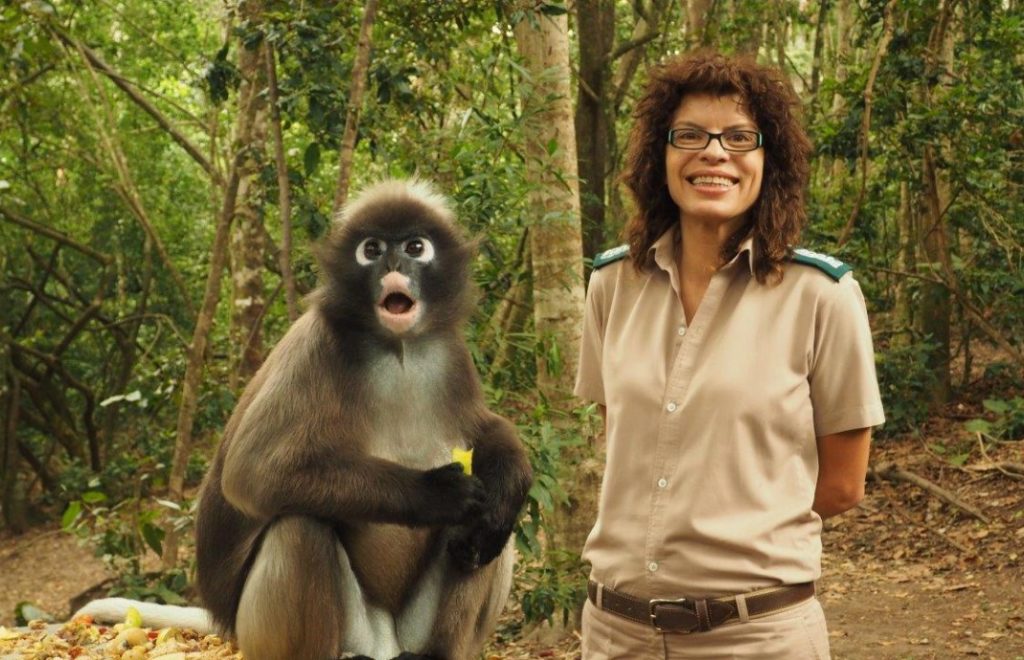
Standing up for the voiceless
Thankfully, not all wildlife stories are steeped in exploitation. There are people – brave, relentless, and fiercely principled – who choose to be the voice for those who cannot speak. They challenge powerful industries, shake up unethical norms, and most importantly, create unforgettable wildlife experiences that place animal welfare at the heart of everything.
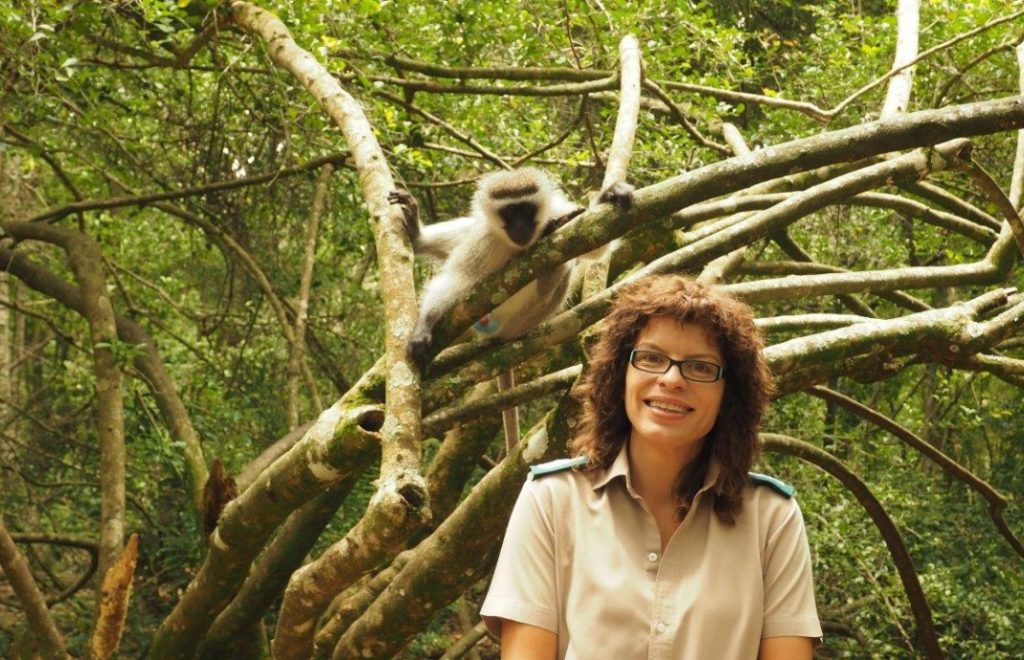
Lara Mostert is one of those rare, unwavering souls. A force to be reckoned with, Lara has been on the front lines of animal advocacy since 1996. Bold, outspoken, and unwavering in her convictions, she is not afraid to ruffle feathers – especially when it comes to protecting animals.
– I’ve been sued so many times my lawyer is about to quit, she says with a laugh.
But Lara isn’t fazed. She’s no stranger to lawsuits or threats. Many from owners of exploitative wildlife attractions who profit from cruelty. Her response? Close them down. One by one. Because for Lara, the animals always come first.
Today, she oversees three extraordinary sanctuaries in Plettenberg Bay, South Africa, each a haven for animals and an example of how tourism can be done ethically, responsibly, and beautifully:
- Monkeyland – a free-roaming primate sanctuary where monkeys from around the world live in peace, safe from cages and exploitation.
- Birds of Eden – the world’s largest free-flight aviary, where hundreds of bird species soar under a vast canopy of trees and sky.
- Jukani Wildlife Sanctuary – home to rescued big cats and other wildlife, offering a safe, spacious, and compassionate environment for animals once used in captivity.
Through these sanctuaries, Lara and her team are redefining what it means to connect with wildlife – offering awe-inspiring, meaningful experiences that leave animals undisturbed and visitors transformed.
In a world where profit often outweighs principle, Lara Mostert stands tall as a fierce protector of the wild. Her work is not just admirable – it’s essential.
So the next time you’re planning a wildlife encounter, ask yourself:
Is it magical for me – or meaningful for them?
Lara proves it can be both – if you do it right.
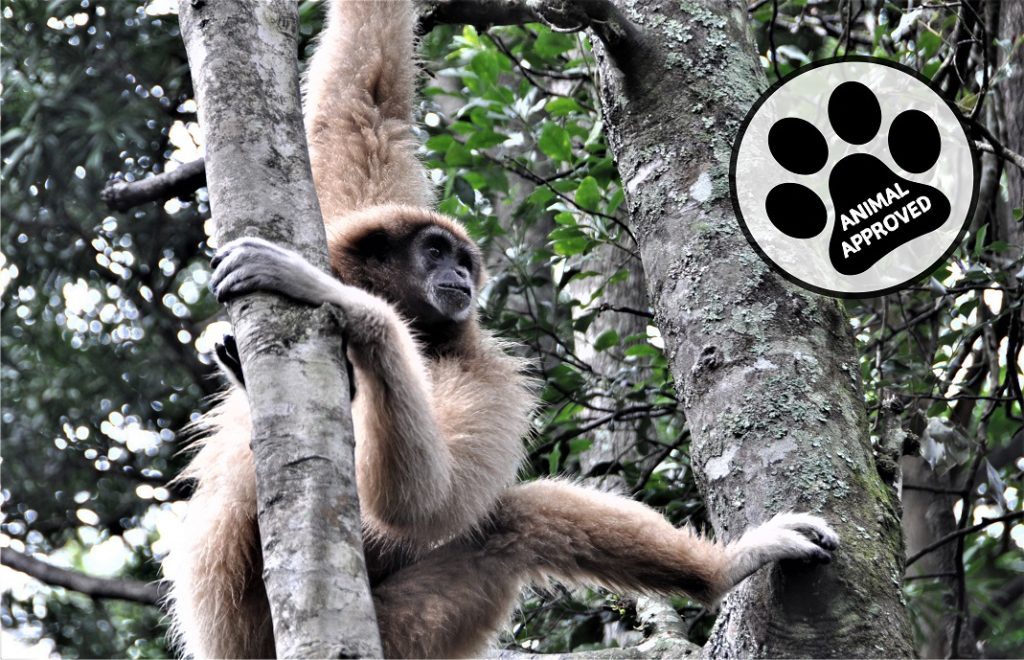
Why do you do what you do?
– The answer is simple. I love animals – more than I love people, actually, says Lara.
She has always dreamed of changing the lives of animals kept in captivity. Of giving them a better, freer existence. While not all of them can be released back into national parks, the animals now roam freely in the sanctuaries she helps manage. Gone are the days of cramped cages, being tied up outside restaurants, or paraded around in costumes.
– I’m also deeply passionate about changing the way humans treat animals. Wild animals should never be kept as pets – and I’m determined to put an end to that.
Lara goes on to say she believes wild animals should have land ownership – just like humans do. The land is part of a non-profit organization run by people whose sole focus is the wellbeing of the animals.
Together with her partners, Lara has launched the Square Meter Project. Here, you can buy a square meter (or more) of forest, directly contributing to a future where monkeys own the very jungle they play and thrive in.
Buy a square meter of forest – for the monkeys’ sake.
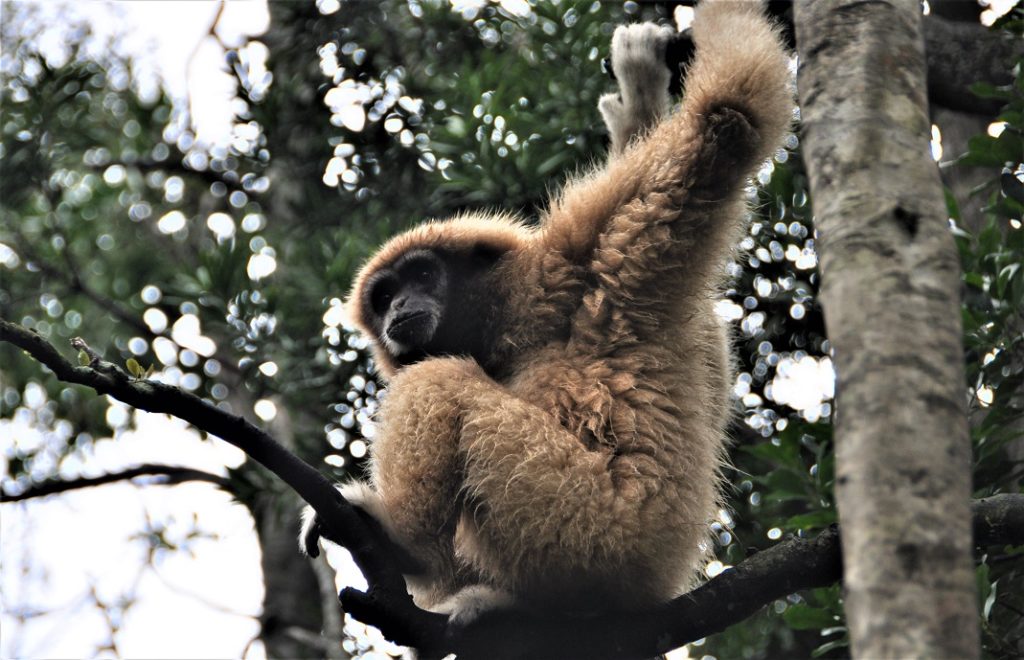
How did you get involved in all of this?
Lara laughs and says, “That’s a looong story.”
It all began back in 1967, when Tony Blignaut – then the CEO of the South African Animal Sanctuary Alliance (SAASA) – was working for a safari company operating between Johannesburg and Nairobi.
During those years, he witnessed a steady decline in the number of wild animals they encountered on their routes – a direct consequence of the bushmeat trade. By 1976, you could drive from Nairobi all the way to the South African border without spotting a single monkey. Tony knew something had to be done – and he decided to make primates his mission.
In 1996, Tony teamed up with Lara, and together they journeyed to Plettenberg Bay to purchase a stretch of forestland – land that would soon become the home of Monkeyland. The duo went on to establish the world’s first primate sanctuary where the animals roam free in a natural setting.
On April 6th, 1998, they welcomed their very first visitors.
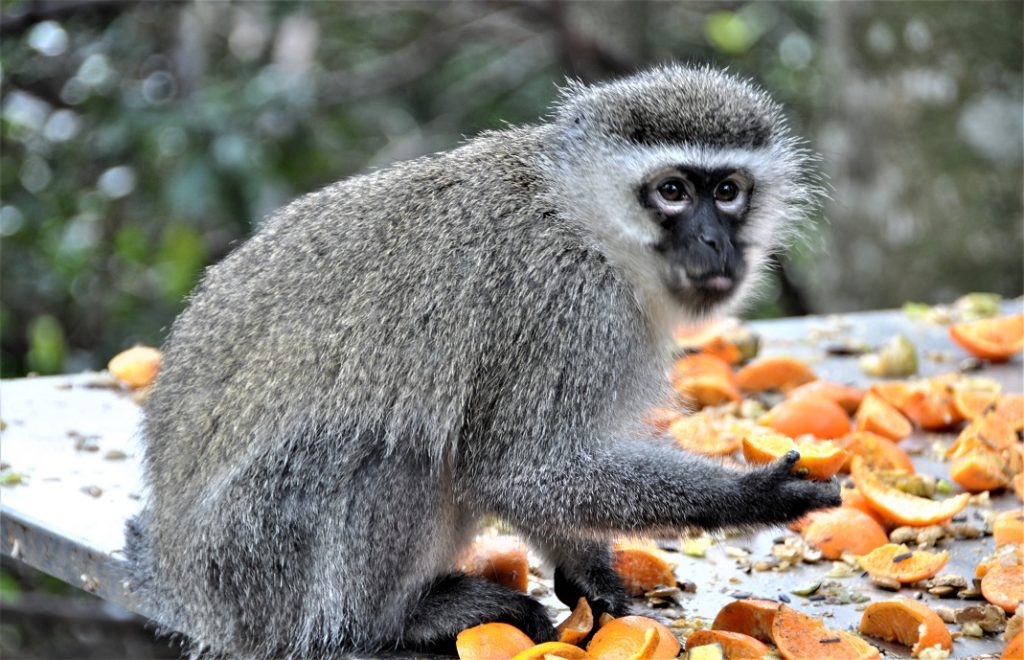
Monkeyland – Where monkeys live in peace
This is no ordinary sanctuary.
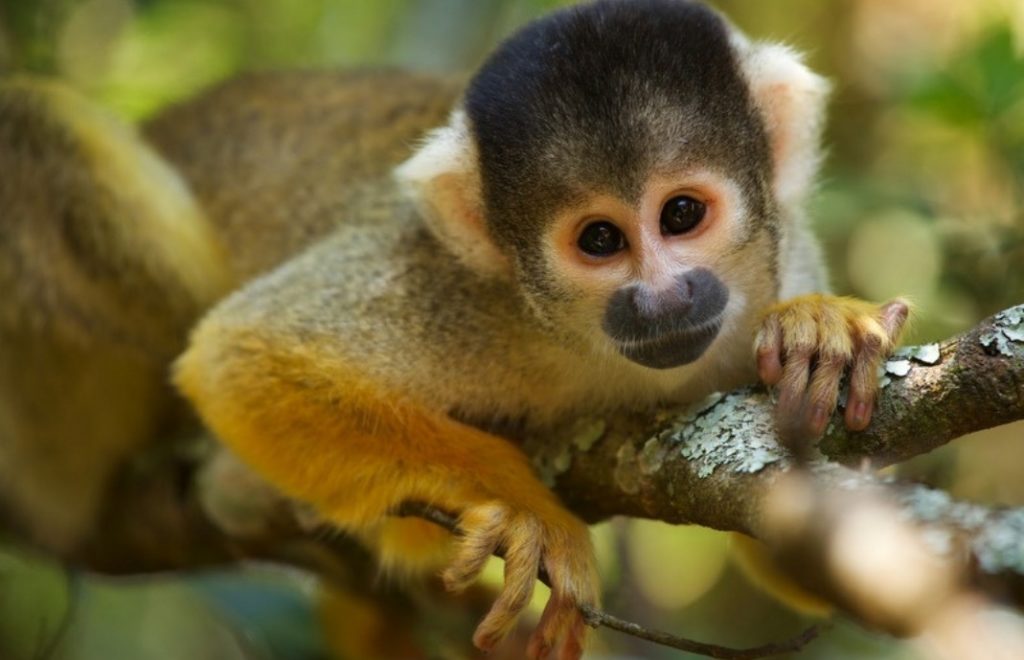
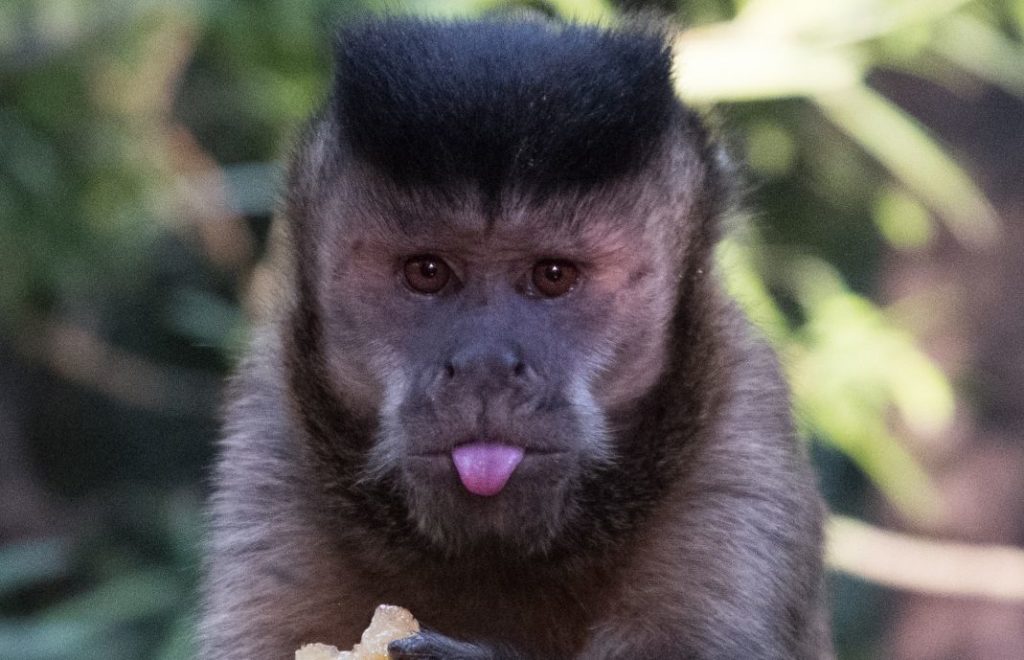
Monkeyland is a haven where previously abused or captive primates are given a second chance at life. Here, rescued monkeys – once kept in laboratories, zoos, or even as household pets – are rehabilitated and released into the forest.
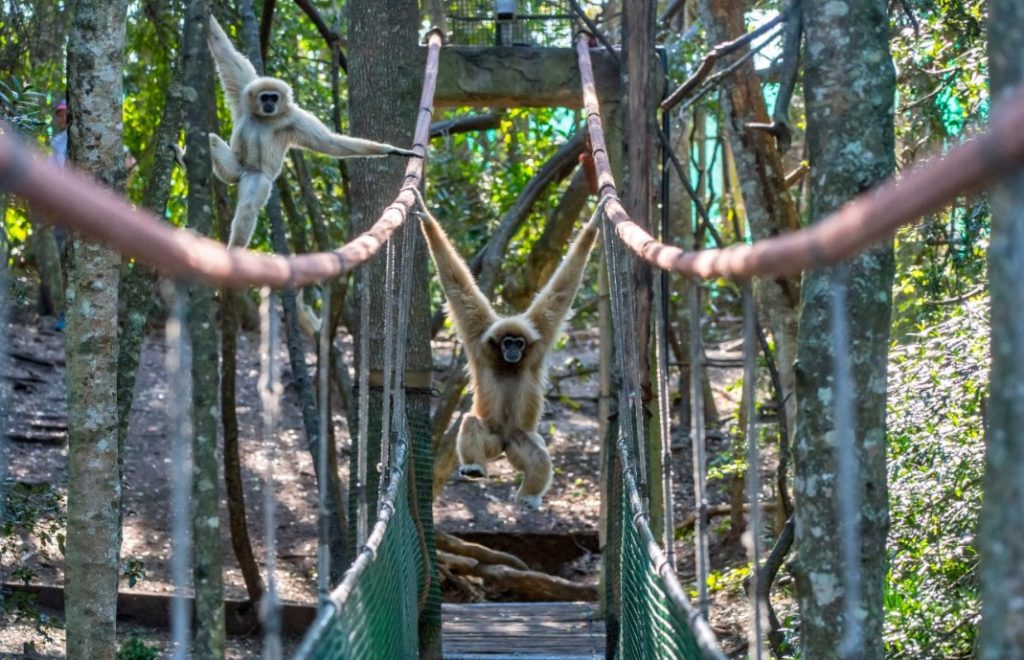
Visitors witness these incredible animals leaping through the treetops and living freely, just as nature intended.
It didn’t take long for Monkeyland (along with its neighbor, Birds of Eden) to become one of the most beloved attractions in South Africa’s Western Cape province.
Drawing hundreds of thousands of visitors, these sanctuaries don’t just inspire awe – they educate the public about the importance of wildlife and environmental conservation.
Is there one animal that’s captured your heart?
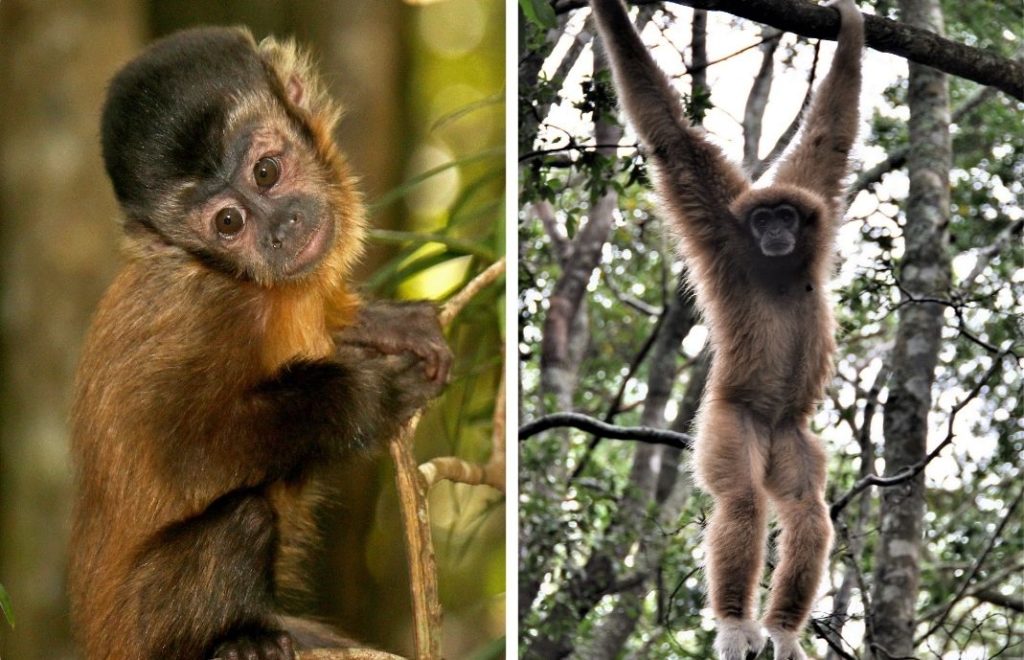
– There are so many, but I’ll never forget Charmaine, a capuchin monkey hand-raised back in 2000.
Charmaine was released into Monkeyland when she was just eight months old. She hadn’t been overly humanized and adapted to life in the wild beautifully. In fact, she became a dominant female and went on to raise all her babies on her own.
– Charmaine defies every claim that monkeys – or any wild animal, really – raised by humans or orphaned at a young age can’t ever be released back into the wild.
Lara is firm in her belief that every animal deserves a chance to be free. Maybe not in a national park, but at the very least in a protected environment – where they can live among their own kind, safe from human interference.
What’s the impact of your work?
Lara is a passionate woman who believes deeply in what she does – and wants to inspire others to do the same. Her efforts, along with those of her team at the sanctuary, make an extraordinary difference for animals in distress.
– We improve the lives of captive animals in so many ways and actively fight for animal rights. At our sanctuaries, we strictly enforce a “Hands off the wildlife” policy. From the beginning, we’ve also worked tirelessly to change regulations so that tourist boards and operators avoid promoting any activities involving close contact with wild animals.
Fortunately, most of the tourism industry is now taking a stand and moving away from such exploitative experiences. Sadly, these encounters are still legal in South Africa. But the reality is: as long as they’re not promoted, tourists won’t expect to see “attractions” that involve handling or touching wild animals. That includes things like elephant rides, walking with cheetahs or lions, or taking selfies with monkeys.
– We’re also seeing a major shift in visitor awareness. Far more guests are engaged and informed about animal welfare now compared to ten years ago. Only those who lack knowledge – or empathy – can still claim ignorance. You simply cannot train a wild animal to perform party tricks without resorting to cruel methods. In many cases, the animals are deliberately starved until they submit.
Animals are NOT entertainment!
Wild animals are most certainly not on this planet to serve as amusement for humans. Monkeys were never meant to ride bicycles in tiny uniforms. Lions shouldn’t be forced to leap through flaming hoops, and elephants were not born to balance on platforms while juggling pins.
True wonder lies in watching them in their natural element – on the savannah, going about their daily lives: climbing trees, napping beneath a bush, or joyfully rolling in the mud.
And no, wild animals are not pets. They’re not meant to be house-trained or snuggled in bed.
– Our work is deeply fulfilling. There’s nothing more meaningful than bringing happiness back into the lives of animals, says Lara.
What’s the result of your work?
The fight for animal welfare has earned Lara and her team international recognition – including prestigious honors like the World Responsible Tourism Awards in the UK, and the Best Animal Welfare Initiative in 2022.
– The awards are meaningful, but what matters most is that we’re able to offer a safe, permanent home to thousands of wild animals. We share knowledge about responsible tourism and promote ethical wildlife encounters. Visitors leave here understanding that close contact with wild animals is unethical – plain and simple.
Lara emphasizes that education is a powerful tool in the fight for animal welfare. Changing minds begins with sharing knowledge. She’s proud that she and her team have helped reshape the way so many people perceive wildlife experiences – challenging outdated norms and redefining what it truly means to respect and protect animals.
What’s the biggest change you’ve seen in your visitors?
From day one, Lara has enforced a strict “Hands off” policy across all three sanctuaries. Even when South Africa’s tourism scene was booming with elephant rides, ostrich-back tours, and lion cub cuddling, her reserves stood firm: No touching the animals. Ever.
In recent years, things have thankfully started to shift. More and more people are prioritizing animal welfare. It’s no longer considered “cool” to pose with a monkey or cuddle a cheetah – especially when it’s painfully obvious the animal has been drugged for the occasion.
Lara shares that they now welcome guests who once sought out these exploitative experiences but have since had a complete change of heart.
Ten years ago, they’d receive calls from tourists asking if they could cuddle a lion cub. When told no, they’d simply hang up.
Now, it’s the opposite.
Visitors are actively seeking out experiences that don’t involve hands-on contact. They want ethical, respectful encounters – and they come to Monkeyland because they know that’s exactly what they’ll find.
What are the greatest challenges facing Africa’s wildlife?
– Ignorance, apathy, lack of education, habitat loss, and poaching, Lara says.
– In South Africa, 52% of the population is unemployed, and that desperation fuels poaching and a host of other threats.
Poaching alone could wipe out some of the world’s most iconic species – like elephants and rhinos – if we don’t take action now. The illegal wildlife trade is a multibillion-dollar industry, and animals are vanishing at an alarming rate across the globe.
Once a species disappears, it never comes back.
And that, Lara warns, is a reality we can no longer afford to ignore.
What can we do?
Each of us has the power to shape the future of wildlife tourism – simply by choosing what we support and what we walk away from.
Take a stand against any activity or attraction involving close contact with wild animals, whether they’re endangered or not. All animals are equally valuable and deserve to live free from exploitation.
Say no to souvenirs, ornaments, or so-called “medicines” made from animal parts. These items fuel an illegal, multi-billion-dollar trade run by organized crime. If there are no buyers, there will be no market.
– Wild animals are not pets, and that includes birds. They may not look wild to some, but they are. And they belong in the skies, not in cages, says Lara.
Take a stand. Make conscious choices.
And if you’re on social media, follow and support the advocates who are out there fighting for wildlife every single day. Your voice and awareness matter.
#leadbyexamplenotshame
#HandsOffOurWildlife
#SayNoToWildlifeInteraction
#emptythecages
#birdsshouldflyfree
8 excellent reasons to visit Monkeyland
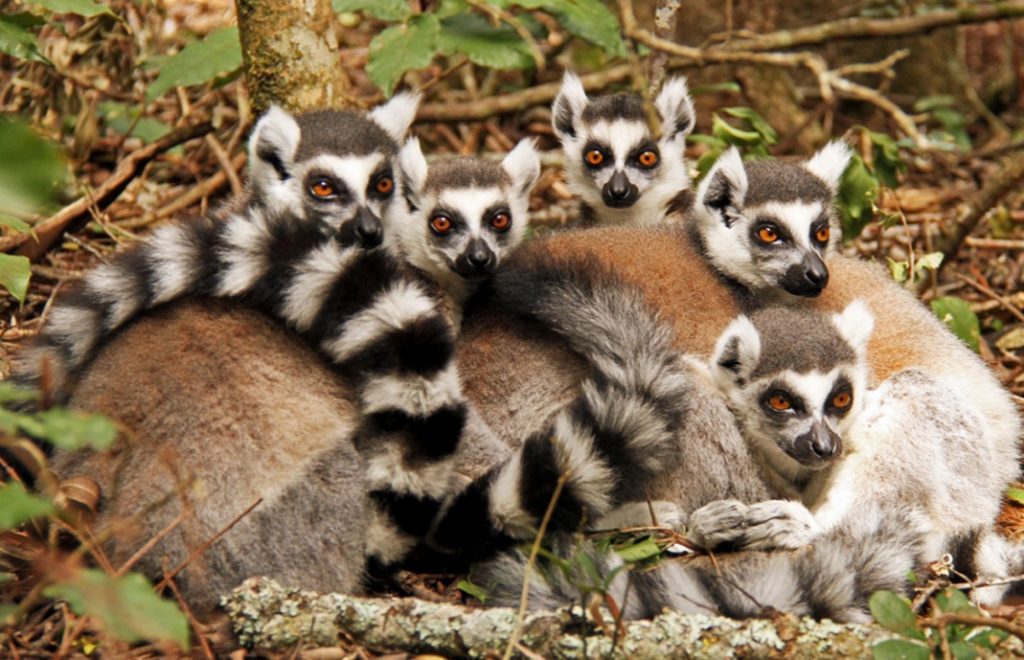
- See a vibrant variety of primates roaming freely in the forest – rescued from captivity, now living as nature intended.
- Enjoy an unforgettable nature walk through lush, indigenous forest teeming with life and wonder.
- Perfect for all ages, the guided tours are led by passionate, knowledgeable guides who make the experience both fun and educational.
- Your money supports a powerful cause – wildlife conservation. It’s far better to support organizations that protect animals than those that exploit them. Please: never support attractions that allow close contact or force animals to perform.
- Wild animals are #NotEntertainers. Monkeyland stands as a shining example of ethical, responsible tourism.
- Your visit directly helps the monkeys – not only those already living at the sanctuary, but also others waiting to be rescued.
- Open year-round, Monkeyland is a family-friendly destination that welcomes visitors in every season.
- On-site amenities include a restaurant, restrooms, a gift shop, and even a playground for kids to run wild – just like the monkeys they came to see.
More inspiration: Where the monkeys are in charge
Birds of Eden – Where birds are free
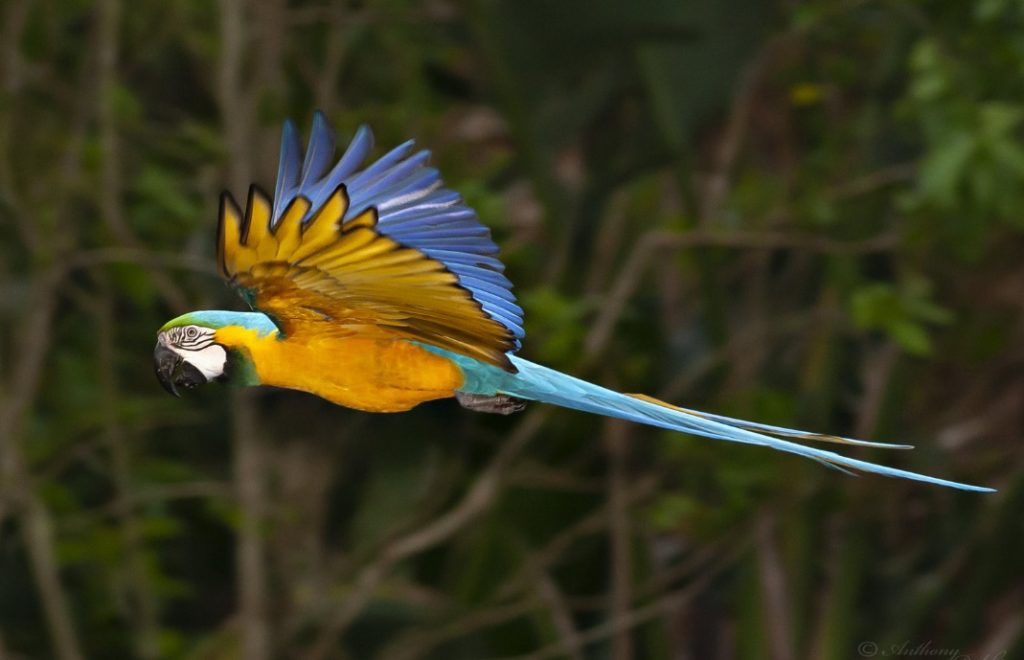
Just next door to Monkeyland lies Birds of Eden – a true paradise for birds and a sanctuary like no other. This award-winning haven is home to around 3,500 birds, representing 220 different species.
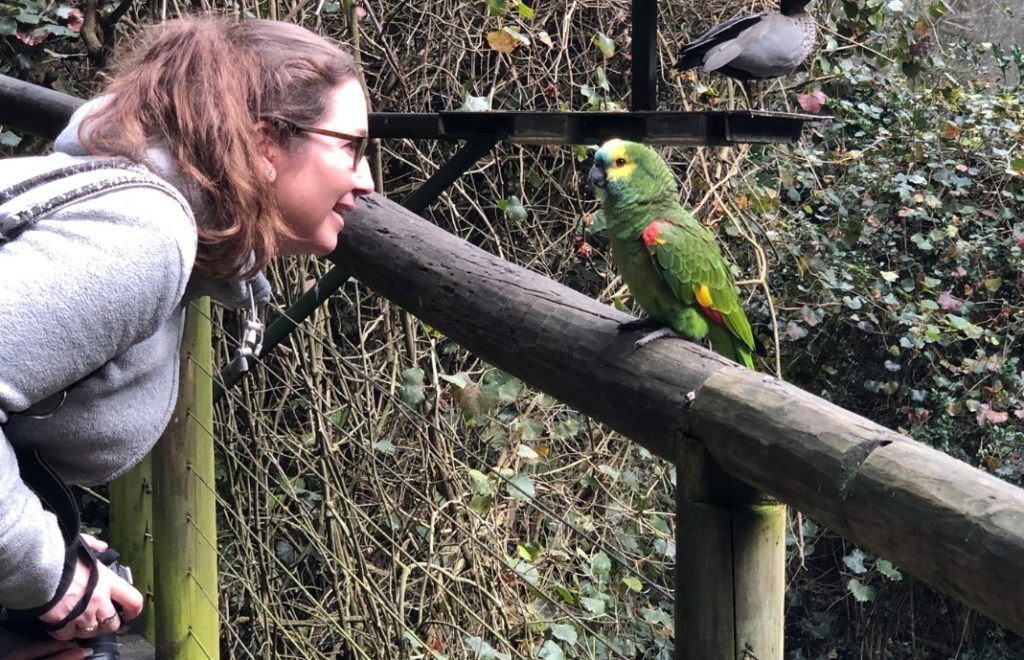
Here, the birds have quite literally spread their wings and reclaimed their freedom. Every single resident once lived in captivity or endured terrible conditions. Many were hand-fed and confined to cages, which is why they tend to be unusually tame. Some may come very close – but remember, touching or feeding the birds is strictly prohibited during your visit.
Each bird is carefully rehabilitated before being released into the sanctuary, which holds the title of the largest free-flight aviary in the world. It spans a staggering 21,761 square meters, with a dome volume of 375,372 cubic meters. The structure is supported by 28 towering masts ranging in height from 2 to 34 meters.
What makes this place even more special is its heart. The entire construction was carried out by locals from the neighboring village – many of whom were unskilled workers trained specifically for the project. It was a monumental undertaking that took four and a half years to complete.
Your visit to Birds of Eden
Step into a lush, living sanctuary where nature takes center stage. Birds of Eden offers a rich mosaic of forested landscapes, with a gentle river winding through the reserve and tranquil pools where ducks happily paddle. About 70% of the sanctuary is covered in native vegetation, creating a thriving habitat for its winged residents. The river itself has no external source, helping to keep the water pristine and free from pollution.
Visitors explore the aviary via wooden walkways that guide you along a 1.2-kilometer route through this bird paradise. Much of the trail is elevated, offering breathtaking vantage points across the treetops.
Along the way, you’ll encounter a kaleidoscope of avian life – from parrots, swans, flamingos, ducks, starlings, pheasants, toucans, and hornbills, to one of Africa’s most dazzling gems: the turaco.
And it’s not just about the birds – keep an eye out for fruit bats, playful little monkeys, and even South Africa’s tiniest antelope, the elusive Blue Duiker.
Birds of Eden is more than a sanctuary. It’s an immersive celebration of nature, conservation, and the quiet joy of letting animals simply be wild.
More inspiration: A sanctuary in the sky
Jukani Wildlife Center – Where big cats roam
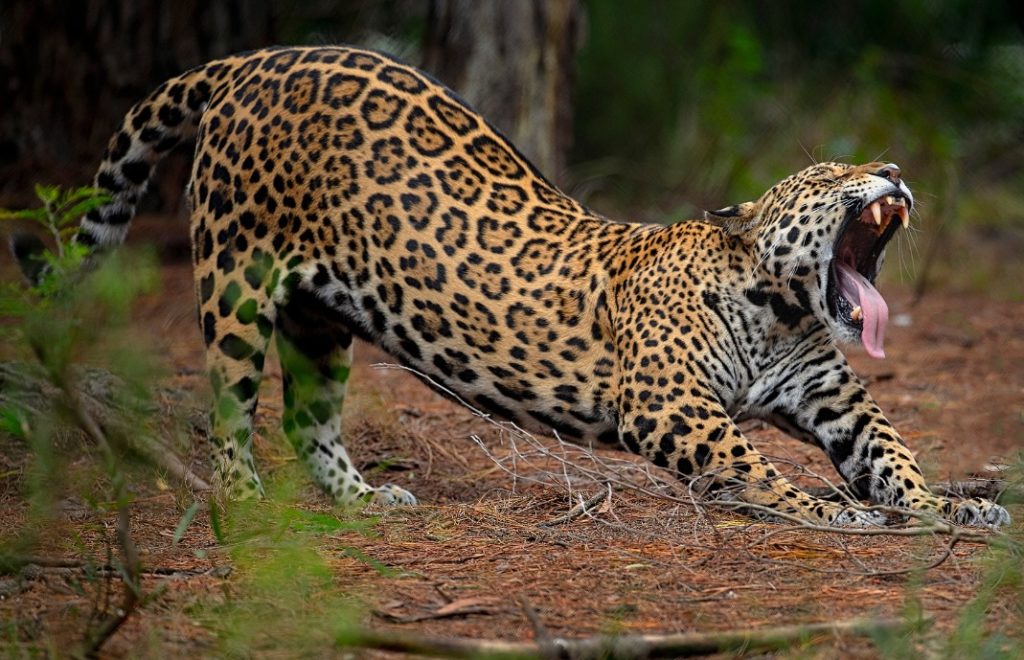
Jukani Wildlife Center is a sanctuary where big cats rescued from cruelty and neglect finally find peace -and a forever home.
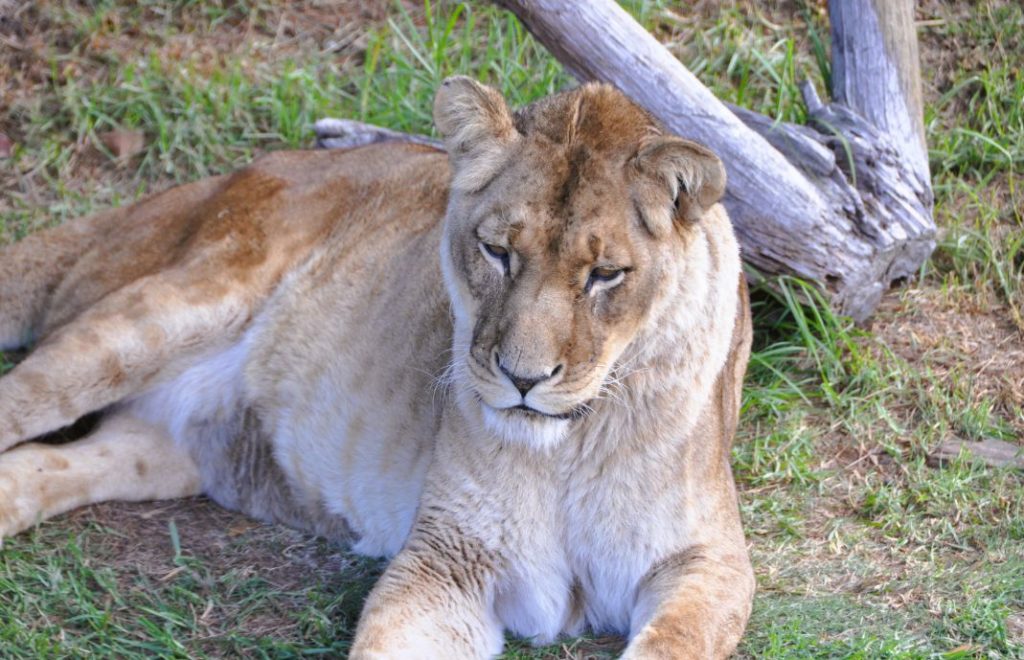
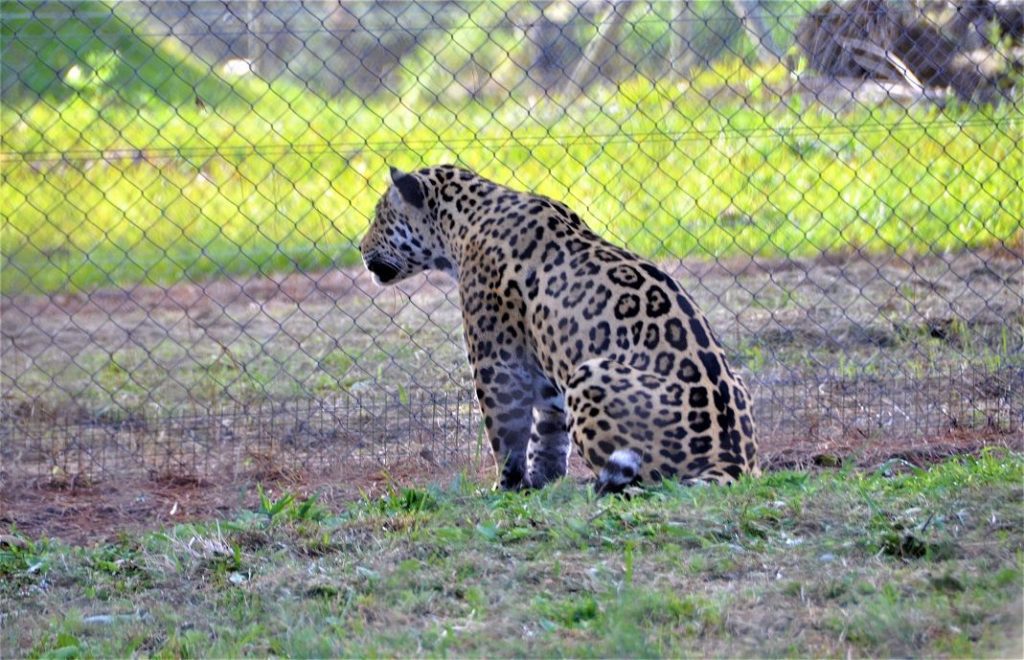
Here, visitors can marvel at majestic predators like lions, tigers, leopards, pumas, and jaguars, all of whom have been rescued or relocated from facilities that could no longer care for them. Today, these extraordinary animals roam spacious, natural enclosures tailored to their individual needs – far from the stress and exploitation they once endured.
At Jukani, the animals are treated with the dignity they deserve. There’s no petting, no feeding, and no performing. Just the chance to observe them from a respectful distance, as they relax, explore, and yes – pose for photos. Many of them seem to genuinely enjoy the attention.
An informative 80-minute guided tour brings you face-to-face (from a safe distance) with each resident’s story – some heartbreaking, all deeply moving.
Your visit is more than a wildlife encounter. It’s a powerful reminder of what these animals have endured, and how crucial it is for humans to act responsibly. The tour challenges you to rethink your relationship with wild animals and shows how your choices can help ensure a better future for big cats everywhere.
Please note: Jukani is a strictly hands-off sanctuary. There is no breeding, and all the animals are sterilized. That means you won’t see cubs or babies – but you will see dignity, peace, and the quiet strength of survival.
More inspiration: Where Big Cats are safe
“People are not going to care about animal conservation unless they think that animals are worthwhile.”
David Attenborough
Main photo: Monkeyland
