
One of the most crucial questions when planning a safari is: When should you go?
Africa’s vastness means its seasons – and the wildlife movements that follow them – vary dramatically from one country to another. While Kenya basks in sunshine, Namibia might be bone-dry, and South Africa could be in the throes of winter. The Great Migration, for instance, shifts with the rains: from July to October, massive herds of wildebeest and zebra thunder across Kenya’s plains, only to drift south into Tanzania from October to January.
Your choice of destination – and the experience you’ll have – hinges largely on timing. Weather dictates where the animals are, how easy it is to navigate parks, and even what you’ll pay for accommodation. So let your safari dreams align with the season that suits you best.
Here’s a broad guide to the climate and safari highlights in Africa’s most popular destinations. Whichever country you choose, one thing is certain: your journey will be filled with unforgettable moments.

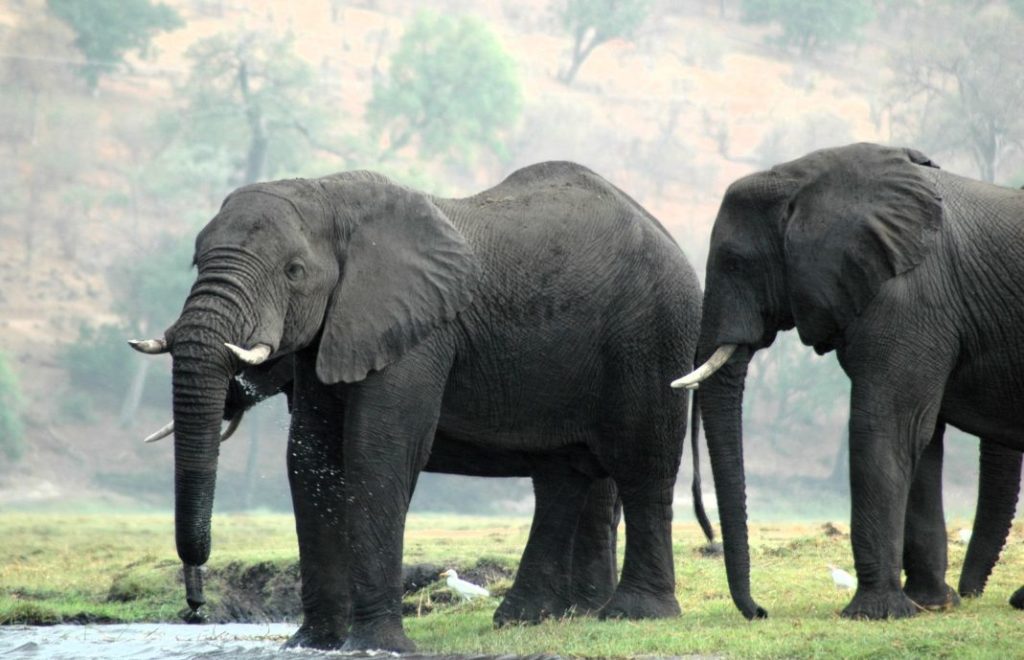
Botswana: A year-round safari jewel
If you’re looking for a destination where every season shines, Botswana is your perfect match. With consistently pleasant weather, it’s a safari haven that never truly closes its doors.
The climate mirrors that of neighboring Namibia but with a touch more moisture. Rainfall is rare, and when it does arrive, it’s generally between December and March, in the form of short, dramatic showers that freshen the landscape without overstaying their welcome.
For many, the sweet spot is the dry season from June to August, when skies are clear, days are comfortably warm, and wildlife congregates around shrinking waterholes – turning every game drive into a spectacular show. This is also Botswana’s high season, so expect its legendary wilderness – like the Okavango Delta and Chobe National Park – to be at its most accessible and rewarding.
Here you’ll find more inspiration for Botstwana
Kenya: The classic safari destination
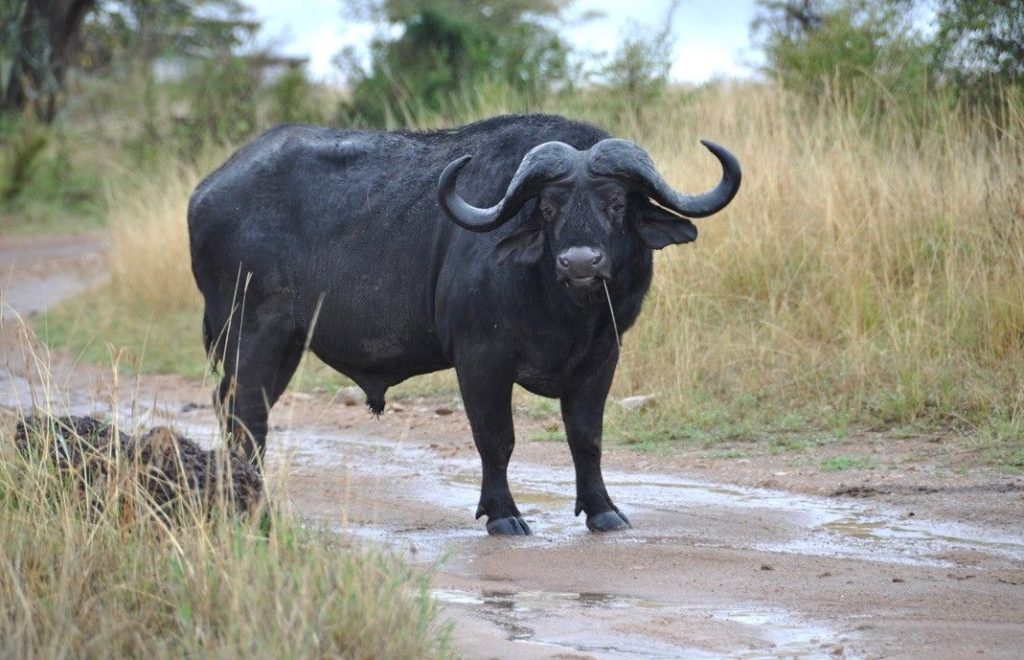
Kenya is a safari icon – and the good news is, you can visit year-round. However, its rhythm is set by two distinct rainy seasons:
- Long rains: Mid-March to May
- Short rains: November to December
During these periods, some roads – especially smaller tracks – can become muddy and challenging, but the main routes through major parks generally remain passable.
Traveling in the rainy season has its rewards: fewer tourists, lower lodge rates, and a landscape transformed into a lush green paradise. It’s also prime time for birdwatching, as migratory species flock in abundance.
One thing many travelers underestimate? The chill. Kenya’s famed Masai Mara sits at 2,000 meters above sea level, so pack layers for crisp mornings and cool nights, especially during winter and the shoulder seasons.
Here you’ll find more inspiration for Kenya
Malawi: The warm heart of Africa
Small, serene, and stunningly beautiful, Malawi is a year-round treasure – but like much of southern Africa, it has its moods.
- Rainy season: December to March (with the heaviest rainfall in the highlands). Northern regions tend to receive rain later and dry up sooner than the south.
- Shoulder season: April and May bring cooler, comfortable conditions and lush, green landscapes – a great time to visit if you prefer fewer crowds.
- High season: June through August delivers crystal-clear skies, cooler temperatures, and excellent wildlife viewing. This is peak safari time, so plan ahead.
- Warming up: September and October see the mercury rise, while November is unpredictable – expect anything from sunshine to sudden showers, so pack accordingly.
Namibia: Desert beauty all year long
Namibia is a dream for travelers who crave vast horizons and otherworldly landscapes – and the good news is, you can visit year-round. Its climate is largely dry and sunny, but here’s what you need to know:
- December to April: Occasional rains, especially in central and eastern regions. Showers are short-lived, and the dramatic skies make for incredible photography.
- April & May: Two thumbs up – pleasant temperatures, lush scenery after the rains, and fewer crowds.
- September & October: The ultimate safari months. Wildlife gathers at scarce water sources, making game viewing spectacular.
- November: A transition month – unpredictable weather, so pack for both sunshine and the odd shower.
Here you’ll find more inspiration for Namibia
Rwanda: The green heart of Africa
Rwanda – lush, rolling, and impossibly beautiful – sits at the very heart of the continent. Here, altitude, not season, dictates temperature, meaning the climate remains pleasantly tropical all year. However, rainfall is a defining feature of life in this emerald landscape.
- Long rainy season: March to May – best avoided for trekking, as trails can become muddy and challenging.
- Long dry season: June to September – prime time for gorilla trekking and outdoor adventures, with clear skies and easier hiking conditions.
- Short rains: October and November – showers return, but usually not as intense.
- Short dry spell: December to February – a great window for wildlife and trekking, with comfortable temperatures.
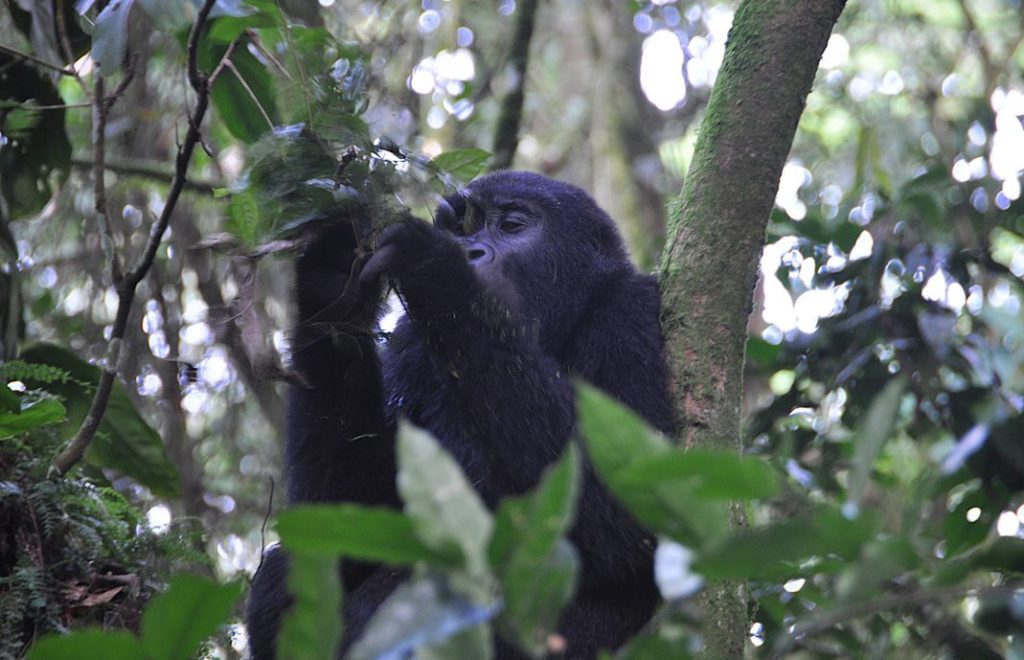
Rwanda’s even climate and rich greenery make it a year-round destination – but for gorilla encounters and national park explorations, June to September stands out as the golden window.
South Africa: A country of contrasts
South Africa is a world in one nation – complete with its own weather rhythm. While much of Southern Africa gets drenched, South Africa often basks in warm, dry sunshine.
- November to March: The sweet spot. Warm, mostly dry, and ideal for safaris in parks like Kruger. Perfect if you want to pair wildlife with beach days along the Indian Ocean coast.
- April to August: Cooler months with a chance of rain, but game drives remain accessible and rewarding. These are also prime months for whale watching along the Cape coast.
- Cape Town: Remember, the Cape has a Mediterranean climate, so summers (November-March) are ideal for beach lovers, while winters (June–August) bring rain and cooler temperatures. Still, the scenery is spectacular year-round.
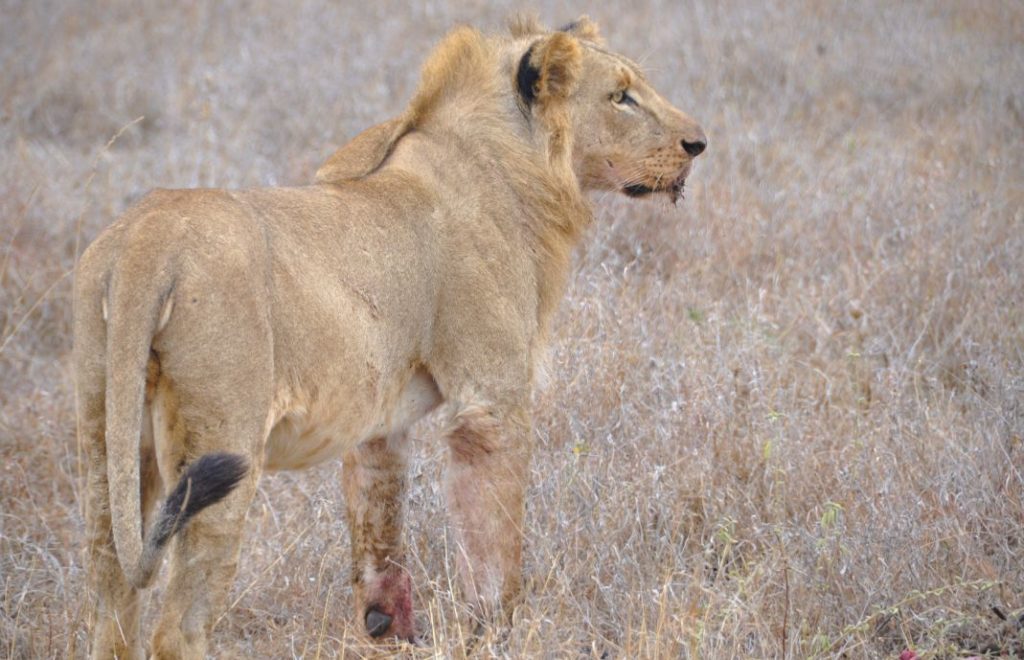
South Africa is a destination that rarely disappoints – whether you’re chasing lions on the Lowveld or sipping Pinotage in the Winelands.
Here you’ll find more inspiration for South Africa

Tanzania: A timeless safari wonderland
Straddling the equator, Tanzania is a land of sweeping savannas, towering peaks, and idyllic coastlines. But its equatorial position also brings a rhythm of rains and sunshine that shapes the safari experience.
- Long rains: March to May – heavy downpours, especially along the coast and islands. Safaris are still possible, but some tracks can be muddy and challenging.
- Dry season (High Season): July to October – the golden months for game drives. Skies are clear, wildlife congregates around waterholes, and the Great Migration thunders across the Serengeti. Rain is extremely rare during this time.
- Short rains: November and December – brief showers refresh the landscape without major disruption to travel.
- January & February: Another excellent window for safari and beach holidays – a perfect escape to Tanzania’s vast wilderness and Zanzibar’s powdery sands.
Tanzania’s varied climate makes it a year-round destination, but for classic safari drama, the dry months of July to October are unbeatable.
Uganda: The Pearl of Africa
Uganda is lush, green, and full of life – a country that truly earns its poetic nickname. But timing matters, especially if gorilla trekking tops your list.
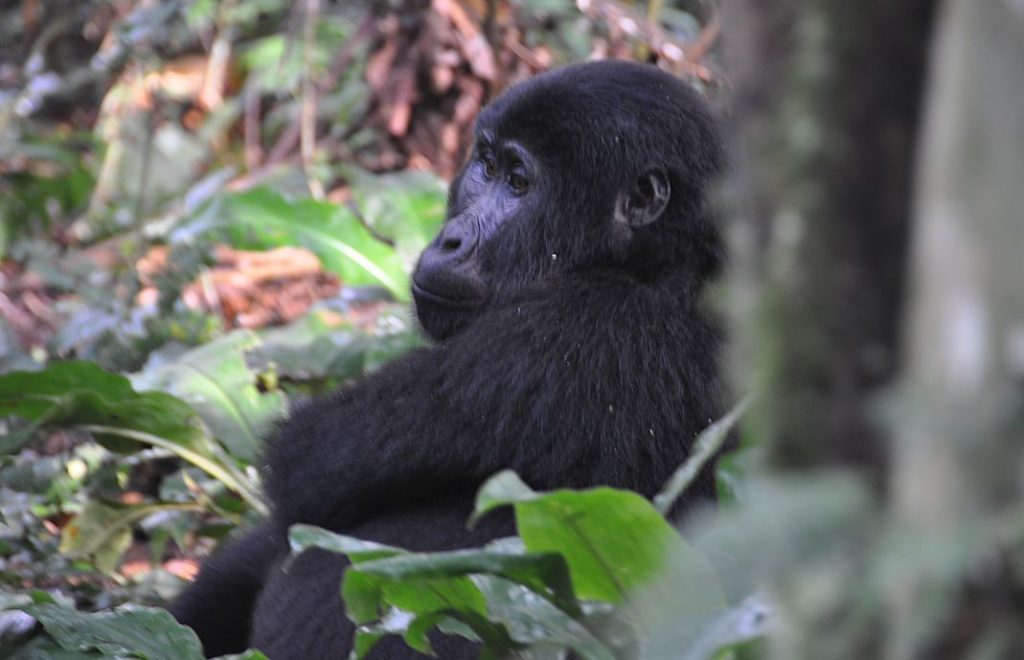
- Best time to visit: The dry seasons – June to August and December to February – offer the most comfortable conditions for trekking through Bwindi’s misty forests and exploring savannas.
- Gorilla Trekking high season: June to September. Permits are limited and in high demand, so book well in advance.
- Long rains: March to May – expect heavy downpours that can make trails slippery and challenging.
- Short rains: October to November – lighter showers, but still muddy in the mountains.
- January & February: Excellent weather for both trekking and safaris across Uganda’s diverse parks.
Uganda rewards every traveler, but for the ultimate gorilla encounter and a smoother adventure, aim for the dry months.
Here you’ll find more inspiration for Uganda
Zambia: Untamed and unforgettable
Zambia, home to legendary walking safaris and thundering waterfalls, is a land where timing truly shapes the experience.
- Rainy season: December to March – heavy rains sweep across the country, especially in the east and highlands. Many lodges close, and roads often become impassable. Plan carefully if considering travel during this period.
- Transition months: April and May bring lush greenery and clear skies, but some smaller lodges remain shut until June.
- High season: June to August – prime safari conditions with dry landscapes and comfortable temperatures.
- Hot and spectacular: September and October are arguably the best months for game viewing. As waterholes shrink, animals cluster in dramatic numbers – making every drive unforgettable.
Zambia rewards those who come prepared – with sweeping vistas, remote wilderness, and some of Africa’s most authentic safari experiences.
Zimbabwe: A land of wonders
Sharing much of its climate pattern with neighboring Zambia, Zimbabwe offers classic safari conditions – with some seasonal twists to keep in mind:
- Rainy season: December to March – lush and green, but heavy showers can make some areas difficult to access.
- Shoulder season: April and May – ideal months with fewer visitors, vibrant landscapes, and comfortable temperatures.
- Peak season: June to August – cool, dry weather and superb game viewing. But remember: early mornings and evenings can be cold, so pack warm layers.
- Hot and intense: September and October bring soaring temperatures, paired with incredible wildlife sightings as animals crowd shrinking waterholes.
- November: A wildcard month – expect anything from sunshine to sudden storms.
Zimbabwe rewards those who time it right – with untamed beauty, spectacular parks like Hwange and Mana Pools, and the legendary Victoria Falls at its most powerful after the rains.
More inspiration to visit Africa:
12 wild facts about the Big Five
Top places to see lions in Africa
Top 9 Self-Drive Safari destinations in Southern Africa
Hvor ser du hvilke dyr?
Turen går til Afrika
Den store vandringen
5 incredible places to see elephants in Southern Africa
The 10 best places to see hippos in Africa
What kind of safari-goer are you?
7 other compelling reasons to travel to Africa
