
Cheyenne is a place where the American West feels grounded and authentic rather than symbolic. As Wyoming’s capital and one of its oldest cities, it carries a strong sense of identity shaped by railroads, ranching, and frontier ambition. It’s an identity that still influences daily life today.
There is a quiet confidence to Cheyenne. Western traditions are not preserved behind glass or performed for visitors; they are part of the city’s rhythm, visible in its architecture, events, and unhurried pace. For travelers curious about the cultural roots of the American West, Cheyenne offers an experience that feels honest, historical, and deeply connected to the land it grew from.
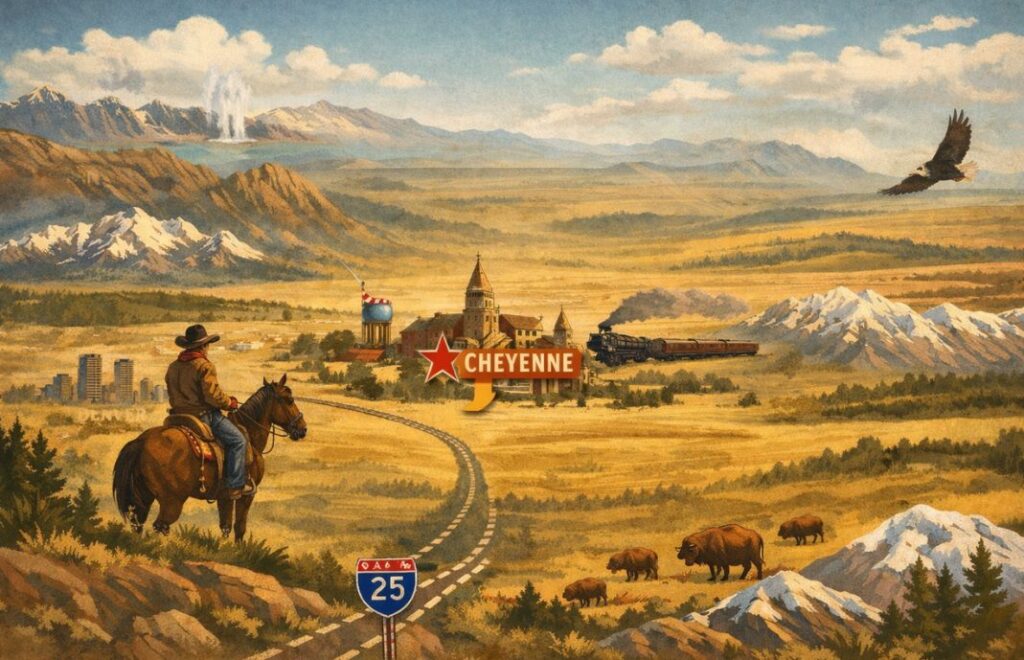
The capital of Wyoming
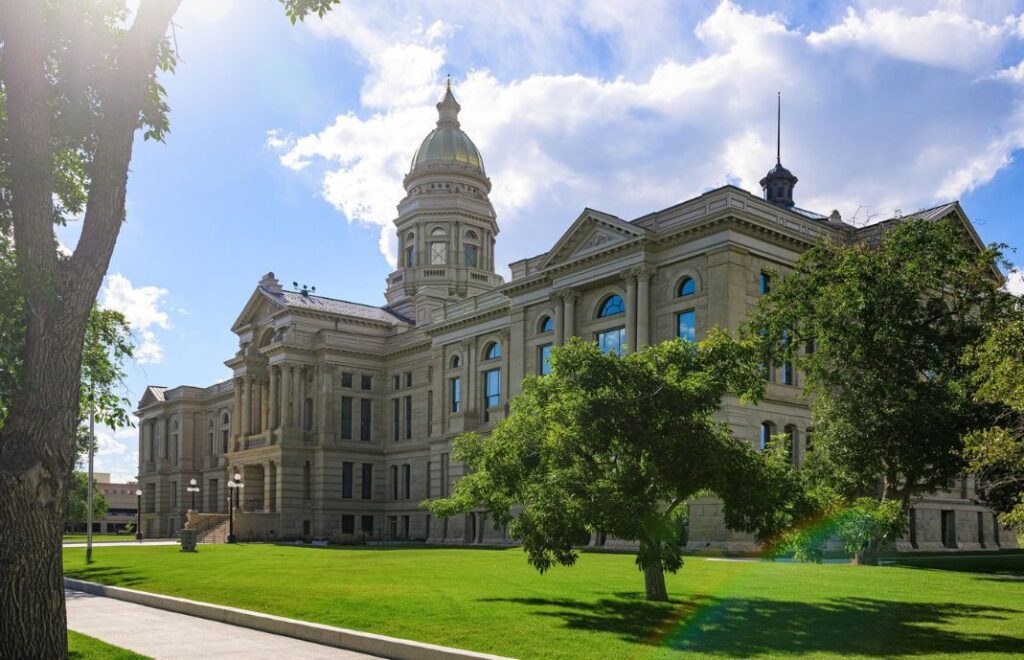
As the capital of Wyoming, Cheyenne occupies a unique position within the state. It is both a center of government and a city deeply rooted in frontier history, balancing civic importance with a strong sense of place. This dual identity gives Cheyenne a character that feels purposeful without being formal.
Government buildings and historic landmarks sit comfortably alongside everyday businesses and residential streets, reinforcing the city’s practical, grounded nature. Rather than feeling political or bureaucratic, Cheyenne’s role as capital adds stability and continuity, anchoring the city in Wyoming’s past while shaping its present and future.
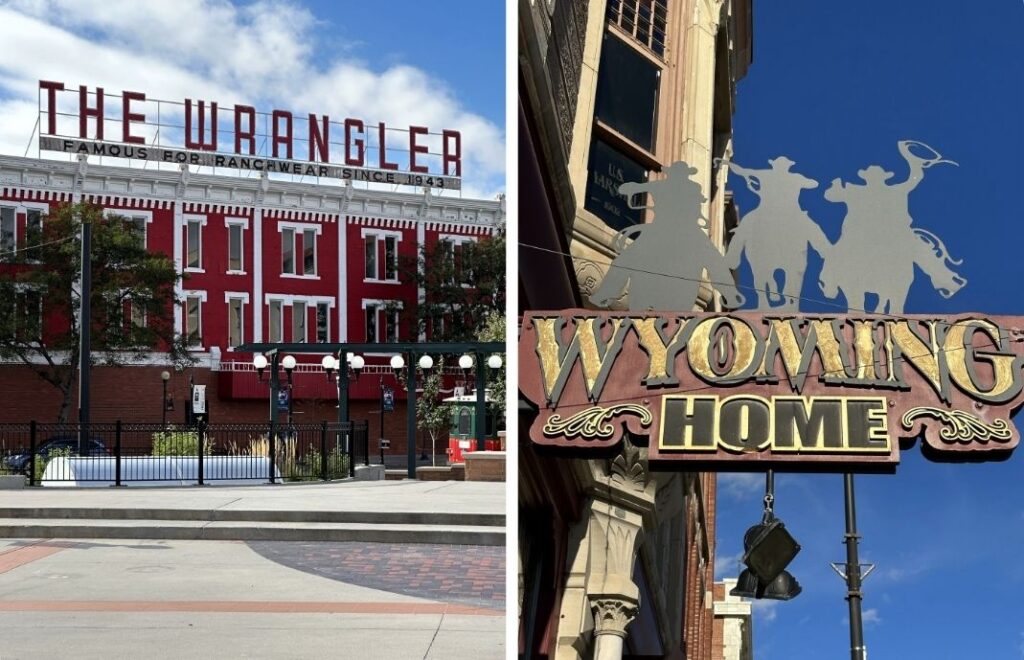
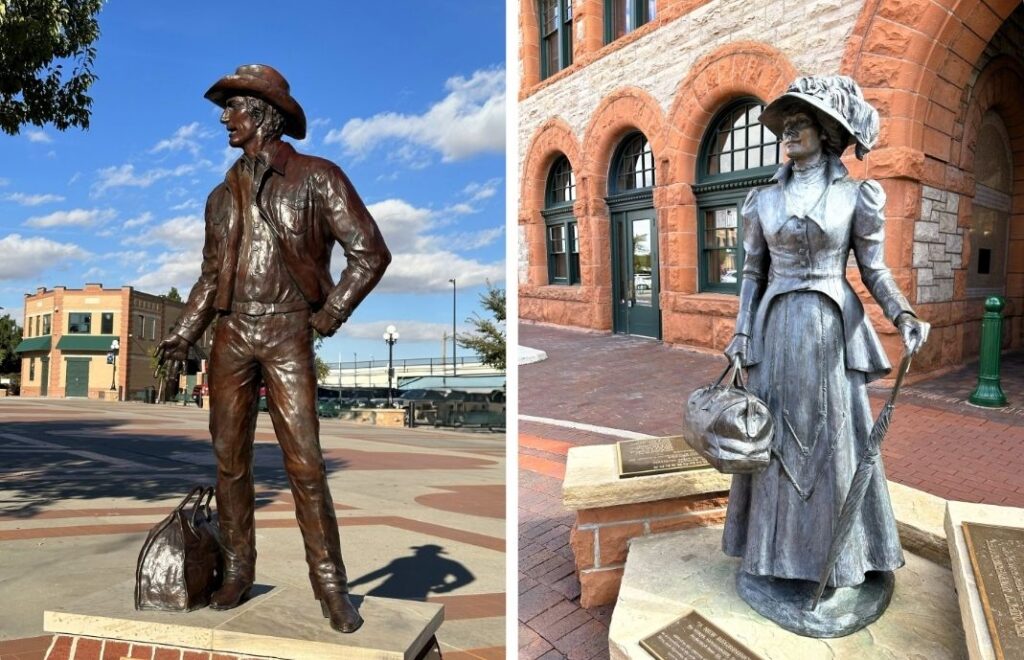
The birthplace of frontier legends
Cheyenne rose to prominence during a pivotal moment in American history, fueled by the expansion of the railroad and the booming cattle industry of the late 19th century. What began as a rough railroad town quickly became a center of wealth, influence, and ambition, earning a reputation that extended far beyond Wyoming’s borders.
Cattle barons, railroad tycoons, and frontier figures passed through or settled here, shaping a city that thrived on opportunity and resilience. This era left a lasting imprint on Cheyenne’s identity. One defined by independence, risk-taking, and a belief in possibility. The legends of the frontier are not distant stories here; they are woven into the city’s foundations and continue to inform its sense of self.
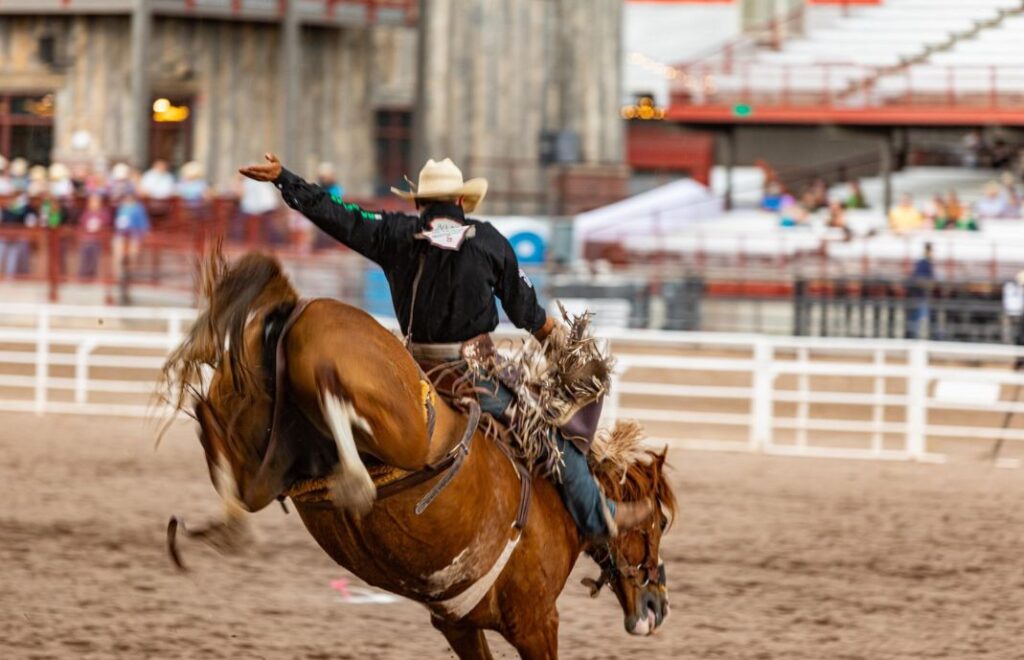
Cheyenne Frontier Days
Cheyenne Frontier Days is more than an annual event. It is a defining expression of the city’s identity. Known as the world’s largest outdoor rodeo, it has been held for over a century and remains deeply rooted in local tradition rather than tourist spectacle.
For Cheyenne, Frontier Days is a moment when history, community, and contemporary life intersect. The city comes alive with a shared sense of pride, honoring skills and values that have shaped the region for generations. Even outside the event itself, its presence is felt year-round, reinforcing Cheyenne’s role as a living center of Western culture rather than a place that simply commemorates it.
More inspiration: Cheyenne Frontier Days: Stepping into the living west
Western culture that isn’t a performance
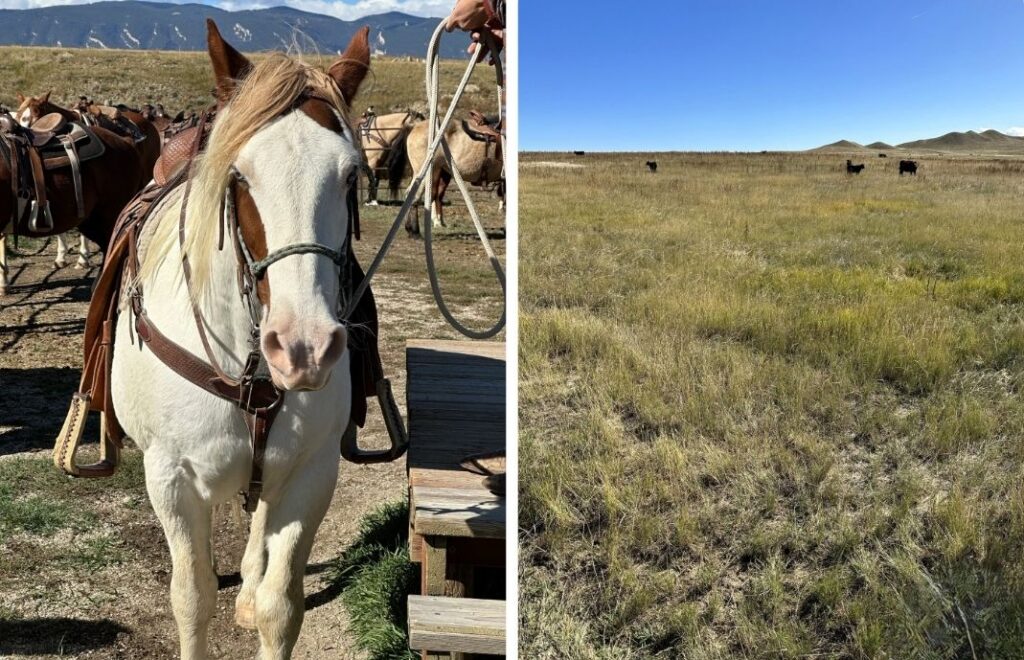
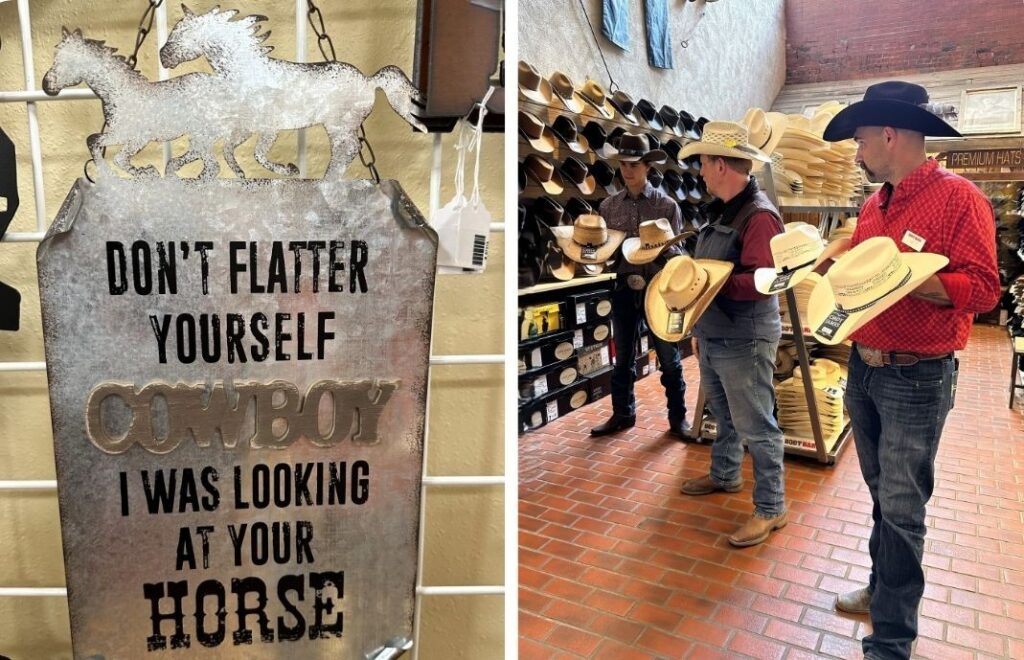
In Cheyenne, Western culture is not staged or stylized for visitors. It is lived. Cowboy hats, boots, and ranch trucks are part of everyday life, not costumes pulled out for special occasions. This authenticity gives the city a grounded character that feels natural rather than curated.
Ranching, rodeo skills, and community traditions continue to shape social life and values, reflecting a culture built on practicality, resilience, and self-reliance. For travelers, this offers a rare opportunity to experience the American West as it exists today, not as a nostalgic recreation of the past.
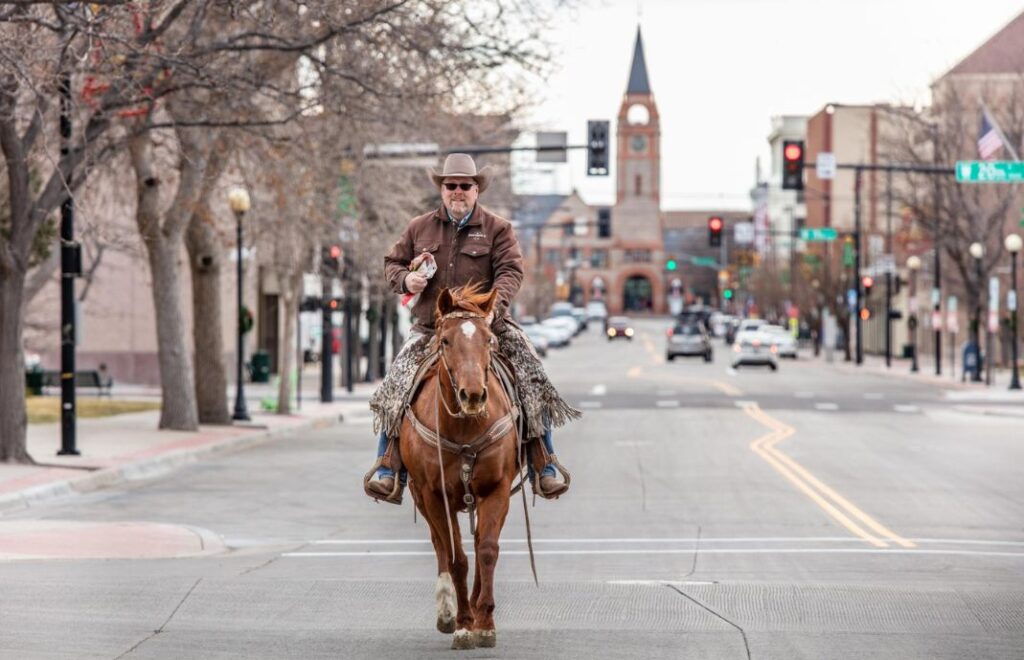
Architecture and historic streets
Cheyenne’s streets tell the story of a city shaped by ambition and permanence rather than temporary boom. Historic buildings, many dating back to the late 1800s and early 1900s, reflect a time when Cheyenne was establishing itself as a lasting center of commerce and power in the region.
Downtown streets are lined with brick facades, classic storefronts, and civic buildings that balance elegance with practicality. The architecture feels purposeful rather than decorative, reinforcing the city’s sense of continuity. Walking through Cheyenne offers a quiet journey through layers of history, where the past remains visible and integrated into everyday life.
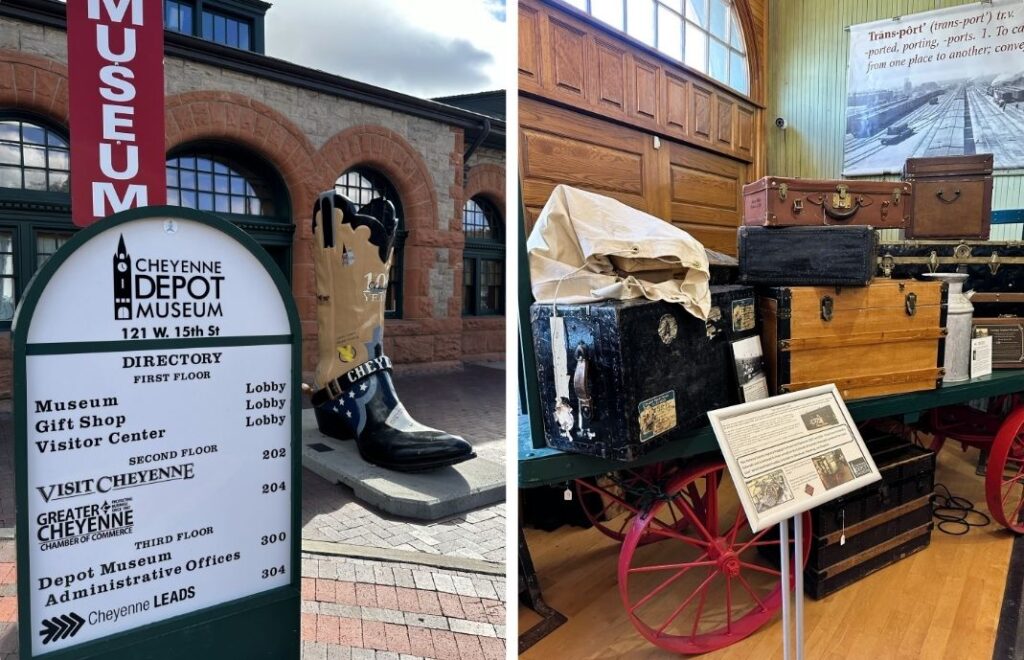
Museums that tell real stories
Cheyenne’s museums focus on context rather than spectacle. They preserve the realities of frontier life, statehood, and cultural change without romanticizing the past or smoothing its edges. The stories presented are grounded, human, and closely tied to the land and people who shaped the region.
Rather than feeling like tourist stops, these spaces function as places of memory and understanding. They offer insight into how Cheyenne and Wyoming evolved, providing depth that enhances the experience of the city itself and reinforces its role as a guardian of Western history.
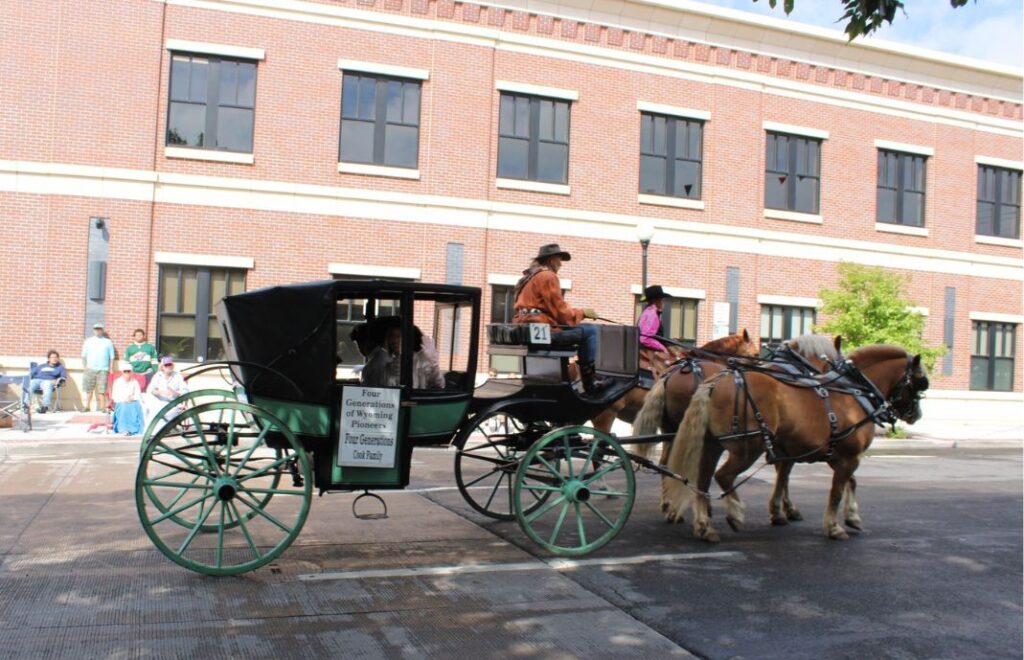
A slower, grounded way of life
Life in Cheyenne moves at a pace that feels intentional rather than behind the times. There is a sense of balance between work, community, and personal space that reflects the city’s Western values and wide-open surroundings.
This slower rhythm invites visitors to observe rather than rush. Whether walking downtown, sharing conversations with locals, or simply taking in the landscape at the edge of town. Cheyenne offers a way of life that feels steady and rooted, providing a contrast to faster, more crowded destinations while remaining deeply connected to its cultural foundations.
Nature at the edge of town
Cheyenne sits at the meeting point of prairie and high plains, where open landscapes begin almost immediately beyond the city limits. Wide skies, grasslands, and gently rolling terrain define the surroundings, reinforcing a strong sense of space and connection to the land.
This proximity to nature shapes daily life as much as it shapes the city’s identity. Outdoor spaces feel accessible and unforced, offering quiet moments rather than dramatic spectacle. Nature here serves as a backdrop and a grounding presence, reminding visitors that Cheyenne’s character is inseparable from the landscape that surrounds it.
Why Cheyenne leaves an impression
Cheyenne leaves an impression because it feels genuine. It does not try to reinvent itself or compete with flashier destinations; instead, it remains firmly rooted in its history, values, and sense of place. The city’s strength lies in its consistency. Its connection to the land, its traditions, and the people who continue to shape it.
For travelers, Cheyenne offers something increasingly rare: a destination that feels honest and self-assured. It invites reflection rather than distraction and rewards those who take the time to look beyond first impressions. Long after leaving, what lingers is not a single attraction, but the quiet confidence of a city that knows exactly who it is.
This post is a collaboration with Wyoming Office of Tourism. I am grateful for the cooperation.
