
When travelers dream of Wyoming, Yellowstone’s famous geysers, the dramatic peaks of Grand Teton National Park, and wide-open landscapes filled with wildlife often come to mind. But tucked away in the northern part of the state lies another magnificent mountain range, one that deserves far more attention than it receives.
Welcome to the Bighorn Mountains, one of Wyoming’s most spectacular natural treasures.
Rising dramatically above the surrounding plains, the Bighorns offer a landscape of rugged peaks, deep canyons, alpine meadows, and beautiful mountain lakes. Scenic roads wind through dense forests before revealing sweeping views that seem to stretch forever. Hiking trails invite adventurous travelers to leave the road behind and discover what lies beyond the next ridge.
Then there is the wonderful sense of space. Here, you can find yourself surrounded by mountains, watching wildlife along the roadside, or simply enjoying a peaceful moment beside a mountain stream.
But the Bighorns are more than a playground for nature lovers. These mountains also hold fascinating stories of Indigenous heritage, ancient geological wonders, and the adventurous spirit of the American West.
The Bighorn Mountains offer a side of Wyoming that is wonderfully wild, refreshingly unhurried, and full of surprises.
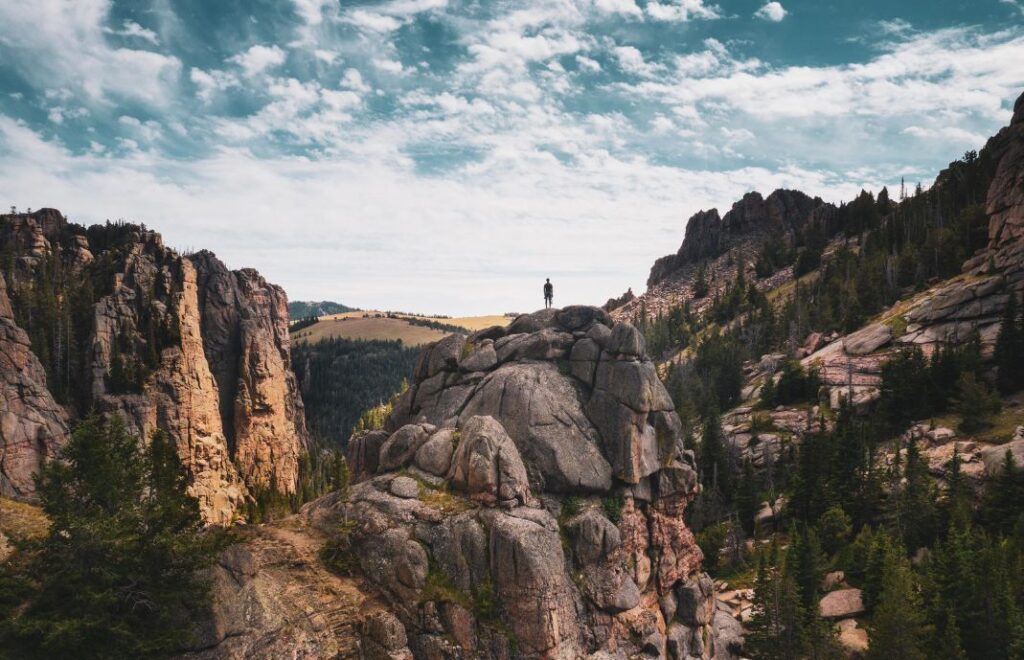
A scenic drive through the Bighorn Mountains
Sometimes the journey really is as spectacular as the destination. And in the Bighorn Mountains, even a simple drive can turn into an unforgettable adventure.
Three scenic byways wind their way through this magnificent mountain range, each offering a different perspective on Wyoming’s wild beauty. One moment, you are traveling through peaceful forests and alpine meadows. The next, the road curves around a mountainside, revealing dramatic canyons, towering cliffs, and breathtaking views stretching towards the horizon.
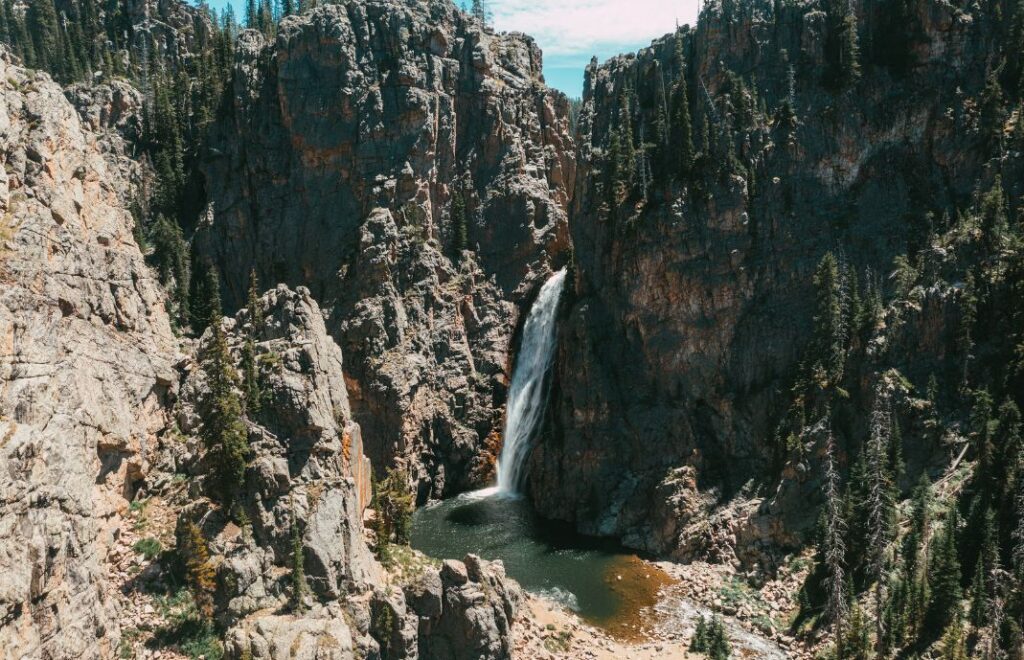
The Bighorn Scenic Byway (Highway 14) is particularly rewarding, taking you past rugged rock formations, beautiful mountain scenery, and the spectacular Shell Falls. Meanwhile, the Cloud Peak Skyway (Highway 16) climbs towards Powder River Pass, reaching an elevation of almost 3,000 meters and offering magnificent views across the surrounding wilderness.
For those who enjoy a little extra adventure, the Medicine Wheel Passage (Highway 14A) adds dramatic mountain scenery and access to the Bighorn Medicine Wheel. This is an ancient stone circle that remains sacred to Native American peoples.
But perhaps the greatest pleasure is having the freedom to stop whenever something catches your attention. In the Bighorns, the best road trips aren’t measured in kilometres, but in how often you find yourself pulling over to admire the view.
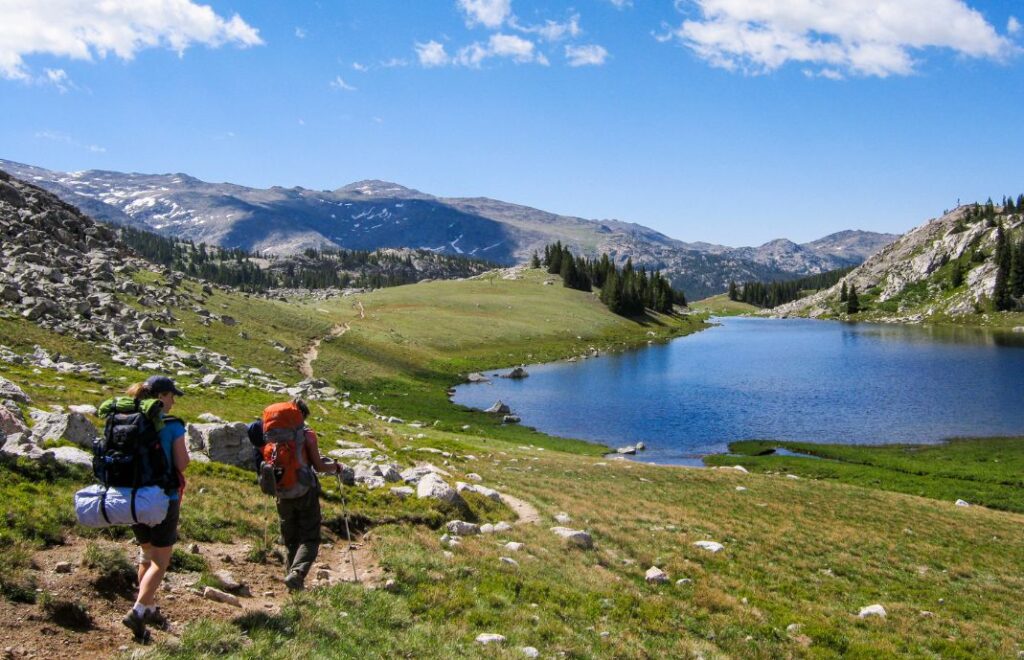
Hiking in the Bighorn Mountains
There is something irresistible about a mountain trail disappearing into the distance. Where does it lead? What lies beyond the next bend? And could there be a hidden lake, a spectacular viewpoint, or perhaps a curious wild animal waiting around the corner?
In the Bighorn Mountains, the possibilities seem endless. Hundreds of kilometres of hiking trails wind through fragrant pine forests, colorful alpine meadows, and rugged mountain landscapes, offering everything from leisurely nature walks to challenging wilderness adventures.
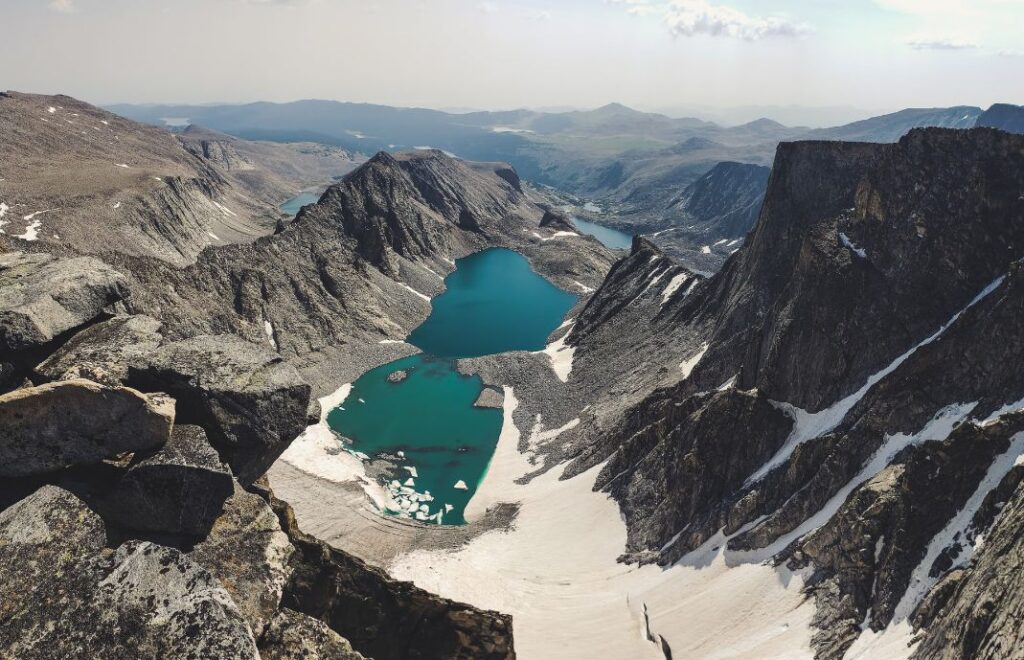
For those seeking a true mountain escape, Cloud Peak Wilderness is particularly spectacular. Here, towering peaks rise above pristine alpine lakes, and trails lead deep into some of Wyoming’s most beautiful backcountry. The magnificent Cloud Peak, reaching approximately 4,013 meters (13,167 feet), dominates the landscape and attracts experienced hikers looking for a serious challenge.
But you don’t have to conquer a mountain to appreciate the Bighorns. After all, not every adventure needs a summit. Sometimes, the joy is simply in the exploring.
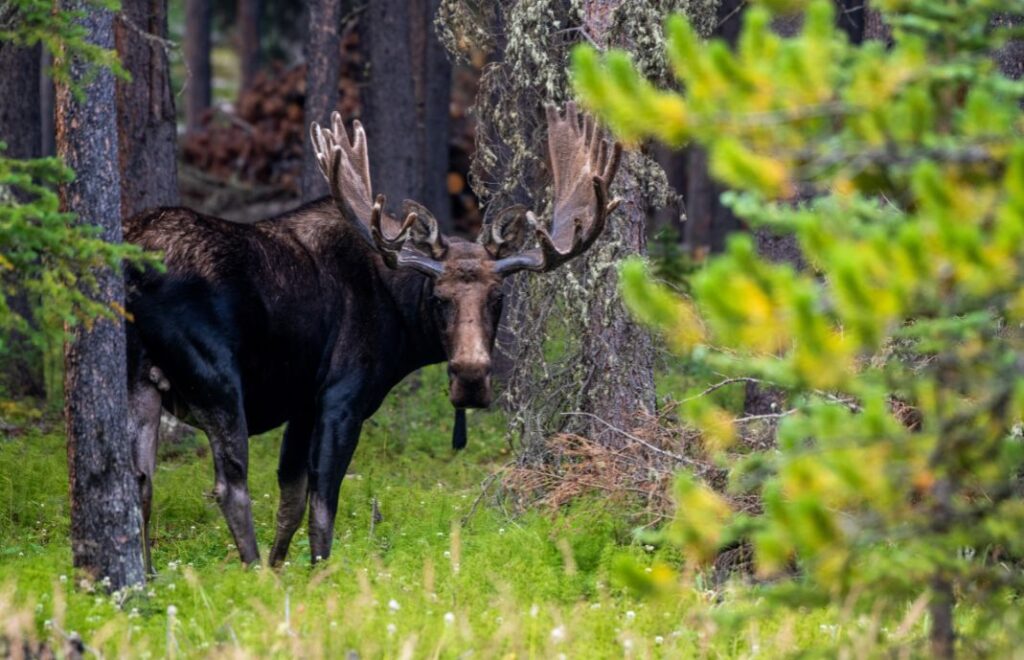
Wildlife encounters in the Bighorns
Keep your eyes open when exploring the Bighorn Mountains. You never know who might be watching you from the trees, wandering through a meadow, or enjoying a quiet breakfast beside a mountain stream!
The Bighorns are home to an impressive variety of wildlife, including elk, mule deer, moose, black bears, and the elusive mountain lion. While some animals are relatively easy to spot, others prefer to remain hidden, adding an extra sense of excitement to every journey.
Moose are particularly fascinating residents of these mountains. Often found near streams, marshes, and forested wetlands, these enormous animals can appear surprisingly peaceful as they browse among the willows. Elk is another magnificent sight, especially during autumn, when the haunting calls of bugling bulls echo across the valleys.
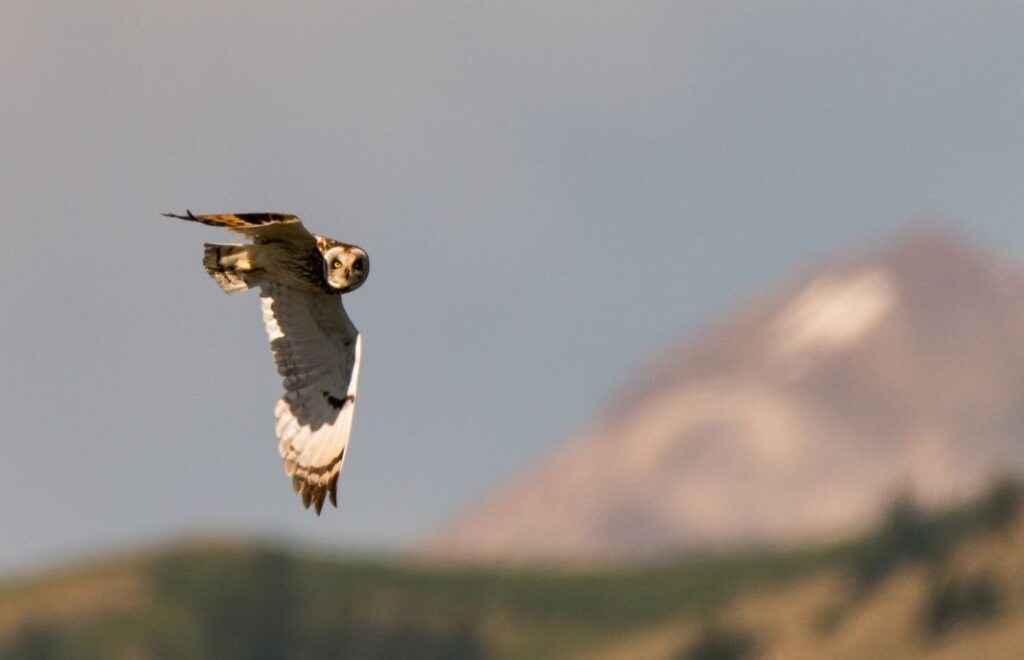
And then there are the smaller residents. Curious marmots sunbathe on rocky slopes, squirrels dart between the trees, and birds of prey soar high above the mountains. Lucky visitors might even spot a golden eagle riding the thermals or catch a glimpse of a black bear disappearing into the forest.
Of course, wildlife watching is always best enjoyed from a respectful distance. These animals are wild and unpredictable, and giving them plenty of space protects both visitors and the creatures that call the mountains home.
In the Bighorns, the scenery may be spectacular, but sometimes the most unforgettable moments are the ones that suddenly move.
Ancient mysteries: The Bighorn Medicine Wheel
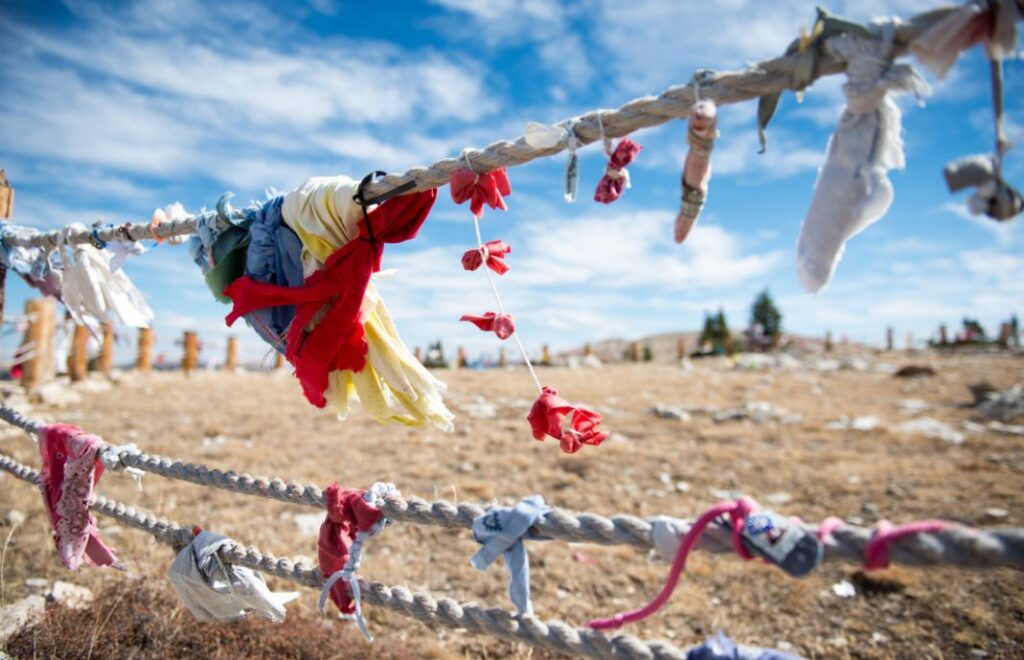
High in the Bighorn Mountains, nearly 3,000 meters above sea level, lies one of Wyoming’s most fascinating and sacred landmarks. From a distance, it may look like a simple arrangement of stones, but the Bighorn Medicine Wheel holds a significance that stretches far beyond its appearance.
Measuring approximately 25 meters across, this remarkable stone circle consists of a central cairn with 28 spokes radiating towards an outer ring. Its exact origins remain a mystery, although it is believed to have been created by Indigenous peoples centuries ago.
What makes the Medicine Wheel particularly intriguing is its possible connection to the heavens. Certain stone arrangements align with the rising and setting sun around the summer solstice, suggesting that the site may once have served an astronomical purpose.
Yet the Medicine Wheel is much more than an ancient curiosity. It remains a sacred ceremonial place for numerous Native American nations, including the Crow, Cheyenne, Arapaho, and Lakota, who maintain spiritual connections to Medicine Mountain.
Reaching the site involves a walk of approximately 2.4 kilometres from the parking area, with spectacular mountain views accompanying the journey. Visitors are welcome during the seasonal opening period but should remember that this is an active place of prayer and ceremony, deserving of the utmost respect.
The Bighorn Medicine Wheel is a powerful reminder that these mountains hold more than natural beauty. They also carry centuries of human stories, traditions, and spiritual connections that continue today.
Mountain lakes and peaceful escapes
Not every moment in the Bighorn Mountains needs to be filled with adventure. Sometimes, the greatest pleasure comes from finding a beautiful spot, sitting down, and simply enjoying the surroundings.
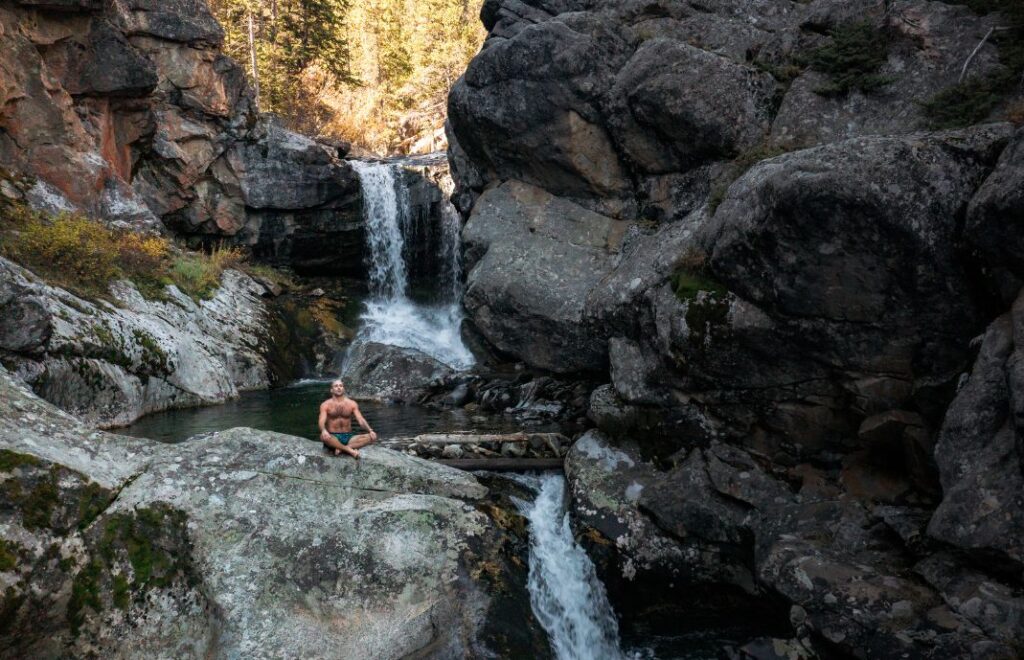
Scattered throughout the mountains are countless lakes and streams, their clear waters reflecting the surrounding forests and rugged peaks. Some are hidden deep in the wilderness, while others are easily reached from the scenic mountain roads.
Sibley Lake, located along the Bighorn Scenic Byway (Highway 14), is a particularly inviting place to stop. Surrounded by pine forests, the peaceful lake offers opportunities for fishing, picnicking, and enjoying the fresh mountain air.
Another beautiful destination is Meadowlark Lake, along the Cloud Peak Skyway (Highway 16). With its picturesque mountain setting, it is a favorite among anglers, campers, and visitors looking for a relaxing break from the road. On a calm day, the reflections on the water can be absolutely mesmerizing.
And then there are the little discoveries that don’t necessarily appear on a travel itinerary. A quiet stream tumbling over rocks, wildflowers growing beside a mountain meadow, or a secluded spot where you can enjoy the scenery without another soul in sight.
In the Bighorns, sometimes the most rewarding thing you can do is absolutely nothing at all.
Practical guide
Ready to discover one of Wyoming’s most beautiful mountain ranges? Whether you’re planning a scenic drive, a hiking adventure, or a peaceful escape into nature, the Bighorn Mountains are a wonderful addition to any Wyoming itinerary.
Here is what you need to know before setting off.
Where are the Bighorn Mountains?
The Bighorn Mountains are located in north-central Wyoming, extending into southern Montana. Rising between the Bighorn Basin to the west and the Powder River Basin to the east, they form an impressive landscape of rugged peaks, deep canyons, forests, and alpine lakes.
Much of the mountain range lies within Bighorn National Forest, which offers extensive opportunities for outdoor recreation.
The towns of Sheridan and Buffalo make excellent starting points for exploring the mountains.
How to get there
Having your own vehicle is the easiest way to explore the Bighorns, allowing you to stop at scenic viewpoints, hiking trails, and beautiful lakes along the way.
Three scenic highways offer access to different parts of the mountain range:
- Bighorn Scenic Byway (Highway 14): Connecting the Sheridan area with the western side of the mountains, passing through spectacular scenery.
- Cloud Peak Skyway (Highway 16): Running between Buffalo and Ten Sleep, with beautiful mountain views and access to hiking trails.
- Medicine Wheel Passage (Highway 14A): A particularly dramatic route offering access to the Bighorn Medicine Wheel.
Mountain roads can be steep and winding, so take your time and enjoy the journey.
When is the best time to visit?
June through September is generally the best period for exploring the Bighorn Mountains, particularly if you enjoy hiking, scenic drives, and outdoor activities.
Summer brings pleasant conditions, wildflowers, and access to many of the higher mountain trails. However, temperatures can vary considerably with elevation, and afternoon thunderstorms are possible.
Autumn is another beautiful time to visit, when golden colors transform parts of the landscape and wildlife becomes particularly active.
Winter brings heavy snowfall and opportunities for winter sports, although access to many areas becomes more challenging.
Important: Highway 14A closes seasonally, generally from late November until around Memorial Day in May. Always check current road conditions before traveling.
Where to stay
Accommodation options range from charming hotels and guest ranches to rustic mountain lodges and campsites.
Sheridan is a particularly convenient base, combining historic Western charm with restaurants, shops, and easy access to the northern Bighorns.
Buffalo offers another excellent starting point, especially for visitors planning to explore the Cloud Peak Skyway and southern mountain areas.
For those who prefer waking up surrounded by nature, Bighorn National Forest has numerous campgrounds, including sites near lakes, streams, and popular hiking areas.
Entrance fees and permits
Unlike Yellowstone or Grand Teton National Parks, Bighorn National Forest does not charge a general entrance fee.
Visitors can enjoy the scenic highways, viewpoints, and many hiking trails without purchasing an entrance ticket.
However, individual campgrounds, developed recreation areas, and certain activities may have fees or permit requirements.
Check the relevant facilities before visiting.
Visiting the Bighorn Medicine Wheel
The Bighorn Medicine Wheel is one of the region’s most remarkable cultural landmarks.
Access is generally available from mid-June through September, depending on snow and weather conditions.
From the main parking area, visitors must walk approximately 2.4 kilometres (1.5 miles) each way to reach the site.
Remember that the Medicine Wheel is an active sacred place for Native American peoples. Stay on designated paths, respect ceremonial activities, and never disturb prayer offerings or other objects.
Wildlife and outdoor safety
The Bighorn Mountains are home to wildlife, including elk, moose, deer, black bears, and mountain lions.
Keep a safe distance from all wild animals, never feed them, and be particularly cautious around moose, which can become aggressive when disturbed.
If you are hiking or camping, carry bear spray where it is easily accessible and learn how to use it. Store food and scented items securely.
Mountain weather can also change rapidly, even during summer. Bring warm layers, waterproof clothing, drinking water, and suitable footwear.
Mobile phone coverage can be unreliable in remote areas, so download maps before setting off and let someone know your plans if you are heading into the backcountry.
How much time should you allow?
If you are simply passing through Wyoming, one full day allows you to enjoy a scenic drive, stop at viewpoints, and experience some of the mountain scenery.
However, I would recommend allowing two or three days if possible. This gives you time to explore different scenic routes, enjoy a hike, visit mountain lakes, and perhaps discover the Bighorn Medicine Wheel. If you love hiking, wildlife, and outdoor adventures, you could easily spend much longer.
A final tip
Don’t plan every minute of your visit.
One of the greatest pleasures of exploring the Bighorn Mountains is the freedom to follow your curiosity. Perhaps a distant mountain lake catches your attention, a hiking trail looks too inviting to ignore, or a wild animal appears beside the road.
The Bighorns reward travelers who take their time, stay curious, and occasionally choose the scenic route simply because it looks interesting.
After all, isn’t that what a great road trip is all about?
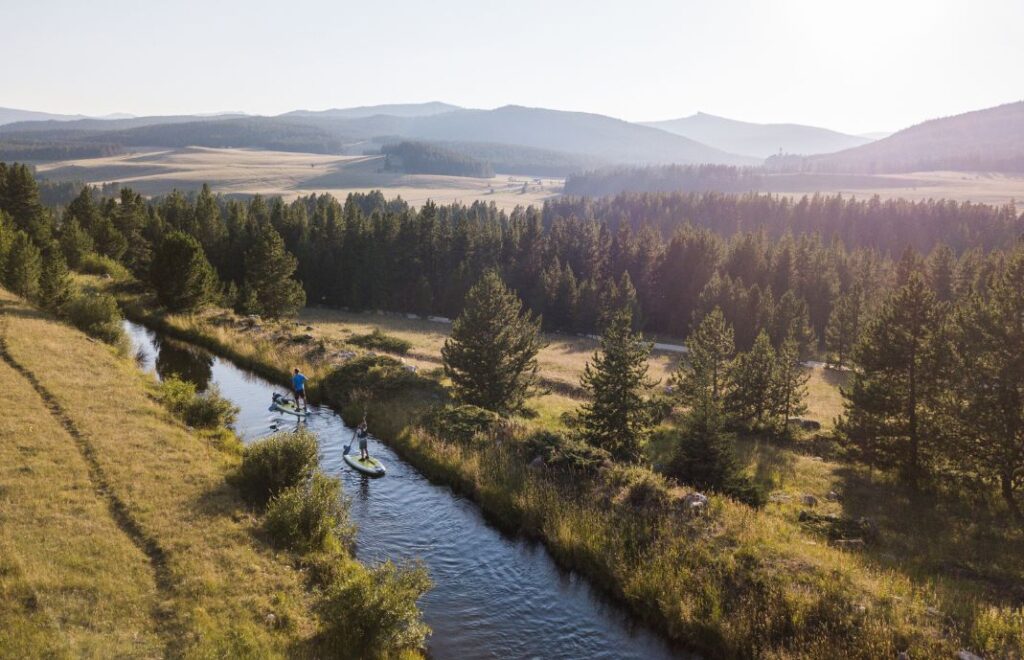
Main photo: Sheridan County Travel & Tourism
This post is a collaboration with Sheridan County Travel & Tourism. I am grateful for their cooperation.
