
Philadelphia doesn’t whisper its history – it tells it boldly, on every corner, in every brick, and through the rhythm of a city that helped shape a nation. This is where grand ideas were born, where art spills into the streets, and where centuries-old landmarks stand effortlessly beside a thriving, modern cultural scene.
From iconic symbols of freedom to vibrant neighborhoods filled with character, Philadelphia offers far more than a checklist of sights. America’s first capital delivers a layered, living story. Whether you’re tracing the footsteps of revolutionaries, admiring world-class museums, or discovering hidden gems tucked between historic avenues, each experience feels both meaningful and unexpectedly fresh.
In this guide to the top attractions in Philadelphia, you’ll uncover the places that define the city – timeless, dynamic, and impossible to forget.
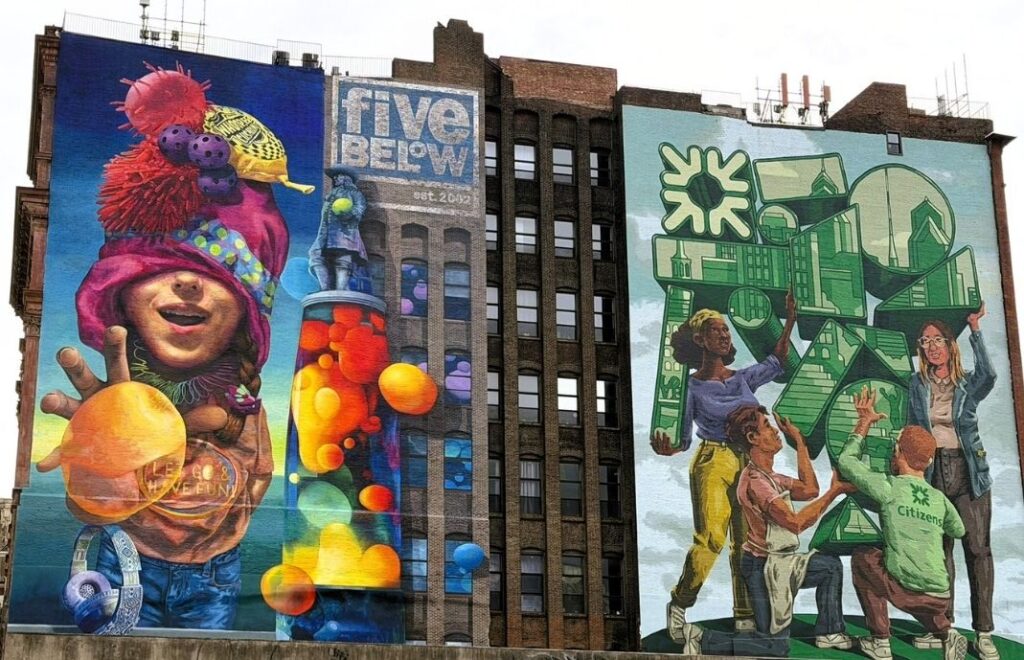
Independence Hall: Where a nation was born
Few places embody history quite like Independence Hall. Step inside this red-brick masterpiece, completed in 1753, and you’re transported to the very moment America began to take shape. It’s easy to picture Thomas Jefferson hunched over a desk, penning the words of the Declaration of Independence, which was signed here on July 4, 1776 – a date that changed the world.
Within these walls, the United States Congress convened from 1776 to 1800, before the capital moved to Washington, D.C. Here, the fledgling nation not only declared independence but also drafted its Constitution in 1787, laying the foundation for democracy. Presidents George Washington and John Adams were inaugurated in this very building.
Every brick whisper history, making Independence Hall an essential starting point for any visit to Philadelphia. It’s more than a landmark – it’s the cradle of a nation.

Liberty Bell – A symbol for the democratic world
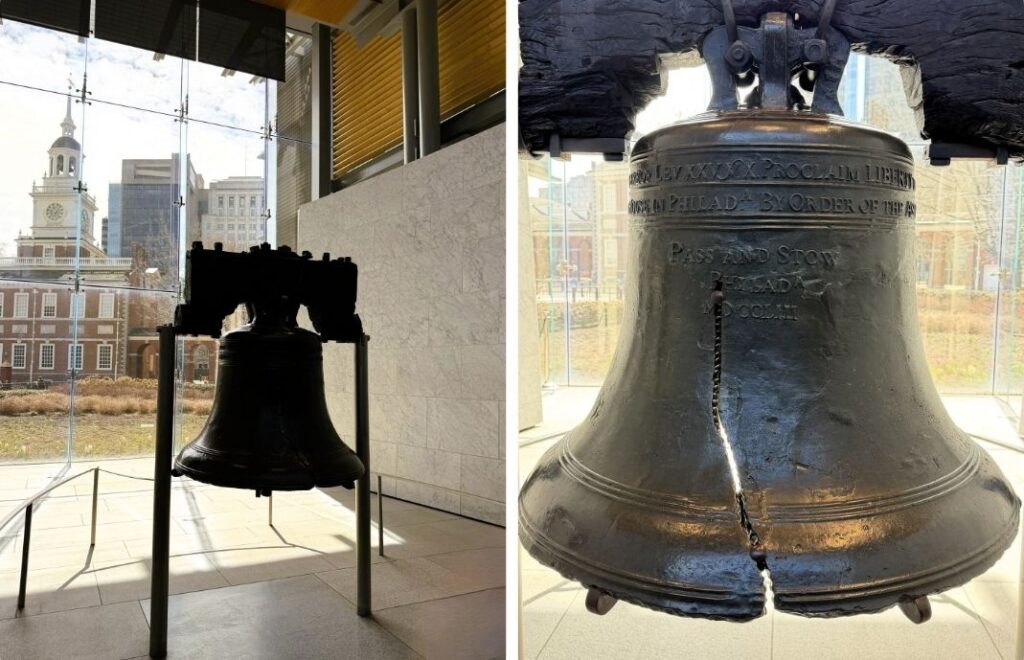
No symbol captures the spirit of American freedom quite like the Liberty Bell – Philadelphia’s most beloved icon and a true national treasure. Weighing nearly a ton, this cracked yet enduring bell has become a timeless emblem of liberty.
Its story resonates through the Liberty Bell Center, where engaging exhibits and multimedia displays recount its historic toll on July 8, 1776, summoning citizens to hear the Declaration of Independence read aloud. Standing before it is more than a photo opportunity – it’s a profound connection to America’s quest for freedom.
More inspiration: Why is the Liberty Bell cracked?
National Constitution Center
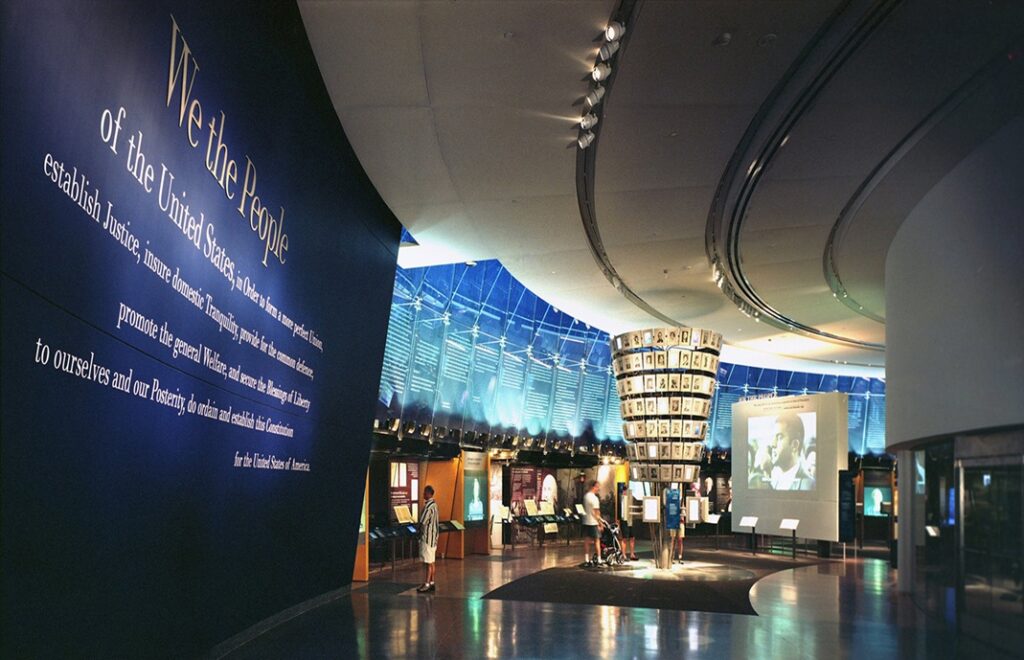
Just steps away, history continues at the National Constitution Center, an immersive museum dedicated to the world’s oldest living constitution. It is the first and only museum dedicated to the U.S. Constitution.
This is not a traditional museum. It’s an interactive journey into the ideas, debates, and people that shaped the United States Constitution. Here, the past comes alive through interactive exhibits designed to engage visitors of all ages.
Begin your visit with the powerful “We the People” multimedia show, where dramatic storytelling and live performance set the stage for understanding the Constitution’s origins and evolution. Then, step into Signers’ Hall, one of the center’s most iconic spaces, where life-size bronze statues of the Founding Fathers invite you to stand among them – an experience that feels surprisingly personal.
Throughout the museum, hands-on exhibits encourage you to explore your own constitutional rights, test your knowledge, and engage with both historic and modern issues. From debating freedom of speech to understanding how laws impact everyday life, every display is designed to connect past principles with present realities.
This is not just a museum. It is an experience that invites you to touch, see and feel the very foundation of democracy.
More inspiration: 9 things you may not know about the Declaration of Independence
Sprint the stairs like Rocky did
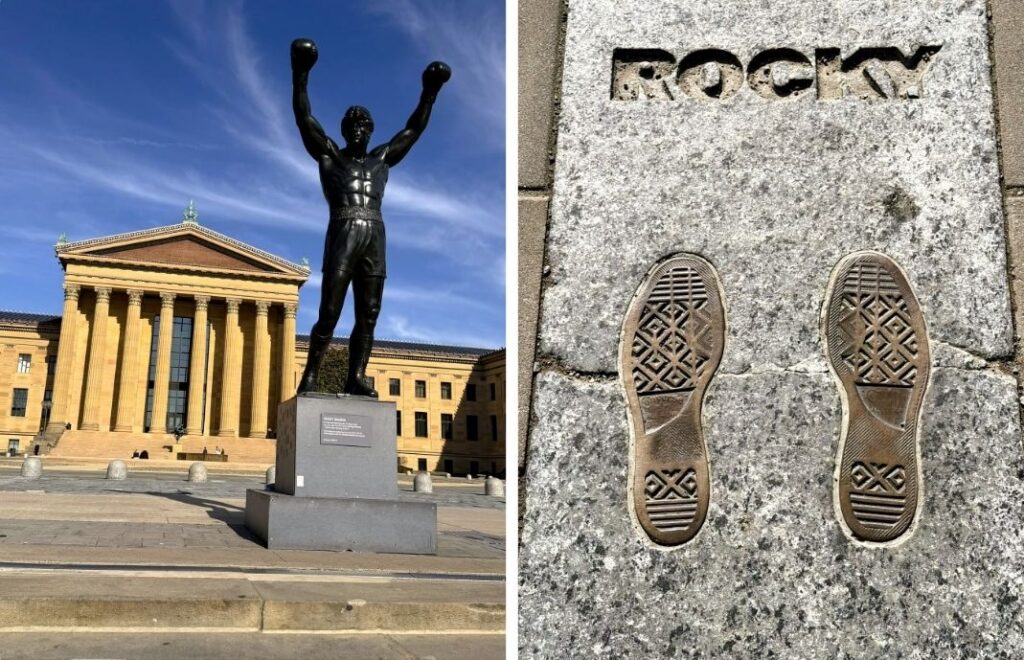
Even if you’ve never seen the film, you’ve heard about the legend: Rocky Balboa, fists pumping triumphantly atop a long flight of steps, the city sprawled behind him.
That scene turned the steps at Philadelphia Museum of Art into one of the world’s most famous movie landmarks. Every day, countless visitors sprint up those stairs to relive the moment, arms raised in victory next to the statue of Rocky.
Walk back down the stairs and snap another must-have photo with the bronze statue of Rocky, originally created for Rocky III.
Philadelphia Museum of Art
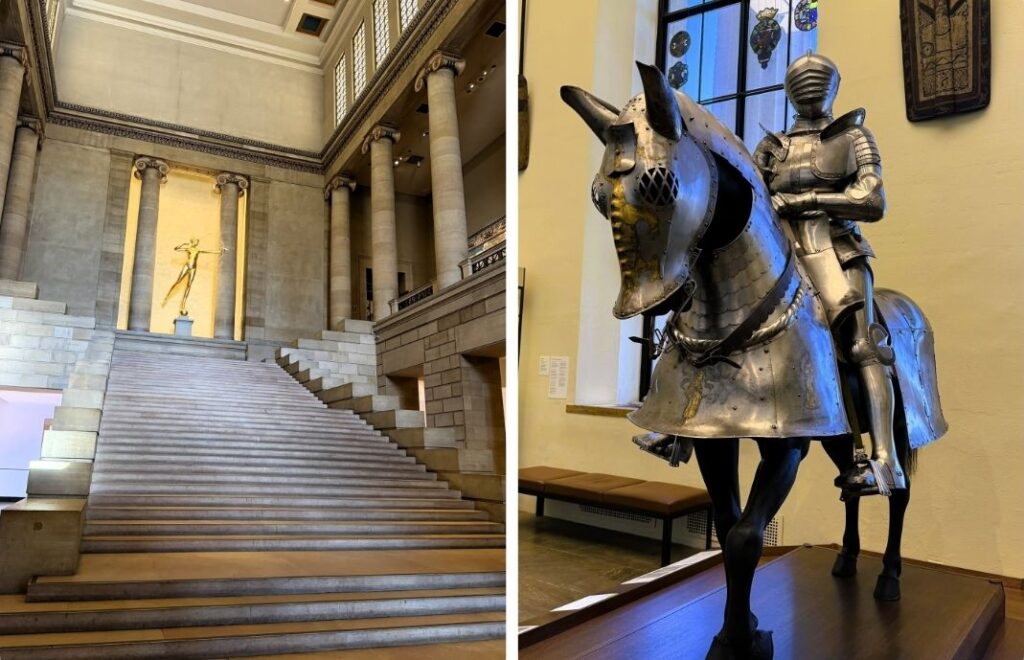
After you have run the stairs, don’t stop at the top. Even if art isn’t your passion, stepping inside this world-class museum is a revelation. Art lovers from around the globe flock to Philadelphia Museum of Art to marvel at masterpieces by Van Gogh, Cézanne, Monet, and Renoir, a dazzling showcase of Impressionist brilliance. The collection doesn’t stop there: modern art enthusiasts will find works by Picasso and Matisse, making this cultural treasure a highlight for every visitor.
The Philadelphia Museum of Art is an art museum originally chartered in 1876 for the Centennial Exposition in Philadelphia. The main museum building was completed in 1928. This amazing museum administers collections containing over 240,000 objects including major holdings of European, American and Asian origins. The various classes of artwork include sculptures, paintings, prints, drawings, photographs, armor and decorative arts.
The steps may draw you in for the cinematic thrill – but the art will keep you lingering long after the applause in your head fades.
Visit the famous LOVE sculpture
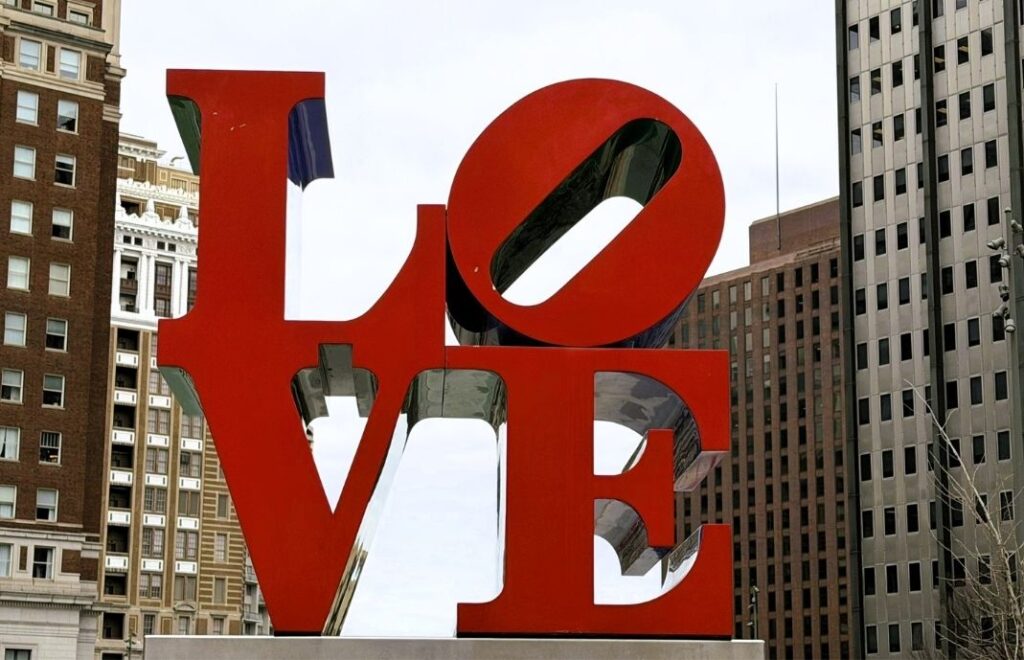
Philadelphia is also known as The City of Brotherly Love and one of its best-known landmarks is LOVE itself. It is located in John F. Kennedy Plaza, which is (of course) known as LOVE Park.
The sculpture was created by Robert Indiana and is one of the most popular places for photos in all of Philadelphia. A visit (and a photo) here is a must!
It was installed in 1976, briefly removed in 1978, but popular demand brought it back to where it belongs. The sculpture was restored and repainted in 2018, and the park was entirely redesigned to add more green areas and a high-tech water feature.
Love is international and comes in all languages, so your next stop should be the AMOR sculpture, the Spanish version, located in Sister Cities Park, a six-minute walk from LOVE Park.
When hunger strikes – head to Reading Terminal Market
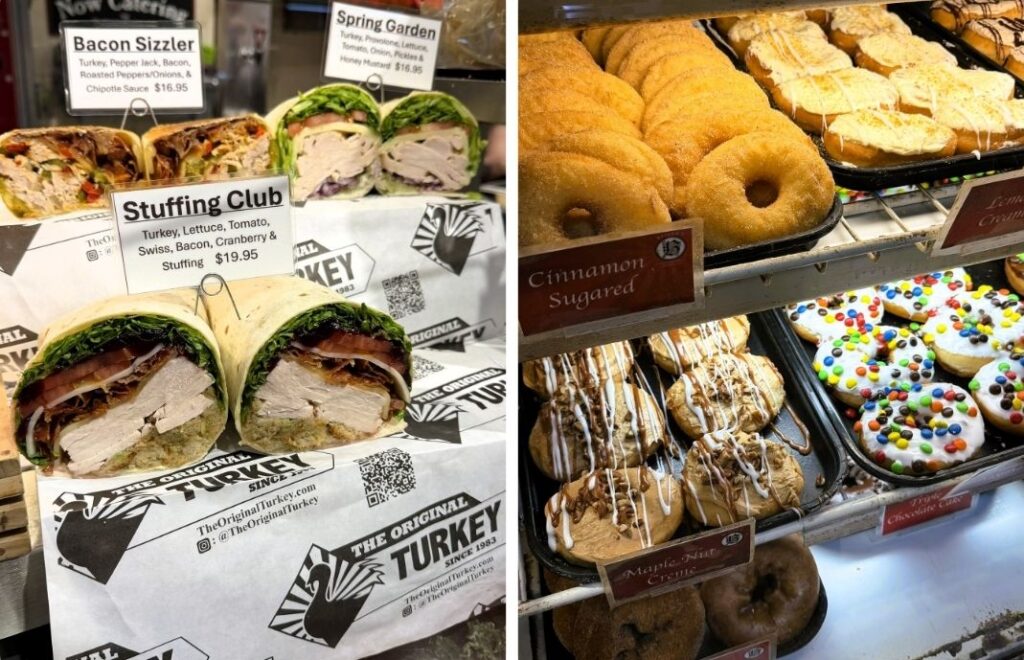
Welcome to one of America’s oldest farmers markets – and current food paradise. Reading Terminal Market is a must-visit when in Philadelphia. It is a food-lovers paradise. You can choose between 80-plus merchants who offer an astonishing variety of food.
This is one of the nation’s oldest and largest public marketplaces, and features dozens of family-owned vendors. Many are operating in much the same manner as when the market first opened in 1892.
The indoor venue has food from all over the world and serves ready-to-eat food that tastes delicious. While the food is the main draw, you can also find providers that offer meats, produce, cheese, chocolate and more.
Reading Terminal Market is open for breakfast and lunch only. It provides open seating where customers can enjoy a world of cuisines. This is also a popular place for the locals to eat, so you don’t have to worry about this place being a tourist trap.
Your biggest challenge: Where and what to eat!
Here are some recommendations:
- Roast Pork & Beef Combo Sandwich at Tommy DiNic’s
- Trainwreck at Beck’s Cajun Café
- Chocolate Cannoli at Termini Brothers Bakery
- Maple Bacon Doughnut at Beiler’s Bakery
- Salted Caramel Pretzel Ice Cream at Bassetts Ice Cream
- Cheesesteak Pretzel Roll-Up at Miller’s Twist
- Sweet Potato Pie at Sweet T’s Bakery
- Apple Cinnamon French Toast Special at Dutch Eating Place
- Classic Chicken & Waffles at Ma Lessie’s Chicken & Waffles
- Whoopie Pies at Flying Monkey Bakery
More tasty inspiration for where to eat in Philadelphia: 6 places to eat in Philadelphia
The President’s House Site
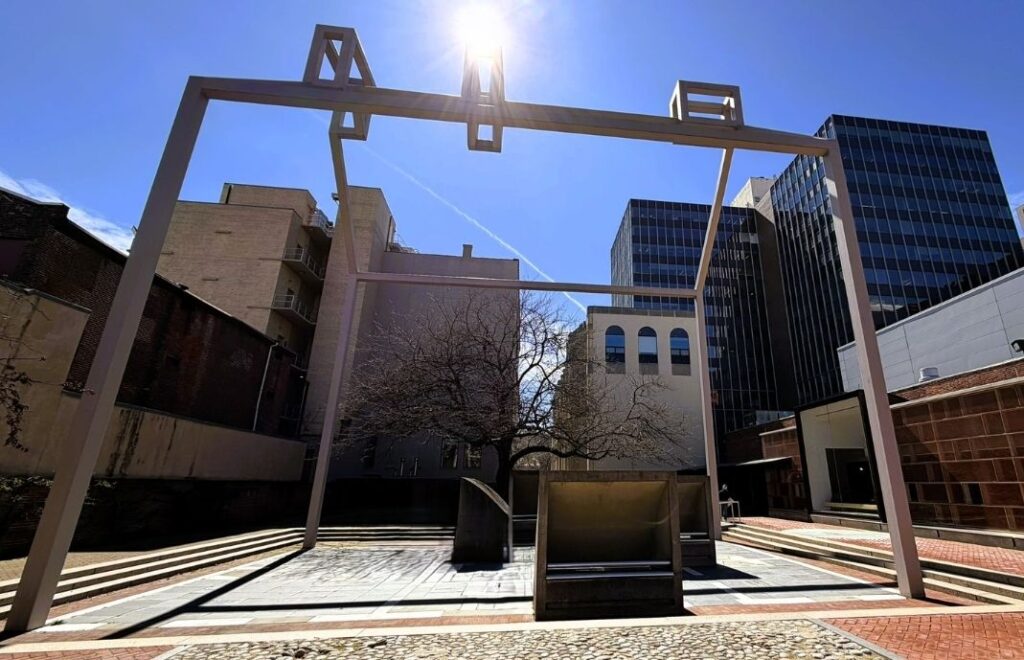
From 1790 to 1800, Philadelphia was the new nation’s capital. The President’s House, home to presidents George Washington and John Adams, served as America’s first executive mansion.
The forefathers fought hard to attain freedom for “We the People”, but as a great paradox, President George Washington brought at least nine enslaved Africans from his Mount Vernon home to live and work in the President’s House. It stood only one block from what is now known as Independence Hall.
The President’s House: Freedom and Slavery in the Making of a New Nation commemorates the site of the executive mansion of the first two presidents in the United States and the lives of the enslaved Africans who toiled at the house during Washington’s presidency.
Museum of the American Revolution
An impressive museum that uncovers and shares compelling stories about the diverse people and complex events that sparked America’s ingoing experiment in liberty, equality and self-government.
Philadelphia was one of the crucial hubs of the American Revolution, and the Museum of the American Revolution is an essential repository of artifacts and an absolute treat for history buffs.
With an impressive 10,963 square meters (118,000 square feet), the museum houses an expansive collection of art, manuscripts and printed works from the nation’s Revolutionary Period. It also displays a range of objects gathered from and pertaining to the Revolutionary War, including British, French and American weapons used in battle and personal diaries written in camp.
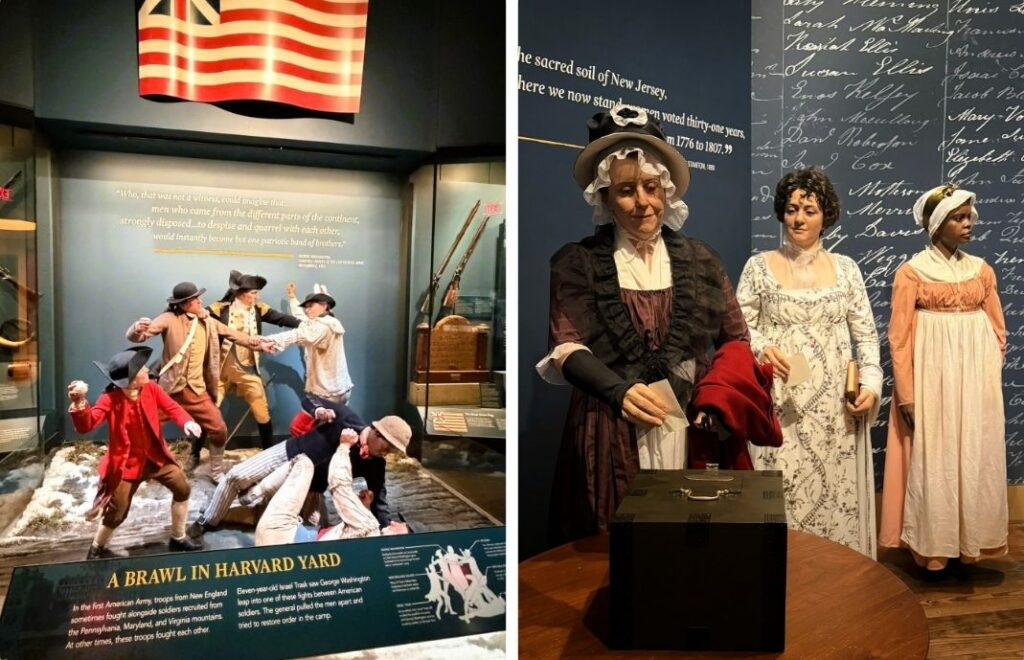
As you make your way through the galleries, organized in chronological order, you embark on a journey that starts with the beginning of the conflict in the 1760s through the creation of the U.S. Along the way you will explore stories of enslaved and free Africans, Native Americans and women – in addition to the Founding Fathers and Revolutionary War soldiers. It all comes alive thanks to immersive displays and fascinating artifacts that create a modern storytelling experience.
Make sure to start your visit in General Washington’s Headquarters Tent. It’s an iconic piece of history where President George Washington slept and made world-changing decisions. The tent is part of a multimedia presentation about Washington.
More inspiration: Your guide to the Museum of the American Revolution
Meet Betsy Ross – America’s most famous flag maker
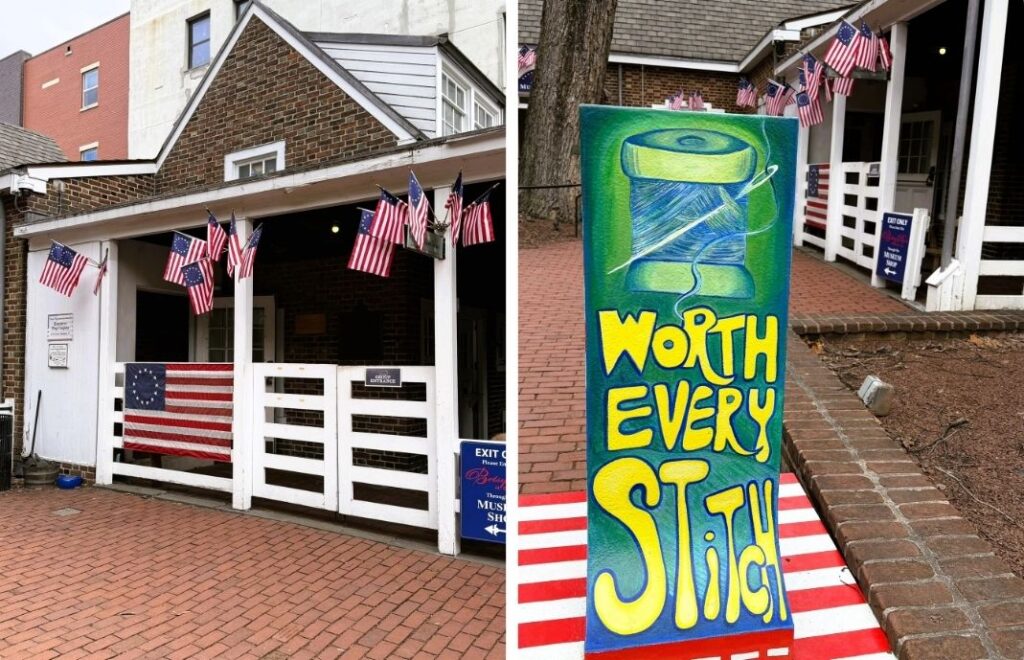
At the Betsy Ross House you can meet the historic seamstress and learn about her role in creating the American flag.
America’s most famous flag maker greets you at her 18th-century upholstery shop, where you can learn more about Ross’s life and legend. Visit her bedroom, kitchen, courtyard, fabrication studio and basement, which is filled with displays about her house and history.
But stitching the first American flag is just a small part of the Betsy Ross story. She was also a courageous rebel, grieving widow, working mom, business owner and a survivor. Once you finish your visit, you will understand how truly remarkable this woman was – and what an extraordinary life Betsy Ross had.
More inspiration: Did Betsy Ross really make the first American flag?
Enjoy an authentic Philly Cheesesteak
This is a must when you are in Philadelphia. Well, truth be told, one Philly cheesesteak is usually not enough. This is inarguably the city’s most famous food – but you cannot worry about calories while enjoying it.
A Philly cheesesteak is a freshly baked roll filled with chopped (or thinly sliced) steak and your choice of cheese and/or fried onions. Those in the know order their cheesesteak with two words only: cheese selection (provolone, American or Whiz) and “wit” or “without” onions.
If you are a vegetarian or vegan – fear not! There are options for you as well.
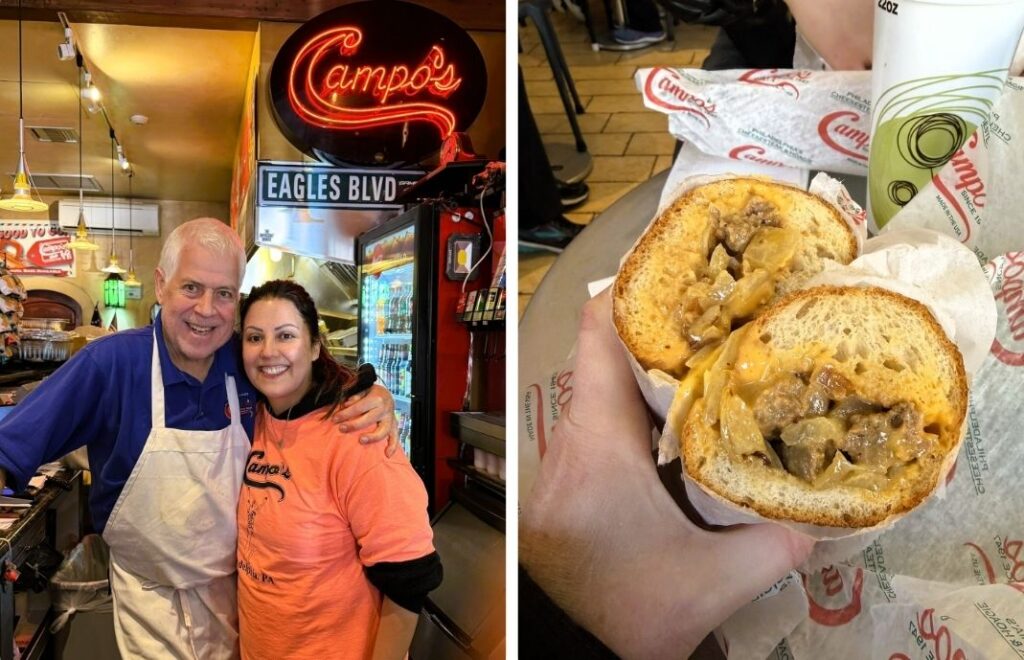
My recommendation for your first (second, third etc.) Philly Cheesesteak: Campo’s!
They have been serving locals and tourists since 1947, and it is still owned and run by the Campo family.
You can find this little treasure in the historic Old City of Philly.
More inspiration: Campo’s – an authentic taste of Philadelphia
The Barnes Foundation
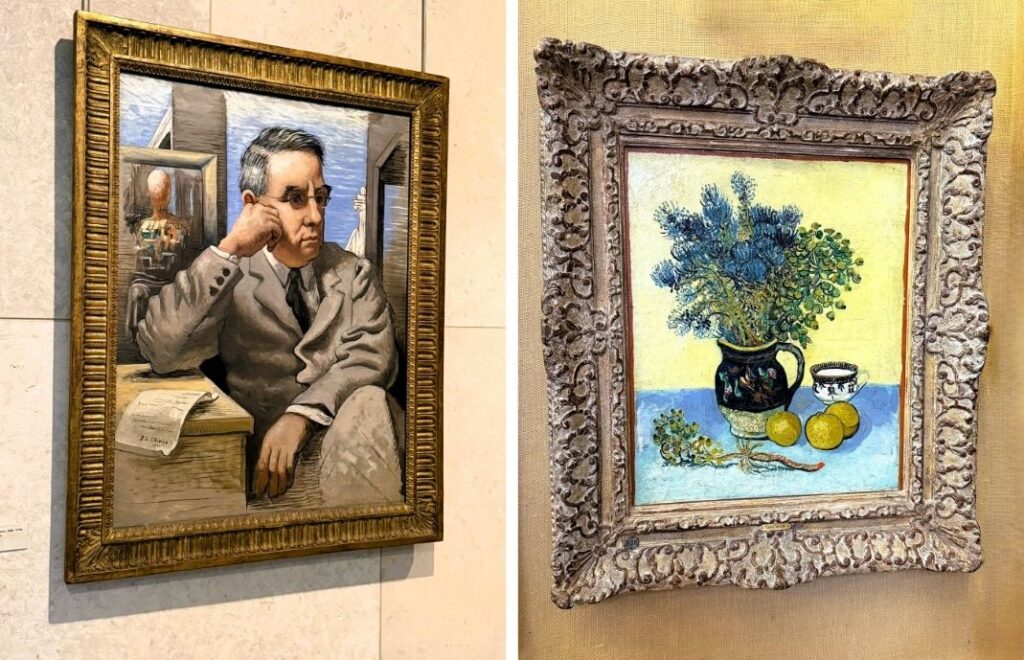
As you enter the Barnes Foundation, you have arrived to one of the world’s most important collections of impressionist, post-impressionist and early modern paintings. You will find yourself surrounded by artists such as Renoir, Cézanne, Picasso, van Gogh, Matisse, Rousseau, Degas, Rubens, Gauguin, Goya, Manet and Monet.
Created in 1922, the Barnes Foundation originated with Dr. Albert Barnes’ mission to foster cognitive development through new approaches to education and to heighten critical-thinking and problem-solving skills through the study of art.
It is safe to say that he succeeded. The collection features 181 Renoirs (more than any other collection), 69 Cézannes (more than in all of France), 59 Matisses and groundbreaking African art. The priceless works hang carefully, and often symmetrically, amidst artifacts and furniture.
The building itself is as impressive as the art collection. This two-story building features a textured grey-and-gold Ramon limestone exterior and a glass canopy that glows at night. It also boasts sustainable features including a green roof and permeable surfaces that allow for rain and grey water re-use.
Elfreth’s Alley
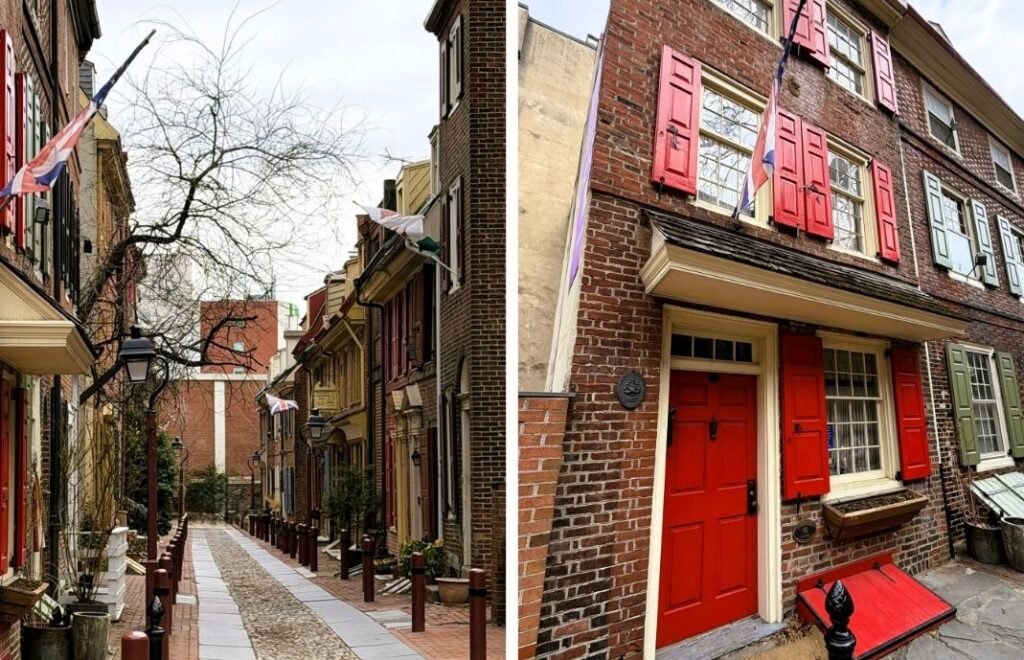
Take a stroll, although rather short one, through one of the oldest continuously residential streets in America. Elfreth’s Alley is a charming 121-meter (400-foot) cobblestone street lined with 32 quaint private households. They were once inhabited by figures like Dolly Madison, Betsy Ross and Stephen Girard, but are now occupied by everyday Philadelphians.
It is named after blacksmith and property owner Jeremiah Elfreth and used to be home to the eighteenth-century artisans and tradespeople who were the backbone of Colonial Philadelphia.
As you step into the alley, you can admire the cute and colorful houses that were built between 1720 and 1830. Although surrounded by a modern city, the alleyway preserves three centuries of evolution through old-fashioned flower boxes, shutters, Flemish bond brickwork and other architectural details.
Two homes (124 and #126) serve as the museum and gift shop. The museum (open Friday through Sunday) offers tours that tell the story of a pair of dressmakers who run a sewing business there. During the 19th century, eight families (27 people) shared the two houses, a situation not uncommon for the era.
The Franklin Institute
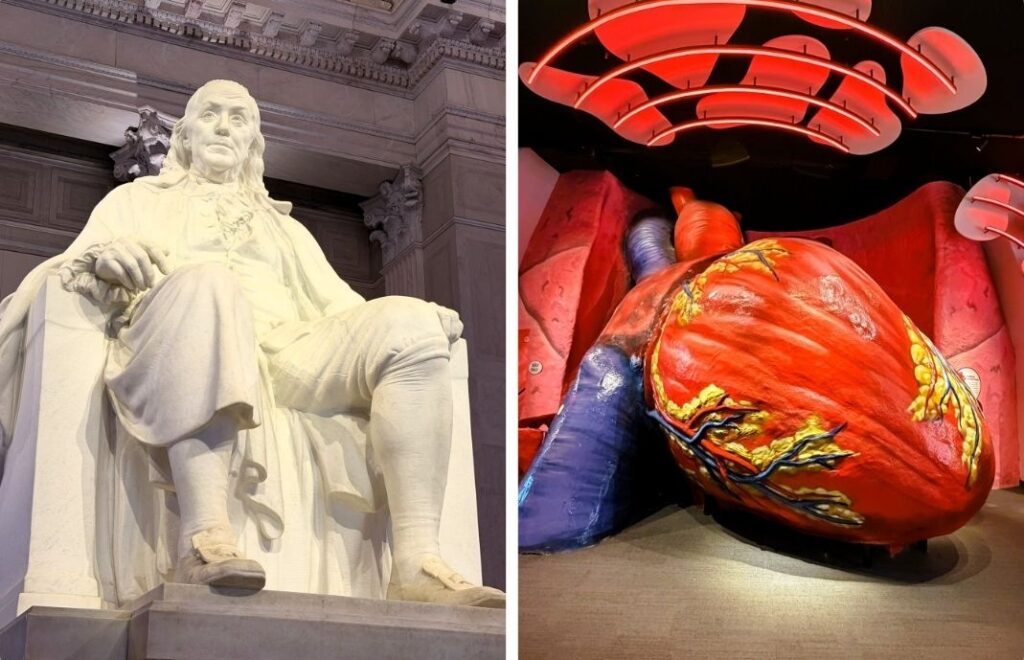
Founded in honor of America’s first scientist, Benjamin Franklin, The Franklin Institute is one of the leading science museums in the U.S. It is also one of the oldest, dating back to 1824. It specializes in how science affects every aspect of life.
This institute, which fills a city block, gives visitors a chance to explore the wonders of science through several permanent exhibits and rotating special exhibits. You can discover everything from the mysteries of the universe to the intricacies of the human body.
The entire museum offers interactive fun, some of the highlights include:
- Wonderous Space: Journey through the cosmos as you explore an immersive, multisensory, two-story exhibit designed to inspire excitement for space science.
- Fels Planetarium: Explore the night sky with cutting-edge and awe-inspiring astronomical presentations.
- SportsZone: Hit the turf and experience how sports connect the science of the human body, laws of motion and technical innovation.
- Demonstration Theater: Head inside the Demonstration Theater for exciting live shows on the science behind subjects like liquid nitrogen, combustion and electricity.
- Body Odyssey: Embark on an immersive journey through the intricacies of the human body where the walkthrough Giant Heart is just the beginning.
Eastern State Penitentiary
Who would have thought it could be so interesting to be in prison?
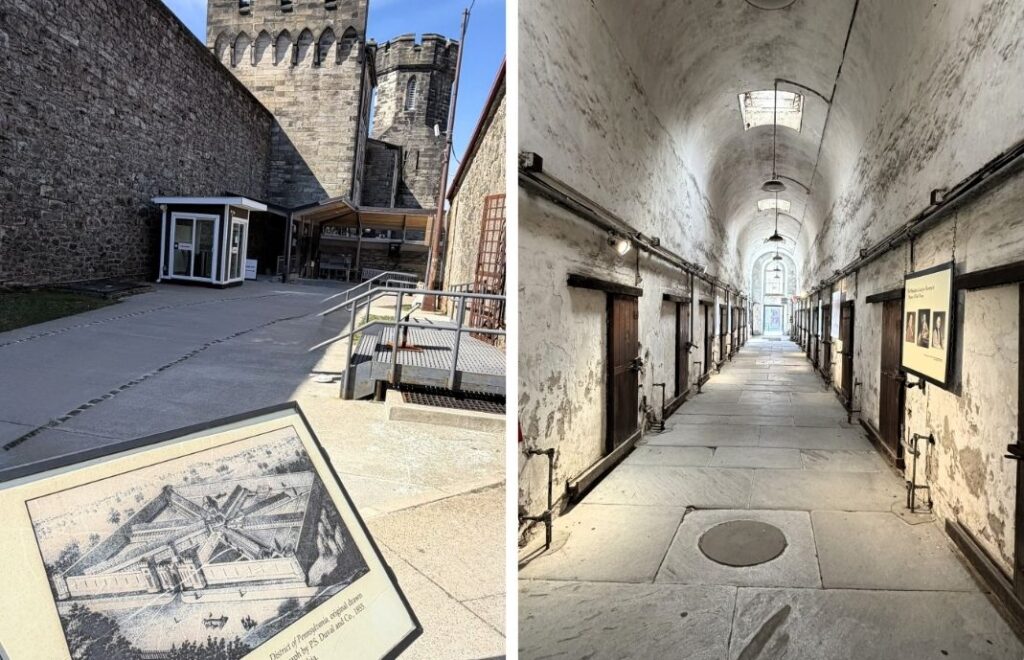
Eastern State Penitentiary was once one of the famous and expensive prisons in the world. It operated from 1829 to 1970 and introduced Americans to the concept of prison as a reform (penitentiary for “penance”). Once it was built, it was also the most expensive construction in the United States at the time.
When it opened, spectators from around the world marveled at its grand architecture and radical philosophy. The experiment, to reform criminals through strict isolation other than daily visits from the warden and the guards, soon became a model for prison design worldwide. After 142 years in use,
Eastern State Penitentiary finally closed its doors as a prison in 1970. Today it is a National Historic Landmark.
Step back in time and see what life was like behind the walls and in the cells. The Penitentiary housed inmates such as bank robber “Slick Willie” Sutton and legendary gangster Al Capone. The tour takes you through the cell blocks and gives you the opportunity to step into the not so comfortable cells.
An audio guide will lead the way and tell unique stories as you make your way through the prison. You can also join a guided tour.
You are invited to engage with this iconic site’s powerful history and deepen your understanding of the justice system today.
As you exit the castle-like Gothic architecture, you will have a whole new understanding of the concept “being behind bars”.
More inspiration: A quick guide to Eastern State Penitentiary
Ministry of Awe
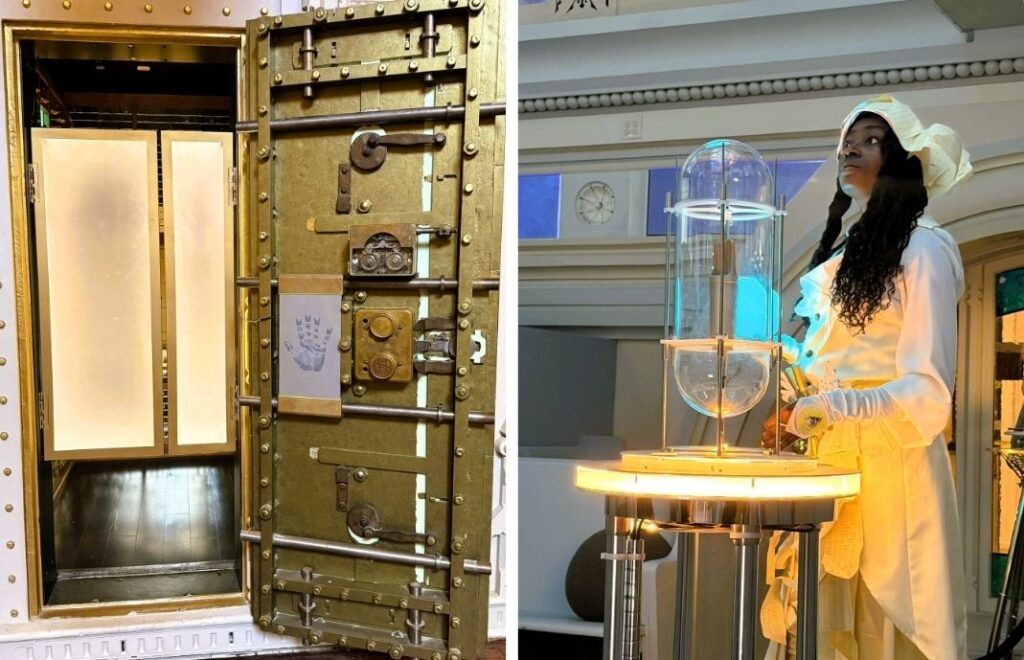
Philadelphia’s new and rather bizarre (yet cool) museum, is housed inside a 19th-century bank. Visitors step into a surreal world where the only currency is the human spirit.
Ministry of Awe (MoA) was created by visionary Meg Saligman and over 100 artists and will awaken your curiosity and leave you curious-er. It is an immersive art and story experience that will, literally, blow your mind.
Visitors being at the welcome desk and make their way through six stories of large-scale immersive art, to the vaulted Heavens. Along the way you get to mingle with the museum’s story characters, touch and perform different tasks and open all your senses.
Ministry of Awe lets you encounter tunnels, labyrinthian hallways and large-scale art installations to a degree that it is almost overwhelming. There is so much to see, touch, explore and take in, that it is hard to explore everything.
Make sure to end your tour with a visit to the unique restrooms where you can make a “final deposit”.
My warmest gratitude to Philadelphia Convention & Visitors Bureau and Atlantic Link for inviting me to explore this amazing city. My flights, accommodation, activities, meals and transportation were all covered. There were no requirements from the partners regarding posts or promotion on social media. Opinions and photos (unless otherwise stated) are, as always, entirely my own.
