
When people think of the United States, famous cities like New York, Los Angeles, Las Vegas, Miami, and Chicago often come to mind first. But across the country, the state capitals tell a different and equally fascinating story.
These cities are where history, politics, culture, and regional identity come together. Some capitals are grand and historic, others are small and charming, while a few may surprise visitors who expect the biggest city in each state to hold the title.
Exploring the capitals of the USA is a great way to understand the country beyond its most obvious landmarks. From coastal cities and mountain towns to Southern charm, Western heritage, and New England history, each capital offers a glimpse into the character of its state.
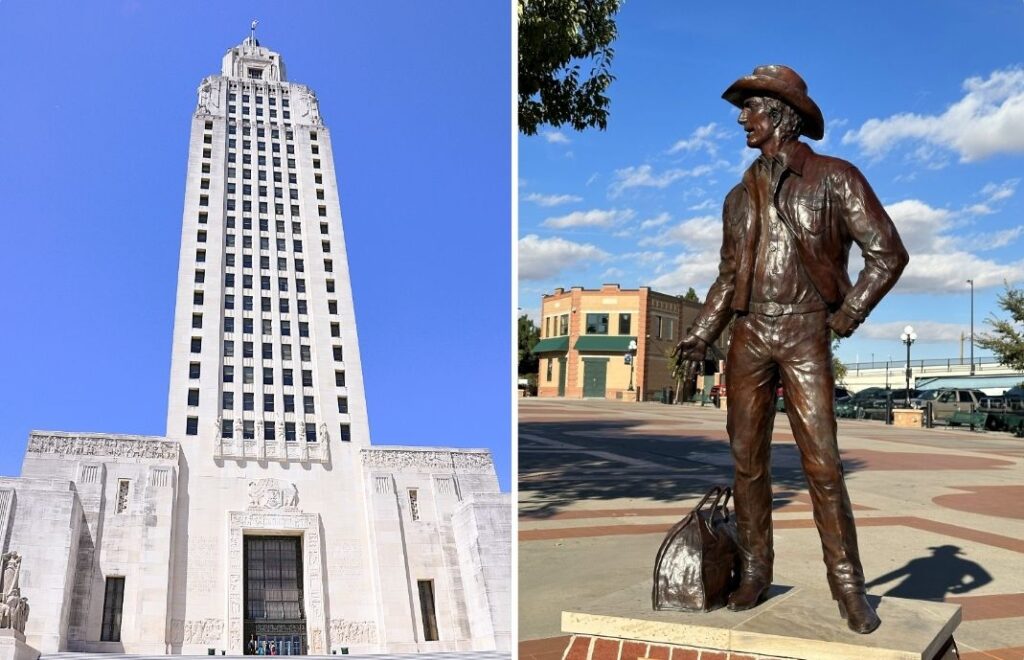
Alabama – Montgomery
Became Alabama’s state capital in 1846.
Set along the Alabama River, Montgomery is a city with deep historical importance. It played a major role in both the Civil War and the Civil Rights Movement, making it one of the most significant capitals in the American South.
Alaska – Juneau
Became Alaska’s capital in 1906, before Alaska became a state in 1959.
Surrounded by mountains, forests, glaciers, and water, Juneau is one of the most scenic capitals in the USA. It is also unusual because it cannot be reached by road from the rest of Alaska, giving it a remote and adventurous character.
Arizona – Phoenix
Became Arizona’s territorial capital in 1889 and remained the capital when Arizona became a state in 1912.
Phoenix is a desert capital known for sunshine, mountain views, and a fast-growing urban energy. Its location in the Sonoran Desert gives it a landscape and atmosphere unlike most other state capitals.
Arkansas – Little Rock
Became Arkansas’ territorial capital in 1821 and remained the state capital when Arkansas became a state in 1836.
Located along the Arkansas River, Little Rock combines Southern charm, political history, and cultural attractions. The city is also closely connected to important moments in the American Civil Rights Movement.
California – Sacramento
Became California’s state capital in 1854.
Located where the Sacramento and American rivers meet, Sacramento has strong ties to the Gold Rush era and California’s early statehood. Today, it combines political importance with historic districts, museums, and a relaxed Northern California feel.
Colorado – Denver
Became Colorado’s territorial capital in 1867 and remained the state capital when Colorado became a state in 1876.
Known as the Mile High City, Denver sits at the edge of the Rocky Mountains and blends urban culture with easy access to outdoor adventure. It is one of the most dynamic capitals in the American West.
Connecticut – Hartford
Became Connecticut’s sole state capital in 1875.
One of the oldest cities in the United States, Hartford is known for its literary history, insurance industry, and historic New England character. It was once home to writers such as Mark Twain and Harriet Beecher Stowe.
Delaware – Dover
Became Delaware’s state capital in 1777.
Dover is a small but historically important capital with colonial roots and a central location within the state. It offers a quieter side of Delaware, with historic buildings, government landmarks, and a charming old-town atmosphere.
Florida – Tallahassee
Became Florida’s territorial capital in 1824 and remained the state capital when Florida became a state in 1845.
Located in northern Florida, Tallahassee has a different feel from the state’s famous beach cities and theme park hubs. It is known for government, universities, oak-lined streets, and a Southern charm that reflects its location close to Georgia.
Georgia – Atlanta
Became Georgia’s state capital in 1868.
Atlanta is one of the most important cities in the American South, known for its Civil Rights history, business influence, music, food, and major airport. As a capital, it combines political importance with big-city energy and a strong cultural identity.
Hawaii – Honolulu
Became the capital of the Kingdom of Hawaii in 1845 and later remained the capital when Hawaii became a U.S. state in 1959.
Set on the island of Oahu, Honolulu is one of the most scenic and unique capitals in the United States. It blends beaches, volcanic landscapes, Polynesian heritage, royal history, and modern city life beside the Pacific Ocean.
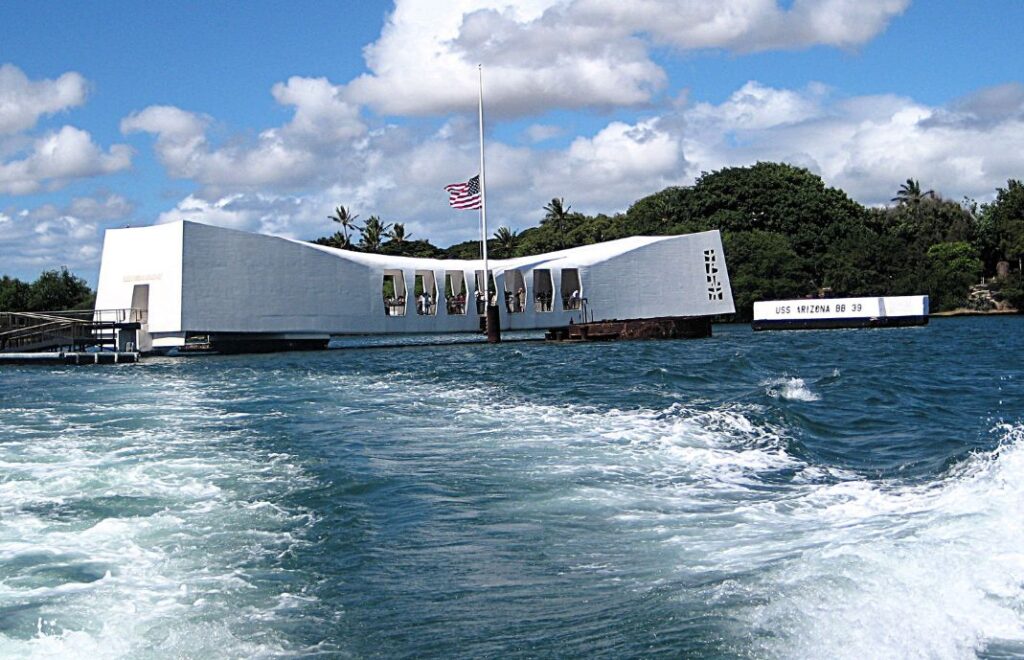
Idaho – Boise
Became Idaho’s territorial capital in 1865 and remained the state capital when Idaho became a state in 1890.
Set in the Treasure Valley, Boise is known for its outdoor lifestyle, growing food scene, and easy access to mountains, rivers, and trails. It has a relaxed Western character with a lively downtown.
Illinois – Springfield
Became Illinois’ state capital in 1839.
Springfield is best known for its connection to Abraham Lincoln, who lived and worked there before becoming president. The city offers important historic sites, museums, and a strong sense of American political history.
Indiana – Indianapolis
Became Indiana’s state capital in 1825.
Often called Indy, Indianapolis is a major Midwestern city known for sports, museums, monuments, and the famous Indianapolis 500. Its central location helped shape its role as the state’s political and cultural hub.
Iowa – Des Moines
Became Iowa’s state capital in 1857.
Des Moines is a friendly and growing capital known for government, insurance, arts, and a strong Midwestern identity. The city combines a walkable downtown with parks, festivals, and a welcoming community feel.
Kansas – Topeka
Became Kansas’ state capital when Kansas became a state in 1861.
Located along the Kansas River, Topeka is a capital with strong political and historical roots. It is especially known for its role in the landmark Brown v. Board of Education case, which became a major moment in the Civil Rights Movement.
Kentucky – Frankfort
Became Kentucky’s state capital in 1792.
Set along the Kentucky River, Frankfort is one of the smaller state capitals in the USA. It has a charming historic feel, with government buildings, river views, bourbon heritage, and easy access to Kentucky’s rolling Bluegrass region.
Louisiana – Baton Rouge
Became Louisiana’s state capital in 1849.
Located on the Mississippi River, Baton Rouge blends Southern history, Creole culture, politics, and riverfront character. The city is also known for its food, music, and strong Louisiana identity.
Maine – Augusta
Became Maine’s state capital in 1832.
Set on the Kennebec River, Augusta is a quiet New England capital with historic charm and a peaceful atmosphere. Its location in central Maine makes it a practical political center for the state.
Maryland – Annapolis
Became Maryland’s state capital in 1694.
Set on Chesapeake Bay, Annapolis is one of the most charming and historic capitals in the USA. It is known for colonial architecture, sailing culture, and the United States Naval Academy.
Massachusetts – Boston
Became the capital of Massachusetts in 1630.
Boston is one of America’s most historic cities, closely connected to the American Revolution and early colonial history. Today, it blends historic landmarks, universities, waterfront views, museums, and a lively New England atmosphere.
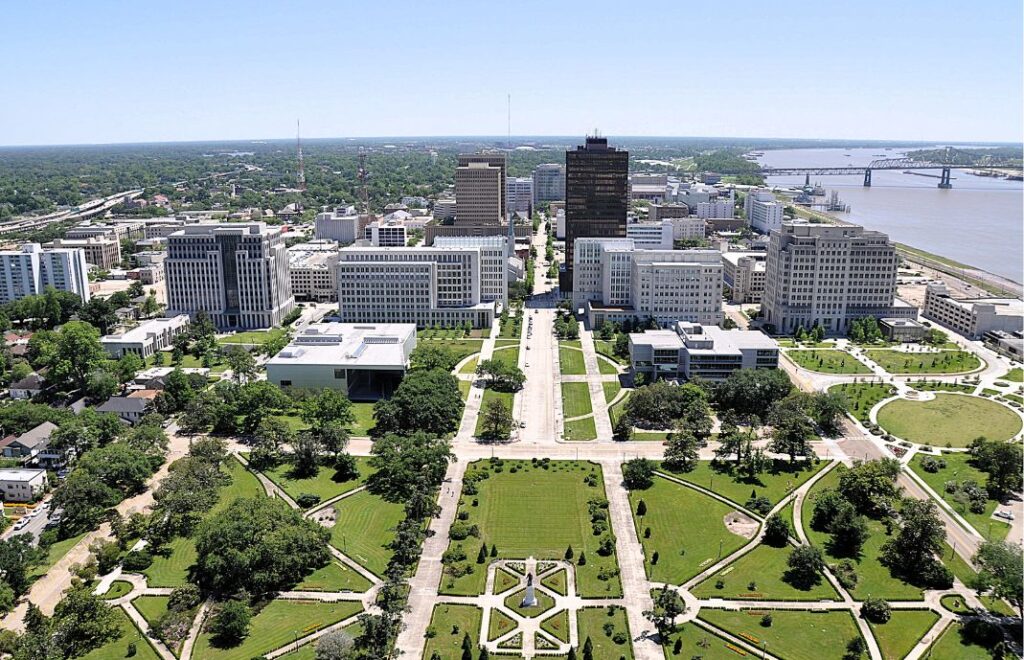
Michigan – Lansing
Became Michigan’s state capital in 1847.
Lansing was chosen to replace Detroit as the capital, giving the state a more central political base. Today, it is known for its government, Michigan State University nearby, museums, and a relaxed Midwestern feel.
Minnesota – St. Paul
Became Minnesota’s territorial capital in 1849 and remained the state capital when Minnesota became a state in 1858.
Located beside the Mississippi River, St. Paul has historic neighborhoods, grand architecture, and a strong cultural identity. Together with Minneapolis, it forms the Twin Cities, one of the Midwest’s most vibrant urban areas.
Mississippi – Jackson
Became Mississippi’s state capital in 1821.
Named after Andrew Jackson, the city sits near the Pearl River and has long been the political center of Mississippi. It is also connected to important Civil Rights history, Southern culture, music, and the wider story of the American South.
Missouri – Jefferson City
Became Missouri’s state capital in 1826.
Located along the Missouri River, Jefferson City is named after Thomas Jefferson. It has a classic small-capital feel, with a prominent state capitol building, river views, and a central role in Missouri’s political history.
Montana – Helena
Became Montana’s territorial capital in 1875 and remained the state capital when Montana became a state in 1889.
Helena began as a gold rush town and still carries a strong sense of Western history. Surrounded by mountains, it offers historic architecture, outdoor access, and a scenic setting that reflects Montana’s rugged character.
Nebraska – Lincoln
Became Nebraska’s state capital in 1867.
Originally named Lancaster, the city was renamed Lincoln after Abraham Lincoln. Today, it is known for government, the University of Nebraska, friendly Midwestern energy, and a strong connection to the state’s prairie heritage.
Nevada – Carson City
Became Nevada’s territorial capital in 1861 and remained the state capital when Nevada became a state in 1864.
Located near the Sierra Nevada and Lake Tahoe, Carson City has a strong Western character. It is closely connected to mining history, frontier heritage, and the dramatic landscapes of northern Nevada.
New Hampshire – Concord
Became New Hampshire’s state capital in 1808.
Concord is a classic New England capital with historic buildings, a compact downtown, and a calm, traditional feel. Its gold-domed State House is one of the city’s most recognizable landmarks.
New Jersey – Trenton
Became New Jersey’s state capital in 1790.
Located along the Delaware River, Trenton played an important role during the American Revolution. Today, it remains an important political centre with historic sites connected to the country’s early fight for independence.
New Mexico – Santa Fe
Became New Mexico’s capital when New Mexico became a state in 1912, though its role as a capital date back to 1610 under Spanish rule.
Santa Fe is one of the oldest and most distinctive capitals in the USA. Known for adobe architecture, Native American and Hispanic heritage, art galleries, and mountain scenery, it has a character unlike any other state capital.

New York – Albany
Became New York’s state capital in 1797.
Set along the Hudson River, Albany is one of the oldest continuously chartered cities in the United States. It is known for government, historic architecture, and its long role in New York’s political and cultural history.
North Carolina – Raleigh
Became North Carolina’s state capital in 1792.
Known as the City of Oaks, Raleigh is part of North Carolina’s Research Triangle and combines history, education, culture, and leafy Southern charm. It was one of the few U.S. capitals planned specifically to serve as a state capital.
North Dakota – Bismarck
Became Dakota Territory’s capital in 1883 and remained North Dakota’s state capital when North Dakota became a state in 1889.
Located along the Missouri River, Bismarck has a strong Great Plains character. It is known for government, river scenery, Native American history, and access to North Dakota’s wide-open landscapes.
Ohio – Columbus
Became Ohio’s state capital in 1816.
Columbus was chosen for its central location within the state. Today, it is one of the Midwest’s largest and fastest-growing cities, known for government, Ohio State University, arts, food, and a lively downtown.
Oklahoma – Oklahoma City
Became Oklahoma’s state capital in 1910.
Oklahoma City blends Western heritage, oil history, modern development, and a strong sense of local identity. It is known for its cowboy culture, museums, growing food scene, and revitalized downtown areas.
Oregon – Salem
Became Oregon’s territorial capital in 1851 and remained the state capital when Oregon became a state in 1859.
Located in the Willamette Valley, Salem is surrounded by farmland, vineyards, and scenic Pacific Northwest landscapes. It has a quiet atmosphere, with historic sites, gardens, and easy access to Oregon’s wine country.
Pennsylvania – Harrisburg
Became Pennsylvania’s state capital in 1812.
Located along the Susquehanna River, Harrisburg has long been an important political and transportation hub. Its central location, historic architecture, and impressive State Capitol make it a key city in Pennsylvania’s story.
Rhode Island – Providence
Became Rhode Island’s sole state capital in 1900.
One of the oldest cities in the United States, Providence has a rich colonial history, a lively arts scene, and a strong New England character. Its compact downtown area, rivers, universities, and historic neighborhoods give the city plenty of charm.
South Carolina – Columbia
Became South Carolina’s state capital in 1786.
Set near the center of the state, Columbia was chosen as a planned capital after the American Revolution. Today, it is known for government, the University of South Carolina, Southern history, and warm, leafy streets.
South Dakota – Pierre
Became South Dakota’s state capital when South Dakota became a state in 1889.
Located along the Missouri River, Pierre is one of the smallest state capitals in the USA. It has a quiet Great Plains atmosphere, with wide-open landscapes, river views, and a strong connection to South Dakota’s frontier heritage.
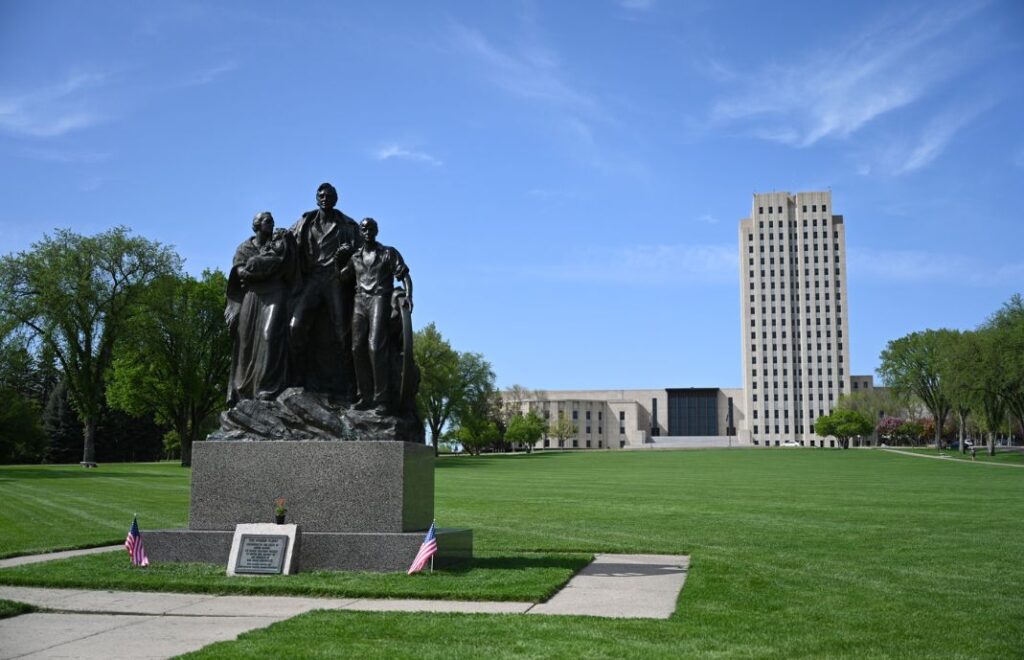
Photo: North Dakota Tourism
Tennessee – Nashville
Became Tennessee’s permanent state capital in 1843.
Known as Music City, Nashville is one of the most famous capitals in the USA. It combines government history with country music, live entertainment, Southern food, and a lively cultural scene.
Texas – Austin
Became the capital of the Republic of Texas in 1839 and remained the state capital when Texas became a U.S. state in 1845.
Austin is known for music, creativity, food, and a relaxed but energetic atmosphere. Set along the Colorado River, it blends political importance with outdoor spaces, festivals, and a strong local identity.
Utah – Salt Lake City
Became Utah’s territorial capital in 1858 and remained the state capital when Utah became a state in 1896.
Surrounded by mountains and close to the Great Salt Lake, Salt Lake City has one of the most dramatic settings of any U.S. capital. It is known for history, outdoor adventure, winter sports, and its connection to the Mormon pioneers.
Vermont – Montpelier
Became Vermont’s state capital in 1805.
Montpelier is the smallest state capital in the USA by population, giving it a quiet and charming character. Surrounded by hills, forests, and classic New England scenery, it feels more like a small town than a political center.
Virginia – Richmond
Became Virginia’s state capital in 1780.
Set on the James River, Richmond is one of the most historically important capitals in the United States. It is known for colonial history, Civil War heritage, museums, murals, food, and a growing creative scene.
Washington – Olympia
Became Washington’s territorial capital in 1853 and remained the state capital when Washington became a state in 1889.
Located at the southern end of Puget Sound, Olympia has a scenic setting with water, forests, and mountain views nearby. It is a quieter capital with a strong connection to nature and the Pacific Northwest lifestyle.
West Virginia – Charleston
Became West Virginia’s permanent state capital in 1885.
Set along the Kanawha River, Charleston is surrounded by the hills and valleys that define much of West Virginia. The city combines government, Appalachian culture, riverfront scenery, and easy access to outdoor adventures.
Wisconsin – Madison
Became Wisconsin’s territorial capital in 1836 and remained the state capital when Wisconsin became a state in 1848.
Built between lakes Mendota and Monona, Madison is one of the most beautifully located capitals in the USA. It is known for its lively university atmosphere, bike-friendly streets, farmers’ markets, and impressive State Capitol.
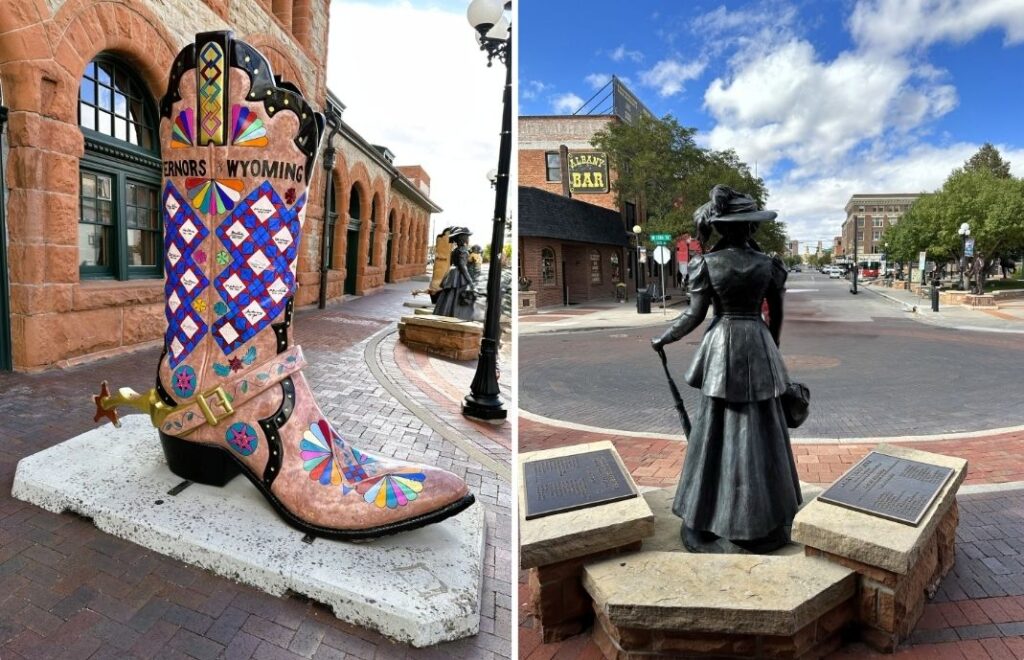
Wyoming – Cheyenne
Became Wyoming’s territorial capital in 1869 and remained the state capital when Wyoming became a state in 1890.
Cheyenne has a strong Western identity, shaped by railroads, ranching, rodeo, and frontier history. It is especially known for Cheyenne Frontier Days, one of the largest and most famous rodeo events in the United States.
Washington, D.C. – the capital of the US
Became the capital of the United States in 1800.
Unlike the state capitals, Washington, D.C. is not part of any state, but a federal district created to serve as the nation’s capital. It is one of the most important political cities in the world. Washington D.C. is known for the White House, the U.S. Capitol, the Supreme Court, grand monuments, museums, and a strong sense of American history.
