There is something irresistible about dragons. For centuries, these mysterious creatures have captured our imagination, appearing in legends, fairytales, and ancient folklore across the world. Sometimes they are wise guardians of hidden treasures, sometimes terrifying monsters breathing fire, and occasionally they are defeated by the most unlikely of heroes.
But what if you could visit a place where a dragon is more than just a character in an old story?
In the beautiful Polish city of Kraków, dragons are very much part of the local identity. At the foot of magnificent Wawel Hill, overlooking the Vistula River, lies a place associated with one of Poland’s most famous legends. Here, according to folklore, a fearsome dragon once terrorized the city, leaving its inhabitants desperate for someone brave enough to put an end to its reign.
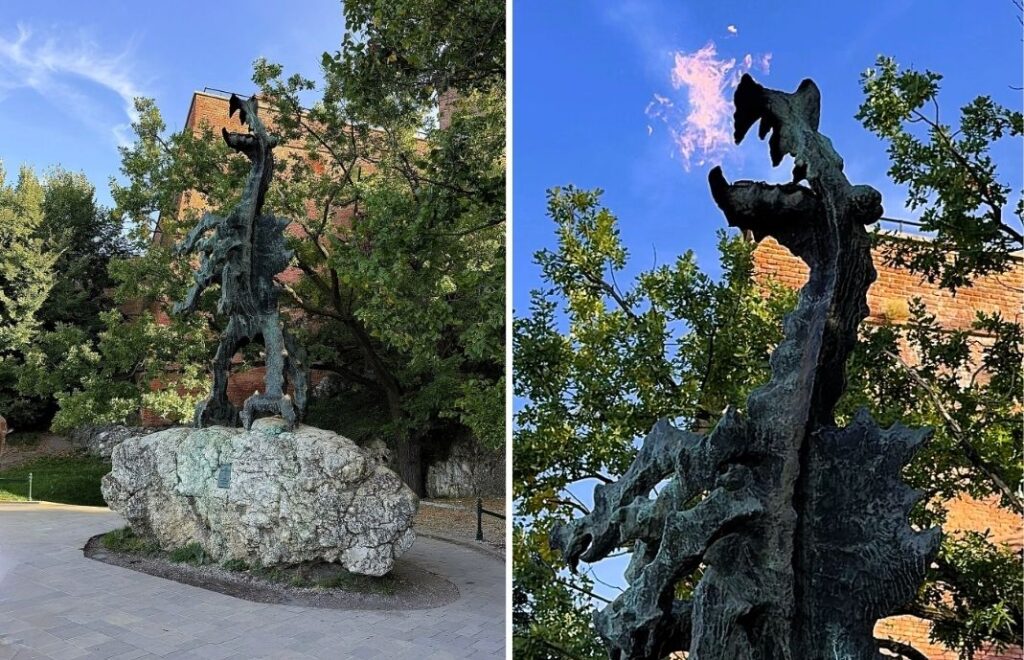
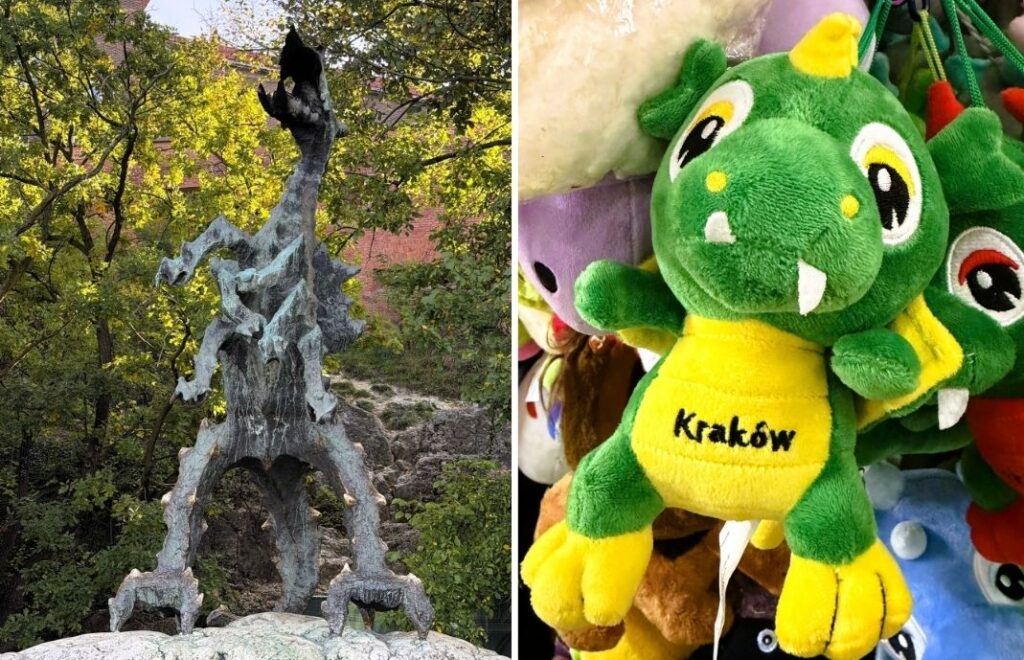
Today, the Wawel Dragon (Smok Wawelski) remains one of Kraków’s most beloved symbols. Its legend has been passed down through generations, inspiring stories, artwork, and even a fire-breathing dragon statue that delights visitors beside the river.
And while nobody expects to encounter a real dragon wandering around Kraków, there is something wonderfully charming about a city that continues to embrace its legendary monster.
After all, who says a little imagination cannot make a journey even more magical?
A tale of fire, fear, and a clever shoemaker
Once upon a time, long before Kraków became one of Poland’s most beautiful cities, a terrifying dragon made its home in a dark cave beneath Wawel Hill.
And this was certainly no friendly dragon.
According to legend, the enormous beast had an appetite that seemed impossible to satisfy. It devoured livestock, frightened the local population, and, in some versions of the story, even demanded human sacrifices. Its fiery breath and fearsome appearance made it a creature nobody dared to challenge.
King Krak, the legendary ruler of Kraków, was desperate to save his people. Brave knights attempted to defeat the monster, but neither swords nor courage proved enough. The dragon remained undefeated, and the people continued to live in fear.
Then, just when all hope seemed lost, an unlikely hero appeared.
His name was Skuba, and he was a young shoemaker. Unlike the knights before him, Skuba had no intention of fighting the dragon with a sword. Instead, he had a rather unusual plan.
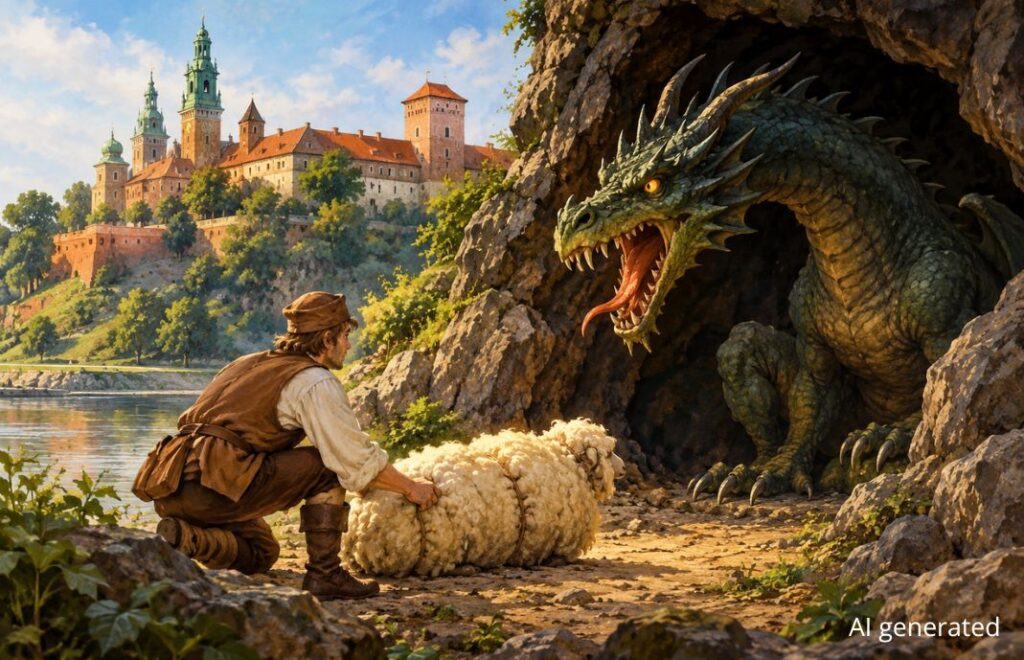
He took a sheepskin, filled it with sulphur, and carefully stitched it together to resemble a real sheep. Then he placed his tempting creation outside the dragon’s cave and waited.
The following morning, the hungry dragon emerged from its hiding place. Spotting what appeared to be a delicious breakfast, it swallowed the sheep without a second thought.
A rather unfortunate decision, as it turned out.
Before long, the sulphur began burning inside the dragon’s stomach, creating an unbearable thirst. Desperate for relief, the beast rushed to the nearby Vistula River and began drinking.
And drinking.
And drinking some more.
But no matter how much water it swallowed, the burning would not stop. Its enormous belly grew bigger and bigger until, finally, with one tremendous BOOM!, the dragon burst.
The terrifying monster was gone, and Kraków was free at last.
Skuba returned as a hero, proving that a clever mind could succeed where the strongest knights had failed. In popular versions of the legend, he was rewarded with the hand of the king’s daughter in marriage.
Of course, nobody knows exactly how this extraordinary tale began. The legend has been told and retold for centuries, with different characters and details appearing along the way.
But one thing remains unchanged: the Wawel Dragon is proof that sometimes a little clever thinking is far more powerful than a sword.
And that is certainly a lesson worth remembering, especially when dealing with hungry dragons.
The legend lives on
The legendary dragon may have met an explosive end, but that certainly hasn’t stopped him from making an appearance in modern-day Kraków!
At the foot of Wawel Hill, beside the Vistula River, visitors can meet a rather impressive bronze dragon statue. Created by Polish sculptor Bronisław Chromy and unveiled in 1972, the six-metre-tall creature has become one of the city’s most beloved attractions.
And this is no ordinary statue. Every few minutes, the dragon breathes real fire, much to the delight of visitors waiting with their cameras ready.
Nearby lies Smocza Jama (Dragon’s Den), the limestone cave where the legendary monster supposedly lived. Visitors can explore part of the cave during its seasonal opening period, adding another touch of adventure to the experience.
So, while Kraków’s famous dragon may belong to the world of myths and legends, one thing is certain: he hasn’t completely lost his fire!