
It’s true that much of Bolivia is not set up for tourism, so those willing to take the path less traveled are rewarded with wonderful experiences, adventurous activities, and epic stories to tell the folks back home. It overwhelms you, surprises, challenges, and rewards you in so many ways.
Bolivia is a country of vast salt flats, high-altitude cities, colorful markets, ancient cultures, surreal deserts, snow-capped peaks and wonderful wildlife.
Travelling through Bolivia is an adventure in the truest sense. One day you might be standing on the mirror-like surface of Salar de Uyuni, where the sky seems to fall onto the earth. The next, you could be wandering the steep streets of La Paz, crossing the waters of Lake Titicaca, or watching the colors shift across the altiplano as the sun sinks behind the Andes.
Bolivia is special in so many ways. It feels raw and deeply authentic. It is not always the easiest country to travel through, but that is part of the magic. The distances are long, the altitude is real, and the landscapes can feel wonderfully remote. Yet every challenge seems to come with a reward, either a magnificent view, a story, a cultural encounter or a tasty dish.
If you are looking for something beyond the obvious, Bolivia is one of South America’s most fascinating choices. You can expect a country that is bold, beautiful, mysterious, and full of experiences. The combination reminds you that travel can still feel like discovery.
1. Incredible landscapes
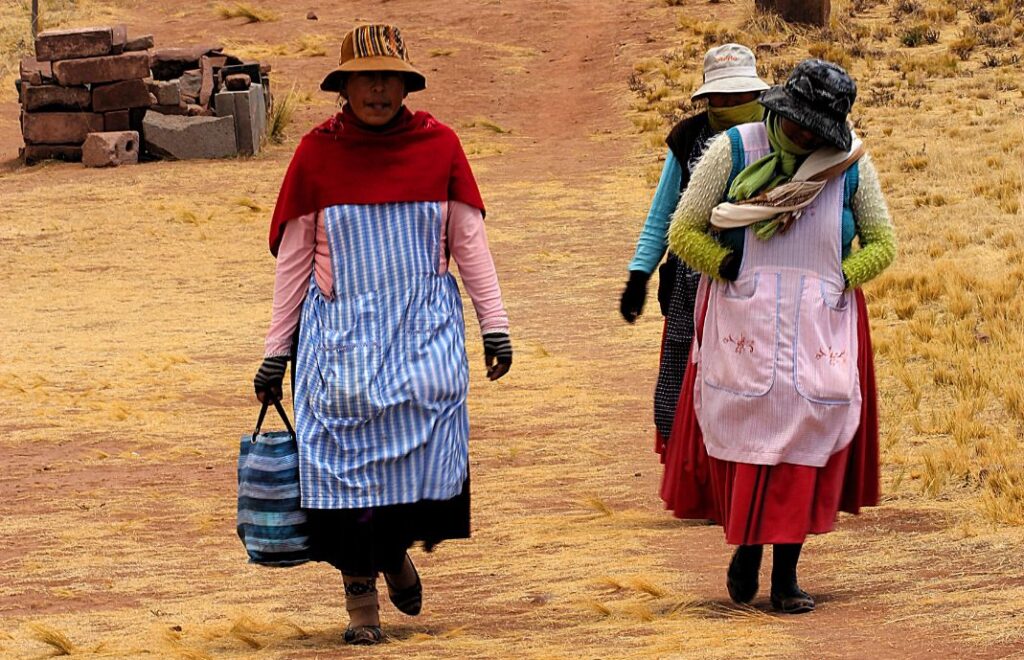
Bolivia’s landscapes feel almost unreal. This is one of the few places in the world where you can travel from glittering salt flats to red deserts, from snow-capped Andean peaks to deep valleys, high plateaus, jungle, lagoons, volcanoes, and lakes.
The most famous landscape is Salar de Uyuni, the world’s largest salt flat. But Bolivia’s beauty goes far beyond Uyuni. The Altiplano is filled with dramatic colors, flamingo-filled lagoons, steaming geysers, and wide-open silence. The Andes bring mountain scenery on a grand scale, while the lowlands and Amazon region reveal a greener, wilder side of the country.
Your Bolivian journey will take you through landscapes so powerful it will blow your mind. The landscapes are varied and intense. Not only are they beautiful but they feel cinematic, remote, and deeply adventurous. It feels like every road lead to a place you can’t even imagine.
2. Cultural experiences
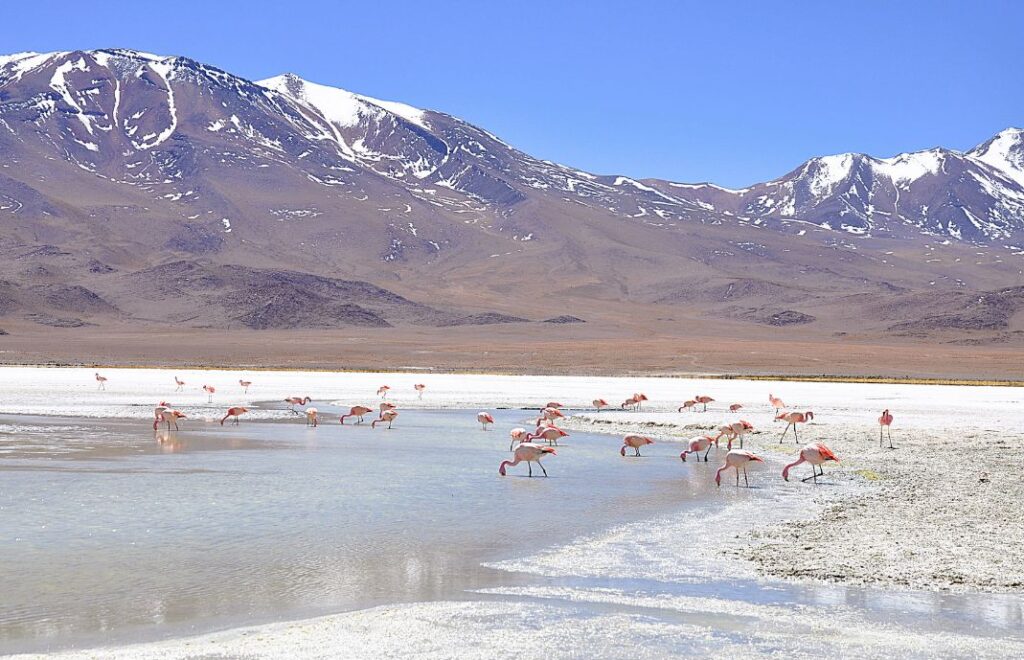
Bolivia is one of the most culturally rich countries in South America. Its traditions are deeply rooted in Indigenous heritage, especially Aymara and Quechua cultures, which are still visible in daily life, language, clothing, markets, festivals, music, and food.
As you make your way through Bolivia, you will see that the culture is not hidden, but rather very much alive. In La Paz, colorful markets spill across steep hillsides, cholitas wear traditional bowler hats and layered skirts with pride, and ancient beliefs exist alongside modern city life. In smaller towns and rural communities, traditions often feel even closer to the surface.
Bolivia’s festivals are another highlight, full of color, movement, masks, music, and symbolism. They show the country’s unique mix of Indigenous traditions, colonial history, spirituality, and celebration.
These cultural experiences add depth and excitement. You will soon realize that Bolivia is a place to listen, observe, taste, and learn from a heritage that remains strong, proud, and beautifully distinctive.
More inspiration: Fighting females take the ring
3. Salar de Uyuni
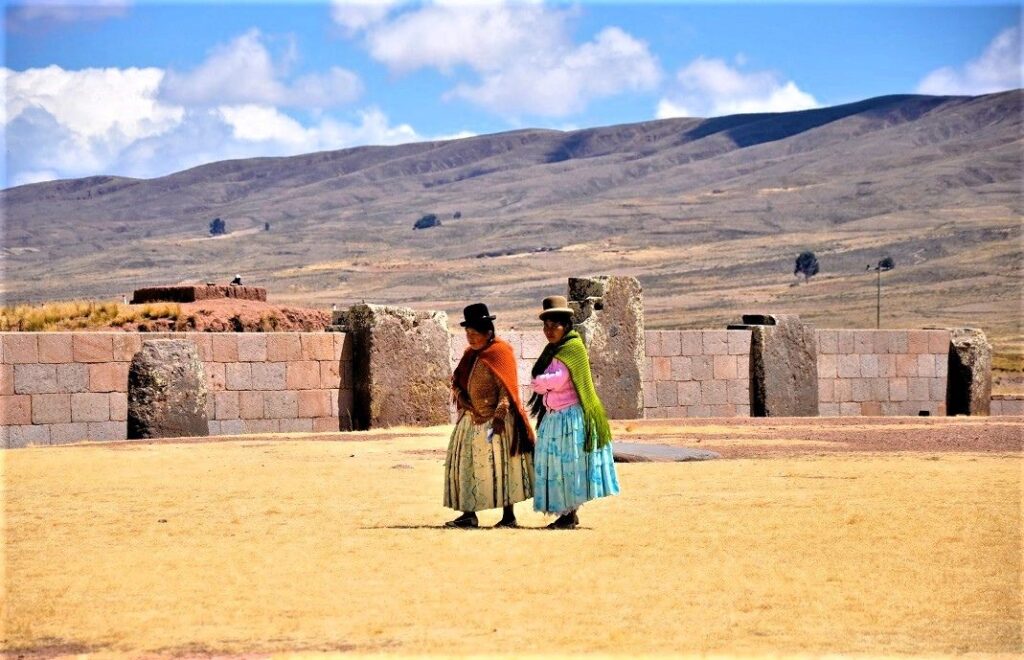
No list of reasons to visit Bolivia would be complete without Salar de Uyuni. This extraordinary salt flat is one of the country’s most famous sights – and one of the most surreal landscapes on Earth.
During the dry season, Salar de Uyuni becomes a vast white world stretching toward the horizon, crisp, bright, and almost lunar in its simplicity. After the rains, a thin layer of water can turn the salt flat into a giant mirror, reflecting the sky so perfectly that it feels as if you are walking between clouds.
The experience is not only about the salt flat itself. Many tours continue into the surrounding high-altitude desert, where colorful lagoons, flamingos, volcanoes, rock formations, and steaming geysers make the journey feel even more otherworldly.
Salar de Uyuni is the kind of place that makes Bolivia unforgettable. It is wild, strange, beautiful, and completely unlike anywhere else. It’s a landscape that feels less like a destination and more like a dream.
More inspiration: Bolivia’s salty side
4. Amazing wildlife
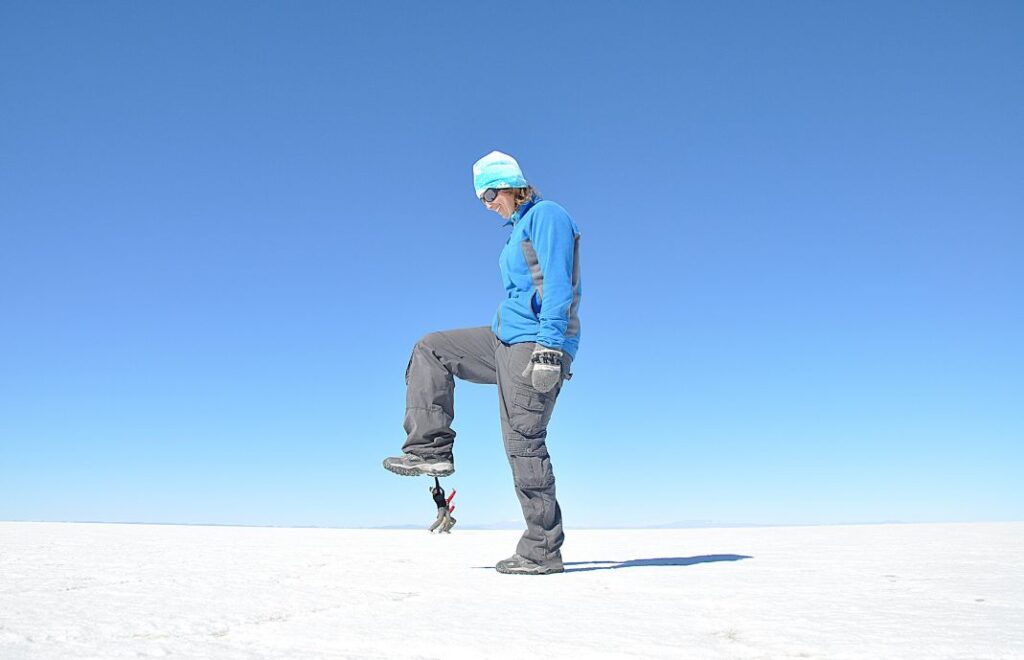
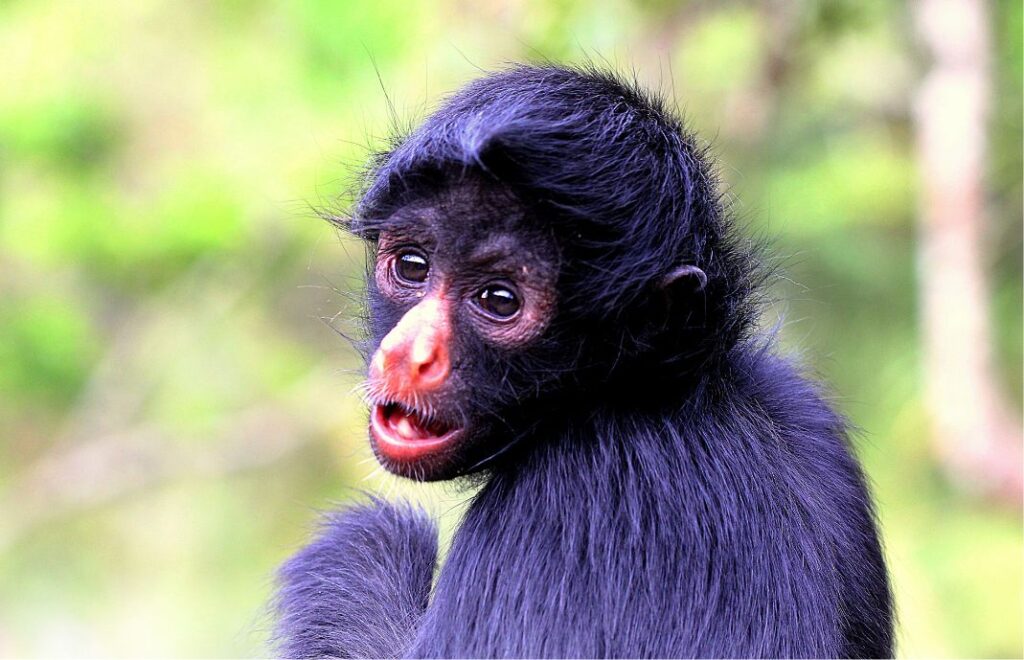
Bolivia may be famous for its salt flats and mountain scenery, but its wildlife is just as fascinating. Because the country stretches from the high Andes to the Amazon Basin, it offers an incredible variety of habitats – and with them, an impressive range of animals.
If you opt to visit the highlands, you may spot vicuñas, llamas, alpacas, flamingos, Andean foxes, and condors soaring above the mountains. Around the colorful lagoons near Salar de Uyuni, flamingos are one of the great highlights, adding flashes of pink to an already surreal landscape.
Further north and east, Bolivia becomes greener and wilder. In the Amazon and wetlands, wildlife changes completely. Be on the lookout for monkeys, macaws, caimans, capybaras, river dolphins, tapirs, and countless bird species. For nature lovers, this side of Bolivia feels rich, warm, and full of life.
What makes Bolivia’s wildlife special is the contrast. One journey can take you from flamingos in icy high-altitude lagoons to rainforest creatures in the Amazon. Yet another proof that Bolivia is far more diverse than many travelers expect.
5. Cycling Death Road
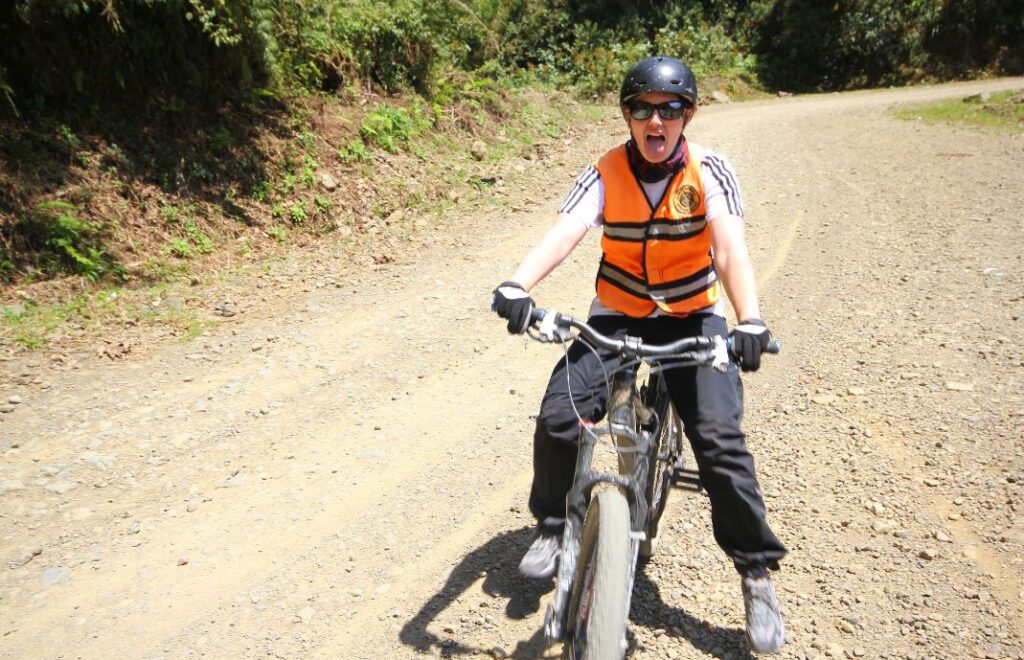
If you are into adventures with a serious dose of adrenaline, cycling Death Road is one of Bolivia’s most famous experiences.
Officially known as the Yungas Road, this legendary route drops from the high Andes toward the lush cloud forest near Coroico. Along the way you will see dramatic cliffs, waterfalls, misty valleys, and views that are both beautiful and nerve-racking.
The name Death Road may sound extreme, and the road does have a dangerous history. Today, however, most cycling tours use experienced guides, proper safety equipment, and a controlled pace, making it a popular adventure activity for visitors to La Paz.
What makes the ride so unforgettable is the scenery and the adrenalin kick. You start in the cold, thin air of the mountains and descend into a warmer, greener world, watching the landscape transform with every turn. It is thrilling, scenic, and just a little bit terrifying – exactly the kind of experience that makes Bolivia feel so alive.
Cycling Death Road is not for everyone, but for adventurous travelers. It is a story you will probably be telling for years.
More inspiration: Cycling (and surviving) Death Road
6. Fascinating cities
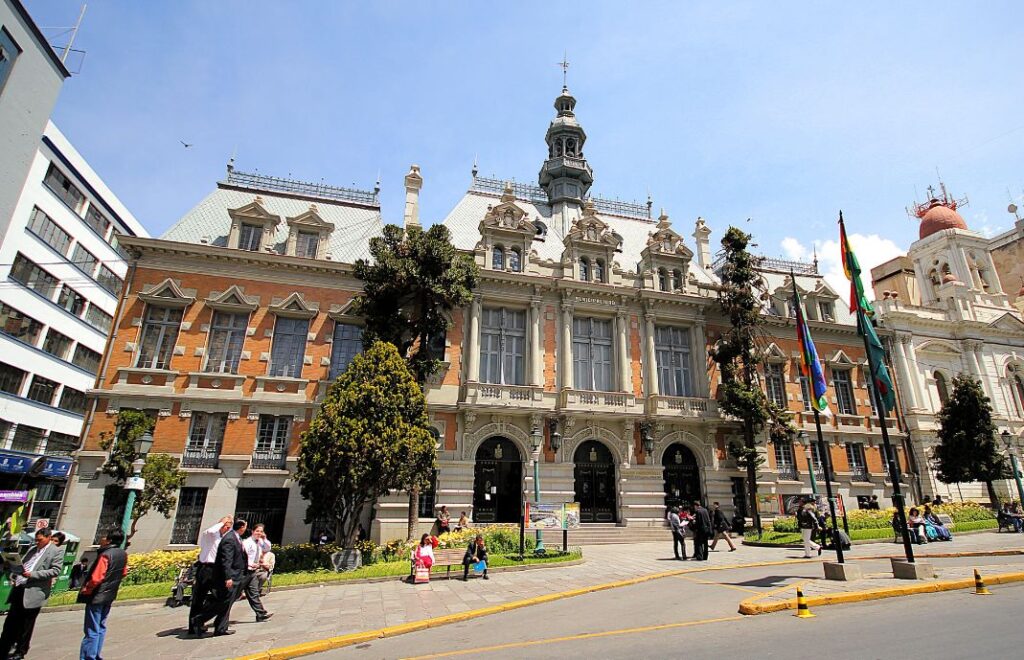
Bolivia’s cities are every bit as memorable as its landscapes. They are colorful, high-altitude, historic, chaotic, and full of character. They are the kind of places where everyday life feels just as interesting as the main attractions.
La Paz is one of the most striking cities in South America, set dramatically in a bowl-shaped valley beneath the Andes. Its steep streets, markets, cable cars, viewpoints, and mix of modern energy and Indigenous tradition make it a city that feels completely unique.
Sucre, Bolivia’s constitutional capital, offers a very different atmosphere. With whitewashed colonial buildings, leafy plazas, museums, cafés, and a softer pace, it is one of the country’s most beautiful and elegant cities.
Then there is Potosí, a city shaped by silver, history, and the towering presence of Cerro Rico. Its past is complex and difficult, but deeply important to understanding Bolivia and South America’s colonial history.
Together, Bolivia’s cities add depth to the journey. They show the country’s culture, contrasts, history, and daily life. A visit to these unique cities proves that Bolivia is also a destination of urban stories.
7. A country full of history
Long before Bolivia became a modern nation, this land was shaped by ancient civilizations, indigenous cultures, powerful trade routes, and the dramatic impact of Spanish colonization.
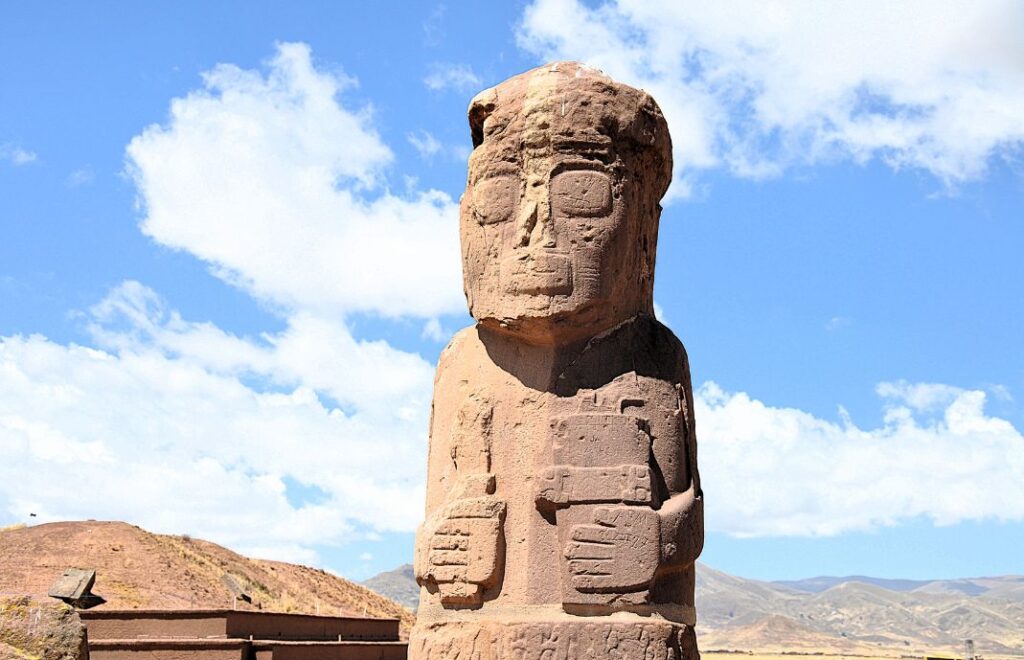
One of the most important historic sites is Tiwanaku, an ancient pre-Inca civilization near Lake Titicaca. Its stone temples, monoliths, and mysterious ruins offer a glimpse into a society that influenced the Andes long before the rise of the Inca Empire.
Bolivia’s colonial history is just as powerful, especially in places like Potosí. Thanks to the silver mined from Cerro Rico, this was once one of the richest cities in the world. The wealth that flowed from the mountain helped shape empires, but it also came at a human cost.
The most fascinating part is that Bolivia’s history is not confined to museums. Instead, it can be felt in old streets, sacred ruins, mining towns, markets, churches, festivals, and living traditions. Travelling through Bolivia feels like moving through layers of time – ancient, colonial, and modern all woven together.
More inspiration: Pumapunku – Where ancient mysteries await
8. Mouthwatering food
Bolivian food is hearty, colorful, and full of character. It reflects the country’s landscapes and cultures, from high-altitude comfort food in the Andes to fresh tropical ingredients from the lowlands.
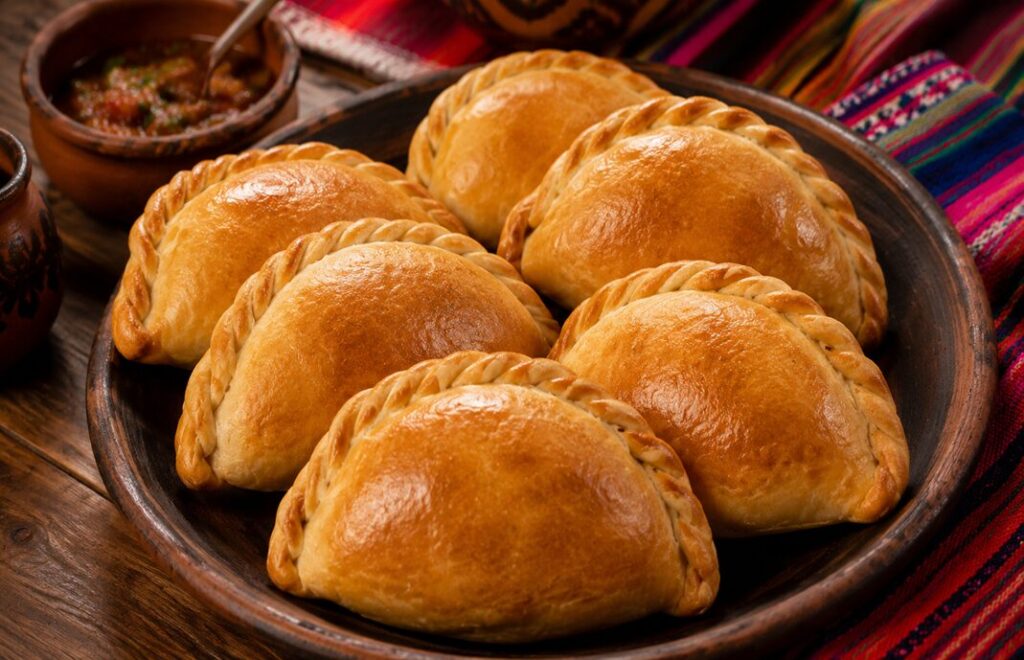
One of the best things to try is salteñas, Bolivia’s famous baked pastries filled with juicy meat, vegetables, spices, and a slightly sweet dough. They are often eaten as morning snacks and are a delicious introduction to the country’s food culture. Other local favorites include soups, grilled meats, potatoes, corn, quinoa, cheese, and dishes shaped by Indigenous traditions.
Food in Bolivia is not always flashy, but it is deeply satisfying. It tastes like markets, family kitchens, mountain towns, and long journeys across the altiplano. Eating in Bolivia is another way of understanding the country – warm, generous, surprising, and rooted in place.
9. Welcoming people
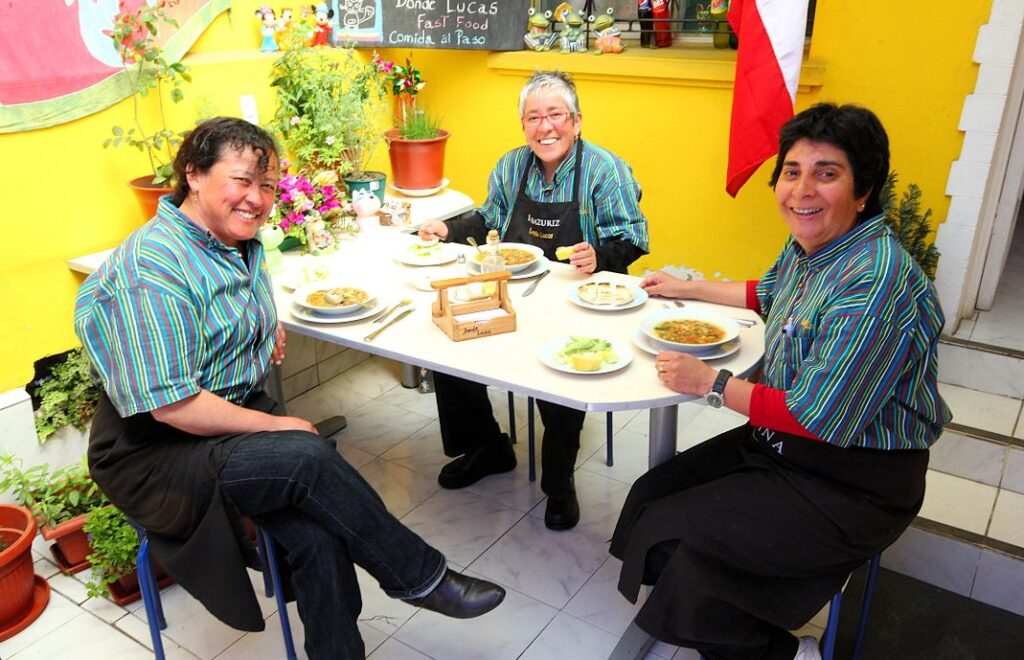
One of the most meaningful reasons to visit Bolivia is the people. Across the country, you are welcomed with sincere, generous and heartfelt hospitality and friendliness.
Bolivia reveals itself through everyday encounters with the locals. It does not matter if you are in a market, mountain village, a family-run guesthouse, restaurant, or city street. Expect to be met with a smile, helpfulness, a carefully prepared meal, or a conversation about local traditions. These are moments that stay with you.
Bolivians often carry a strong pride in their culture, history, and homeland. For visitors who travel with respect and curiosity, those connections can add real depth to the journey.
It is this human side of Bolivia that often lingers longest. The salt flats may amaze you; the mountains may humble you, and the cities may surprise you. But the warmth of the people makes your journey feel personal.
10. A destination for every season
Bolivia is the kind of country that can be visited all year, if you know what kind of experience you want. Its landscapes are so varied that each season brings a different mood, from crisp highland skies to greener valleys and mirror-like salt flats.
The dry season, from around May to October, is often the most popular time to visit. Roads are usually easier to travel, and skies are clearer. Places like La Paz, Sucre, Potosí, Lake Titicaca, and the high-altitude desert around Salar de Uyuni are especially rewarding.
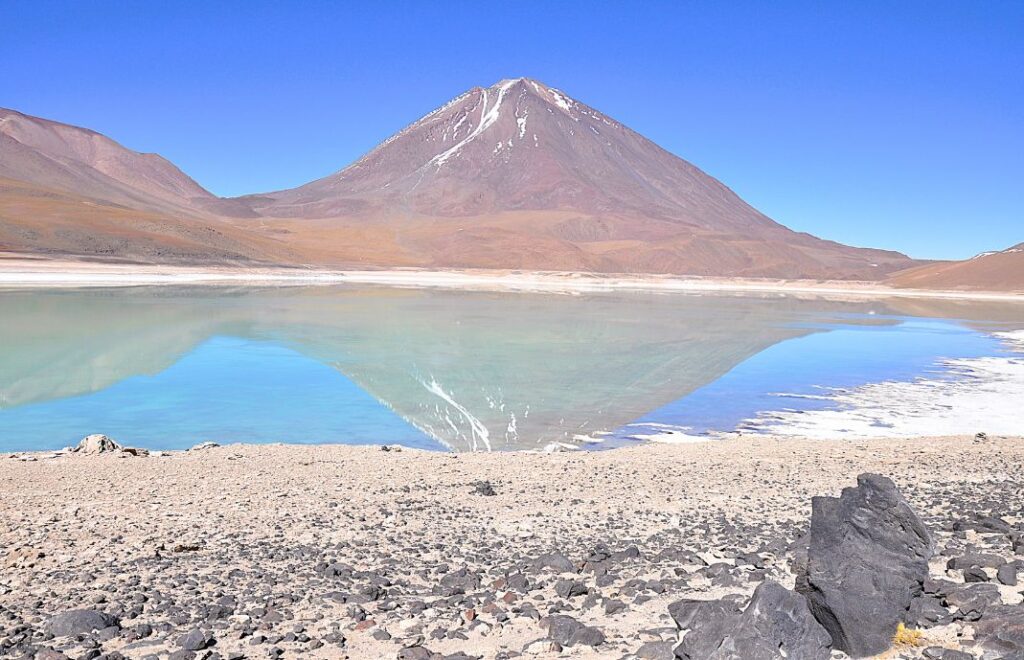
The rainy season, from around November to March, brings a completely different kind of magic. This is when parts of Salar de Uyuni can transform into the famous mirror effect, where the sky reflects on the water-covered salt flat and the horizon seems to disappear.
Because Bolivia offers mountains, cities, salt flats, valleys, jungle, and wetlands, there is no single perfect time for traveling. The best season depends on whether you are chasing clear views, dramatic photography, cultural festivals, wildlife, or the surreal beauty of Uyuni after the rains.
That is what makes Bolivia so exciting: it is not a country with only one ideal travel window. It has something extraordinary to offer in every season.
11. Not (yet) overrun by tourists
One of Bolivia’s greatest charms is that it still feels like a place of discovery. While some destinations in South America can feel polished, crowded, and heavily shaped by tourism, Bolivia has kept much of its raw and authentic character.
That does not mean it is unknown. Travelers come for Salar de Uyuni, La Paz, Lake Titicaca, and the incredible landscapes – but it often feels less overrun than many other bucket-list destinations. In Bolivia there is still space to breathe, wander, and be surprised. It feels like the journey belongs to you.
The result is that Bolivia has a special kind of magic. This gives Bolivia a special kind of magic. Markets feel local, roads are adventurous, landscapes provide a sense of serenity. Here, the experiences feel personal rather than packaged. It is a country where the unexpected is still part of the adventure.
If you are looking for a something else than a perfectly polished holiday, Bolivia is deeply rewarding. You have picked a country that is bold, real, beautiful and authentic. It is still full of places that feel wonderfully untouched by mass tourism.
