
Borneo is a destination that defies simple definitions. Shared by Malaysia, Indonesia, and Brunei, the island offers a rare blend of wild nature, cultural depth, and genuine adventure, all within a setting that still feels largely untouched by mass tourism. It is a place where ancient rainforests coexist with vibrant cities, where rivers remain vital travel routes, and where daily life is closely connected to the land.
Traveling in Borneo is about variety as much as discovery. One day might be spent in dense jungle listening to the sounds of wildlife, the next exploring traditional communities, coastal landscapes, or modern urban centers shaped by diverse cultural influences. This contrast is what makes Borneo so compelling. It offers rich experiences across nature, culture, and everyday life, inviting travelers to slow down, explore deeper, and see Southeast Asia from a broader, more authentic perspective.

One of the world’s oldest rainforests
Borneo is home to some of the oldest rainforests on the planet, with ecosystems that have evolved over tens of millions of years. These forests are remarkably complex, layered with towering trees, dense undergrowth, and an active canopy that supports an extraordinary concentration of life. Walking through them feels less like visiting a landscape and more like stepping into a living system shaped by deep time.
What makes Borneo’s rainforests especially compelling is their sense of continuity. Rivers still act as natural highways, jungle sounds dominate the atmosphere, and vast areas remain difficult to access, preserving a feeling of genuine wilderness. This ancient environment forms the foundation of the island’s identity, influencing everything from wildlife and climate to local cultures and ways of life.
Rare and endangered wildlife
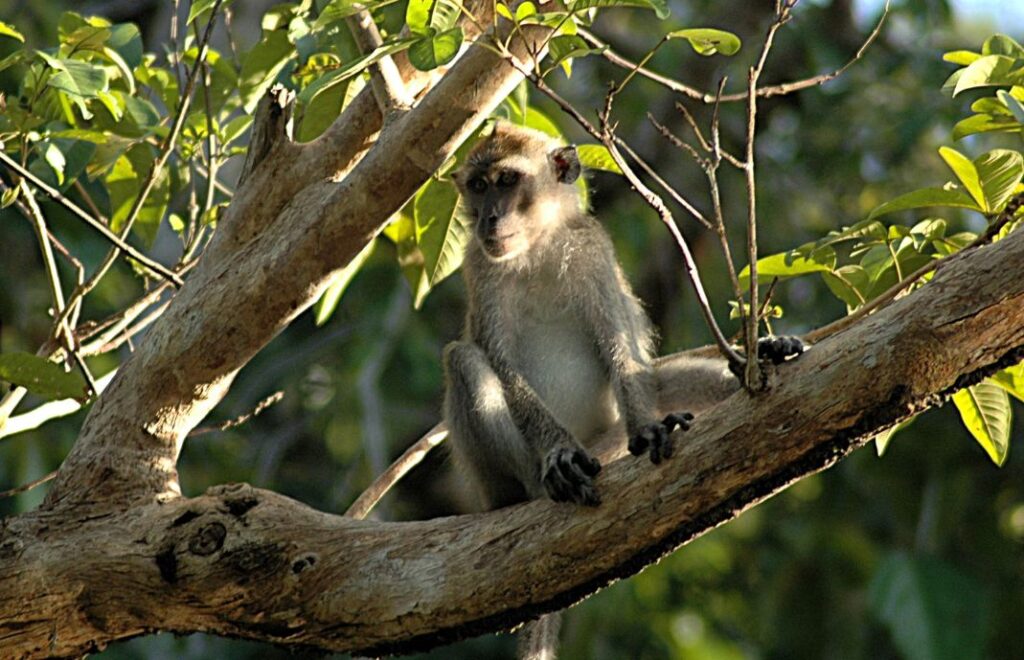
Borneo is one of the most important wildlife habitats on Earth, home to species that exist nowhere else or survive in only a few remaining pockets. The island’s forests and wetlands support an extraordinary range of animals, many of which are critically endangered and closely tied to this unique environment.
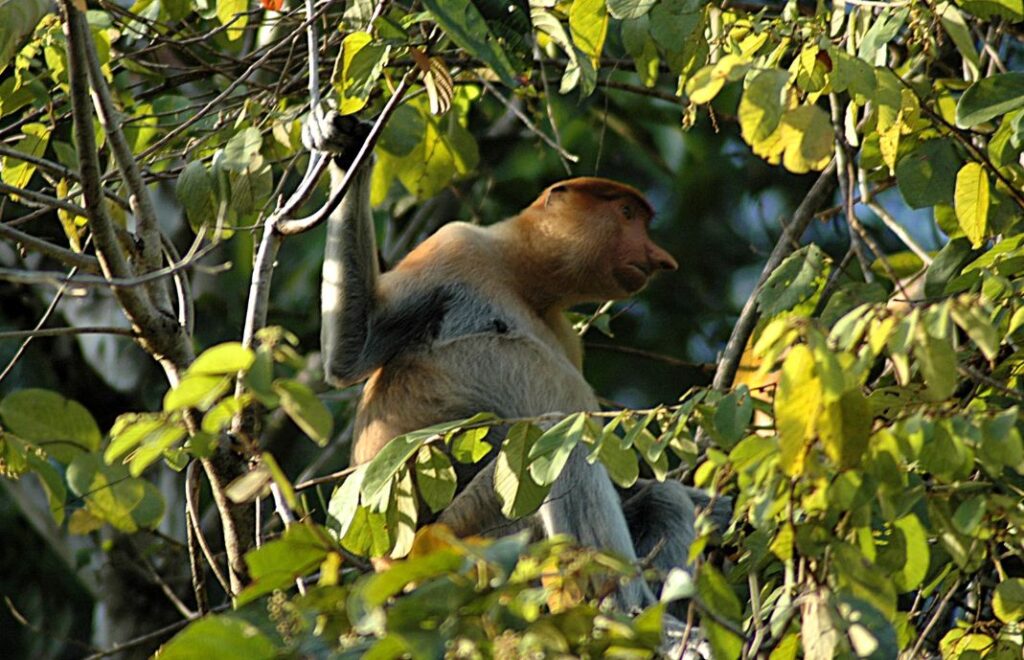
Encounters with wildlife in Borneo carry a sense of significance. Seeing animals such as orangutans, pygmy elephants, or proboscis monkeys in the wild is not just memorable. It highlights the fragility of these ecosystems and the importance of their protection. Wildlife here is not a backdrop but a central part of the landscape, shaping the experience and leaving a lasting impression on those who visit.
More inspiration: Face to face with Borneo’s wild souls
Indigenous cultures and traditions
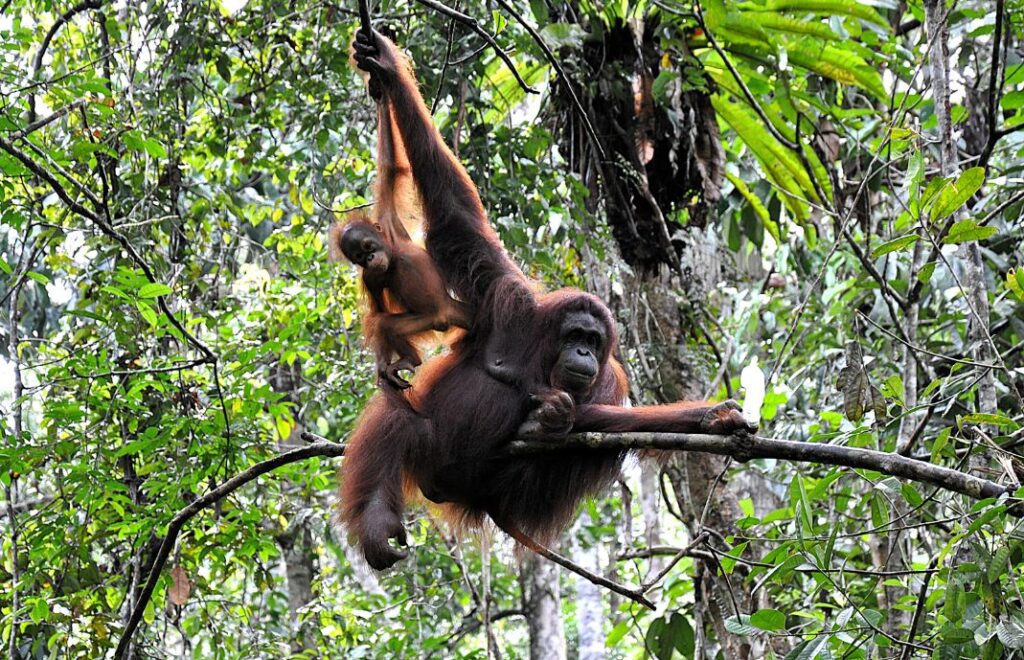
Borneo is home to a rich mosaic of Indigenous cultures, many of which have maintained strong ties to the land for generations. Longhouses along rivers, traditional crafts, and community-based lifestyles reflect a way of life shaped by forests, waterways, and seasonal rhythms rather than modern infrastructure.
Cultural experiences in Borneo often feel personal and grounded. Whether through shared meals, local markets, or time spent in rural villages, visitors gain insight into traditions that continue to evolve while preserving deep-rooted identities. These human stories add depth to the journey, offering a meaningful connection beyond landscapes and reinforcing the island’s cultural diversity as one of its defining strengths.
Climb the highest mountain in Southeast Asia
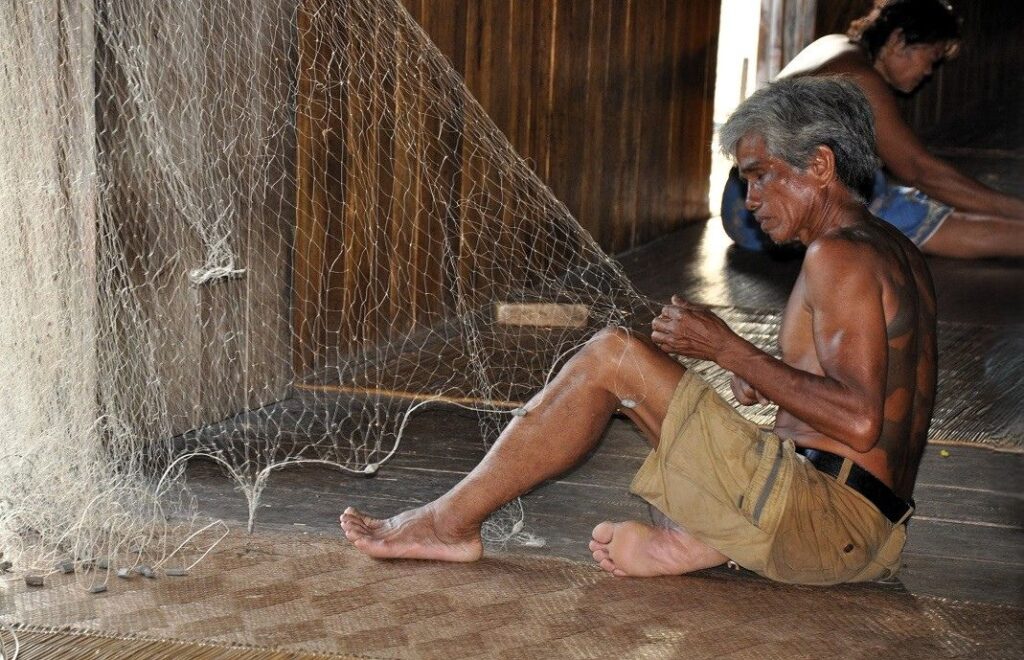
Borneo is home to Mount Kinabalu, the highest peak in Southeast Asia and one of the region’s most accessible major mountains. Rising dramatically above the surrounding rainforest, the mountain offers a striking contrast to the lowland jungles and coastal areas found elsewhere on the island.
Climbing Mount Kinabalu is less about technical difficulty and more about experiencing changing landscapes. The ascent passes through lush forest, alpine vegetation, and exposed granite slopes, with sweeping views unfolding as you gain elevation. Reaching the summit at sunrise is a defining moment for many travelers, offering a sense of achievement and a completely different perspective on Borneo’s natural diversity.
More inspiration: Trekking Mount Kinabalu
Beaches and island escapes
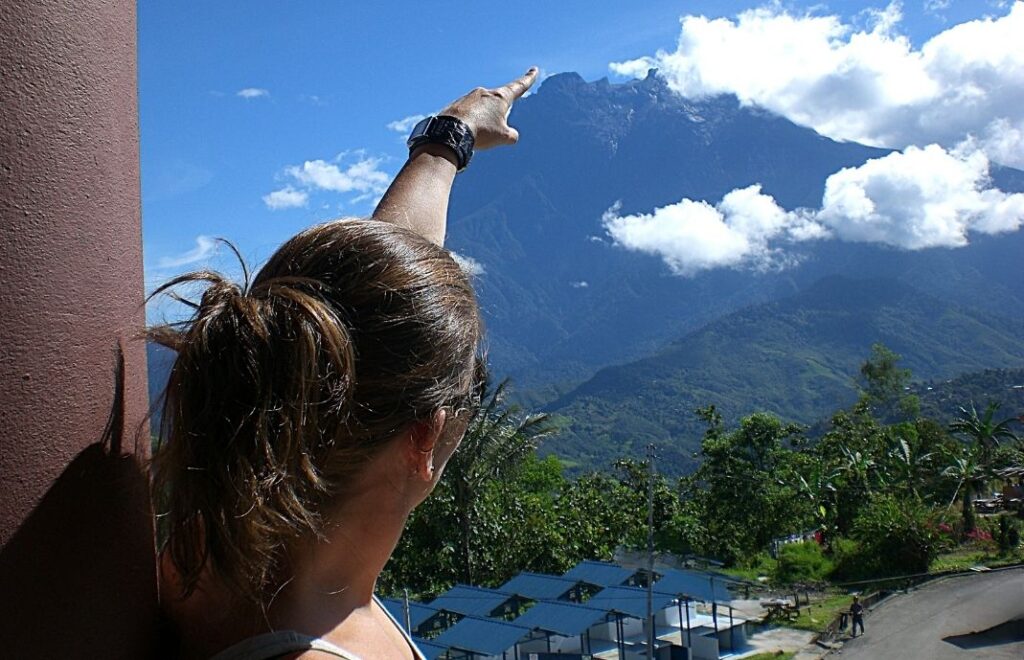
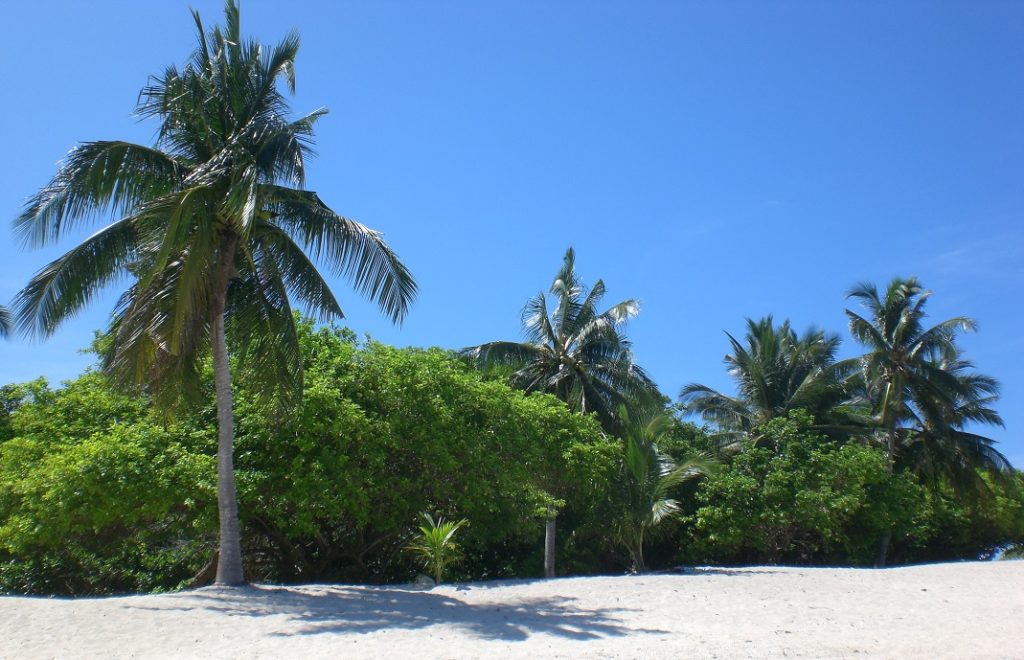
Borneo’s coastline and surrounding islands offer a quieter, more relaxed beach experience than many other destinations in Southeast Asia. Clear waters, coral reefs, and palm-fringed shores create an inviting contrast to the island’s dense rainforests and mountainous interior.
What makes Borneo’s beaches especially appealing is their sense of space and calmness. Many remain lightly developed, with a focus on nature rather than nightlife, making them ideal for snorkeling, diving, and slow days by the sea. Whether on remote islands or along the mainland coast, Borneo’s beaches add balance to the journey, blending tropical beauty with a feeling of escape.
River safaris and life along the water
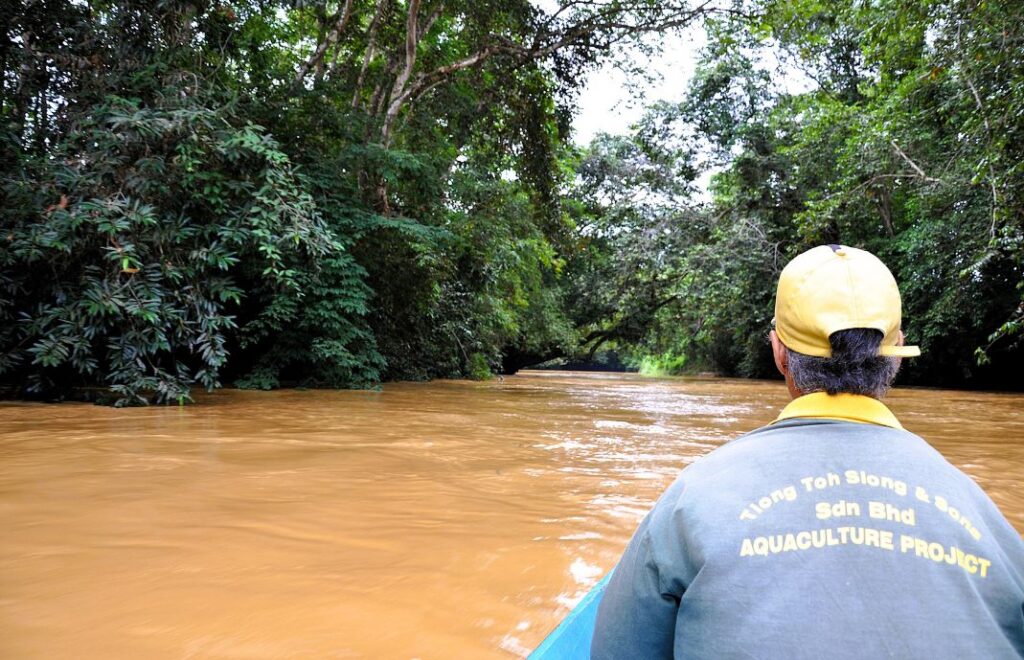
Rivers are the lifelines of Borneo, shaping both the landscape and the way people and wildlife move through it. Traveling by boat offers a unique perspective, where dense jungle closes in on the water and daily life unfolds along the riverbanks.
River safaris are among the most rewarding ways to experience Borneo’s wildlife. Slow journeys reveal animals at the forest’s edge – often at eye level – while the rhythm of the river encourages patience and observation. Beyond wildlife, rivers connect villages and traditions, making these journeys as much about cultural insight as they are about nature.
Cities with cultural depth and character
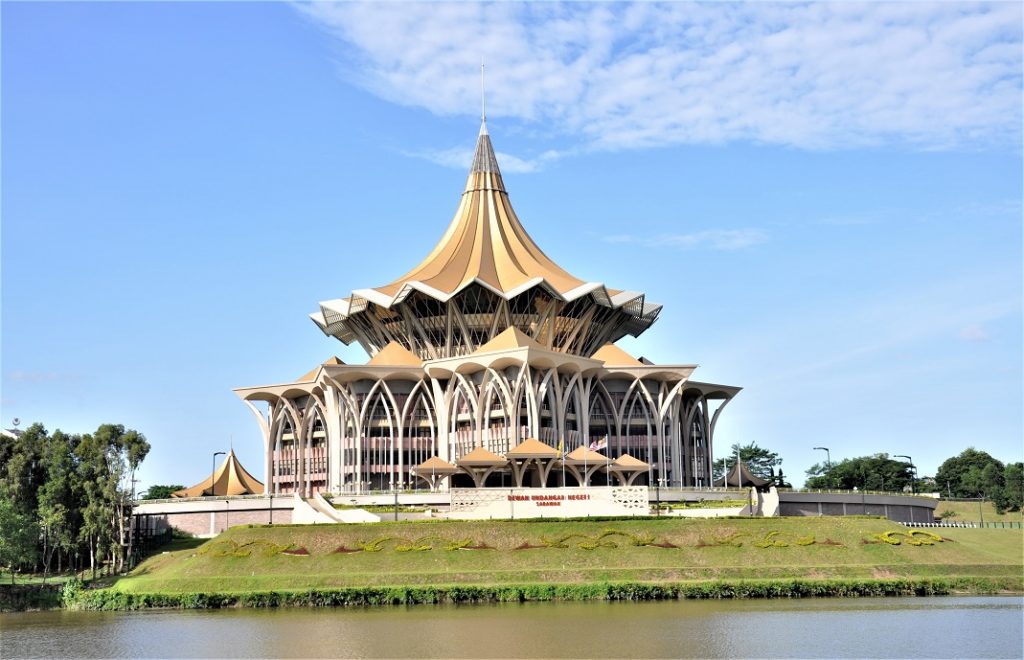
Borneo’s cities offer a compelling counterpoint to its wild landscapes, revealing a more contemporary and cultural side of the island. Shaped by Indigenous heritage, colonial history, and diverse ethnic influences, urban centers here feel layered rather than overwhelming.
Markets, waterfronts, temples, and everyday street life reflect the island’s multicultural identity and provide insight into how tradition and modern life coexist. These cities serve as gateways to surrounding nature while standing as destinations in their own right, adding rhythm, flavor, and human connection to the broader Borneo experience.
A destination for responsible travel
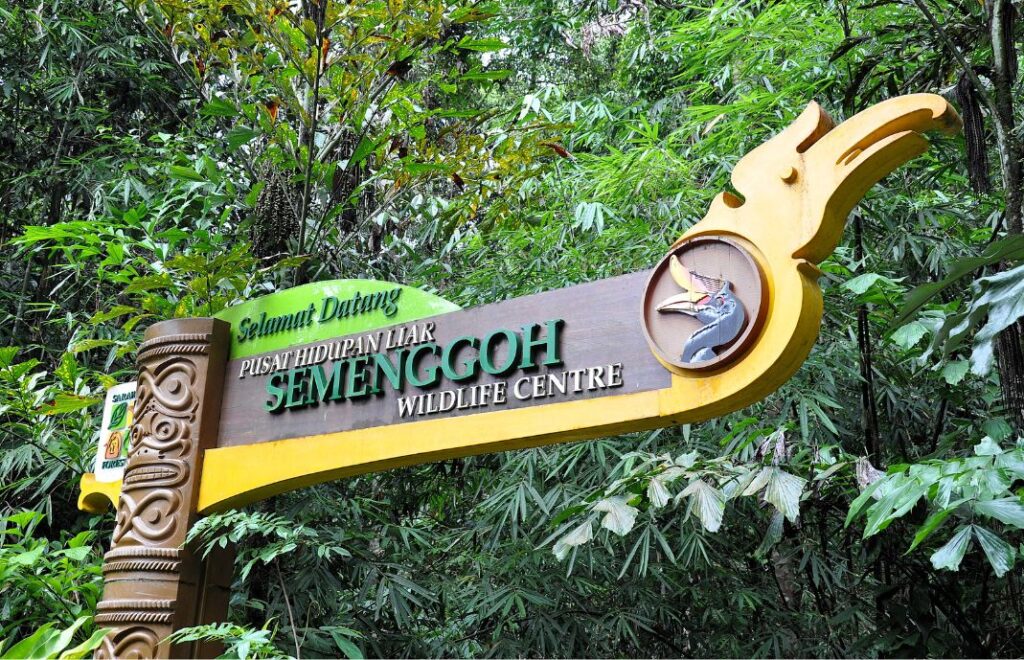
Borneo is closely tied to the future of responsible and conservation-focused travel. Its rainforests, wildlife, and Indigenous cultures exist within fragile ecosystems that depend on thoughtful protection and long-term stewardship rather than mass tourism.
Travel here often supports conservation initiatives, community-led projects, and sustainable tourism models designed to protect both nature and local livelihoods. Choosing Borneo means engaging in a destination where travel can have a positive impact, encouraging awareness, preservation, and a deeper respect for the environments and cultures that make the island so extraordinary.
Fewer crowds than other Southeast Asian destinations
Borneo remains refreshingly free from the heavy tourism found in many parts of Southeast Asia. Outside a handful of well-known areas, much of the island feels calm, spacious, and unhurried, allowing travelers to explore without the constant presence of crowds.
This lower visitor density changes the entire travel experience. Popular sights feel more personal, wildlife encounters are less rushed, and daily interactions unfold at a slower, more natural pace. For those seeking space, authenticity, and room to breathe, Borneo offers a rare sense of quiet that is increasingly hard to find in the region.
A true sense of exploration
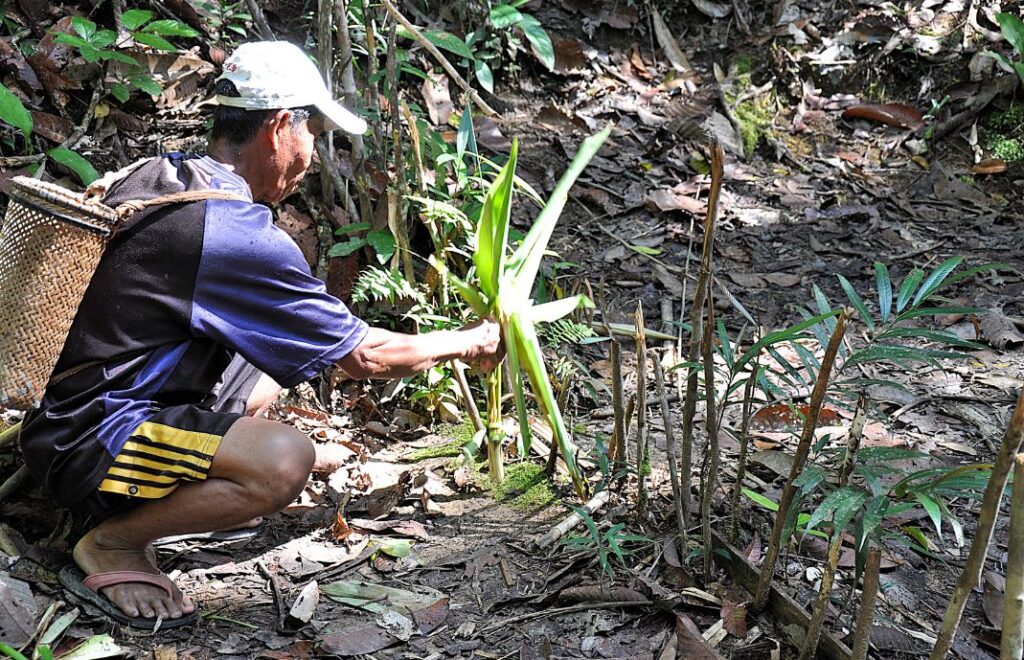
Traveling in Borneo often feels like stepping into a place that still holds mystery. Distances are shaped by rivers and forests rather than highways, and journeys frequently involve boats, winding roads, and time spent moving through nature rather than around it.
This sense of exploration is what defines the experience. Days are less about ticking off landmarks and more about discovery – unexpected wildlife sightings, remote landscapes, and moments that can’t be planned. Borneo rewards curiosity and patience, offering a style of travel that feels purposeful, immersive, and deeply memorable.
A destination that changes how you travel
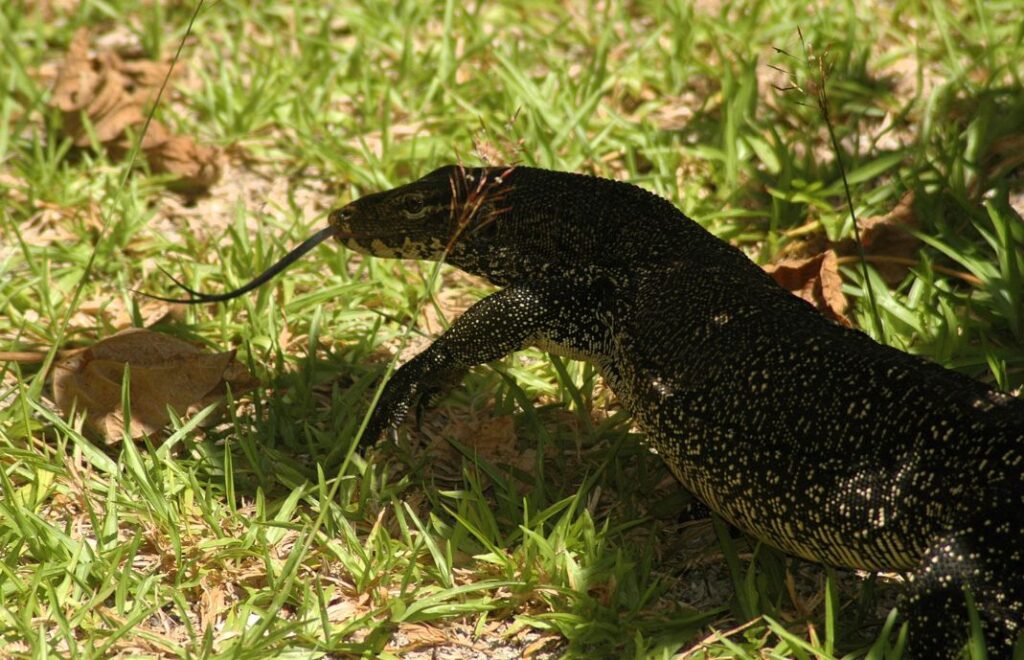
Borneo has a way of reshaping expectations. The pace is slower, the environments are more demanding, and experiences often require patience rather than convenience. In return, travel feels more intentional and deeply connected to the place.
Many visitors leave with a renewed appreciation for nature, cultural resilience, and the value of responsible choices on the road. Borneo isn’t just a destination to visit – it’s one that encourages reflection, awareness, and a more mindful approach to how and why we travel.
Who is Borneo best for?
Borneo is best suited to travelers who value depth over speed and experience over convenience. It appeals to those who enjoy nature in its raw form, are curious about cultures beyond the surface, and are comfortable with journeys that unfold slowly rather than on a strict schedule.
The island is an ideal choice for wildlife enthusiasts, photographers, and travelers interested in responsible and sustainable tourism. It also suits those seeking quieter destinations, meaningful encounters, and a sense of discovery that goes beyond the usual travel highlights.
