
Tartu may be Estonia’s second-largest city, but in spirit, it’s in a world of its own. Located in the lush southern part of the country, Tartu offers a refreshingly different rhythm than the capital, Tallinn. It’s poetic, intellectual, laid-back, and brimming with character – a place where history meets creativity, and where every crooked wooden house or riverbank café seems to whisper a story.
As home to Northern Europe’s oldest university, Tartu has long been a cradle of ideas and innovation. But it also exudes a lived-in warmth, thanks to its timeless wooden homes, green spaces, and a vibrant food and nightlife scene. The city’s cultural and national significance is as profound as its charm is effortless.
Best of all? Tartu is compact and easy to explore – most sights, restaurants, and bars are within walking or biking distance, making it the perfect destination for slow travelers who love to dive deep into a place’s atmosphere.
Here are 9 compelling reasons to visit Tartu – Estonia’s soulful, bohemian heart
1. Cultural heritage meets modern comfort
Tartu holds the rare distinction of being the oldest city in the Baltics, and that fact alone makes it a destination worth discovering. But what truly captivates visitors is how this ancient city seamlessly blends rich history with modern flair.
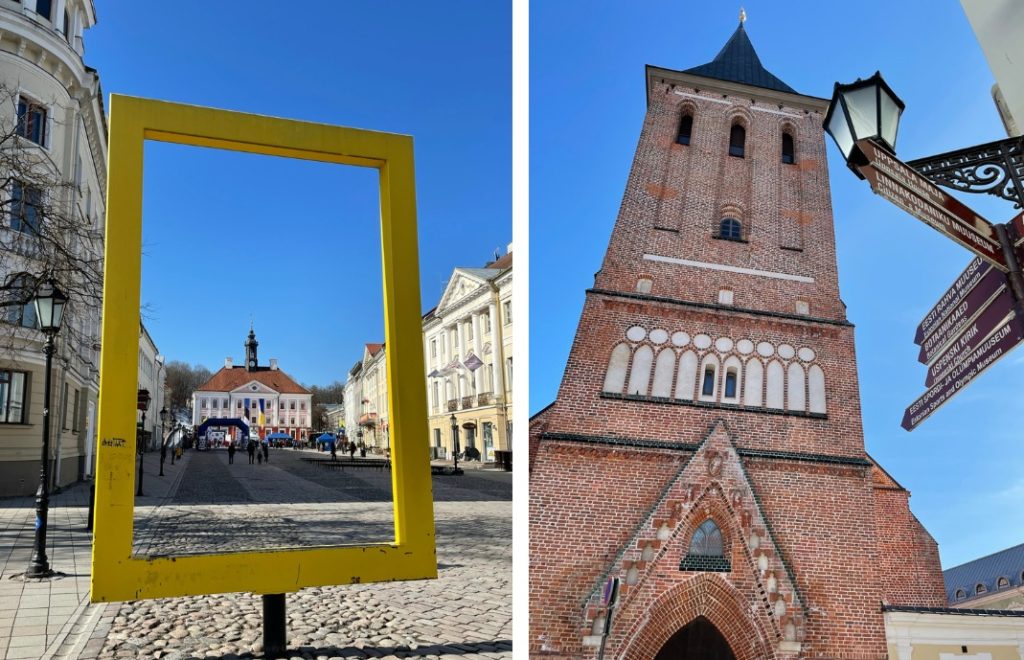
A simple stroll through the compact city center is like flipping through the pages of an architectural history book. Medieval façades, neoclassical gems, and sleek contemporary structures stand side by side, linked by winding cobblestone streets, tranquil green spaces, and welcoming cafés that invite you to linger. There’s a soulful rhythm to Tartu – quiet, creative, and alive.
Often called the intellectual and cultural heart of Estonia, Tartu is where Estonia’s first national university was founded in 1632, where the first newspapers were printed, and where the very first national song festival took place in 1869 – a defining moment in Estonia’s cultural awakening.
Today, Tartu continues to hum with activity all year round. Whether your passion lies in music, literature, theatre, science, or sport, you’ll find something here to stir the soul. From bustling festivals to intimate performances, the city offers a calendar full of experiences that connect past and present.
For something truly special, time your visit to coincide with the Tartu City Day, the medieval-themed Hanseatic Days, or the Christmas celebrations, when the city glows with warmth and festive magic.
Tartu may be small in size, but its cultural heartbeat echoes far beyond its borders.
2. A flavorful encounter – Tartu for food lovers
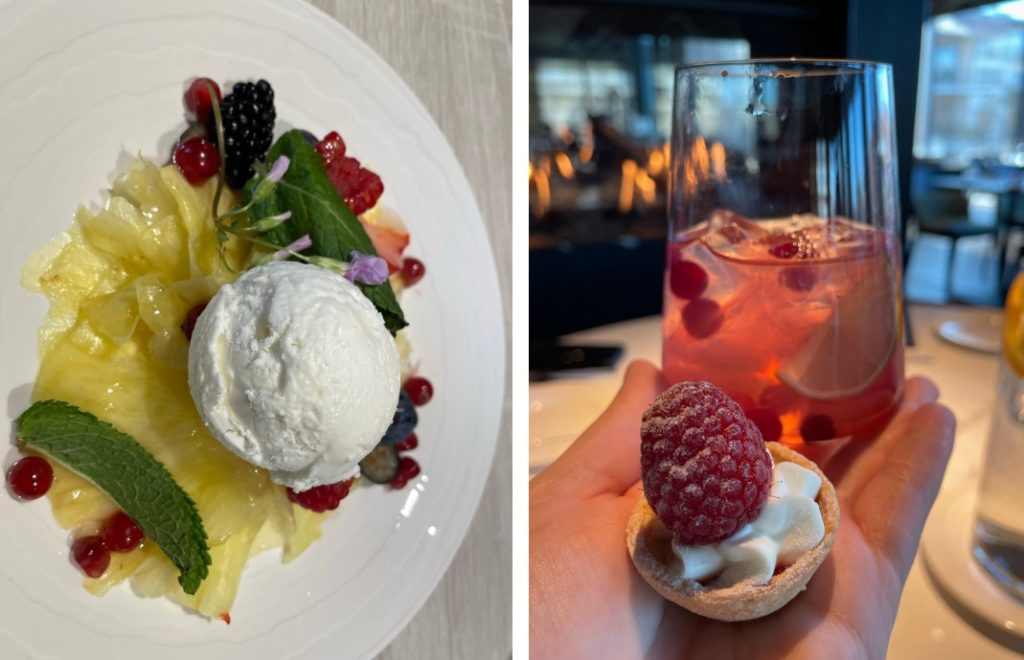
In Tartu, great taste is a way of life. This charming city is a haven for foodies, where the scent of fresh pastries drifts from cozy cafés, and every street seems to lead to another delightful culinary surprise. Whether you’re craving traditional Estonian comfort food or something more globally inspired, Tartu’s dining scene offers a feast for every palate and budget.
Start your gastronomic journey with a visit to the Tartu Market Hall, a neoclassical gem along the banks of the Emajõgi River. Resembling an ancient temple, this market is a celebration of local bounty – fresh produce, fragrant flowers, artisanal meats, cheeses, juices, and small-batch Estonian beer, all sourced from nearby farms and producers. It’s the perfect place to snack, shop, and soak in the rhythms of everyday life in Tartu.
The city’s food calendar also features two standout events for the culinary curious:
- Tasty Tartu (February) – a month-long celebration where restaurants across the city craft exclusive gourmet menus, showcasing creative twists on local flavors. It’s a perfect excuse to dine out every day.
- Tartu Food & Wine Festival (Summer) – a sensory playground of Estonian delicacies, fine wines, and regional specialties served under the open sky. Here, you’ll discover just how diverse and delicious Baltic cuisine can be.
Tartu’s food scene is not about flash or formality – it’s about heart, heritage, and bold flavors. Come hungry, and you’ll leave inspired.
3. The Old Town and Town Hall Square – Where Tartu’s heart still beats
Welcome to the historic heart of Tartu – a place where centuries of trade, culture, and resilience come together in one elegant and endlessly atmospheric square. Town Hall Square (Raekoja plats) is more than just the city’s central gathering point – it’s a stage on which Tartu’s story has unfolded for generations.
Nestled between Toome Castle and the Emajõgi River, the square and surrounding old town grew from a bustling medieval trading post into the city’s cultural and commercial epicenter. In the 19th century, this was the site of the Great Market, the most important trading hub in Tartu.
Yet like much of Estonia, Tartu has known hardship. Fires, wars, and occupations have swept through its streets more than once, leaving behind ashes from which the city had to rise. As a result, the buildings you see today are not ancient, but elegantly restored interpretations of the past – most dating from the late 18th century onward.
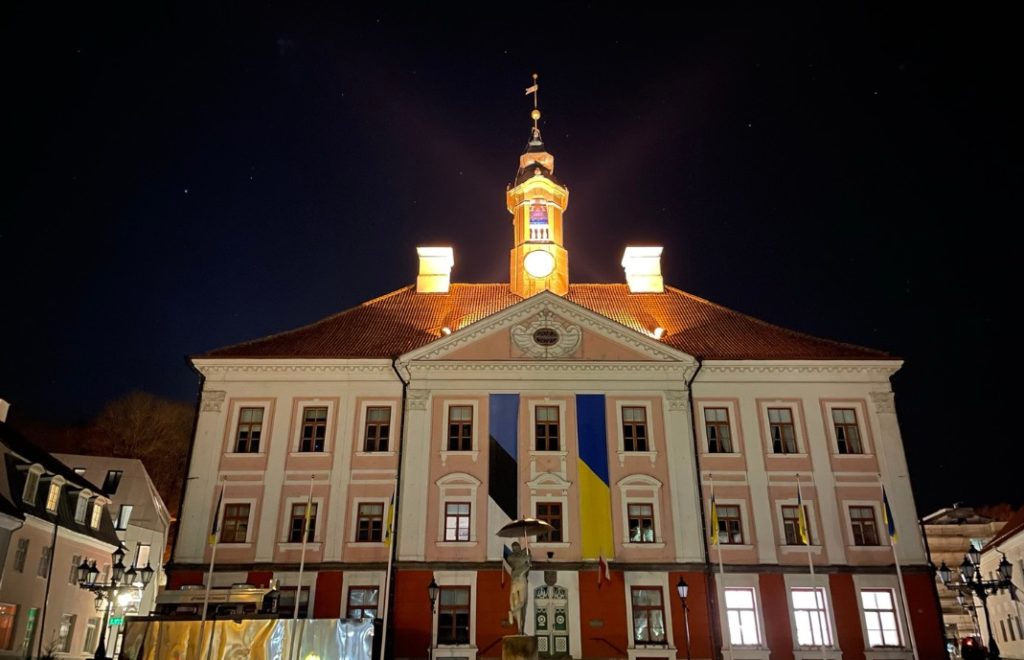
The architectural style here leans toward classic and neoclassical, giving the old town a refined, symmetrical grace. The Town Hall, painted a soft pastel pink, is the centerpiece – and while its main structure is neoclassical, its tower is pure Baroque, a rare survivor of earlier centuries.
Today, this square is as lively as ever – hosting open-air concerts, Christmas markets, festivals, and summer cafés. It’s the perfect place to sit with a coffee, admire the architectural harmony, and imagine the echo of market calls and horse carts from centuries past.
Tartu’s Old Town may not be ancient in stone, but it’s eternal in spirit – a beautiful blend of history, rebirth, and everyday charm.
4. Estonian National Museum – Where Estonia’s story comes to life
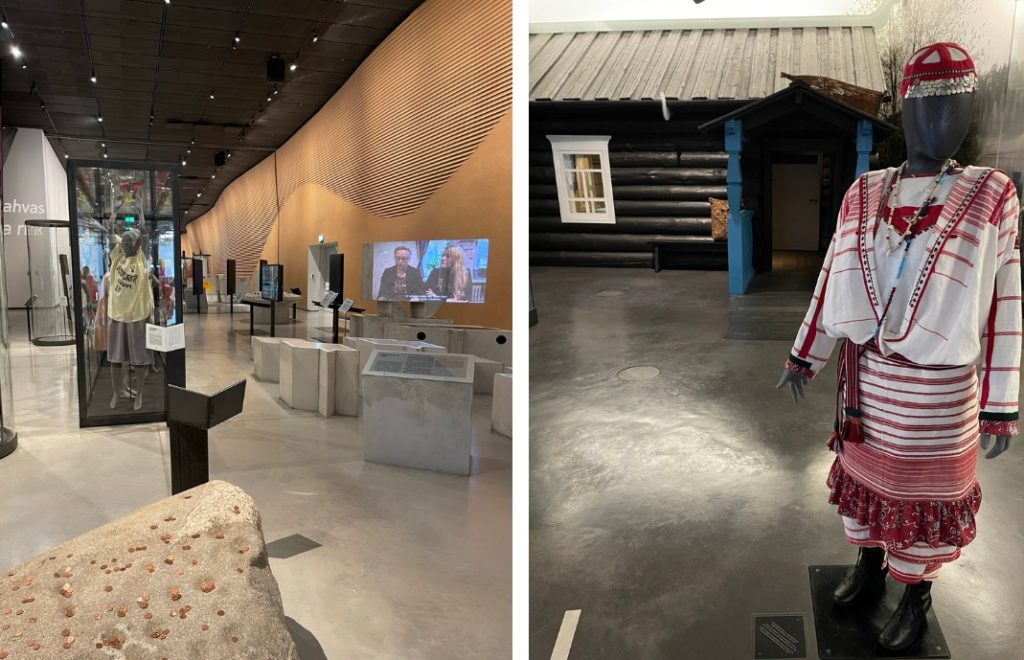
Just outside Tartu, on the grounds of the former Raadi Manor, stands one of the most ambitious cultural institutions in the Baltics: the Estonian National Museum (Eesti Rahva Muuseum). Spanning an impressive 6,000 square meters, this modern, interactive space is far more than a museum – it’s a gateway to Estonia’s soul.
Founded in 1909 to preserve and promote Estonian history, language, and culture, the museum has since evolved into a world-class destination for anyone curious about the nation’s journey – from prehistoric settlers to a digital republic.
Its location is as striking as the building itself: the museum is set alongside an old Soviet-era airstrip, and the building’s sleek, angular architecture appears to take off like a runway – an inspired nod to both Estonia’s past and its forward momentum.
Inside, the museum is thoughtfully divided into themed sections, with permanent exhibitions that bring the country’s complex history to life:
- Encounters explores everyday life in Estonia, tracing traditions, beliefs, and challenges from ancient times to today. It’s a deeply human story told through objects, photographs, and immersive environments.
- Echo of the Urals is a fascinating dive into the world of the Finno-Ugric peoples, celebrating the cultures, languages, and lifestyles of Estonia’s extended ethnolinguistic family.
In addition to these, the museum regularly hosts rotating temporary exhibitions, offering fresh insights and contemporary perspectives.
There’s also an on-site restaurant serving local fare, and a gift shop filled with Estonian design, handicrafts, and books.
Whether you’re a history buff, design lover, or first-time visitor to Estonia, the Estonian National Museum is a must-see – a space that honors heritage while embracing the future.
5. Turn your world Upside Down – quite literally
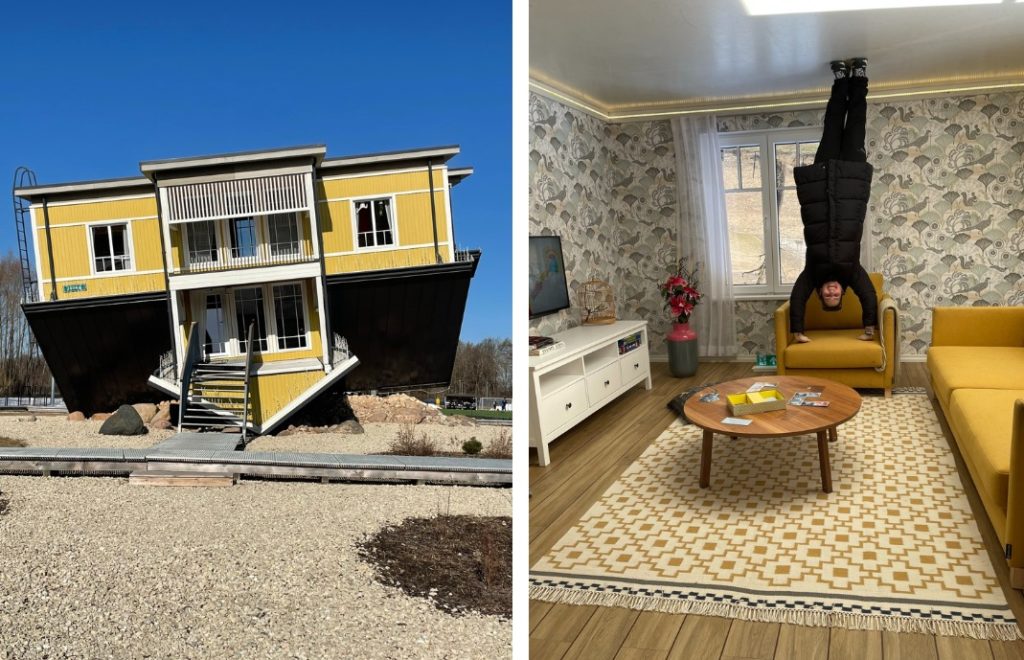
If you’re in the mood for something completely offbeat, quirky, and wildly fun, look no further than Upside Down House in Tartu. This gravity-defying attraction does exactly what it promises: it flips your perspective – and your balance – entirely on its head.
Here, up is down, down is up, and what should be the floor is now suspended above your head. Everyday items like beds, sofas, kitchen tables, and even toilets hang overhead, or is it underfoot? It’s an illusion that confuses your brain in the best possible way – and makes for some truly hilarious photo ops.
Still confused? That’s the point. And there’s only one way to fully understand it: go see it for yourself.
Wandering through the house is an absolute blast for visitors of all ages, whether you’re snapping surreal selfies or just trying to figure out which way is forward. For an extra twist (and a few more laughs), rent a pair of Upside Down Goggles, which completely distort your field of vision. Trust me – walking in a straight line has never been so difficult… or so entertaining.
In a city full of art, culture, and history, the Upside Down House is a lighthearted detour that turns your expectations (and your sense of direction) upside down.
6. Back to school – A glimpse into academic grandeur (and discipline)
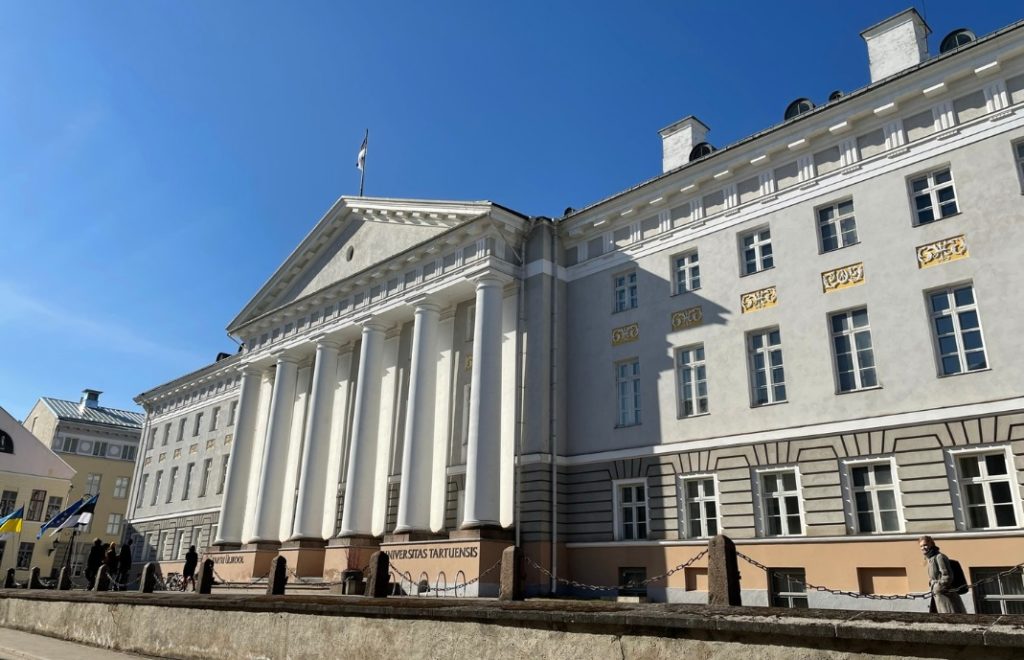
Tartu is, above all else, a university town – and with good reason. It’s home to one of the oldest universities in Northern Europe, and at the heart of that legacy lies the majestic University of Tartu Main Building, a neoclassical masterpiece that has educated generations and witnessed centuries of change.
Constructed between 1804 and 1809 by architect Johann Wilhelm Krause, this elegant white-columned building is more than just a historic landmark. It’s a living symbol of knowledge and national identity. The university’s opening ceremony was held here on July 3, 1809, and ever since, its grand main hall has hosted countless important academic events, lectures, and celebrations.
Today, the hall’s superb acoustics make it a sought-after venue for concerts and conferences, where music and dialogue echo through its high-ceilinged grandeur.
But not everything in this scholarly sanctuary has been so refined.
Head up to the attic and you’ll find a much lesser-known attraction: the student punishment room, a small, stark space that once served as the university’s own miniature prison. Students who misbehaved – whether for skipping lectures or breaking curfew – were locked away here by university authorities, sometimes for up to three weeks.
The room still bears the marks of its reluctant visitors: etched drawings, monograms, and poetic scribbles cover the walls, ceiling, and door – an eerie, fascinating glimpse into the rebellious spirit of students from centuries past.
Whether you’re drawn by the building’s academic legacy or curious about its lesser-known secrets, a visit to the University of Tartu is like stepping into the pages of a living history book – where discipline met intellect, and graffiti met grandeur.
7. The Leaning House of Tartu – Where art meets architecture with a tilt
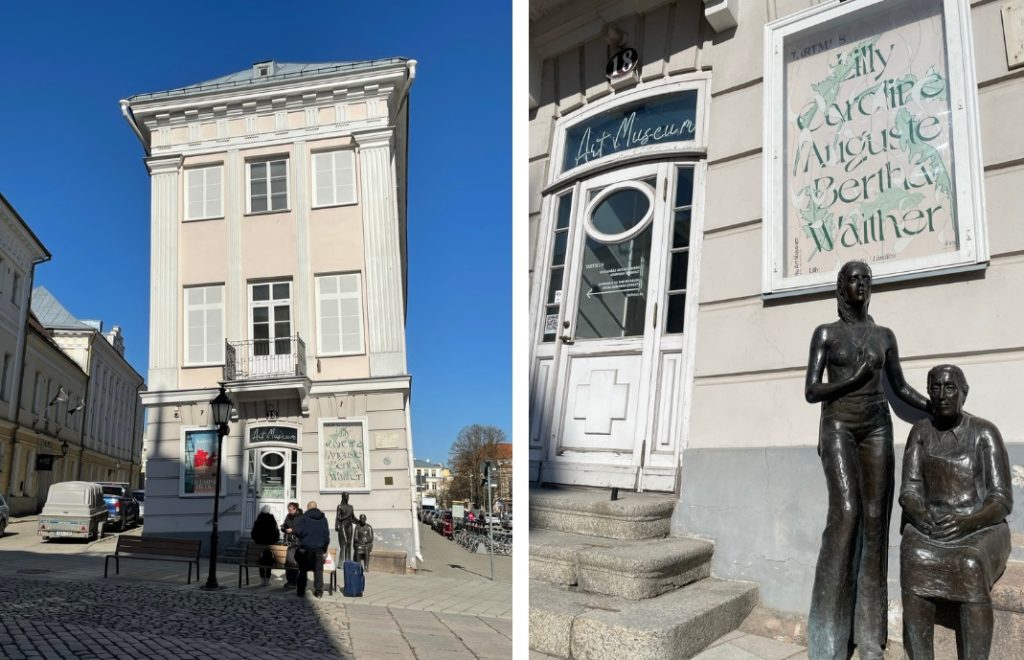
Nicknamed the “Tower of Pisa of Tartu”, the Leaning House is one of the city’s quirkiest and most beloved landmarks. Built in 1793 alongside the old city wall, this elegant neoclassical structure was never meant to be crooked – but thanks to uneven ground and differing foundations, it began to lean soon after construction. One side rests on sturdy stone, the other on wooden piles, and the result? A visible tilt that gives the house its iconic slant.
Far from being a flaw, the building’s lean has become a charming curiosity – a photo-worthy moment and a symbol of the city’s character: a little off-kilter, full of surprises, and proudly unique.
Today, the Leaning House is home to the Tartu Art Museum’s permanent exhibition of Estonian art, showcasing a rich and evolving collection of paintings, sculptures, and visual works that reflect the nation’s creative soul. Inside, you’ll find a celebration of Estonia’s artistic identity, housed in a structure that itself is a masterpiece of historical oddity.
Whether you’re drawn by the architecture or the art, the Leaning House is a delightful detour – proof that beauty doesn’t always have to stand perfectly straight.
8. Before the digital age – A journey through ink, paper, and craft
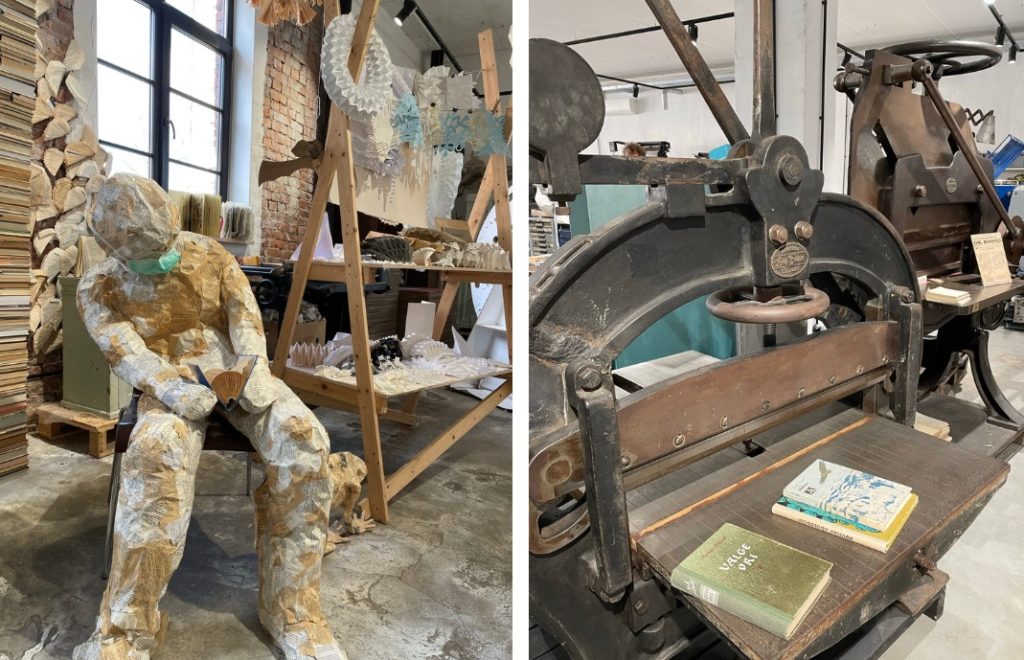
Step away from the screens and back into a tactile world of ink-stained fingers, hand-pressed pages, and the rhythmic hum of printing presses. At TYPA Printing and Paper Arts Center in Tartu, the past is alive in the most hands-on, creative way.
Housed in a former shoe factory, this unique center celebrates the pre-digital era of communication – when books were bound by hand, fonts were carved from wood and lead, and every page was a physical act of artistry.
Inside, you’ll find a fascinating collection of historic printing presses, paper-making tools, and exquisite paper sculptures that showcase just how beautiful and intricate traditional techniques can be. Learn how paper is made from scratch, admire centuries-old letterpresses, and explore the lost languages of typography and design.
But TYPA isn’t just a museum – it’s an interactive creative space, offering workshops where visitors can dive into the process themselves. Try your hand at handmade paper-making, binding your own notebook, or creating dreamy, blue-toned prints through cyanotype photography. Each experience is a tactile reminder of the magic that happens when craftsmanship and creativity meet.
Whether you’re an artist, designer, or simply curious about how books were born before the digital age, TYPA offers a rare chance to slow down and reconnect with the art of making – one sheet of paper at a time.
9. Street Food – The flavorful world of Kolm Tilli
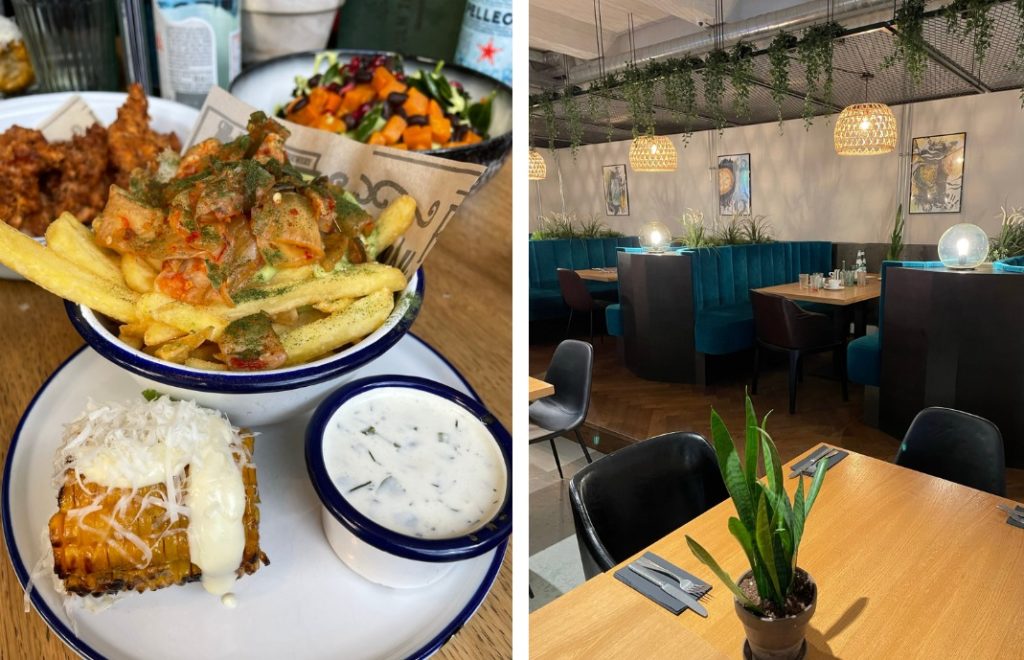
For a taste of Tartu’s trendiest and most mouthwatering dining experience, head straight to Kolm Tilli, a buzzing, industrial-chic restaurant located in the heart of the Aparaaditehas Creative City. Inspired by global street food culture, this dynamic eatery is where casual meets culinary creativity – and where food is not just served, but performed.
At the heart of the restaurant is a large open kitchen, so you can watch chefs flip, fry, and fire your dishes right before your eyes. There’s a separate station for wood-fired pizzas, another for freshly baked pastries, and a lively bar shaking up colorful cocktails and pouring Estonian craft beers by the pint.
With room for hundreds of guests, Kolm Tilli is one of the largest restaurants in Estonia, yet it manages to feel cozy and welcoming, thanks to its vibrant design and an always-smiling staff. The atmosphere is relaxed and playful, making it the perfect place for everything from family dinners to late-night bites with friends.
The menu is vast and international – from bao buns and tacos to loaded burgers and fresh bowls. It’s designed for sharing, so order several dishes and dive into a communal tasting adventure.
One rule here: arrive hungry. Because at Kolm Tilli, it’s not just a meal – it’s a celebration of flavor, creativity, and good company in one of Tartu’s most creative corners.
Warm thanks to Visit Estonia for inviting me. My flights, accommodation, experiences and meals were covered. There are no requirements from the supplier regarding posts or promotion on social media. Opinions and photos are, as always, my own.
More inspiration to visit Estonia:
Why you should visit Tallinn
Winter adventures in and around Tallinn
