
Kenya is a year-round destination, but each month brings its own unique rhythm. Weather patterns shift, landscapes transform, and wildlife movements create new opportunities for unforgettable experiences.
Whether you’re planning a safari in the Maasai Mara, a beach escape on the Indian Ocean coast, or an active adventure in the mountains, understanding what each month offers can help you time your trip perfectly.
In this month-by-month guide, I break down Kenya’s seasons in detail – highlighting weather conditions, wildlife viewing, beach conditions, prices, and travel tips. Then you can choose the best time to visit based on your interests and travel style.
January: Sunny skies & excellent wildlife viewing
Weather
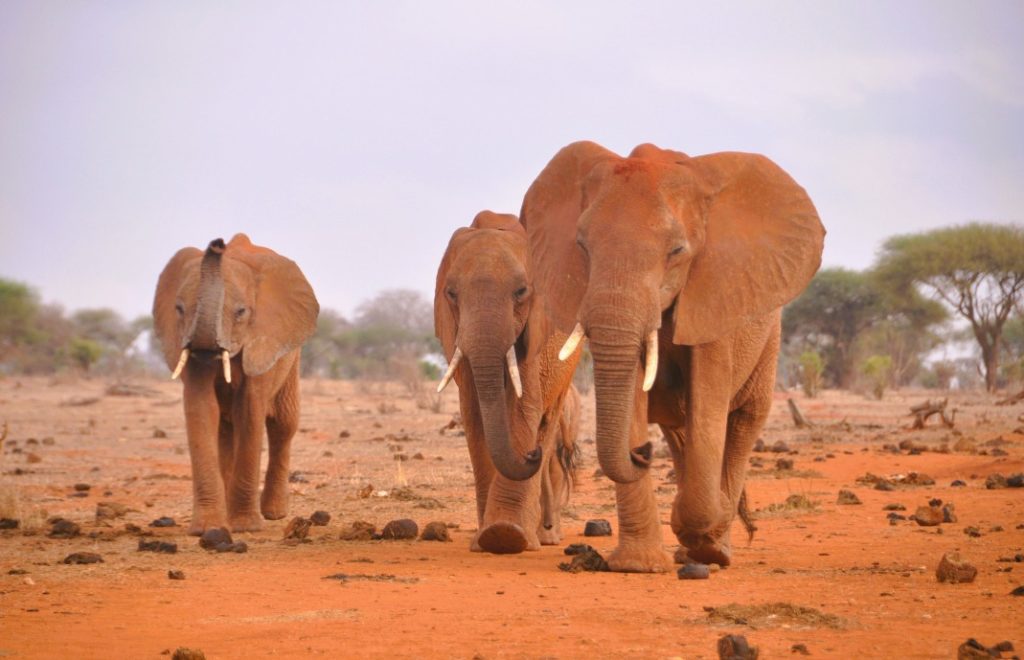
January is one of Kenya’s warmest and driest months. Expect clear blue skies, hot days, and minimal rainfall across most regions. Coastal destinations like Diani, Watamu, and Lamu enjoy ideal beach weather with calm seas.
Safari conditions
This is a fantastic safari month. Vegetation is relatively low, animals gather near remaining water sources, and visibility is excellent. Parks like the Maasai Mara, Amboseli, and Samburu offer reliable sightings.
Best for:
- Safaris
- Beach holidays
- Snorkeling and diving
- Hot air balloon rides
- Mount Kenya treks
Travel tips
January is popular, so book early – especially for coast hotels. Marine conditions are superb, making it one of the best months for underwater activities.
February: Peak wildlife & warm coastal weather
Weather
February continues the hot, dry conditions of January. Days are sunny and warm, with little chance of rain.
Safari conditions
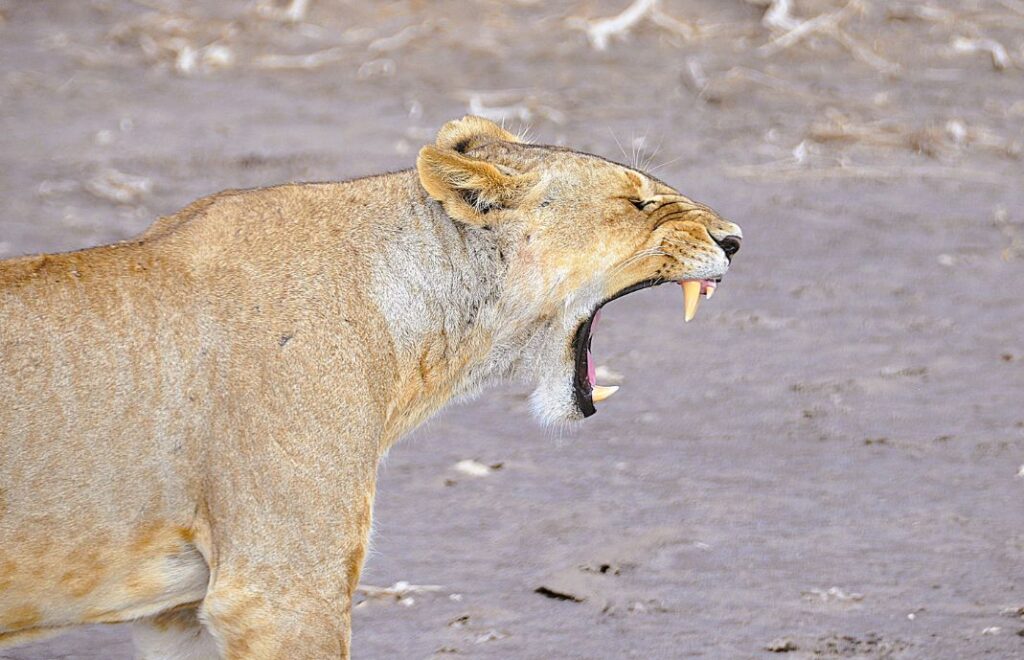
Expect excellent game viewing, particularly in the Maasai Mara, Amboseli, Tsavo, and Laikipia. It’s also calving season in some regions, drawing predators and creating dramatic wildlife interactions.
Best for:
- Safaris
- Nature photography
- Cultural tours
- Hiking Mount Kenya
- Beach escapes
Travel tips
This is one of Kenya’s most reliable months weather-wise. Snorkeling and diving remain outstanding thanks to clear visibility and calm water.

March: Start of the long rains
Weather
March marks the transition into the long rainy season. Early in the month conditions may still be warm and pleasant, but rainfall increases steadily, especially in the afternoons and evenings.
Safari conditions
Wildlife viewing remains good in many parks, but thicker vegetation and unpredictable showers can reduce visibility. Some areas become muddier, though the landscapes turn beautifully green.
Best for:
- Birdwatching
- Photography of dramatic skies
- Quieter safari experiences
- Budget-friendly travel
Travel tips
March is a shoulder season, so prices begin to drop. Expect occasional downpours but fewer crowds.
April: Wet, lush & quiet
Weather
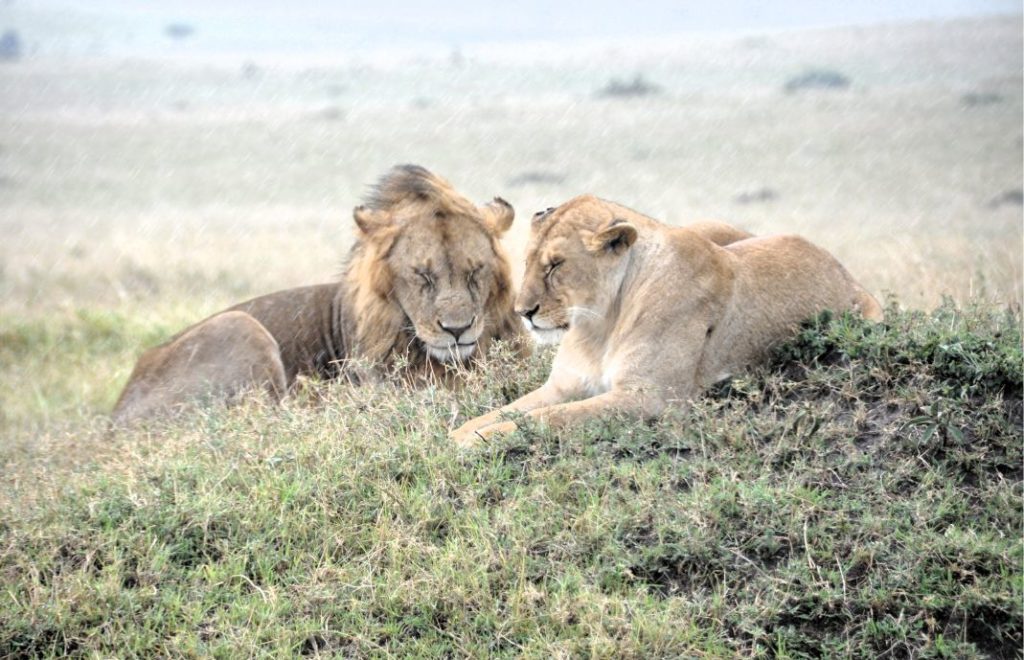
April is Kenya’s wettest month. Heavy rainfall and cloud covers are common across the country.
Safari conditions
Some lodges – particularly in remote areas – close for the season and driving conditions can be challenging. Wildlife is still present but harder to spot due to dense vegetation.
Best for:
- Birdwatching
- Green-season photography
- Travelers seeking solitude
Travel tips
This is low season. If you don’t mind rain, you can find excellent deals on accommodation.

May: End of the long rains
Weather
May remains rainy but begins to show signs of transition. Landscapes are lush, rivers are full, and temperatures stay mild.
Safari conditions
Conditions are similar to April, though late May sometimes offers improved visibility and drier moments between showers.
Best for:
- Quiet, relaxed travel
- Budget safaris
- Lush scenery
Travel tips
Some properties start reopening near the end of the month. It’s a good time to enjoy Kenya without crowds.
June: Cooler weather & improving safari conditions
Weather
June brings cooler temperatures and significantly less rain. Skies begin to clear, especially toward the end of the month.
Safari conditions
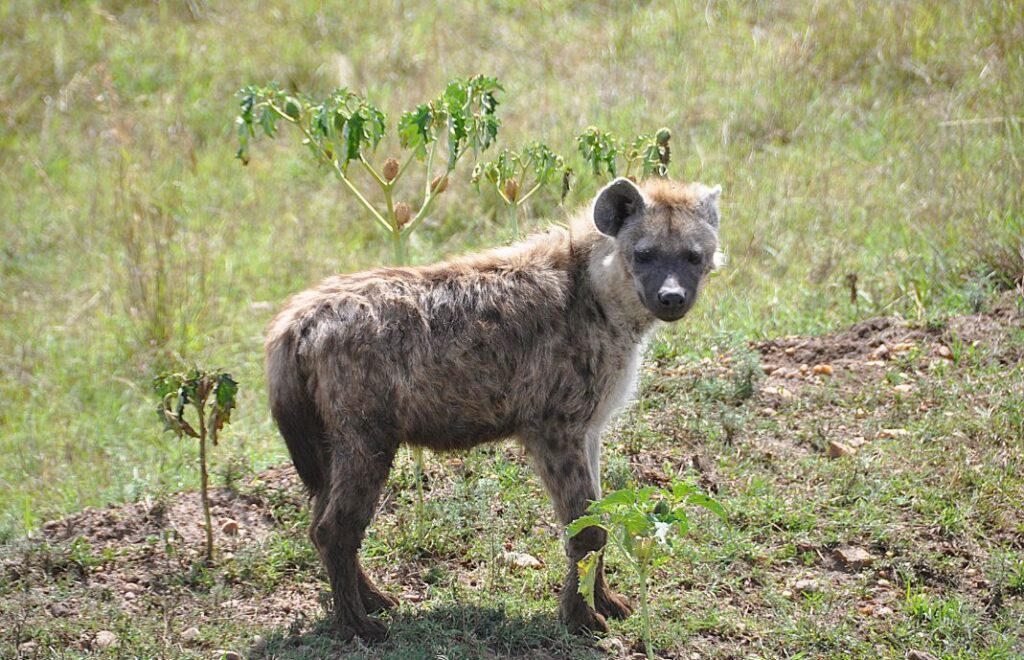
This month marks the start of excellent safari conditions. Grass levels begin to drop, and wildlife becomes easier to spot. The Maasai Mara prepares for the first arrivals of the Great Migration.
Best for:
- Safaris
- Outdoor adventures
- Photography
Travel tips
June is a fantastic value month – great conditions without full peak-season prices.
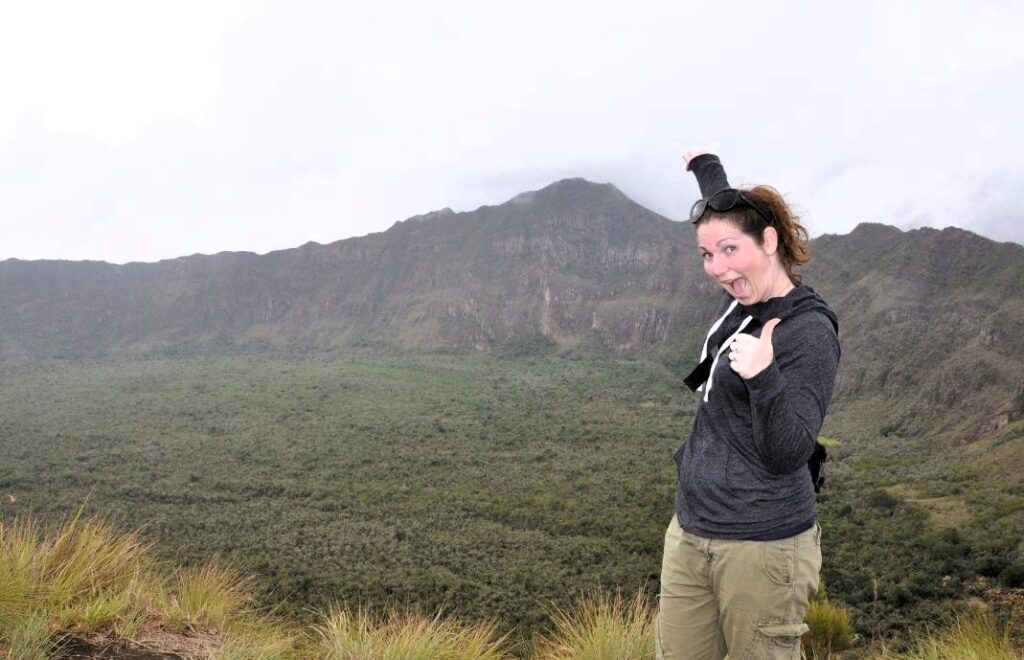
July: Arrival of the Great Migration
Weather
Dry, cool, and sunny. July offers some of Kenya’s most pleasant temperatures.
Safari conditions
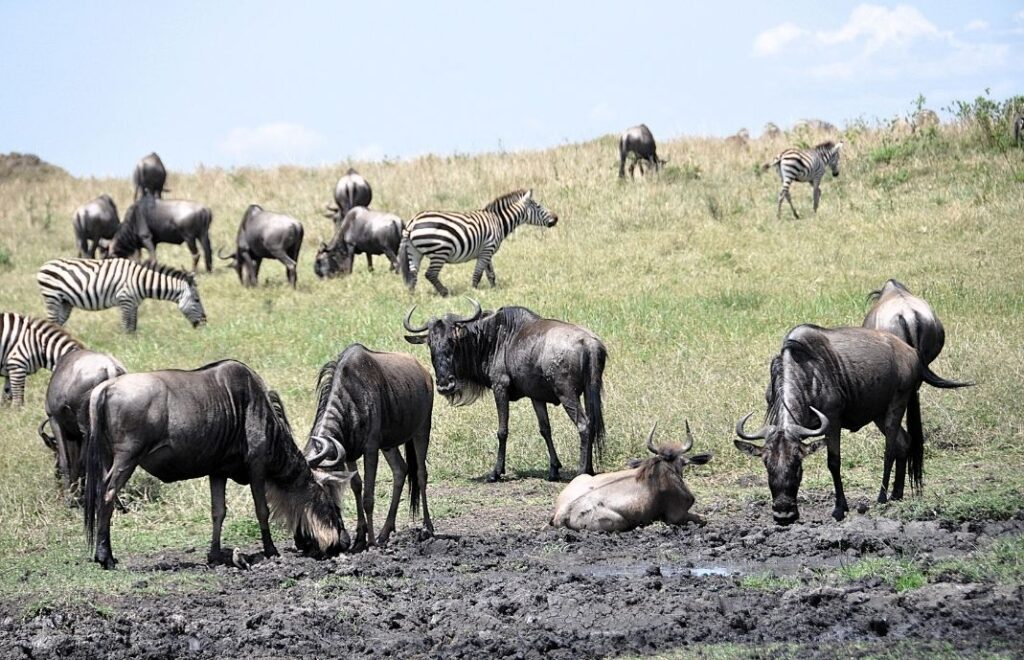
The Great Migration typically reaches the Maasai Mara this month, bringing thousands of wildebeest, zebra and predators. Safari conditions are exceptional across the country.
Best for:
- The Great Migration
- Big cat sightings
- Balloon safaris
- Beach holidays
Travel tips
July is peak season – book safaris and lodges well in advance.
August: Peak safari season
Weather
August remains cool and dry, offering some of the best weather of the year.
Safari conditions
The Great Migration is in full swing, with dramatic river crossings in the Maasai Mara. Wildlife sightings are superb across parks like Amboseli, Samburu, and Tsavo as well.
Best for:
- Safaris
- Migration photography
- Family holidays
- Cultural experiences
Travel tips
Expect high demand and premium pricing. Early planning is essential.
September: Ideal safari conditions
Weather
September is warm, dry, and clear – an excellent month countrywide.
Safari conditions
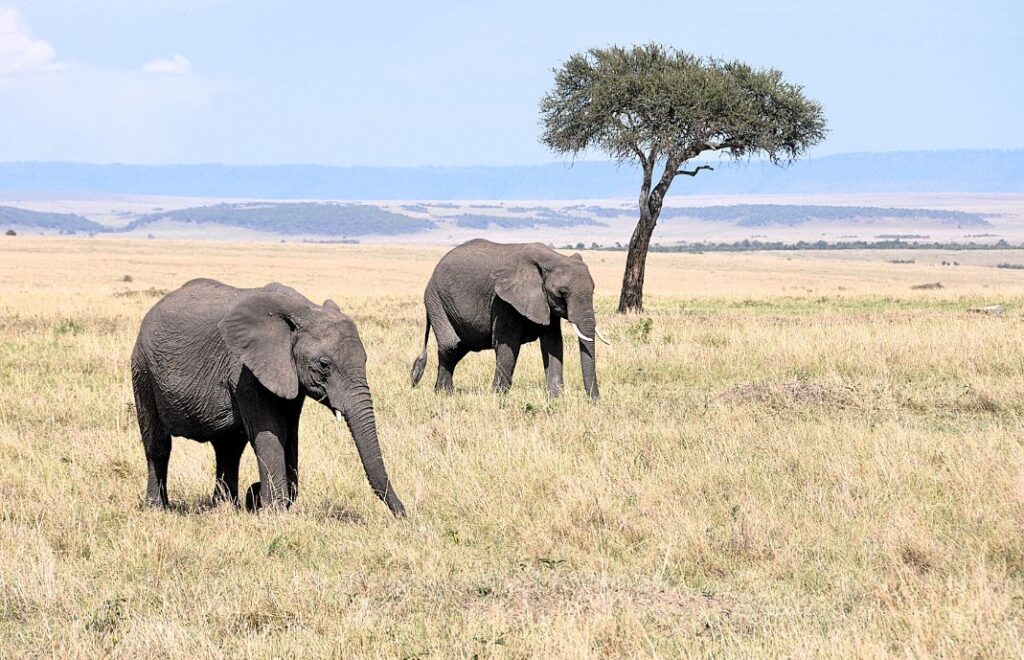
The Great Migration is still active, vegetation is low, and wildlife densities remain incredibly high. This is one of the best months for safari in Kenya.
Best for:
- Safaris
- Hot air balloon rides
- Photography
- Beach relaxation
Travel tips
A great alternative to August: same top-tier safari quality with slightly fewer crowds.
October: Last month of peak wildlife viewing
Weather
October stays warm and relatively dry, though light showers may begin late in the month.
Safari conditions
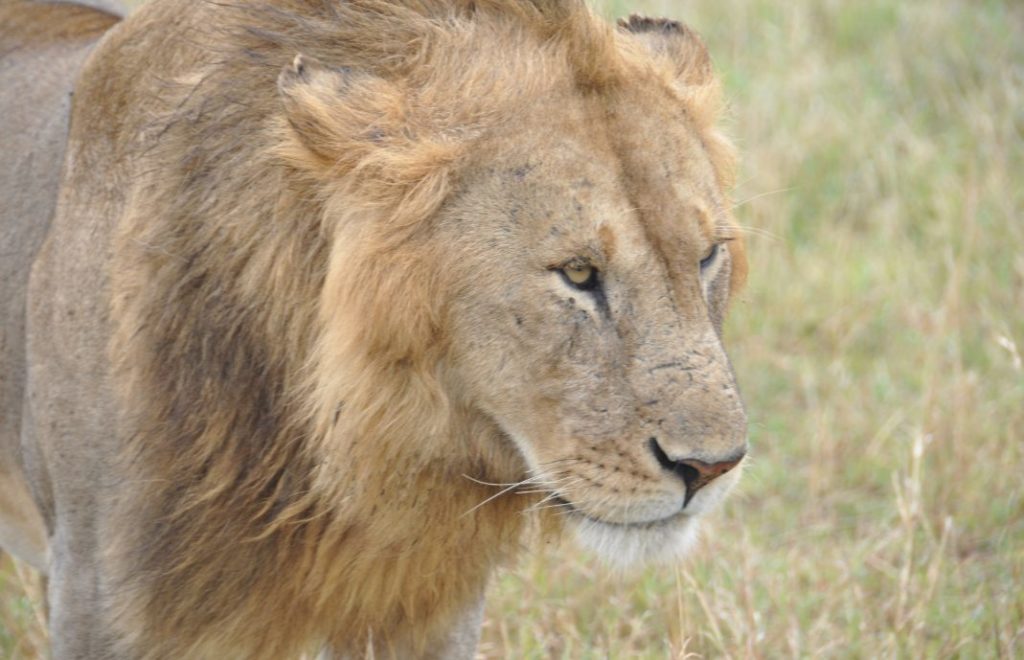
The Great Migration usually starts to move south into Tanzania, but wildlife viewing in Kenya remains outstanding. Parks across the country offer excellent sightings.
Best for:
- Safari
- Marine activities
- Calm, sunny beach weather
Travel tips
October is underrated – great safari conditions with more availability than high-season months.
November: Short rains & green landscapes
Weather
The short rains return, bringing refreshing showers and greener scenery.
Safari conditions
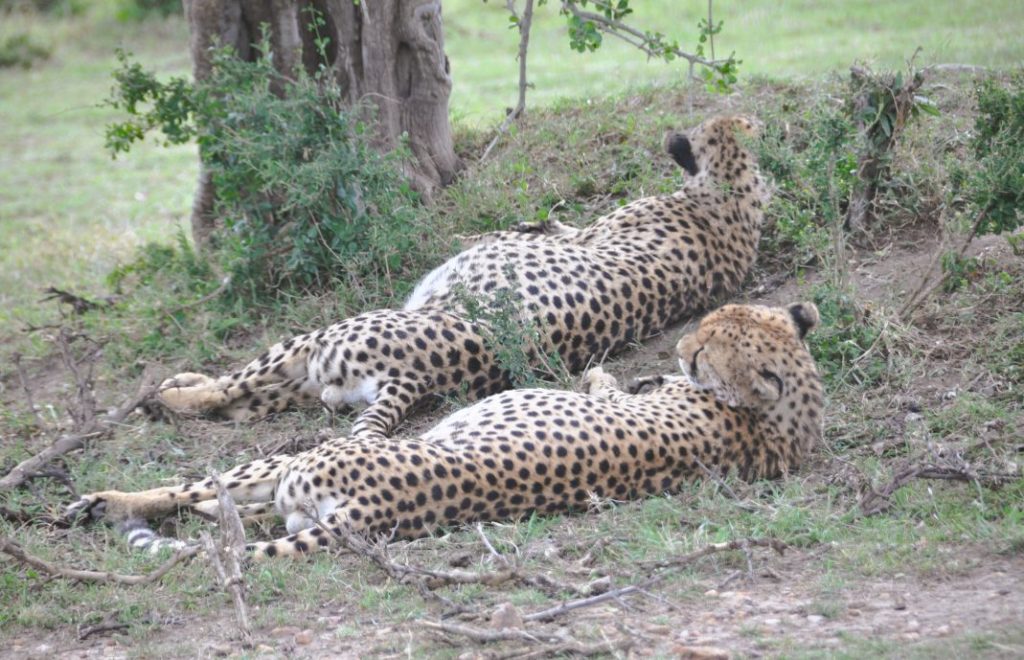
Wildlife viewing remains good, though occasional rainfall can affect logistics. Migratory birds begin to arrive, making this a superb month for birdwatching.
Best for:
- Budget travel
- Birdwatching
- Green, scenic photography
Travel tips
Rainfall tends to be brief and localized – don’t let the “rainy season” label deter you.
December: Festive travel & lush scenery
Weather
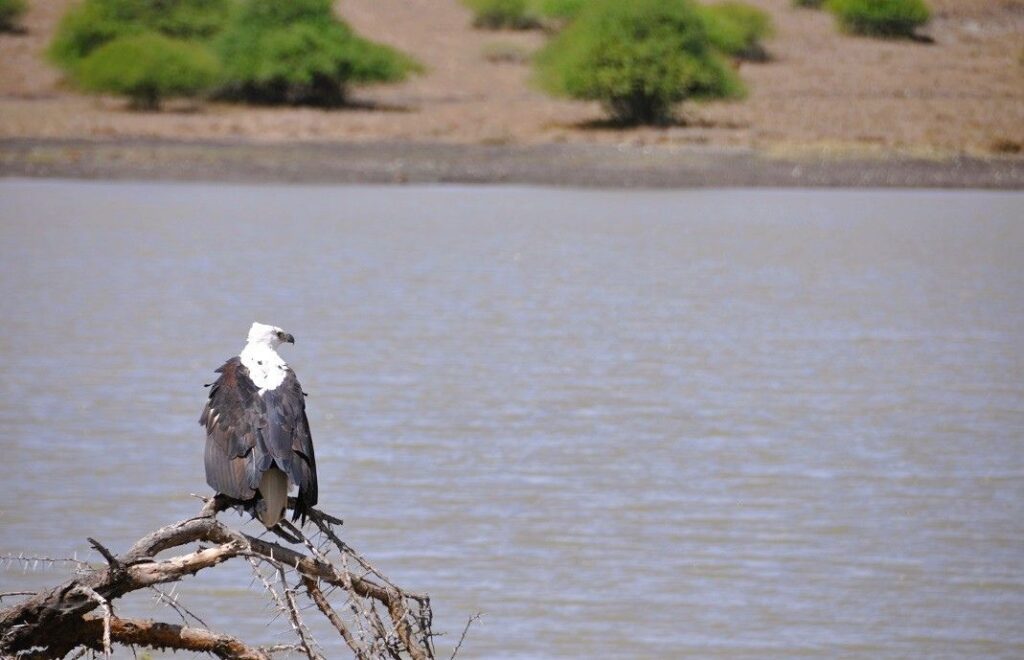
December is warm and humid, with short rain tapering off throughout the month. Late December often brings sunnier, more stable weather.
Safari conditions
Wildlife viewing is strong, especially in parks like Amboseli and Samburu. Landscapes are green and vibrant after the short rains.
Best for:
- Safaris
- Festive-season holidays
- Beach escapes
- Family-friendly travel
Travel tips
December is a popular travel month – book early for the best beach and safari options.
Conclusion
Kenya is one of those rare destinations where every month offers something remarkable. From the drama of the Great Migration and the tranquility of the green seasons to the sun-drenched coast and wildlife-rich savannahs, each moment of the year reveals a different facet of the country’s beauty.
By understanding how weather patterns, wildlife movements, and seasonal conditions shift throughout the year, you can plan a journey that aligns perfectly with your travel dreams.
Whether you choose the vibrant life of January, the lush stillness of April, or the thrilling spectacle of July and August, Kenya rewards travelers who time their visit with intention. Let this guide be your compass – and get ready to experience a country that captivates in every season.
