
South Dakota reveals itself through contrast. One moment you’re standing beneath eroded rock formations shaped by time and silence. The next you’re face to face with bold human ambition carved into stone. This is a state where nature and history don’t exist separately. They overlap, challenge one another, and together define the identity of the land.
The icons of South Dakota are not just places to visit; they are chapters in a larger story. They speak of ancient forces beneath the earth and sweeping rivers that carried people and trade. These icons are sacred spaces, frontier towns, and monuments born from both reverence and controversy. Together they form a portrait of a state shaped by geology, belief, resilience, and reinvention.
They all invite travelers to look deeper, slow down, and discover why these landmarks continue to matter long after the first impression fades.

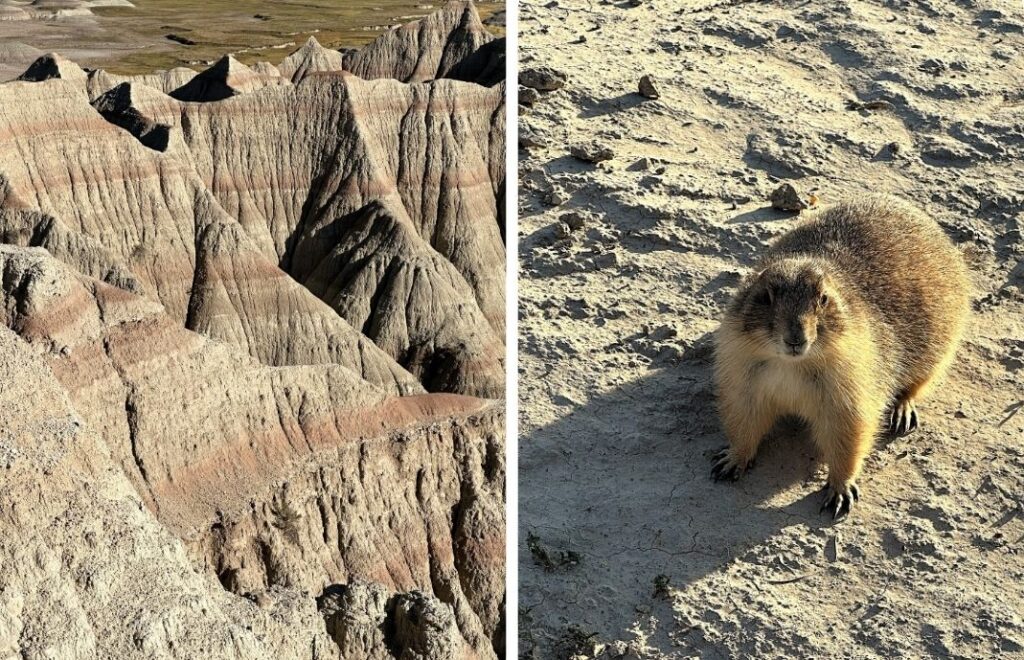
Badlands National Park
Badlands National Park feels raw and elemental, shaped by erosion, time, and extreme contrasts. Its layered rock formations, sharp ridges, and open prairie create a landscape that looks almost unreal, especially as light shifts throughout the day. The park’s beauty is not gentle; it’s stark, dramatic, and unapologetically exposed.
Beyond its visual impact, the Badlands hold deep geological significance. Fossils found here reveal ancient ecosystems and extinct species, offering insight into a world that existed long before human presence. The park also carries cultural meaning, as parts of the land are tied to Indigenous history and lived experience.
What makes the Badlands iconic is how they challenge expectations. There are no towering forests or flowing rivers – just space, silence, and texture. It’s a place that encourages slow observation and reflection, rewarding those who take the time to understand its rhythms rather than rush through its scenery.
More inspiration: 10 reasons to visit Badlands National Park
Crazy Horse Memorial
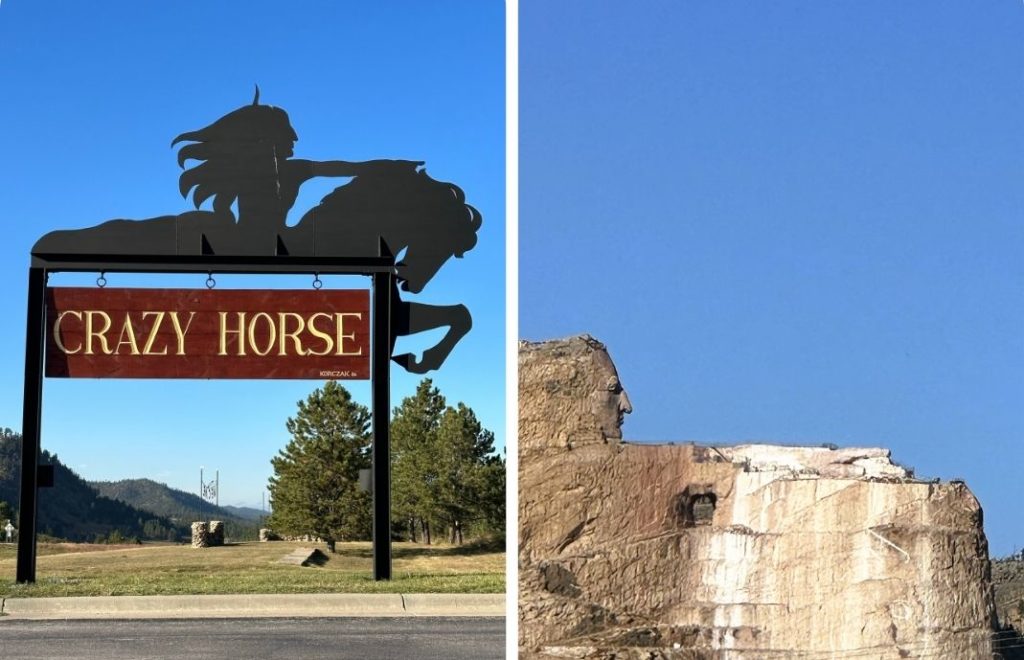
The Crazy Horse Memorial is one of South Dakota’s most powerful and complex icons. Carved into the Black Hills, it represents not only an ambitious artistic vision but also a deeply symbolic statement about history, identity, and recognition. Unlike many monuments, this one remains unfinished, its scale and ongoing work reflecting a story that is still unfolding.
The memorial honors the Lakota leader Crazy Horse, a figure associated with resistance, leadership, and cultural strength. Its sheer size is striking, yet what often leaves the strongest impression is the intention behind it – to tell a story that has long been marginalized or misunderstood. The surrounding cultural center adds context, emphasizing education and heritage rather than spectacle.
What makes Crazy Horse iconic is not just what has been carved, but what it represents. It invites reflection rather than simple admiration, asking visitors to consider whose stories are told, how history is remembered, and why some legacies take generations to fully emerge.
Custer State Park
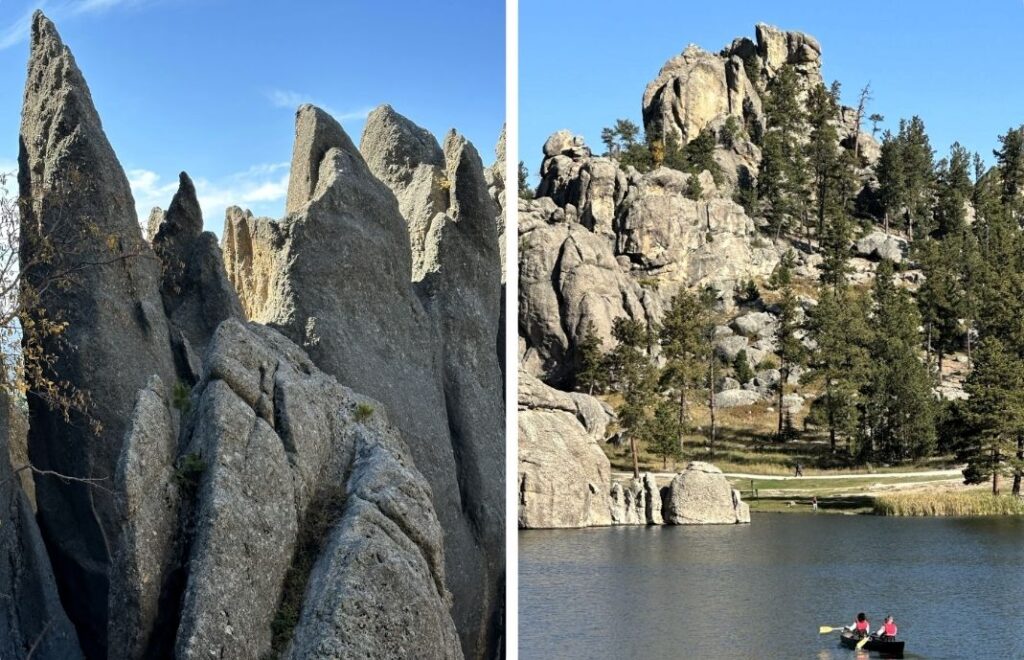
Custer State Park is where South Dakota’s landscape feels most alive. Rolling hills, granite spires, open grasslands, and clear lakes come together to create a setting that feels both expansive and intimate. Wildlife is central to the park’s identity, with bison herds roaming freely and shaping the experience as much as the scenery itself.
The park’s roads are part of its appeal, winding through changing terrain that reveals new perspectives at every turn. Unlike more confined natural spaces, Custer State Park feels open and dynamic, encouraging exploration rather than containment. Its beauty lies in movement – of animals, light, and weather across the land.
What makes Custer State Park iconic is its balance. It offers dramatic landscapes without feeling untouchable, and wildness without complete separation from human presence. It’s a place where nature feels active rather than preserved, inviting visitors to experience South Dakota as a living, breathing landscape rather than a static view.
More inspiration: A guide to Custer State Park
Dignity of Earth and Sky
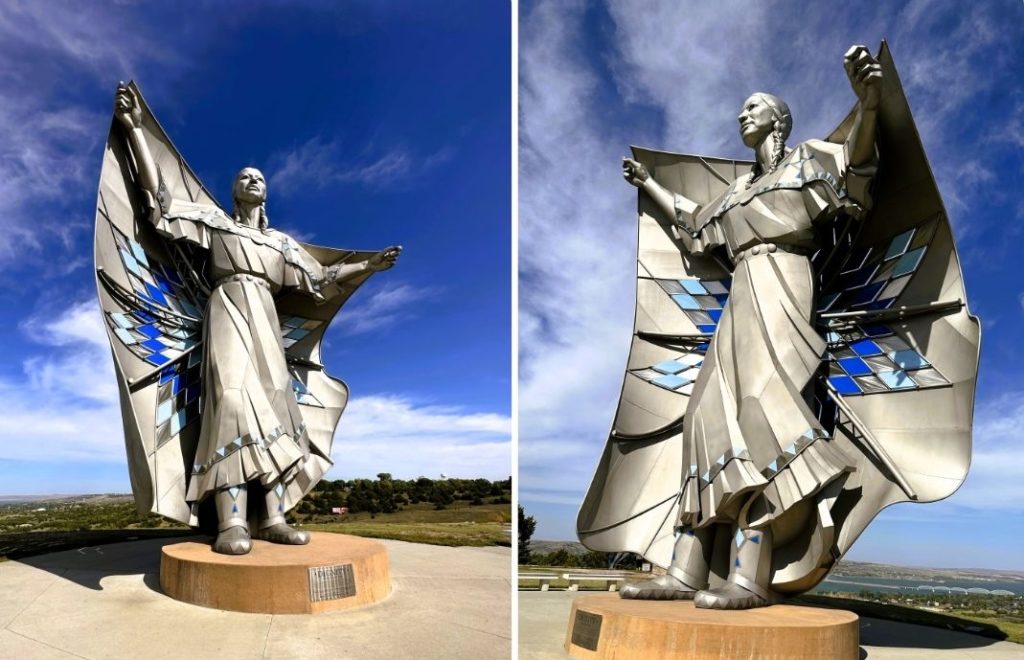
The Dignity of Earth and Sky sculpture stands quietly above the Missouri River, offering one of South Dakota’s most moving and contemplative landmarks. The sculpture depicts a Lakota woman holding a star quilt, gazing out over the land with strength and calm. Rather than dominating the landscape, it feels integrated into it, shaped as much by sky and wind as by steel.
What makes Dignity especially powerful is its stillness. There is no dramatic action or grand gesture—only presence. The sculpture invites pause, reflection, and respect, encouraging visitors to consider the enduring relationship between land, culture, and identity. Its position overlooking the river reinforces themes of continuity and connection across generations.
As an icon, Dignity represents something deeper than visual impact. It honors Indigenous heritage while offering a modern expression of resilience and dignity. In a state defined by both vast landscapes and layered histories, this sculpture stands as a quiet reminder that meaning does not always come from scale, but from intention and place.
More inspiration: Discovering the Dignity of Earth and Sky sculpture
Jewel Cave National Monument
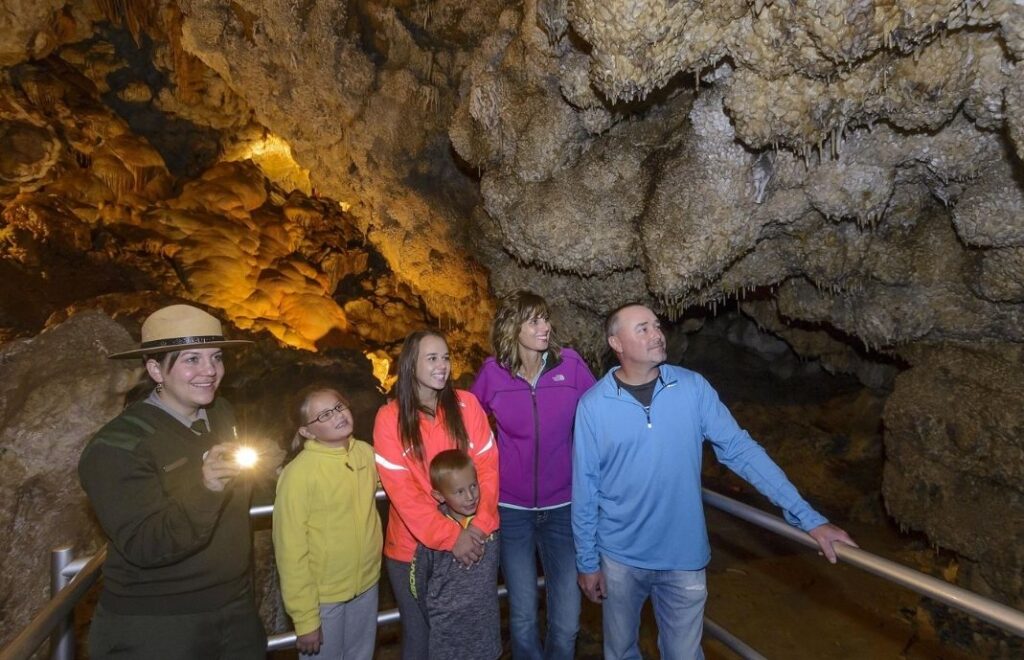
Jewel Cave National Monument hides one of South Dakota’s most remarkable worlds beneath the surface. What appears quiet and unassuming above ground opens into an immense underground network of passages, chambers, and intricate formations shaped over millions of years. It is one of the longest cave systems ever discovered, and exploration is still ongoing.
The cave is known for its delicate crystal formations, narrow corridors, and surprising complexity rather than vast open rooms. This creates an experience that feels intimate and almost meditative, drawing attention to detail rather than scale. The temperature and stillness underground heighten the sense of entering a space governed by geological time rather than human presence.
What makes Jewel Cave iconic is its contrast to the surrounding Black Hills. While forests and granite peaks define the landscape above, the cave reveals an entirely different dimension below. It reminds visitors that South Dakota’s story is not only written across its surface but also hidden deep within the earth itself.
Missouri River
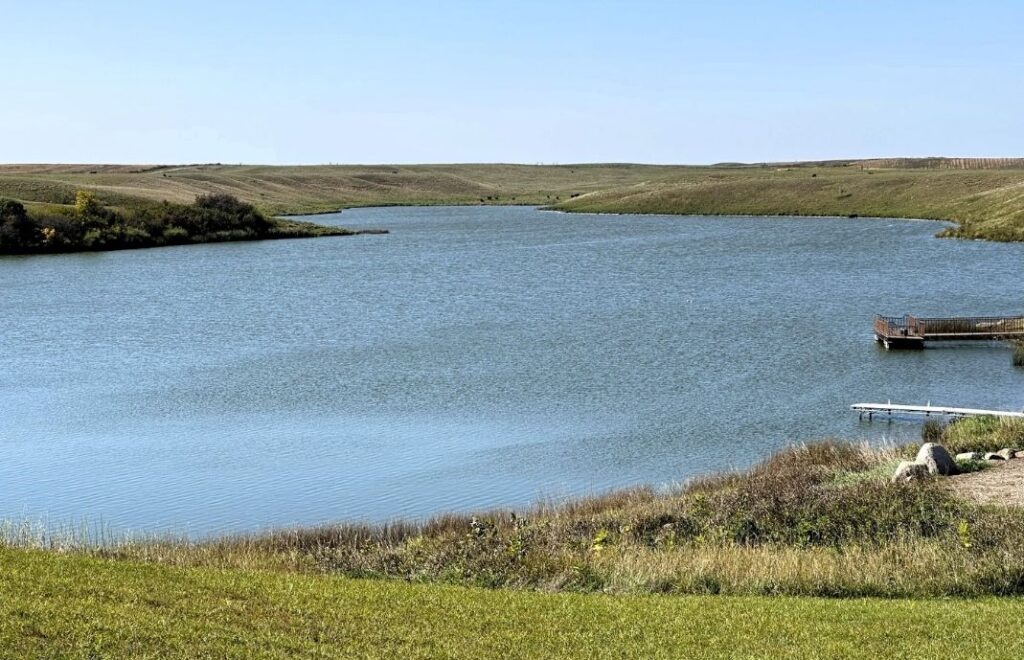
The Missouri River is the quiet backbone of South Dakota, shaping both its landscape and its history. Flowing steadily through the state, it has long served as a lifeline for Indigenous communities, explorers, traders, and settlers who depended on its waters for movement, resources, and connection. Its presence introduces softness and flow into a land often defined by wide plains and rugged terrain.
Along its banks, the pace of life changes. Towns and rural landscapes feel more settled, shaped by agriculture, transport, and long views over open water. The river creates natural corridors of green that contrast with the surrounding prairie, offering moments of calm and reflection.
What makes the Missouri River iconic is its sense of continuity. While landmarks rise and erode, the river remains constant, carrying stories forward through generations. It represents movement rather than monument – an enduring reminder that South Dakota’s identity has been shaped as much by water and passage as by stone and earth.
Mount Rushmore National Memorial
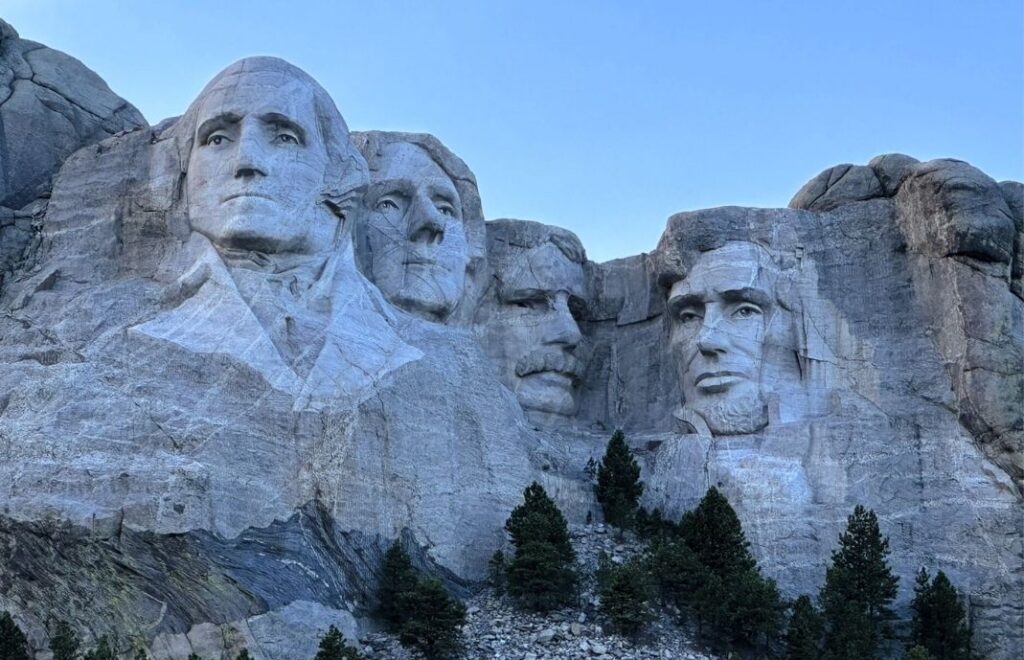
Mount Rushmore is one of the most instantly recognizable landmarks in the United States, yet its impact goes beyond familiarity. Carved into the granite face of the Black Hills, the monument reflects a specific moment in American history and a particular vision of national identity. The scale is striking, but so is the setting, where forested hills soften the monument’s otherwise imposing presence.
For many visitors, the experience is layered. There is awe at the engineering and ambition required to shape the mountain, paired with reflection on the historical figures represented and the narratives they embody. The site encourages contemplation as much as observation, inviting visitors to consider how history is remembered and presented.
What makes Mount Rushmore iconic is its complexity. It is both a symbol of national pride and a point of ongoing conversation about land, representation, and legacy. Standing before it, the monument feels less like a conclusion and more like an entry point into deeper discussions about South Dakota, the Black Hills, and the stories we choose to carve into the landscape.
More inspiration: Mount Rushmore: A complete visitor guide
Wind Cave National Park
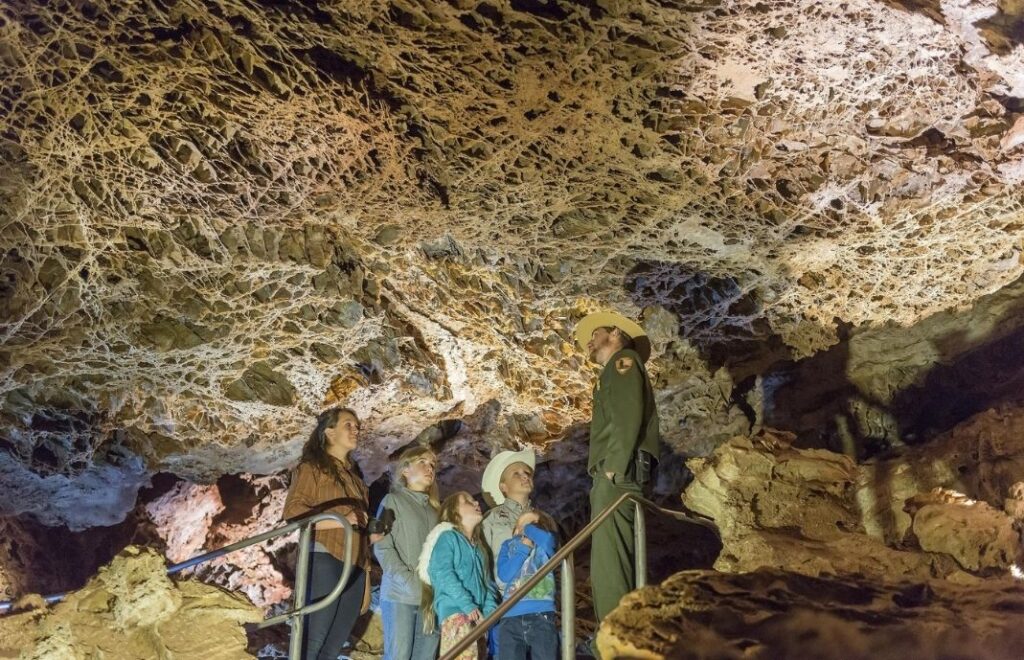
Wind Cave National Park is defined by what lies beneath rather than what rises above. The park protects one of the world’s longest and most complex cave systems, known especially for its rare boxwork formations – thin, honeycomb-like structures found in very few places on Earth. Underground, the cave feels intricate and alive, shaped slowly by air, water, and time.
Above ground, the park offers a striking contrast. Rolling prairie stretches across the surface, home to bison, prairie dogs, and other wildlife that move freely through the grasslands. This dual identity, cave below, prairie above, makes Wind Cave unique among national parks.
What makes Wind Cave iconic is its sense of quiet depth. It doesn’t announce itself with dramatic peaks or sweeping vistas but instead invites curiosity and patience. The park rewards those willing to look beyond first impressions, revealing a hidden complexity that mirrors South Dakota’s broader landscape and history.
Historic Deadwood
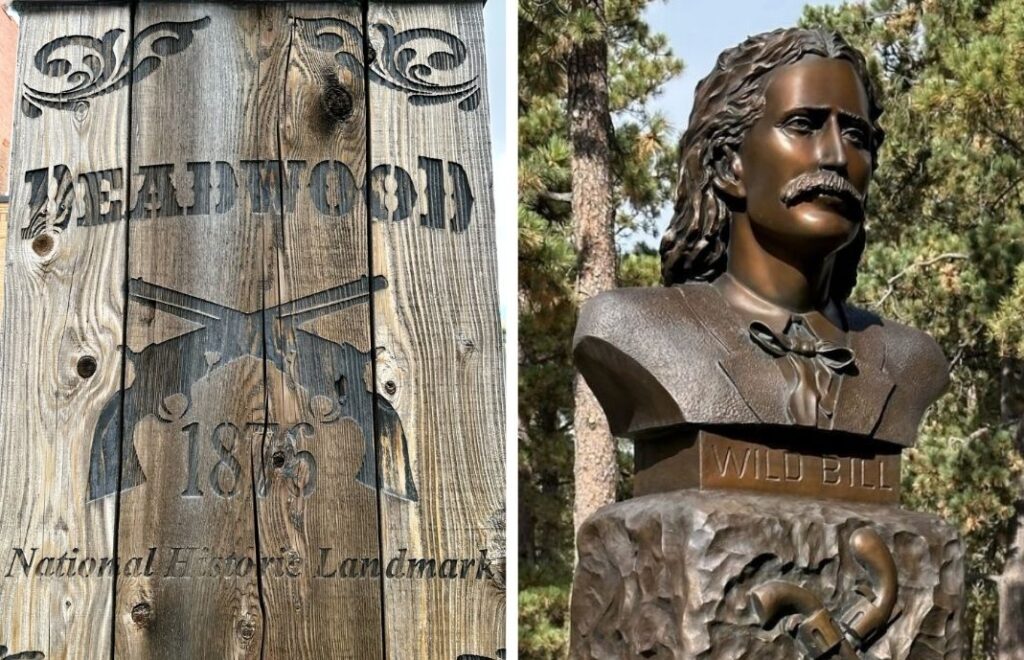
Deadwood is a town built on stories, shaped by gold, chance, and reputation. Born out of the Black Hills Gold Rush, it quickly became a place where ambition, lawlessness, and opportunity collided. The streets still follow their original lines, and many buildings date back to the town’s earliest days, giving Deadwood a sense of continuity that feels unusually intact.
What defines Deadwood is not just its past, but how openly it lives with it. Legends of gamblers, gunfighters, and frontier figures linger in the atmosphere, yet the town avoids feeling frozen in time. History here is layered rather than staged, woven into everyday life rather than isolated behind exhibits.
Deadwood’s iconic status comes from this balance between myth and reality. It embraces its larger-than-life reputation while allowing space for quieter reflection. Walking its streets, you sense that the stories matter not because they were dramatic, but because they shaped a place that still knows exactly who it is.
More inspiration: Deadwood: Where legends shaped the Black Hills
This post is a collaboration with Travel South Dakota. I am grateful for their cooperation.
